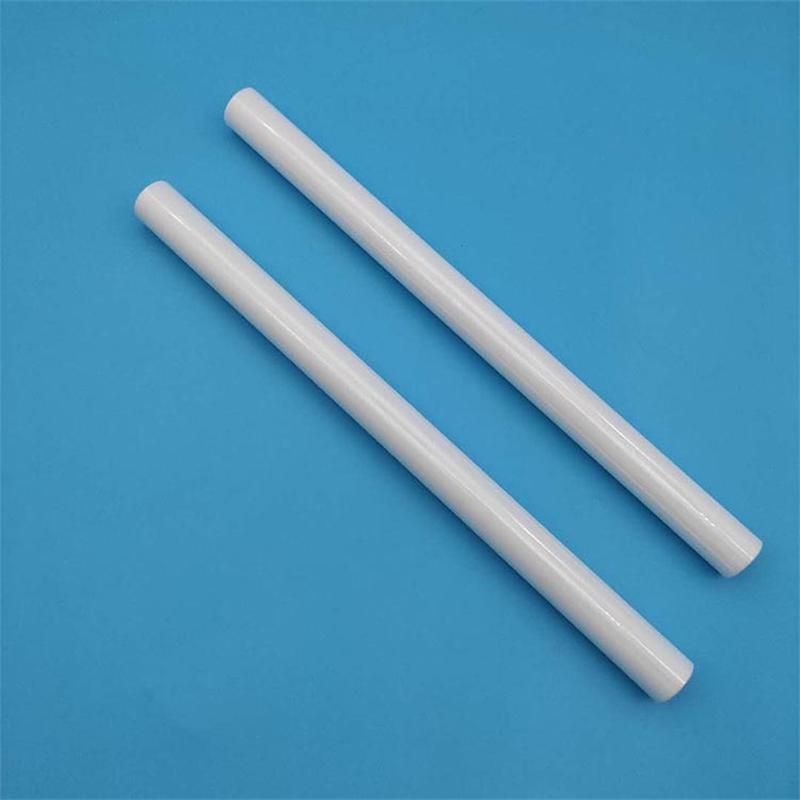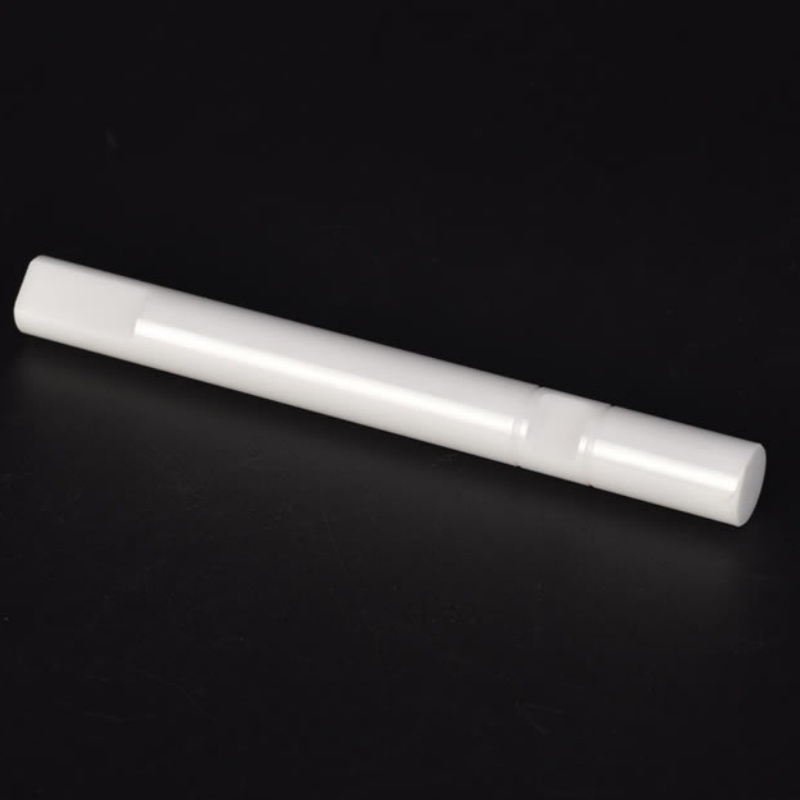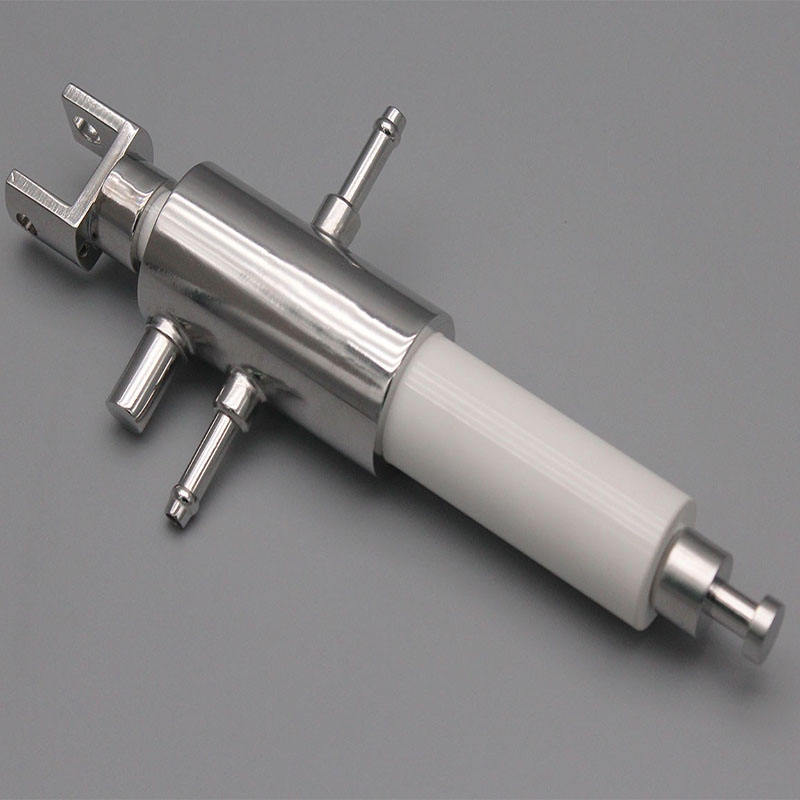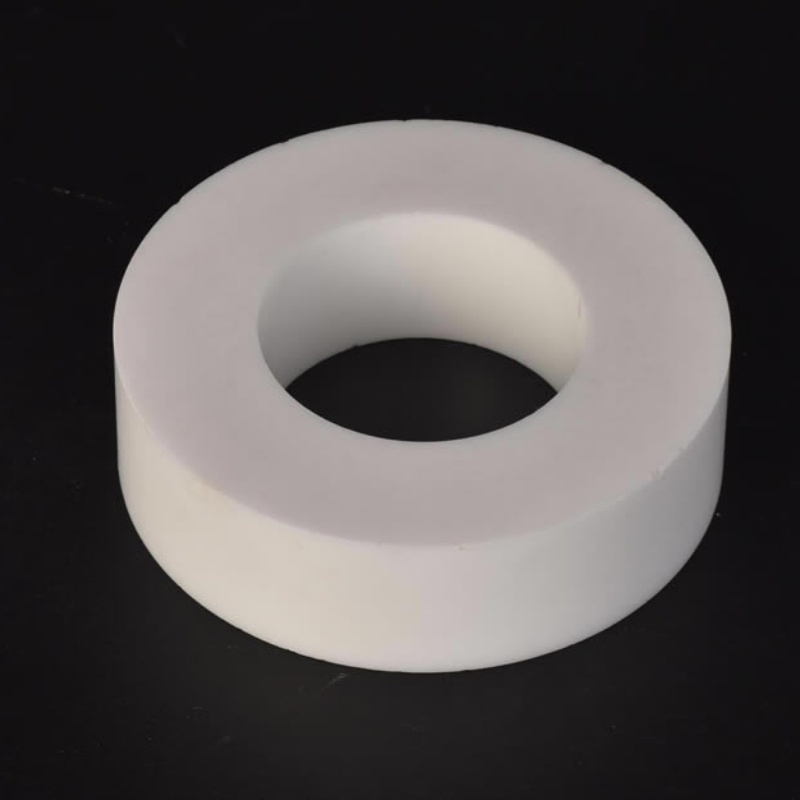
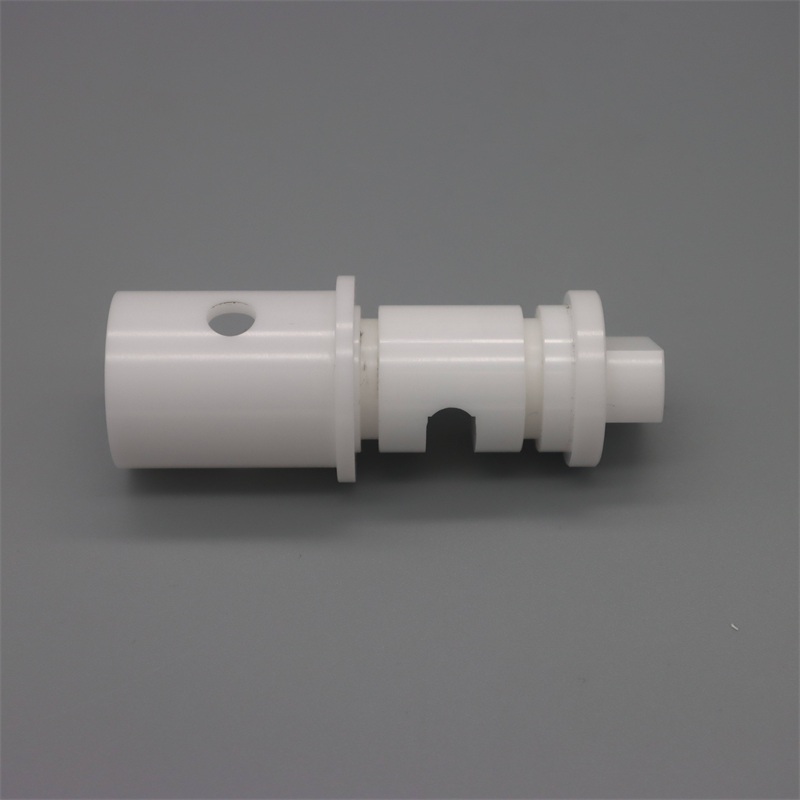
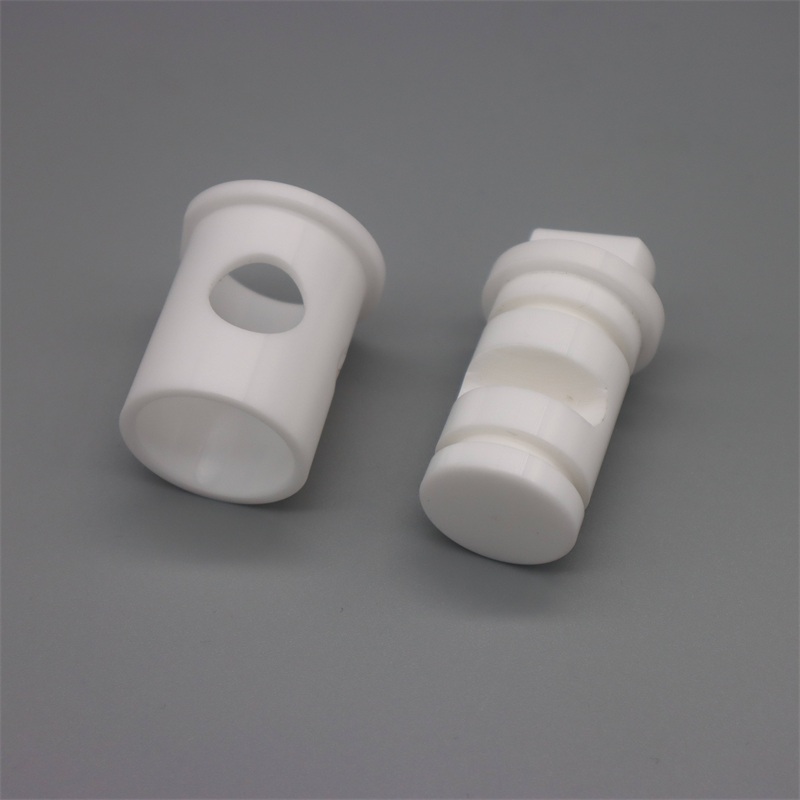
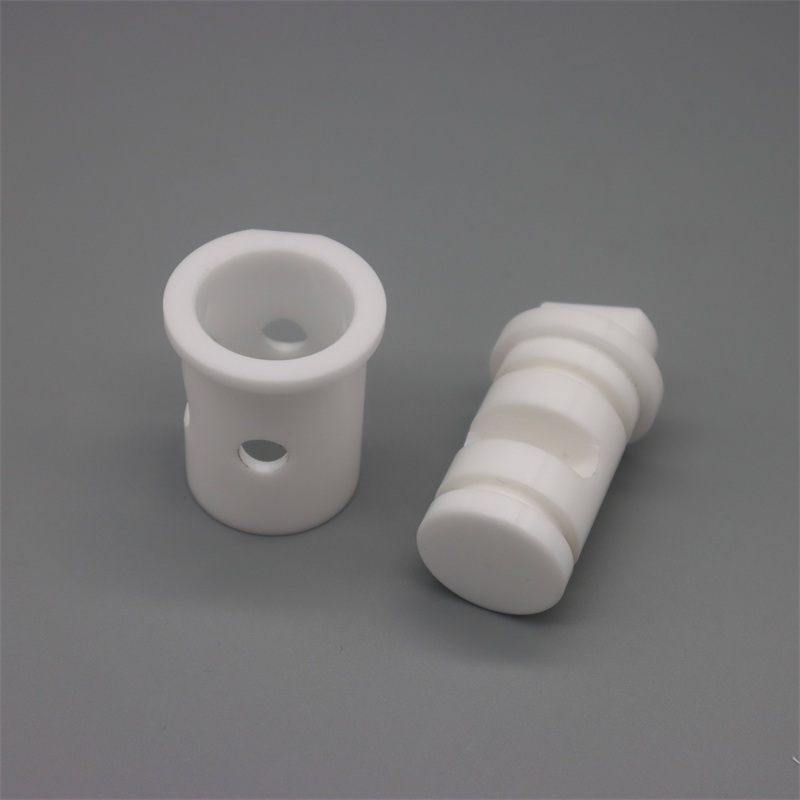
Zirconia Ceramic Valve Cores
Zirconia ceramic valve cores are precision flow-control components made primarily from zirconium dioxide, or ZrO₂, often stabilized with yttria, magnesia, or ceria. They are widely used in demanding fluid-handling systems where conventional metals and polymers cannot reliably withstand wear, corrosion, erosion, or high-pressure operation. Unlike many oxide ceramics, zirconia offers unusually high fracture toughness, making it one of the most damage-tolerant structural ceramics for valve internals.
What are zirconia ceramic valve cores?
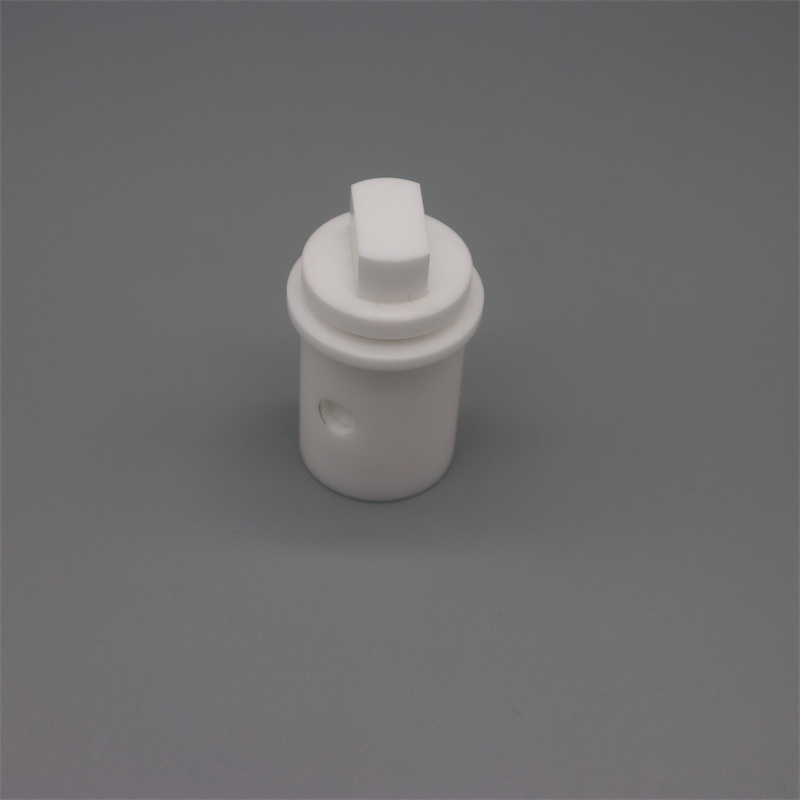
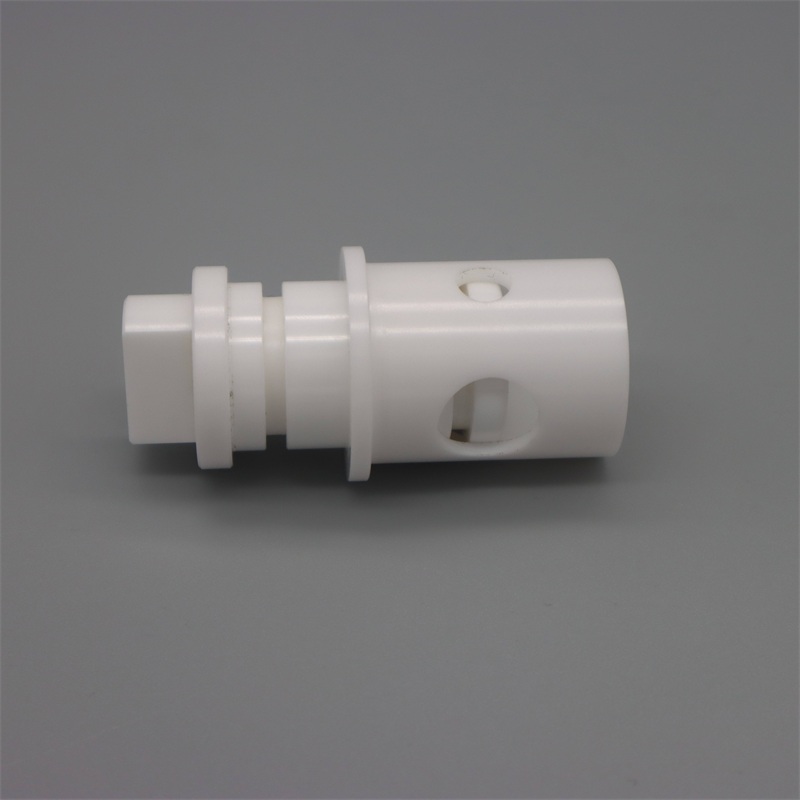
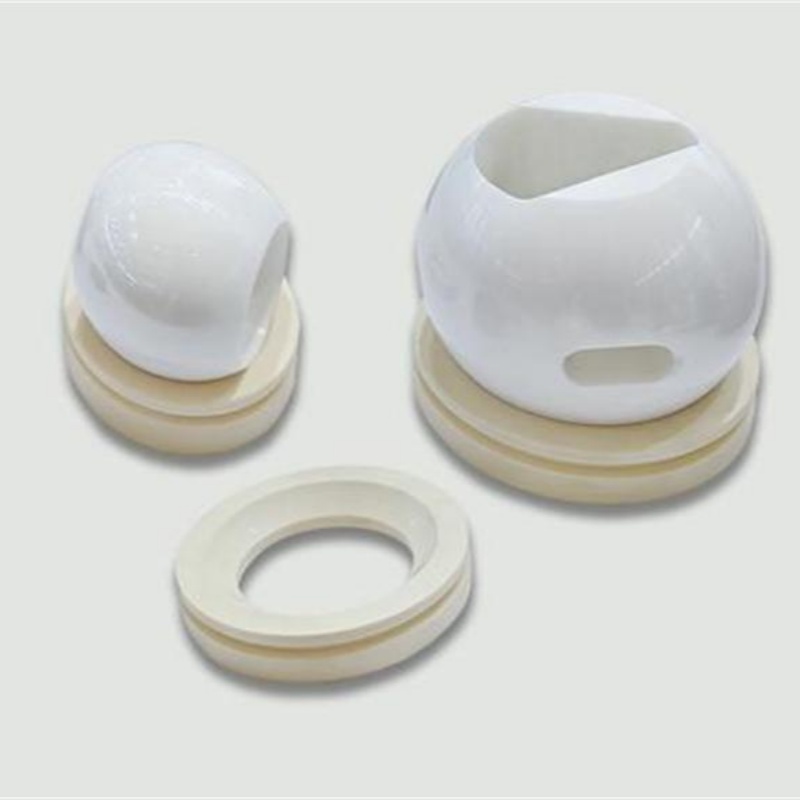
Zirconia ceramic valve core is the internal sealing and throttling element of a valve assembly. Depending on the design, it may function as a plug, ball, spool, disc, or sliding insert. Its main role is to regulate, isolate, or direct fluid flow while maintaining dimensional stability and sealing integrity under repeated mechanical action.
Pure zirconia undergoes destructive phase transformations during heating and cooling. To make it usable in engineering applications, stabilizers such as yttrium oxide are added. The most common engineering grade for valve cores is yttria-stabilized tetragonal zirconia polycrystal, commonly referred to as Y-TZP. This microstructure enables transformation toughening, a mechanism in which localized stress triggers a tetragonal-to-monoclinic phase change that compresses developing cracks and improves resistance to fracture.
Key engineering properties
Zirconia valve cores are selected mainly for their combination of mechanical strength, wear resistance, and chemical stability. Typical properties vary with grade, density, and manufacturing method, but dense Y-TZP components generally exhibit high fracture toughness compared with alumina and many other oxide ceramics. Flexural strength is also high, often falling in the range of 800 to 1,200 MPa for well-sintered Y-TZP. The material offers excellent wear resistance, especially in abrasive or particle-laden media, and good corrosion resistance in many acids, alkalis, and organic fluids.
Zirconia has relatively low thermal conductivity, which can reduce heat loss but may increase the risk of thermal stress under rapid temperature changes. It is electrically insulating at room temperature, although conductivity increases at elevated temperature. Its density is typically around 6.0 g/cm³, which influences inertia, handling, and support design. These properties make zirconia especially suitable for small to medium-sized precision valve cores rather than very large structural valve bodies.
Why zirconia performs well in valve applications
Valve cores experience repeated sliding, rotating, or seating contact, often under pressure. In metal valves, abrasive media can cause galling, erosion, or seat leakage over time. Polymer cores may swell, deform, or degrade in aggressive chemicals or elevated temperatures.
Zirconia addresses these failure modes through its hardness and chemical inertness. Its smooth, dense surface can be finished to tight tolerances, helping maintain consistent sealing lines. Transformation toughening further reduces the risk of chipping during assembly, operation, or accidental impact. This is particularly important for ceramic internals, where brittle failure must be minimized through both material selection and design.
Common zirconia grades for valve cores
Not all zirconia materials behave the same. The choice of stabilizer and processing route strongly affects performance.
Y-TZP is the most widely used grade for precision valve cores. It provides a strong balance of flexural strength, fracture toughness, wear resistance, and manufacturability. Ce-TZP, stabilized with ceria, typically offers higher toughness but lower hardness, making it suitable when impact resistance is more critical than maximum abrasion resistance. Mg-PSZ, or magnesia-partially-stabilized zirconia, has a coarser microstructure and better thermal shock resistance in some conditions, and it may be considered for certain high-temperature or wear applications. Alumina-toughened zirconia combines zirconia with alumina to improve wear behavior and thermal stability, and it can be considered when a balance between alumina and zirconia properties is needed.
For most valve core applications involving abrasive fluids, corrosive media, or precision sealing, Y-TZP remains the default engineering choice.
Typical applications
Zirconia ceramic valve cores are used where reliability depends on long-term resistance to wear, corrosion, or fine leakage. In chemical processing valves, they help resist corrosive liquids that would otherwise attack metal seats. In slurry and abrasive media handling, their hardness and wear resistance reduce erosion of the sealing surface. In high-purity fluid systems, zirconia helps avoid metallic ion contamination.
They are also used in oil and gas instrumentation valves, where stable sealing surfaces are required under pressure, and in water treatment or desalination systems, especially where chloride-containing environments may accelerate metal corrosion. In food, pharmaceutical, and cosmetic processing, zirconia is valued for its cleanability and chemical resistance. In thermal management and specialty fluid circuits, its non-metallic character and low thermal conductivity can be beneficial.
In these applications, zirconia is not chosen simply because it is hard. It is selected because it can maintain sealing geometry and surface finish under conditions that would otherwise degrade metal, polymer, or less tough ceramic components.

Advantages
Zirconia valve cores offer several clear engineering advantages. They provide superior wear resistance compared with many metals and polymers, and high fracture toughness for a ceramic material. Their corrosion resistance is strong in many aggressive environments, and they can be ground to tight dimensional tolerances with a smooth surface finish. Zirconia also presents a low risk of metallic ion contamination and can deliver long service life in abrasive or chemically active fluids.
Limitations and design precautions
Zirconia is not a universal replacement for metal or other ceramics. Its limitations must be considered during design and procurement. Like all ceramics, it is brittle and does not yield like metal. Over-constraint, point loading, or impact can cause fracture. Although some zirconia grades are more tolerant of thermal shock than alumina, rapid temperature changes can still induce cracking.
Y-TZP may also be susceptible to low-temperature degradation in moist environments at moderate temperatures, which can reduce strength over time. Material grade, operating environment, and service life expectations should be evaluated. Machining complexity is another consideration, because final dimensions usually require diamond grinding. Tight tolerances increase manufacturing difficulty and cost. Zirconia cores are typically more expensive than standard metal or polymer alternatives, and their temperature limits depend not only on the ceramic itself but also on the valve body, seat, and surrounding materials.
When to choose zirconia over other ceramics
For valve cores, zirconia is often preferred over alumina when toughness and impact resistance are important. Alumina offers higher hardness and better electrical insulation at elevated temperature, but it is more brittle and more prone to chipping under mechanical shock.
Silicon carbide may be considered when extreme hardness, thermal conductivity, or high-temperature stability is required. However, silicon carbide is generally more difficult to fabricate into complex core geometries and may be less tolerant of impact. Silicon nitride provides excellent thermal shock resistance and toughness, but its cost and processing requirements can be higher for small precision valve components.
In practice, zirconia ceramic valve cores are most appropriate when the primary challenges are wear, corrosion, sealing stability, and moderate mechanical shock, rather than extreme thermal cycling or very high continuous operating temperatures.
FAQ
What are zirconia ceramic valve cores used for?
They are used as precision internal valve components to control, isolate, or regulate fluid flow in abrasive, corrosive, high-purity, or high-wear environments.
How does zirconia compare with alumina for valve cores?
Zirconia generally offers higher fracture toughness and better impact resistance, while alumina provides higher hardness and better high-temperature electrical insulation. Zirconia is often preferred for wear-prone valve internals.
Can zirconia valve cores operate at high temperature?
Zirconia retains useful mechanical properties at elevated temperatures, but thermal shock and system sealing design must be considered. Continuous operating limits depend on the grade, environment, and valve assembly.
Is zirconia resistant to corrosion?
Yes, dense zirconia shows good resistance to many acids, alkalis, and organic fluids. However, chemical compatibility should be confirmed for specific media, temperature, and pressure conditions.
What is the main risk when using zirconia valve cores?
The main risks are brittle fracture from impact, improper mounting, or excessive constraint, as well as potential low-temperature degradation of some Y-TZP grades in moist environments.
When should another material be considered?
If the application involves severe thermal shock, very high continuous temperatures, or extreme electrical insulation requirements, alumina, silicon carbide, or silicon nitride may be more suitable.