
Material Selection Guide for Corrosive Environments
Corrosion is the gradual degradation of materials through chemical or electrochemical interaction with their environment. For engineers, procurement managers, and product designers, selecting the right material for corrosive service is not merely a technical exercise—it is a critical decision that directly impacts equipment lifespan, safety, and total cost of ownership. Experience in industrial settings demonstrates that the cost of replacing a failed vessel or pipe system far exceeds the initial expense of specifying the correct material from the outset.
This guide provides an objective, data-driven framework for materials selection across metals, engineering plastics, and composites, equipping professionals with the knowledge needed to make informed decisions in aggressive chemical environments.
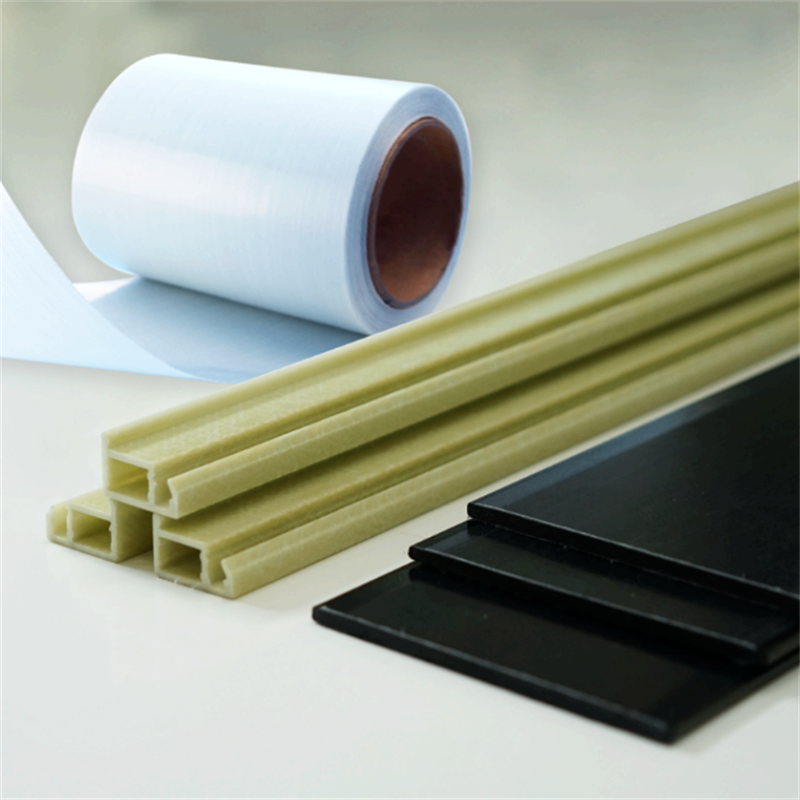
What Is Corrosion and Why Does Material Selection Matter?
Corrosion in metals typically involves electrochemical reactions, while non-metals may degrade through chemical or physical mechanisms such as oxidation, dissolution, or swelling. The complexity arises because corrosion behavior depends on a multitude of factors: the specific corrosive medium, its concentration, temperature, pressure, flow velocity, and even the metallurgical state of the alloy itself.
The consequences of inadequate material selection are severe. Corrosion is not limited to uniform thinning; it can manifest in localized forms such as pitting, crevice corrosion, stress corrosion cracking (SCC), or intergranular attack. According to industry data, localized corrosion accounts for approximately 70% of failures in chemical process equipment, and these failures are often sudden and catastrophic.
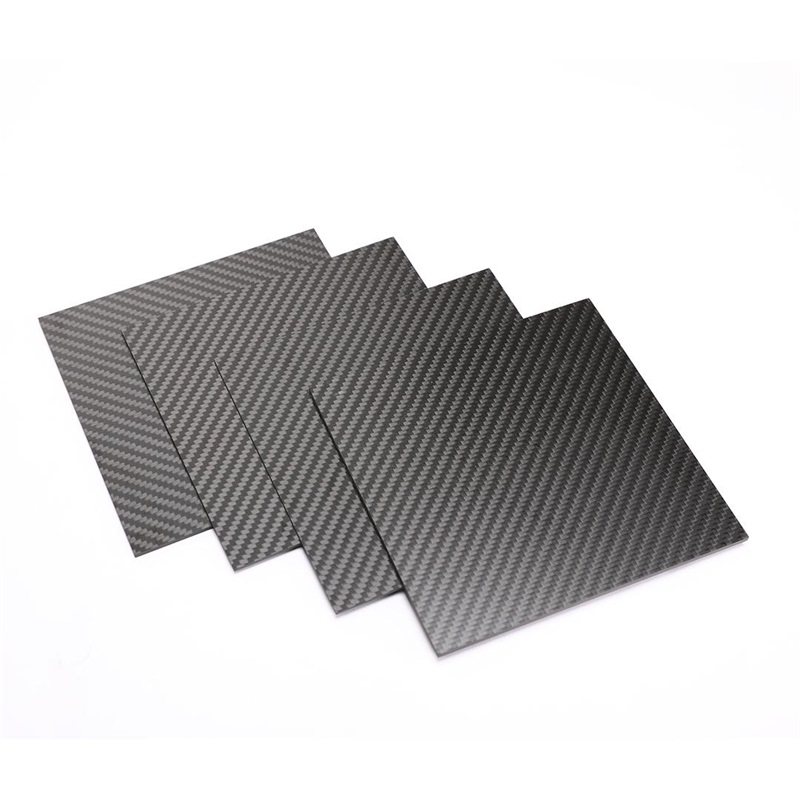
Corrosion Resistance Classification
For engineering purposes, corrosion resistance is quantified by the annual corrosion rate. The oil and petrochemical industry generally adopts the following classification for metallic materials:
A material with an annual corrosion rate of 0.05 millimeters or less is considered fully corrosion-resistant. When the rate falls between 0.05 and 0.10 millimeters per year, the material is classified as corrosion-resistant. Materials showing rates from 0.10 to 0.50 millimeters per year are deemed reasonably corrosion-resistant, while anything exceeding 0.50 millimeters per year is considered not corrosion-resistant for service applications.
For critical applications, the target is typically a rate below 0.05 millimeters per year, using conventional materials with a minimum corrosion allowance. When the rate exceeds 0.5 millimeters per year, a technical and economic comparison is required to determine whether to switch materials or increase the corrosion allowance.
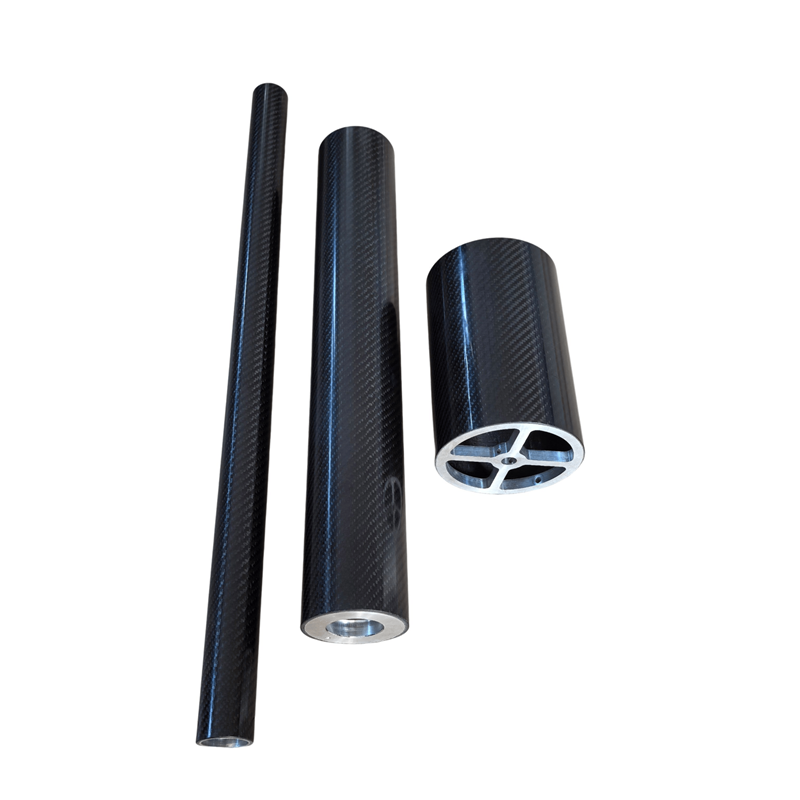
Materials Selection Framework: A Comparative Overview
The selection of materials for corrosive environments depends on identifying the primary corrosive agent and operating conditions. Stainless steels, including grades 304, 316, duplex, and superaustenitic varieties, offer strong general corrosion resistance in many media, with the 316 grade providing improved resistance to chloride attack. However, they are susceptible to pitting and crevice corrosion in chloride environments, particularly the 304 grade, and stress corrosion cracking becomes a concern above 60 degrees Celsius.
Nickel-based alloys such as Hastelloy C-276, Alloy 625, and Incoloy 825 deliver exceptional broad-spectrum chemical resistance, performing well in reducing acids and wet chlorine environments, though they come at a significantly higher cost than stainless steels.
Titanium and its alloys, including commercially pure titanium and grades 7 and 12, demonstrate outstanding resistance in oxidizing media, seawater, and chloride solutions with no pitting tendency. Their primary limitations include high cost and unsuitability for dry chlorine or reducing acids without proper alloying.
Engineering plastics like PPS, PEEK, PTFE, and PVDF offer inertness to a broad range of chemicals and provide excellent non-metallic solutions, though they face temperature limitations except for PEEK, and mechanical strength constraints must be considered.
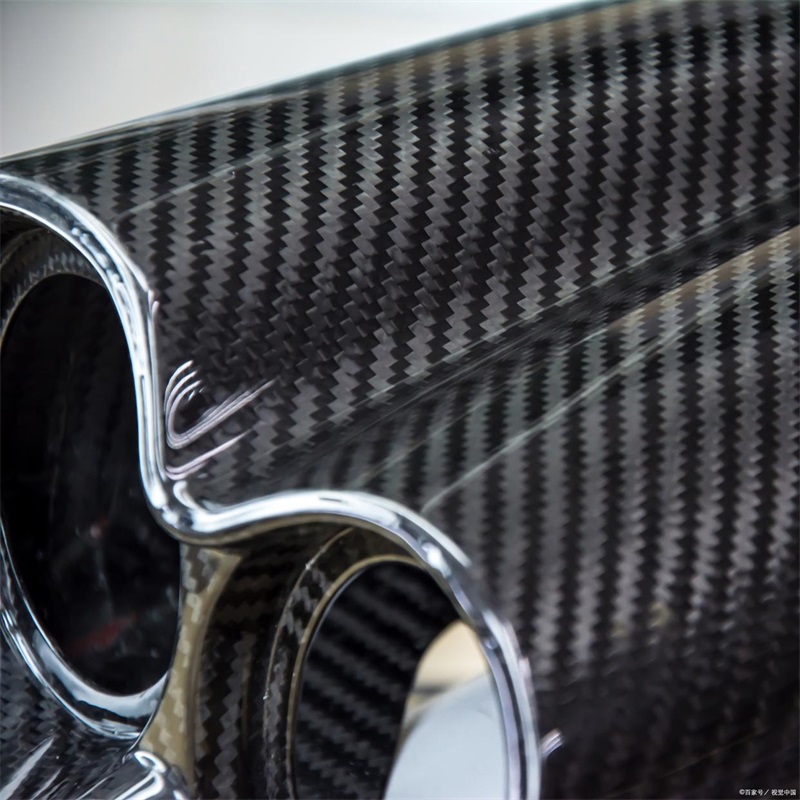
Composites, including glass-fiber-reinforced plastics, carbon-fiber-reinforced plastics, and polyurethane composites, provide tailorable corrosion resistance, lightweight properties, and galvanic isolation. Their primary limitation is susceptibility to chemical attack at the fiber-matrix interface and anisotropic mechanical properties.
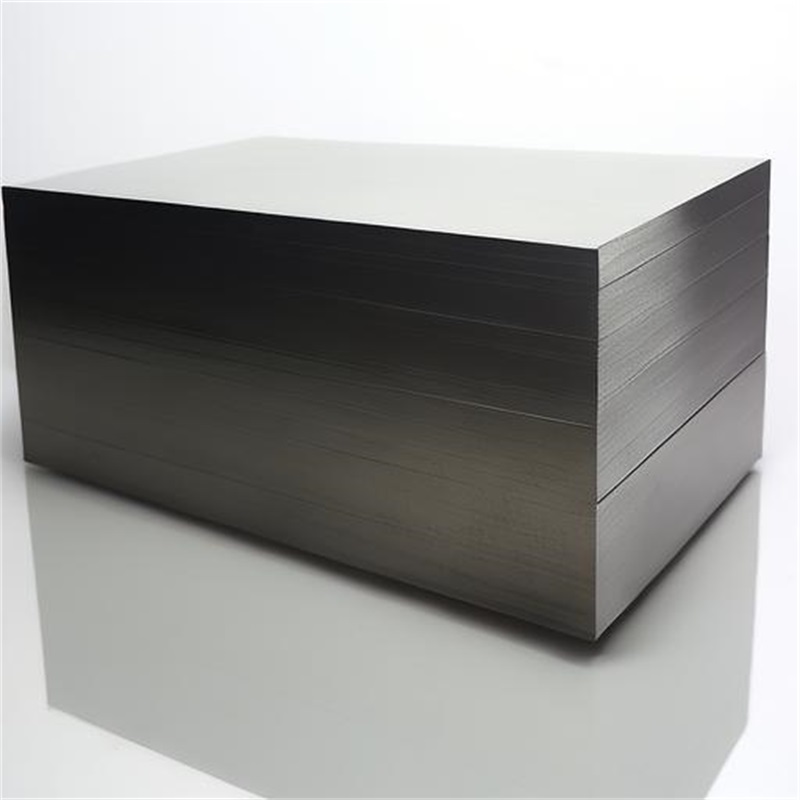
1. Stainless Steels: The Versatile Foundation
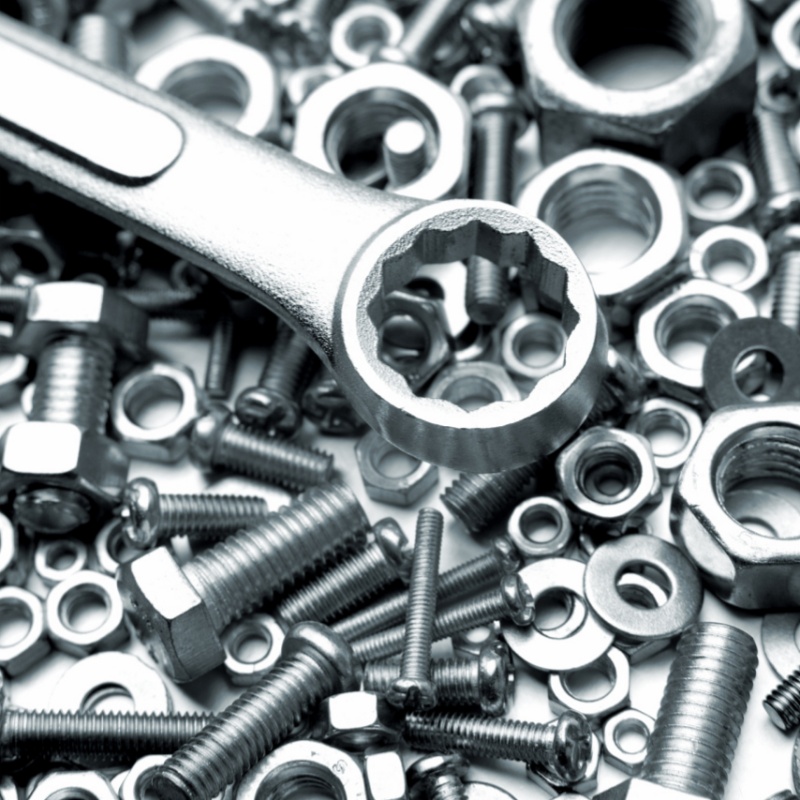
Stainless steels rely on a thin, passive chromium oxide film for corrosion resistance. They are generally economical and well-suited to a wide range of environments. However, their resistance is conditional, and they are susceptible to specific failure modes.
Key Grades and Performance
The 304 and 304L grades represent the most widely used austenitic stainless steels. They resist many organic and inorganic acids under moderate conditions. However, they are the least resistant to chloride-containing media, making them susceptible to pitting and crevice corrosion. These grades are particularly sensitive to chloride concentrations above 50 parts per million.
The 316 and 316L grades incorporate 2 to 3 percent molybdenum, providing a notable improvement in resistance to pitting and crevice corrosion in chloride environments. These grades are more suitable for marine applications, cooling water systems, and environments with moderate chloride exposure. Comparative data from synthetic mine water environments show 316L achieving a corrosion rate of 0.11 mils per year, compared to 0.21 to 0.61 mils per year for various 304 grades under identical test conditions.
Duplex stainless steels, such as the 2205 grade, combine austenitic and ferritic microstructures. This combination offers high strength and superior resistance to stress corrosion cracking compared to austenitic grades. Duplex grades are effective in environments with moderate to high chloride content and are used extensively in oil and gas produced water applications.
Superaustenitic grades containing 6 percent molybdenum and the 904L grade serve severe corrosive conditions. The 904L grade, for example, provides high resistance to pitting and crevice corrosion and is cost-effective for handling sulfuric and phosphoric acids as well as halide-containing environments.
Failure Modes
Chloride-induced stress corrosion cracking is a critical concern. For 304 and 316 grades, SCC occurs when exposed to chlorides at temperatures above approximately 60 degrees Celsius under tensile stress. This is a primary factor limiting their use in hot water and steam systems.
2. Nickel-Based Alloys: Broad-Spectrum Protection
Nickel-based alloys are often specified for the most aggressive chemical environments where standard stainless steels fail. They form a highly stable passive film and exhibit excellent resistance to a wide pH range.
Key Alloys and Characteristics
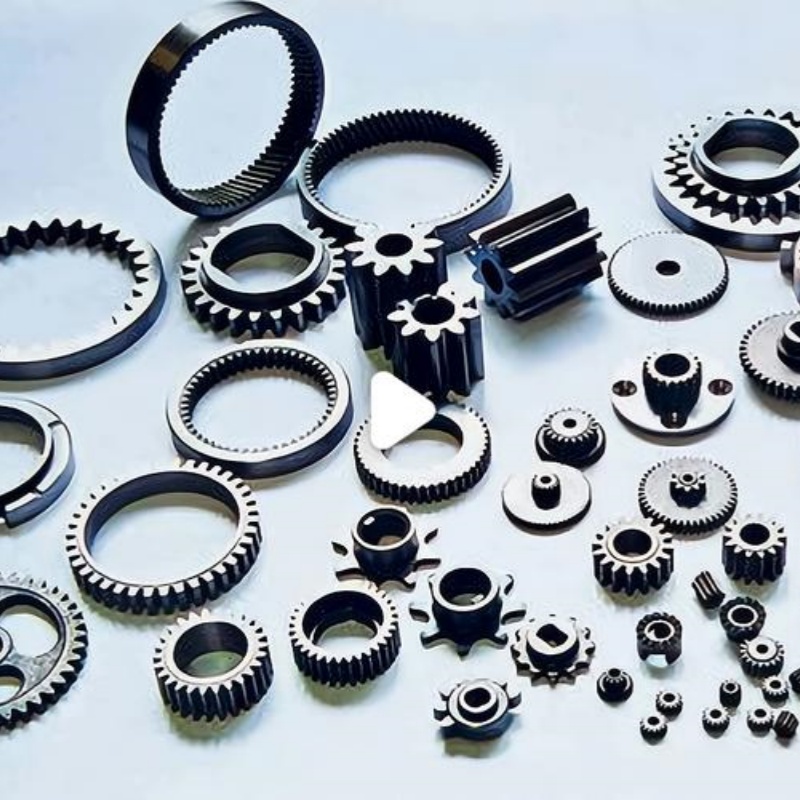
Hastelloy C-276 is known for its versatility as a nickel-molybdenum-chromium alloy. It resists pitting, stress corrosion cracking, and both oxidizing and reducing environments. This alloy is a standard material in chemical plants handling strong acids, wet chlorine, and sulfuric acid, especially when contaminated with reducing agents.
Hastelloy G30, a nickel-chromium-iron alloy, shows exceptional performance in moderate conditions. In synthetic mine water at pH 6, it exhibited an extremely low corrosion rate of 0.63 micrometers per year. However, its performance drops significantly at highly acidic conditions, reaching 7.75 micrometers per year at pH 1.
Alloy 625, also known as Inconel 625, exhibits excellent resistance across a wide pH range with superior resistance to chlorides and microbiologically influenced corrosion. It is a preferred material in critical systems such as seawater handling and high-temperature oxidation applications.
Alloy 825, or Incoloy 825, is a nickel-iron-chromium alloy with molybdenum and copper additions. It provides good resistance to reducing acids such as sulfuric and phosphoric acid and shows excellent resistance to caustic alkalis. It does, however, show sensitivity to chloride-induced crevice corrosion.
Industrial Application Insight
In the mining industry, nickel-based alloys are considered the most promising alternatives to mild steel for harsh environments. Studies indicate Hastelloy G30 and Stellite 6B offer significantly better hardness and corrosion resistance than copper-based alternatives such as ToughMet 3 for components including slurry pump casings and valves.
3. Titanium and Titanium Alloys: The Passive Metal
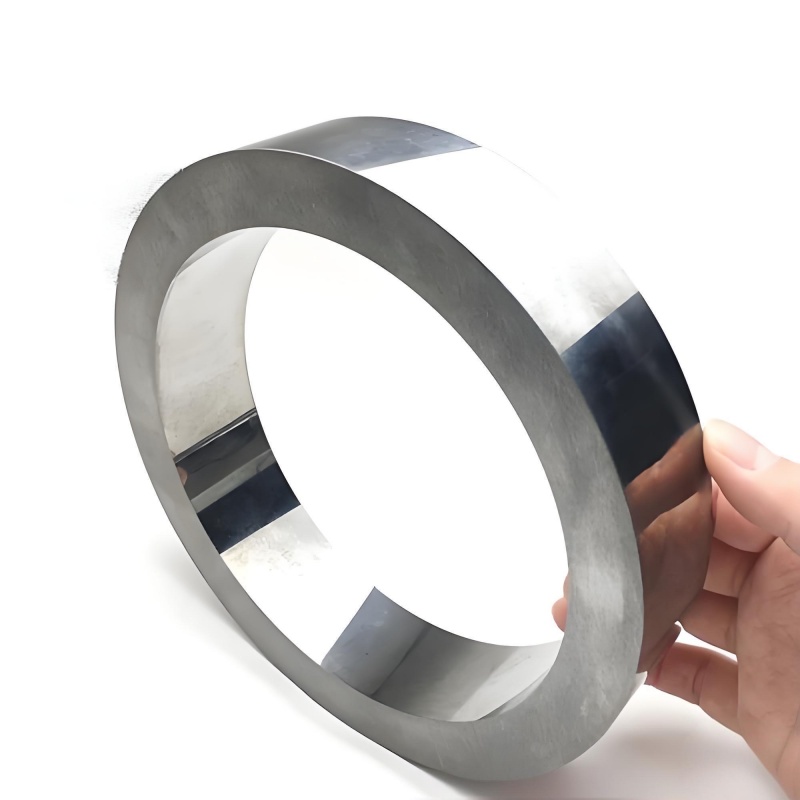
Titanium’s outstanding corrosion resistance is a function of its strong, self-healing passive oxide film. It is virtually immune to pitting corrosion and displays excellent resistance in oxidizing and neutral media, including seawater and chloride solutions.
Key Performance Attributes
In oxidizing environments, titanium is exceptionally stable in nitric acid, wet chlorine where it outperforms even the best nickel alloys, and many organic acids. Its resistance in wet chlorine makes it the material of choice for titanium dioxide production using the sulfate process.
In chloride environments, titanium is highly resistant to seawater and chloride-containing brines, making it ideal for marine and desalination applications.
In alkaline solutions, titanium shows excellent resistance to sodium and potassium hydroxides up to 50 percent concentration. In chloride-contaminated alkaline media, its resistance even surpasses that of nickel and zirconium.
Critical Limitations
In reducing acids such as dilute hydrochloric or sulfuric acid, the protective film is compromised, leading to significant corrosion. Contact with iron can be detrimental, as iron contamination on the surface can cause accelerated corrosion, especially in hydrogen-bearing environments. This localized attack is a common cause of failure in titanium equipment. Titanium is also not resistant to dry chlorine and presents a fire hazard in such conditions.
4. Engineering Plastics: Non-Metallic Alternatives
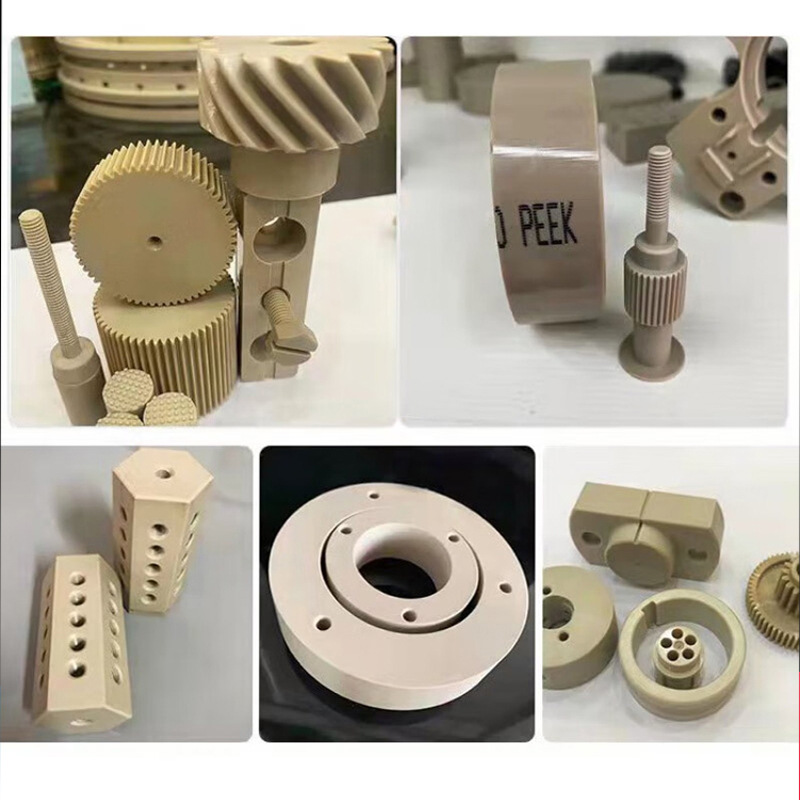
High-performance polymers offer a distinct alternative to metals, particularly where weight, insulation, or complete chemical inertness is desired. Their corrosion is typically by chemical dissolution, swelling, or oxidation.
Key Materials and Applications
Polyphenylene sulfide, or PPS, is a high-performance engineering plastic with a continuous use temperature of approximately 200 to 220 degrees Celsius. PPS is inherently flame retardant with a UL94 V-0 rating, has very low water absorption, and offers excellent dimensional stability in hot, chemically aggressive media. Its primary advantage is cost-effectiveness for large-scale production, with material costs significantly lower than PEEK.
Polyether ether ketone, or PEEK, represents the performance ceiling for engineering plastics. With a continuous service temperature of up to 250 degrees Celsius and exceptional mechanical strength, PEEK is specified for the most demanding applications. Its chemical resistance covers a wide range of media, including strong solvents and hot water and steam. However, material costs are typically 5 to 10 times higher than PPS, making it only suitable for critical applications where its superior properties are essential.
Fluoropolymers including PTFE, FEP, and PVDF offer exceptional chemical resistance across a broad range of strong acids, bases, and oxidizing agents. PTFE and FEP are chemically inert to most known chemicals, with temperature capabilities ranging from cryogenic to approximately 150 to 200 degrees Celsius. Fluoropolymers are often used as linings for valves, pipes, and tanks to protect metal substrates. PVDF offers improved mechanical properties and toughness compared to PTFE, with a use temperature range of -70 to 100 degrees Celsius.
5. Composites: Tailored Performance
Composite materials, such as glass-fiber-reinforced plastics, carbon-fiber-reinforced plastics, and polyurethane composites, are gaining prominence due to their corrosion resistance and light weight.
Applications in Corrosive Environments
Polyurethane composites have demonstrated significant advantages in photovoltaic solar applications. In a landmark project, a 10 megawatt solar plant was constructed using polyurethane composite frames and brackets. The material offers corrosion resistance superior to metal in aggressive outdoor environments, while its light weight simplifies installation and reduces structural load. Furthermore, its high strength-to-weight ratio and electrical insulation properties are valuable for long-term, durable installations.
In marine infrastructure, traditional steel rebars are susceptible to chloride-induced corrosion. Thermoplastic composite rebars using high-performance resins were used in a high-pile beam structure at an offshore marine base. This application replaced steel, providing high durability and toughness, and effectively mitigating the corrosion risks associated with the harsh marine environment. The project demonstrated successful use in concrete structures, improving long-term service performance.
Layered composite materials offer cost-effective solutions for various applications. Products like TE4003C5, a stainless steel roll-bonded composite, provide a cost-effective solution for railway wagons. By combining a corrosion-resistant stainless steel surface with a structural base, these composites provide strength, durability, and a 30 percent reduction in life-cycle maintenance costs compared to traditional carbon steel.
Design Considerations for Corrosive Environments
Quantifying Corrosion Risk
A critical engineering parameter is the repassivation potential, designated as Erp. For localized corrosion, the design criterion is that the Erp must exceed the maximum expected open-circuit potential by at least 50 millivolts. This ensures the material can self-repair after a pitting event. This is determined through cyclic polarization testing according to ASTM F2129.
Electrochemical Testing Methods
Several test methods are standard for characterizing corrosion behavior. Linear polarization resistance testing according to ASTM G59 provides rapid, in-situ corrosion rate measurements that can be completed in minutes. Potentiodynamic polarization testing under ASTM G61 identifies the pitting potential, designated Epit, and the repassivation potential, Erp. Cyclic polarization testing per ASTM F2129 assesses susceptibility to localized corrosion. Immersion testing according to ASTM G31 involves long-term coupon exposure lasting 30 to 90 days with mass-loss determination.
Key Mechanisms to Address
Pitting corrosion is triggered by chloride concentrations exceeding 200 milligrams per liter and temperatures above 40 degrees Celsius. Mitigation involves specifying molybdenum-bearing alloys such as 316L or duplex grades, or applying protective coatings.
Crevice corrosion occurs in stagnant zones under gaskets or deposits. It is avoided through proper design geometry and the use of higher-grade alloys, particularly duplex stainless steels.
Stress corrosion cracking presents a risk for austenitic stainless steels under tensile stress in chloride environments above 60 degrees Celsius. Duplex stainless steels often outperform austenitics in these conditions.
Galvanic corrosion results from contact between dissimilar metals in an electrolyte, accelerating attack on the less noble metal. This is mitigated by using insulation between metals or selecting sacrificial anodes.
Frequently Asked Questions
What is the most cost-effective material for resisting chloride corrosion?
The 316L stainless steel, with its 2 to 3 percent molybdenum content, offers the most balanced cost-performance for moderate chloride environments. For higher concentrations, superaustenitic grades with 6 percent molybdenum or duplex steels are required.
When should I choose a nickel-based alloy over a superaustenitic stainless steel?
Specify nickel-based alloys such as Hastelloy C-276 for environments that are both highly oxidizing and highly reducing, or when wet chlorine gas is present. Superaustenitic steels are generally adequate for strong chloride environments without reducing acids.
How does temperature affect corrosion resistance?
Corrosion rates generally increase exponentially with temperature, following the Arrhenius equation. A given material may be fully resistant at room temperature but fail at 80 degrees Celsius in the same medium. Always consult published corrosion charts for specific temperature data.
Is PEEK always better than PPS for chemical resistance?
While PEEK offers broader chemical resistance and higher continuous use temperature up to 250 degrees Celsius, PPS is often adequate for applications up to 200 degrees Celsius. The superior performance of PEEK comes at a cost typically 5 to 10 times higher, making PPS the more economical engineering choice for many automotive and industrial components.
Can composites completely replace metals in corrosive environments?
Composites can replace metals, especially where weight, corrosion resistance, and electrical insulation are critical. However, composites have anisotropic properties and require careful design for load-bearing applications. They are also susceptible to chemical attack at the fiber-matrix interface and can degrade from UV exposure, unlike bulk metals.
What is a corrosion allowance?
This is additional wall thickness added to equipment to account for expected metal loss over the design life. It is typically calculated based on the predicted uniform corrosion rate per year multiplied by the expected service life. For fully corrosion-resistant materials with rates below 0.05 millimeters per year, a minimum allowance is sufficient.
Why does 304 stainless steel fail in seawater?
The 304 grade is susceptible to pitting and crevice corrosion due to chloride ions, even at low concentrations above 50 parts per million. Pitting begins when the protective passive film is locally broken. The 316 grade is a minimum requirement for seawater exposure, while superaustenitic or duplex grades are preferred for long-term performance.
How do I select materials for a new chemical process?
Start with chemical compatibility databases to narrow down candidates. Perform a corrosion rate analysis using published data. Then, for critical services, expose material coupons to the actual process conditions in an accelerated life test with elevated temperature or concentration to confirm predictions and identify potential degradation mechanisms.
What is the difference between uniform corrosion and pitting?
Uniform corrosion is general, predictable metal loss across an exposed surface and is relatively easy to design for. Pitting is a localized, autocatalytic form of attack that produces small, deep holes and is unpredictable and dangerous because the part retains its overall appearance until perforation occurs.
Are there industry standards for corrosion testing?
Yes. Common standards include ASTM G59 for linear polarization resistance, ASTM G61 for pitting potential determination, ASTM G106 for electrochemical impedance spectroscopy, ASTM F2129 for cyclic polarization testing, and ASTM G31 for immersion testing. For cathodic protection, EN 12954 and NACE SP0169 are widely referenced.
What is the maximum service temperature for fluoropolymers in corrosive environments?
PTFE and FEP can typically withstand continuous service up to approximately 200 degrees Celsius, while PVDF has a lower maximum of around 100 degrees Celsius. Above these temperatures, degradation begins and chemical resistance is compromised.
How do I prevent galvanic corrosion when using dissimilar metals?
Prevent galvanic corrosion by electrically isolating dissimilar metals using non-conductive gaskets or coatings, selecting metals with similar electrochemical potentials, or using a sacrificial anode to protect the more noble metal. The anode material must be replaced periodically.
Selecting materials for corrosive environments is a science-based, data-driven process. There is no single best material; the optimal choice is determined by the specific chemistry, pH, temperature, and mechanical loading conditions of the intended service.
Stainless steels offer a cost-effective solution for mild to moderate conditions, with molybdenum-containing grades such as 316L and duplex grades providing enhanced chloride resistance. For the most severe environments, nickel-based alloys such as Hastelloy C-276 provide unmatched broad-spectrum protection, while titanium excels in oxidizing and chloride-rich media. Engineering plastics and composites provide non-metallic, lightweight, and often highly inert alternatives, particularly suitable for electrical insulation, weight-sensitive applications, and marine infrastructure.
The correct choice requires balancing performance against cost, but as industry data consistently shows, the long-term cost of failure far outweighs the initial investment in proper specification. Engineers and procurement professionals are advised to consult corrosion data charts, perform laboratory testing for critical applications, and consider the full life-cycle cost when making material decisions for corrosive service environments.
Metals vs. Ceramics vs. Composites: Engineer’s Guide to Material Selection
 Alloys vs. Ceramics vs. Polymers for High-Temperature Applications
 Comparative Analysis of Automotive Lightweighting Materials
 Medical-Grade Specialty Materials