
Metals vs. Ceramics vs. Composites: Engineer’s Guide to Material Selection
The selection of an appropriate engineering material is one of the most consequential decisions in the product development lifecycle. It directly influences performance, manufacturability, cost, and sustainability. For decades, metals have been the workhorse of engineering, but the modern landscape presents engineers, designers, and procurement specialists with a broader palette: ceramics and, increasingly, composite materials.
This guide provides a comprehensive, application-focused comparison of these three fundamental material classes. It examines their composition, properties, advantages, and limitations to equip professionals with the knowledge required for informed material selection. The objective is not to declare a singular “best” material, but rather to elucidate the engineering principles that dictate suitability for specific applications.
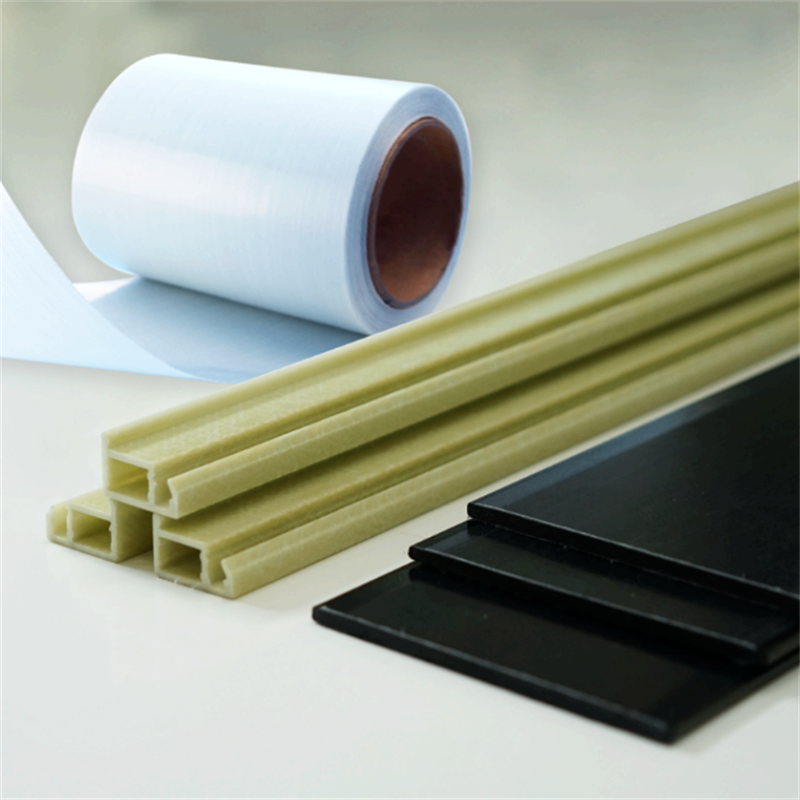
What Is It? Defining the Core Material Classes
Understanding the fundamental composition and structure of each material class is essential to predicting its engineering behavior.
Metals
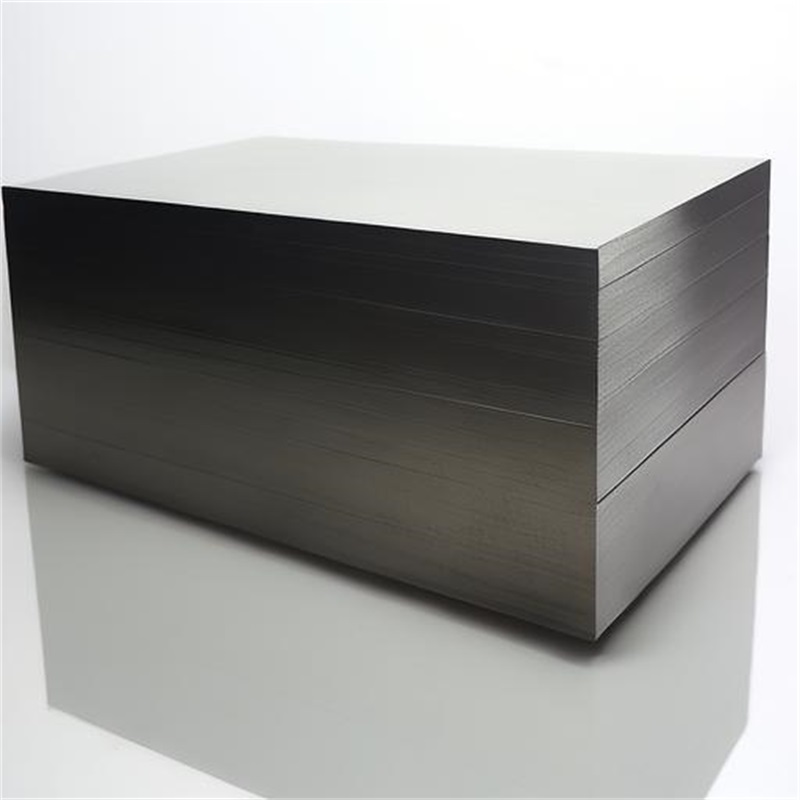
Metals are elements or alloys characterized by a crystalline structure where atoms are arranged in a highly ordered, repeating pattern. Common structures include Face-Centered Cubic (FCC), Body-Centered Cubic (BCC), and Hexagonal Close-Packed (HCP). The defining feature of metals is the “sea of free electrons” — valence electrons that are not bound to individual atoms. This electron cloud is responsible for their high electrical and thermal conductivity and also facilitates the movement of atoms past one another, which gives metals their characteristic ductility.
Ceramics
Ceramics are inorganic, non-metallic solids. They can be crystalline, amorphous (like glass), or a combination of both. Their atomic bonding is predominantly ionic or covalent, which leads to strong, highly directional bonds. This strong bonding imparts high hardness and melting points, but it also restricts atomic movement. The absence of free-flowing electrons results in low electrical and thermal conductivity, making ceramics excellent insulators.
Composites
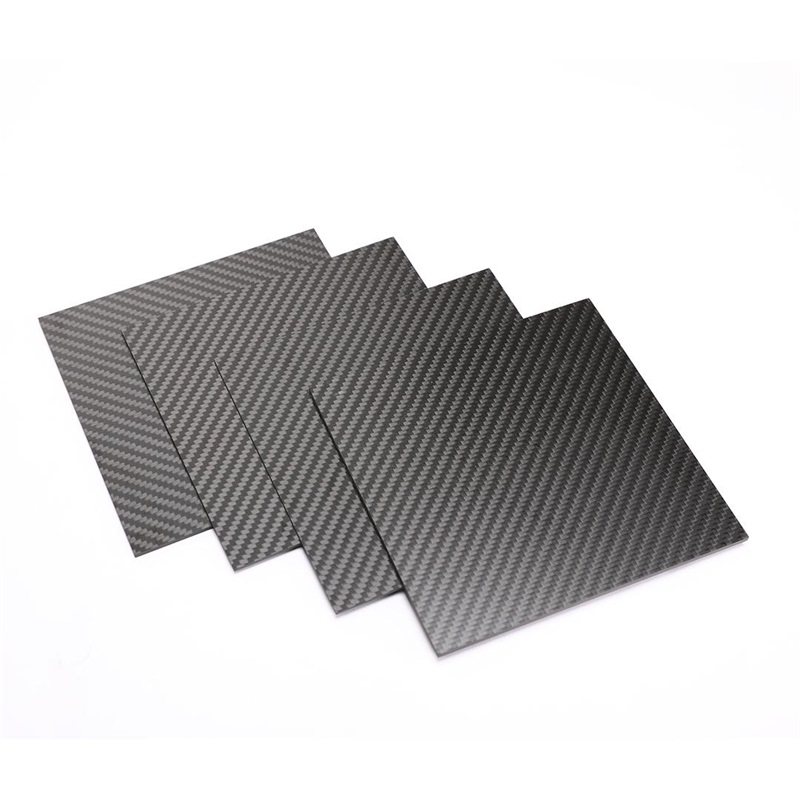
Composites are engineered materials consisting of two or more distinct constituent phases with significantly different physical or chemical properties. They are composed of a matrix (the continuous phase) and a reinforcement (the dispersed phase), which can be particles, fibers, or sheets. The fundamental principle is to combine materials to create a new material with properties that are superior to those of the individual components. For instance, a polymer matrix provides toughness and environmental resistance, while carbon fibers provide stiffness and strength.
Composition & Structure
A closer look at composition reveals why these materials perform so differently.
Metals, like steel (iron with carbon), aluminum alloys, and titanium alloys, derive their properties from the mobility of dislocations within their crystal lattice. This allows for plastic deformation, which is the basis for many metal forming processes and provides high fracture toughness. The bond is metallic, characterized by a non-directional attraction between positively charged ion cores and delocalized electrons.
Ceramics such as alumina (Al₂O₃), silicon carbide (SiC), and silica (SiO₂), are characterized by stiff, rigid atomic arrangements. This structure provides extremely high compressive strength and resistance to wear and heat. However, it also makes them brittle, as any local stress concentration cannot be relieved through plastic deformation. Their performance under tension is inherently poor, a critical factor for many engineering applications.
Composites allow for a wide range of structural designs. A polymer matrix composite (e.g., CFRP) has a polymer resin reinforced with fibers. A metal matrix composite (e.g., aluminum reinforced with silicon carbide) aims to improve the strength and stiffness of the metal while maintaining some of its toughness. A ceramic matrix composite (CMC) uses ceramic fibers to reinforce a ceramic matrix, specifically designed to overcome the brittleness of ceramics by creating mechanisms that deflect or stop cracks.
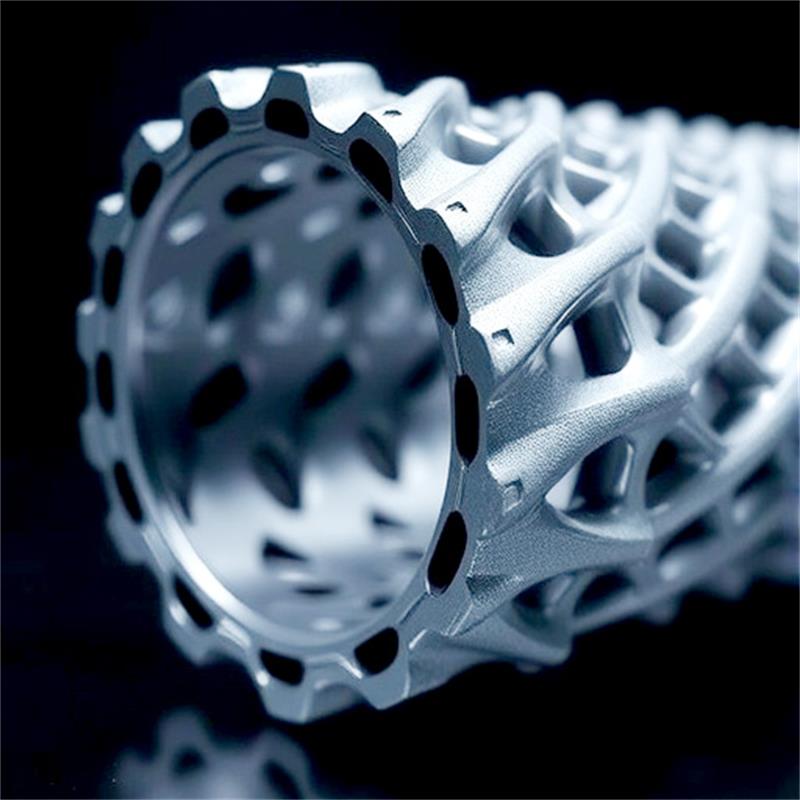
Key Properties: A Comparative Analysis
The performance of a material in service is dictated by its physical and mechanical properties. The following comparative analysis highlights the general characteristics of each class.
Stiffness and Strength Characteristics
Metals typically exhibit high stiffness, with Young’s modulus values ranging broadly depending on the specific alloy. Steel, for instance, offers a modulus around 200 GPa, while aluminum alloys are closer to 70 GPa. Their strength is high and, critically, accompanied by ductility, allowing for plastic deformation before failure. Ceramics demonstrate very high stiffness, often exceeding 300 GPa for materials like silicon carbide, and possess excellent compressive strength. However, their tensile strength is significantly lower, and they fail in a brittle manner with little to no warning. Composites offer a unique advantage in this category: their stiffness and strength can be tailored. Unidirectional carbon fiber reinforced polymers can achieve longitudinal stiffness comparable to steel at a fraction of the weight, with tensile strengths exceeding 2000 MPa in some high-performance grades.
Density and Specific Properties
Metals possess high density, with steel around 7.8 g/cm³ and aluminum approximately 2.7 g/cm³. This weight penalty is a primary driver for seeking alternatives in transportation applications. Ceramics have a medium density, typically ranging from 2.5 to 4.5 g/cm³, offering some weight advantage over steels. Composites, particularly polymer matrix composites, are significantly lighter, with carbon fiber composites typically ranging from 1.5 to 1.6 g/cm³ and glass fiber composites around 1.8 to 2.0 g/cm³. This low density, combined with high strength, gives composites their exceptional specific strength and specific stiffness—properties that are critical metrics for weight-sensitive engineering.
Fracture Toughness and Ductility
This is perhaps the most significant differentiator between the material classes. Metals are renowned for their high ductility and fracture toughness. They can absorb significant energy before fracturing, a behavior that provides a crucial margin of safety in structural applications. Ceramics exhibit very low fracture toughness, typically less than 10 MPa·m^0.5. This inherent brittleness means they are susceptible to catastrophic failure from flaws, impact, or thermal shock. Composites occupy a middle ground. While generally less tough than metals, they can be engineered to provide considerable resistance to crack propagation. The fiber-matrix interface acts as a barrier to crack growth, and mechanisms like fiber bridging and pull-out can absorb substantial energy during failure. However, their behavior is anisotropic, meaning toughness varies depending on the direction of the applied load relative to the fiber orientation.
Thermal and Electrical Conductivity
Metals are excellent conductors of both heat and electricity due to their free electron cloud. Copper and aluminum are widely used in electrical applications, while materials like copper and aluminum alloys serve in heat exchangers. Ceramics are typically good insulators, making them ideal for high-temperature applications where thermal management is a challenge, and for electrical substrates. Composites generally have low thermal and electrical conductivity, though this can be tailored. Polymer matrices are insulators, while carbon fibers are conductive, allowing for composites with tunable electrical properties for specific applications like electromagnetic interference (EMI) shielding.
Fatigue and Corrosion Resistance
Metals exhibit moderate to good fatigue resistance, but they are susceptible to corrosion, particularly in harsh environments. Steel requires protective coatings or alloying (e.g., stainless steel) to prevent degradation. Ceramics demonstrate high fatigue resistance, primarily because they are already brittle and do not undergo the cyclic plastic deformation that leads to fatigue in metals, provided they are free of critical flaws. Composites exhibit excellent fatigue resistance, often surpassing metals. The fiber-matrix interface can arrest micro-cracks and prevent them from propagating, resulting in a gradual loss of stiffness rather than sudden failure. Their corrosion resistance is also generally excellent, as the matrix protects the reinforcement from environmental attack.
Summary of Property Trends
When considering stiffness and strength, ceramics offer exceptional values, particularly in compression, while composites provide the best balance of high strength and low weight. For ductility and toughness, metals are the clear leaders, with composites offering a tailored compromise. Ceramics excel in high-temperature and insulating applications, while metals are preferred for their conductivity. For corrosion and fatigue resistance, composites and ceramics often outperform metals in demanding environments. This trade-off landscape is the foundation upon which material selection decisions are built.
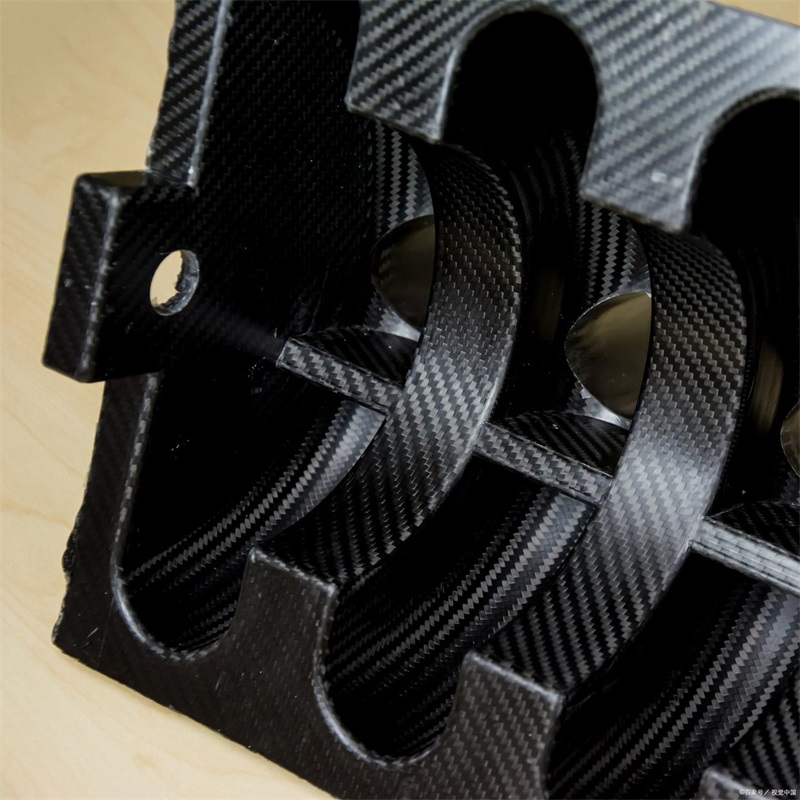
Design Considerations
The design approach is fundamentally different for each material class.
Designing with Metals
The design process for metals is well-established. Engineers rely on a deterministic approach, using well-known properties like yield strength and fracture toughness to predict failure. Design focuses on calculating stresses and ensuring they remain below allowable limits, accounting for factors of safety. Manufacturing processes like welding, casting, and machining are integral to the design. The isotropic nature of most metals simplifies analysis, as properties are uniform in all directions.
Designing with Ceramics
Designing with ceramics requires a probabilistic approach. Because failure is governed by the presence and distribution of microscopic flaws, design relies on statistical methods like Weibull analysis to predict the probability of failure under a given stress. Designs are often limited to applications where the material is primarily in compression, avoiding tensile and bending stresses. The design must also account for thermal expansion mismatch to prevent catastrophic failure from thermal shock. This probabilistic nature introduces a level of uncertainty that is uncommon in metal design.
Designing with Composites
Design with composites is a highly iterative process. The inherent anisotropy means that the design of the laminate (the stacking of individual plies) is as critical as the shape of the part. A design-build-test cycle is essential to validate performance. The engineer must consider fiber orientation, ply stacking sequence, and the interaction between plies. This process is more complex and resource-intensive than for metals, but it offers a unique opportunity to co-design the material and the structure for optimal performance. The ability to tailor the material’s properties to the specific loading conditions is the defining advantage of composite design.
Manufacturing and Processing
The methods used to shape and join materials have a profound impact on cost, lead time, and final part quality.
Processing Metals
Metals are processed using a vast array of well-established techniques. Casting involves pouring molten metal into a mold, suitable for complex shapes. Forming processes, including forging, rolling, and extrusion, shape the material through plastic deformation, often improving its mechanical properties. Machining removes material to achieve precise dimensions and surface finishes. Joining is readily accomplished through welding, brazing, and soldering. These processes are highly automated, cost-effective at high volumes, and result in a material that is essentially isotropic and free of the internal interfaces that characterize composites.
Processing Ceramics
Ceramic processing is significantly more challenging. Components are typically produced through powder processing, which involves mixing ceramic powders with binders, forming the desired shape (e.g., via pressing or slip casting), and then sintering at high temperatures to densify the material. The high temperatures and pressures required make the process energy-intensive and slow. After sintering, ceramics are extremely hard, making machining expensive and limited to grinding with diamond tools. This also limits the ability to create complex geometries, as they must be formed prior to sintering. Joining ceramics is difficult due to their brittleness and thermal expansion mismatch, often requiring specialized adhesives or mechanical fastening.
Processing Composites
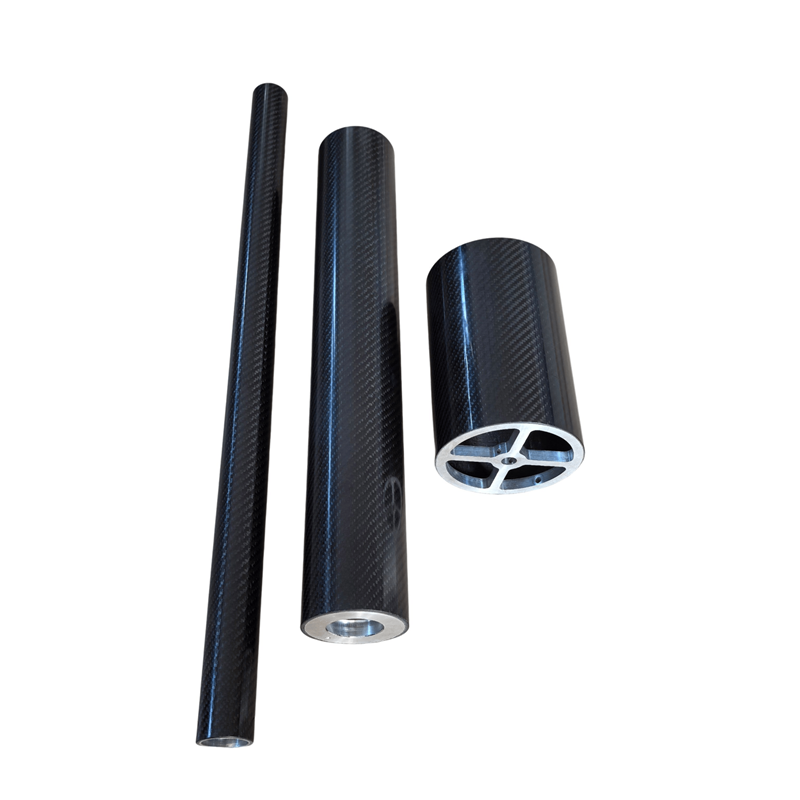
Composite manufacturing encompasses a diverse range of processes, each with its own advantages and limitations. Hand lay-up and spray-up are low-cost methods suitable for large parts but are labor-intensive and produce variable quality. Compression molding is used for high-volume production of thermoset composites. Resin Transfer Molding (RTM) injects resin into a closed mold containing the dry reinforcement, producing parts with two finished surfaces. Pultrusion is a continuous process for producing constant cross-section profiles like rods and beams. Filament winding is used for cylindrical or spherical parts, such as pressure vessels. Autoclave curing is used for high-performance aerospace components, but it is slow and expensive. A key consideration is that, unlike metals, composites are typically formed to their final shape during processing, with limited post-processing machining. Joining often requires adhesives or mechanical fasteners, as welding is not generally possible for polymer matrix composites.
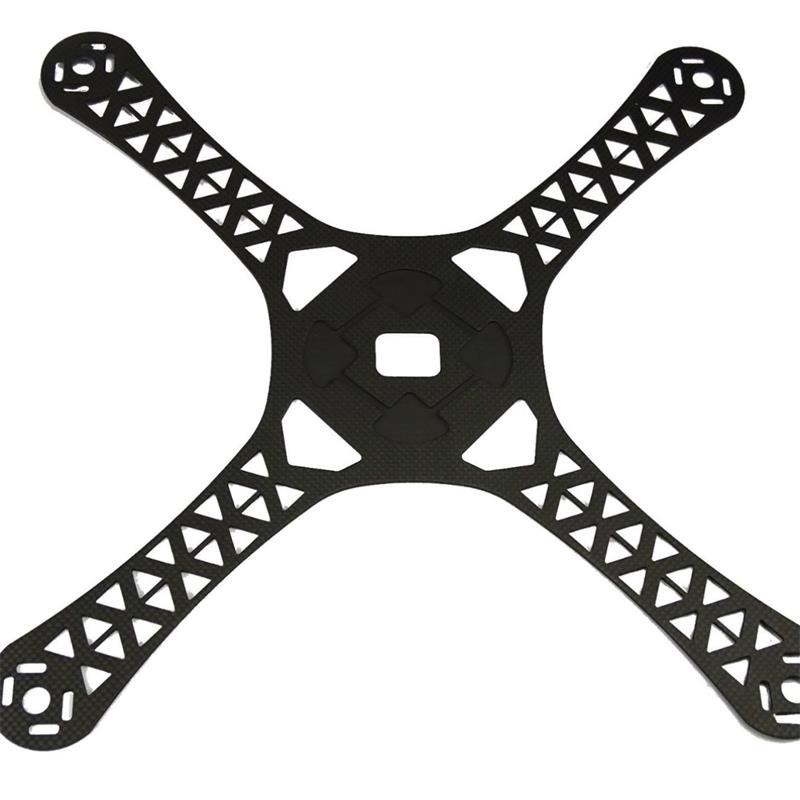
Applications
The application of each material class is dictated by its fundamental properties.
Metals
Metals remain dominant where cost, ease of manufacturing, and toughness are paramount. They are the backbone of heavy machinery, automotive chassis and engines, construction steel structures, and power generation equipment. Their ability to withstand cyclic loads makes them ideal for rotating machinery and gears. In high-end applications, titanium alloys are used for their superior strength-to-weight ratio and corrosion resistance, notably in aerospace. The construction industry relies on steel for its strength, ductility, and cost-effectiveness. The automotive industry uses steel for its crashworthiness and aluminum for lightweighting body panels.
Ceramics
Ceramics are the materials of choice for extreme environments. Their use as thermal barrier coatings protects turbine blades in jet engines, allowing them to operate at temperatures exceeding the melting point of the underlying superalloy. They are fundamental to electronics as substrates and insulators, providing electrical isolation while dissipating heat. Their hardness makes them ideal for cutting tools and abrasives used in machining. In biomedical applications, their biocompatibility and bioactivity make them suitable for bone and dental implants, though design is limited to non-load-bearing or compressive applications. The chemical industry uses ceramics for their corrosion resistance in pumps, valves, and piping.
Composites
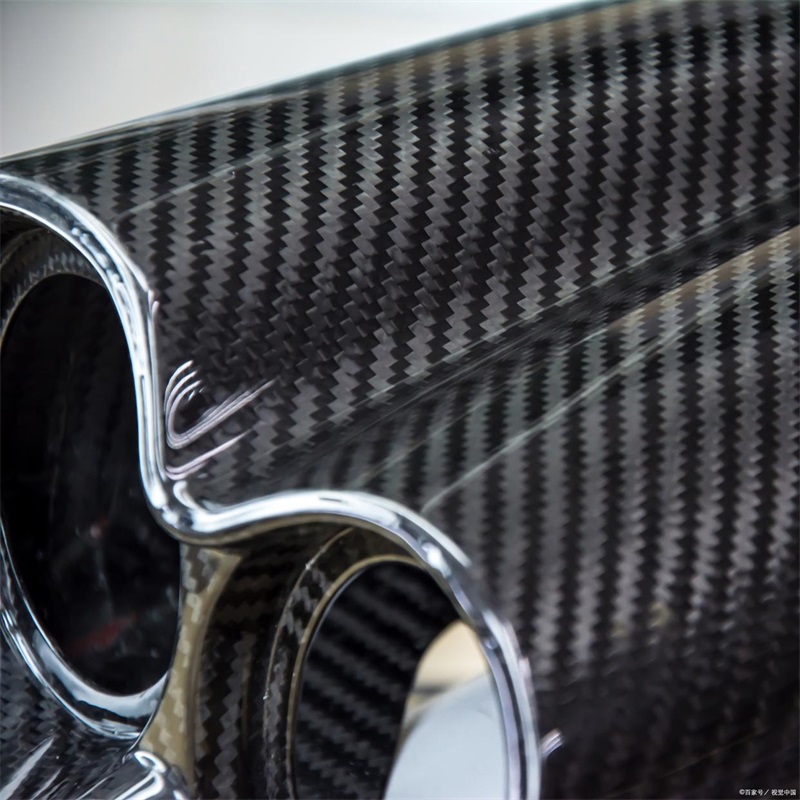
Composites are enabling advanced engineering across multiple sectors. In aerospace, composites like CFRP are the primary material for modern aircraft, making up over 50% of the airframe by weight in the latest models. This weight reduction is critical for fuel efficiency and range. In automotive, composites are critical for weight reduction to meet fuel efficiency and emissions standards, with applications in body panels, chassis components, and drive shafts. Their high specific properties are essential in high-performance sports equipment like bicycles, tennis rackets, and golf clubs. Emerging applications include defense, where metal-ceramic composites are used for advanced ballistic armor systems. Their ability to mimic the mechanical properties of bone, providing a favorable “biomimetic” environment, is revolutionizing orthopedic implants. The marine industry uses composites for boat hulls, decks, and masts due to their corrosion resistance and high strength-to-weight ratio.

Selection Guide: A Decision Framework
When faced with a material selection challenge, a systematic decision framework can guide the initial decision-making process.
If the primary requirement is lowest material and manufacturing cost, metals are typically the preferred choice. Their established supply chains and high-volume manufacturing processes make them economically competitive. If minimum weight is the critical constraint, composites offer the highest specific strength and stiffness, making them the clear frontrunner. For applications involving extreme temperatures exceeding 800°C, ceramics are often the only viable option, as metals would soften and polymer composites would degrade.
For applications demanding high fracture toughness and resistance to impact, metals are the benchmark, though composites can be engineered to provide substantial toughness. If electrical or thermal insulation is required, ceramics are the best choice, while composites can also offer good insulation properties. When excellent corrosion resistance is needed in aggressive chemical environments, both ceramics and composites outperform most common metals, though specialized alloys like titanium also offer good resistance.
For high-volume production, metals are typically the most efficient choice, as composite manufacturing, particularly for high-performance parts, is often more labor-intensive and slower. Finally, if the application involves significant tensile or bending stresses, ceramics are generally unsuitable due to their brittleness. Metals and composites, when properly designed, can handle these loading conditions effectively. This decision matrix, based on the fundamental property trade-offs, provides a logical starting point for any material selection project.
Industry Standards
Compliance with industry standards is non-negotiable in professional engineering. These standards ensure consistency, quality, and safety across industries.
– Metals: ASTM International (e.g., ASTM A36 for structural steel, ASTM B211 for aluminum alloys), ISO, and SAE International set the standards for metal composition, mechanical testing, and processing. These standards cover everything from chemical composition to tensile testing and heat treatment procedures.
– Ceramics: ASTM C1161 (for flexural strength of advanced ceramics), ASTM C1239 (for Weibull analysis), and ISO 20507 (for fine ceramics) define testing and property standards. These standards address the unique statistical nature of ceramic failure.
– Composites: ASTM D3039 (tensile properties of polymer composites), ASTM D5379 (shear properties), and ASTM D695 (compressive properties) are foundational. Standards also exist for manufacturing processes, such as those for curing parameters in autoclaves. Aerospace applications are often governed by stricter standards like those from the National Aerospace and Defense Contractors Accreditation Program (NADCAP).
Common Problems and Quality Control
Each material class presents specific engineering challenges that must be mitigated through careful design and quality control.
Metals
Corrosion is a primary concern, mitigated through material selection (e.g., using stainless steels), protective coatings (paint, anodizing, galvanizing), and cathodic protection. Fatigue failure is prevented through proper design to reduce stress concentrations, surface treatments (e.g., shot peening), and material selection (e.g., using high-cycle fatigue-resistant alloys). Stress-shielding in biomedical applications is addressed by using materials with lower stiffness, like titanium alloys or porous structures, to better match the mechanical properties of bone.
Ceramics
Catastrophic brittle failure is the primary issue. Controlled through proof testing (to eliminate flawed parts), strict quality control of processing to minimize internal flaws, and careful design to avoid tensile stress concentrations. Thermal shock is addressed through design (reducing section thickness, avoiding sharp corners), materials selection (low thermal expansion coefficient), and controlling heating and cooling rates during operation.
Composites
Delamination (the separation of layers) is a common and dangerous failure mode. Controlled through proper design, attention to the quality of the manufacturing process, and using tougher matrix materials. Porosity and voids weaken the structure and create failure initiation points. Addressed by optimizing the manufacturing process (e.g., ensuring correct vacuum bagging and resin flow). Inspection presents a major challenge. Specialized non-destructive testing (NDT) methods like ultrasonic scanning, thermography, and acoustic emission are required for damage detection, as visual inspection is often insufficient to identify internal flaws like delamination or voids.
Future Trends
The frontiers of materials science are blurring the lines between these traditional classes.
Biomimetic Composites
Taking inspiration from nature, researchers are developing composites with complex architectures designed to overcome the strength-toughness trade-off. For example, metal-ceramic composites inspired by the structure of nacre (mother of pearl) have demonstrated dramatic increases in strength, fracture toughness, and fracture energy. These “hard-on-the-outside, tough-on-the-inside” structures are promising for advanced armor and impact protection. Another example is the development of brick-and-mortar structures at the micro-scale, which create a tortuous path for cracks to propagate, significantly enhancing toughness.
AI and Machine Learning in Design
Artificial intelligence (AI) and machine learning (ML) are increasingly used to accelerate material discovery and optimization. Deep learning models can predict the mechanical properties of complex composite structures and optimize their topology for specific tasks, such as impact resistance. This approach dramatically reduces the computational cost of design exploration, allowing for the rapid screening of thousands of potential material designs.
The Rise of Nanocomposites
The incorporation of nanoparticles (e.g., carbon nanotubes, graphene, nano-clays) into matrices is creating advanced composites with superior mechanical, thermal, and barrier properties. These materials are finding applications in sectors requiring high-performance, lightweight solutions, such as aerospace and high-end automotive.
Focus on Sustainability and Bio-based Materials
Growing environmental awareness is driving the development of composites made from renewable resources (bio-based resins and natural fibers like flax, hemp, and jute). This trend is expected to continue, creating sustainable alternatives to conventional materials. The development of recyclable thermoset resins and composites that can be easily disassembled at end-of-life is also a key area of research.
Frequently Asked Questions (FAQ)
Why are composites sometimes preferred over metals in aerospace applications?
Composites are preferred because they offer a much higher specific strength and stiffness. This means they are as strong or stronger than aluminum or steel, but weigh significantly less. This weight reduction directly translates to lower fuel consumption and higher payload capacity, which are critical economic and performance drivers in the aerospace industry.
What is the main reason ceramics are not used for structural beams?
The primary reason is their inherent brittleness and poor tensile strength. While ceramic is very strong in compression, it is weak in tension. A beam in bending experiences both compressive and tensile stresses, making ceramics highly susceptible to catastrophic, brittle failure under this type of load. They lack the ductility to redistribute stress and warn of impending failure.
What is the biggest challenge in composite material repair?
The biggest challenge is detecting and repairing internal damage, specifically delamination (the separation of layers). This type of damage is often invisible to the naked eye and requires specialized, expensive non-destructive testing (NDT) methods like ultrasonic scanning to locate. Repairing the damaged area also requires complex, controlled processes to ensure the bond is as strong as the original, often involving careful surface preparation, precise application of adhesive, and controlled curing cycles.
Is corrosion a problem for composites and ceramics?
Generally, no. One of their key advantages is excellent corrosion and chemical resistance. Ceramics are chemically inert and can withstand harsh environments, while the polymer matrix in many composites protects the reinforcement fibers from environmental degradation. This is a major reason for their increasing use in marine, chemical, and offshore oil and gas applications.
How do costs compare between metals, ceramics, and composites?
Metals are generally the lowest in material and manufacturing costs, due to extensive economies of scale and well-established processes. Composites are typically the most expensive, with high raw material costs (especially for aerospace-grade fibers like carbon) and labor-intensive or capital-intensive manufacturing processes. Ceramics are also expensive, with high processing costs (requiring high-temperature furnaces) and costly machining with diamond tools.
What are the main limitations of polymer-based composites in high-temperature applications?
Polymer matrix composites are severely limited by the glass transition temperature (Tg) and degradation temperature of the polymer resin. Once the temperature exceeds these limits, the matrix softens, deforms, and loses its ability to transfer load to the reinforcement, resulting in a catastrophic loss of mechanical properties. This typically limits them to service temperatures below 200°C, with some high-performance resins capable of up to 300°C.
What are interpenetrating phase composites (IPCs) used for?
IPCs are a class of metal-ceramic composites where the ceramic and metal phases are each fully interconnected, creating a 3D interlocked structure. This design is used to create exceptional performance, such as the advanced ballistic armor where the metal phase provides toughness and constrains the ceramic, while the ceramic provides high hardness to defeat projectiles. This combination offers a synergistic effect that exceeds the properties of either material alone.
What is the “strength-toughness trade-off” in materials science?
It refers to the general observation that materials with high strength (resistance to deformation) often have low toughness (resistance to fracture). Very strong materials tend to be brittle, while tough materials are often weaker. This is because the microstructural features that enhance strength (e.g., strong atomic bonds) often make it difficult for the material to plastically deform, which is the mechanism that provides toughness. Advanced composite engineering, especially biomimetic designs, is focused on overcoming this limitation.
How do I choose between a metal, ceramic, or composite for a new project?
The selection should be based on a detailed analysis of design requirements. Start by listing “must-have” properties (e.g., operating temperature, strength, weight limit) and “nice-to-have” properties (e.g., cost, manufacturability). Use these criteria to narrow down the options. If stiffness and low weight are paramount, composites are a strong candidate. If operating temperature is extremely high, ceramics may be the only option. If cost and proven toughness are the main drivers, a metal like steel is likely the best choice.
What is “specific strength” and why is it important?
Specific strength is a material’s strength-to-weight ratio (often expressed as strength divided by density). It is a more important metric than absolute strength for weight-sensitive applications (like aircraft or sports cars) because it tells an engineer how much strength they get for a given mass of material. A material with high specific strength can provide the required performance at a lower weight, leading to improved efficiency, performance, and reduced fuel consumption.
Can composites be recycled?
This is a significant challenge and an area of active research. Thermoplastic composites can be melted and reformed, offering a potential recycling pathway. However, thermoset composites, which are more common in high-performance applications, cannot be remelted. Recycling methods for thermosets typically involve mechanical grinding (downcycling), pyrolysis (thermal decomposition), or solvolysis (chemical breakdown). While these technologies exist, they are not yet economically viable at scale, and most composite waste currently ends up in landfills.
What is the role of the interface in composite materials?
The interface between the fiber and the matrix is arguably the most critical region in a composite. It is responsible for transferring load from the matrix to the reinforcement. A strong interface ensures efficient load transfer and high strength. However, a very strong interface can also lead to brittle failure, as cracks can propagate directly through the interface. For many applications, an intermediate interface strength is desired, allowing for energy-absorbing failure mechanisms like fiber pull-out and debonding, which significantly enhance toughness. The interface is often engineered through chemical treatments or coatings on the fibers (e.g., sizing) to optimize performance.
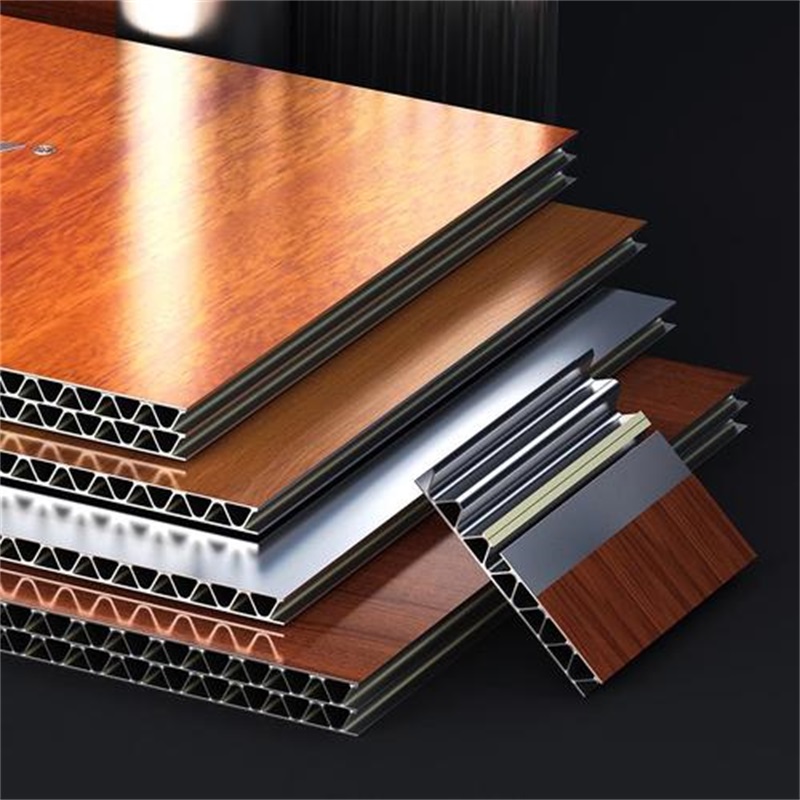
The decision between metals, ceramics, and composites is one of the most fundamental in engineering design. Metals offer a proven combination of toughness, manufacturability, and cost-effectiveness. Ceramics provide unparalleled performance in extreme heat, wear, and chemical environments. However, it is composites that represent the true frontier of materials engineering. Their defining characteristic—the ability to be tailored for a specific application—offers a level of design freedom simply not available with homogeneous materials.
As we move towards a future demanding greater efficiency, sustainability, and performance, the strategic application of composites will be indispensable. While metals and ceramics will always have their place, the ability to engineer a material at the microstructural level to precisely meet a design brief is not just an advantage; it is the future of material innovation. The selection process should be a careful, methodical evaluation of all constraints, with the specific, application-driven goal in mind. Understanding the fundamental property trade-offs, manufacturing implications, and design considerations of each material class is the key to making the right decision for any engineering challenge.
Material Selection Guide for Corrosive Environments
Alloys vs. Ceramics vs. Polymers for High-Temperature Applications
Comparative Analysis of Automotive Lightweighting Materials
 Medical-Grade Specialty Materials