
Alloys vs. Ceramics vs. Polymers for High-Temperature Applications
Selecting the optimal material for high-temperature service is one of the most critical decisions in engineering design. Operating environments exceeding 500°C impose severe constraints on material performance, including creep resistance, oxidation stability, thermal fatigue tolerance, and structural integrity. The consequences of mis-selection can range from premature component failure and unplanned downtime to catastrophic system failure in critical applications such as aerospace propulsion, power generation, and industrial processing.
The fundamental insight is that no single material class can simultaneously optimize for strength, thermal stability, toughness, manufacturability, and cost. Superalloys offer ductility and reliability but are thermally limited below approximately 1200°C. Ceramics provide extreme temperature capability (>1500°C) but are brittle and difficult to machine. Advanced polymers enable lightweight, complex geometries but are restricted to temperatures generally below 300°C. The selection process therefore requires a clear hierarchy of design priorities and a rigorous understanding of the mechanisms that limit each material’s performance.
Understanding High-Temperature Performance: Beyond Melting Point
A common misconception is that a material’s melting temperature determines its usable service temperature. In practice, the maximum operating temperature is determined by the temperature at which the material can no longer maintain its required mechanical properties under the specific loading conditions and environment.
The Mechanism of Temperature-Induced Failure
The degradation mechanisms that limit high-temperature performance differ fundamentally across material classes:
Creep is the time-dependent plastic deformation that occurs when a material is subjected to sustained stress at elevated temperatures. In metals, creep becomes significant above approximately 40-50% of the absolute melting temperature and is driven by diffusion-assisted dislocation motion. For nickel-based superalloys, this limits continuous service to temperatures around 1000-1100°C despite melting points above 1350°C . Ceramics exhibit much higher creep resistance due to their strong covalent and ionic bonds, which restrict diffusion, though grain boundary sliding can still cause creep at very high temperatures.
Oxidation and Corrosion are often more limiting than mechanical strength. At elevated temperatures in air, most metals oxidize rapidly, forming oxide scales that may or may not be protective. The exceptional performance of superalloys derives from their ability to form a stable, adherent chromia (Cr₂O₃) or alumina (Al₂O₃) scale that passivates the surface . Refractory metals like tungsten and molybdenum, despite their very high melting points, oxidize catastrophically at elevated temperatures in air, forming volatile oxides that provide no protection . Ceramics, with their already oxidized state, are inherently resistant to oxidation, though silicon-based ceramics undergo active oxidation with mass loss under certain conditions .
Thermal Shock arises from stresses induced by rapid temperature changes. A material’s resistance to thermal shock is governed by its thermal conductivity, coefficient of thermal expansion (CTE), and fracture toughness. Materials with high CTE and low thermal conductivity experience steep temperature gradients and high thermal stresses. Ceramics are particularly vulnerable to thermal shock fracture due to their low fracture toughness, though certain compositions—particularly silicon nitride and silicon carbide—are engineered for improved thermal shock resistance .
Thermal Degradation in polymers occurs through mechanisms distinct from those in metals and ceramics. Rather than melting or creep, polymers degrade via chain scission, cross-linking, and oxidative decomposition. The glass transition temperature (Tg) marks the onset of significant property changes, and continuous exposure above this temperature causes accelerated degradation . Even high-performance polymers such as PEEK are limited to continuous service below approximately 250-260°C .
Alloys for High-Temperature Applications
What Are High-Temperature Alloys?
High-temperature alloys are metallic materials engineered to maintain mechanical strength, creep resistance, and environmental stability at elevated temperatures. They are classified into several distinct families based on their base element and strengthening mechanisms.
Composition and Strengthening Mechanisms
Nickel-based superalloys (e.g., Inconel, Hastelloy) are the most widely used high-temperature alloys. Their face-centered cubic (FCC) austenitic matrix provides inherent high-temperature stability. The primary strengthening mechanism is precipitation hardening—specifically, the formation of coherent Ni₃(Al,Ti) (γ′) precipitates that act as obstacles to dislocation motion. These precipitates remain stable to very high temperatures, enabling superalloys to maintain strength up to approximately 80-90% of their melting point—a much higher homologous temperature than most engineering alloys .
Cobalt-based superalloys offer superior resistance to hot corrosion and wear compared to nickel-based alloys, though they are generally more expensive and have lower high-temperature strength. They are preferred in applications such as industrial gas turbines where sulfur-containing fuels promote hot corrosion.
Iron-based superalloys provide a lower-cost option for moderate-temperature applications requiring performance beyond stainless steels. They are typically strengthened by carbide precipitation.
Refractory metals (tungsten, molybdenum, tantalum, niobium) possess melting points above 2000°C. Tungsten has the highest melting point of any metal at 3422°C . However, their practical application is severely limited by poor oxidation resistance—they require protective coatings or inert atmospheres at elevated temperatures.
Key Properties
Creep Resistance: Superalloys exhibit exceptional creep resistance up to approximately 1050°C, derived from the stability of their γ′ precipitates and the slow diffusion rates in their complex matrices.
Oxidation Resistance: The formation of protective Cr₂O₃ or Al₂O₃ scales enables sustained operation in air. The protective scale forms a diffusion barrier that limits further oxidation.
Ductility and Fracture Toughness: Metals are inherently ductile and tough. They deform plastically before failure, providing a margin of safety and enabling damage-tolerant design. This distinguishes them from ceramics, which can fail catastrophically .
Thermal Conductivity: Metals are excellent thermal conductors, helping to minimize thermal gradients and mitigate thermal shock. However, this also means they offer limited thermal insulation.
Limitations
The maximum continuous service temperature for nickel-based superalloys in air is approximately 1000-1100°C. Above this temperature, the γ′ precipitates begin to coarsen and dissolve, leading to rapid strength loss. The solidus temperature (onset of melting) ranges from 1280-1350°C for most compositions . Oxide spallation and eventual breakaway oxidation limit long-term service above approximately 1100°C.
The density of superalloys (typically 8-9 g/cm³) is a significant penalty for weight-sensitive applications. In aerospace, this has driven the development of lightweight ceramic matrix composites despite their higher cost.
Applications
Superalloys are the standard materials for turbine blades and vanes in jet engines and power generation gas turbines. They are used in exhaust systems, heat exchangers, furnace fixtures, and chemical processing equipment where moderate to high temperatures and mechanical loading coexist. Refractory metals are used in specialized applications such as heating elements for high-temperature furnaces, rocket nozzles, and X-ray tube targets.
Ceramics for High-Temperature Applications
What Are Engineering Ceramics?
Engineering ceramics are inorganic, non-metallic materials processed to achieve specific functional properties, including extreme temperature capability, chemical inertness, and wear resistance. Unlike superalloys, they derive their properties from strong covalent and ionic bonds that require substantial energy to break.
Composition and Structure
Alumina (Al₂O₃) is the most widely used engineering ceramic, offering a cost-effective balance of properties including high-temperature stability (melting point 2050°C), good electrical insulation, and excellent wear resistance .
Zirconia (ZrO₂) provides the highest fracture toughness among monolithic ceramics (approximately 10 MPa√m in yttria-stabilized grades), enabling applications where alumina would fracture . Its low thermal conductivity (approximately 2.9 W/m·K) makes it an effective thermal barrier coating material.
Silicon Carbide (SiC) maintains very high strength up to approximately 1600°C, has exceptional thermal conductivity (125.6 W/m·K), low thermal expansion, and good oxidation resistance . It is the premier structural ceramic for demanding high-temperature applications.
Silicon Nitride (Si₃N₄) offers excellent thermal shock resistance and high-temperature strength. Its fracture toughness is superior to alumina and its oxidation resistance is exceptional.
Key Properties
Extreme Temperature Capability: Engineering ceramics can operate at temperatures exceeding 1400°C—far beyond the practical limit of superalloys . Silicon carbide and silicon nitride maintain structural integrity above 1400°C.
Chemical Stability: Being already oxidized, ceramics are generally inert to chemical attack at elevated temperatures, providing corrosion resistance superior to metals in many environments.
Wear Resistance: Their high hardness (Vickers hardness often exceeds 2000 HV) makes ceramics ideal for abrasive and erosive environments.
Thermal and Electrical Insulation: Most ceramics are excellent electrical insulators and, except for silicon carbide, thermal insulators.
Limitations
Brittleness is the defining limitation of monolithic ceramics. Their low fracture toughness (typically 3-5 MPa√m for alumina) means they have minimal ability to absorb energy or accommodate local stress concentrations. Fracture occurs with little or no plastic deformation, making failure sudden and unpredictable . This brittle behavior is the primary reason that ceramics are not used for rotating or dynamically loaded components in critical aerospace applications.
Machining Difficulty: The extreme hardness that gives ceramics their wear resistance also makes them very difficult to machine after firing. Diamond grinding is typically required, which adds significant cost .
Thermal Shock Sensitivity: Despite improvements in certain compositions, thermal shock remains a critical failure mode. Rapid heating or cooling induces thermal stresses that can cause catastrophic fracture in components with low thermal shock resistance.
Ceramic Matrix Composites (CMCs): Overcoming Brittleness
Ceramic matrix composites represent the leading solution to ceramic brittleness. By embedding ceramic fibers (typically silicon carbide) in a ceramic matrix, CMCs achieve a combination of high-temperature capability and fracture toughness that exceeds monolithic ceramics. The fibers deflect and bridge propagating cracks, enabling damage-tolerant behavior.
CMC processing typically involves chemical vapor infiltration (CVI) or polymer infiltration and pyrolysis (PIP), processes that require high-temperature sintering. Advanced CMCs such as SiC-SiC and C/SiC composites offer low weight, high strength, and stability at temperatures exceeding 1500°C, making them essential for next-generation aerospace applications. Carbon-carbon (C/C) composites, combining carbon fibers with a carbon matrix, can operate above 2000°C but require oxidation protection coatings in air .
Recent developments in CMC processing have demonstrated promising strategies for optimizing thermal-mechanical performance. Research on SiC-BN composites reinforced with short carbon fibers has shown improvements in flexural strength (from 39.7 MPa to 75.8 MPa) and fracture toughness (from 1.18 MPa·m¹/² to 2.14 MPa·m¹/²) through optimized interface design. This approach also reduced the coefficient of thermal expansion from 4.33 × 10⁻⁶/K to 3.79 × 10⁻⁶/K, significantly enhancing thermal shock resistance. The composites maintained 87.1% of their strength after thermal shock testing at an 800°C temperature gradient .
Applications
Engineering ceramics are used in furnace linings, crucibles, thermocouple sheaths, kiln furniture, and burner nozzles. CMCs are increasingly employed in aerospace thermal protection systems, turbine engine components, rocket nozzles, and reusable heat shields. Silicon carbide finds application in automotive brake discs, mechanical seals, and pump impellers.
Polymers for High-Temperature Applications
What Are High-Temperature Polymers?
High-temperature polymers are organic materials engineered to maintain useful properties at sustained temperatures above approximately 150°C. Unlike metals and ceramics, polymers do not melt in the conventional sense—they either cross-link (thermosets) or soften above their glass transition temperature (thermoplastics).
Composition and Structure
Thermosetting polymers (e.g., polyimides, bismaleimides) form three-dimensional cross-linked networks that provide high thermal stability and structural rigidity. Once polymerized, they cannot be remelted or reshaped. Their network structure provides resistance to creep and degradation up to their decomposition temperature.
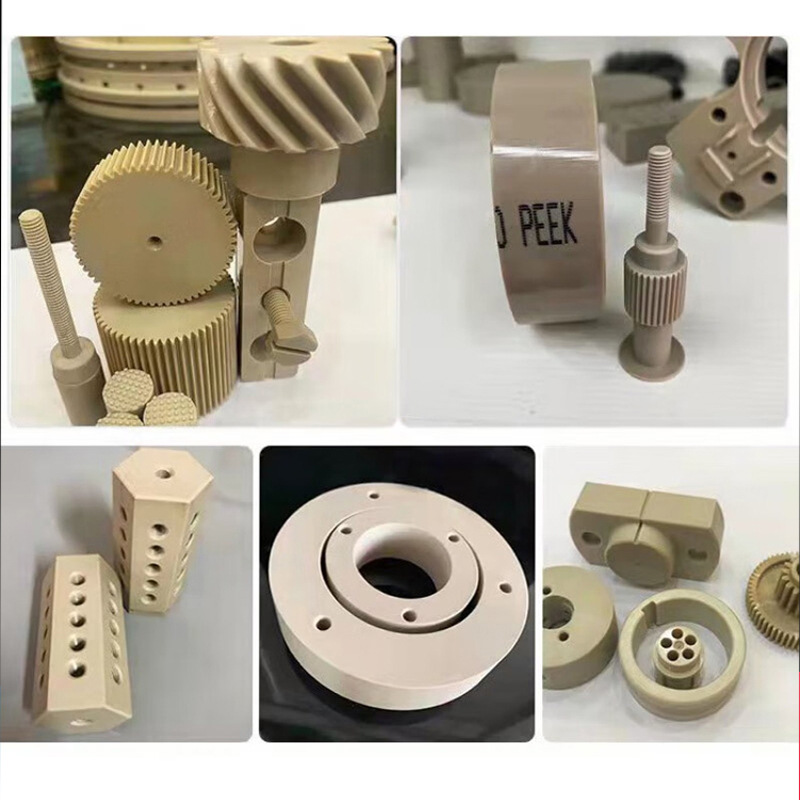
High-performance thermoplastics such as PEEK (polyether ether ketone), PEI (polyetherimide, Ultem), and PAI (polyamide-imide, Torlon) have high glass transition temperatures (typically 150-250°C) and high decomposition temperatures. PEEK, with a Tg of approximately 143°C, is capable of continuous service up to 250°C . Their linear molecular structure enables melting and reprocessing, though it also makes them more susceptible to creep than thermosets.
Key Properties
Lightweight: Polymers have densities approximately one-fifth that of metals (typically 1.2-1.5 g/cm³), providing significant weight savings that can offset their thermal limitations .
Design Freedom: Polymer processing via injection molding, compression molding, and additive manufacturing enables complex geometries that are difficult or impossible to achieve with metals or ceramics.
Chemical Resistance: Many high-temperature polymers offer excellent resistance to acids, bases, and solvents, though this is temperature-dependent.
Electrical Insulation: Polymers are excellent electrical insulators, with stable properties up to their service temperature limits.
Limitations
Thermal Limits are the defining constraint for polymers. Continuous service temperatures above 250°C are unavailable except for specialized materials with greatly reduced mechanical properties. Polymers degrade through mechanisms that begin well below their decomposition temperature. Continuous exposure causes oxidative chain scission, leading to embrittlement and loss of mechanical properties . At sufficiently high temperatures, they decompose and can release toxic fumes .
Creep and Stress Relaxation: Even below their thermal limits, polymers are susceptible to time-dependent deformation under load. This is a fundamental consequence of their molecular structure.
Flammability: Polymers are generally combustible, though additives can reduce flammability. However, burning typically releases toxic smoke and combustion products .
Applications
High-temperature polymers are used in aerospace interiors, automotive engine compartments, electrical connectors, semiconductor processing equipment, and medical devices where temperature is moderate but weight, corrosion resistance, or design complexity are primary priorities. Carbon fiber-reinforced polymers (CFRP) are extensively used in aircraft structures, though operating temperature is typically limited to below 180°C.
Comparative Performance Matrix
The following comparison presents key performance metrics across the three material classes. All data are representative of commercial grades; specific material formulations may vary significantly from these typical values.
Maximum Continuous Service Temperature (Air)
– Alloys (Superalloys): 1000-1100°C. Limited by precipitate coarsening, dissolution, and oxidation spallation. Refractory metals can exceed this in inert atmospheres but oxidize rapidly in air.
– Ceramics (Monolithic): 1500-1700°C (Al₂O₃ to 1700°C; SiC to 1600°C). Bond strength and chemical stability enable sustained operation at extreme temperatures.
– Ceramics (CMCs): 1200-1500°C (SiC-SiC to 1400°C; C/C with coatings to 2000°C). Fiber reinforcement allows some increase in capability.
– Polymers: 150-250°C (PEEK to 250°C; most thermosets to 200°C). Fundamental thermal degradation limits all polymer systems.
Fracture Toughness (KIc)
– Alloys: >100 MPa√m (typical nickel-based superalloys exhibit excellent toughness and ductility).
– Ceramics (Monolithic): 3-10 MPa√m (ZrO₂ highest at ~10 MPa√m; Al₂O₃ ~4 MPa√m). Brittle fracture is the defining failure mode.
– Ceramics (CMCs): 10-20 MPa√m. Crack bridging provides some damage tolerance.
– Polymers: 2-5 MPa√m (thermosets) to 5-10 MPa√m (thermoplastics). Failure is generally ductile but temperature-dependent.
Oxidation Resistance
– Alloys: Good to 1100°C with protective scale formation. Rapid failure of scale above this temperature leads to accelerated attack.
– Ceramics: Excellent due to fully oxidized state. Some compositions (SiC) form protective silica scales that prevent further oxidation.
– Polymers: Poor. Degradation and combustion at elevated temperatures.
Thermal Shock Resistance
– Alloys: Excellent. High toughness and thermal conductivity minimize thermal stress damage.
– Ceramics: Poor to moderate. Low fracture toughness and high CTE (for many oxides) lead to susceptibility. SiC and Si₃N₄ are formulated for improved thermal shock performance.
– Polymers: Good. Low elastic modulus and inherent compliance reduce thermal stress.
Density (g/cm³)
– Alloys: 7.8-9.0 (superalloys); 8.0-19.3 (refractory metals). Tungsten density is 19.3 g/cm³.
– Ceramics: 3.0-6.0 (Al₂O₃ ~3.99; ZrO₂ ~5.83; SiC ~3.22).
– Polymers: 1.2-1.5. Offers substantial weight reduction.
Relative Cost (per unit volume)
– Alloys: Medium-high (superalloys significantly more than standard steels; refractory metals very expensive).
– Ceramics: Medium-high (depending on grade; alumina is most cost-effective; BN and specialty grades are expensive).
– Polymers: Low-medium (PEEK and specialty polymers are more expensive than commodity plastics but generally less than superalloys per volume).
Machinability
– Alloys: Good to moderate. Machinable with standard equipment; superalloys are more difficult than standard steels due to work hardening.
– Ceramics: Poor. Requires diamond or abrasive machining after sintering. Can be formed to near-net shape before firing.
– Polymers: Excellent. Can be molded, extruded, or machined with conventional tooling.
Selection Guide by Application Type
Structural Components at Moderate Temperature (500-800°C)
Preferred: Nickel-based superalloys. These materials provide the combination of creep resistance, oxidation resistance, and toughness required for rotating components, load-bearing structures, and pressure vessels. Their ductility provides an essential safety margin. Consider iron-based superalloys for cost-optimized applications where performance requirements are reduced.
Consider ceramics only if wear or chemical resistance is the dominant concern. Thermal barriers or insulating components may benefit from oxide ceramics.
Avoid polymers. No polymer system has demonstrated service at these temperatures.
Structural Components at High Temperature (800-1200°C)
Preferred: Nickel-based superalloys for the lower end of this range (below approximately 1050°C) where mechanical loading is significant. CMC materials for the upper end or where weight reduction is essential. SiC-SiC composites are increasingly used in turbine applications above the capability of superalloys.
Consider high-temperature ceramics for non-load-bearing applications such as furnace fixturing, insulation, and heat shields.
Extreme Temperature (1200-2000°C) with Mechanical Loading
Preferred: Ceramic Matrix Composites (SiC-SiC, C/SiC, or C/C with oxidation protection). These are the only material class that can maintain structural integrity at these temperatures. CMCs have become a materials of choice for advanced aerospace thermal protection systems, rocket nozzles, and hypersonic vehicle structures .
Consider ultra-high temperature ceramics (UHTCs) such as hafnium or zirconium carbides for specialized applications requiring temperatures above 2000°C. These are restricted to very specific, high-value applications due to cost and processing complexity.
Avoid superalloys. Even the most advanced nickel-based alloys cannot sustain service above approximately 1100°C due to onset of melting and oxidation failure.
Weight-Sensitive Applications at Moderate Temperature (150-250°C)
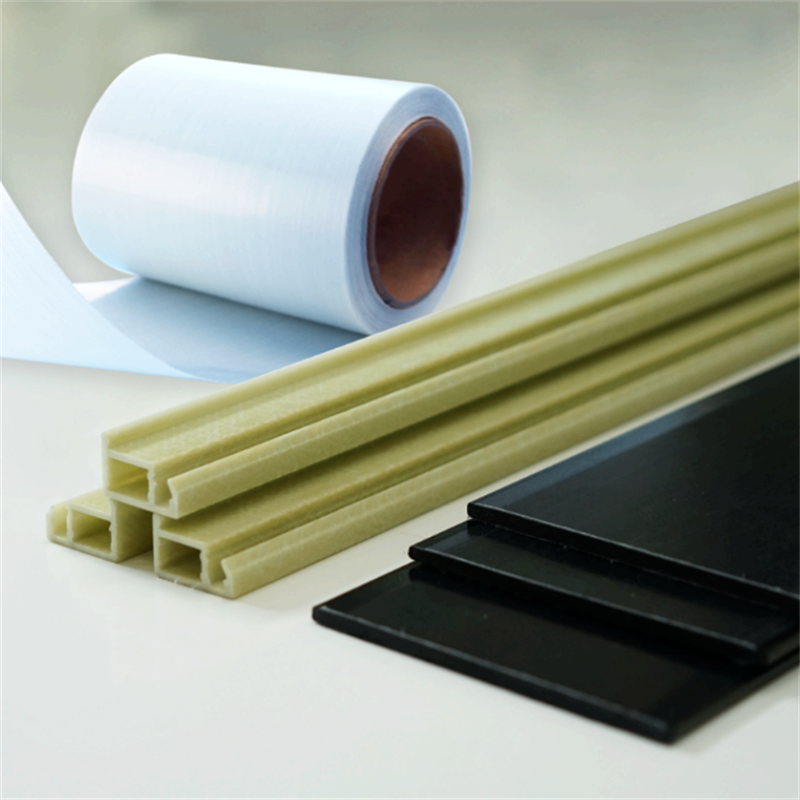
Preferred: Carbon fiber-reinforced polymers. Provide exceptional strength-to-weight ratio at temperatures up to approximately 180-200°C. PEEK-based composites can extend this to 250°C.
Consider metals when toughness, electrical conductivity, or higher thermal stability are required.
Wear-Resistant Components at High Temperature
Preferred: Silicon carbide or silicon nitride ceramics. Their hardness and chemical stability make them ideal for mechanical seals, bearings, and pump components operating in abrasive or corrosive environments at temperature.
Consider coated superalloys where toughness and wear resistance are both required, though coating durability may be a limiting factor.
Avoid polymers. Their low hardness and poor high-temperature property retention preclude their use in wear applications at elevated temperature.
Design Considerations
Component Geometry and Stress Analysis
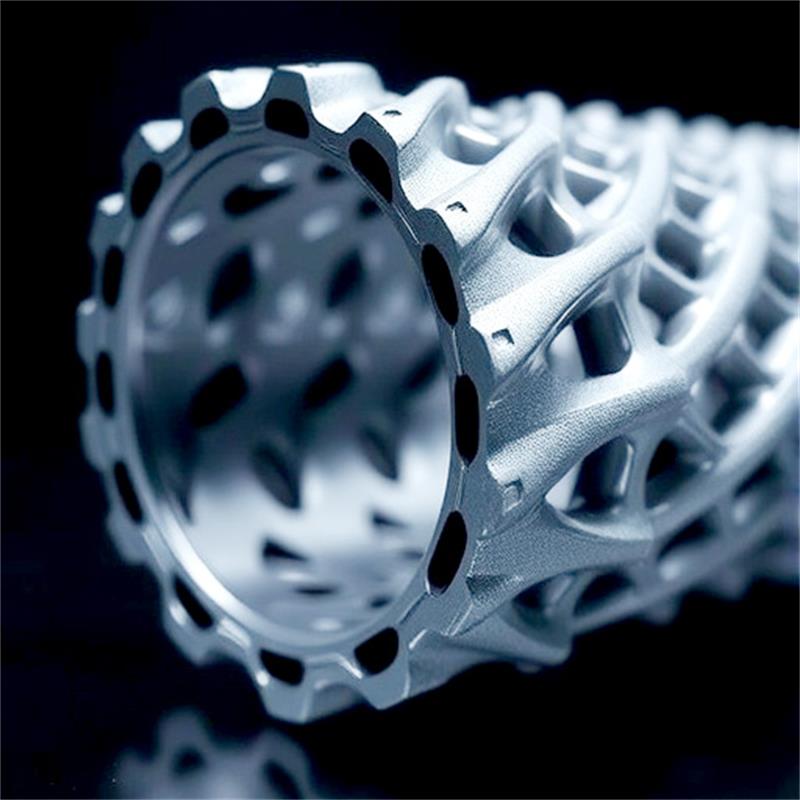
The brittle nature of ceramics has significant implications for design. Ceramic components must be designed without sharp notches, stress risers, or tensile stress concentrations. Components should be designed for predominantly compressive loading wherever possible, as ceramics are substantially stronger in compression than tension.
Joining and Assembly
Joining ceramics to themselves or to metals presents significant challenges due to differences in coefficient of thermal expansion (CTE). Mismatched CTE can result in residual stresses that lead to cracking, especially in metal-ceramic joints. Brazing, diffusion bonding, and mechanical fastening with compliant interlayers are employed with varying degrees of success. Polymers are generally easier to join, using mechanical fasteners, adhesives, or welding (for thermoplastics).
Environmental Effects
Atmosphere is critical. Oxidation, hot corrosion, and chemical attack can severely limit service life. Superalloys require protective scales that can be degraded by sulfur, vanadium, or other impurities. Silicon-based ceramics can undergo active oxidation in low oxygen partial pressures, leading to mass loss. Refractory metals require vacuum or inert environments.
Inspection and Non-Destructive Testing
Ceramic components are difficult to inspect for defects due to their complex microstructures and lack of established standards comparable to metals. Defects below a critical size may be undetectable yet cause failure, necessitating statistical design approaches and proof testing.
Procurement and Specification Guide
Specification Requirements
Specifications for high-temperature components should include:
– Continuous and peak operating temperatures
– Atmosphere and environment (air, inert, vacuum, corrosive species)
– Load conditions (stress magnitude, cycling, duration)
– Thermal cycling profile and rates
– Dimensional tolerances and surface finish requirements
– Qualification requirements (proof testing, NDT, mechanical property verification)
Quality Verification
For superalloys, certification typically includes chemical composition, tensile properties, creep testing, and hardness. Microstructural evaluation (grain size, precipitate distribution) may be required for critical components.
For ceramics, supplier qualification is essential due to the inherent variability in processing and the difficulty of inspection. Critical properties include density, porosity, grain size, hardness, and flexural strength. Statistical process control and batch qualification are standard.
Cost Considerations
Total cost includes material cost, processing cost, inspection cost, and potential impact on downstream assembly. While superalloys may appear expensive, their relative ease of machining can make them cost-effective compared to ceramics for complex geometries. A specification that simply states the material grade without defining the dominant engineering constraint—and therefore the reason for that material choice—misses an opportunity to control cost .
Frequently Asked Questions
What is the maximum continuous operating temperature for each material class?
Nickel-based superalloys typically have a maximum continuous service temperature of 1000-1100°C in air, with incipient melting starting at 1280-1350°C . Engineering ceramics such as alumina (1700°C), silicon carbide (1600°C), and silicon nitride (1400°C) can operate substantially higher . High-temperature polymers such as PEEK are limited to approximately 250°C . These limits are application-specific and depend on loading conditions and environment.
Why do superalloys fail at lower temperatures than their melting points would suggest?
Creep (time-dependent deformation) and precipitate coarsening cause loss of mechanical properties at temperatures far below the melting point. For nickel-based superalloys, the γ′ precipitates that provide strength coarsen and dissolve above approximately 1100°C, leading to rapid strength loss. Oxidation also accelerates above this temperature, leading to scale breakdown and metal loss .
What makes ceramic matrix composites (CMCs) superior to monolithic ceramics?
CMCs overcome the brittleness of monolithic ceramics by incorporating fibers that deflect and bridge propagating cracks. This provides a degree of damage tolerance that prevents catastrophic failure. SiC-SiC CMCs, for example, maintain the extreme temperature capability of silicon carbide while achieving fracture toughness values (10-20 MPa√m) substantially higher than monolithic ceramics (3-5 MPa√m) .
Can polymers ever be used above 300°C?
No. All polymers degrade through mechanisms that begin below 300°C. Thermosetting polymers can sustain moderate intermittent temperatures slightly above 300°C in specialized formulations, but continuous service above 250°C is not feasible for any polymer system. Thermal degradation leads to chain scission, embrittlement, and loss of mechanical properties .
When should I choose a superalloy over a ceramic?
Choose a superalloy when ductility, toughness, and resistance to thermal shock are essential—particularly for rotating components, pressure vessels, or applications requiring a safety margin. Superalloys provide predictable, progressive failure behavior. Choose a ceramic when the service temperature exceeds the superalloy limit (above approximately 1100°C) or when wear resistance or chemical inertness is the dominant requirement .
What is thermal shock and which materials are most susceptible?
Thermal shock is cracking induced by rapid temperature changes that create internal thermal stresses. Ceramics are most susceptible due to their low fracture toughness and, in many cases, high coefficient of thermal expansion. Superalloys resist thermal shock due to their high toughness and thermal conductivity. Polymers, having low elastic modulus and inherent compliance, are generally resistant to thermal shock .
Why are refractory metals like tungsten not used in high-temperature air applications?
Tungsten, molybdenum, and other refractory metals oxidize catastrophically in air at elevated temperatures. Tungsten forms volatile tungsten oxides (WO₃) that sublimate at high temperature, causing rapid mass loss. They require vacuum, inert atmospheres, or protective coatings . Superalloys, conversely, form protective oxide scales that provide oxidation resistance.
What are the key challenges in machining high-temperature ceramics?
Ceramics are extremely hard and must be machined with diamond grinding after sintering. This is expensive and time-consuming. Near-net shape forming before firing is preferred to minimize machining. Boron nitride (BN) ceramics, unlike most engineering ceramics, can be machined with conventional tools due to their softer hexagonal crystal structure, though their mechanical properties are significantly lower than SiC or Al₂O₃ .
How do I specify a high-temperature material for procurement?
Include the operating temperature range, atmosphere, loading conditions, required mechanical properties, and any chemical resistance requirements. For ceramics, the specification should state the dominant engineering constraint (toughness, heat transfer, thermal shock, wear, or cost) to ensure the correct grade is selected . Performance verification and supplier qualification requirements should also be defined.
What is the future outlook for high-temperature materials?
Current research emphasizes improved CMCs with enhanced thermal shock resistance and oxidation protection, ultra-high temperature ceramics (UHTCs) for applications above 2000°C, and high-entropy alloys with superior creep resistance . Novel processing techniques such as additive manufacturing and polymer-derived ceramics are enabling new compositions and microstructures that were previously unattainable .
The selection of materials for high-temperature applications requires a thorough understanding of the fundamental mechanisms governing performance and failure. No single material class is optimal for all applications—each offers distinct advantages accompanied by specific limitations.
Superalloys are the standard choice for demanding structural applications below approximately 1100°C where ductility, toughness, and reliability are essential. Their combination of creep resistance, oxidation protection, and predictable failure behavior make them indispensable for critical rotating components. For temperatures above this limit, or where weight reduction is essential, ceramic matrix composites provide the only feasible solution, albeit at increased cost and with greater design complexity.
Engineering ceramics serve non-load-bearing applications requiring extreme temperature capability, chemical inertness, or exceptional wear resistance. Their brittleness restricts their use in dynamically loaded components, but they excel in static applications where their thermal and chemical stability is the dominant requirement.
High-temperature polymers offer unique advantages in moderate-temperature applications where weight reduction, design flexibility, and chemical resistance are priorities. Their inherent thermal limitations preclude their use above approximately 250°C, but within this range, they provide capabilities unavailable from metals or ceramics.
The selection process must be guided by a clear hierarchy of operational demands, informed by a rigorous understanding of the design trade-offs. Successful design at high temperature is not about identifying a single “best” material—it is about optimizing within the constraints of a specific application, recognizing that every material class offers a unique balance of properties that can be leveraged for the right use case.
Metals vs. Ceramics vs. Composites: Engineer’s Guide to Material Selection
Material Selection Guide for Corrosive Environments
 Comparative Analysis of Automotive Lightweighting Materials
 Medical-Grade Specialty Materials