
Comparative Analysis of Automotive Lightweighting Materials
The automotive industry is undergoing a fundamental transformation driven by stringent emissions regulations, the rapid adoption of electric vehicles (EVs), and an unrelenting pursuit of enhanced vehicle performance. Lightweighting—the practice of reducing vehicle mass through material substitution and design optimization—has emerged as a critical engineering strategy with direct, measurable impacts on efficiency. Research demonstrates that a 10% reduction in vehicle weight can improve EV range by 5% to 8%, while every 100 kg of weight reduction lowers CO₂ emissions by 7.5 to 12.5 g/km .
For engineers, procurement specialists, and product designers, the material selection process has become increasingly complex. The traditional palette of steel and cast iron has expanded to include advanced aluminum alloys, carbon fiber-reinforced composites, and high-performance thermoplastics like PEEK (polyetheretherketone). Each material system offers distinct property profiles, processing requirements, cost structures, and design considerations.
Material Overview and Composition
Aluminum Alloys
Aluminum alloys are non-ferrous metallic materials alloyed with elements including silicon, magnesium, manganese, copper, and zinc to achieve specific mechanical properties. Automotive applications predominantly employ 5xxx (Al-Mg), 6xxx (Al-Mg-Si), and 7xxx (Al-Zn-Mg) series alloys. The density of aluminum alloys ranges from 2.6 to 2.8 g/cm³, approximately one-third that of steel, while mechanical properties vary significantly by temper and alloy composition .
The material exhibits face-centered cubic (FCC) crystal structure, providing excellent formability and ductility. 6xxx series alloys, with typical tensile strengths of 250–350 MPa in T6 temper, are widely used for body panels and structural extrusions. The 7xxx series, developed for aerospace applications, achieves tensile strengths exceeding 500 MPa through precipitation hardening, making them suitable for high-load chassis components .
Carbon Fiber-Reinforced Composites (CFRP)
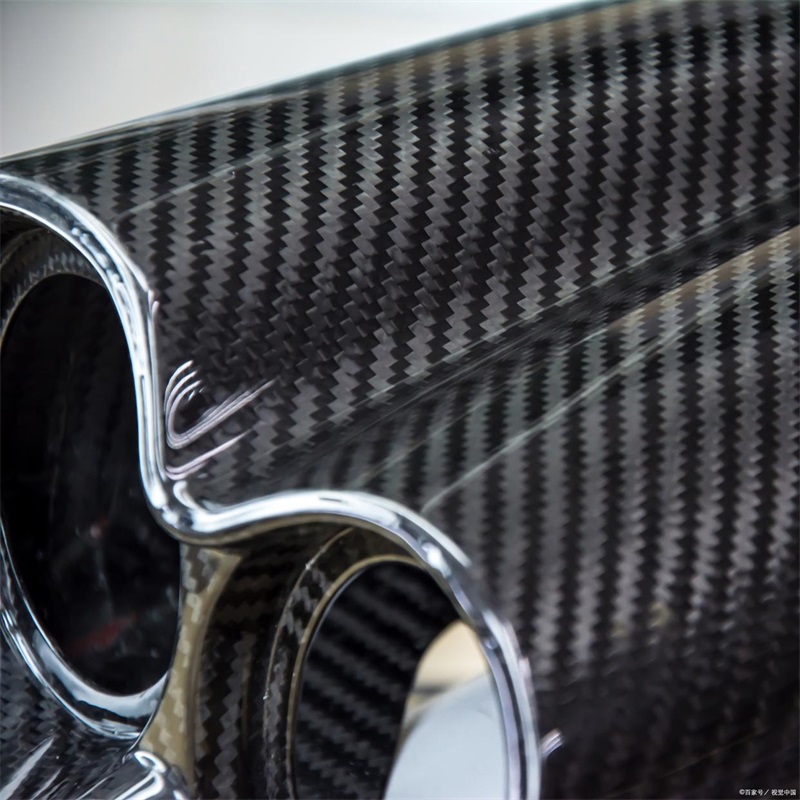
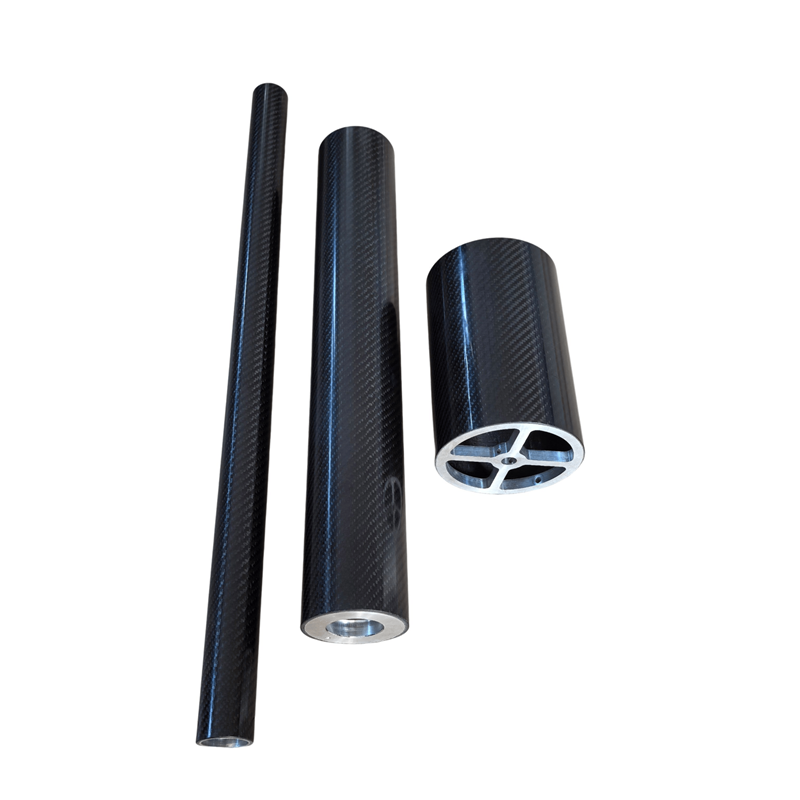
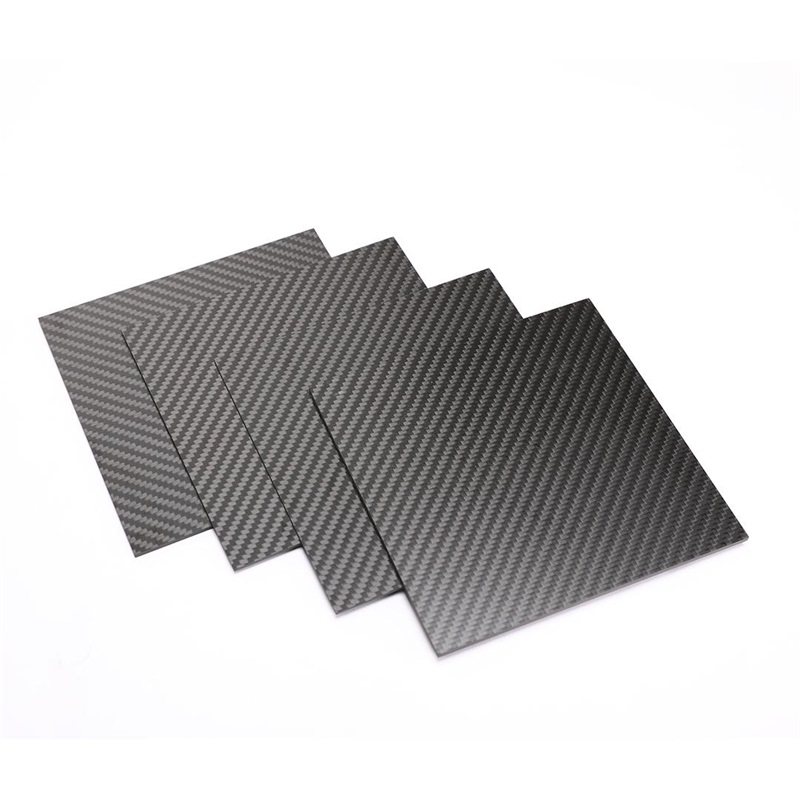
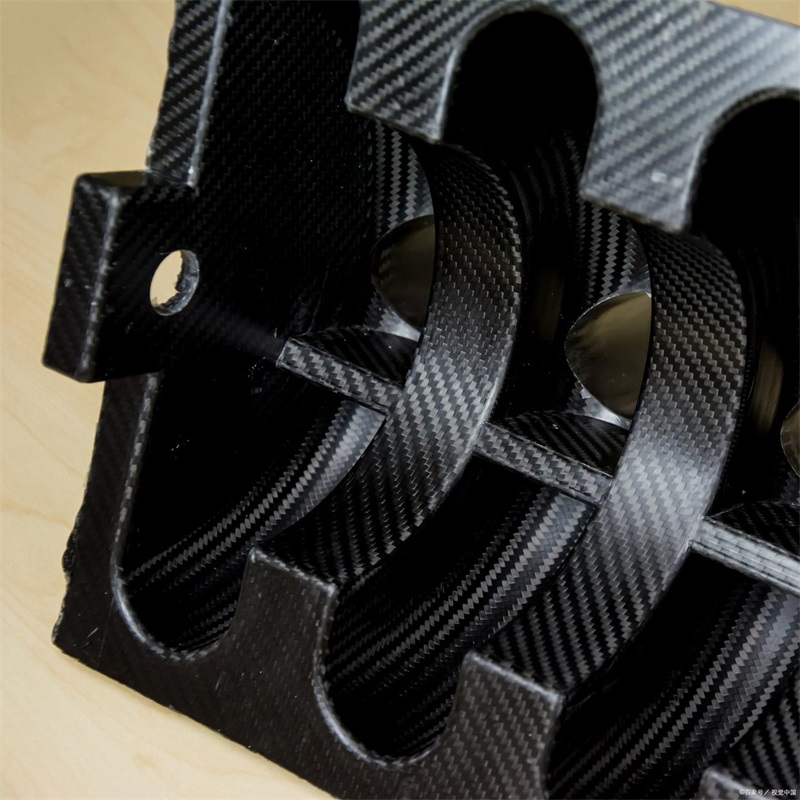
Carbon fiber composites are engineered materials consisting of carbon fibers embedded within a polymer matrix. The fibers, typically 5–10 μm in diameter, provide primary load-bearing capacity, while the matrix transfers loads between fibers, protects against environmental degradation, and determines the composite’s service temperature limits. Automotive-grade carbon fibers have tensile strengths ranging from 2000 to 7000 MPa, with elastic moduli varying from 230 to 590 GPa depending on fiber grade .
The composite density ranges from 1.5 to 2.0 g/cm³, making carbon fiber composites significantly lighter than aluminum . Matrix selection profoundly influences performance: thermoset epoxy systems offer excellent mechanical properties and fatigue resistance but require curing cycles that limit production rates, while thermoplastic matrices—including PEEK, PA66, and PP—enable rapid processing through injection molding or compression molding .
PEEK and PEEK-Based Composites
PEEK is a semi-crystalline high-performance thermoplastic polymer with a glass transition temperature (Tg) of 143°C and a melting point of 334°C . The molecular structure incorporates aromatic rings connected by ether and ketone linkages, providing exceptional thermal stability, chemical resistance, and mechanical strength. Unreinforced PEEK density ranges from 1.26 to 1.32 g/cm³, while carbon-fiber-reinforced grades achieve densities up to 1.45 g/cm³ .
PEEK composites are typically formulated with 30–40% carbon fiber reinforcement, achieving tensile strengths of 200–250 MPa, flexural moduli of 20–30 GPa, and continuous service temperatures of 250°C . The material exhibits intrinsic flame retardancy (UL94 V-0 rating) without halogenated additives and demonstrates excellent resistance to automotive fluids, including fuels, oils, and coolants .
Key Mechanical Properties Comparison
A quantitative comparison of mechanical properties provides essential context for material selection decisions. The following data represent typical values for automotive-grade materials.
Aluminum Alloys (6xxx-T6) exhibit tensile strengths of 250–350 MPa, yield strengths of 200–310 MPa, and elastic moduli of 69 GPa . Elongation at failure ranges from 8% to 15%, indicating good ductility. Fatigue endurance limits typically fall at 95–130 MPa for 10⁷ cycles.
Carbon Fiber Composites demonstrate highly anisotropic properties dependent on fiber architecture and orientation. Unidirectional CFRP with 60% fiber volume fraction achieves longitudinal tensile strengths of 1200–2500 MPa, transverse strengths of 40–80 MPa, and moduli of 120–180 GPa . The specific strength—strength-to-density ratio—exceeds that of aluminum alloys by a factor of 5 to 10 .
PEEK and PEEK Composites: Unreinforced PEEK exhibits tensile strengths of 90–100 MPa, flexural moduli of 3.5–4.0 GPa, and elongation at break of 20–50% . Carbon-fiber-reinforced PEEK (30% CF) achieves tensile strengths of 200–250 MPa, flexural moduli of 15–25 GPa, and reduced elongation of 1.5–3% . The 30% carbon fiber reinforced PEEK exhibits specific strength surpassing most aluminum alloys, with density approximately 45% lower .
The specific properties—properties normalized by density—are particularly relevant for lightweighting comparisons:
– Aluminum: Specific stiffness ≈ 26 GPa·cm³/g; specific strength ≈ 130–180 MPa·cm³/g
– CFRP (unidirectional): Specific stiffness ≈ 70–100 GPa·cm³/g; specific strength ≈ 800–1500 MPa·cm³/g
– PEEK-CF30: Specific stiffness ≈ 12–17 GPa·cm³/g; specific strength ≈ 140–170 MPa·cm³/g
Advantages for Automotive Lightweighting
Aluminum Alloys: Established Infrastructure and Cost-Effectiveness
Aluminum’s primary advantage lies in its mature industrial infrastructure, established supply chains, and well-understood manufacturing processes. The material has been extensively characterized, with validated design methodologies and comprehensive property databases available to engineers .
Formability and Joining: Aluminum alloys exhibit excellent formability, enabling the production of complex geometries through stamping, extrusion, casting, and forging processes. The material responds well to heat treatment, with precipitation hardening providing a wide range of achievable property combinations. Joining methods—including resistance spot welding, laser welding, riveting, and adhesive bonding—are well-established in automotive manufacturing .
Corrosion Resistance: Aluminum spontaneously forms a protective aluminum oxide layer, providing excellent atmospheric corrosion resistance. In automotive applications, aluminum components typically require additional surface treatment for long-term durability in aggressive environments, but the inherent corrosion resistance reduces or eliminates the need for protective coatings on interior components .
Recyclability: Aluminum is highly recyclable, with remelting requiring approximately 5% of the energy needed for primary production. The material retains its properties through recycling, supporting circular economy objectives .
Carbon Fiber Composites: Unmatched Lightweighting Potential
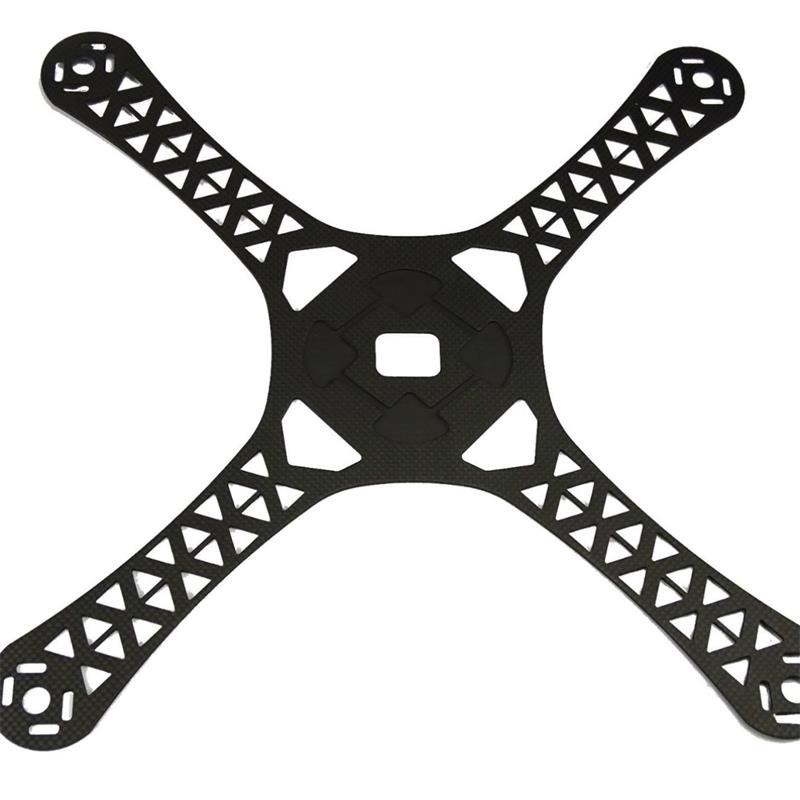
Carbon fiber composites offer the highest specific strength and stiffness of any commercially available automotive material, enabling weight reductions of 40–60% versus steel and 20–30% versus aluminum at equivalent mechanical performance . For weight-critical applications, CFRP provides unique design freedom that no metallic material can match.
Design Integration: CFRP allows parts consolidation through integrated design, reducing assembly complexity and cost. A single molded composite part can replace multiple stamped and welded steel components, reducing part counts by 50–80% in some applications .
Tailorable Properties: The anisotropic nature of CFRP enables strategic placement of reinforcement where loads are highest, optimizing material utilization. Fiber orientations, ply stacking sequences, and thickness distributions can be locally adjusted to meet specific loading requirements, an approach impossible with isotropic metallic materials.
Fatigue Performance: Carbon fiber composites exhibit excellent fatigue resistance, with fatigue endurance typically exceeding 70–80% of ultimate tensile strength—substantially higher than the 30–50% typical of aluminum alloys. This characteristic is particularly valuable for chassis and suspension components subjected to cyclic loading .
PEEK and PEEK Composites: Extreme Environment Performance
PEEK’s combination of properties addresses design requirements beyond simple weight reduction, making it uniquely valuable for applications where thermal resistance, chemical compatibility, and tribological performance are equally critical.
Thermal Stability: PEEK maintains mechanical properties up to 250°C continuous service temperature, with short-term capability extending to 300°C . This thermal stability exceeds the capability of conventional thermoplastics, enabling use in powertrain and thermal management applications where aluminum may experience thermal expansion-related challenges and conventional polymers degrade.
Friction and Wear: PEEK exhibits excellent tribological performance, with coefficient of friction of 0.3–0.4 against steel under dry sliding conditions. With optimized additives—including PTFE, MoS₂, or carbon fiber reinforcement—friction coefficients can be reduced to 0.15–0.2, with wear rates significantly lower than aluminum alloys . This combination enables unlubricated sliding applications and extends component life in demanding conditions.
Chemical Resistance: PEEK resists attack by most automotive fluids, including fuels, oils, brake fluids, and coolants. The material is soluble only in concentrated sulfuric acid, providing exceptional durability in aggressive chemical environments .
Limitations and Design Constraints
Aluminum Alloys: Strength and Fatigue Limitations
Strength-to-Density Ratio: While aluminum provides significant weight reduction versus steel, its specific strength is substantially lower than carbon fiber composites. For applications requiring maximum stiffness and minimum mass, aluminum cannot match the lightweighting potential of advanced composites .
Fatigue Sensitivity: Aluminum alloys exhibit a distinct fatigue limit below which failure does not occur, but the endurance limit is typically 30–50% of ultimate tensile strength—lower than the 70–80% typical of carbon fiber composites. For suspension and chassis components subjected to high-cycle loading, this imposes additional design constraints .
Thermal Expansion: Aluminum’s coefficient of thermal expansion (approximately 23 ppm/°C) is significantly higher than steel (12 ppm/°C) and carbon composites (0.5–5 ppm/°C depending on fiber orientation). Differential thermal expansion in dissimilar-material joints can generate residual stresses and affect assembly tolerances in systems spanning wide temperature ranges.
Joining Challenges: While aluminum can be welded, the process requires specialized equipment and controlled atmospheres due to the refractory oxide layer. The heat-affected zone experiences property degradation, and the material’s high thermal conductivity complicates resistance spot welding. Adhesive bonding and mechanical fastening are often preferred for structural applications.
Carbon Fiber Composites: Cost and Manufacturing Barriers
Material Cost: Carbon fiber costs significantly exceed aluminum on a per-kilogram basis. High-quality aerospace-grade fibers can exceed $30–40/kg, while automotive-grade fibers range from $10–20/kg. Even at lower costs, the material price premium over aluminum—currently $2–3/kg—represents a substantial economic barrier for volume production.
Processing Cycle Times: Thermoset CFRP requires extended curing cycles at elevated temperatures, with typical cycle times of 2 hours or more for structural components. This compares unfavorably with aluminum stamping cycles of seconds. While thermoplastic composites enable reduced cycle times of 5–10 minutes, these still exceed the rapid cycle times of metal processing .
Anisotropic Design Complexity: The directional dependence of properties requires sophisticated analysis tools and expertise for component design. Unlike isotropic metals, CFRP properties must be oriented relative to the load paths, complicating geometry definition, manufacturing planning, and quality assurance.
Repair and Recycling Challenges: Composite repairs require specialized techniques and materials, often involving bonded patches or resin injection. Unlike aluminum, which can be readily recycled with maintained properties, carbon fiber composite recycling remains technically challenging and economically limited. While pyrolysis and mechanical recycling exist, the recovered fibers typically exhibit reduced mechanical properties .
PEEK: Processing and Cost Considerations
Material Cost and Supply: PEEK carries a substantial cost premium: industrial-grade PEEK from major suppliers ranges from $300–600/kg, with specialty grades exceeding $1,000/kg . While carbon fiber PEEK composites cost $600–800/kg, the volume per component remains low—typically 0.5–1.5 kg per vehicle—but even at these levels, the cost is significant for non-critical applications .
Processing Demands: PEEK requires processing temperatures of 380–420°C for injection molding and extrusion, exceeding the capability of standard molding equipment. Tooling must withstand these high temperatures, and the melt exhibits high viscosity requiring high injection pressures. Post-processing heat treatment is required to achieve optimal crystallinity and mechanical properties .
High-Temperature Property Degradation: At temperatures above 250°C, PEEK mechanical properties decrease more rapidly than metallic materials. Research on carbon/PEEK automotive driveshafts indicates a switch from fiber-dominated to matrix-dominated failure modes above 65–85°C, with safety factor reductions of 14% over a 100°C temperature rise, compared to 5% for aluminum under the same conditions . Engineers must consider temperature-dependent performance in applications spanning wide temperature ranges.
Applications in Automotive Engineering
Aluminum Alloy Applications
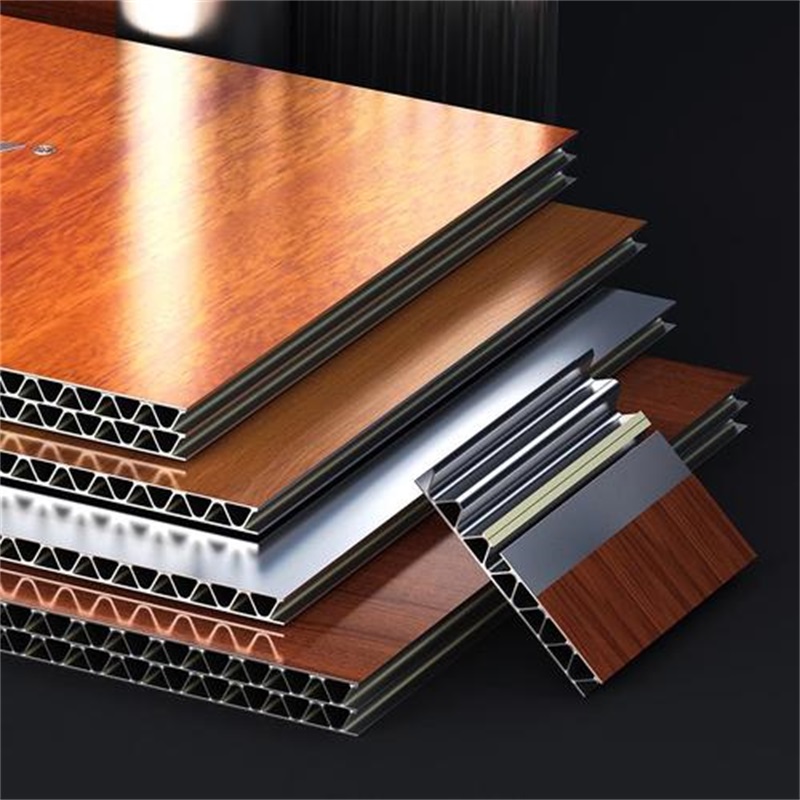
Aluminum alloys are extensively used for structural and non-structural components across all vehicle segments, including battery enclosures, where aluminum battery tray and cover assemblies achieve 40–50% weight reduction versus steel designs .
Suspension and chassis components—including subframes, control arms, steering knuckles, and brake calipers—frequently employ aluminum forgings or castings to reduce unsprung mass, improving ride quality and handling . The thermal conductivity of aluminum is particularly advantageous for powertrain components, with cylinder heads, engine blocks, and transmission housings benefiting from rapid heat dissipation .
Body structure applications include closures (hoods, decklids, doors) and full-body structures for premium vehicles. Multi-material designs increasingly incorporate aluminum extrusions for crash management components, benefiting from stable, predictable crush behavior .
Carbon Fiber Composite Applications
CFRP adoption is concentrated in performance-oriented and lightweight-sensitive applications, including body structures in premium sports cars and high-performance EVs, where weight reduction maximizes range and dynamic performance .
Battery enclosures represent a growing application for CFRP, with some manufacturers achieving 50% weight reduction versus steel designs while maintaining or improving crashworthiness . Rotating components benefit from low inertia, with carbon fiber composite driveshafts offering superior safety factor compared to aluminum or steel counterparts even at elevated temperatures, and Formula Student applications demonstrating 47% lower von Mises stress and 43% higher safety factor than aluminum wheels .
The development of hybrid CFRP-aluminum wheels demonstrates the trend toward material optimization, achieving 18.4% weight reduction compared to full aluminum wheels . Thermoplastic CFRP systems—including carbon/PA66 and carbon/PP composites—are gaining traction in volume applications, with some manufacturers reporting processing cycle times of 5–10 minutes and part count reductions of 80% .
PEEK Applications
PEEK is typically applied in demanding environments where thermal, chemical, and tribological requirements exceed the capability of commodity thermoplastics. In electric powertrains, PEEK gears and bearings in drive systems exploit the material’s low coefficient of friction and high wear resistance. Single PEEK gear sets achieve 3.8 kg weight reduction per system and accelerate 0–100 km/h times by 1.2 seconds . The low inertia enables power response times of 0.15 seconds . PEEK components exhibit wear resistance approximately 10 times that of aluminum and achieve service lives exceeding 200,000 km .
Battery systems employ PEEK for thermal management components and electrical insulation, with the material’s dielectric strength of 23 kV/mm and volume resistivity of 10¹⁶ Ω·cm supporting high-voltage applications . Underbody components—including underbody shield, battery cover, and splash shield—benefit from PEEK’s impact resistance, flame retardancy, and resistance to road debris and thermal exposure .
Transmission components utilize PEEK gears and thrust washers to reduce friction and improve efficiency, while seals and gaskets—including O-rings and oil seals—capitalize on PEEK’s chemical resistance and thermal stability .

Processing and Manufacturing Considerations
Aluminum Processing
Aluminum components are manufactured through established, high-volume processes. Casting includes die casting, permanent mold casting, and sand casting, with high-pressure die casting producing complex geometries at low unit cost. Extrusion produces constant-cross-section profiles with exceptional length and quality, widely used for chassis frames and battery enclosures. Stamping and forming processes include sheet metal stamping, hydroforming, and roll forming, with 6xxx series alloys requiring careful forming parameter control due to limited stretch formability.
Forging produces high-strength components with optimized grain structure, particularly for chassis and suspension parts. Mechanical machining is readily performed using conventional tools, though carbide tooling is typically required.
Joining technologies—including resistance spot welding, laser welding, friction stir welding, riveting, and adhesive bonding—are well-established in automotive manufacturing .
Carbon Fiber Composite Processing
Thermoset composite manufacturing includes several processes. Prepreg layup is used for high-performance, low-volume components, requiring autoclave or oven cure. HP-RTM (high-pressure resin transfer molding) is suited for volume production, offering cycle times of 5–10 minutes for automotive structural components . Compression molding uses pre-impregnated charges or SMC (sheet molding compound) with rapid cycle times.
Thermoplastic composite processes include injection molding (for short-fiber reinforced components), compression molding (for continuous fiber reinforcements), and AFP (automated fiber placement) for complex geometries. Hybrid processes—including overmolding and insert molding—combine continuous fiber preforms with injection-molded features for cost-effective functional integration .
CFRP machining requires non-conventional methods—including abrasive waterjet cutting, laser cutting, and EDM—to avoid delamination, fiber pull-out, and matrix charring associated with conventional milling . Drilling requires specialized tool geometries and controlled feed rates to minimize damage.
PEEK Processing
PEEK is processable through conventional thermoplastic methods with appropriate equipment. Injection molding requires barrel temperatures of 380–420°C and mold temperatures of 180–220°C to achieve adequate crystallinity. Extrusion produces film, sheet, rod, and tubing with properties comparable to injection-molded parts.
Compression molding is used for prototype development and thick-section components. Additive manufacturing techniques—including FDM and selective laser sintering—enable rapid prototyping and customized geometries .
Secondary processing includes CNC machining (which is readily performed with carbide tooling), heat staking, ultrasonic welding, and adhesive bonding.
Selection Framework: Material Selection Guidelines
When to Select Aluminum Alloys
Aluminum is the preferred choice for high-volume production (exceeding 50,000 units annually) where cost is a primary constraint and the 30–40% weight reduction relative to steel satisfies requirements. It is also the material of choice for applications requiring isotropic properties and predictable behavior under complex multiaxial loading, as well as components requiring efficient heat dissipation.
Aluminum’s maturity makes it advantageous when established design methodologies and validated simulation tools are required, and when recycling and end-of-life recovery are important considerations. The material is optimal for applications with moderate temperature requirements—typically below 200°C where strength retention remains acceptable .
When to Select Carbon Fiber Composites
CFRP is preferred when maximizing lightweighting potential is critical, particularly when weight reduction targets exceed 40% versus steel, and when the added cost can be justified by performance requirements or range targets. The material is also optimal for parts consolidation to reduce assembly complexity and part count, and when tailored anisotropic properties can be exploited for structural efficiency .
Thermoplastic CFRP systems are increasingly suited for medium-volume production (10,000–50,000 units annually) where automated processing and reduced cycle times justify capital investment. The material is ideal for applications demanding exceptional fatigue resistance, such as suspension and chassis components, and for rotating components where low rotational inertia provides performance benefits .
When to Select PEEK and PEEK Composites
PEEK is the material of choice when extreme thermal conditions exceed aluminum capability—particularly continuous service above 200°C—and when applications require chemical resistance beyond that achievable with other polymers, such as exposure to aggressive automotive fluids.
PEEK’s friction and wear characteristics make it the preferred material for tribological applications requiring low wear in unlubricated or marginally lubricated conditions, such as gears, bearings, and seals . Its high dielectric strength and resistance to voltage breakdown suit high-voltage electrical applications, including connectors, insulators, and busbars .
The material is also selected for lightweighting of highly stressed components where both strength and weight are critical and when design flexibility is required, including structural foam and thin-wall geometries .
Economic and Supply Chain Considerations
Cost Comparison
A meaningful cost comparison requires analysis on both per-kg and per-part bases. Material cost alone is insufficient for accurate selection.
Aluminum costs $2–4/kg for common alloys, with premium grades reaching $5–8/kg. Manufacturing costs per component are comparable to steel, with established equipment and processes. Tooling costs are moderate relative to injection molding and significantly lower than composite tooling.
Carbon fiber costs vary widely depending on fiber grade and tow size, with aerospace-grade fibers exceeding $30–40/kg and automotive-grade fibers at $10–20/kg. Resin systems add $3–10/kg for epoxies and $15–30/kg for thermoplastics. Manufacturing costs are higher than aluminum due to slower cycle times and higher labor content, though thermoset processing is more expensive than thermoplastic. Composite tooling costs are significant, with class A tooling for compression molding typically exceeding $500,000–1,000,000.
PEEK costs at $300–600/kg for unreinforced material, with carbon-fiber-filled grades at $600–800/kg. Processing costs are higher than standard thermoplastics due to elevated temperatures and specialized equipment requirements. Part volume per vehicle is currently 0.5–1.5 kg, minimizing overall material cost impact even at high per-kg prices .
Supply Chain Considerations
Aluminum supply is globally distributed, with stable pricing and multiple sourcing options. Prices respond primarily to energy costs and demand cycles, with moderate price volatility. Most major vehicle-producing regions have domestic aluminum capacity.
Carbon fiber supply is more concentrated, with primary capacity in Japan (Toray, Mitsubishi), the US (Hexcel), and Europe (SGL). Supply expansion lags demand growth due to capital intensity and technical barriers. Industry dynamics—including the $1 billion+ investment required for a 10,000-ton carbon fiber facility—suggest that pricing will remain elevated for the foreseeable future.
PEEK supply is characterized by a “one strong, many followers” global pattern, with Victrex operating as the dominant supplier. Global capacity is approximately 13,000 tons annually, with additional capacity under development in China. Although supply is more concentrated than aluminum, the automotive volume remains modest, supporting multiple source availability .
Frequently Asked Questions
Which material provides the greatest weight reduction compared to steel?
Carbon fiber composites provide the greatest weight reduction, achieving 40–60% mass savings versus steel at equivalent mechanical performance. PEEK components can achieve 60% weight reduction versus steel in some applications, while aluminum achieves 30–40% weight reduction versus steel .
How do the costs of these lightweighting materials compare?
Aluminum costs $2–4/kg and is the most economical option. Carbon fiber composites range from $20–50/kg depending on fiber grade and resin system. PEEK costs $300–600/kg for unreinforced material, with carbon-filled grades at $600–800/kg. Cost-effectiveness must be evaluated on a per-part or per-function basis, not simply per-kg .
What is the service temperature limit for each material?
Aluminum alloys maintain useful properties up to 150–200°C, with strength decreasing above these temperatures. Carbon fiber composites with epoxy matrices are limited to 120–150°C continuous service, though thermoplastic matrices like PEEK enable 250°C continuous service. PEEK has the highest continuous service temperature at 250°C, with short-term capability to 300°C .
Can carbon fiber composites and PEEK be recycled?
Aluminum is highly recyclable with maintained properties and low energy requirements. Carbon fiber composites face recycling challenges—pyrolysis and mechanical recycling exist but typically reduce fiber properties. PEEK is theoretically recyclable, but collection and separation of PEEK from mixed plastics remain economically challenging .
What are the typical processing methods for each material?
Aluminum components are processed through casting, extrusion, stamping, and forging with conventional equipment. Thermoset CFRP uses prepreg layup, RTM, or compression molding; thermoplastic CFRP uses injection or compression molding. PEEK is processed through injection molding, extrusion, or compression molding, requiring temperatures above 380°C .
Which material is best for high-temperature engine and powertrain components?
PEEK is generally the best choice for high-temperature applications requiring temperatures above 200°C, particularly in tribological applications. Aluminum is suitable for moderate-temperature components, while epoxy-based CFRP is typically not recommended above 120°C .
How does fatigue performance compare between these materials?
Carbon fiber composites exhibit fatigue endurance limits of 70–80% of ultimate tensile strength, the highest among the three materials. PEEK shows good fatigue resistance approaching composite levels in some formulations. Aluminum alloys have the lowest fatigue endurance limits, typically 30–50% of ultimate tensile strength .
Are hybrid material solutions feasible?
Yes, hybrid designs combining multiple materials are increasingly common and often represent optimal engineering solutions. Examples include CFRP-aluminum driveshafts, CFRP-aluminum wheels, and multi-material battery enclosures combining aluminum structure with composite panels .
What are the considerations for joining dissimilar materials?
Joining dissimilar materials requires careful attention to differential thermal expansion, galvanic corrosion between metals, and adhesive selection. Mechanical fastening, riveting, and adhesive bonding are common. Aluminum-PEEK joints are typically bonded or mechanically fastened; aluminum-CFRP joints may use rivets, bolts, or structural adhesives.
Which material is most suitable for electric vehicle battery enclosures?
Aluminum alloys are currently the most widely used material for battery enclosures, offering good lightweighting at moderate cost and established manufacturing infrastructure. CFRP is adopted in high-performance vehicles seeking maximum range, while PEEK-based designs provide highest thermal stability and fire resistance for extreme applications .
What are the leading PEEK automotive applications?
PEEK applications include transmission gears and bearings, electrical connectors and insulators, thermal management components, sealing systems, and high-temperature underhood components. Single PEEK gear sets achieve 3.8 kg weight savings per system, with wear resistance significantly exceeding aluminum .
How is material selection expected to evolve in the next 5–10 years?
The industry is moving toward multi-material optimization, with different materials used for different components based on specific requirements. Aluminum will remain dominant for high-volume structural applications. CFRP adoption will increase as manufacturing costs decrease and thermoplastic composites improve. PEEK demand is expected to grow significantly in the EV sector, particularly for thermal management and tribological applications .
The material selection problem in automotive lightweighting requires balancing competing objectives: mass reduction, cost, manufacturability, performance, and durability. No single material optimally addresses all requirements across all applications.
Aluminum alloys remain the workhorse material for volume automotive lightweighting, providing cost-effective weight reduction through well-understood processes and established supply chains. For the majority of structural applications, aluminum’s combination of 30–40% weight reduction versus steel at acceptable cost makes it the rational choice. The material’s mature manufacturing ecosystem and high recyclability provide additional advantages that will sustain its dominance in high-volume production for the foreseeable future.
Carbon fiber composites offer the ultimate lightweighting potential, achieving 40–60% weight reduction versus steel with exceptional specific properties and design flexibility. High cost and processing limitations restrict application to high-performance vehicles and weight-sensitive components where the performance or range benefits justify the added expense. The development of thermoplastic CFRP systems with rapid cycle times and emerging hybrid manufacturing approaches is gradually expanding the addressable market, but significant cost barriers remain.
PEEK and PEEK composites occupy a specialized position in the materials landscape, addressing requirements that extend beyond simple lightweighting. In applications demanding high-temperature performance, chemical resistance, and exceptional tribological characteristics, PEEK provides unique capabilities that no competing material can match. While per-kilogram costs are high, the low volume per vehicle (0.5–1.5 kg) limits overall cost impact, enabling adoption in targeted applications where extreme conditions exist.
The optimal strategy for most vehicle programs is multi-material optimization—employing aluminum for high-volume structural applications, CFRP for components where maximum lightweighting is critical, and PEEK for demanding extreme-condition applications. This tailored approach leverages the strengths of each material system while mitigating limitations, ultimately producing vehicles with optimized mass, performance, and cost.
Metals vs. Ceramics vs. Composites: Engineer’s Guide to Material Selection
Material Selection Guide for Corrosive Environments
 Alloys vs. Ceramics vs. Polymers for High-Temperature Applications
 Medical-Grade Specialty Materials