Internal Bore Grooved Alumina Ceramic Tubes
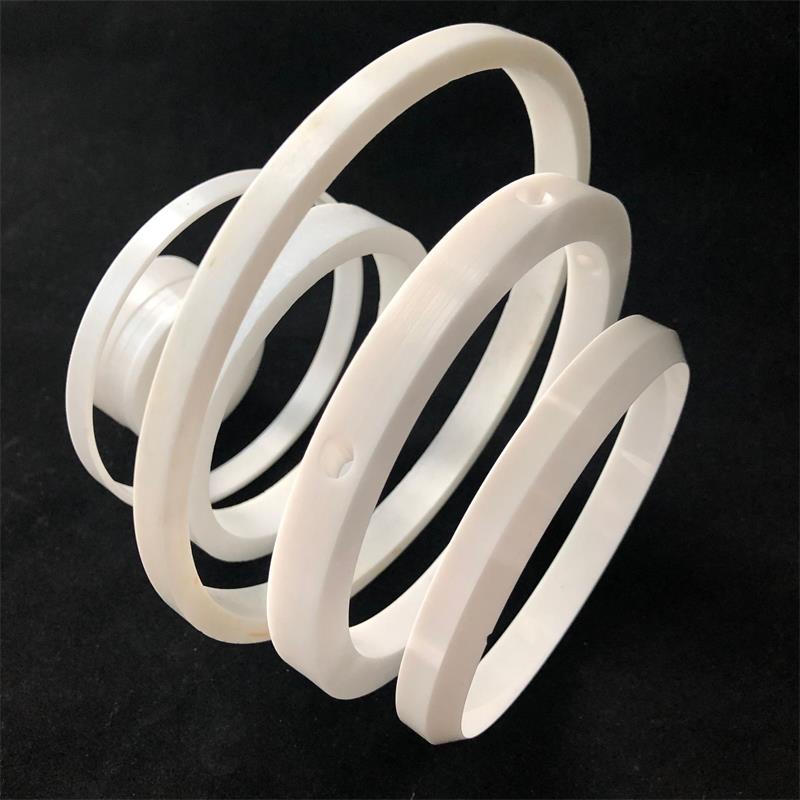
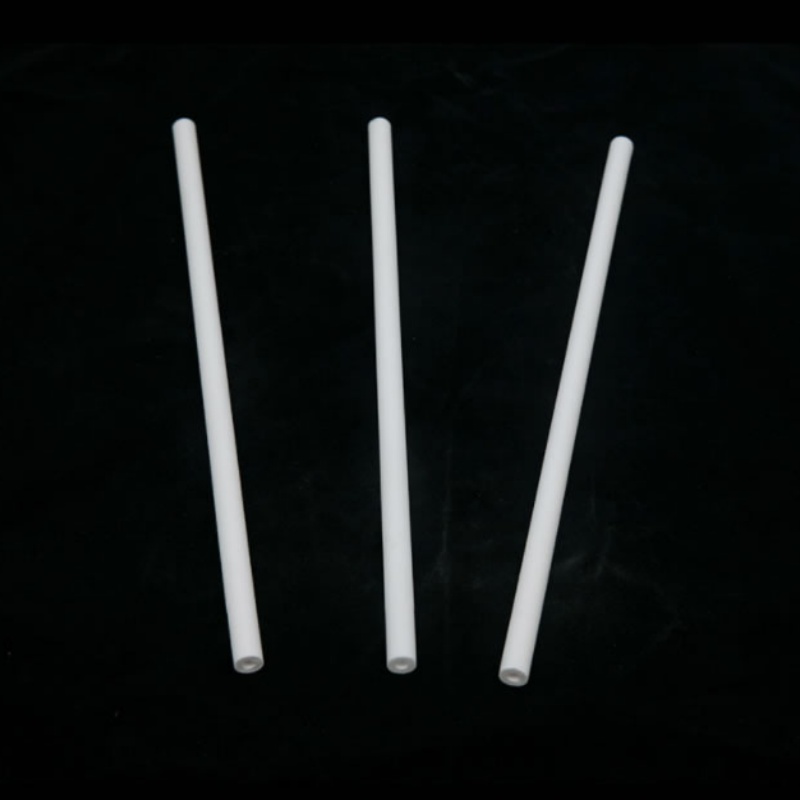
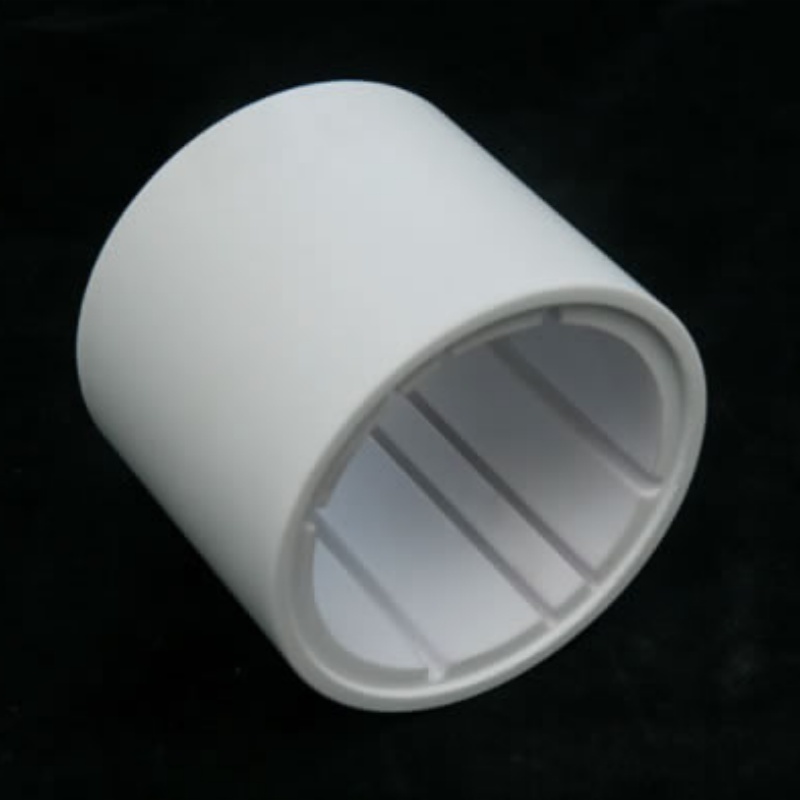
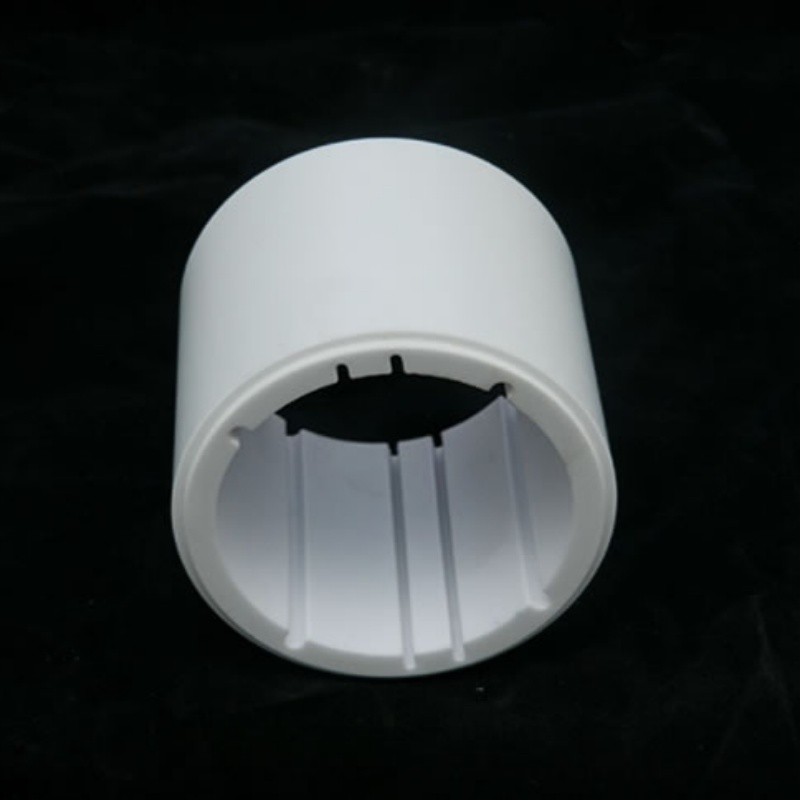
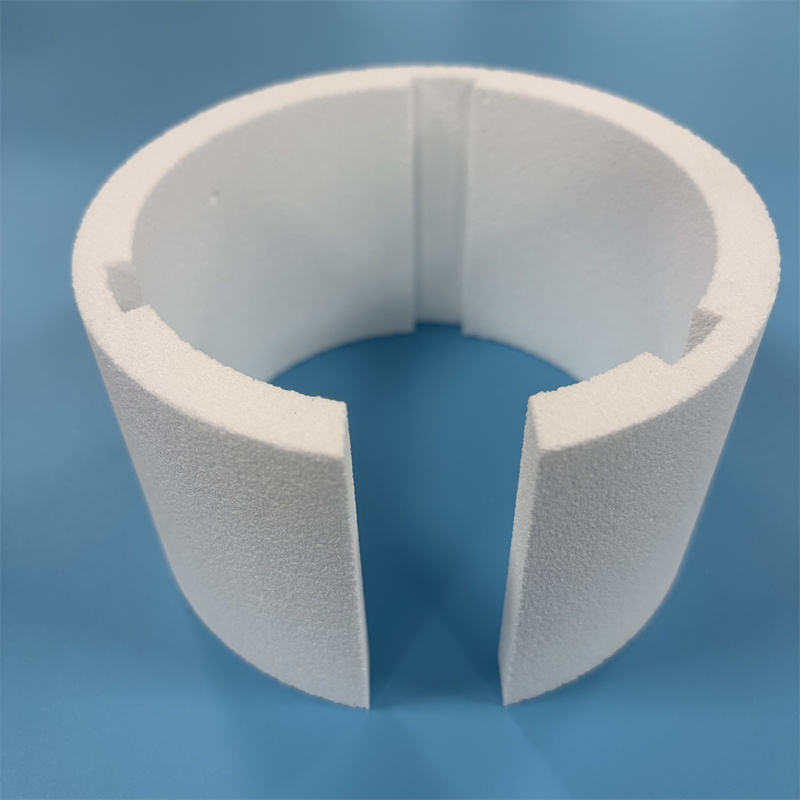
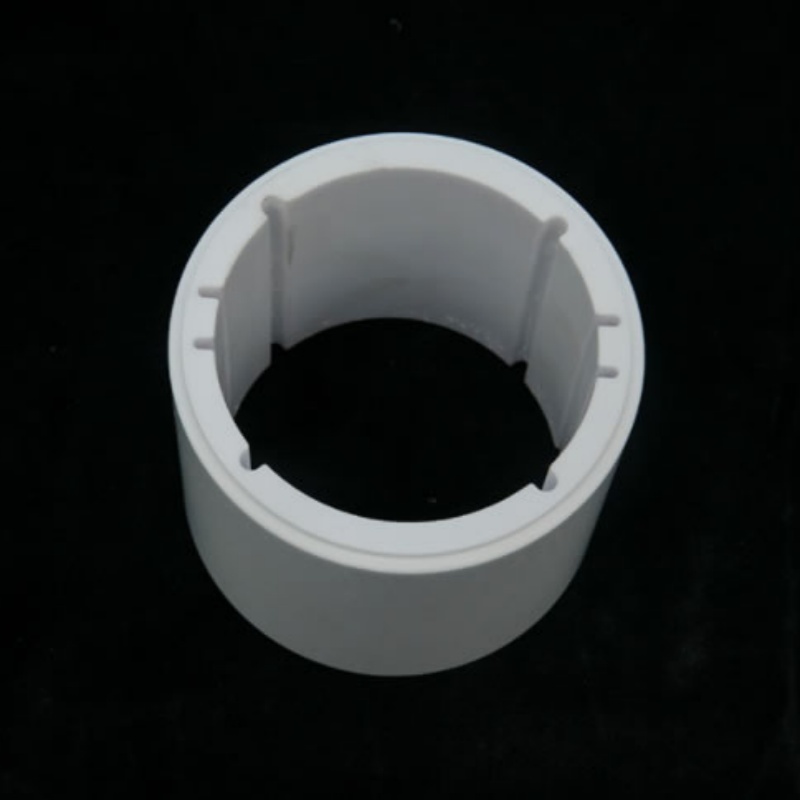
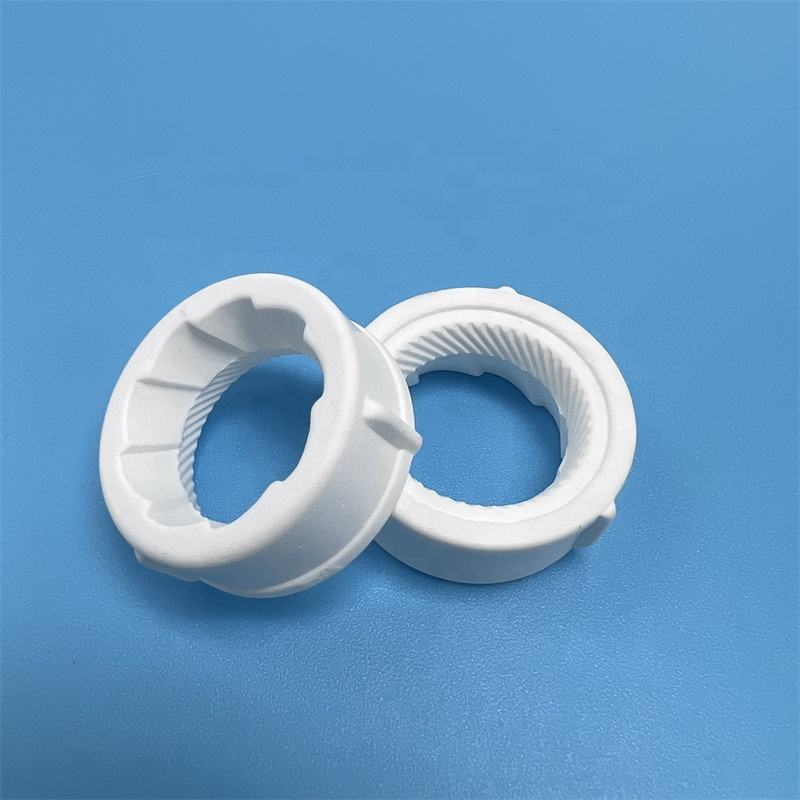
Internal bore grooved alumina ceramic tubes are precision-engineered components characterized by machined channels, ridges, or sealing grooves located on their inner diameter (ID). Unlike standard straight tubes, these components are designed to manage fluid dynamics, enhance thermal exchange, or provide specific mechanical interlocking within an assembly. Fabricated primarily from high-purity aluminum oxide (Al_2O_3), these tubes combine the inherent hardness and chemical inertness of advanced ceramics with the functional geometry required for complex engineering applications.
Material Composition and Structural Integrity
The foundation of these components is typically 95% to 99.7% alumina. The selection of purity grade directly influences the physical properties available for grooved designs. Higher purity grades (99%+) offer superior electrical insulation and chemical resistance, making them ideal for semiconductor processing environments. Standard 95% alumina provides an optimal balance of mechanical strength and thermal conductivity, often preferred for general industrial wear parts.
The presence of internal grooves introduces specific geometric considerations. While the base material is isotropic, the grooved geometry creates localized stress concentrations. Engineers must account for these features during the design phase, as sharp internal corners can act as fracture initiation points under high pressure or thermal cycling. Consequently, modern manufacturing techniques often incorporate radiused groove bottoms to distribute stress more effectively.
Key Performance Characteristics
The engineering value of an internal grooved alumina tube lies in the synergy between the material properties and the machined geometry:
Wear Resistance and Flow Control: The extreme hardness of alumina (typically 1500–1700 HV) ensures that the internal grooves maintain their dimensional tolerance even when exposed to abrasive slurries or high-velocity particulate flows. This makes them superior to metallic alternatives in erosion-critical applications.
Thermal Management: Alumina possesses moderate thermal conductivity. When internal grooves are used to increase surface area or induce turbulence, these tubes function effectively in heat exchangers or reactor linings where rapid heat transfer is required in corrosive environments.
Sealing Capabilities: Internal grooves are frequently machined to accommodate elastomeric O-rings or metal seals. The ceramic’s low surface roughness ensures a tight seal with minimal friction, preventing leakage in high-purity fluid handling systems.
Manufacturing and Tolerances
Producing grooved ID tubes requires precision diamond grinding, as conventional machining methods cannot process sintered alumina. The manufacturing process usually involves extrusion or isostatic pressing to form the green tube, followed by sintering and then diamond machining to create the internal profiles.
Tolerances for internal grooves are tighter than for outer diameters due to the difficulty of internal grinding. Engineers should specify realistic tolerances; while ±0.05 mm is achievable for critical dimensions, tighter tolerances significantly increase lead times and costs due to the slow nature of diamond grinding.
Applications in Industry
The specific geometry of internal grooves dictates their utility across various sectors:
Semiconductor Manufacturing: In wafer handling and chemical delivery, grooved alumina tubes guide gases and liquids. The grooves often serve as sealing points to prevent cross-contamination of ultra-pure chemicals.
Pump and Valve Systems: These tubes act as liners or bushings. Internal grooves can be designed to retain lubricants or manage the flow of fluids within a pump housing, leveraging the ceramic’s low friction coefficient.
Textile and Wire Drawing: Grooved profiles guide high-speed threads or wires. The hardness of the alumina prevents the formation of grooves or wear paths that would damage the passing material, ensuring consistent product quality over long production runs.

Advantages and Limitations
The primary advantage of selecting grooved alumina tubes is longevity in harsh environments. They offer exceptional resistance to chemical attack (excluding hydrofluoric acid and strong alkalis at high temperatures) and maintain structural integrity at temperatures exceeding 1000°C.
However, brittleness remains the governing limitation. Unlike ductile metals, alumina does not deform plastically. The presence of internal grooves reduces the effective cross-sectional area, potentially lowering the burst pressure rating compared to a solid-wall tube. Furthermore, thermal shock resistance is moderate; rapid temperature changes can induce cracking, particularly at the stress concentration points of the internal grooves.
Selection Considerations
When selecting between alumina and other ceramics like silicon carbide (SiC) or zirconia (ZrO_2), the decision often rests on the specific failure mode expected. If electrical insulation is paramount, alumina is the standard choice. If the application involves extreme thermal shock or higher mechanical impact, silicon carbide may be preferable despite its electrical conductivity. Zirconia offers higher fracture toughness but generally lower thermal conductivity and temperature limits compared to alumina.
FAQ
What is the primary function of internal grooves in ceramic tubes?
Internal grooves are typically designed for sealing (to hold O-rings), mechanical interlocking (to join components), or fluid dynamic control (to induce turbulence or manage flow rates).
Can alumina ceramic tubes withstand high pressure?
Alumina has high compressive strength but low tensile strength. While they can withstand significant internal pressure, the presence of internal grooves creates stress risers. Engineering calculations must account for a safety factor significantly higher than that used for ductile metals.
How does the groove geometry affect thermal shock resistance?
Sharp internal corners in grooves can amplify thermal stresses. Designs with radiused (rounded) groove bottoms are recommended to improve resistance to thermal shock and mechanical loading.
Is 99% alumina better than 95% alumina for grooved tubes?
Not necessarily. 99% alumina offers better chemical resistance and electrical insulation, but 95% alumina often possesses better thermal shock resistance and is more cost-effective. The choice depends on whether chemical purity or mechanical/thermal robustness is the priority.
What is the main limitation of machining grooves inside ceramic tubes?
The primary limitation is cost and time. Internal diamond grinding is a slow, precision process. Complex groove profiles or very tight tolerances will significantly impact the lead time and unit cost compared to standard straight tubes.