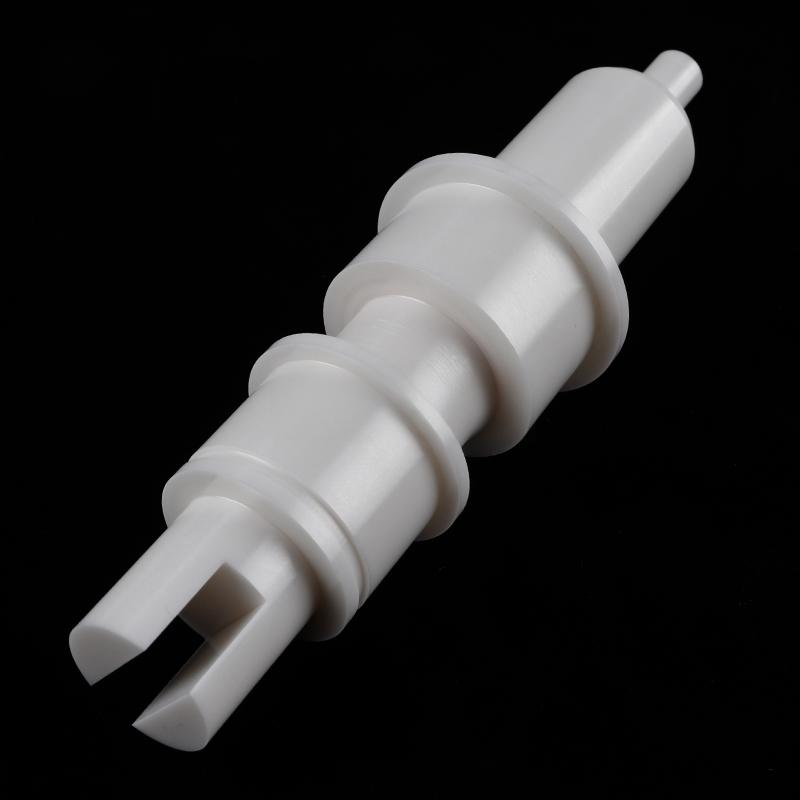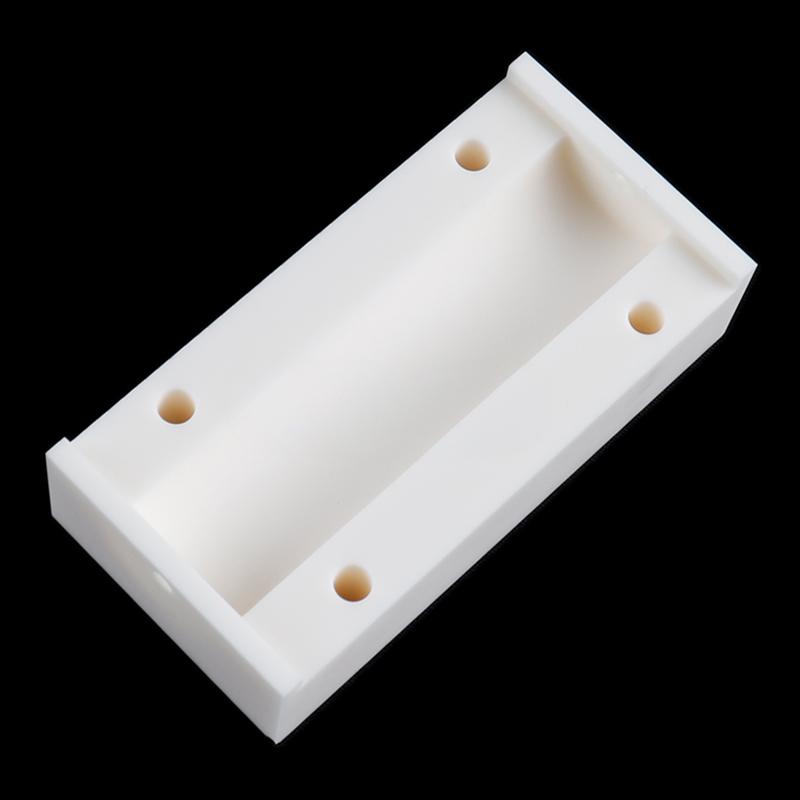
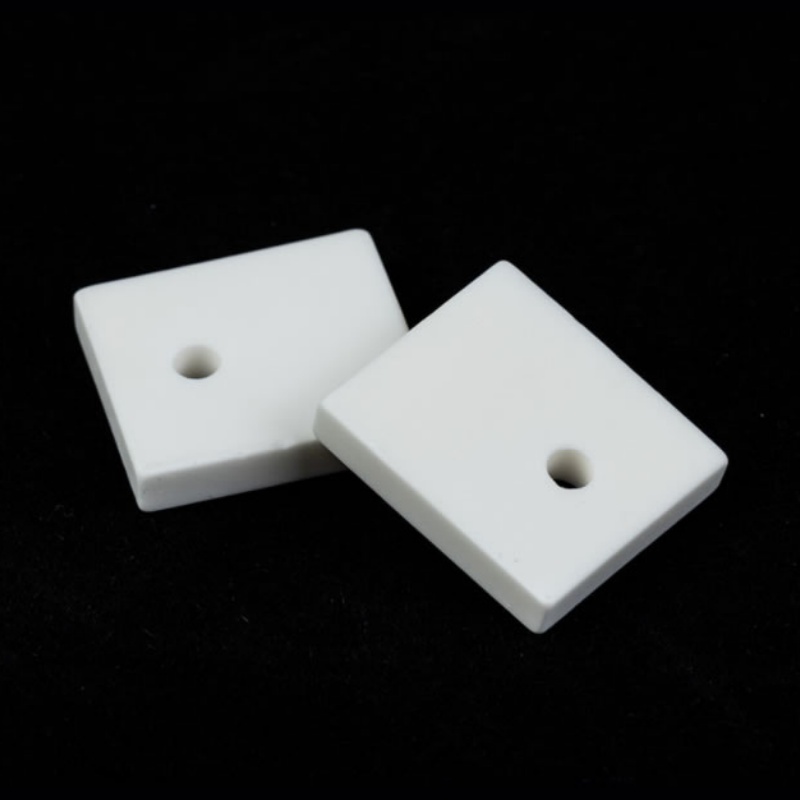
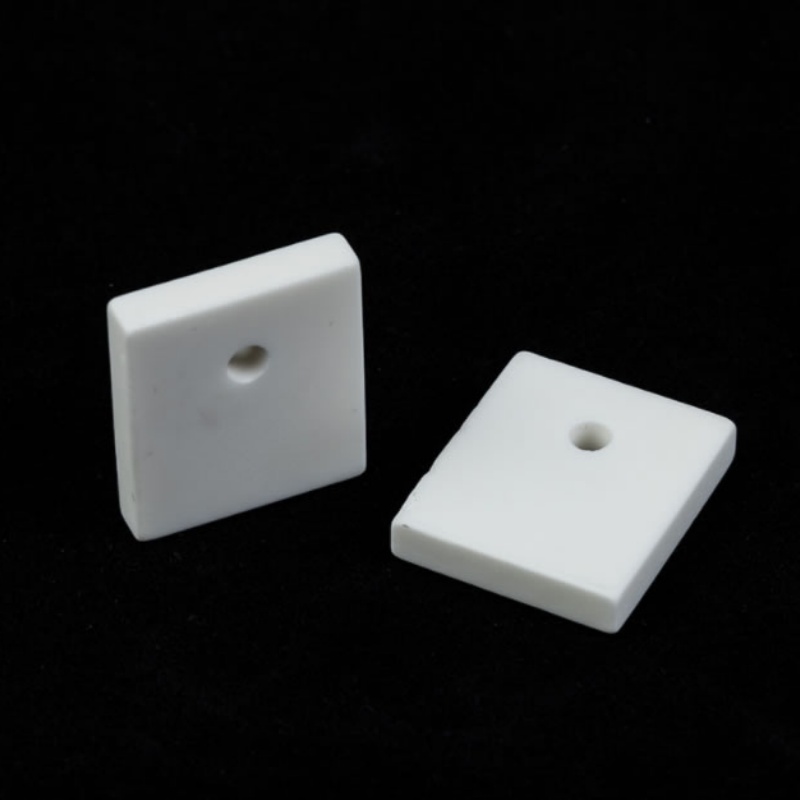
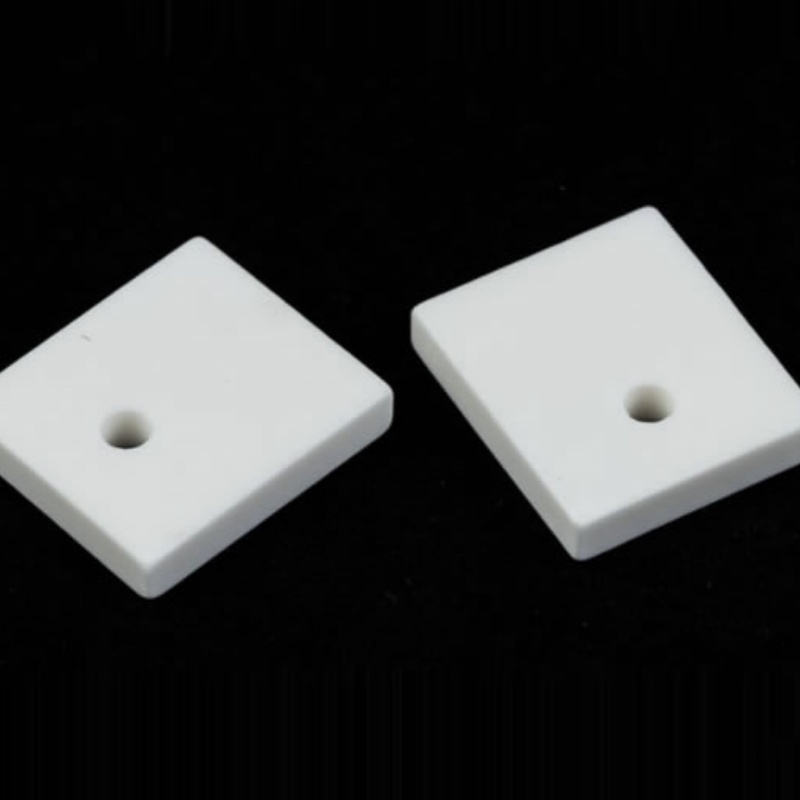
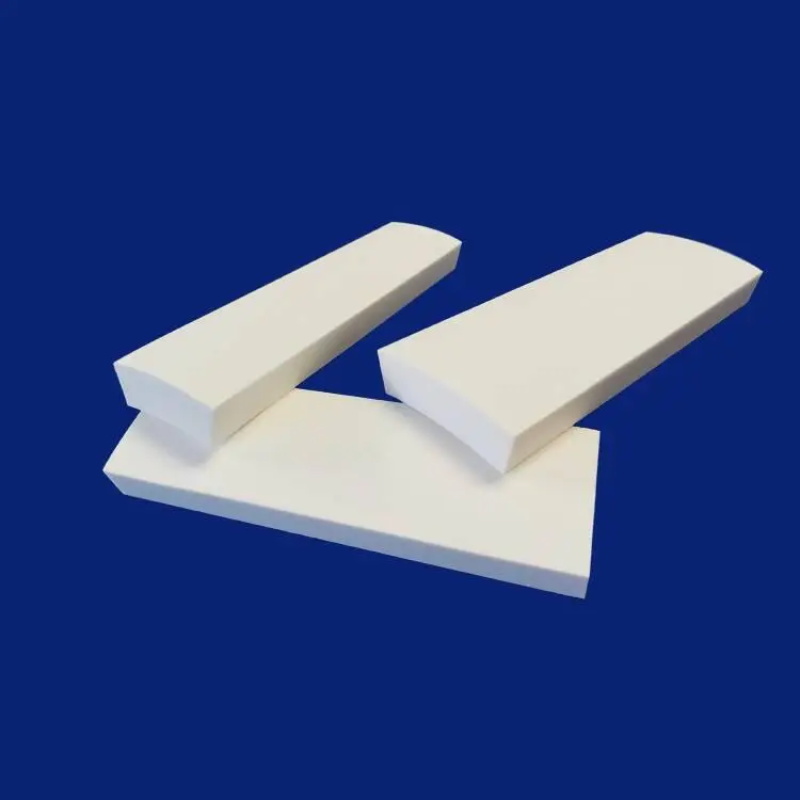
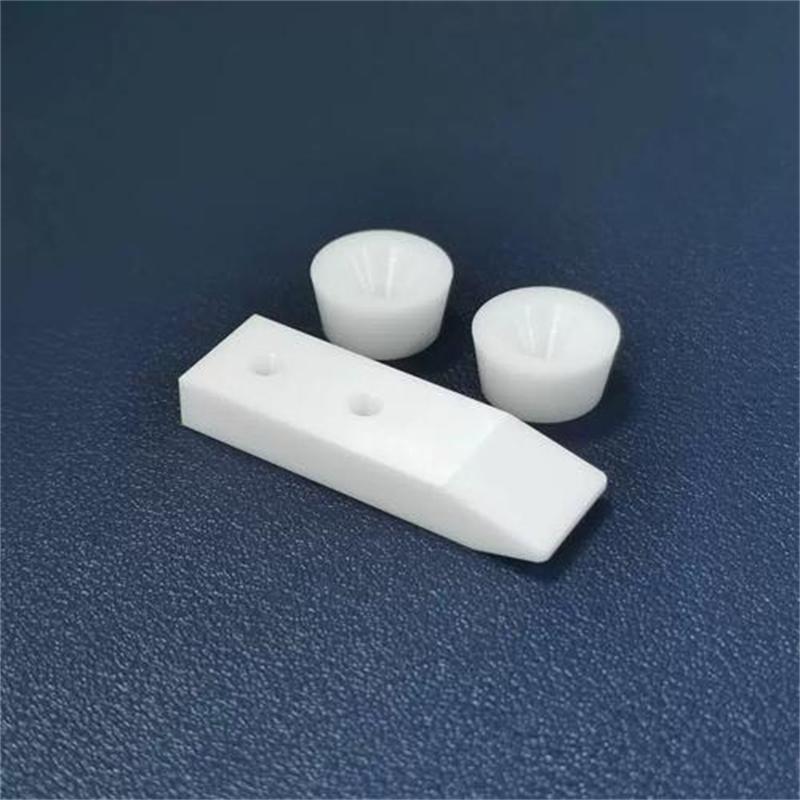
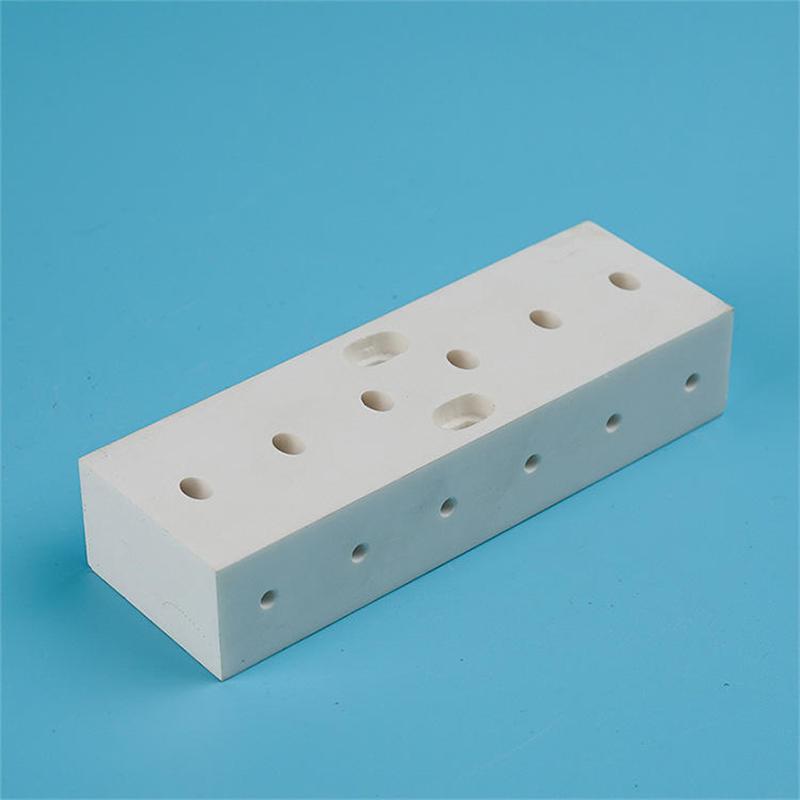
High-Temperature Alumina Ceramic Blocks
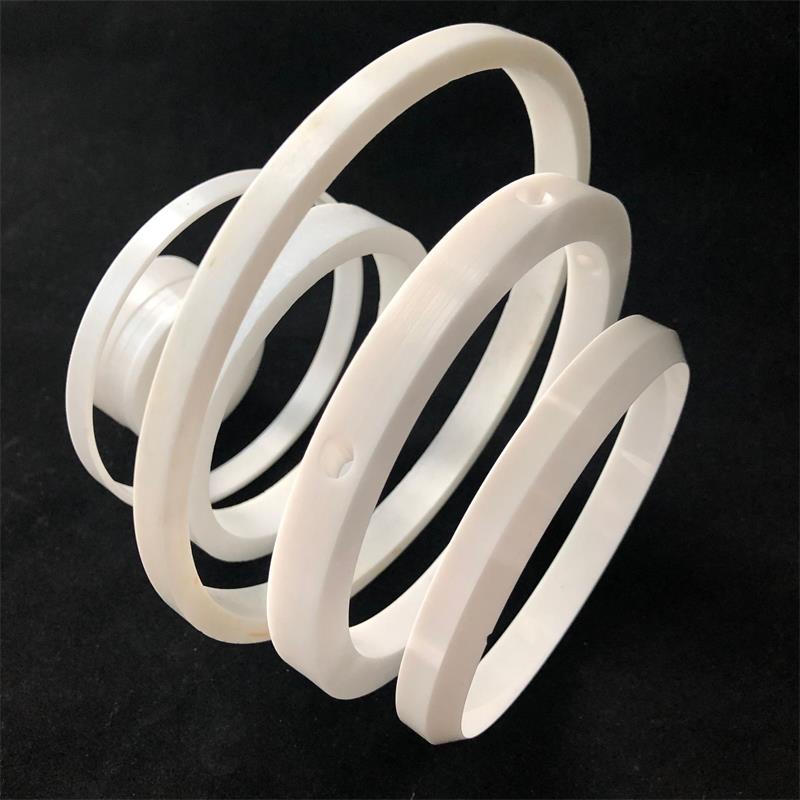
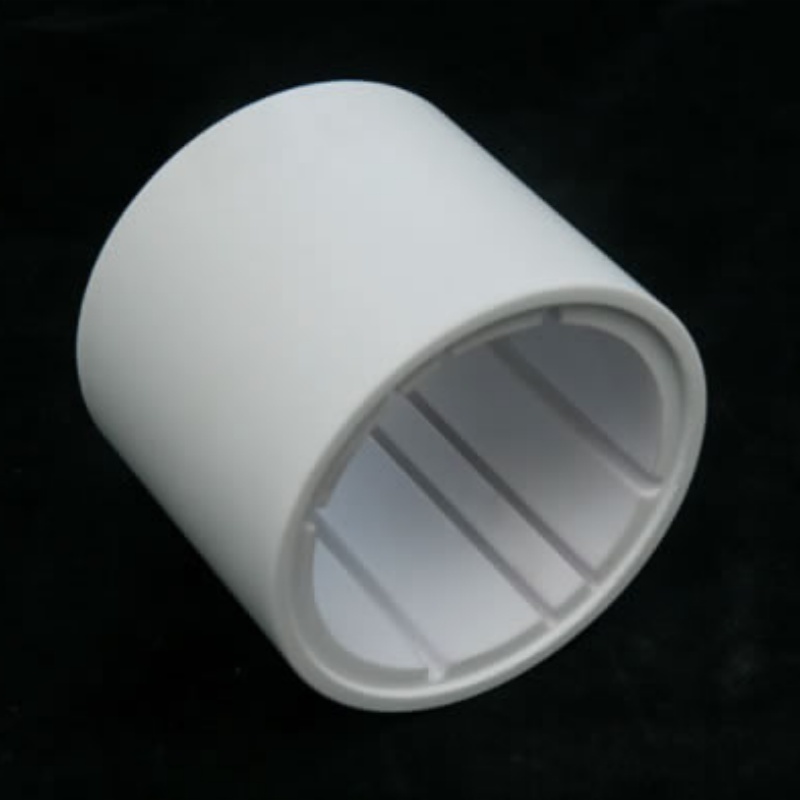
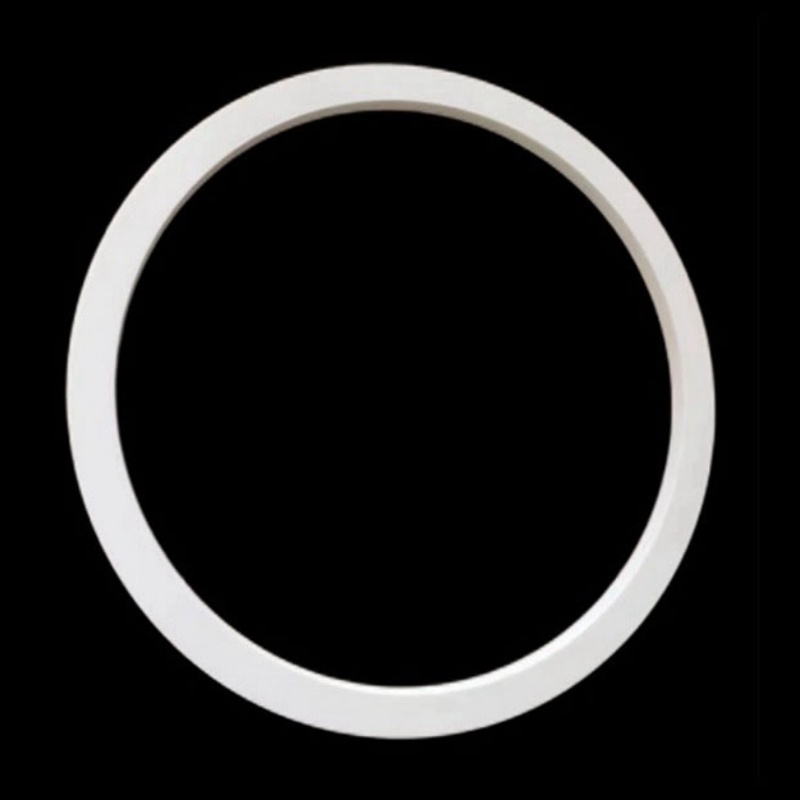
High-temperature alumina ceramic blocks are dense, polycrystalline components made primarily from aluminum oxide (Al₂O₃). In engineering contexts, these blocks are valued for their ability to maintain structural integrity, electrical insulation, and chemical stability in environments where metals would oxidize and polymers would melt. Unlike standard refractory bricks used for bulk insulation, high-performance alumina blocks are typically sintered to high densities, offering superior mechanical strength and wear resistance alongside their thermal capabilities.
Thermal Performance and Stability
The primary reason engineers specify alumina for high-temperature applications is its exceptional thermal stability. Alumina has a melting point of approximately 2072°C. While the maximum service temperature of a specific block depends on its purity and the quality of its grain boundaries, high-purity grades (99.5%+) can generally withstand continuous operating temperatures exceeding 1600°C to 1700°C.
A critical property for these blocks is thermal conductivity. Alumina acts as a thermal conductor relative to other ceramics like zirconia, which helps in dissipating heat from hot spots, although it is not as conductive as aluminum nitride or silicon carbide. However, alumina has a moderate coefficient of thermal expansion. This means that while it is stable, rapid temperature changes (thermal shock) can induce stress. Therefore, alumina blocks are best suited for high-temperature environments with relatively stable thermal profiles or controlled heating and cooling rates.
Mechanical Strength and Hardness
At elevated temperatures, many materials suffer from “creep”—slow deformation under stress. Alumina blocks exhibit excellent creep resistance, maintaining their dimensional stability even under load at high temperatures. This is due to the strong ionic/covalent bonding within the crystal lattice.
Furthermore, alumina is extremely hard (typically 9 on the Mohs scale). This makes alumina blocks ideal for applications involving high-temperature abrasion, such as linings for chutes or guides in hot material processing. However, it is important to note that alumina is a brittle material. It lacks the toughness of metals or transformation-toughened ceramics like zirconia. Consequently, alumina blocks should not be subjected to high-impact loads or tensile stress, as they are susceptible to fracture.
Electrical Insulation at High Temperatures
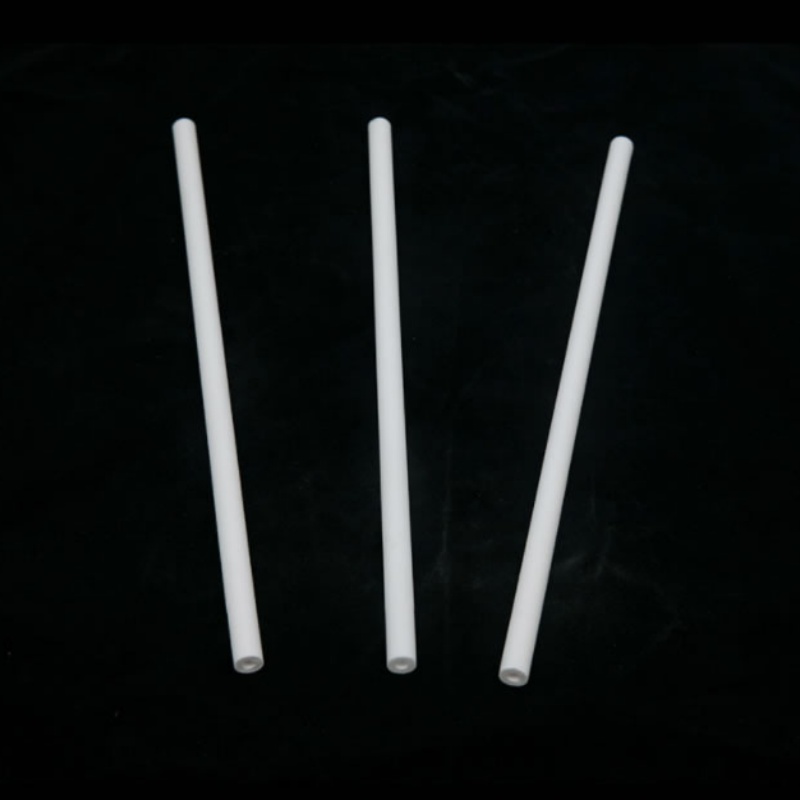
One of the distinct advantages of alumina blocks over silicon carbide or graphite is their electrical insulation. Alumina maintains high electrical resistivity even at elevated temperatures. This property makes it indispensable for electrical components that must operate in hot zones, such as insulators for heating elements, thermocouple protection tubes, and substrates for high-power electronic modules.
Material Grades and Selection
When selecting alumina blocks, purity is the main differentiator:
99.5% – 99.9% Alumina: Offers the highest temperature resistance, best electrical properties, and highest corrosion resistance. These are used in critical semiconductor and laboratory applications.
95% – 99% Alumina: The most common engineering grade. It provides a balance of mechanical strength and thermal performance at a lower cost. It is often used for wear parts and general furnace fixtures.
Lower Purity Grades: Sometimes used for heavy refractory applications where extreme precision or electrical insulation is less critical.
Comparison with Other Ceramics
Alumina vs. Zirconia: Zirconia is significantly tougher and more resistant to fracture, making it better for impact-heavy applications. However, zirconia has lower thermal stability and undergoes phase transformations that can limit its use at very high temperatures compared to alumina.
Alumina vs. Silicon Carbide: Silicon carbide has better thermal shock resistance and higher thermal conductivity, making it superior for rapid heating cycles (like kiln furniture). However, silicon carbide is electrically conductive (semiconductive) and can oxidize at extreme temperatures, whereas alumina remains an insulator and is chemically inert.
Engineering Considerations
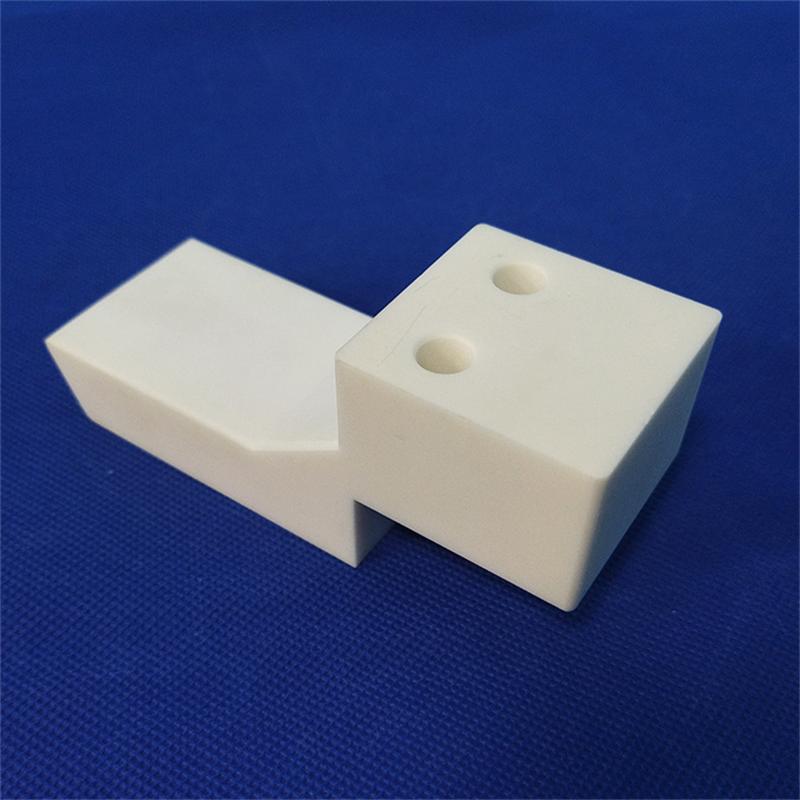
Designing with alumina blocks requires accounting for their brittleness. Components should be designed to avoid stress concentrators like sharp internal corners. Additionally, joining alumina blocks to metal structures requires careful consideration of the mismatch in thermal expansion coefficients to prevent cracking during thermal cycling.
FAQ
What is the maximum continuous use temperature for alumina blocks?
High-purity alumina blocks can typically operate continuously at temperatures up to 1600°C–1700°C. Lower purity grades may have reduced temperature limits due to the presence of glassy phases at grain boundaries.
Are alumina blocks electrically conductive?
No, alumina is an excellent electrical insulator. This property is retained even at high temperatures, distinguishing it from conductive ceramics like silicon carbide.
Can alumina blocks withstand thermal shock?
Alumina has moderate thermal shock resistance. It performs best in applications with gradual temperature changes. Rapid quenching or extreme thermal gradients can cause cracking due to its relatively low thermal expansion tolerance compared to materials like fused silica or silicon carbide.
What are the main limitations of alumina blocks?
The primary limitation is brittleness; they have low fracture toughness and cannot withstand high impact or tensile stress. They are also difficult to machine after sintering, requiring diamond grinding for precise tolerances.
How does alumina compare to zirconia for high-temperature use?
Alumina is generally better for higher temperature stability and electrical insulation. Zirconia is tougher and better for mechanical wear involving impact, but it is not suitable for the same extreme temperature ranges as high-purity alumina.