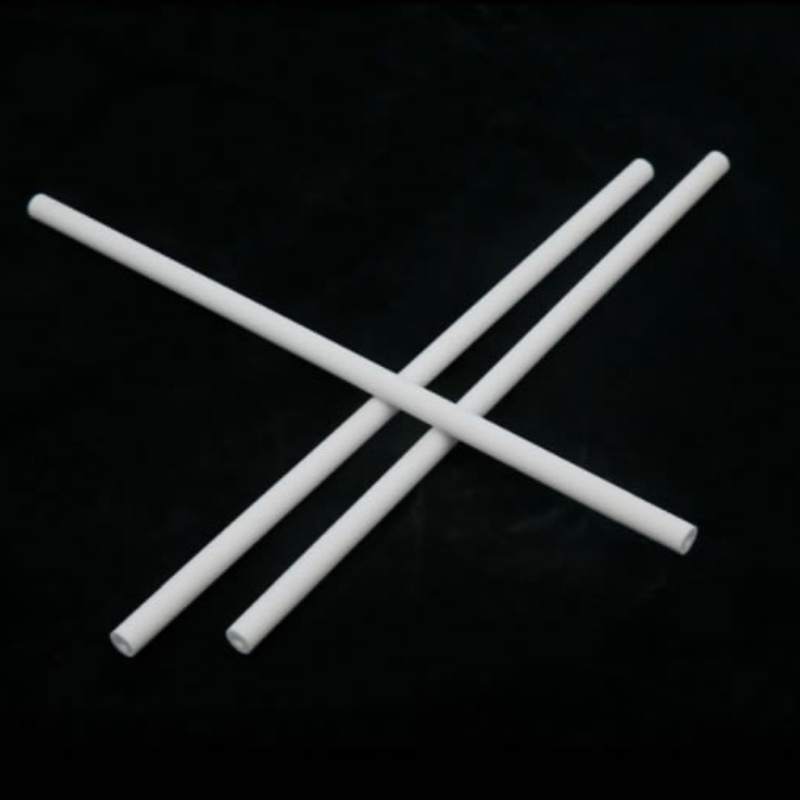
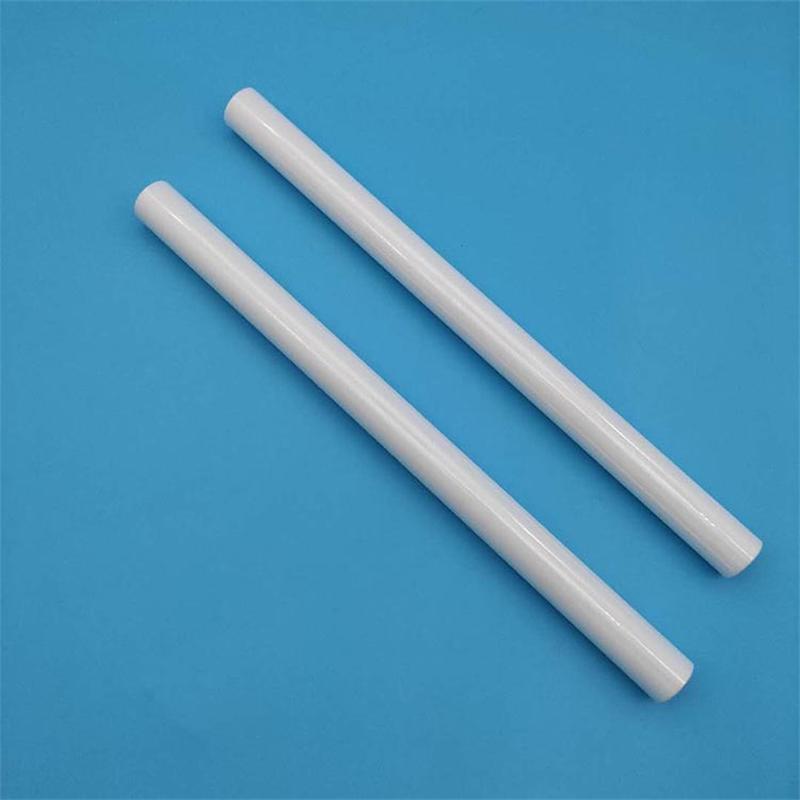
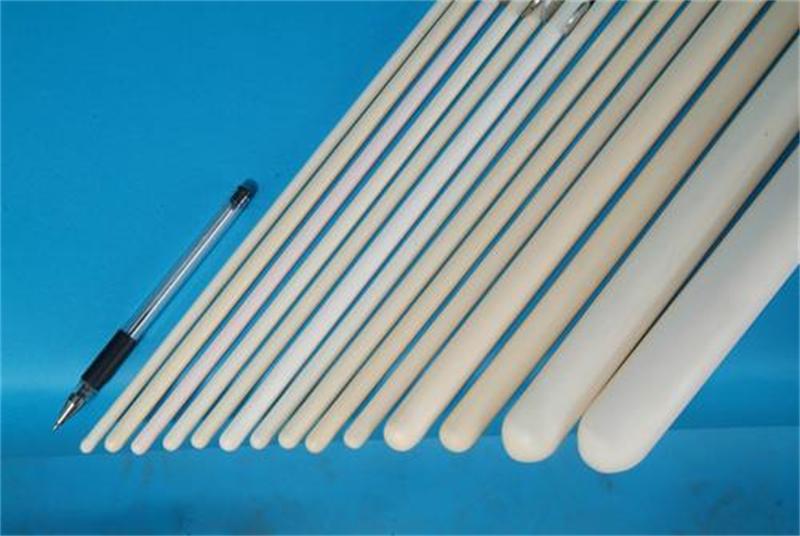
Precision Alumina Ceramic Rods
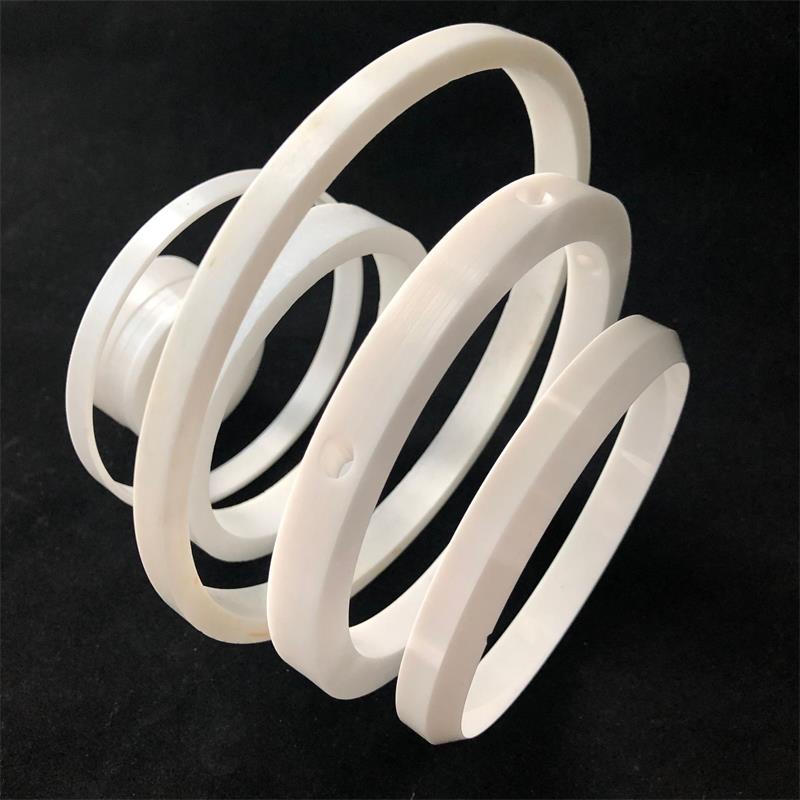
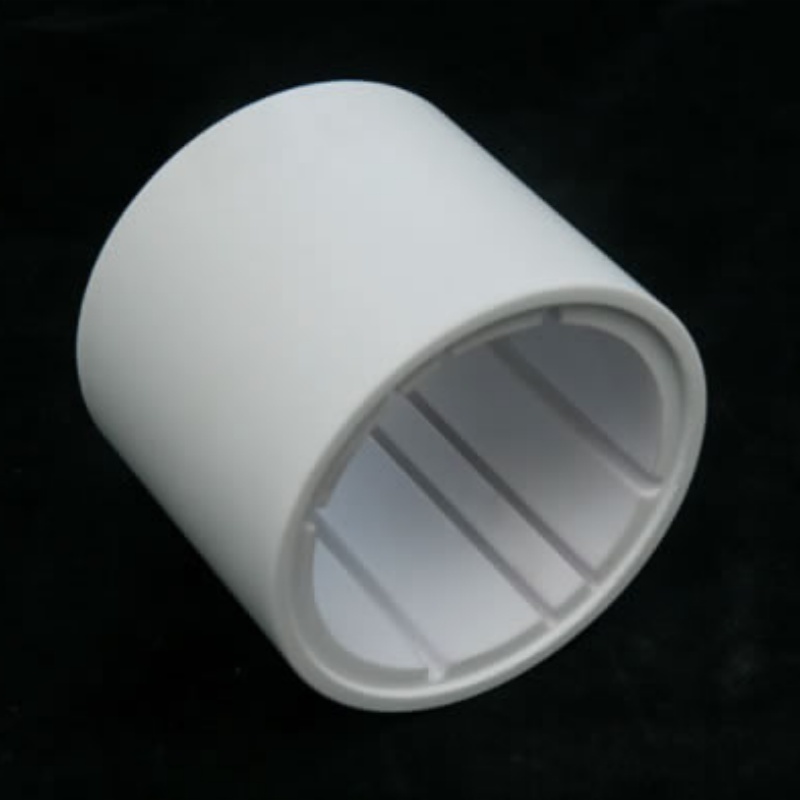
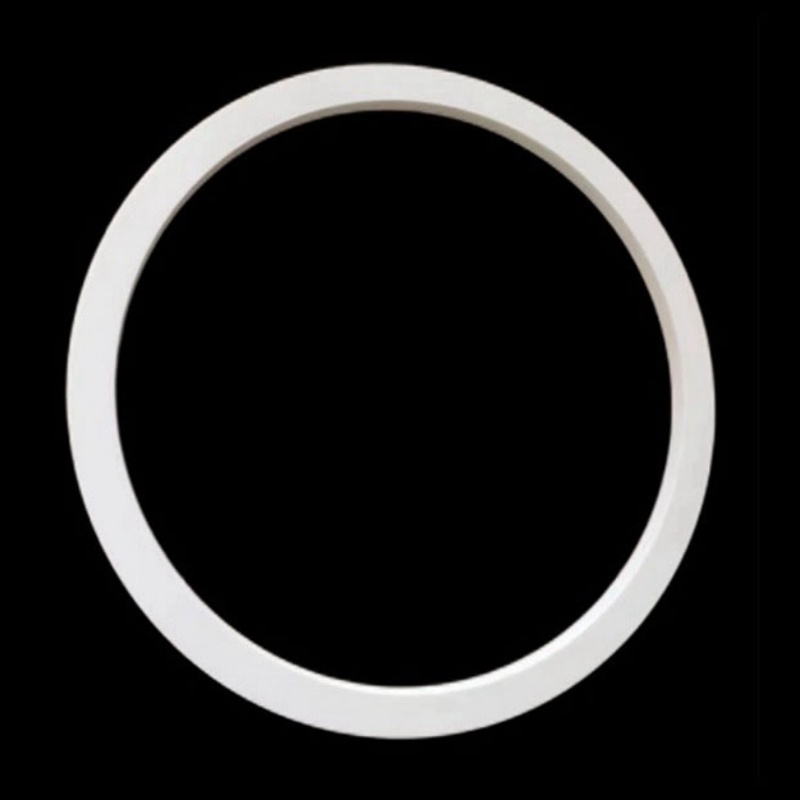
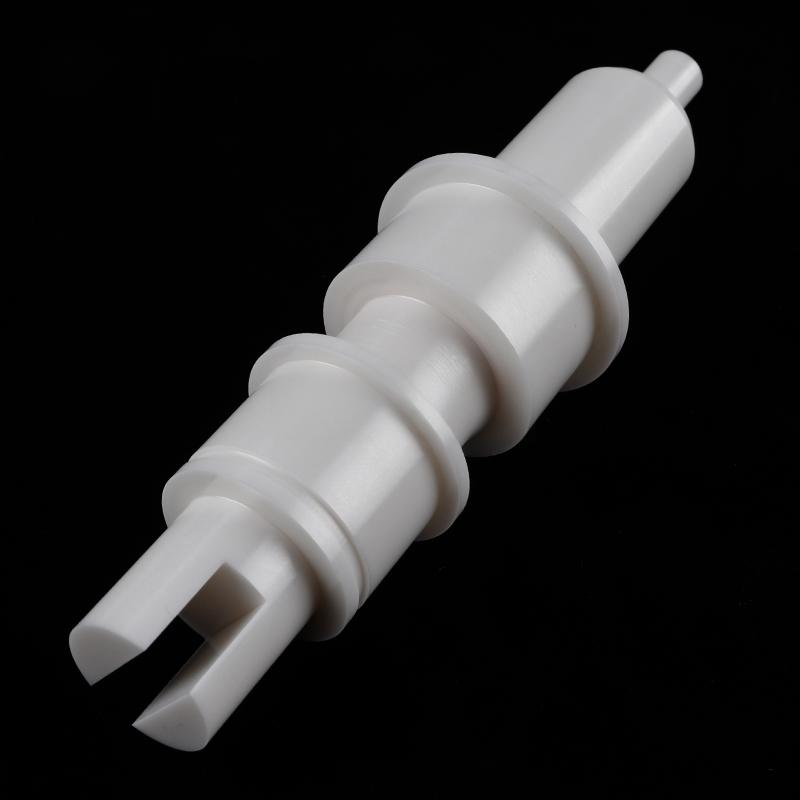
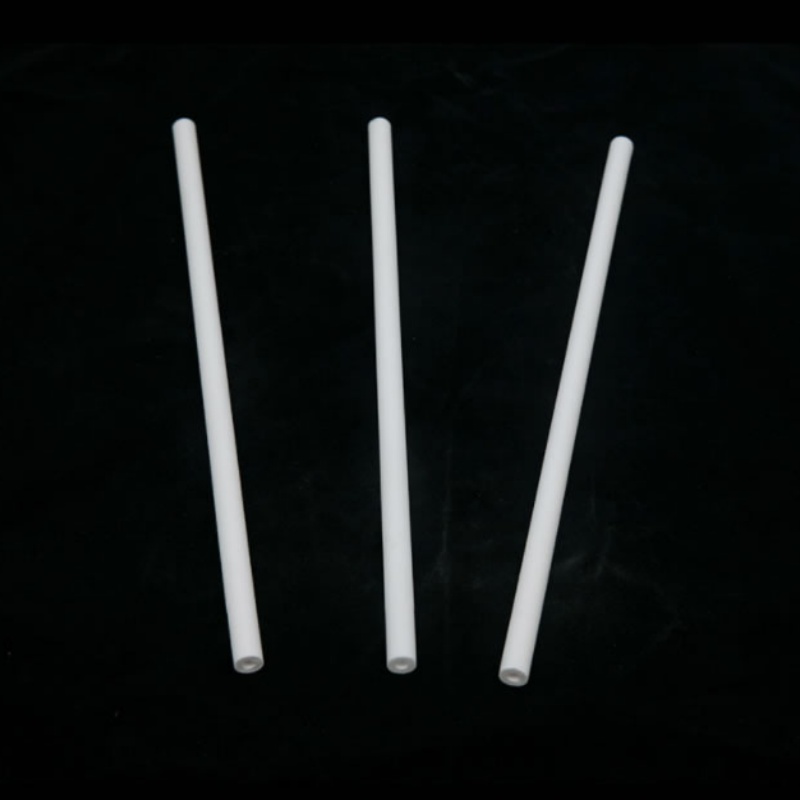
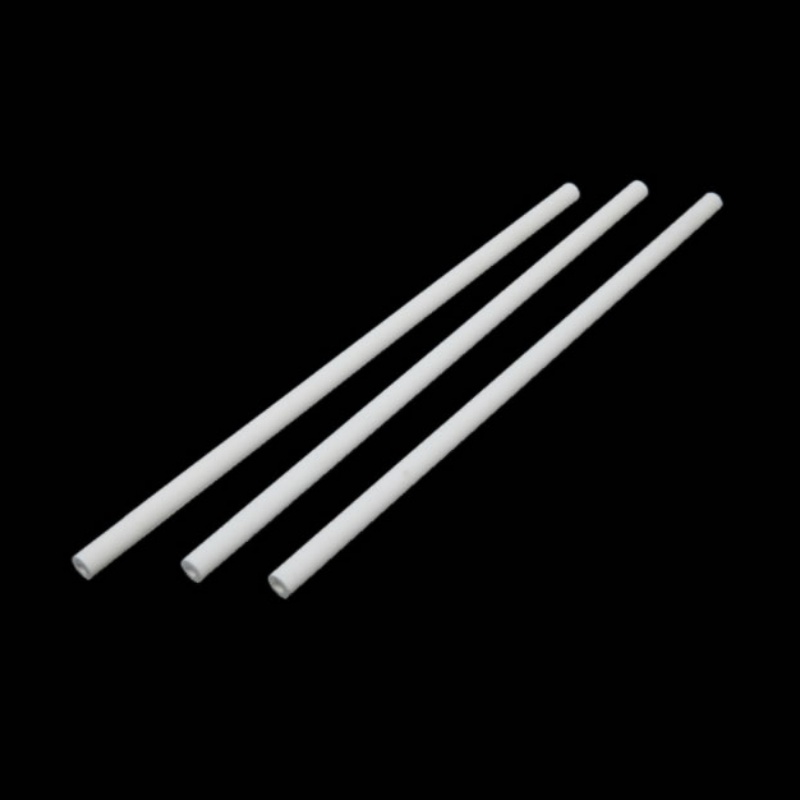
Precision alumina ceramic rods are high-purity, cylindrical advanced ceramic components engineered for applications requiring exceptional hardness, electrical insulation, and dimensional stability. Typically manufactured from calcined alumina (Al₂O₃) powders, these rods are formed via extrusion or isostatic pressing and subsequently sintered at high temperatures. The resulting microstructure provides a unique combination of mechanical strength and chemical inertness, making them indispensable in electrical, mechanical, and thermal engineering environments where metals and polymers fail.
Material Composition and Grades
The performance of an alumina rod is primarily dictated by its purity. Engineers typically select from three main grades:
95% Alumina: The most common grade, offering a balance of mechanical strength and cost-effectiveness. It is widely used for general wear parts and electrical insulators.
99% Alumina: Provides higher electrical resistivity and better chemical resistance. It is often chosen for semiconductor handling and corrosive environments.
99.7%+ Alumina: Offers superior dielectric properties and thermal conductivity. This grade is reserved for high-frequency electrical applications and demanding vacuum environments.
Key Performance Characteristics
Mechanical Hardness and Wear Resistance
Alumina ceramics rank approximately 9 on the Mohs hardness scale, second only to materials like silicon carbide and boron carbide. This extreme hardness translates to outstanding abrasion resistance. In applications such as guide rollers, wear strips, or metering rods, precision alumina rods maintain their dimensional integrity far longer than hardened steel, significantly reducing maintenance intervals in abrasive environments.
Electrical Insulation and Dielectric Strength
One of the primary reasons for selecting alumina rods is their excellent electrical insulation properties. They possess high dielectric strength and low dielectric loss, even at high frequencies. This makes them ideal for use as insulating bushings, spark plug insulators, and support rods in high-voltage equipment. Unlike polymers, alumina retains these insulating properties at elevated temperatures, ensuring safety and reliability in thermal cycling.
Thermal Stability and Chemical Inertness
Alumina rods exhibit high melting points (exceeding 1700°C for high-purity grades) and maintain mechanical strength at temperatures where metals would soften or creep. Furthermore, they are chemically inert to most acids, alkalis, and molten metals. This resistance is critical in chemical processing pumps, thermocouple protection tubes, and furnace fixtures.
Engineering Considerations and Limitations
While alumina offers superior performance in many areas, it is a brittle material with low fracture toughness compared to metals. Engineers must design with this in mind:
Tensile vs. Compressive Strength: Alumina rods are significantly stronger in compression than in tension. Designs should minimize tensile and shear stresses.
Thermal Shock: Despite high heat resistance, rapid temperature changes can cause cracking due to thermal expansion mismatches. Gradual heating and cooling cycles are recommended.
Machining: Post-sintering machining is difficult and expensive. Critical dimensions and tolerances (often within ±0.05 mm for precision rods) must be specified accurately during the green state manufacturing phase.
Comparison with Alternative Materials
When selecting between alumina and other ceramics, the specific operating environment is key:
Alumina vs. Zirconia: Zirconia offers significantly higher fracture toughness and impact resistance. If the application involves mechanical shock or impact, zirconia is often the better choice. However, alumina generally offers better electrical insulation and higher temperature capability.
Alumina vs. Silicon Carbide: Silicon carbide provides superior thermal conductivity and thermal shock resistance. For applications involving rapid heating/cooling or requiring heat dissipation, silicon carbide is preferred, though it is electrically semiconductive, unlike insulating alumina.
Typical Applications
Electrical Industry: Insulating sleeves, terminal blocks, and sensor housings.
Textile Machinery: Guide eyes and rollers where low friction and high wear resistance are required.
Chemical Processing: Piston rods, valve stems, and pump plungers handling corrosive fluids.
Semiconductor Manufacturing: Wafer handling rods and vacuum chamber components due to outgassing resistance and cleanliness.

FAQ
What is the main advantage of using alumina rods over steel?
The primary advantages are superior wear resistance, electrical insulation, and corrosion resistance. Alumina rods do not rust, conduct electricity, or wear down quickly in abrasive environments, unlike steel counterparts.
Can alumina ceramic rods be machined after sintering?
Yes, but it is difficult and costly. Precision grinding with diamond tooling is required. It is highly recommended to specify final dimensions and tolerances before the sintering process to minimize post-processing costs.
Are alumina rods suitable for high-temperature applications?
Yes, alumina rods maintain their structural integrity at temperatures exceeding 1000°C. However, they are susceptible to thermal shock, so rapid temperature fluctuations should be avoided or managed with proper design.
How does the purity of alumina affect its properties?
Higher purity (e.g., 99.7% vs. 95%) generally results in better electrical insulation, higher thermal conductivity, and greater chemical resistance. However, higher purity grades are more expensive to manufacture.
What is the difference between an alumina rod and a zirconia rod?
Zirconia rods are tougher and more resistant to impact and shock loads. Alumina rods are harder, more electrically insulating, and generally more cost-effective for high-temperature applications where impact is not a primary concern.