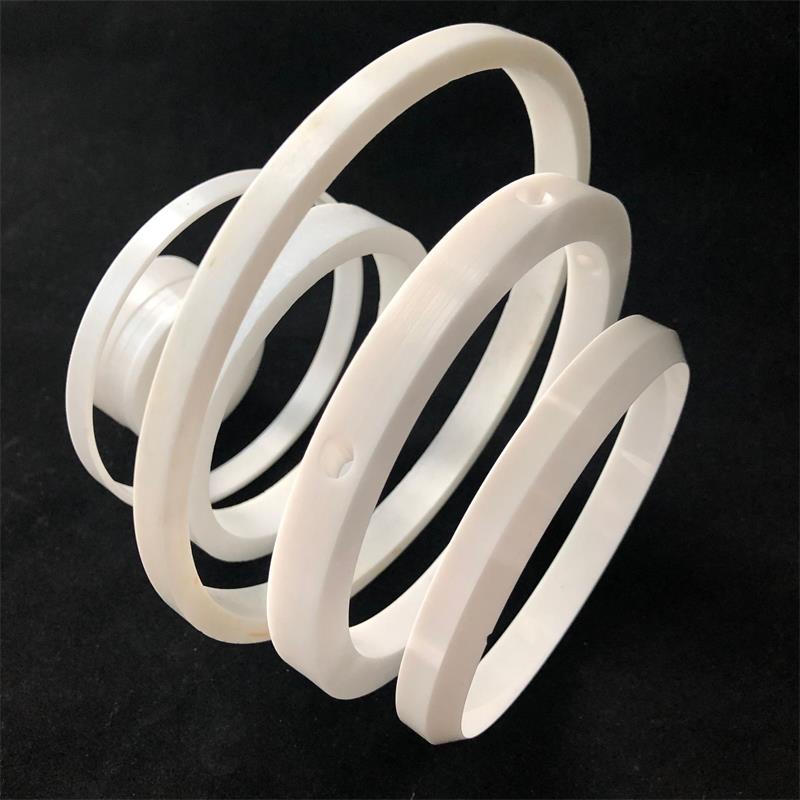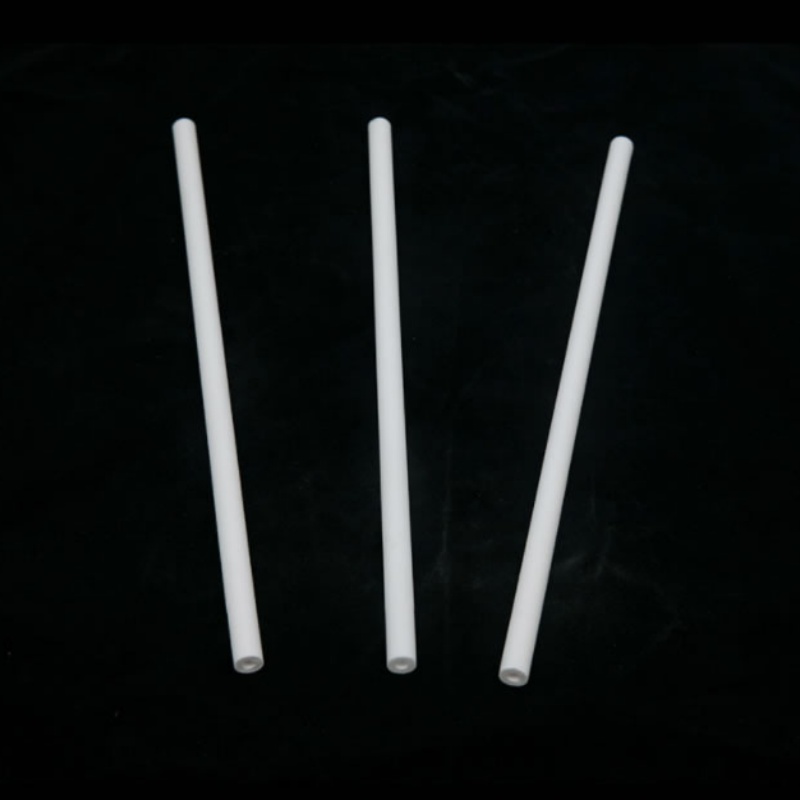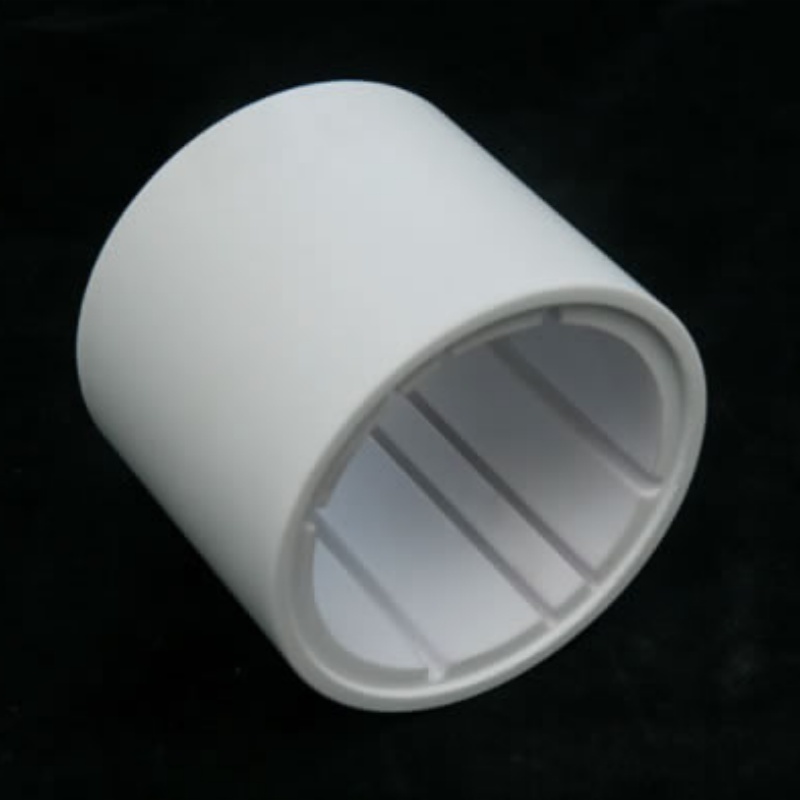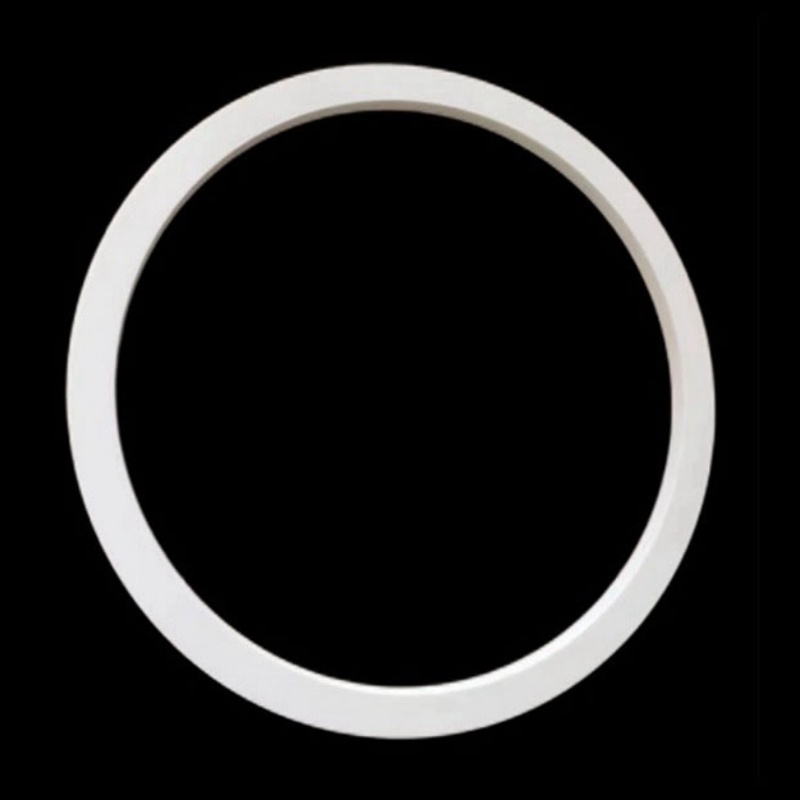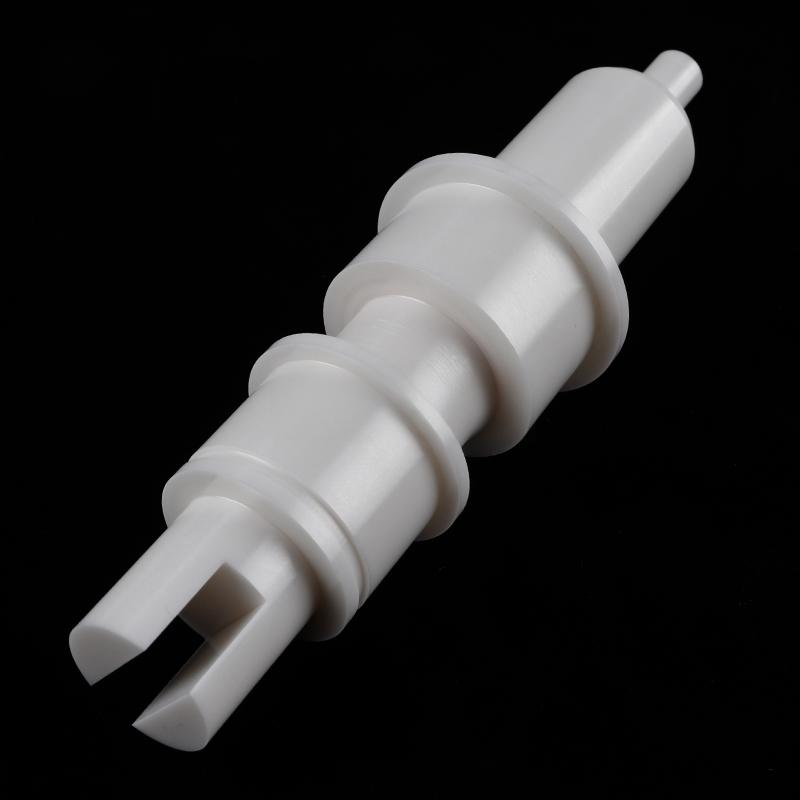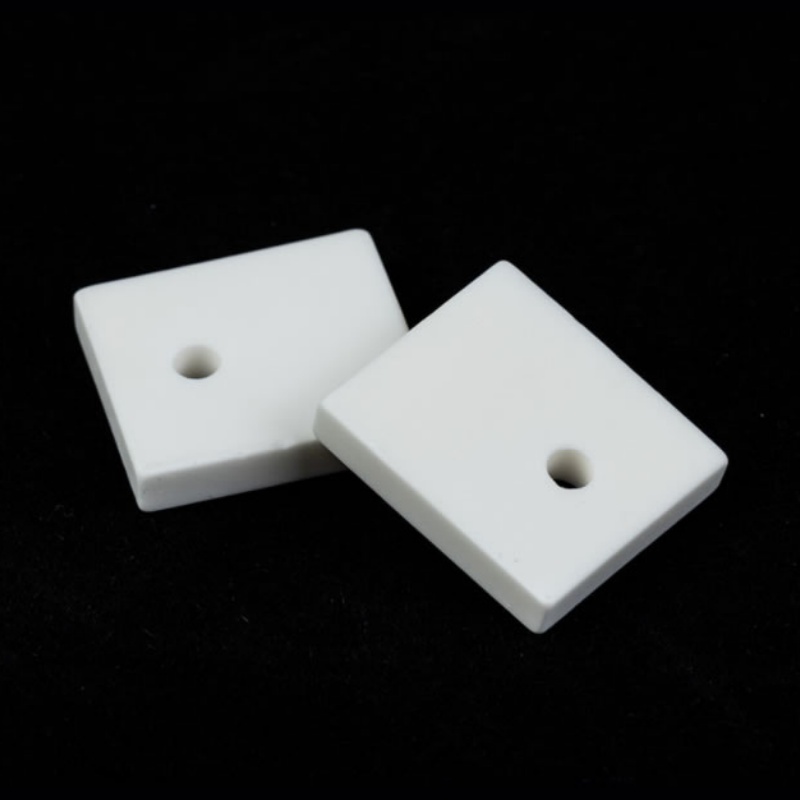
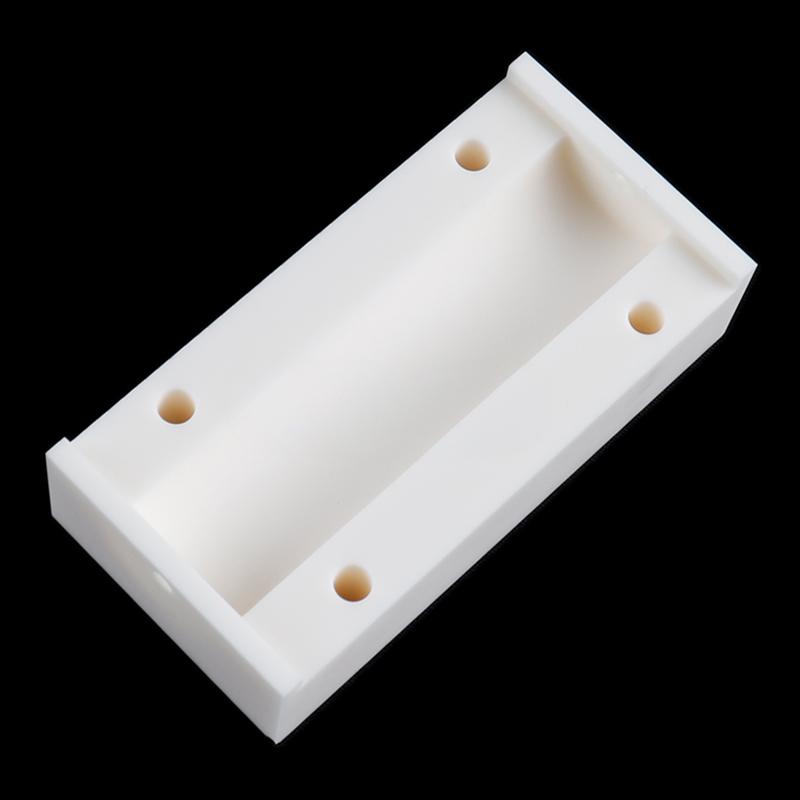
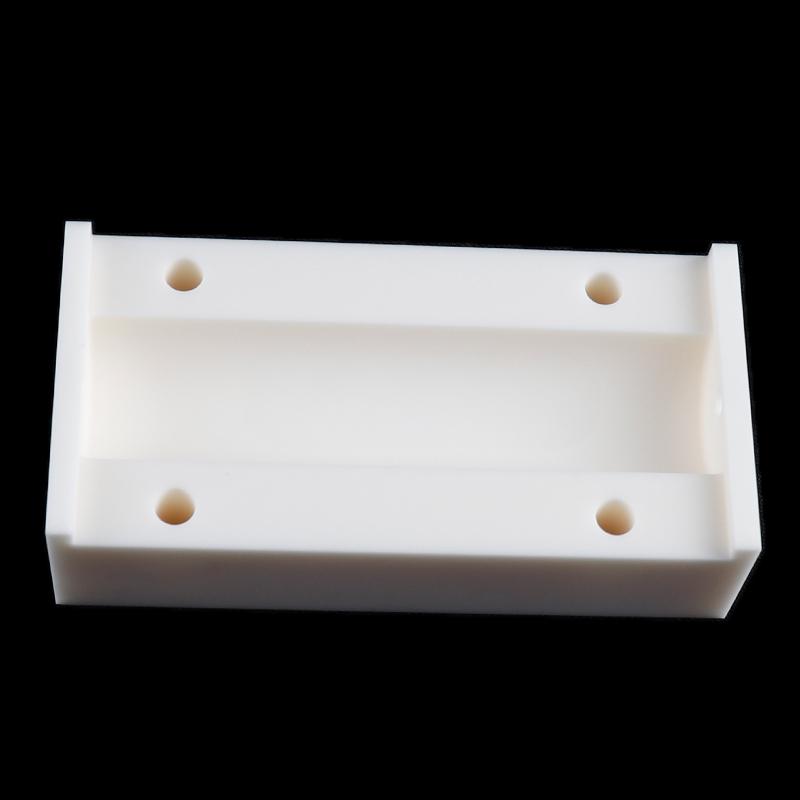
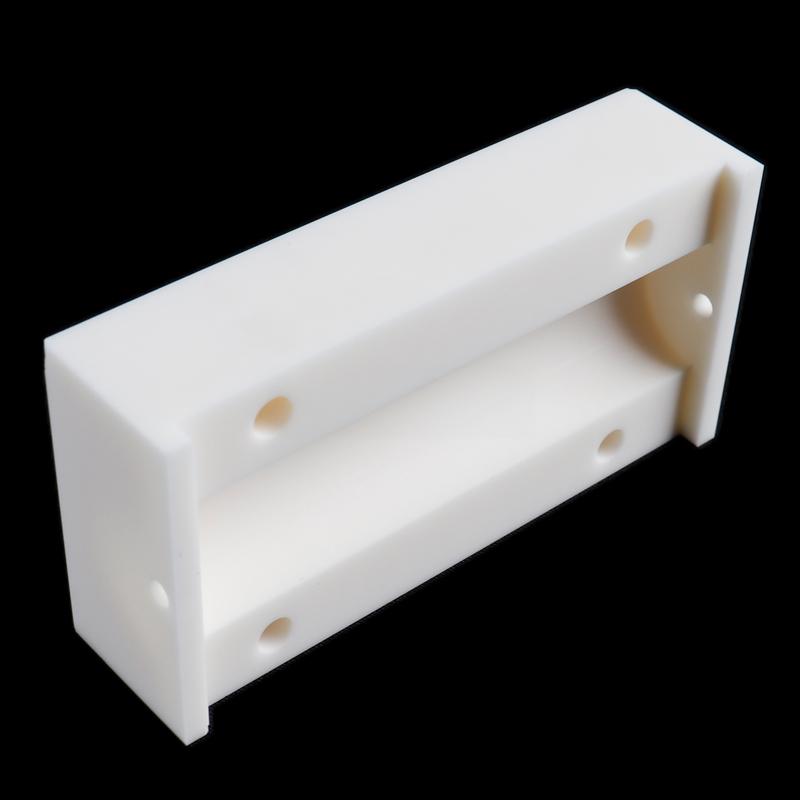
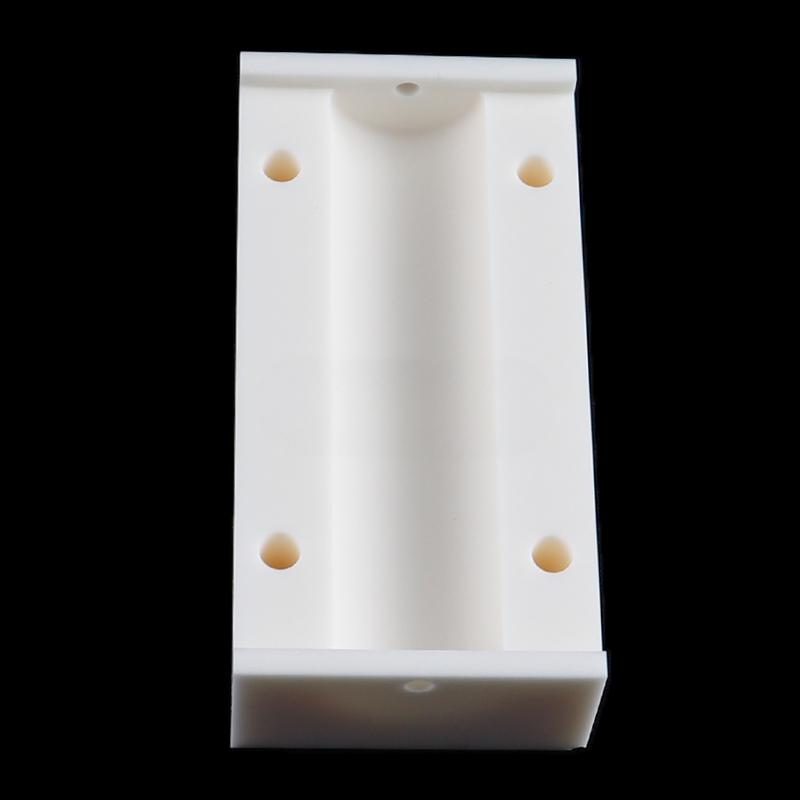
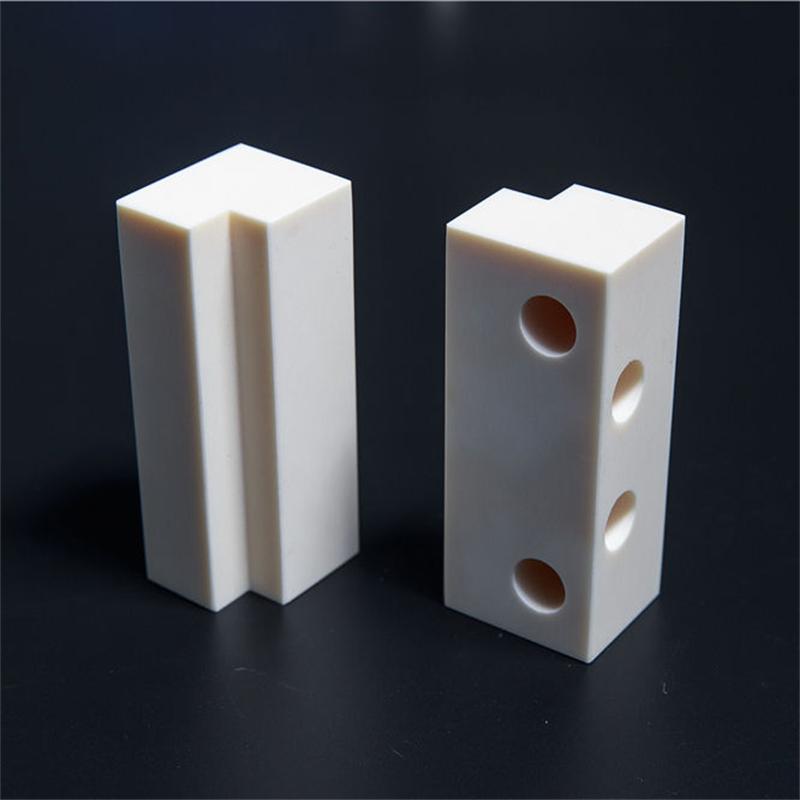
Alumina Ceramic Lower Groove Covers
Alumina ceramic lower groove cover is a precision-engineered component typically used to seal, protect, or guide moving parts within grooved mechanical assemblies. These covers are commonly found in semiconductor processing equipment, fluid control systems, high-temperature fixtures, and wear-resistant mechanical devices. The defining characteristic of this component is its reliance on alumina’s combination of high hardness, chemical inertness, electrical insulation, and dimensional stability under demanding operating conditions.
In many industrial applications, a lower groove cover is not simply a passive seal. It may contact sliding components, resist abrasive particles, withstand repeated thermal cycling, or isolate sensitive internal structures from corrosive gases and liquids. Because the part often sits in a confined groove or mating interface, its flatness, surface finish, and dimensional accuracy can be as important as its bulk material properties.
Material Composition and Grades
Alumina ceramic, also known as aluminum oxide ceramic, is primarily composed of Al₂O₃. Commercial grades typically range from about 90% to over 99.5% alumina purity. Higher-purity alumina generally provides better mechanical strength, wear resistance, chemical stability, and electrical insulation, but it may also increase manufacturing cost and machining difficulty.
For a lower groove cover, 95% to 99.6% alumina is commonly considered when the application requires strong wear resistance and reliable chemical resistance. In less demanding environments, lower-purity alumina may be acceptable if cost and manufacturability are prioritized. The final performance depends not only on purity but also on sintering quality, grain structure, surface finish, and dimensional tolerances.
Key Engineering Properties
Alumina ceramic is valued in groove-cover applications because it maintains stable performance across a wide range of mechanical and environmental stresses.
Wear resistance and hardness
Alumina has high hardness, which makes it suitable for applications where the cover may experience sliding contact, particle abrasion, or repeated mechanical interaction. This property helps reduce surface degradation and extends service life in abrasive environments.
Chemical stability
Alumina resists many acids, alkalis, solvents, and process chemicals at moderate temperatures. This makes it useful in chemical processing, semiconductor equipment, and fluid-handling systems where metal or polymer covers could corrode, swell, or release contaminants.
Electrical insulation
Alumina is an excellent electrical insulator with low dielectric loss. A lower groove cover made from alumina can help prevent electrical leakage, reduce stray currents, and provide isolation in electrically sensitive assemblies.
Thermal performance
Alumina retains strength at elevated temperatures and offers reasonable thermal conductivity for a ceramic insulator. However, it has limited resistance to rapid thermal shock compared with some other ceramics. Applications involving sudden temperature changes must be evaluated carefully.
Dimensional stability
Properly sintered alumina exhibits low thermal expansion and good dimensional stability. This is important for groove covers that must maintain sealing contact, alignment, or precise clearance under operating conditions.
Typical Applications
Alumina ceramic lower groove covers are used where metals, polymers, or lower-performance ceramics may fail prematurely.
In semiconductor and vacuum equipment, alumina covers help protect grooved interfaces from plasma exposure, chemical attack, and particle contamination. Their low outgassing behavior and high purity are particularly valuable in clean environments.
In fluid and valve systems, these covers can serve as wear plates, sealing surfaces, or protective inserts. Alumina’s resistance to corrosion and abrasion helps maintain sealing integrity when handling aggressive or particulate-laden media.
In high-temperature fixtures and industrial heating systems, alumina groove covers may isolate components from heat, prevent metal-to-metal contact, or reduce wear in sliding assemblies. Their ability to retain hardness at elevated temperatures is a key advantage.
In analytical instrumentation and precision mechanical devices, alumina covers are selected when dimensional accuracy, electrical isolation, and long-term stability are required.

Advantages and Limitations
The main advantages of alumina ceramic lower groove covers include high hardness, strong wear resistance, excellent electrical insulation, good chemical resistance, and stable performance at elevated temperatures. Alumina is also widely available in multiple grades, making it easier to match material performance to application requirements.
However, alumina has important limitations. It is a brittle material with limited fracture toughness compared with zirconia or certain engineering metals. Impact loads, edge chipping, or uneven mechanical clamping can cause cracking. Alumina is also sensitive to thermal shock if heated or cooled too rapidly. Machining alumina after sintering is difficult, so tight tolerances and complex geometries usually require diamond grinding or specialized ceramic processing.
Material Selection Considerations
When selecting an alumina ceramic lower groove cover, engineers should evaluate the operating temperature range, chemical environment, mechanical loading, surface finish requirements, and required electrical insulation. If the component must withstand heavy impact or extreme fracture resistance, zirconia ceramic may be a better alternative. If superior thermal shock resistance is required, silicon nitride or certain composite ceramics may be more suitable. If maximum chemical inertness at very high temperatures is needed, high-purity alumina or advanced ceramics such as silicon carbide may be considered.
For most applications involving wear, insulation, chemical exposure, and moderate thermal cycling, alumina remains a well-balanced engineering choice. The key is matching alumina grade, geometry, and surface quality to the actual service conditions rather than assuming one grade fits all applications.
FAQ
What is an alumina ceramic lower groove cover used for?
It is used to protect, seal, or guide components within grooved assemblies, especially where wear resistance, chemical stability, and electrical insulation are required.
Is alumina suitable for high-temperature use?
Yes, alumina retains strength and hardness at elevated temperatures, but it should be protected from severe thermal shock.
Does alumina provide electrical insulation?
Yes, alumina is an excellent electrical insulator and is commonly used in electrically sensitive or high-voltage environments.
How does alumina compare with zirconia for groove covers?
Alumina offers higher hardness and better chemical resistance in many cases, while zirconia provides higher fracture toughness and impact resistance.
Can alumina ceramic groove covers be machined to tight tolerances?
Yes, but post-sintering machining requires diamond tooling and careful process control, which can affect cost and lead time.
When should another material be considered instead of alumina?
Consider alternatives if the application involves heavy impact, extreme thermal shock, or environments where alumina’s brittleness or thermal shock resistance becomes a limiting factor.