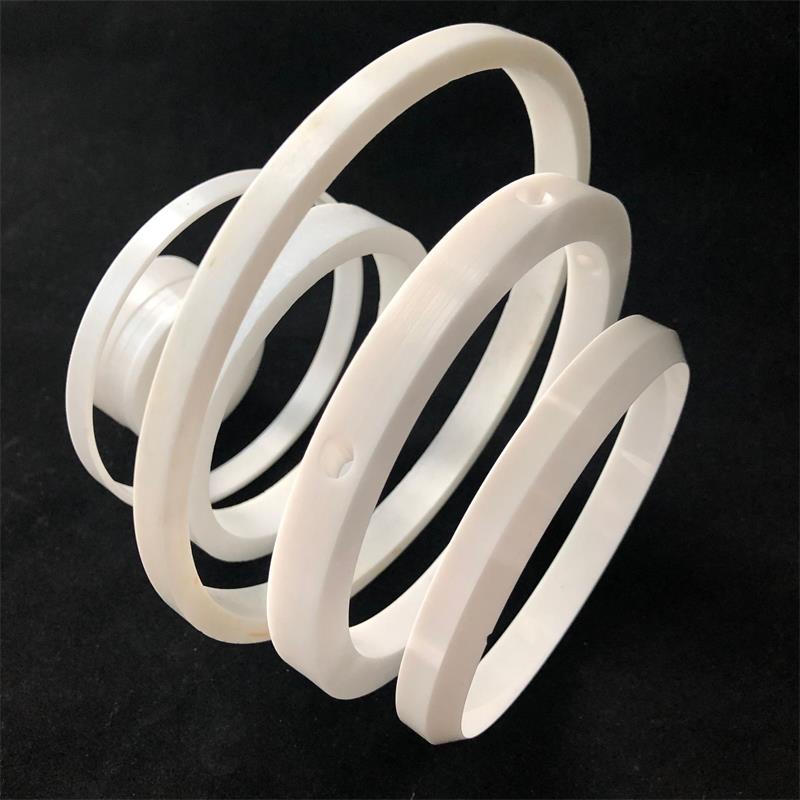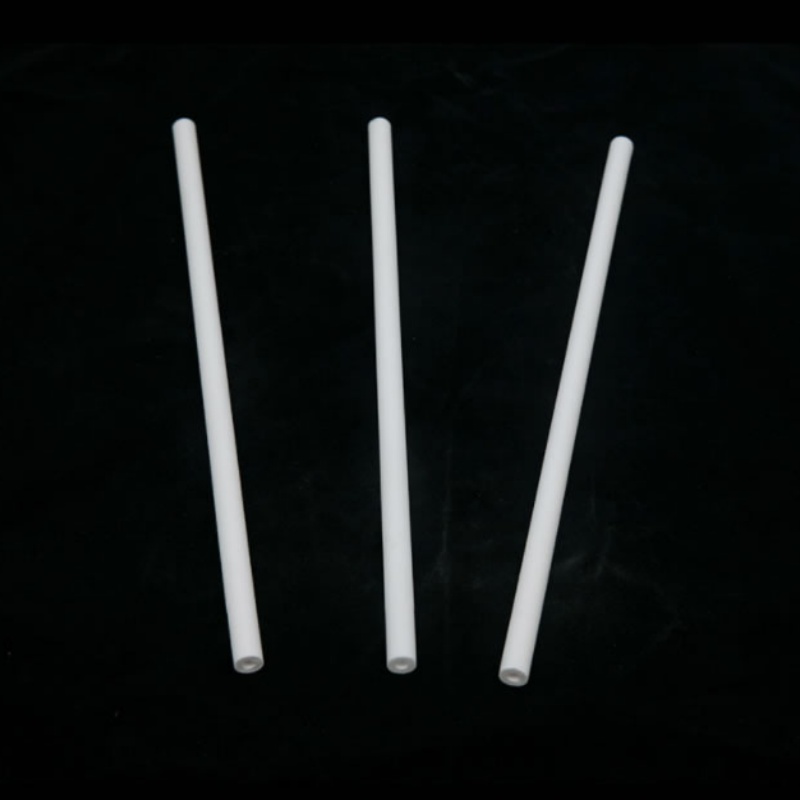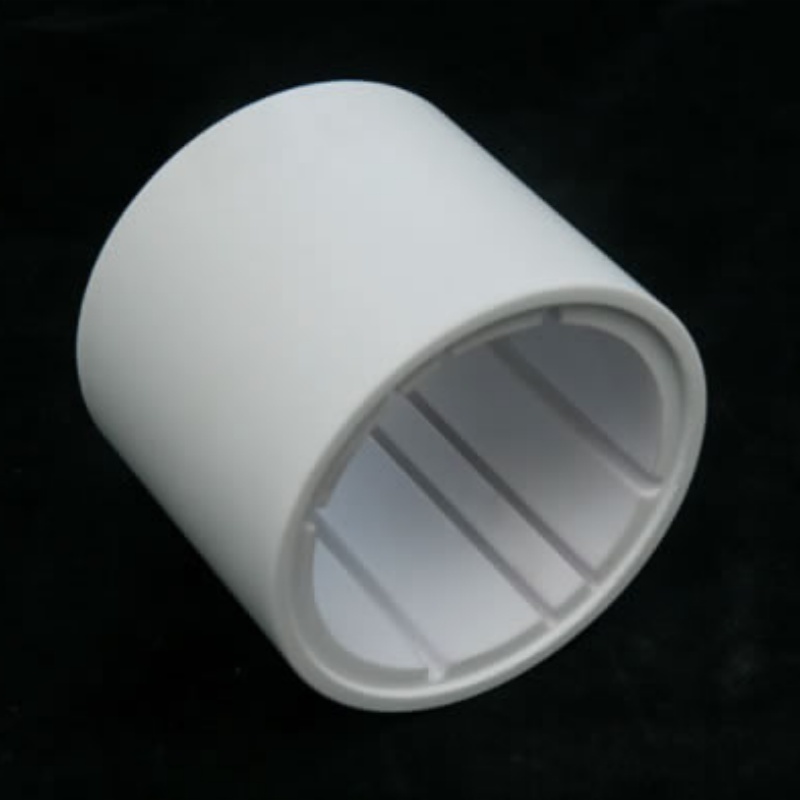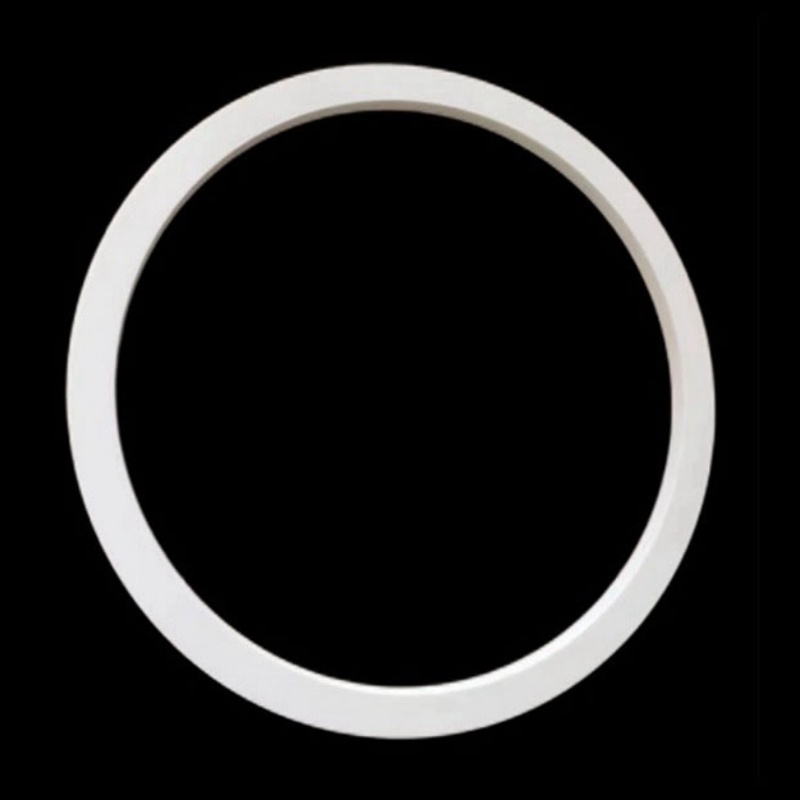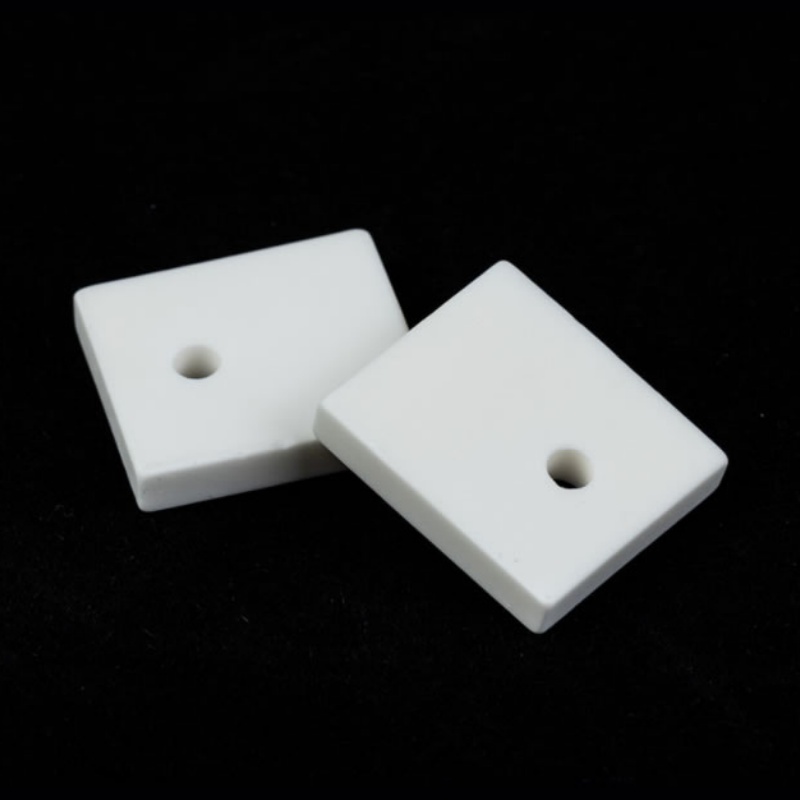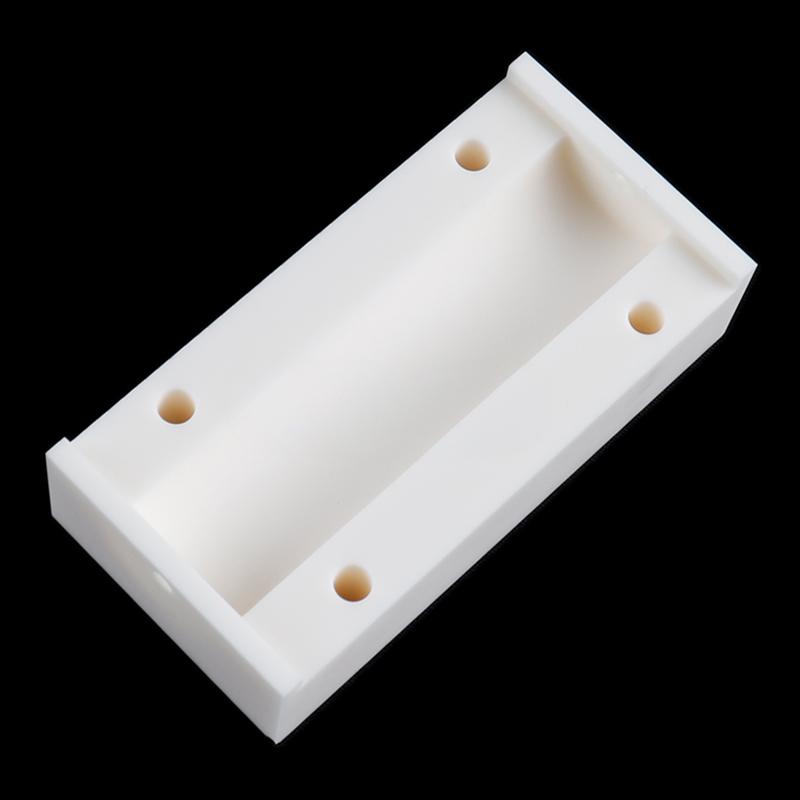
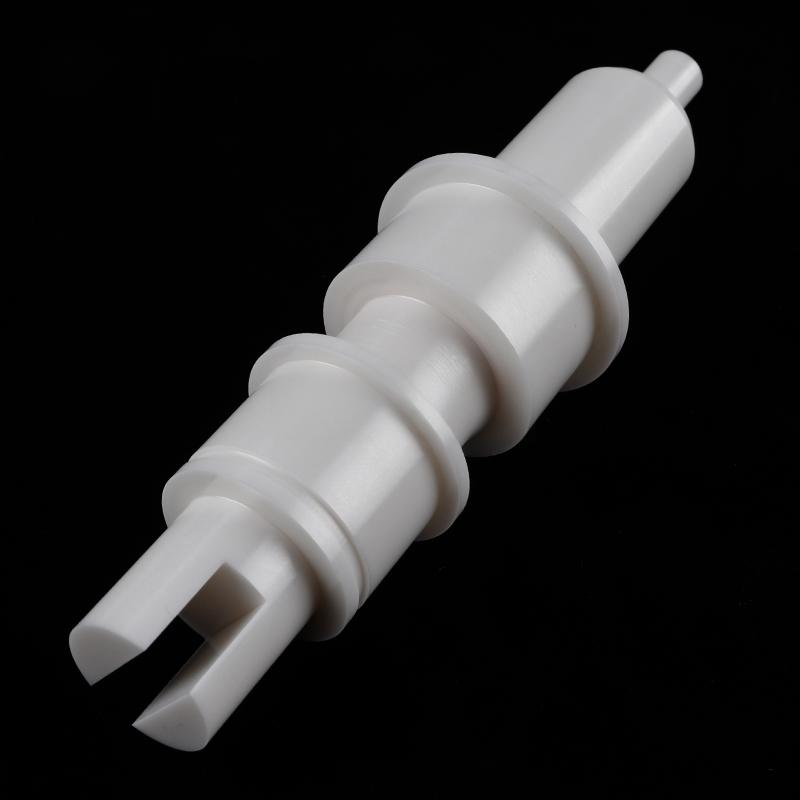
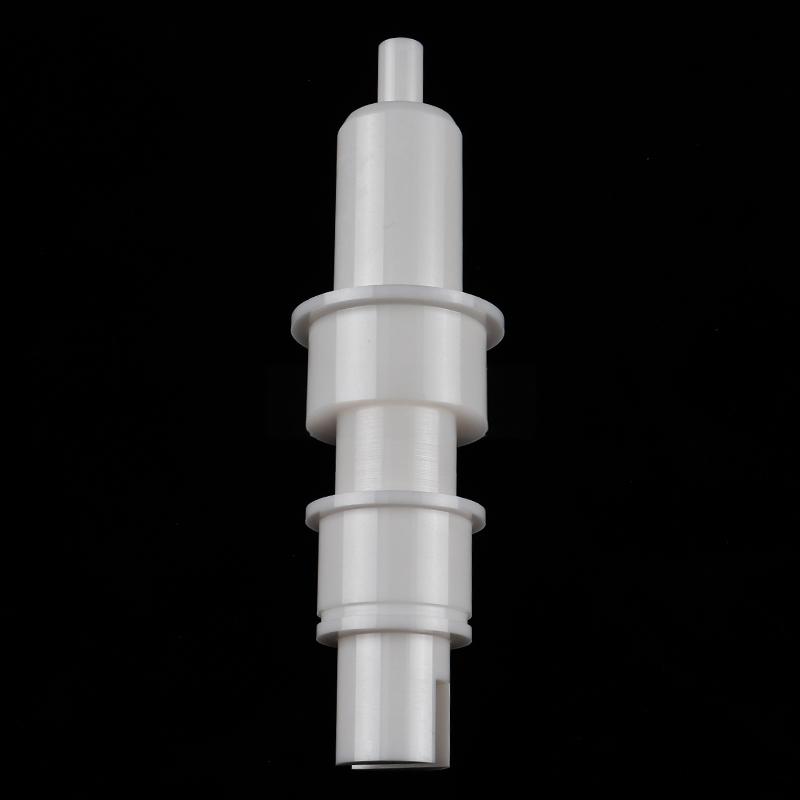
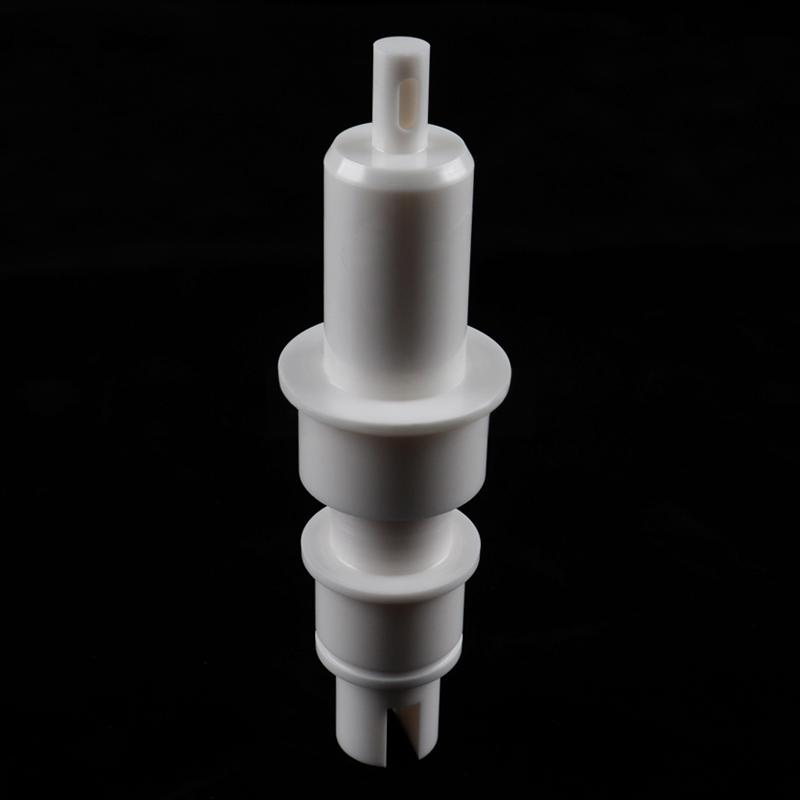
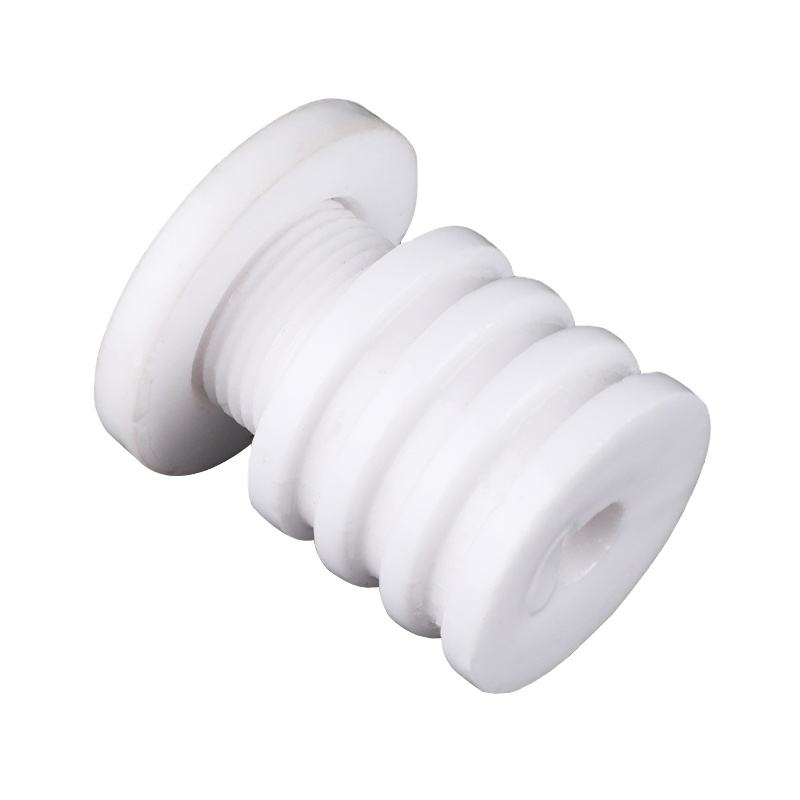
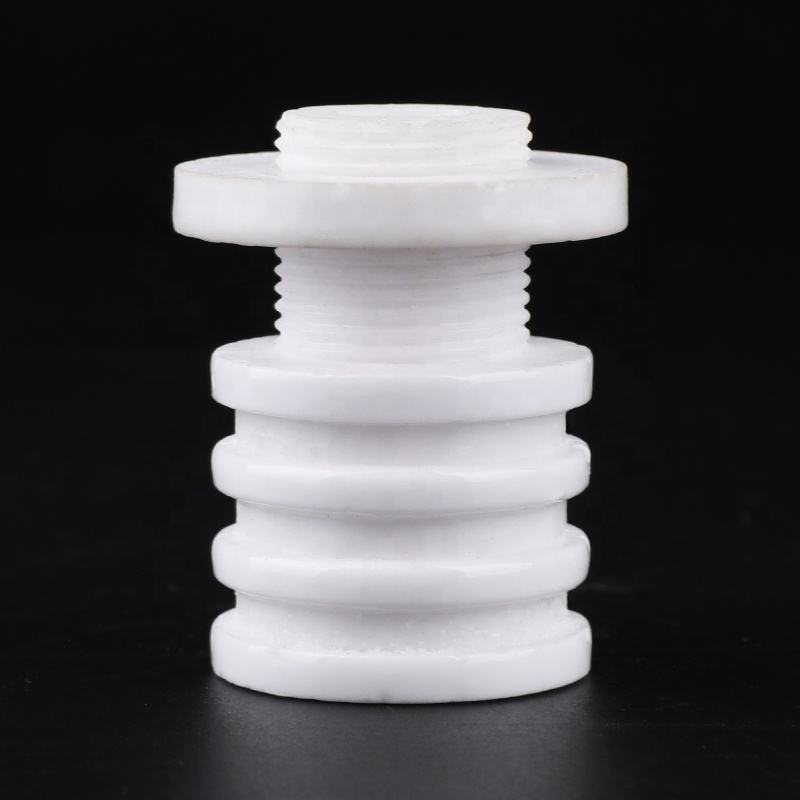
Zirconia Ceramic Joint Support Column
Zirconia ceramic joint support column is a precision structural component engineered to provide mechanical support, alignment, and load-bearing capability in demanding environments. Unlike conventional metallic or polymeric supports, zirconia (ZrO₂) offers a unique combination of high fracture toughness, exceptional wear resistance, and chemical inertness. This makes it particularly suitable for applications where dimensional stability, electrical insulation, and resistance to mechanical shock are critical.
Material Fundamentals and Stabilization
Pure zirconia undergoes a destructive phase transformation from tetragonal to monoclinic structure during cooling, which leads to cracking. To prevent this, stabilizers such as yttria (Y₂O₃), magnesia (MgO), or calcia (CaO) are added.
For structural support columns, Yttria-Stabilized Tetragonal Zirconia Polycrystal (Y-TZP) is the industry standard. Y-TZP utilizes a mechanism called “transformation toughening.” When a crack initiates, the stress field induces a phase transformation in the zirconia grains surrounding the crack tip. This transformation involves a volume expansion that compresses the crack, effectively halting its propagation. This mechanism gives zirconia its superior toughness compared to other engineering ceramics like alumina.
Key Performance Characteristics
Engineers selecting zirconia for joint support columns should evaluate the following properties:
Mechanical Strength and Toughness: Y-TZP typically exhibits flexural strength ranging from 900 to 1,200 MPa and fracture toughness (K_IC) between 6 and 10 MPa·m¹/². This high toughness allows the component to withstand impact and shock loading better than brittle ceramics.
Wear Resistance: With a Vickers hardness typically between 1,200 and 1,400 HV, zirconia resists abrasive wear effectively. This is vital for support columns in dynamic assemblies where friction or particle exposure occurs.
Thermal Properties: Zirconia has low thermal conductivity (approx. 2–3 W/m·K), making it an excellent thermal insulator. Its coefficient of thermal expansion (CTE) is approximately 10–11 × 10⁻⁶/K, which is relatively close to steel, reducing thermal mismatch stresses in metal-ceramic joints.
Electrical Insulation: Zirconia is an electrical insulator with high volume resistivity, suitable for applications requiring dielectric strength and non-magnetic properties.
Typical Applications
The unique property profile of zirconia makes it ideal for specific engineering roles:
Precision Machinery and Robotics: Used as support pillars or spacers in high-precision equipment where non-magnetic properties and thermal stability are required to maintain alignment tolerances.
Semiconductor Manufacturing: Employed in wafer handling and processing equipment. Zirconia’s chemical resistance to corrosive process gases and its ability to be polished to mirror finishes prevent contamination and particle generation.
Medical Devices: In surgical instruments and orthopedic implants, zirconia joint support columns provide biocompatibility and high strength-to-weight ratios, resisting corrosion from bodily fluids and repeated sterilization cycles.
Chemical Processing: Used as valve stems, pump shafts, or support rods in environments involving strong acids or alkalis, where metallic components would corrode.

Advantages and Limitations
Advantages:
High Reliability: The transformation toughening mechanism provides a safety margin against catastrophic brittle failure.
Dimensional Stability: Low creep and high elastic modulus (approx. 200 GPa) ensure the column maintains its shape under load over time.
Corrosion Resistance: Immune to oxidation and resistant to most chemical attacks.
Limitations:
Low-Temperature Degradation (LTD): Also known as hydrothermal aging, Y-TZP can degrade over time if exposed to moisture and temperatures typically between 100°C and 400°C. This can lead to a loss of strength. Engineers must consider this for applications in humid, warm environments.
Machining Difficulty: Zirconia is extremely hard in its sintered state. Final machining requires diamond tooling and grinding, which can increase manufacturing costs and lead times compared to metals.
Cost: Raw material and processing costs are generally higher than alumina or stainless steel.
Material Selection: When to Choose Zirconia?
Select Zirconia when:
You need a ceramic with high impact resistance and fracture toughness.
The application involves sliding wear or abrasive environments.
Electrical insulation and non-magnetic properties are required.
The operating temperature is generally below 800°C (to avoid LTD and phase instability).
Consider Alternatives when:
Alumina (Al₂O₃): If cost is a primary driver and impact loads are minimal, alumina offers high hardness and insulation at a lower price point.
Silicon Carbide (SiC): If the application requires high thermal conductivity for heat dissipation or operation at temperatures exceeding 1,400°C.
Silicon Nitride (Si₃N₄): If the component is subject to severe thermal shock (rapid temperature cycling) or high-speed rolling contact fatigue.
FAQ
What is the main advantage of zirconia over alumina for support columns?
Zirconia offers significantly higher fracture toughness and impact resistance due to transformation toughening. While alumina is harder, it is more brittle and prone to catastrophic failure under shock loading, whereas zirconia can absorb more energy.
Can zirconia support columns be used in high-temperature environments?
Zirconia is generally suitable for temperatures up to 800°C. Above this, or in the presence of steam/humidity at moderate temperatures (100–400°C), Y-TZP may undergo low-temperature degradation (aging), leading to strength loss. For temperatures above 1,000°C, materials like silicon carbide or alumina are often preferred.
Is zirconia electrically conductive?
No, standard Y-TZP zirconia is an electrical insulator with high dielectric strength. However, it can be engineered to be conductive (e.g., for oxygen sensors), but structural support columns are typically insulating.
How does the thermal expansion of zirconia compare to metals?
The coefficient of thermal expansion for zirconia (approx. 10.5 × 10⁻⁶/K) is closer to that of steel and stainless steel than other ceramics like silicon carbide or alumina. This reduces thermal stress when the ceramic column is joined to metal fixtures.
What are the machining challenges for zirconia columns?
Zirconia is difficult to machine in its fully sintered state due to its hardness (1200+ HV). It requires diamond grinding or laser processing. Many manufacturers perform “green machining” (before full sintering) to achieve near-net shapes, followed by finish grinding to tight tolerances.
Is zirconia suitable for biological applications?
Yes, zirconia is highly biocompatible and chemically inert in physiological environments. It is widely used in medical implants, such as hip joint heads and dental abutments, due to its strength and lack of toxicity.