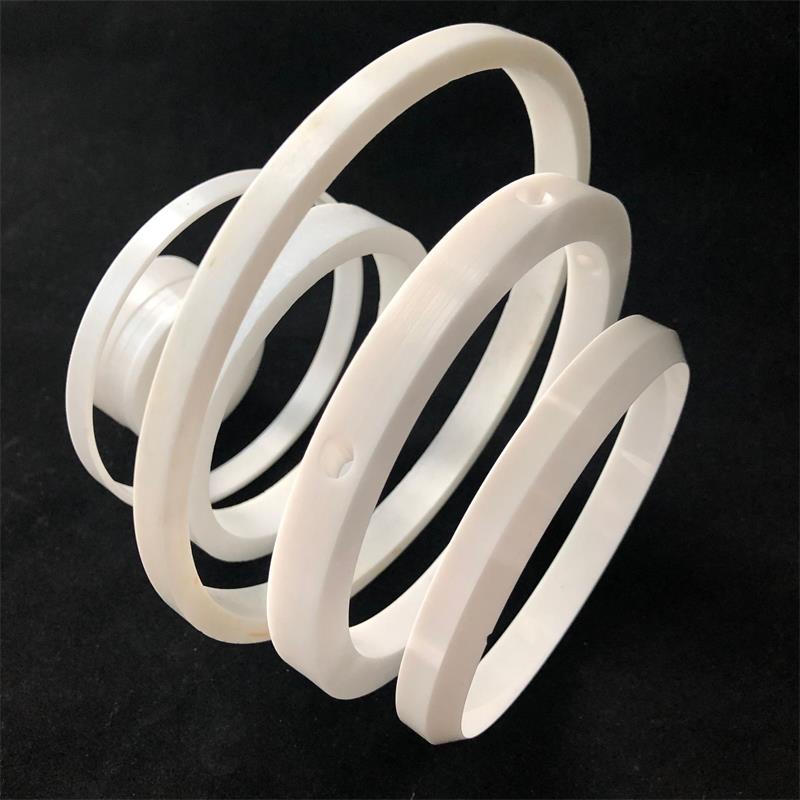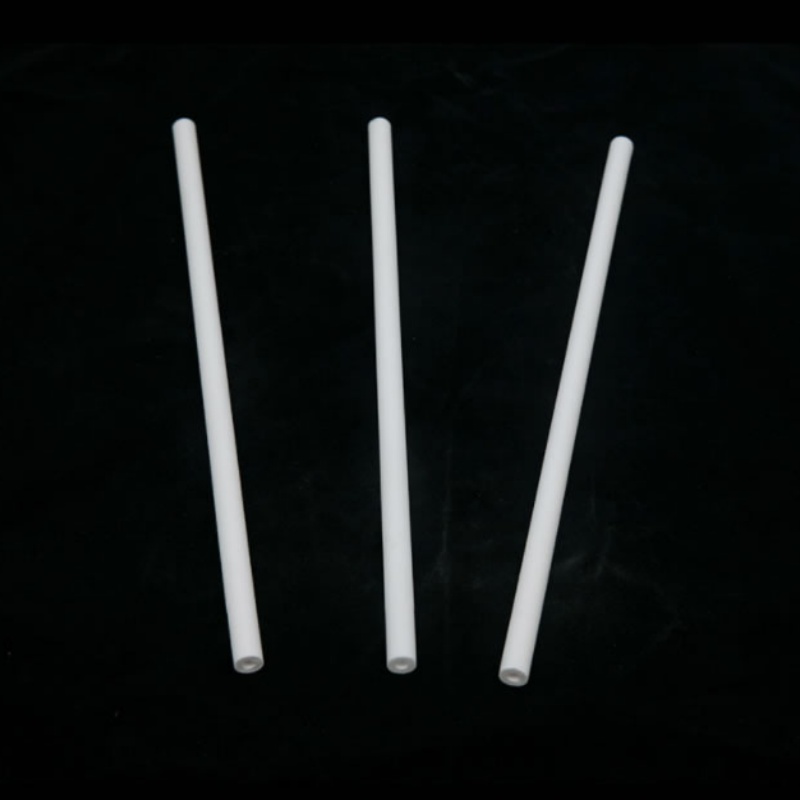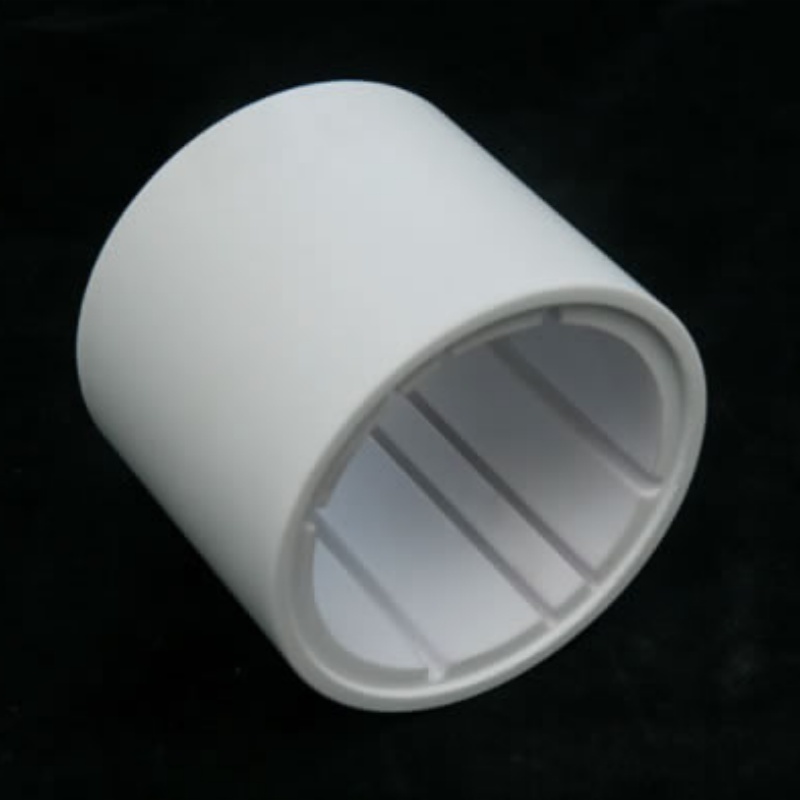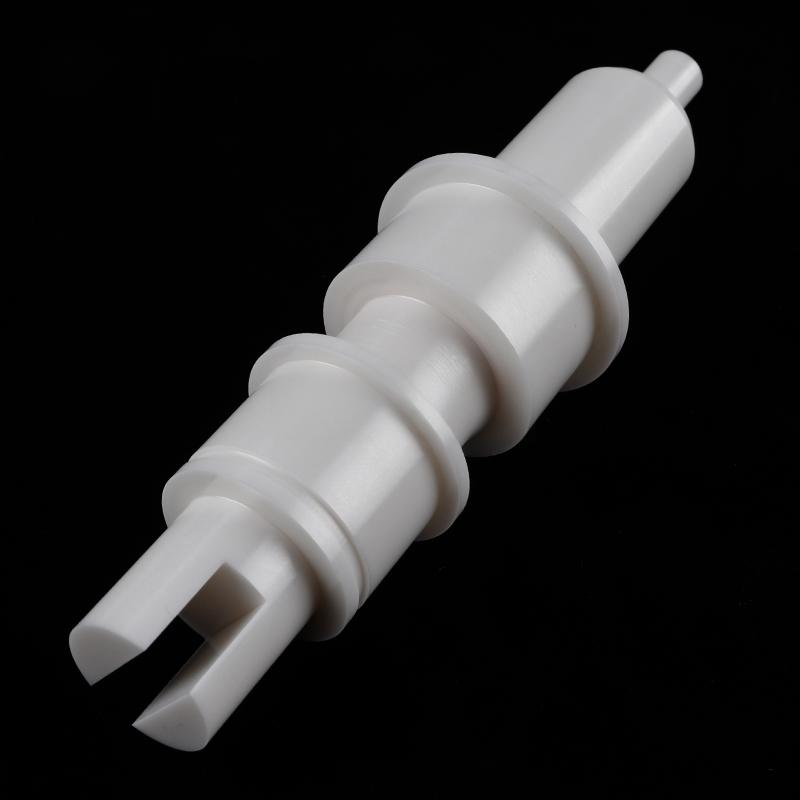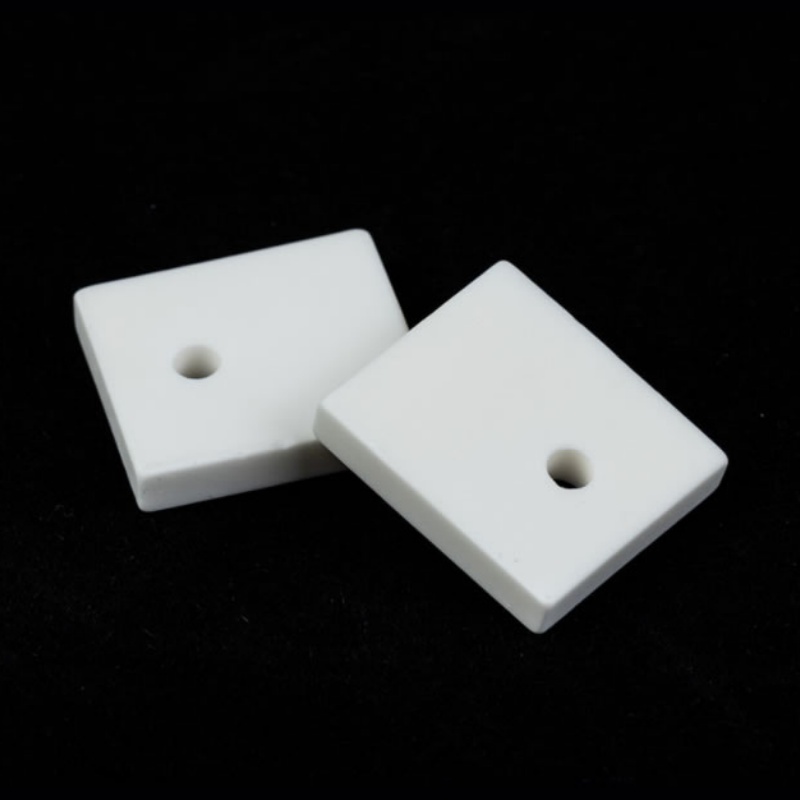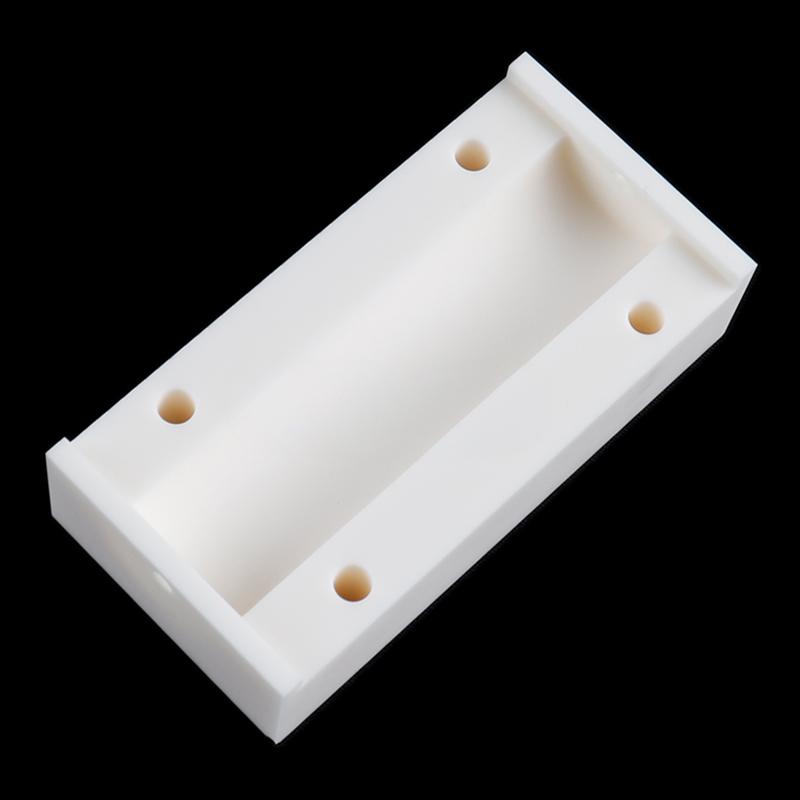
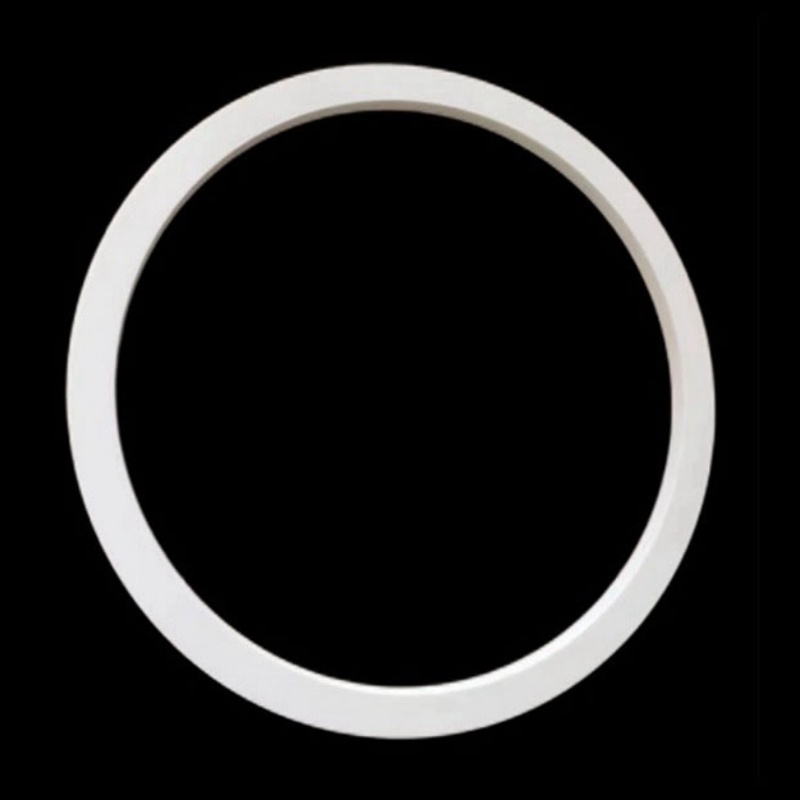
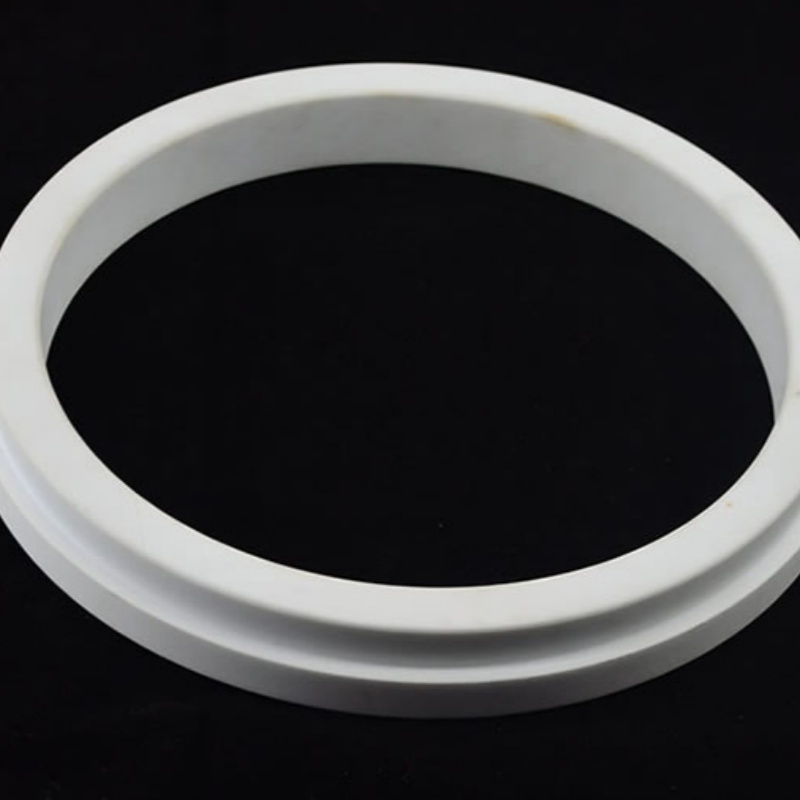
High-Temperature Insulating Zirconia Ceramic Rings
High-temperature insulating zirconia ceramic rings are critical components in advanced thermal and electrical systems. Typically fabricated from Yttria-Stabilized Tetragonal Polycrystalline (Y-TZP) zirconia or partially stabilized variants, these rings are engineered to provide robust mechanical support and electrical isolation in environments where temperatures frequently exceed 1000°C. Their unique combination of low thermal conductivity, high fracture toughness, and electrical insulation makes them indispensable in demanding industrial applications.
Why Zirconia? The Material Science Behind the Performance
The superior performance of zirconia rings stems from its crystallographic structure. Pure zirconia undergoes destructive phase transformations during heating and cooling. To prevent this, stabilizers like yttria (Y₂O₃) are introduced, locking the material in a metastable tetragonal phase at room temperature.
When the ceramic is subjected to stress, such as mechanical impact or thermal gradients, this tetragonal phase transforms into the monoclinic phase. This transformation is accompanied by a volume expansion that induces compressive stresses around the crack tip, effectively closing the crack. This mechanism, known as transformation toughening, gives zirconia a fracture toughness (often 8–12 MPa·m¹/²) significantly higher than alumina or other oxide ceramics, making it highly resistant to thermal shock and mechanical failure.
Key Performance Characteristics
Thermal Properties: Zirconia is a thermal barrier. Its thermal conductivity is notably low (approx. 2–3 W/m·K at room temperature), which is crucial for insulating heat-sensitive components from high-temperature zones. It maintains structural integrity up to roughly 1200°C–1400°C, depending on the specific grade and stabilizer content.
Electrical Insulation: Despite being a ceramic, high-purity zirconia rings act as excellent electrical insulators at ambient temperatures. However, engineers must note that at very high temperatures, stabilized zirconia exhibits oxygen ion conductivity, which is why it is widely used in oxygen sensors. For pure electrical insulation applications at extreme temperatures, the specific resistivity must be verified against the operating environment.
Mechanical Strength: Zirconia offers high flexural strength (often 900–1200 MPa) and excellent wear resistance. This allows the rings to serve as structural bushings or spacers that must withstand both thermal loads and physical assembly stresses.
Typical Applications
Thermocouple Protection: Zirconia rings are frequently used as insulating beads or support rings within thermocouple assemblies. They electrically isolate the thermocouple wires while allowing rapid thermal response due to their thin-walled geometry.
Semiconductor Processing: In wafer manufacturing, zirconia rings are used in rapid thermal processing (RTP) equipment. Their low thermal mass allows for fast heating and cooling cycles, while their high purity prevents contamination of the semiconductor substrates.
Industrial Heating Elements: They serve as insulating spacers and supports for resistance heating elements (like molybdenum disilicide or silicon carbide rods) in high-temperature furnaces, preventing short circuits and maintaining element alignment.
Aerospace and Turbines: Used as thermal barrier spacers or seals where weight reduction and thermal insulation are critical.

Advantages and Limitations
Advantages:
Exceptional Toughness: The highest fracture toughness among oxide ceramics, offering reliability in dynamic thermal environments.
Thermal Shock Resistance: Can withstand rapid temperature changes better than alumina or porcelain.
Low Thermal Conductivity: Provides effective thermal insulation.
Limitations:
Low-Temperature Degradation (LTD): Y-TZP zirconia is susceptible to tetragonal-to-monoclinic phase transformation in the presence of moisture at temperatures between 150°C and 400°C. This can lead to surface micro-cracking and strength degradation over long periods.
Machinability: While tougher than other ceramics, it is still a hard, brittle material requiring diamond tooling for precision grinding.
Cost: Generally more expensive than alumina or steatite equivalents.
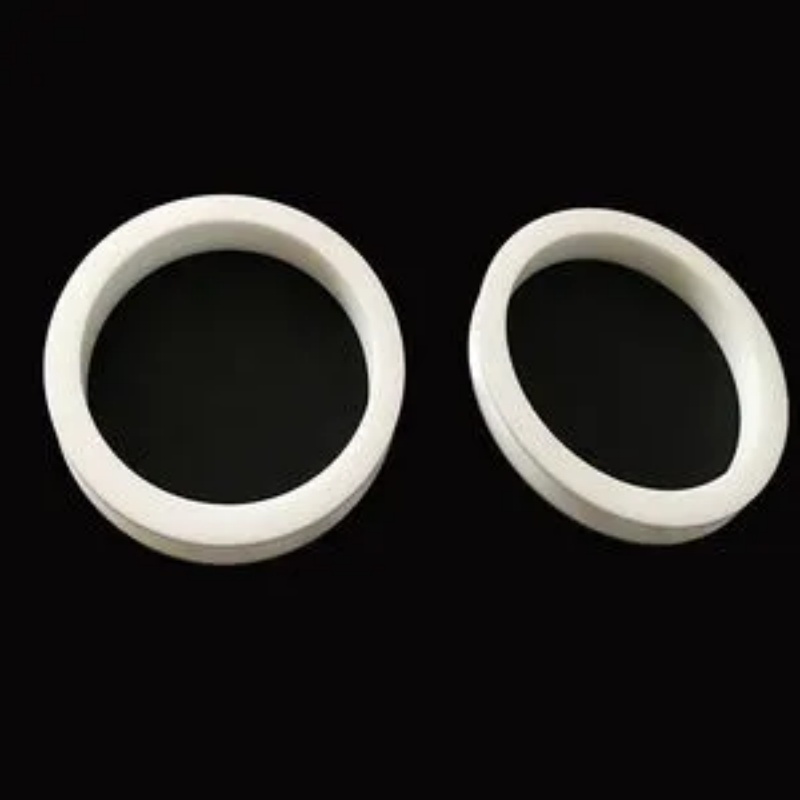
Material Selection: When to Choose Zirconia vs. Alternatives
Selecting the right ceramic ring requires balancing thermal, mechanical, and electrical needs:
Choose Zirconia when: Mechanical strength and thermal shock resistance are paramount. If the ring is subject to vibration, assembly stress, or rapid temperature cycling, zirconia’s toughness is the deciding factor.
Choose Alumina (99%+): When cost is a primary driver and the application requires high electrical resistivity at very high temperatures without the risk of LTD. Alumina is also chemically more inert in certain corrosive environments.
Consider Silicon Nitride: If the application involves extreme mechanical wear or temperatures exceeding 1400°C in a non-oxidizing atmosphere, though silicon nitride is electrically conductive/semiconductive and cannot be used for electrical insulation.
FAQ
What is the primary advantage of zirconia rings over alumina rings?
The primary advantage is fracture toughness. Zirconia is significantly tougher and more resistant to thermal shock and mechanical impact than alumina, making it less likely to crack during installation or rapid temperature changes.
Can zirconia rings be used for electrical insulation at high temperatures?
Yes, they are excellent insulators at room and moderate temperatures. However, at very high temperatures (above 800°C), stabilized zirconia can exhibit ionic conductivity. For high-temperature electrical isolation, specific high-resistivity grades or alternative materials like high-purity alumina should be evaluated.
What is Low-Temperature Degradation (LTD) in zirconia?
LTD is a phenomenon where Y-TZP zirconia slowly transforms from the tetragonal to the monoclinic phase when exposed to moisture in the temperature range of 150°C–400°C. This can cause surface deterioration. Engineers should avoid standard Y-TZP for long-term applications in this specific temperature window if moisture is present.
Are zirconia rings suitable for corrosive environments?
Zirconia has excellent chemical resistance to many acids and alkalis. However, it can be attacked by strong bases (alkalis) and hydrofluoric acid. It is generally more resistant to corrosion than alumina in acidic environments but should be selected based on the specific chemical media.
How do I machine or cut zirconia ceramic rings?
Zirconia is extremely hard and requires diamond-impregnated tooling for grinding or drilling. It is often supplied “green” (unsintered) for easier machining by specialists, followed by sintering, or supplied fully sintered and ground to tight tolerances using CNC ceramic grinding equipment.
What tolerances are typical for sintered zirconia rings?
Standard sintered tolerances are typically around ±0.5% to ±1% of the dimension. However, precision ground zirconia rings can achieve tolerances within ±0.01 mm or tighter, depending on the complexity of the geometry and the grinding process used.