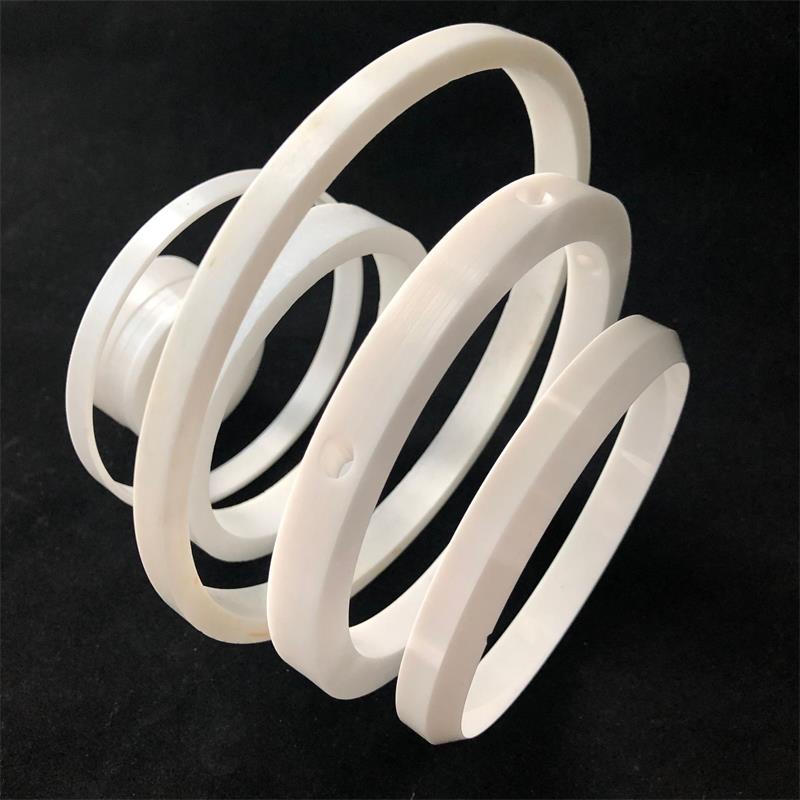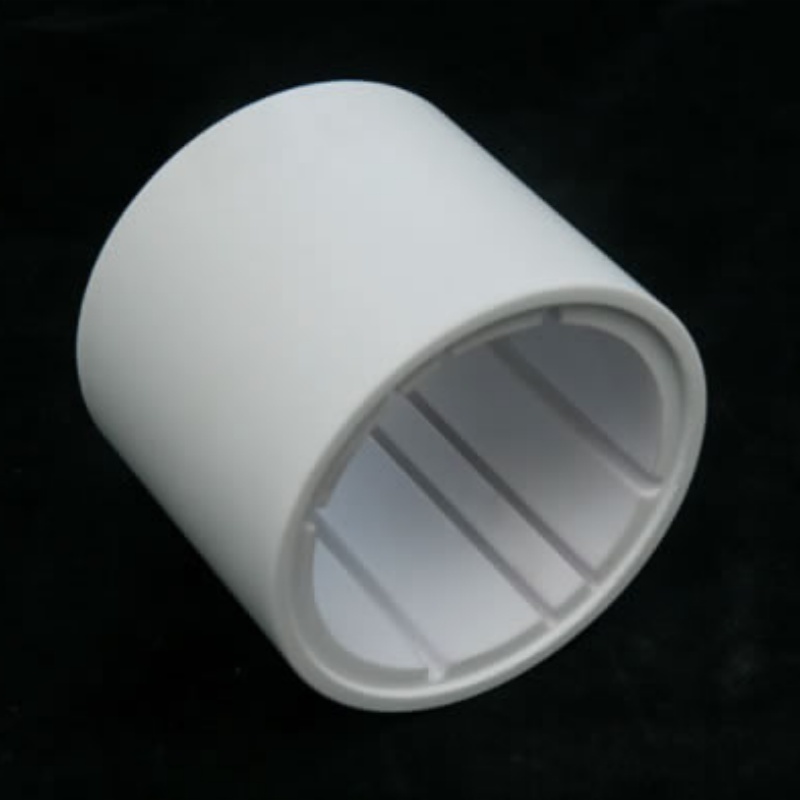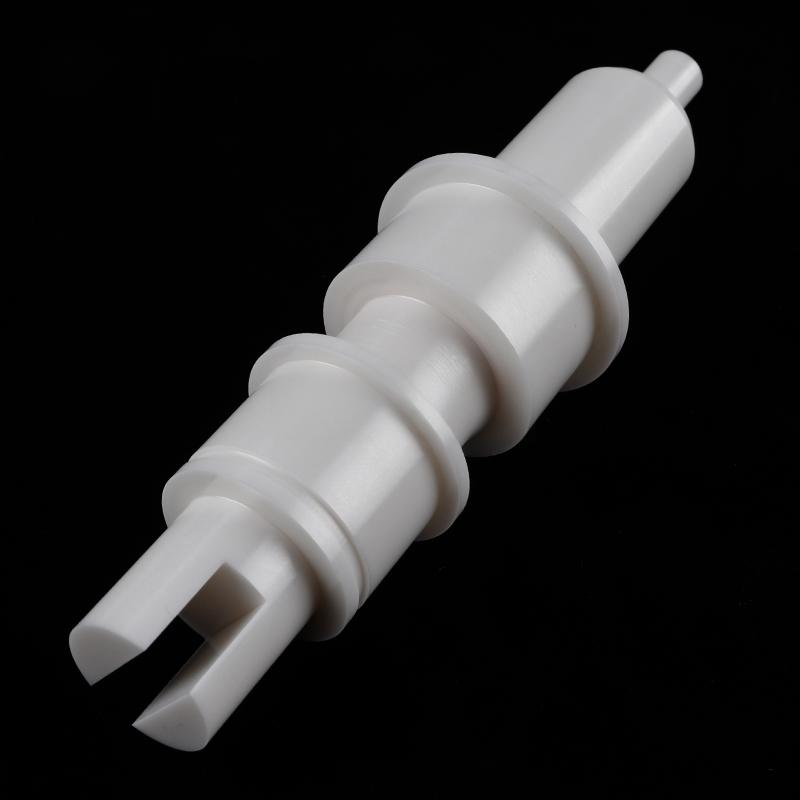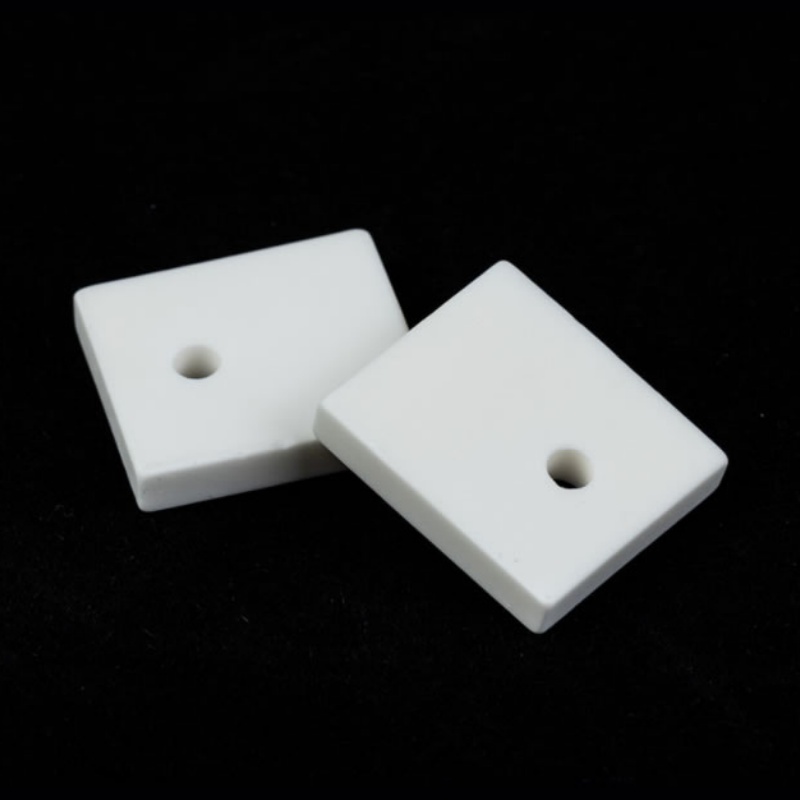
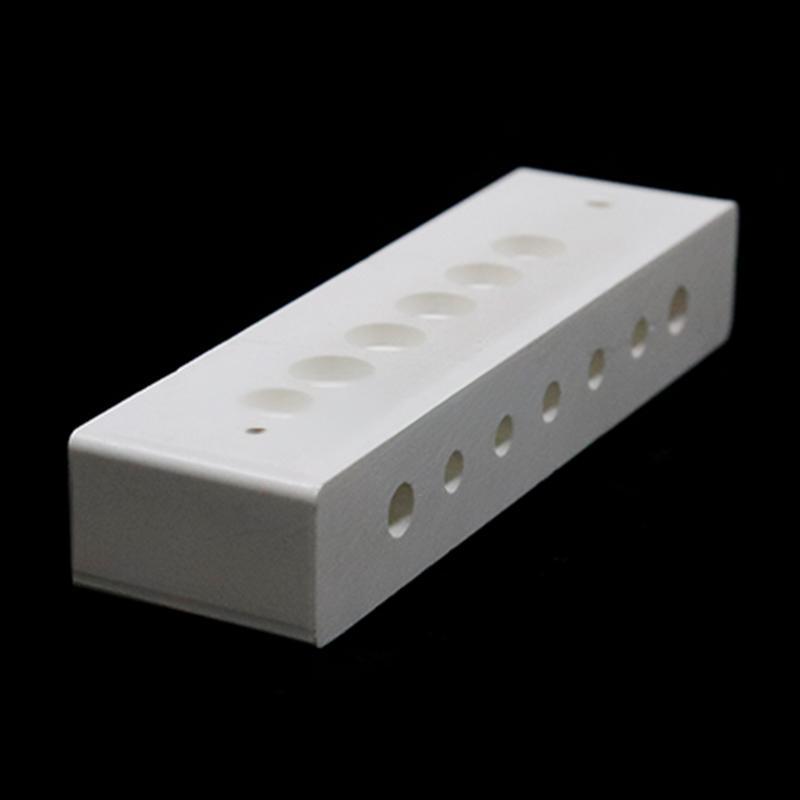
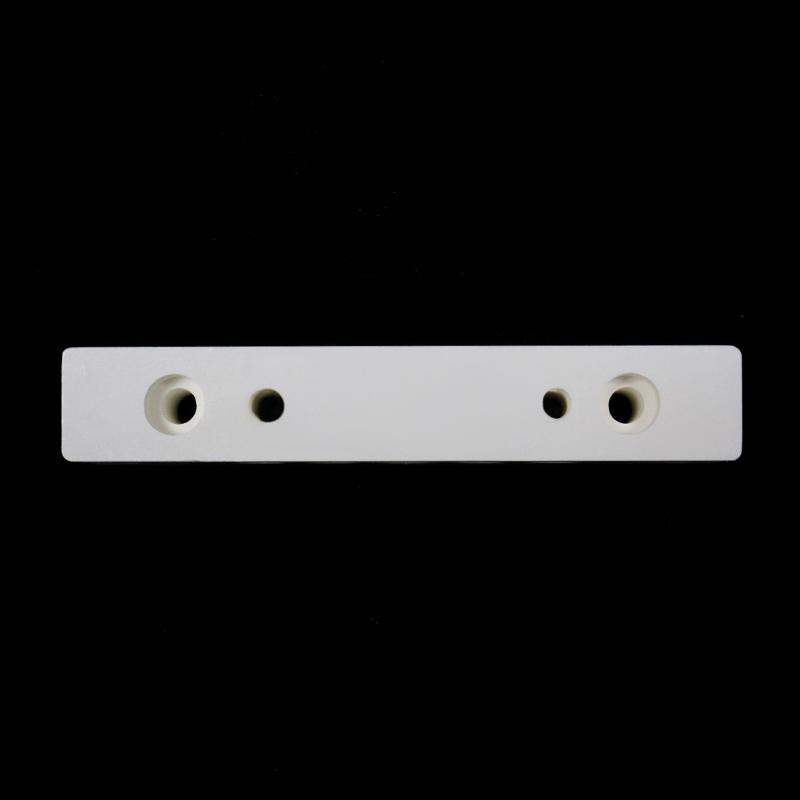
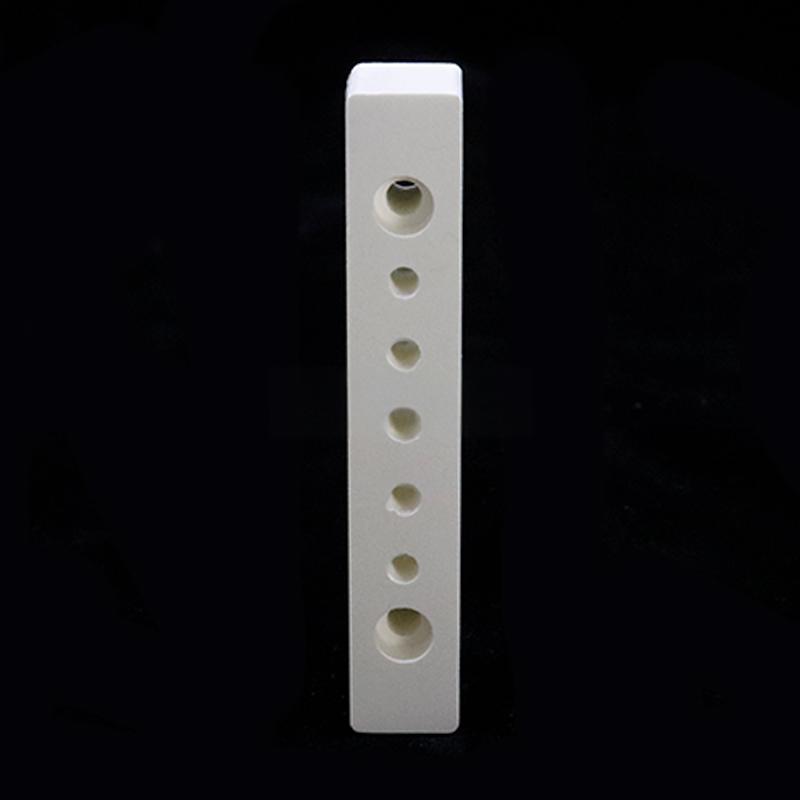
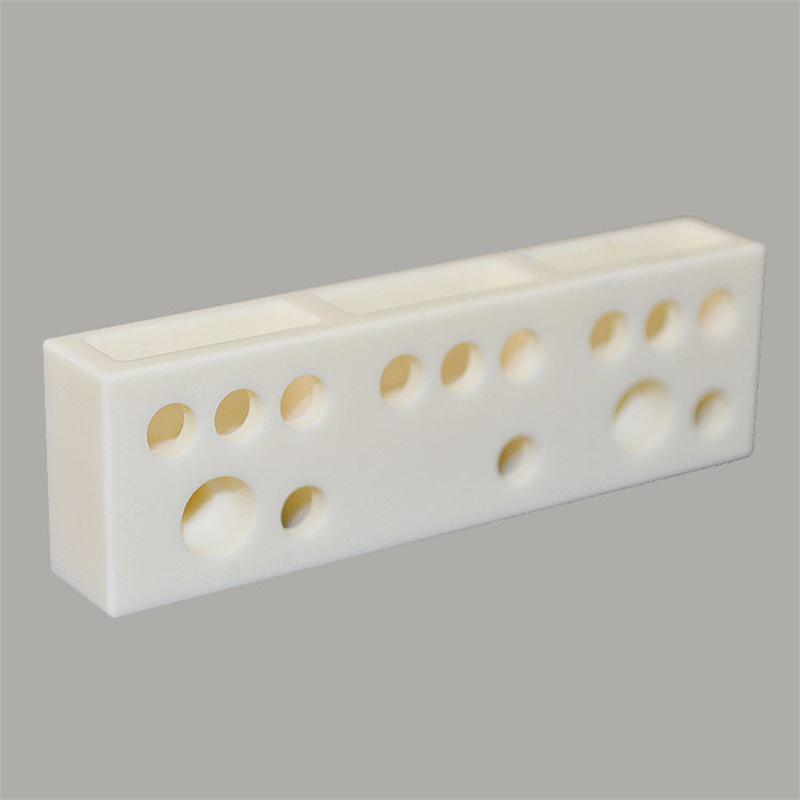
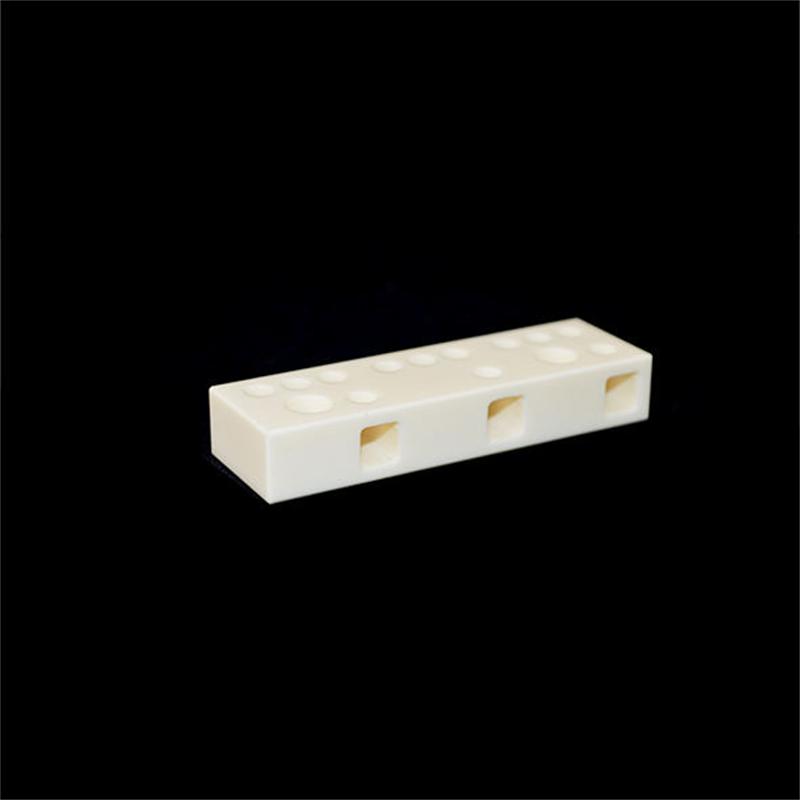
Rectangular Porous Boron Nitride Ceramic Blocks
Rectangular porous boron nitride (BN) ceramic blocks occupy a unique niche in advanced ceramics, bridging the gap between high-performance refractories and easily machinable engineering plastics. Unlike dense structural ceramics such as alumina or zirconia, these blocks are engineered with a controlled porosity that grants them exceptional thermal shock resistance and a lubricity similar to graphite. However, they retain the high electrical resistivity and chemical inertness required for demanding industrial environments.
For engineers and design professionals, the rectangular geometry is significant. It allows for modular stacking, precise thermal insulation layering, and straightforward integration into furnace linings or semiconductor processing equipment without complex custom fixturing.
The Nature of Porosity in Boron Nitride
The defining characteristic of these blocks is their microstructure. While hexagonal boron nitride (h-BN) naturally possesses a layered crystal structure—often compared to graphite—porous ceramic blocks take this further by incorporating interconnected or closed voids during the sintering process.
This porosity is not a defect but a design feature. It serves two primary engineering purposes:
Stress Relief: The voids provide space for the material to expand and contract, effectively blunting crack propagation. This results in near-zero sensitivity to thermal shock, allowing the blocks to withstand rapid heating and cooling cycles that would shatter dense ceramics.
Machinability: The porous structure reduces the mechanical interlocking of grains, allowing the material to be machined with standard carbide tooling. This “self-lubricating” behavior means rectangular blocks can be easily drilled, milled, or turned into complex shapes without the need for expensive diamond grinding.
Key Performance Characteristics
Thermal Properties
The thermal behavior of porous BN blocks is highly anisotropic, particularly if the material has been hot-pressed. Thermal conductivity is typically higher parallel to the pressing direction than perpendicular to it. However, in porous grades, the overall conductivity is often reduced compared to dense BN, making them excellent thermal insulators. They maintain structural integrity up to approximately 1000°C in oxidizing atmospheres and significantly higher temperatures (up to 2000°C) in inert or vacuum environments.
Electrical Insulation
Despite sharing visual similarities with graphite, boron nitride is an electrical insulator. Porous BN blocks maintain high dielectric strength and low dielectric loss, even at elevated temperatures. This makes them superior to graphite in applications where electrical isolation is critical, such as in induction heating setups or plasma etching chambers.
Chemical Inertness
These blocks are highly resistant to most molten metals, including aluminum, lithium, and lead. The non-wetting nature of the BN surface prevents molten metal from adhering to the ceramic, which is crucial for components like immersion tubes or stopper rods. However, they are susceptible to oxidation at temperatures exceeding 800–1000°C in air, often requiring protective coatings or usage in controlled atmospheres for long-term stability.
Engineering Applications
The combination of thermal insulation, electrical isolation, and machinability dictates where these rectangular blocks are used:
Semiconductor Manufacturing: Used as wafer support rings, heating element holders, and thermal shields in diffusion furnaces. The high purity and low outgassing of porous BN prevent contamination of silicon wafers during high-temperature processing.
Continuous Casting: Rectangular blocks serve as slide gate plates or stopper rods in steel continuous casting. Their resistance to thermal shock prevents failure when contacting molten steel, while their lubricity ensures smooth mechanical operation.
Battery and Electrochemical Research: Porous BN blocks act as separators or electrolyte hosts in molten salt batteries due to their chemical compatibility with aggressive salts and high ionic permeability.
Industrial Furnaces: Used as modular insulation bricks or radiation shields. Their ability to be machined allows engineers to create custom interlocking shapes that minimize heat leakage without thermal bridges.

Advantages and Limitations
Advantages:
Thermal Shock Resistance: Can be heated or cooled rapidly without cracking.
Ease of Fabrication: Can be machined into tight tolerances using standard metalworking tools.
Low Friction: Excellent solid lubrication properties reduce wear in moving assemblies.
Non-Wetting: Molten metals generally do not stick to the surface.
Limitations:
Mechanical Strength: Porous grades have significantly lower compressive and flexural strength compared to dense ceramics. They are not suitable for high-load structural applications.
Oxidation Sensitivity: Long-term exposure to air above 800°C can lead to surface degradation.
Cost: High-purity BN is more expensive than oxide ceramics like mullite or fireclay.
Selection Considerations
When selecting a material, engineers must weigh the need for machinability against mechanical strength. If the application requires a component that fits into a tight space and must be machined to precise dimensions after receiving the raw block, porous BN is an excellent choice. It is also the preferred material when thermal cycling is severe.
However, if the application involves high mechanical loads, abrasive wear, or requires a hard, dense surface, porous BN is unsuitable. In such cases, dense alumina or silicon carbide would be more appropriate, provided the thermal shock conditions are manageable.
FAQ
Can porous boron nitride blocks be used in air at high temperatures?
While they can withstand temperatures up to 1000°C in air for short durations, long-term exposure above 800°C in an oxidizing atmosphere can cause surface oxidation. For continuous use above this threshold, an inert atmosphere or vacuum is recommended.
How does porous BN compare to graphite in terms of insulation?
Unlike graphite, which is electrically conductive, porous boron nitride is an electrical insulator. This makes BN the safer choice for applications involving high voltage or where electrical isolation between hot zones is required.
Is porous boron nitride suitable for structural load-bearing?
No. The porosity that gives the material its machinability and thermal shock resistance significantly reduces its mechanical strength. It should not be used for primary structural support or high-load bearing applications.
What is the main advantage of the rectangular shape?
The rectangular geometry facilitates modular construction. Engineers can stack these blocks to create larger furnace linings or insulation barriers with minimal gaps, simplifying the assembly of thermal protection systems.
Can these blocks be machined into complex shapes?
Yes. One of the primary benefits of porous BN is its “machinability.” It can be cut, drilled, and milled using standard carbide tooling without the need for diamond grinding, allowing for rapid prototyping and custom geometries.