Zirconia Ceramic Temperature Measurement Plates
Zirconia ceramic temperature measurement plates are specialized high-temperature components widely used in thermal processing, furnace monitoring, and materials testing. Their primary engineering value lies in combining excellent thermal stability, low thermal conductivity, and strong mechanical strength at elevated temperatures, making them suitable for environments where metals, polymers, and many conventional ceramics would fail.
What Is a Zirconia Ceramic Temperature Measurement Plate?
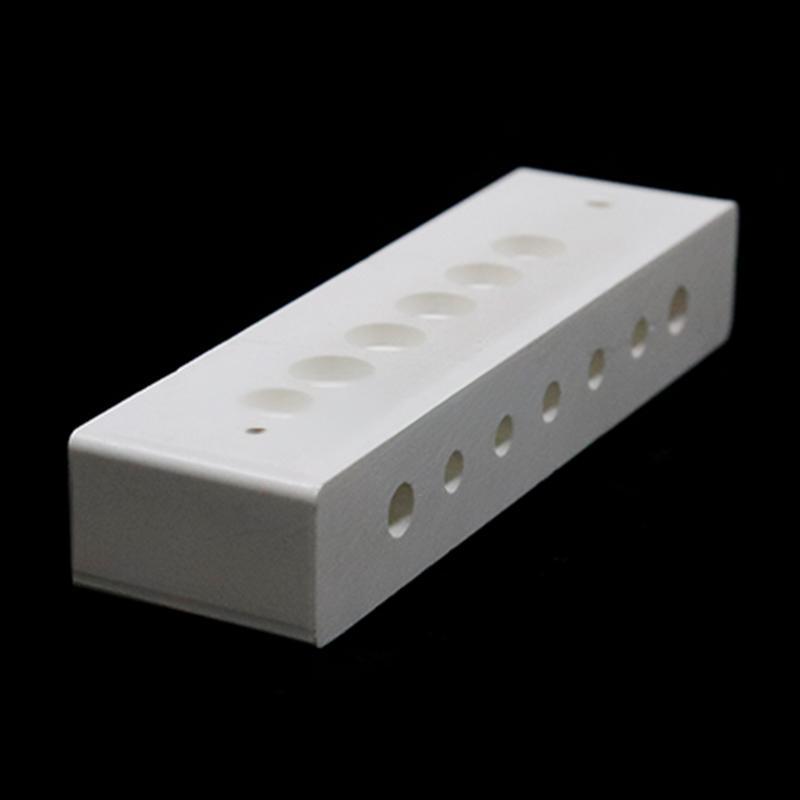
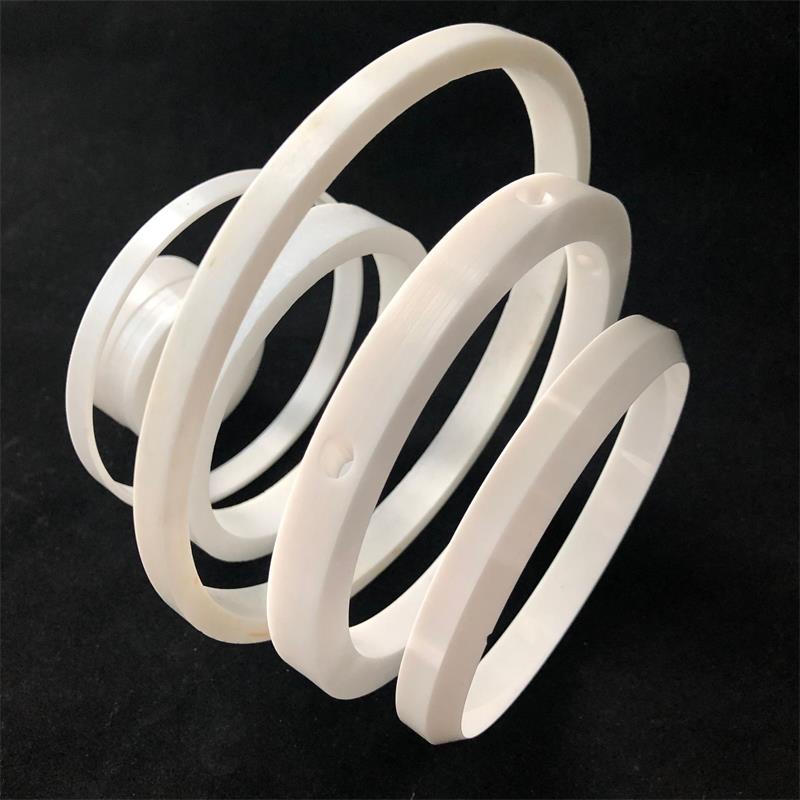
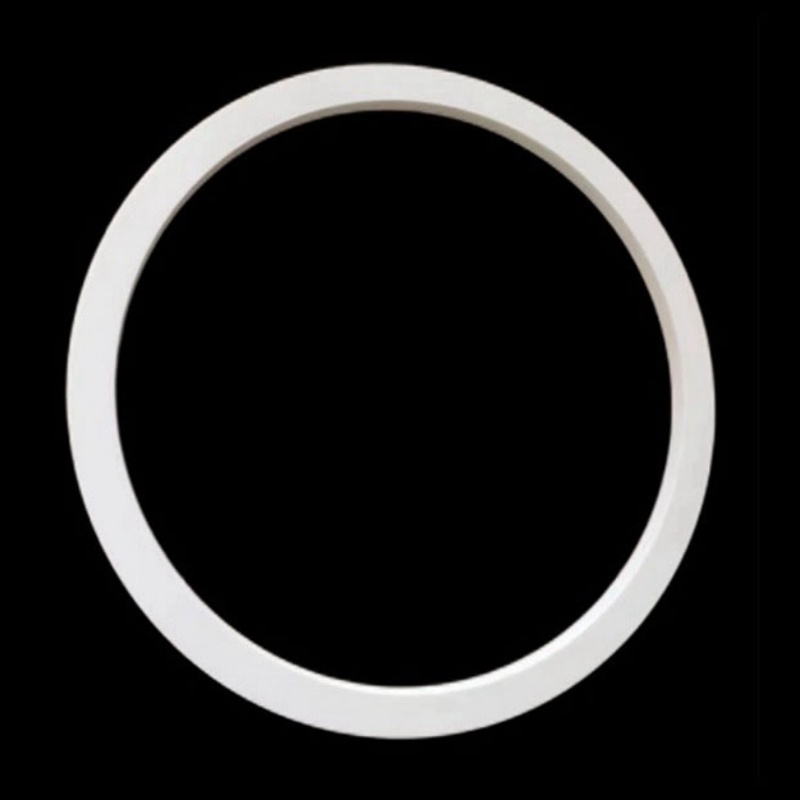
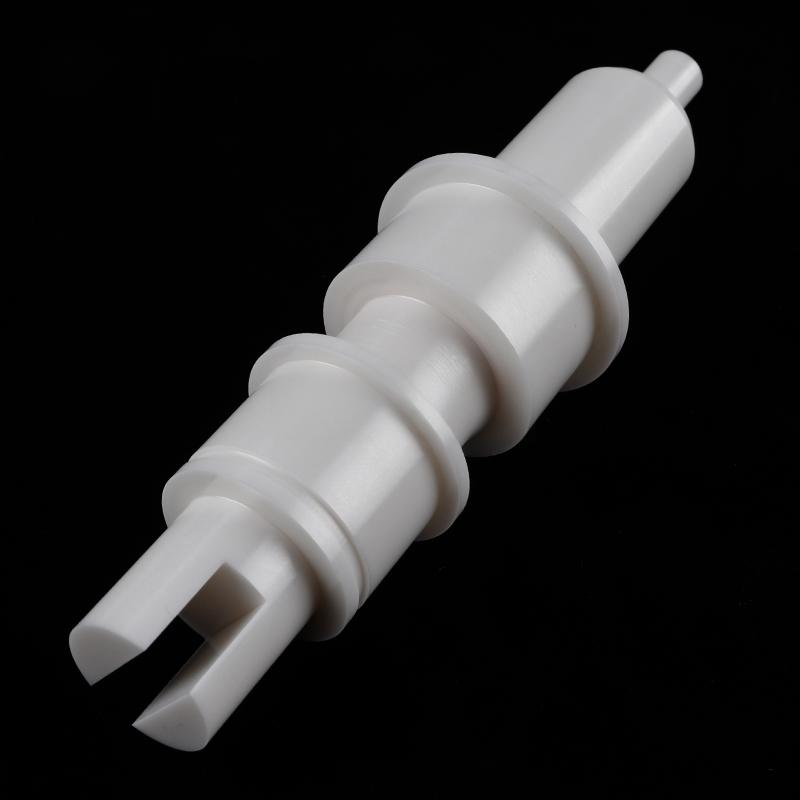
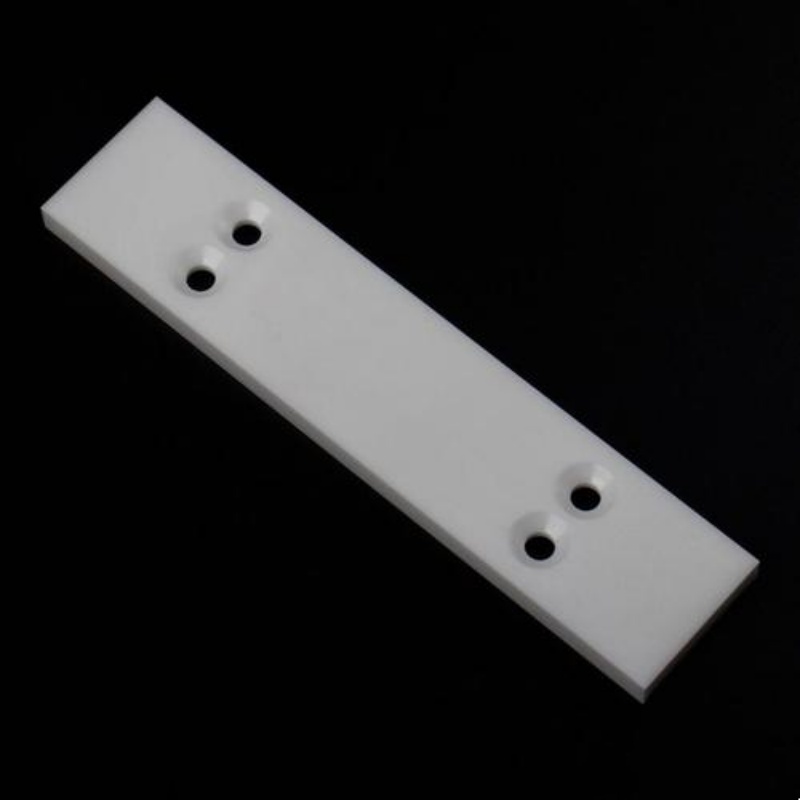
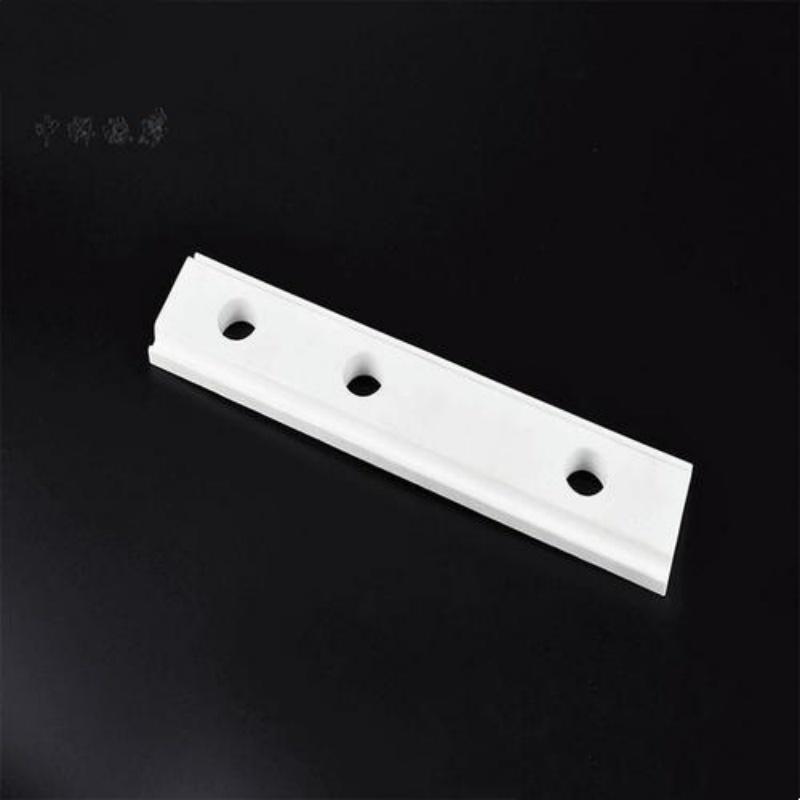
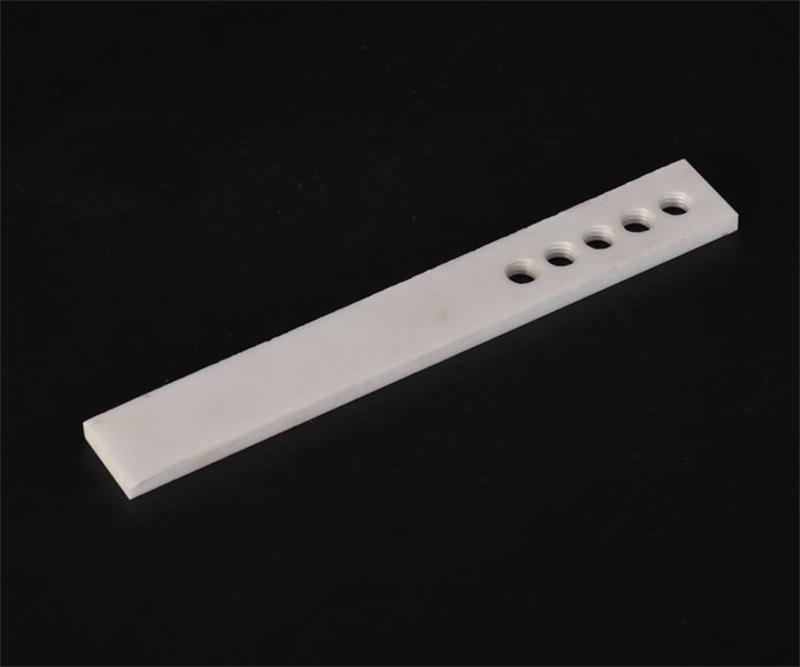
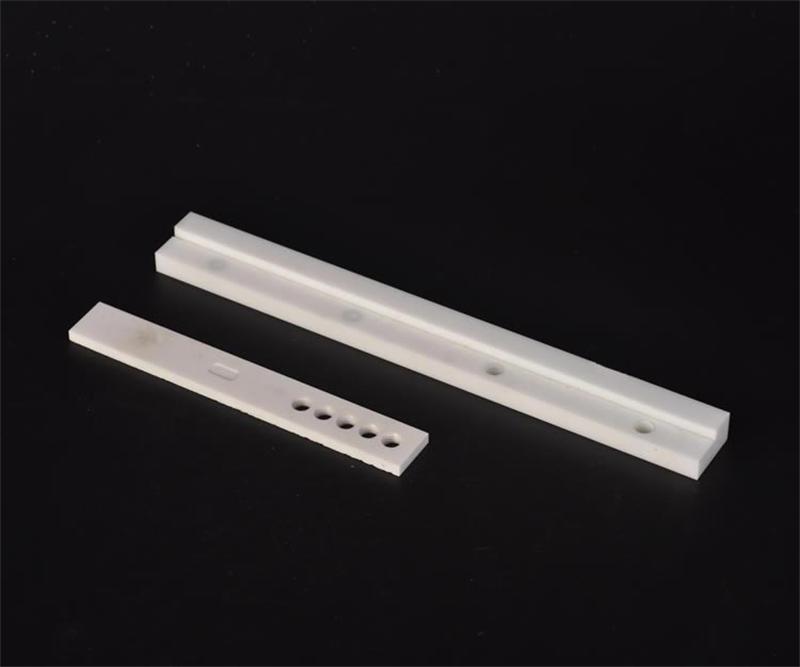
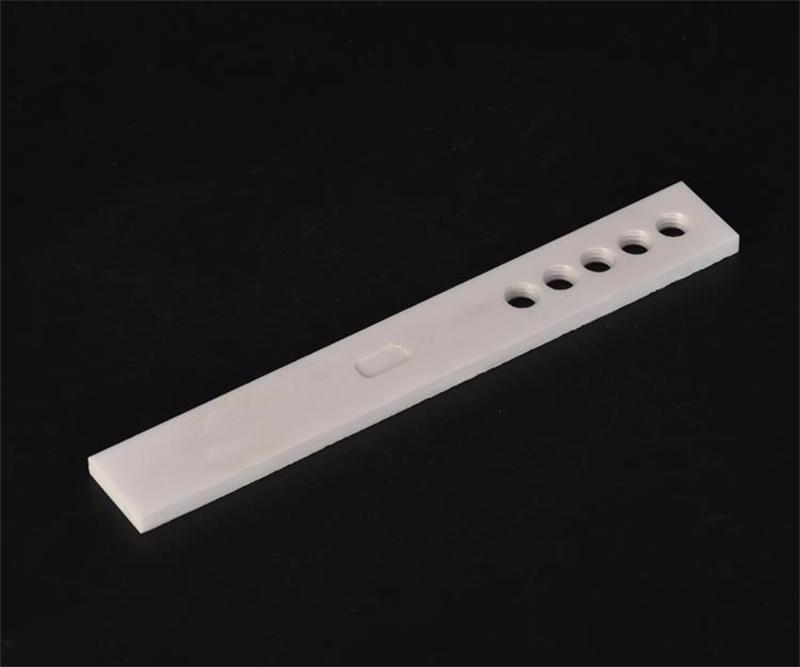
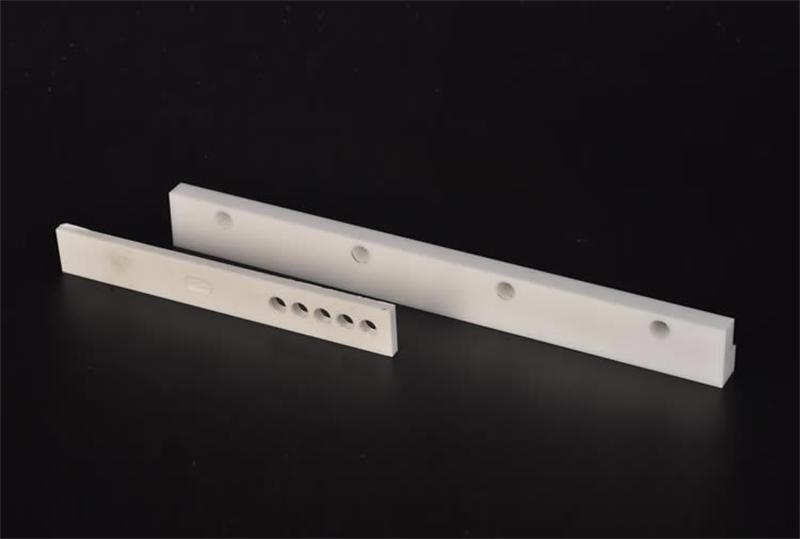
Zirconia ceramic temperature measurement plate is a flat or plate-shaped ceramic component made primarily from zirconium dioxide. These plates are typically used as supports, carriers, substrates, or reference surfaces in high-temperature equipment. In thermal testing and furnace applications, they may hold thermocouples, support test specimens, or serve as protective surfaces that experience repeated heating and cooling cycles.
The term “temperature measurement plate” does not refer to a single standardized product. Instead, it describes a functional application form. The actual performance depends on material composition, stabilization method, density, surface finish, and manufacturing process.
Why Zirconia Is Suitable for High-Temperature Use
Pure zirconia undergoes phase transformations during heating and cooling, which can cause volume changes and cracking. To make it usable in engineering applications, zirconia is usually stabilized with oxides such as yttria, magnesia, or calcia. Yttria-stabilized zirconia is among the most common forms used in advanced ceramic components.
Stabilization improves dimensional stability and reduces the risk of phase-change-related failure. Combined with high melting point characteristics and relatively low thermal conductivity, stabilized zirconia can maintain structural integrity in demanding thermal environments. This makes it more suitable than many oxide ceramics when mechanical loading, wear resistance, and thermal durability are required together.
Key Performance Characteristics
Zirconia ceramic plates used in thermal environments typically offer:
High temperature resistance: Suitable for continuous use in many industrial heating processes, depending on grade and atmosphere.
Low thermal conductivity: Helps reduce heat transfer to supporting structures and improves thermal isolation.
Good mechanical strength: Zirconia generally has higher flexural strength and fracture toughness than alumina at room temperature.
Wear resistance: Dense zirconia surfaces can resist abrasion better than many conventional ceramics.
Chemical stability: Resistant to many molten metals, slags, and oxidizing environments, though performance varies with contaminants and temperature.
Low electrical conductivity at moderate temperatures: Allows use in certain electrically insulated high-temperature setups.
However, these properties are not universal. Partially stabilized zirconia, fully stabilized zirconia, and different yttria contents will behave differently. Density also matters: near-theoretical density usually improves strength, wear resistance, and thermal performance.
Typical Applications
Zirconia ceramic temperature measurement plates are commonly used in:
Furnace testing and calibration: As a stable surface for placing sensors, thermocouples, or reference samples.
High-temperature material testing: Supporting specimens during thermal cycling, sintering trials, or creep evaluation.
Thermal barrier environments: Where low thermal conductivity and structural support are both needed.
Molten metal handling: In certain non-reactive contact applications, due to zirconia’s resistance to many metallic melts.
Combustion and sensor-related assemblies: Zirconia’s ionic conductivity at very high temperatures makes it relevant in oxygen-sensing contexts, although temperature measurement plates are not necessarily designed as sensor elements.
The suitability for each application depends on operating temperature, atmosphere, mechanical load, and whether the plate contacts molten materials, gases, or refractory linings.

Advantages Over Other Ceramics
Compared with alumina, zirconia usually provides higher fracture toughness and better resistance to mechanical shock at room temperature. This can be important when plates are handled frequently or subjected to localized stress. Compared with silicon carbide, zirconia generally has lower thermal conductivity, which may be advantageous when thermal isolation is required.
However, zirconia is not always superior. Alumina may be preferred when higher hardness, better oxidation stability at very high temperatures, or lower cost is more important. Silicon carbide may be a better choice when high thermal conductivity, extreme thermal shock resistance, or high-temperature strength in oxidizing atmospheres is required.
Limitations and Engineering Precautions
Zirconia ceramic plates still have important limitations:
Brittleness: Like most ceramics, zirconia can fracture under impact or uneven loading.
Thermal shock sensitivity: Although some zirconia grades perform well, rapid temperature changes can still cause cracking.
Low-temperature degradation: Certain yttria-stabilized zirconia materials may be susceptible to aging in moist environments at moderate temperatures.
Phase stability limits: Performance depends on stabilizer type and content; not all zirconia grades are suitable for the same temperature range.
Machining difficulty: Final dimensions are usually achieved before sintering, and post-sintering machining is costly.
Engineers should verify the exact grade, maximum service temperature, atmosphere compatibility, and dimensional tolerances before selection. A zirconia plate that performs well in an oxidizing furnace may not be suitable for reducing atmospheres or direct contact with certain reactive melts.
When to Select Zirconia Ceramic Temperature Measurement Plates
Zirconia plates are worth considering when the application requires:
A dense, strong ceramic surface at elevated temperature;
Better toughness than alumina;
Lower thermal conductivity than silicon carbide;
Good wear resistance combined with thermal stability;
A non-metallic component that can survive repeated heating cycles.
If the main requirement is extreme thermal shock resistance, high thermal conductivity, or very high-temperature structural performance above the safe range of stabilized zirconia, other ceramics such as silicon carbide or specialized refractories may be more appropriate.
FAQ
What is a zirconia ceramic temperature measurement plate used for?
It is typically used as a high-temperature support, carrier, or reference surface in furnaces, thermal tests, and measurement setups where stability, insulation, and mechanical strength are needed.
Is zirconia suitable for continuous high-temperature service?
Stabilized zirconia can operate at high temperatures, but the safe range depends on composition, density, and atmosphere. It is not automatically suitable for every extreme-temperature application.
How does zirconia compare with alumina for high-temperature plates?
Zirconia generally offers higher fracture toughness and better mechanical strength at room temperature, while alumina often provides higher hardness, better oxidation stability, and lower cost.
Can zirconia ceramic plates resist thermal shock?
Some zirconia grades have moderate thermal shock resistance, but they are not as tolerant as certain silicon carbide or specialized refractory materials. Rapid heating or cooling should be avoided unless the grade is confirmed suitable.
Is zirconia electrically insulating?
At low and moderate temperatures, stabilized zirconia behaves as an electrical insulator. At very high temperatures, it can exhibit ionic conductivity, which is why zirconia is used in certain oxygen-sensor applications.
What should engineers check before selecting a zirconia plate?
Key factors include stabilization type, operating temperature, atmosphere, mechanical load, thermal cycling frequency, contact materials, dimensional tolerances, and whether low-temperature degradation could affect service life.