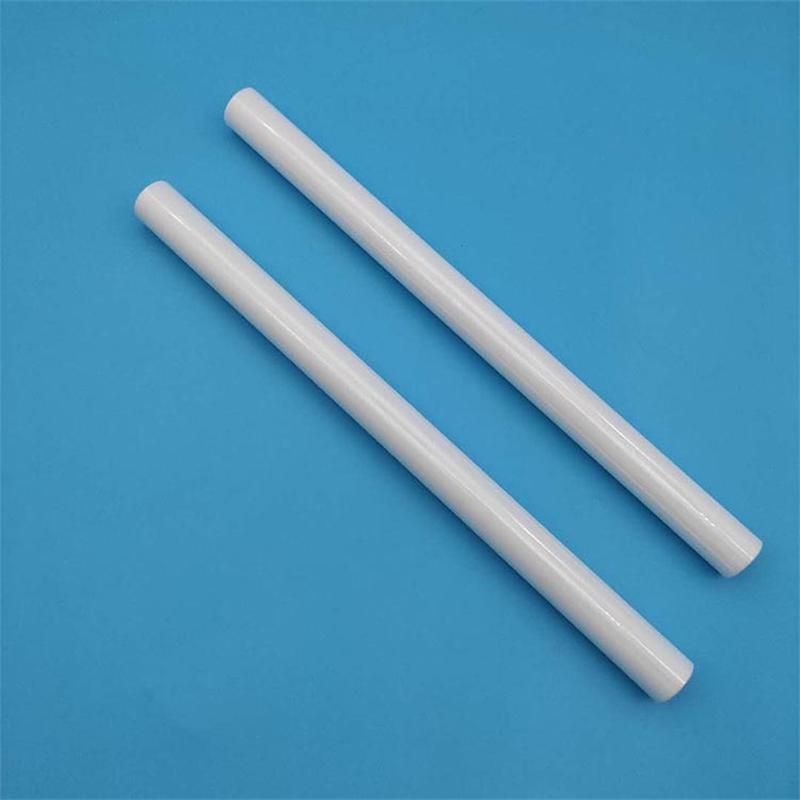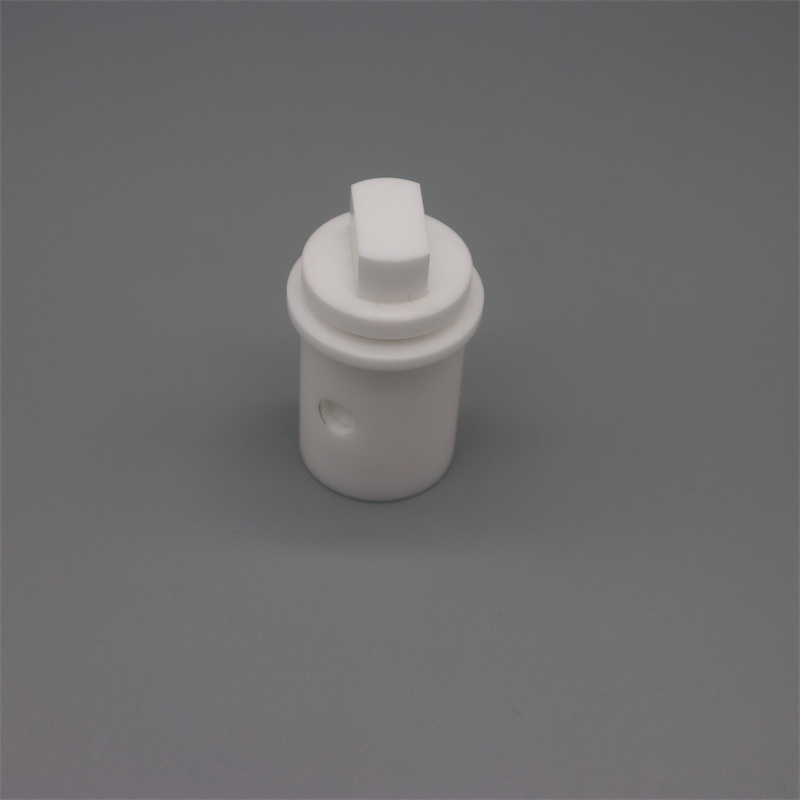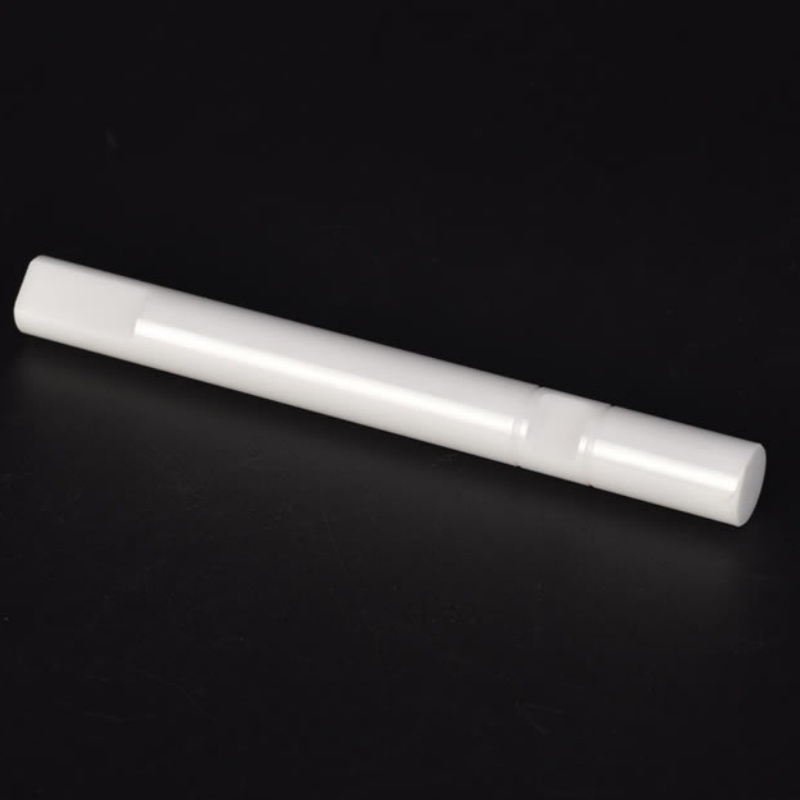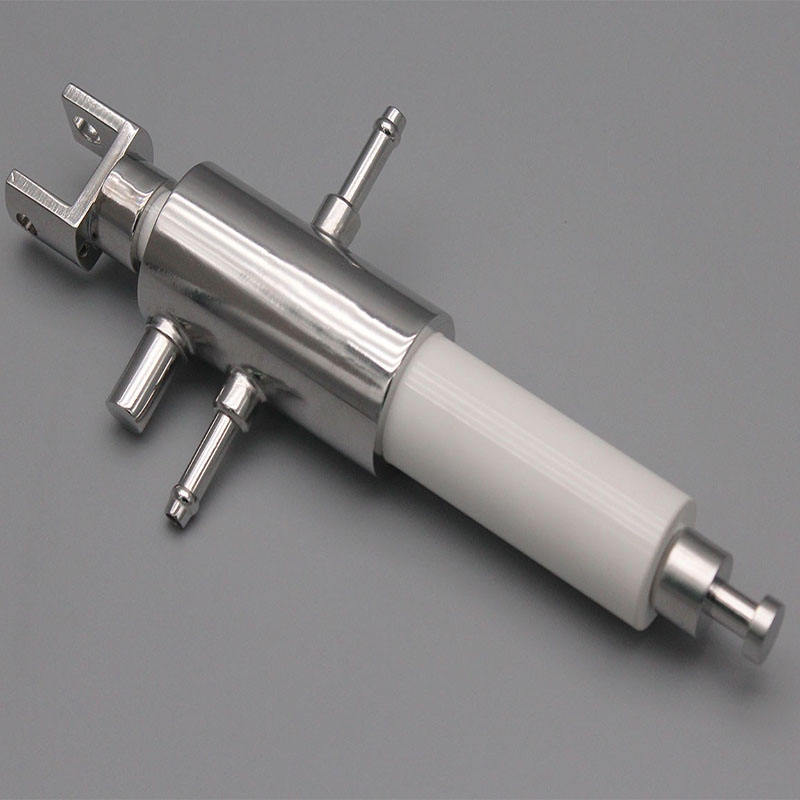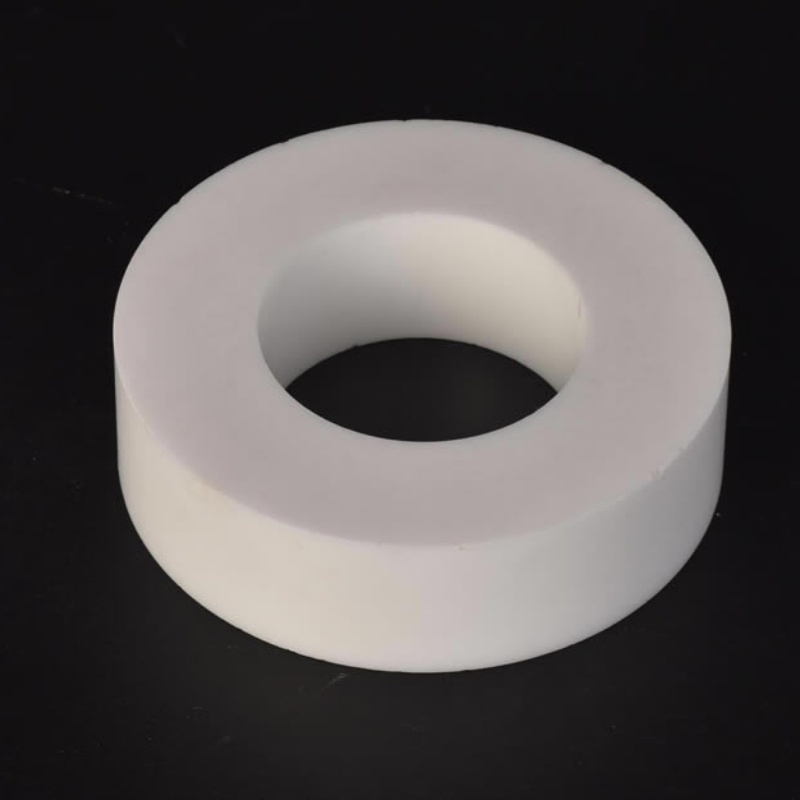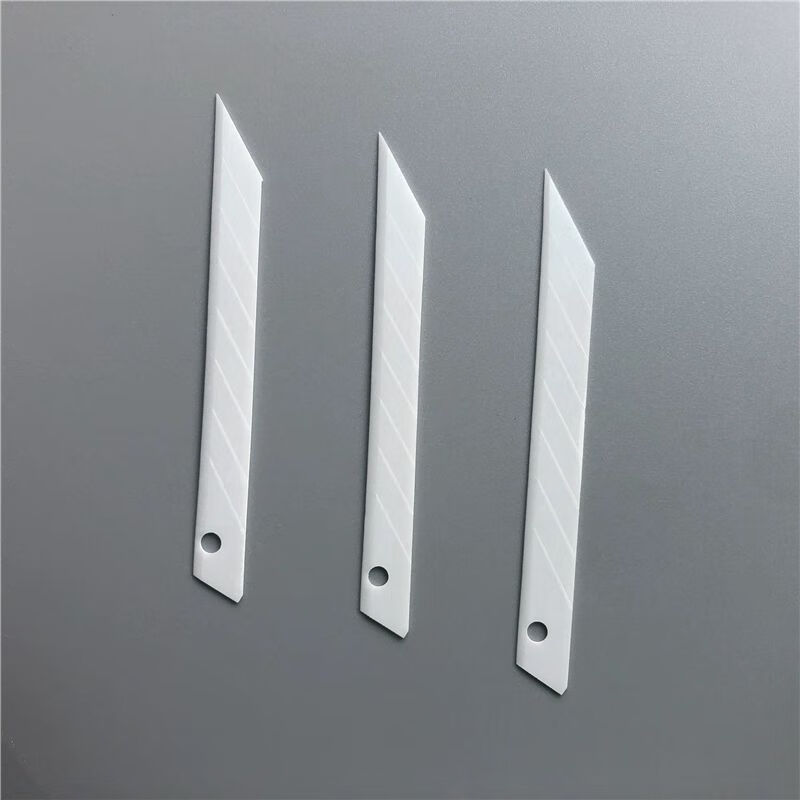
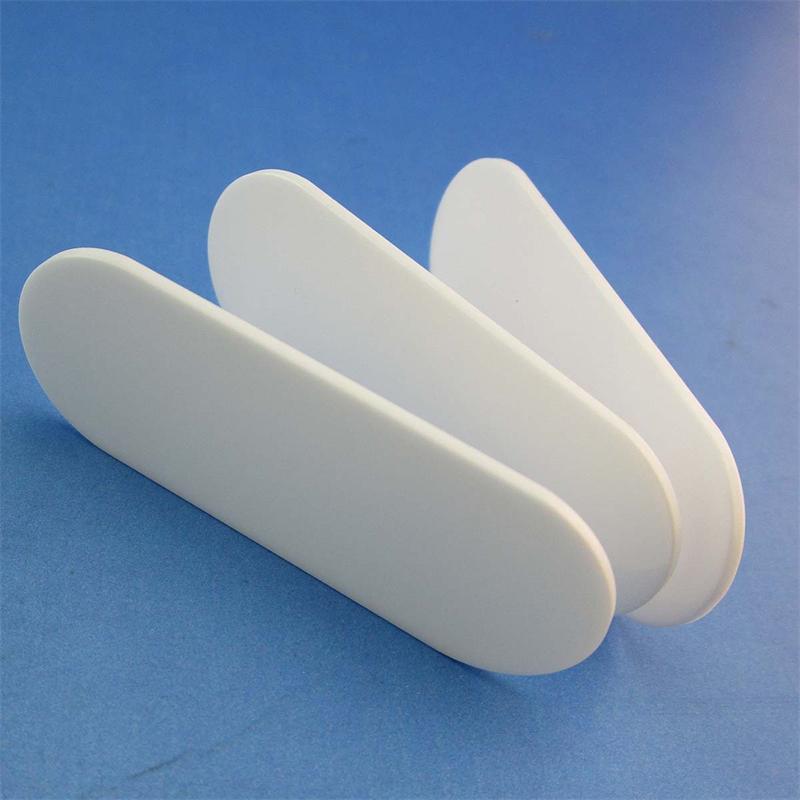
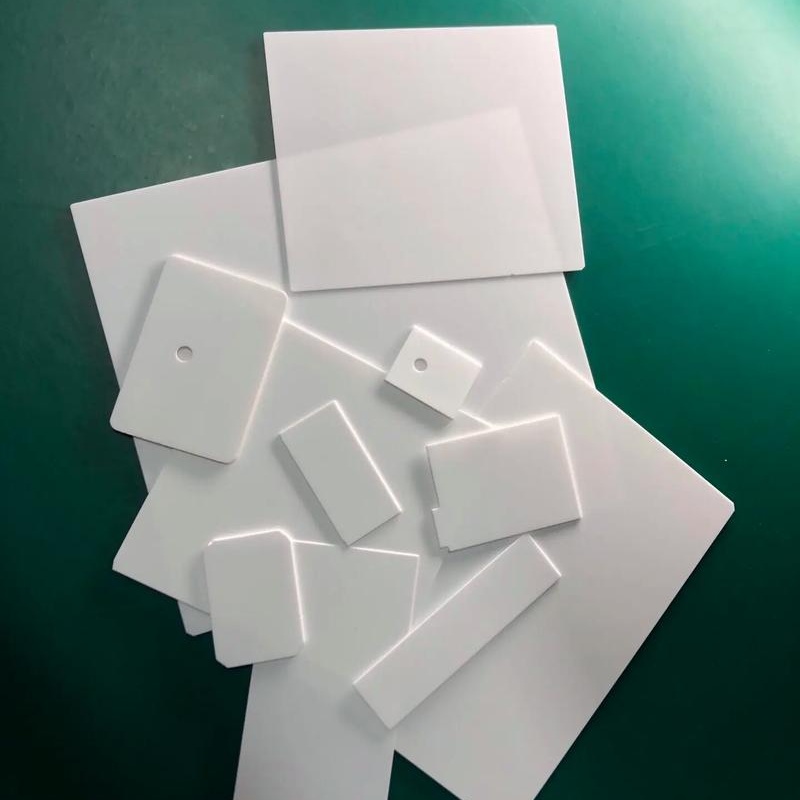
Zirconia Ceramic Substrates
What Is Zirconia Ceramic Substrate?
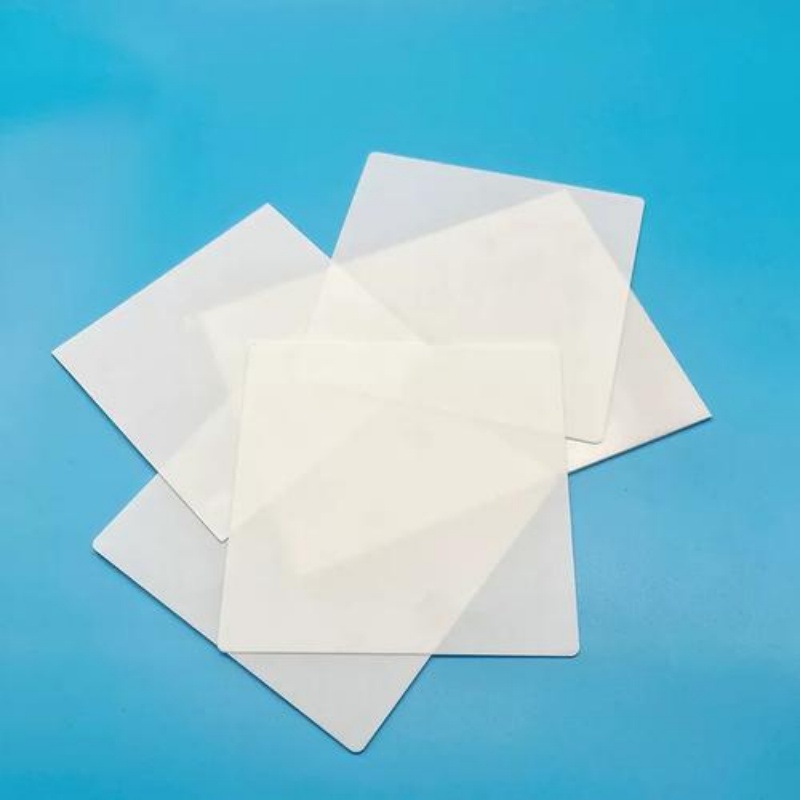
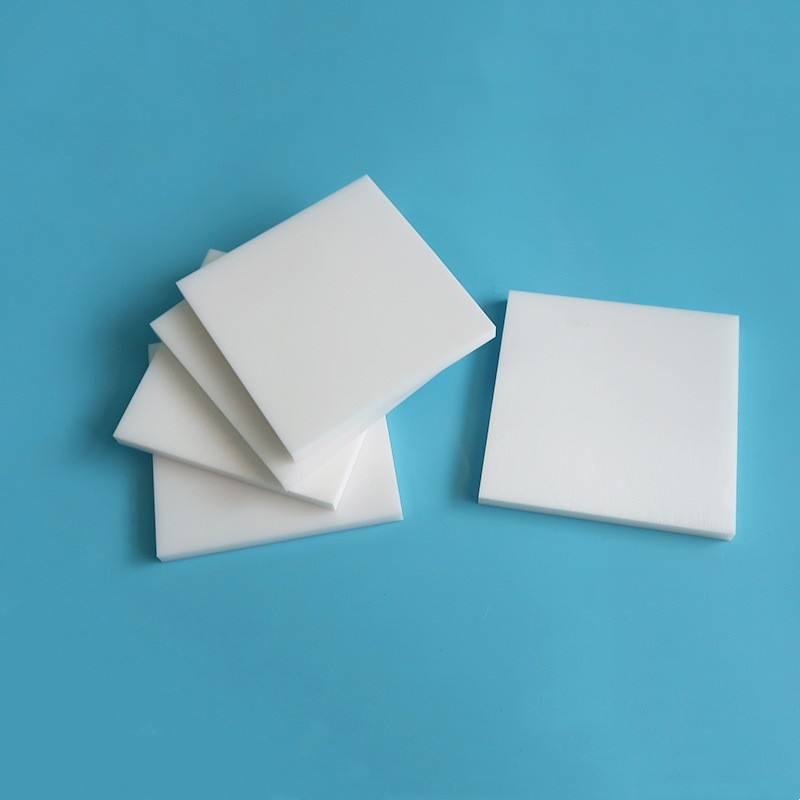
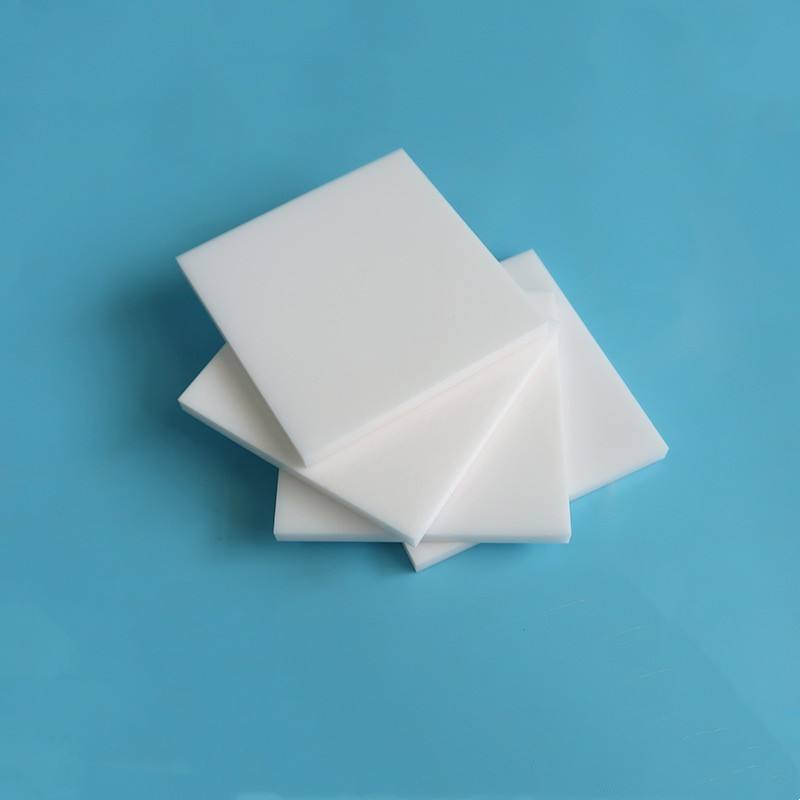
Zirconia ceramic substrates are thin, flat components made from zirconium dioxide (ZrO₂), a highly engineered advanced ceramic material. In its pure form, zirconia undergoes a troublesome phase transformation at elevated temperatures, which can lead to cracking. To stabilize the material for practical use, manufacturers add small amounts of oxides like yttria (Y₂O₃) or magnesia (MgO). This creates yttria-stabilized zirconia (YSZ), the most common form used in substrate applications .
This material belongs to the family of technical ceramics and is valued for a combination of properties not found together in most other materials: exceptional mechanical strength, high fracture toughness, good electrical insulation, and significant oxygen ion conductivity at high temperatures . It is this specific blend of characteristics that has made zirconia a material of intense interest for engineers designing components for demanding applications in electronics, energy, and industrial equipment.
Key Properties of Zirconia Ceramic Substrates
Understanding the properties of a material is the first step in effective engineering design. For zirconia substrates, several key performance characteristics stand out.
High Mechanical Strength and Fracture Toughness
Compared to other ceramics like alumina, zirconia exhibits superior flexural strength and fracture toughness, often two to three times higher . This is primarily due to a phenomenon known as transformation toughening. When a crack begins to propagate, the stress at the crack tip causes a local phase transformation in the zirconia, which expands the material and puts the crack into compression, effectively arresting its growth. This makes zirconia substrates more resistant to cracking and chipping than many other technical ceramics .
Excellent Wear and Corrosion Resistance
With high hardness, typically around 1200 HV, zirconia substrates are highly resistant to abrasive wear and sliding friction . They are also chemically inert and exhibit strong resistance to corrosion from most acids, alkalis, and other aggressive chemicals, making them suitable for harsh processing environments.
Thermal and Electrical Properties
Zirconia is a good electrical insulator. It also maintains its mechanical properties at high temperatures and can operate continuously in atmospheres up to about 1000°C . However, its thermal conductivity is relatively low (~2.7 W/mK), which is a critical factor in thermal management design . Another unique property of YSZ is its high ionic conductivity at elevated temperatures, which is fundamental to its use in specific energy applications .
Typical Specifications and Grades
Zirconia ceramic substrates are available in several grades, each optimized for different applications.
– 3 mol% Yttria-Stabilized Zirconia (3YSZ): This is the most widely used grade for structural and mechanical applications. It contains approximately 3 mol% yttria, which provides the highest strength and toughness. Thin films of 3YSZ can be made flexible . Typical flexural strengths are around 1 GPa, with some forms reaching higher values .
– 8 mol% Yttria-Stabilized Zirconia (8YSZ): This grade contains a higher yttria content, which stabilizes the cubic phase of zirconia. While it has lower mechanical strength than 3YSZ, it has superior oxygen ion conductivity, making it the preferred material for electrolytes in solid oxide fuel cells (SOFCs) and oxygen sensors .
– Zirconia-Toughened Alumina (ZTA): This is a composite material where zirconia particles are dispersed in an alumina matrix. ZTA offers a balanced property set, significantly improving the fracture toughness of standard alumina while maintaining high thermal conductivity and electrical insulation .
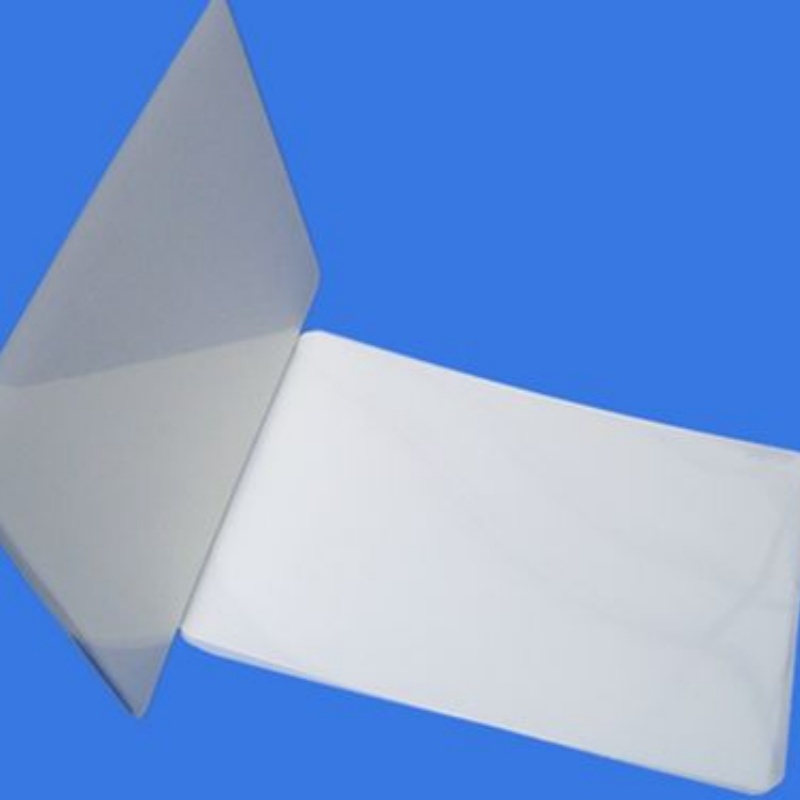
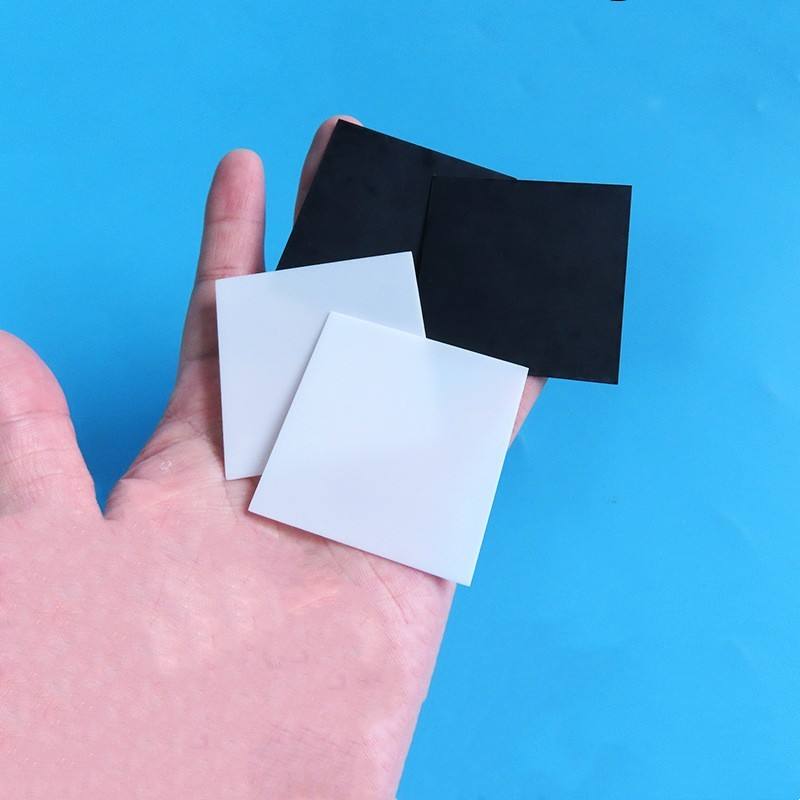
Substrates are manufactured in various forms, including thin sheets, wafers, and ribbons, with thicknesses ranging from as thin as 20 µm for flexible electronics to several millimeters for structural components . Surface finishes can range from as-fired to highly polished with very low roughness (e.g., Ra ~20 nm) for optical or semiconductor applications .
Common Applications
The unique combination of properties makes zirconia ceramic substrates indispensable in several high-technology industries.
– Electronics and Semiconductors: In semiconductor test equipment, black zirconia substrates are used to create fixtures with stable surface resistivity (~10¹² Ω/sq) and low reflectance (<0.3%), preventing back-scatter interference in precision optics. Their wear resistance extends the life of test fixtures significantly .
– Energy Sector: The high ionic conductivity of 8YSZ at high temperatures is exploited in solid oxide fuel cells (SOFCs) and solid oxide electrolysis cells (SOECs) for efficient energy conversion and hydrogen production .
– Sensors and Precision Instrumentation: Zirconia’s stability and ionic properties are key to its use in oxygen sensors for automotive and industrial applications. Its chemical inertness and mechanical stability make it an ideal substrate for harsh environment sensors .
– Aerospace and Medical: Components in aerospace, such as those in turbine engines, benefit from its high-temperature stability and wear resistance. In the medical field, zirconia is used for specific components due to its biocompatibility, though this is less common in substrate form .
Advantages and Limitations
As with any engineering material, it is crucial to consider both the advantages and the limitations of zirconia ceramic substrates.
Advantages:
– High Strength and Toughness: Its resistance to fracture surpasses that of most other monolithic ceramics .
– Wear and Corrosion Resistance: Excellent performance in abrasive and chemically aggressive environments .
– High-Temperature Stability: Maintains mechanical integrity up to ~1000°C .
– Unique Ionic Properties: YSZ is a key material for solid-state electrochemical devices .
– Electrical Insulation: Good dielectric properties for electronic applications .
Limitations:
– Brittleness: Despite its high toughness, zirconia is still a ceramic and will fail in a brittle manner if stress exceeds a critical threshold .
– Machining Difficulty: Its extreme hardness makes post-sintering machining difficult and expensive, requiring diamond tooling .
– Cost: The raw materials and complex manufacturing processes make zirconia substrates significantly more expensive than alumina alternatives .
– Thermal Conductivity: Low thermal conductivity can be a drawback in applications where rapid heat dissipation is required .
Zirconia Ceramic Substrates vs. Other Materials
The choice between materials is always context-dependent. Here is a general comparison to help guide selection.
Zirconia vs. Alumina
– Alumina (Al₂O₃) is the most widely used and cost-effective ceramic substrate material . It offers good electrical insulation and high thermal conductivity (~24 W/mK).
– Zirconia offers much higher mechanical strength and fracture toughness, but at a higher cost and with lower thermal conductivity .
– Selection: Choose alumina for cost-sensitive, general-purpose electronic applications where high thermal conductivity is needed. Choose zirconia for applications involving high mechanical loads, significant wear, or where its unique ionic properties are required.
Zirconia vs. Aluminium Nitride
– Aluminium Nitride (AlN) is prized for its exceptionally high thermal conductivity (~170 W/mK), making it the best choice for high-power electronic thermal management.
– Zirconia has a significant advantage in mechanical strength and toughness.
– Selection: Choose AlN when thermal management is the primary design constraint. Choose zirconia when mechanical robustness, wear resistance, or its specific ionic properties are paramount .
How to Select the Right Ceramic Material
Selecting a ceramic substrate for a specific application involves a systematic analysis of the operating environment. A good starting point is to identify the primary function of the substrate (e.g., electrical circuit carrier, mechanical support, sensing element, or solid electrolyte). The following factors should then be considered:
1. Mechanical Load: Will the substrate be subjected to high static loads, vibrations, or impacts? Zirconia’s high fracture toughness makes it ideal for dynamic or high-stress environments.
2. Thermal Management: Is the application a high-power device that generates significant heat? If so, a material with high thermal conductivity like AlN or alumina might be more suitable than zirconia.
3. Operating Temperature: For applications above 1000°C, the long-term stability of the chosen zirconia grade must be verified.
4. Chemical Environment: Is the substrate exposed to corrosive chemicals? Both zirconia and alumina are highly resistant to many chemicals, but compatibility should always be verified.
5. Dimensional Tolerances: The requirement for precise flatness, surface roughness, and features like vias will influence the choice of machining process and add to the cost.
FAQ
What are the main advantages of using a zirconia ceramic substrate?
The primary advantages are its exceptional fracture toughness and mechanical strength, which are significantly higher than most other ceramics. This is combined with good wear resistance, corrosion resistance, and, for specific grades, high ionic conductivity at elevated temperatures. Its “bendable” nature in thin-film form also offers unique mechanical design possibilities .
What are zirconia ceramic substrates commonly used for?
They are used in a diverse range of applications. Key examples include fixtures for semiconductor testing, electrolytes in solid oxide fuel cells (SOFCs), substrates for oxygen sensors, components in laser optical alignment systems, and high-wear components in industrial machinery .
How does a zirconia substrate compare to an alumina substrate?
Alumina is a good, low-cost general-purpose ceramic with higher thermal conductivity. Zirconia, while more expensive, offers far superior strength and fracture toughness, making it the better choice for mechanically demanding applications where alumina might fail. The choice depends on whether cost, thermal performance, or mechanical robustness is the primary driver .
Is zirconia ceramic suitable for high-temperature applications?
Yes, it can be used in continuous operating temperatures up to approximately 1000°C. However, its performance can be affected by the specific environment (e.g., oxidizing or reducing). It is crucial to select the correct yttria-stabilized grade (e.g., 3YSZ vs. 8YSZ) as their properties at high temperatures differ significantly .
What should I consider when selecting a zirconia substrate for my application?
The primary considerations are the operating temperature, the mechanical loads, the chemical environment, and the need for specific electrical or thermal properties. Dimensional tolerances, such as flatness and surface finish requirements, will also affect the feasibility and cost .