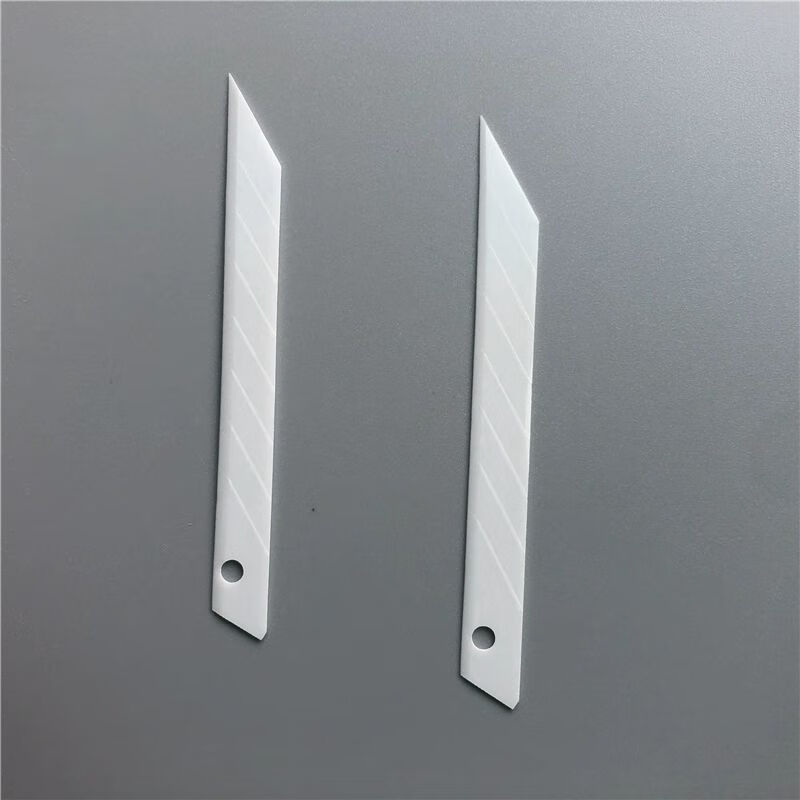
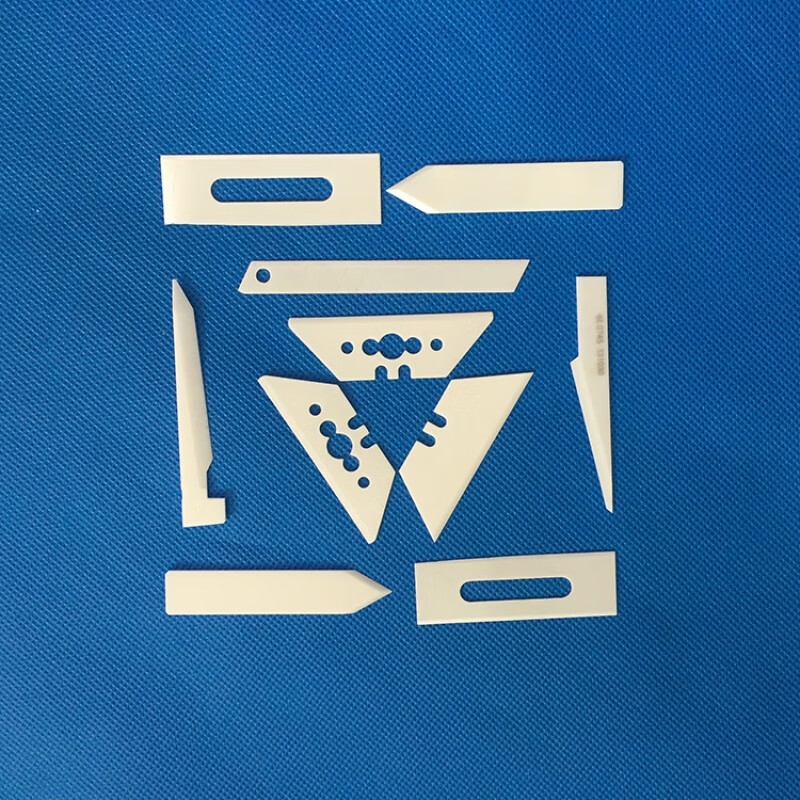
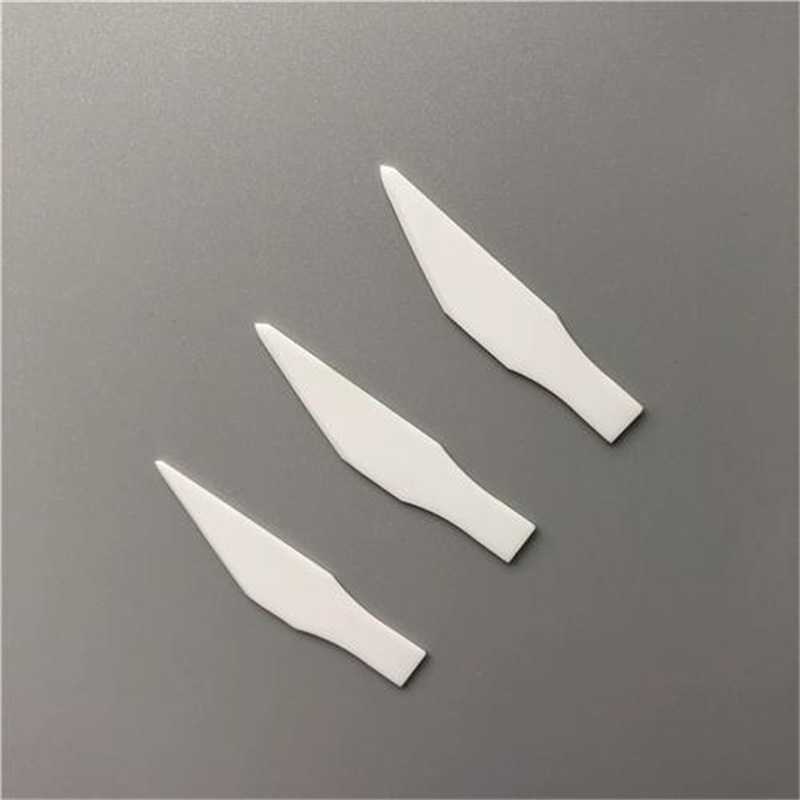
Aluminum Oxide Ceramic Cutting Tools
Aluminum oxide (Al₂O₃), commonly known as alumina, is one of the most widely used oxide ceramic materials in advanced manufacturing. In the cutting tool industry, aluminum oxide ceramic cutting tools are valued for their exceptional hardness, high-temperature stability, and chemical inertness. These properties make them ideal for high-speed machining of hard and abrasive materials, especially in continuous cutting operations.
Unlike carbide tools, alumina ceramics maintain their hardness at elevated temperatures. This red hardness allows them to operate effectively in dry or near-dry cutting environments, reducing reliance on coolant and supporting sustainable manufacturing practices.
What Are Aluminum Oxide Ceramic Cutting Tools?
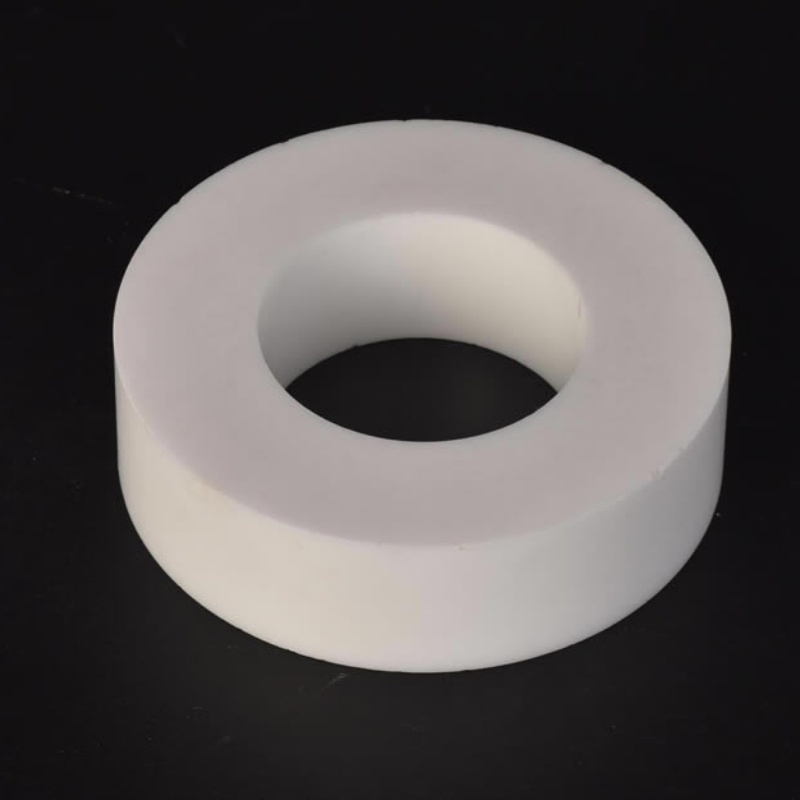
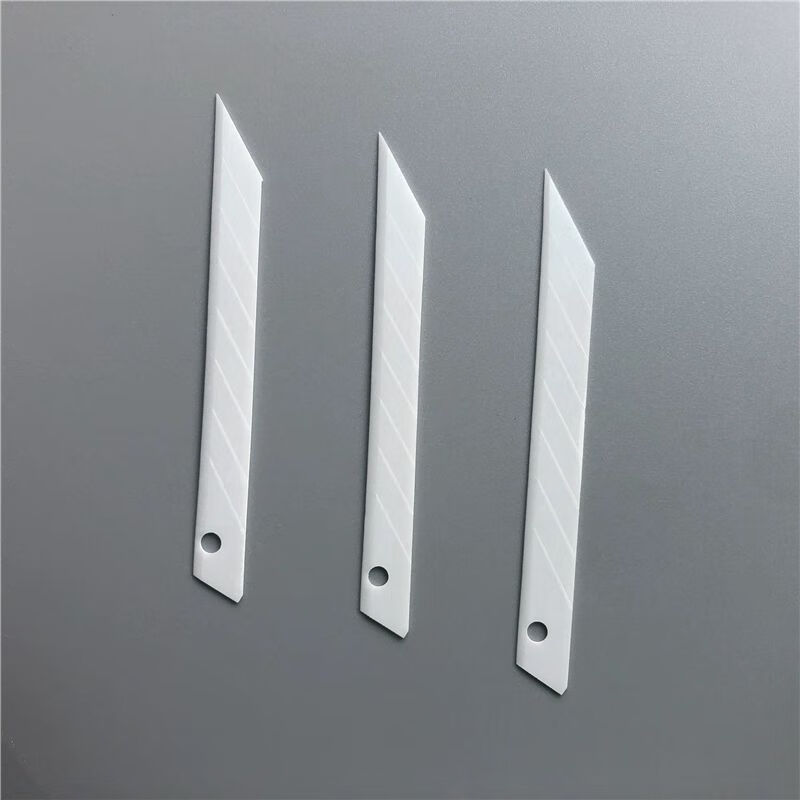
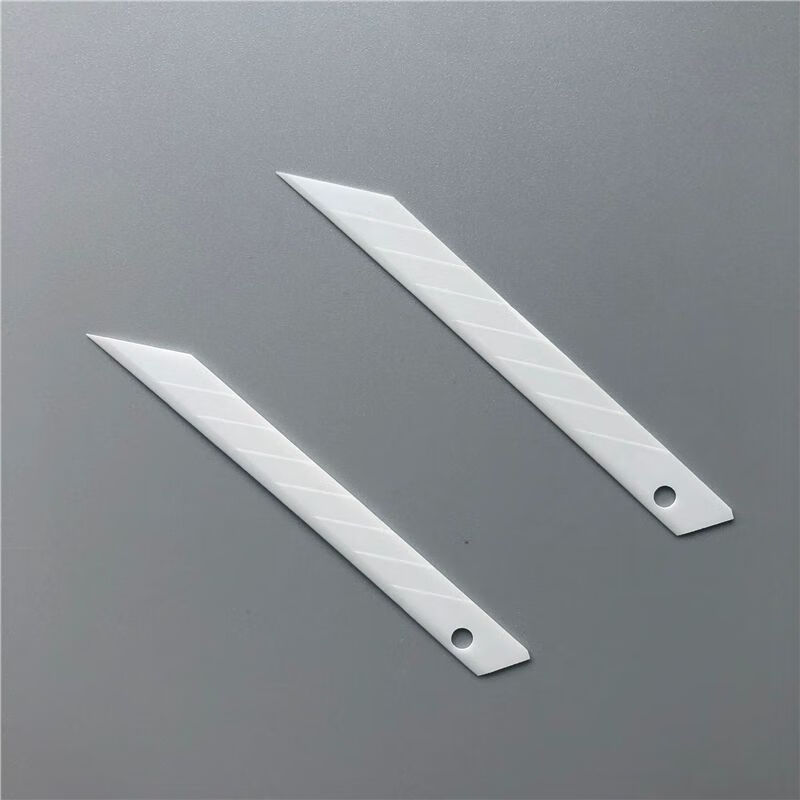
Aluminum oxide ceramic cutting tools are made primarily from high-purity Al₂O₃ powder, typically sintered at temperatures above 1600°C. The resulting dense polycrystalline structure provides a Mohs hardness of 9 and a Vickers hardness approaching 2000 HV. These tools are manufactured in standard insert geometries (such as CNMG, SNMG, or TNMG) and are used in turning, boring, and sometimes milling applications.
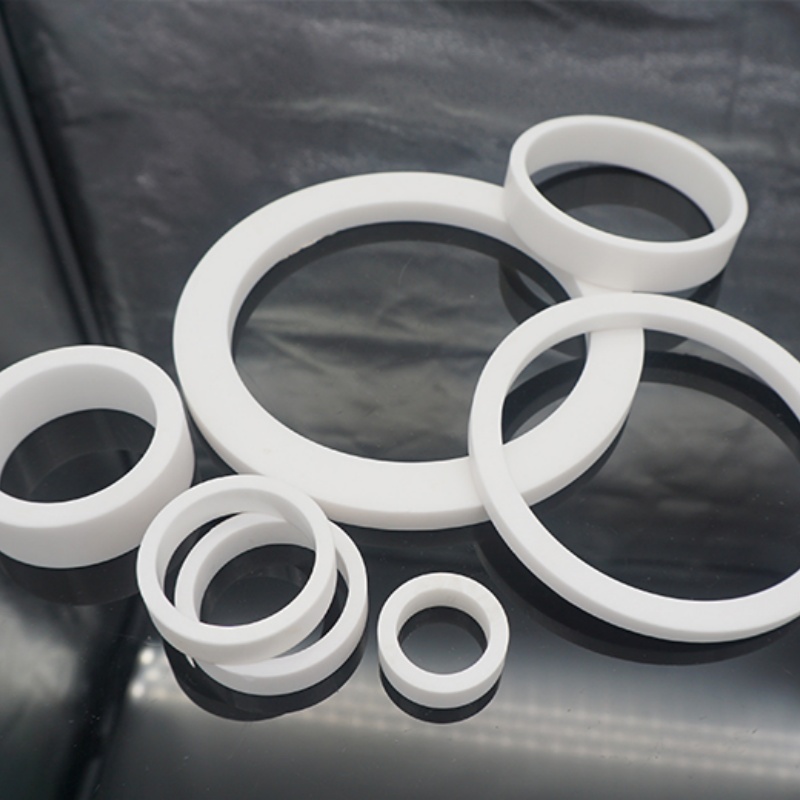
Pure alumina tools are often referred to as “white ceramics” in the industry, distinguishing them from black ceramics (Al₂O₃–TiC composites) or whisker-reinforced grades.
Key Performance Characteristics
Extreme Hardness and Wear Resistance
Alumina ceramic tools exhibit hardness values near HV 2000, significantly higher than cemented carbide. This translates to superior abrasive wear resistance, particularly when machining cast iron, hardened steels, and other difficult-to-cut materials. Tool life can be several times longer than carbide under optimal conditions.
High-Temperature Stability
Alumina ceramics retain high hardness at temperatures up to 1000–1200°C, maintaining approximately HRA 80 even at these extremes. In contrast, cemented carbide begins to soften significantly above 500°C. This thermal stability enables cutting speeds of 300–1000 m/min, far exceeding conventional carbide tool capabilities.
Chemical Inertness
Al₂O₃ has low affinity for ferrous metals, minimizing built-up edge formation and diffusion wear during steel machining. This chemical stability is a major advantage over carbide tools, which can suffer from crater wear due to chemical reactions at the tool–chip interface.
Low Friction Coefficient
The smooth ceramic surface reduces cutting forces and heat generation, contributing to better surface finish quality. Workpiece surface roughness values of Ra 0.2–0.4 μm are achievable in finishing operations.
Common Grades and Modifications
Pure alumina, while extremely hard, has relatively low fracture toughness. To address this limitation, several modified grades have been developed:
Zirconia-Toughened Alumina (ZTA)
Adding 3–12 vol% zirconium oxide (ZrO₂) introduces transformation toughening, where stress-induced phase changes in ZrO₂ particles absorb crack energy. This improves fracture toughness and reduces the risk of catastrophic failure.
Alumina–Titanium Carbide (Al₂O₃–TiC)
Also known as “black ceramic,” this grade incorporates 20–30 wt% TiC, significantly improving flexural strength and thermal shock resistance compared to pure alumina. It is suitable for machining hardened steels up to HRC 65 and offers better performance in interrupted cuts.
Whisker-Reinforced Alumina (Al₂O₃–SiCw)
Silicon carbide whiskers (typically 20–30 vol%) are embedded in the alumina matrix, providing crack deflection and bridging mechanisms. These tools exhibit dramatically improved toughness and can withstand intermittent cutting, making them suitable for roughing operations on superalloys and hardened materials.
Micro-Nano Composite Alumina
Advanced grades incorporate nano-sized TiC, ZrO₂, or other dispersoids alongside micron-scale alumina grains. Grain refinement and multi-scale reinforcement can raise flexural strength above 900 MPa while maintaining hardness above 20 GPa.
Typical Applications
Aluminum oxide ceramic cutting tools excel in the following applications:
High-speed turning of gray cast iron and ductile iron, such as engine blocks, cylinder heads, and brake discs. Cutting speeds of 500–800 m/min are common, with metal removal rates significantly higher than carbide.
Hard turning of quenched steels (HRC 45–65), including bearing rings, gear shafts, and die components. Alumina ceramics can replace grinding operations in many cases, reducing cycle time and cost.
Machining of nickel-based superalloys (e.g., Inconel 718), particularly with whisker-reinforced grades that resist the high cutting temperatures generated by these materials.
Boring of cast iron housings, where the high compressive strength of alumina provides excellent dimensional stability.
Alumina tools are generally not recommended for machining aluminum, magnesium, titanium, or their alloys. The high cutting temperatures can cause chemical reactions or ignition risks with these reactive metals.

Advantages and Limitations
Advantages:
Cutting speeds 2–10 times higher than cemented carbide
Excellent wear resistance and long tool life in continuous cutting
Superior red hardness up to 1200°C
Chemical inertness reduces built-up edge
Suitable for dry cutting, supporting green manufacturing
Can achieve fine surface finishes without secondary grinding
Limitations:
Low fracture toughness makes them susceptible to chipping under impact
Poor thermal shock resistance; rapid cooling (e.g., flood coolant) can cause cracking
Not suitable for interrupted cutting unless using whisker-reinforced or ZTA grades
Requires rigid machine tools with precise clamping to avoid vibration
Higher initial cost compared to standard carbide inserts
Material Selection: Alumina vs. Alternatives
When selecting cutting tool materials, engineers should consider the workpiece material, cutting conditions, and required surface quality:
Alumina vs. Silicon Nitride (Si₃N₄): Silicon nitride offers superior fracture toughness and thermal shock resistance, making it better suited for interrupted cutting and milling of cast iron. Alumina provides higher hardness and better chemical stability for continuous turning of hardened steels.
Alumina vs. Cubic Boron Nitride (CBN): CBN offers higher hot hardness (up to 2000°C) and better impact resistance, making it the preferred choice for hardened steels above HRC 55, especially in interrupted cuts. However, alumina ceramics offer a more cost-effective solution for continuous hard turning in the HRC 45–60 range.
Alumina vs. Cemented Carbide: Carbide remains the go-to choice for general-purpose machining due to its toughness and versatility. Alumina ceramics outperform carbide in high-speed, continuous finishing of hard materials but require more rigid setups and careful parameter selection.
Practical Selection Guidelines
Use pure alumina or ZTA grades for continuous high-speed finishing of gray cast iron and hardened steels where impact is minimal.
Choose Al₂O₃–TiC (black ceramic) when machining hardened steels up to HRC 65 or when moderate interruption occurs.
Select whisker-reinforced alumina for roughing superalloys, interrupted cuts, or applications requiring higher toughness.
Ensure machine rigidity and use positive rake angles (+5° to +10°) to minimize cutting forces.
Avoid flood coolant with pure alumina tools; use dry cutting or minimal quantity lubrication (MQL) to prevent thermal shock.
Optimize cutting parameters: Recommended speeds are 300–1000 m/min, feeds of 0.1–0.3 mm/rev, and light depths of cut for finishing.
Frequently Asked Questions
What is the maximum hardness of materials that alumina ceramic tools can machine?
Alumina ceramic tools are effective for machining materials with hardness up to HRC 65, including quenched steels, chilled cast iron, and certain superalloys. For materials harder than HRC 65, CBN tools may be more appropriate.
Can alumina ceramic tools be used with coolant?
Pure alumina tools have poor thermal shock resistance and should generally be used in dry cutting conditions. Whisker-reinforced and some ZTA grades can tolerate coolant, but dry cutting or MQL is typically recommended to maximize tool life.
Why are alumina tools not suitable for machining aluminum or titanium?
Alumina ceramics generate high cutting temperatures during machining. Aluminum tends to adhere to the tool surface, causing built-up edge and poor surface finish. Titanium has a low ignition point and can react dangerously at the elevated temperatures produced by ceramic tools.
What cutting speeds are recommended for alumina ceramic tools?
Optimal cutting speeds for alumina ceramics range from 300 to 1000 m/min, depending on the grade and workpiece material. Operating at lower speeds can actually reduce tool life due to increased abrasive wear and insufficient thermal softening of the workpiece.
How does the toughness of alumina ceramic compare to carbide?
Alumina ceramics have significantly lower fracture toughness than cemented carbide. While alumina hardness approaches 2000 HV, its fracture toughness is typically 3–4 MPa·m^0.5, compared to 8–12 MPa·m^0.5 for carbide. This is why alumina tools require rigid setups and are best suited for continuous cutting.
What are the typical insert geometries for alumina ceramic tools?
Alumina ceramic inserts are available in standard ISO geometries, including CNMG, SNMG, TNMG, and DNMG shapes. Edge preparation typically includes a small hone or chamfer (0.02–0.04 mm) to reduce chipping risk during initial engagement.