
What Is Polyphenylene Sulfide (PPS)
When searching for engineering plastics capable of withstanding extreme high temperatures, severe corrosion, and high-pressure environments, polyphenylene sulfide (PPS) is often one of the top choices for engineers and procurement professionals. As a semi-crystalline, high-performance thermoplastic, PPS maintains excellent dimensional stability and mechanical strength even under harsh operating conditions above 200°C, thanks to its unique molecular structure featuring alternating benzene rings and sulfur atoms. Whether in lightweight components for the automotive industry or precision parts for semiconductor manufacturing, polyphenylene sulfide (PPS) is replacing metals and thermosetting materials to become an indispensable material solution in modern industry. Drawing on 20 years of industry experience, this article provides an in-depth analysis of the core properties and application selection criteria for this “golden plastic.”
What Is Polyphenylene Sulfide (PPS)?
Polyphenylene sulfide (PPS) is a high-performance, semi-crystalline specialty engineering plastic whose main molecular chain consists of alternating para-positioned benzene rings and sulfide bonds. This regular chemical structure gives it extremely high rigidity and thermal stability.
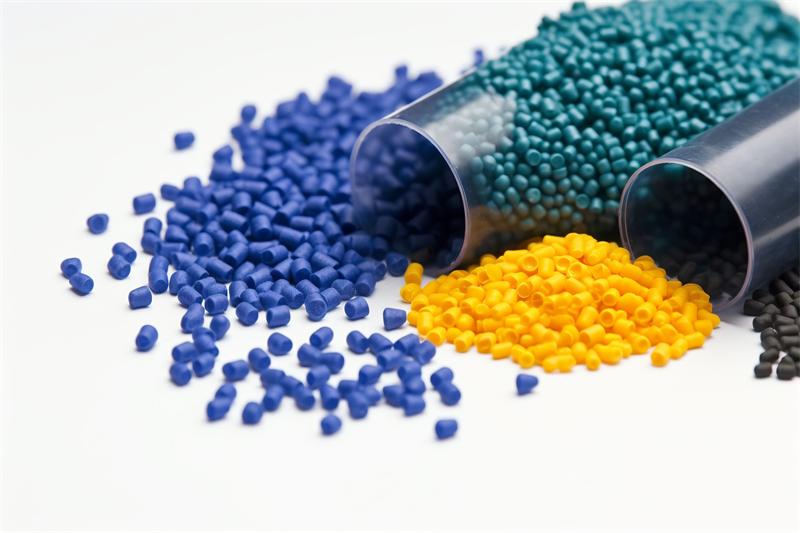
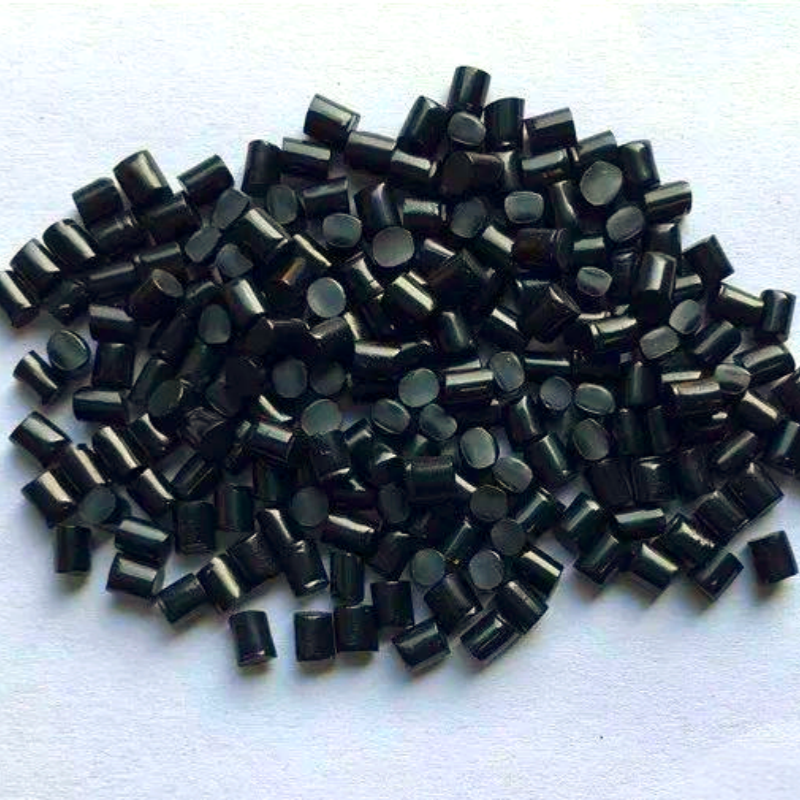
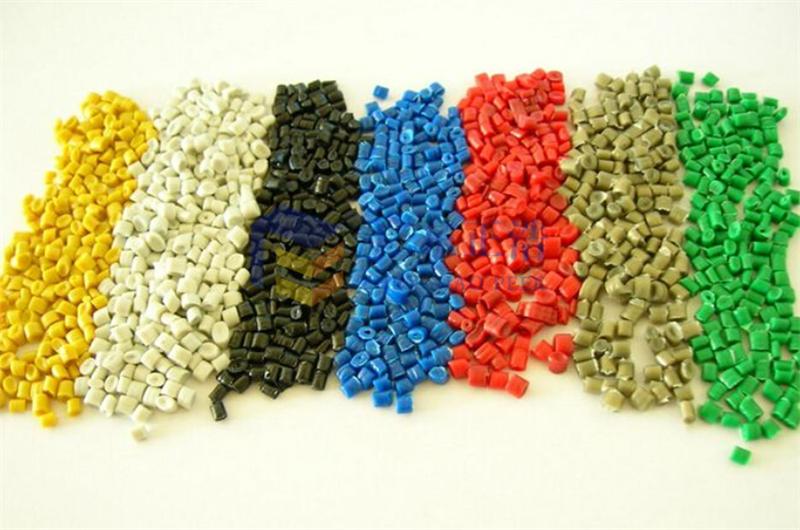
In terms of raw material form, PPS typically appears as a white or off-white, high-flow powder or granule. It is not a single resin but rather a vast family of modified grades. To overcome the drawbacks of pure PPS—such as high brittleness and insufficient strength—over 90% of PPS products on the market are composite materials reinforced with glass fiber (GF), carbon fiber (CF), or polytetrafluoroethylene (PTFE), using polyphenylene sulfide (PPS) as the matrix.
Key Performance Parameters
Thermal Properties
Polyphenylene sulfide (PPS) has a melting point of approximately 285°C, and its heat deflection temperature (HDT) under a load of 1.8 MPa can reach over 270°C (for the 40% GF-reinforced grade). It possesses inherent UL 94 V-0 flame retardancy, with a limiting oxygen index (LOI) as high as 34–52; it does not drip when exposed to fire and self-extinguishes upon removal from the flame.
Mechanical Properties
Maintaining rigidity in high-temperature, high-humidity environments is one of PPS’s key strengths. When reinforced with 40% glass fiber, its tensile strength can reach 190 MPa, and its flexural modulus is approximately 14,000 MPa. It exhibits excellent creep resistance and fatigue endurance; however, in its unmodified state, it has a low elongation at break and exhibits hard and brittle characteristics.
Chemical Resistance
Polyphenylene sulfide (PPS) is virtually unaffected by aliphatic hydrocarbons, aromatic hydrocarbons, chlorinated hydrocarbons, alcohols, and common acids and bases (such as dilute hydrochloric acid). It is difficult to dissolve in organic solvents below 200°C and is one of the few plastics capable of withstanding the highly corrosive environments found in automotive engine compartments and downhole oilfield applications.
Electrical Properties
PPS possesses excellent electrical insulation properties and high volume resistivity, with minimal changes in dielectric constant and dielectric loss even under high-temperature and high-humidity conditions. This makes it an ideal material for high-voltage connectors and IGBT modules.
Wear Resistance
When blended with lubricants such as PTFE and molybdenum disulfide, polyphenylene sulfide (PPS) exhibits excellent self-lubricating properties and wear resistance, making it commonly used in the manufacture of oil-free bearings and mechanical seals.
Dimensional Stability
Polyphenylene sulfide (PPS) has an extremely low water absorption rate (typically <0.05%), enabling the production of components with extremely tight tolerances in precision injection molding, unaffected by ambient humidity.
Typical Applications
Thanks to the performance advantages mentioned above, polyphenylene sulfide (PPS) is widely used in the following fields:
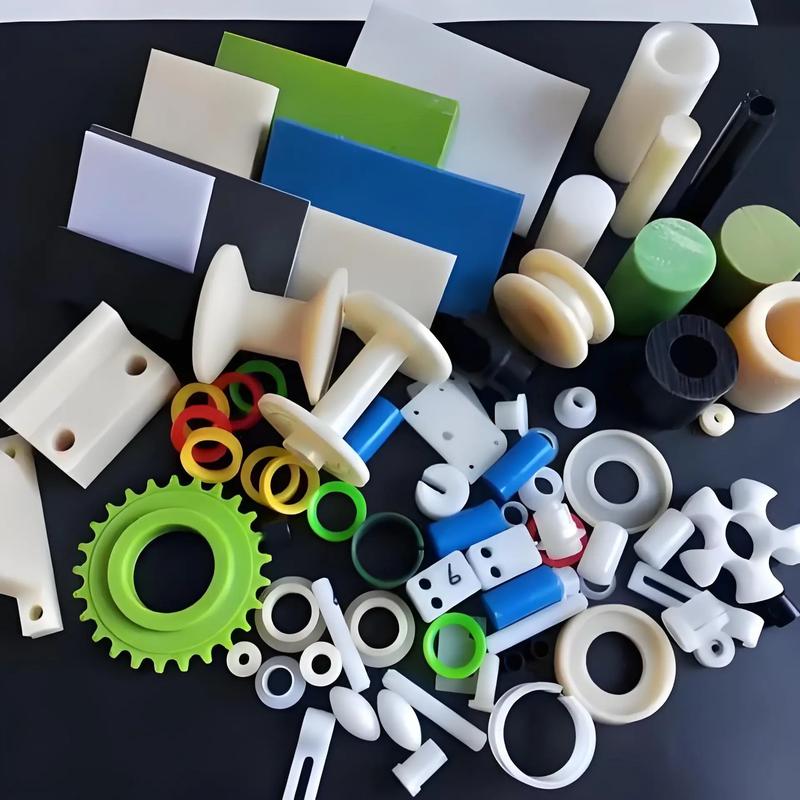
– Automotive Industry: Engine sensors, EGR valves, fuel pump impellers, headlight reflectors, and IGBT copper busbars. It not only reduces weight but also withstands ethylene glycol and high-temperature exhaust gases.
– Electronics and Electrical: High-voltage connectors, relay bases, coil forms, circuit boards, and wafer carriers. Its insulating properties and dimensional stability are leveraged in these applications.
– Oil and Gas: Downhole seals, pipeline valve assemblies, and pump housings. It performs exceptionally well in high-temperature, high-pressure (HPHT) environments containing H₂S and CO₂.
– Environmental Protection and Energy: Dust collection bags for coal-fired boilers (PPS fibers), fuel cell membranes, and new energy battery components.
– Industrial Equipment: Chemical pumps and valves, oil-free lubricated compressor piston rings, and textile machinery parts.

Key Advantages
The choice of polyphenylene sulfide (PPS) over other engineering plastics is primarily based on the following points:
Inherent Flame Retardancy: Achieves V-0 rating without the need for halogenated flame retardants.
High Cost-Effectiveness: Compared to PEEK, PPS offers nearly equivalent high-temperature resistance at a cost of only 1/5 to 1/10 that of PEEK.
High Rigidity: Among all high-performance plastics, PPS has an extremely high flexural modulus and excellent resistance to deformation.
Low Water Absorption: Its extremely low water absorption ensures consistent electrical performance and dimensional accuracy in humid environments.
Excellent Flow Properties: Suitable for precision injection molding and thin-wall molding, enabling high efficiency in mass production.
Limitations
Despite its outstanding performance, polyphenylene sulfide (PPS) also has limitations that must be addressed:
– Brittleness: Unmodified or low-filler grades of PPS have poor toughness and weak impact resistance, which must be improved through the use of toughening agents or alloying.
– Incompatibility with Strong Oxidizing Acids: PPS is susceptible to corrosion by concentrated sulfuric and nitric acids and has limited resistance to certain highly polar solvents.
– Mold Sticking Issues: During injection molding, mold temperatures must be maintained between 120–160°C, and proper venting must be ensured; otherwise, flash or difficulty in demolding may occur.
– Color limitations: PPS resin is prone to oxidation and discoloration, making it difficult to produce parts in light or vivid colors.
Material Comparison: PPS vs. PEEK vs. LCP
Before deciding to use polyphenylene sulfide (PPS), it is crucial to understand how it differs from competing materials.
PEEK vs. PPS
PEEK is an “all-around performer,” with long-term temperature resistance exceeding 250°C, combined with extremely high strength and toughness (excellent impact resistance). Polyphenylene sulfide (PPS), on the other hand, emphasizes “rigidity and cost-effectiveness.” If operating conditions consistently exceed 220°C, or involve high-pressure steam or extreme hydrolysis challenges, choose PEEK. If operating conditions are around 200°C and the primary requirements are high rigidity, flame retardancy, and chemical resistance, then polyphenylene sulfide (PPS) is the more economical and sensible choice, offering material cost savings of several times.
PPS vs LCP (Liquid Crystal Polymer)
LCP represents the “gold standard for dimensional accuracy,” offering excellent flow properties and extremely low moisture absorption, making it suitable for ultra-thin-walled precision electronic components. However, LCP exhibits significant chemical resistance and anisotropy. Polyphenylene sulfide (PPS) outperforms LCP in terms of mechanical strength, chemical resistance, and cost, and it also offers higher weld strength, making it more suitable for load-bearing structural components.
Selection Guide
As a purchaser or engineer, when evaluating polyphenylene sulfide (PPS) suppliers or specific grades, please focus on the following technical specifications:
Operating Temperature: Confirm that the long-term operating temperature is within the range of 200–220°C; verify that the short-term temperature resistance meets the requirements for instantaneous peak temperatures.
Reinforcement System:
– 40% GF: General-purpose reinforcement; offers high rigidity and strength at a balanced cost.
– GF+MD (mineral-filled): Low warpage; suitable for flat components with extremely tight dimensional tolerances.
– CF-filled: Antistatic and high modulus; used for semiconductor handling components.
– PTFE-modified: Low friction and wear resistance; used for bearing components.
Regulatory Certifications:
– UL94 V-0: Basic flame-retardant requirements; PPS naturally meets this standard.
– FDA/Medical Grade: Confirm whether relevant leaching reports are provided (if intended for contact with food or biological fluids).
– RoHS/REACH: Environmental compliance; required for export to Europe.
Processability: Ask the supplier for recommendations on mold temperature (typically 130–150°C) and confirm that the material’s crystallization rate is suitable for your molding cycle.
FAQ
What is polyphenylene sulfide (PPS)?
Polyphenylene sulfide (PPS) is a high-performance semi-crystalline thermoplastic whose molecular backbone consists of alternating benzene rings and sulfur atoms. It offers excellent high-temperature resistance, inherent flame retardancy, and superior chemical resistance, and is often used as a substitute for metals.
Why choose polyphenylene sulfide (PPS) over other plastics?
When you need a material that can operate at high temperatures around 200°C while offering high rigidity, extremely low water absorption, and excellent electrical insulation—all while keeping costs under control—polyphenylene sulfide (PPS) is the top choice. It offers far better value for money than PEEK and significantly outperforms common engineering plastics such as PA66 or PBT.
Can polyphenylene sulfide (PPS) replace metal?
Yes, and this is, in fact, one of PPS’s core applications. In fields such as automotive sensors, pumps and valves, and electronic connectors, polyphenylene sulfide (PPS) enables the integrated molding of complex shapes through injection molding, achieving weight reduction and cost optimization while eliminating the need for subsequent machining and corrosion protection treatments required for metal parts.
How does polyphenylene sulfide (PPS) perform in terms of chemical resistance?
Polyphenylene sulfide (PPS) exhibits excellent resistance to the vast majority of organic solvents, oils, fuels, and dilute acids. Even at high temperatures, it is resistant to dissolution and hydrolysis. However, it is not resistant to strong oxidizing acids such as concentrated sulfuric acid and concentrated nitric acid.
What is the maximum temperature that polyphenylene sulfide (PPS) can withstand?
Filled grades of polyphenylene sulfide (PPS) can reach a heat deflection temperature of over 270°C under a load of 1.8 MPa. However, for long-term service conditions, the recommended continuous operating temperature should not exceed 200–220°C. Its melting point is approximately 285°C.
How is polyphenylene sulfide (PPS) machined or injection molded?
Before injection molding, the material must be dried for 3 hours at approximately 150°C. The mold temperature should be set to 120–160°C to ensure sufficient crystallization. Due to the high rigidity of polyphenylene sulfide (PPS), the mold venting system must be well-designed. For machining, since the material is hard and wear-resistant, the use of diamond cutting tools is recommended.
Where can I purchase high-quality polyphenylene sulfide (PPS)?
It can be procured from specialized modified plastics manufacturers (such as Suzhou Napan and Zhuhai Changxian) or international chemical giants (such as Solvay, Toray, and Polyplastics). As a buyer, it is recommended to evaluate the supplier’s technical service capabilities to ensure they can provide modification and customization services (OEM/ODM).
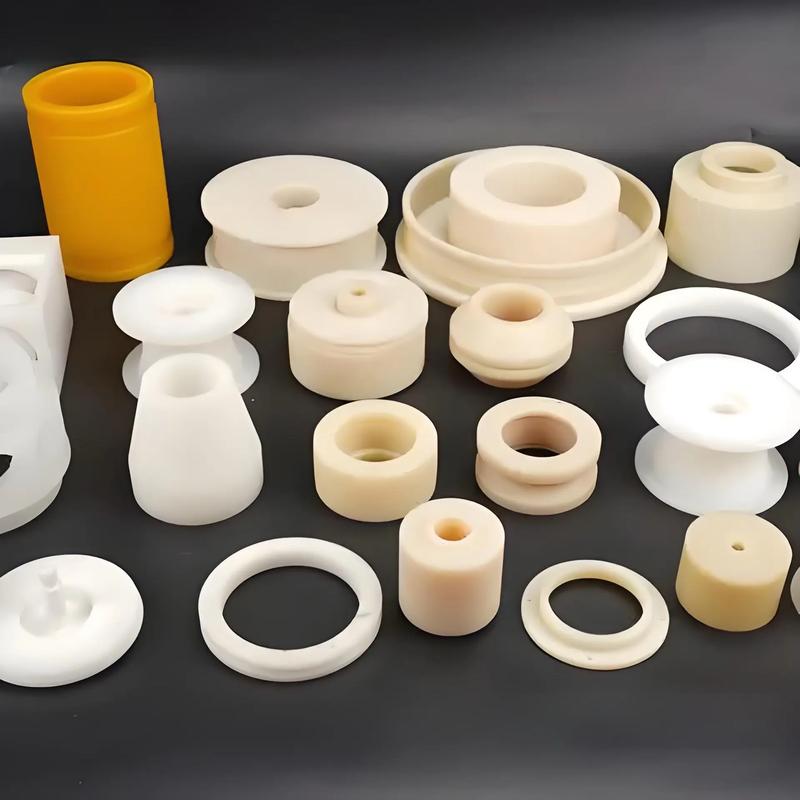
In summary, polyphenylene sulfide (PPS) is a rare and exceptional high-performance engineering plastic. Its perfect balance of thermal stability, chemical resistance, and dimensional accuracy makes it the standard material for connectors, pumps, valves, and automotive engine components. Although it is not as tough or impact-resistant as PEEK, its excellent cost-performance ratio and inherent flame-retardant properties give it an irreplaceable position in trillion-level markets such as electronics and electrical equipment, automotive manufacturing, and new energy. For engineers and procurement professionals, understanding the performance limits of polyphenylene sulfide (PPS) is key to achieving a win-win scenario of high performance and low cost.
What Is Polyimide (PI)
What is PEEK-for Engineers and Buyers
 Application Scope of Zirconia Ceramic Structural Components
 Guide to Selecting Specialty Engineering Plastics