
What is PEEK-for Engineers and Buyers
For over two decades, high-performance engineering plastics have revolutionized manufacturing. Among them, PEEK (Polyetheretherketone) stands out as a premier choice. So, what is PEEK? It is a semi-crystalline thermoplastic renowned for exceptional mechanical strength, chemical resistance, and thermal stability. Engineers and procurement specialists frequently ask what is PEEK when seeking reliable metal replacements in demanding environments. This guide provides an authoritative, EEAT-compliant overview to help you make informed decisions.
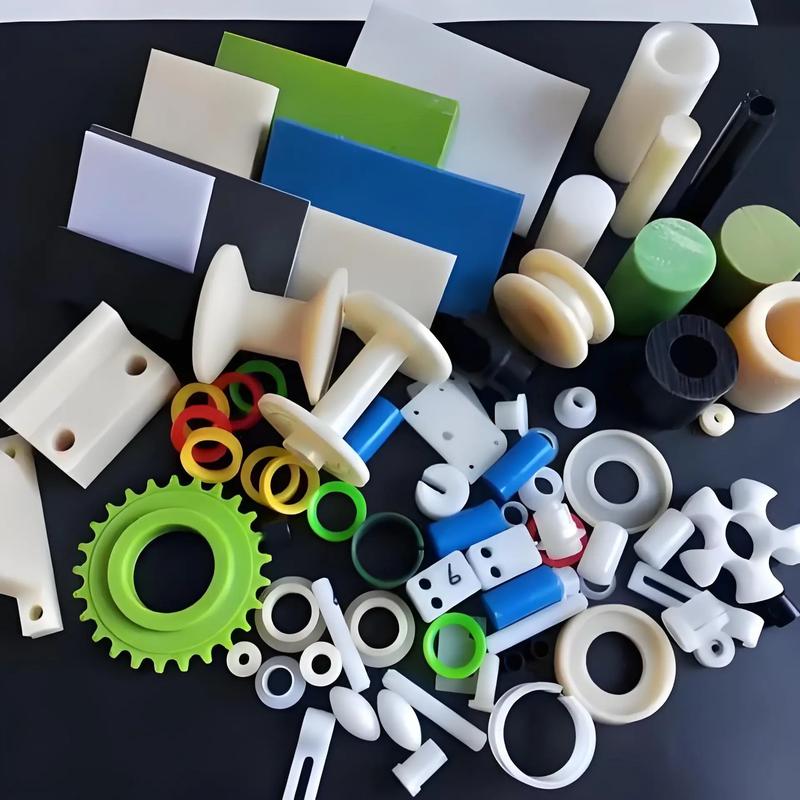
What is PEEK?
PEEK belongs to the polyaryletherketone (PAEK) family. Its molecular structure features alternating aromatic rings, ether bonds, and ketone groups. This unique arrangement grants it outstanding thermal and mechanical properties. When asking what is PEEK, the answer is a high-temperature plastic capable of continuous use at 260°C. It offers a superior strength-to-weight ratio, making it ideal for aerospace, medical, and semiconductor applications. As a versatile engineering plastic, PEEK can be injection molded, extruded, or precision CNC machined.
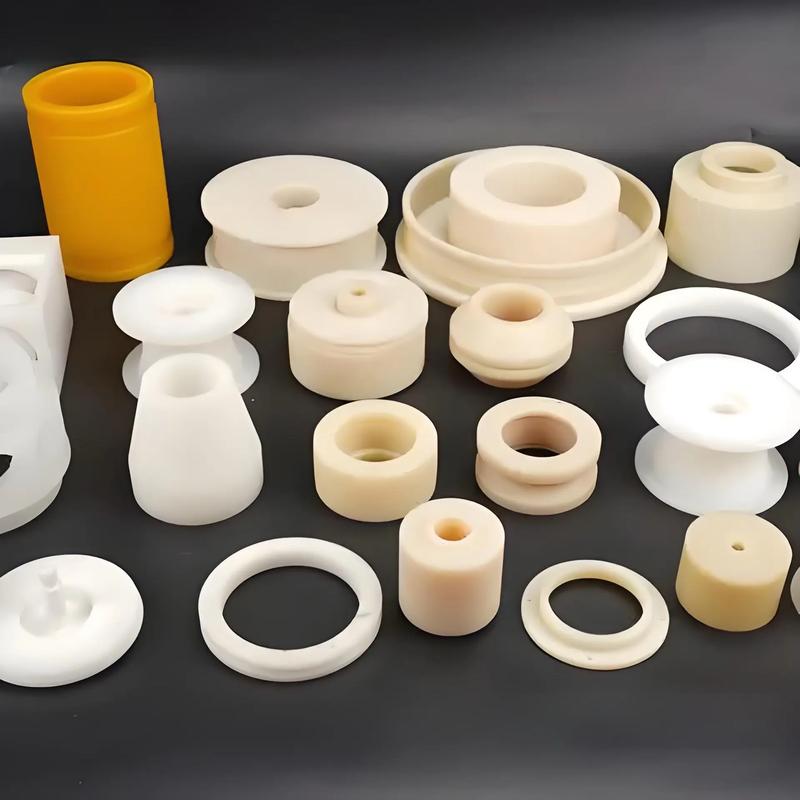
Key Properties of PEEK
Understanding what is PEEK requires examining its core physical and chemical characteristics. These properties define its performance in critical applications.
Mechanical Properties
PEEK exhibits high tensile strength (up to 100 MPa) and excellent fatigue resistance. Its stiffness rivals some metals, yet it retains toughness at cryogenic temperatures down to -196°C.
Thermal Properties
With a melting point of 343°C and a glass transition temperature of 143°C, PEEK withstands extreme heat. It maintains mechanical integrity even under continuous exposure to 260°C.
Chemical Resistance
When evaluating what is PEEK chemically, it shows remarkable inertness. It resists most acids, bases, and organic solvents, with only concentrated sulfuric acid causing degradation.
Electrical Properties
PEEK is an excellent electrical insulator. It maintains high dielectric strength and low dissipation factors even in high-humidity, high-temperature environments.
Wear Resistance and Dimensional Stability
PEEK possesses inherent lubricity and exceptional wear resistance, often outperforming metals in sliding applications. Furthermore, its low moisture absorption (less than 0.5%) ensures outstanding dimensional stability.
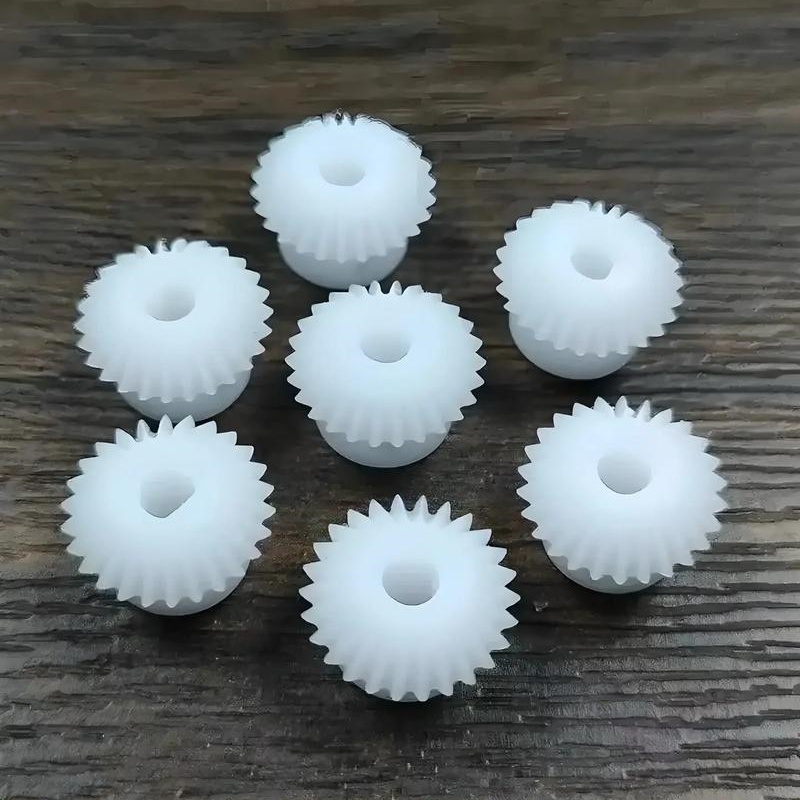
Diverse Applications Across Industries
The versatility of PEEK makes it indispensable across multiple sectors.
Aerospace and Automotive
In aerospace, PEEK replaces aluminum and titanium in cabin components, reducing weight by up to 40%. In the automotive sector, it is used for transmission gears, seals, and EV battery insulation.
Medical and Semiconductor
Medical-grade PEEK is biocompatible and sterilizable, making it perfect for surgical instruments and spinal implants. In semiconductor manufacturing, ultra-pure PEEK is used for wafer carriers and CMP retaining rings due to its low particle generation.
Industrial and Energy
PEEK is widely used in oil and gas for downhole seals and valves. It also serves as wear-resistant bearings and gears in automated machinery and food processing equipment.
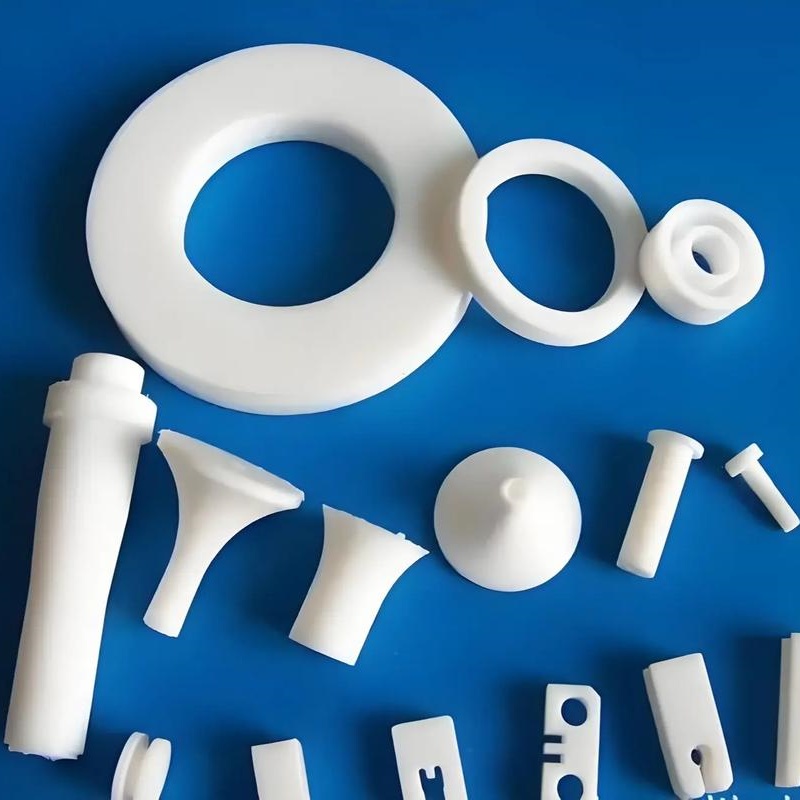
Advantages of Choosing PEEK
Why do engineers specify this material? The benefits are substantial.
Metal Replacement: High specific strength reduces overall assembly weight.
Longevity: Exceptional wear and chemical resistance extend service life.
Processability: Unlike thermosets, it can be remelted and recycled.
Flame Retardancy: Inherently UL94 V-0 rated without halogenated additives.
Biocompatibility: FDA-approved grades are safe for human implantation.
Radiation Resistance: Withstands high doses of gamma and X-ray radiation.
Limitations to Consider
Despite its strengths, understanding what is PEEK includes knowing its limits.
Cost: It is significantly more expensive than standard engineering plastics like Nylon or PPS.
Processing Temperature: High melt temperatures require specialized, wear-resistant processing equipment.
UV Sensitivity: Unmodified PEEK degrades under prolonged UV exposure; carbon-filled grades are preferred for outdoor use.
Notch Sensitivity: It can be susceptible to stress concentration in sharp corners.
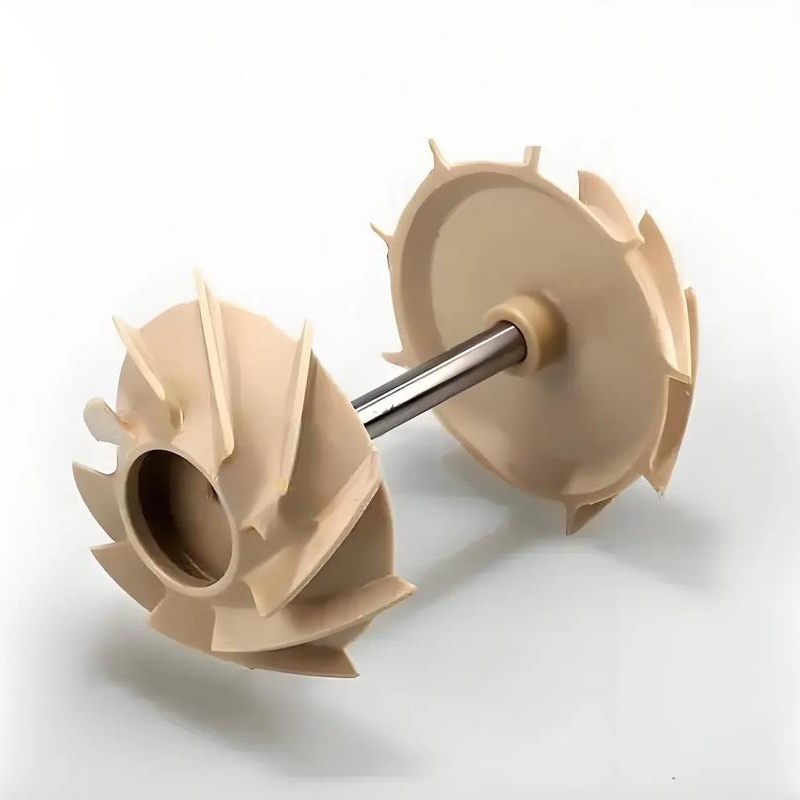
Material Comparison: PEEK vs. Alternatives
How does PEEK compare to other high-performance polymers?
PEEK vs. PPS: PPS is cheaper and easier to mold but has lower continuous use temperature and inferior mechanical toughness. PEEK offers superior strength and thermal performance.
PEEK vs. PI (Polyimide): PI can withstand higher temperatures but is extremely difficult to process and highly expensive. PEEK offers a better balance of performance and manufacturability.
PEEK vs. PAI: PAI has higher heat resistance but suffers from high moisture absorption and requires post-curing. PEEK maintains dimensional stability without post-processing.
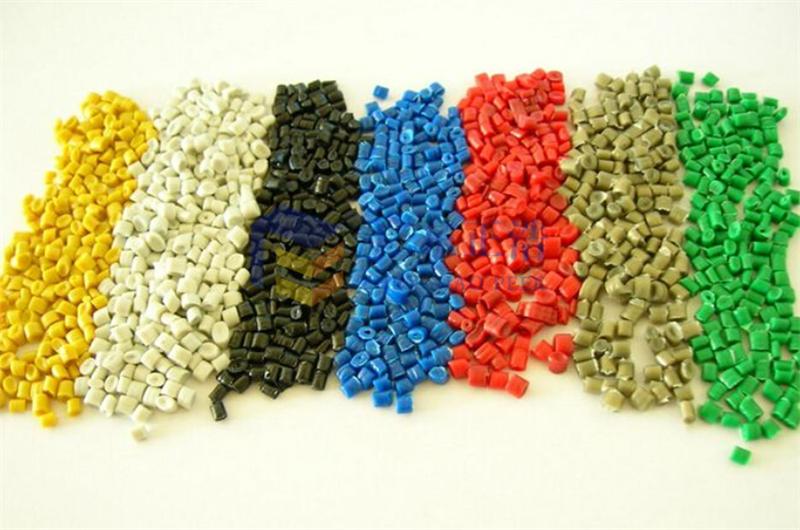
Selection Guide for Buyers and Engineers
When sourcing PEEK, consider your specific operational requirements. For high-load applications, specify carbon-fiber reinforced grades. For sliding parts, opt for PTFE or graphite-filled variants to reduce friction. Always verify compliance standards: medical devices require FDA/ISO 10993 certification, while food contact parts need FDA 21 CFR compliance. Ensure electrical components meet UL94 V-0 and RoHS/REACH standards. Partnering with a reliable PEEK supplier or manufacturer in China can provide cost-effective OEM and custom machining services without compromising quality.
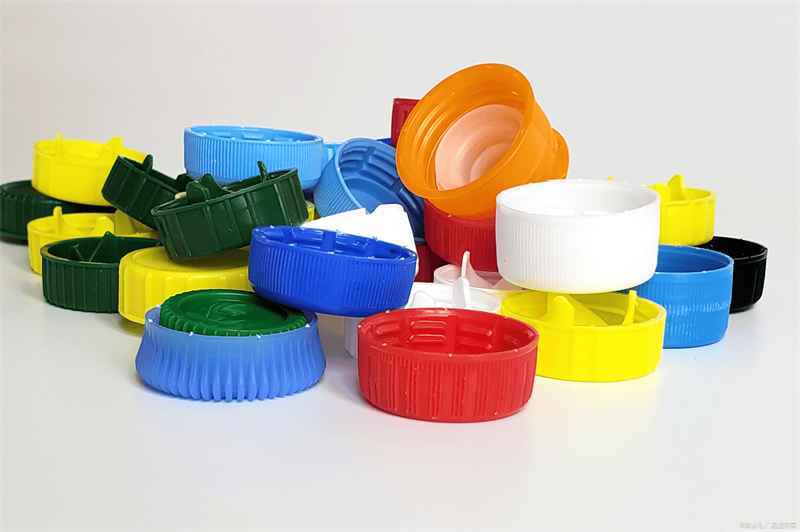
Frequently Asked Questions (FAQ)
What is PEEK plastic?
PEEK (Polyetheretherketone) is a high-performance semi-crystalline thermoplastic. It is known for exceptional thermal stability (up to 260°C continuous), high mechanical strength, and outstanding chemical resistance. It is widely used to replace metals in demanding aerospace, medical, and industrial applications due to its lightweight and durable nature.
Why choose PEEK over metal?
PEEK offers a superior strength-to-weight ratio, reducing component weight by up to 40% compared to aluminum. It provides inherent corrosion resistance, eliminating the need for protective coatings. Additionally, PEEK reduces friction and wear in moving parts, operates quietly, and can be easily molded into complex geometries, lowering overall manufacturing costs.
Can PEEK replace metal in all applications?
While PEEK replaces many metals, it is not a universal substitute. It has a lower maximum load-bearing capacity than steel or titanium and a lower thermal expansion limit. However, for applications requiring weight reduction, chemical inertness, electrical insulation, and moderate mechanical loads, PEEK is often the superior engineering choice.
Is PEEK chemically resistant?
Yes, PEEK exhibits exceptional chemical resistance. It is highly resistant to most organic solvents, acids, and bases at elevated temperatures. The only common chemical that will degrade or dissolve PEEK is concentrated sulfuric acid. This makes it ideal for harsh chemical processing and semiconductor environments.
What temperature can PEEK withstand?
PEEK has a melting point of 343°C and a glass transition temperature of 143°C. It can be used continuously at temperatures up to 260°C without significant loss of mechanical properties. Short-term exposure up to 300°C is also possible, making it one of the most thermally stable thermoplastics available.
How to machine PEEK effectively?
Machining PEEK requires sharp carbide or diamond-tipped tools and adequate cooling to prevent heat buildup, which can cause melting or dimensional inaccuracies. Because PEEK has internal stresses after molding, annealing the material before precision machining is highly recommended to prevent warping and ensure tight tolerances.
Where to buy high-quality PEEK?
You can source PEEK from specialized engineering plastic suppliers or manufacturers, including reputable factories in China offering OEM services. When purchasing, always request material datasheets, test reports, and compliance certificates (FDA, UL, RoHS). Ensure the supplier has proven expertise in custom parts machining and quality control.
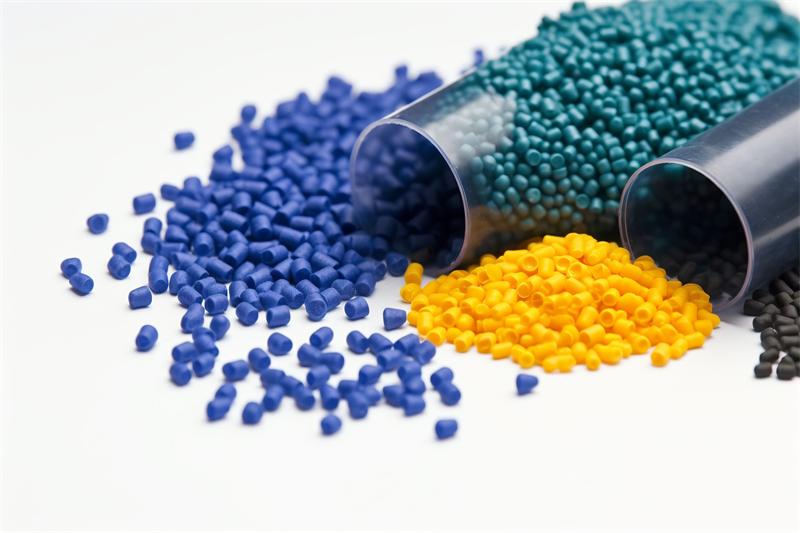
In summary, understanding what is PEEK is essential for engineers and procurement teams aiming to optimize product performance. Its unmatched combination of thermal resistance, mechanical strength, and chemical inertness makes it the ultimate high-temperature plastic. By carefully selecting the right grade and partnering with an experienced PEEK manufacturer, you can successfully implement this advanced engineering plastic to drive innovation and efficiency in your next project.
What Is Polyimide (PI)
What Is Polyphenylene Sulfide (PPS)
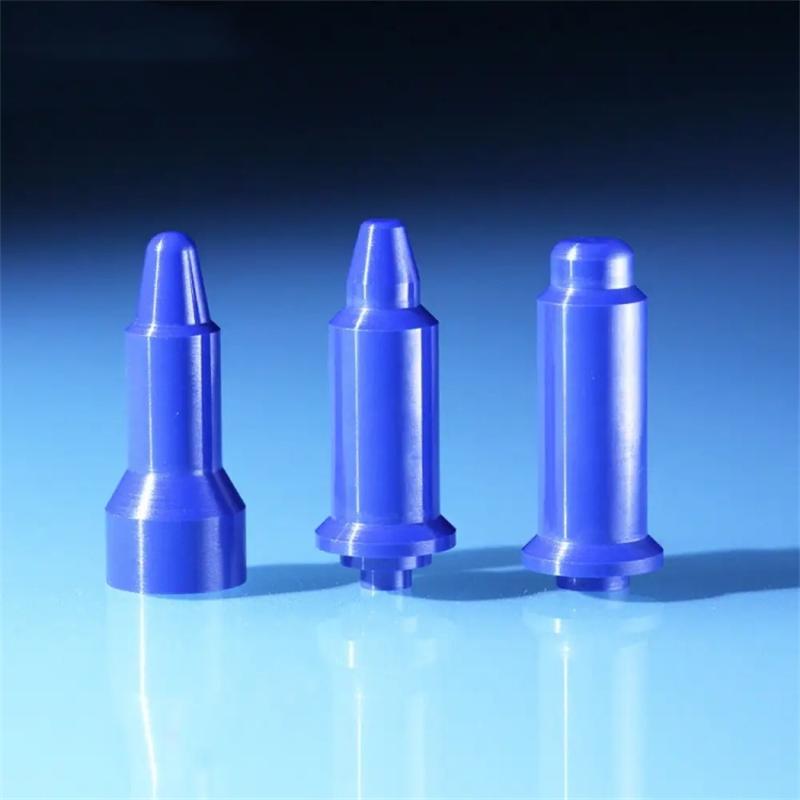 Application Scope of Zirconia Ceramic Structural Components
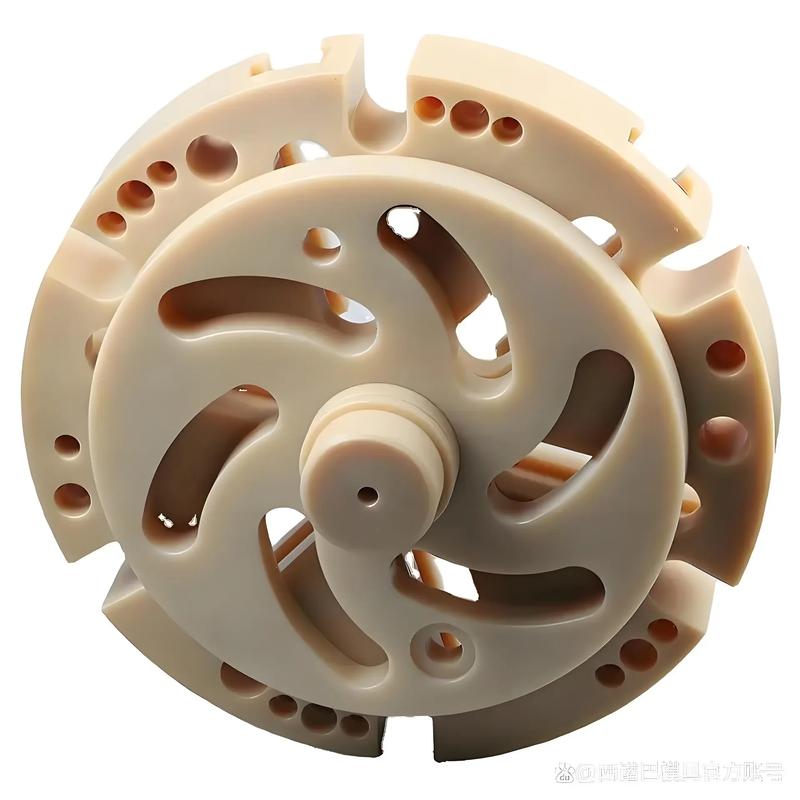 Guide to Selecting Specialty Engineering Plastics