
Guide to Selecting Specialty Engineering Plastics
Traditional engineering plastics often fall short under harsh operating conditions such as high temperatures, corrosion, and heavy loads. The emergence of specialty engineering plastics has provided critical material solutions to address these “bottleneck” challenges. These polymer materials, which can operate at temperatures above 150°C for extended periods and offer superior comprehensive performance, are becoming indispensable foundational materials in fields such as aerospace, new energy vehicles, semiconductor equipment, and medical devices. However, faced with numerous grades—including PEEK, PPS, PI, and LCP—engineers and procurement professionals share common challenges: how to select the right material scientifically, how to balance performance and cost, and how to ensure processing quality.
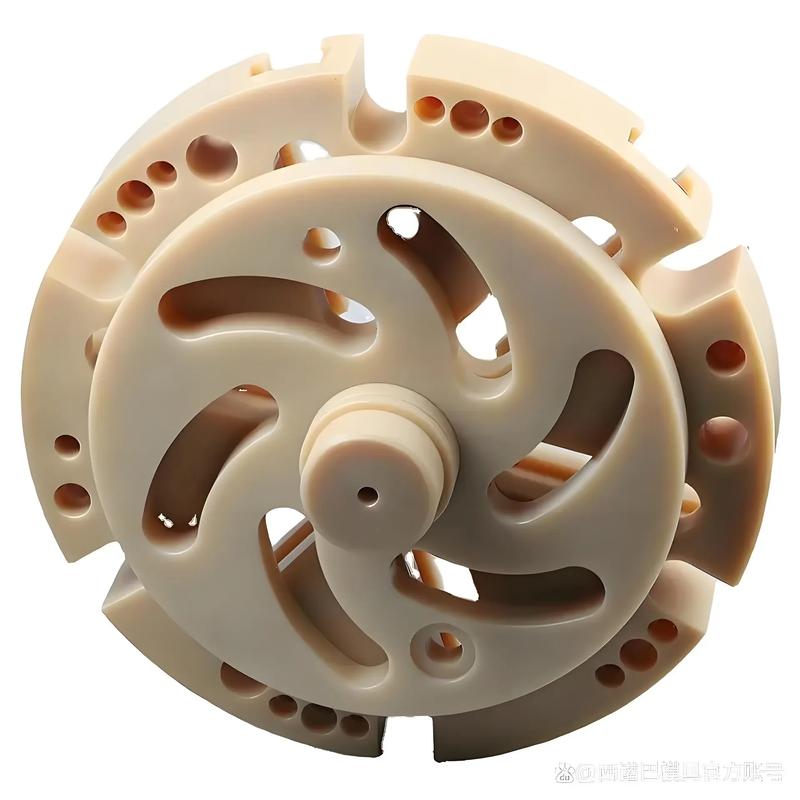
What Are Specialty Engineering Plastics?
Specialty engineering plastics refer to a class of engineering plastics with superior comprehensive properties and a long-term operating temperature of 150°C or higher; they are also known as high-performance engineering plastics. Compared to general-purpose engineering plastics (such as PA and POM), they offer higher heat resistance, mechanical strength, and chemical stability.
Major varieties include polyphenylene sulfide (PPS), polyetheretherketone (PEEK), polyimide (PI), liquid crystal polymers (LCP), and polysulfone (PSF). Among these, PPS is hailed as the “king of value for money” among specialty engineering plastics due to its relatively low price and excellent overall performance; while PEEK is known as the “King of Comprehensive Performance” due to its all-around performance advantages. Although these materials account for only about 1.8% of the global thermoplastic market, they offer extremely high added value and represent the pinnacle of the plastics industry.
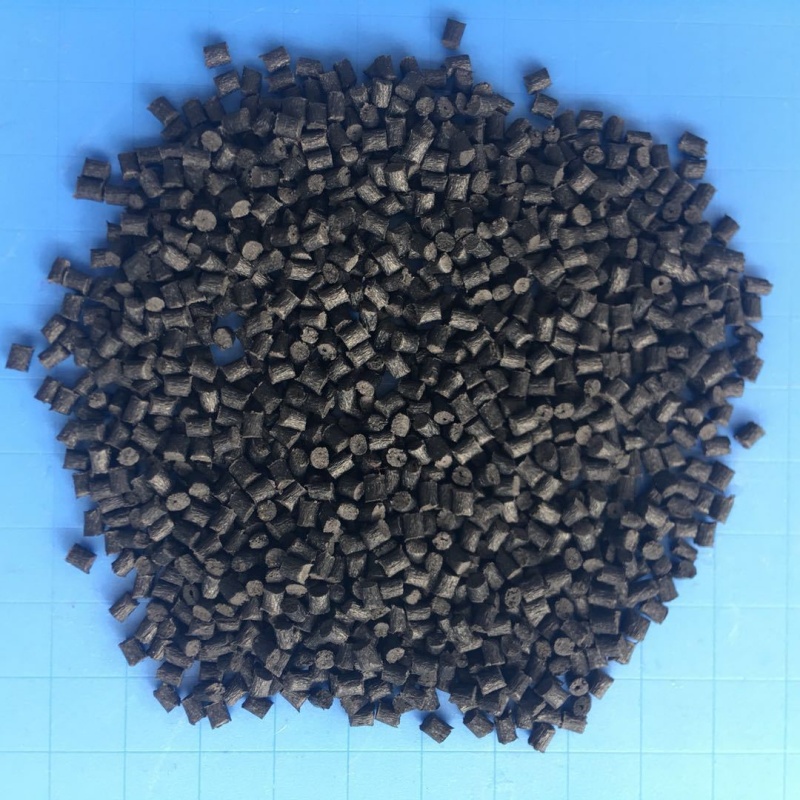
Key Performance Indicators
When selecting a material, the following core performance indicators should be carefully evaluated:
– Mechanical Properties: PEEK has a tensile strength of 90–100 MPa and a flexural modulus of approximately 4 GPa; PI and PAI offer even higher strength, reaching over 120 MPa. If a component must withstand sustained high loads or alternating stresses, PEEK and PI are the top choices.
– Thermal Properties: This is the key distinction between specialty engineering plastics and ordinary plastics. PEEK has a continuous operating temperature of 250°C and can withstand temperatures above 300°C for short periods; PPS has a continuous operating temperature of 200–220°C; and PI can be used continuously at temperatures approaching 330°C.
– Chemical Resistance: PPS is renowned for its exceptional resistance to chemical corrosion, exhibiting excellent resistance to acids, alkalis, and organic solvents; PEEK also performs exceptionally well, particularly in terms of hydrolytic resistance.
– Electrical Properties: Most specialty engineering plastics offer excellent insulation properties. LCP exhibits particularly outstanding dielectric properties at high frequencies, making it suitable for high-frequency applications such as 5G communications.
– Wear Resistance: PEEK offers excellent resistance to sliding wear and fretting wear, maintaining a low coefficient of friction at 250°C; the coefficient of friction of PI is further reduced when PTFE or graphite is added.
– Dimensional Stability: PPS has an extremely low water absorption rate and excellent dimensional stability, showing virtually no deformation in high-temperature, high-humidity environments; PEEK has a coefficient of linear expansion close to that of aluminum.
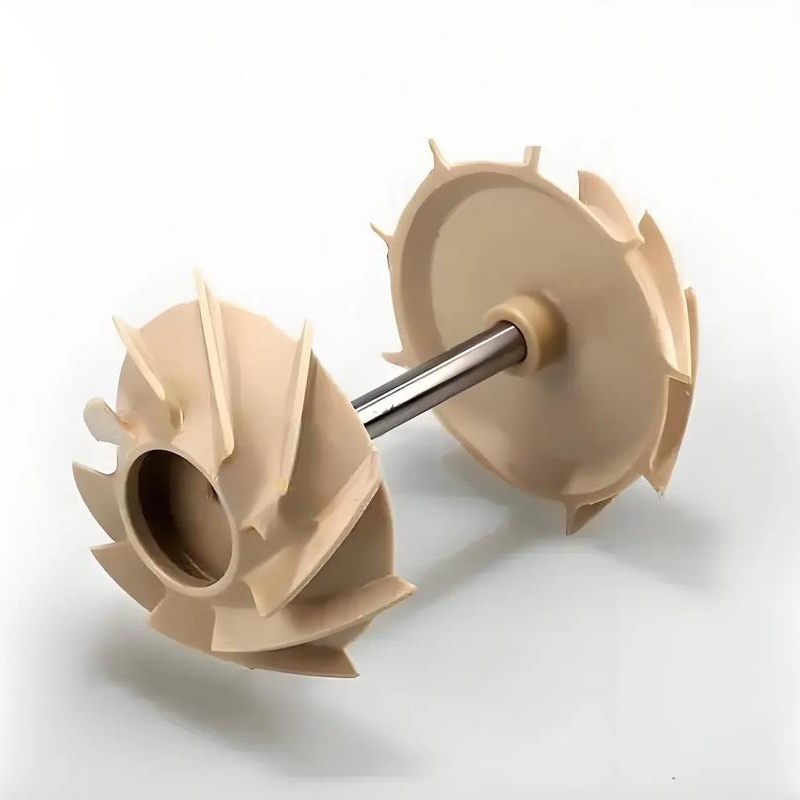
Typical Application Areas
The applications of specialty engineering plastics have expanded from the defense and military sectors to numerous civilian high-tech fields:
– Aerospace: PEEK and PI are used in aircraft structural components, engine parts, and electrical insulation components that require lightweight construction and extreme reliability.
– Automotive Industry: PPS is used in sensor housings, connectors, oil and water pumps, and IGBT modules; PEEK is used in high-temperature components around engines.
– Semiconductors and Electronics: LCP is used in micro-connectors and high-frequency packaging; PEEK is used in wafer fixtures and CMP rings; PI is used in flexible printed circuit boards.
– Medical Devices: Due to its biocompatibility and resistance to sterilization, PEEK is an ideal choice for orthopedic implants and surgical instruments.
– Petrochemicals: PEEK and PI are used in compressor valve plates, seals, and bearing cages, withstanding high-pressure steam and corrosive media.

Key Advantages
Lightweight: With a strength-to-weight ratio far exceeding that of metals, it is an ideal alternative for achieving lightweight designs.
High-Temperature Resistance: Can operate continuously at 150–300°C, far exceeding the capabilities of ordinary plastics.
Corrosion Resistance: Most grades are resistant to strong acids, strong alkalis, and organic solvents.
Self-lubricating: Wear-resistant with a low coefficient of friction, allowing for oil-free operation.
High design flexibility: Complex structures can be achieved through injection molding, extrusion, and CNC machining.
Flame retardancy: Materials such as PPS, PEEK, and PI are inherently flame-retardant or can meet the UL94 V-0 rating.
Limitations
– High Cost: The price of PEEK raw material can reach 800–1,000 yuan per kilogram, far exceeding that of ordinary engineering plastics.
– Difficult to Process: PEEK requires processing temperatures of approximately 380–400°C, while PAI and PI have poor flow properties, placing extremely high demands on equipment and molds.
– Moisture Absorption: Materials such as PI and PEI exhibit significant moisture absorption and require strict drying treatment.
– UV resistance: Most grades experience performance degradation upon prolonged outdoor exposure.
– Grade-specific weaknesses: PPS lacks toughness and is relatively brittle; LCP exhibits significant anisotropy.
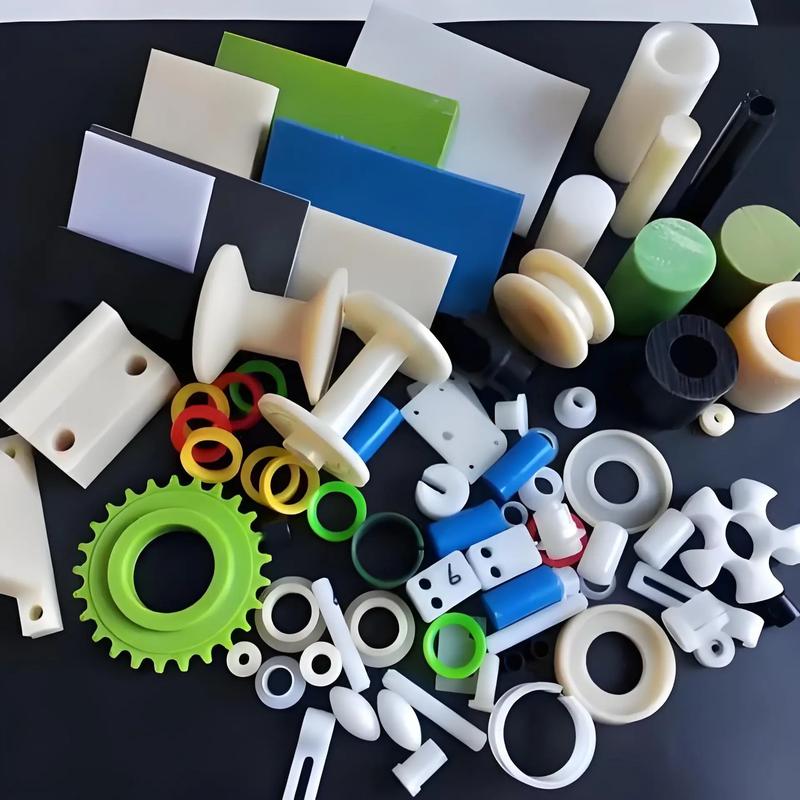
Material Comparison
PEEK vs. PPS: This is the most common trade-off in material selection. PEEK represents the “performance ceiling,” leading across the board in strength, toughness, and temperature resistance (250°C vs. 200–220°C), but it costs 5–10 times more than PPS and requires higher processing temperatures. If operating temperatures remain stable around 200°C and there are high requirements for flame retardancy and dimensional accuracy, PPS is the more cost-effective choice. Simply put: PEEK tackles the most challenging applications, while PPS is widely used for its excellent cost-performance ratio.
PEEK vs. PI: PI has a higher temperature resistance (330°C long-term) and greater strength, but it is more difficult to process and mold; it is mostly thermosetting and difficult to injection mold. PEEK is thermoplastic, offering greater processing flexibility and well-balanced overall performance.
PPS vs. LCP: PPS offers excellent dimensional stability, making it suitable for precision injection-molded parts; LCP has outstanding flow properties, making it suitable for ultra-thin-walled micro-components with wall thicknesses under 1 mm, and it offers superior high-frequency electrical performance.
PEEK vs. PEI (ULTEM): PEI is less expensive than PEEK, with a continuous operating temperature of approximately 170–200°C, and offers excellent dimensional stability and electrical insulation. However, PEEK has a comprehensive advantage in mechanical strength, temperature resistance, and wear resistance. If the operating temperature is below 200°C and cost is a concern, PEI is a reasonable alternative.
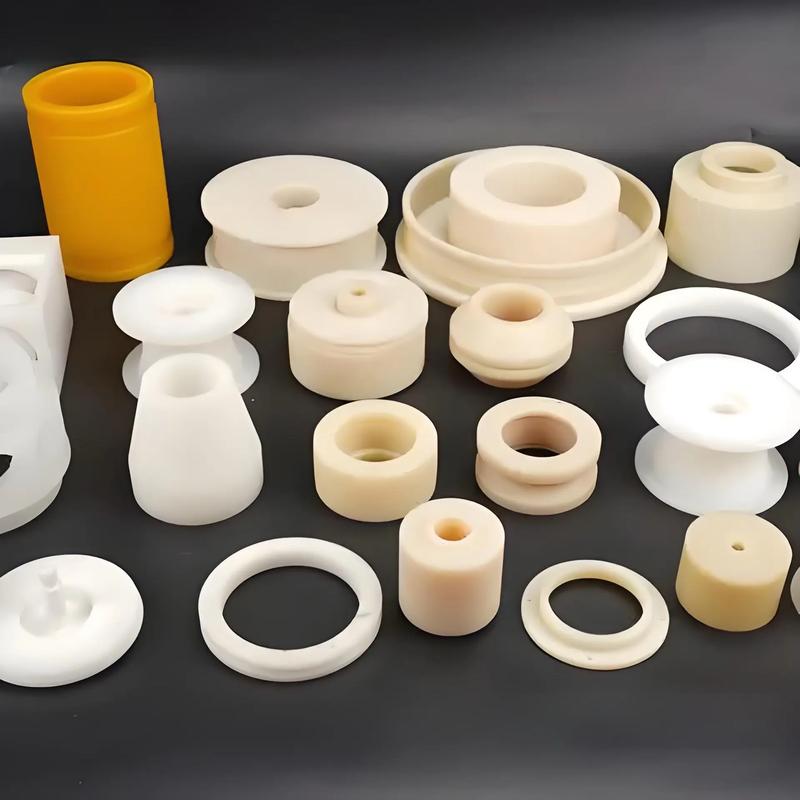
Selection Guide
We recommend that buyers and engineers conduct a comprehensive evaluation based on the following criteria:
– Operating Temperature: For continuous temperatures exceeding 220°C, PEEK or PI must be selected; for temperatures around 200°C, PPS is a viable option; for temperatures below 150°C, PEI or PSU may be considered.
– Chemical Environment: PPS and PEEK are the preferred choices for environments with strong acids or alkalis; in hot steam environments, PEEK offers superior hydrolytic resistance.
– Mechanical Load: Select PEEK for high loads and high impact; select PPS or PI for high rigidity requirements.
– Friction and Wear: PEEK is the preferred choice for moving parts.
– Certification Requirements: For medical devices, select PEEK (FDA, medical grade); for food contact applications, select PEEK or PPS (FDA food grade); for electronic and electrical applications, select UL94 V-0 rated materials; compliance with RoHS and REACH is required for export to the EU.
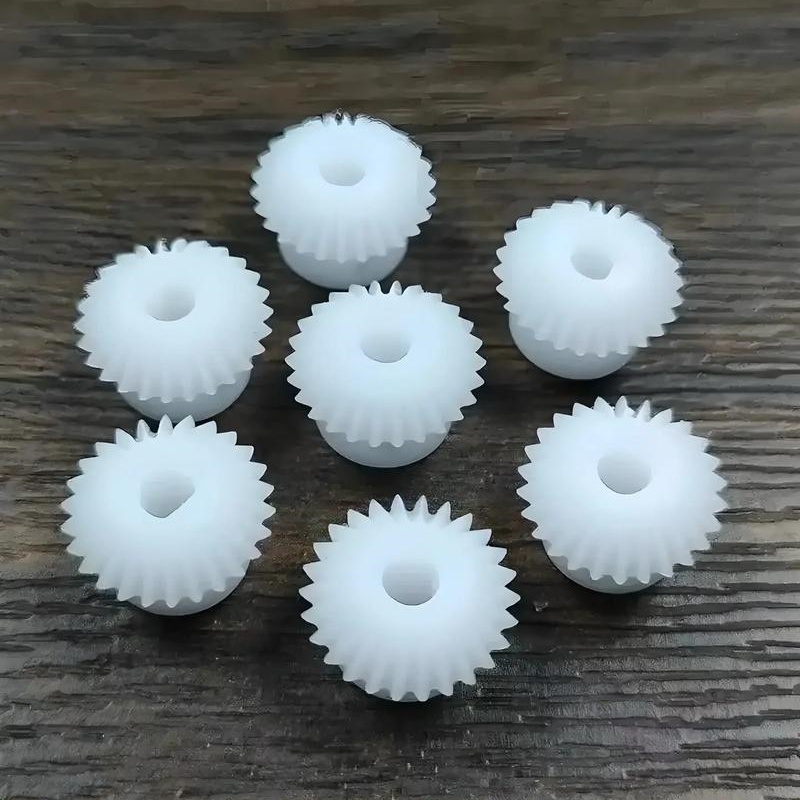
FAQ
Q: What are specialty engineering plastics?
Specialty engineering plastics refer to engineering plastics with a long-term operating temperature above 150°C and excellent overall performance, primarily including PPS, PEEK, PI, LCP, PSF, and other varieties. Compared to general-purpose engineering plastics, they offer higher heat resistance, mechanical strength, and chemical stability, and are widely used in high-tech fields such as aerospace, automotive, electronics, and medical applications.
Q: Why choose specialty engineering plastics?
When operating temperatures exceed 150°C, strong corrosive media are present, high loads must be withstood, or excellent friction and wear resistance is required, standard plastics are inadequate, while metals are either too heavy or prone to corrosion. Specialty engineering plastics can simultaneously meet comprehensive requirements such as lightweight design, high-temperature resistance, corrosion resistance, and precision molding, making them the key material solution for these demanding applications.
Q: Can PEEK replace metal?
In many applications, yes. PEEK has high specific strength, a density that is only 1/5 to 1/7 that of metal, and is corrosion-resistant and self-lubricating. Replacing metal with PEEK can result in significant weight reduction and lubrication-free operation. It is particularly suitable for replacing aluminum, stainless steel, and copper alloys in components such as bearings, seals, gears, and structural brackets. However, in applications requiring extremely high rigidity or impact resistance, metal or PI is still necessary.
Q: Is PPS chemically resistant?
Yes. PPS is renowned for its exceptional chemical resistance, exhibiting excellent tolerance to most acids, alkalis, organic solvents, and salt solutions, with virtually no deformation at high temperatures or in chemical environments. This makes PPS an ideal material for chemical processing equipment, automotive fuel systems, and protective components in electronics and electrical appliances.
Q: What temperature can PEEK withstand?
PEEK can withstand continuous long-term use at temperatures up to 250°C and can briefly withstand temperatures exceeding 300°C. Its melting point is approximately 343°C. Even at 200°C, PEEK retains high flexural and compressive strengths (approximately 12–13 MPa), far surpassing most engineering plastics.
Q: How are specialty engineering plastics machined?
CNC machining is a common post-processing method. PEEK offers good machinability; using carbide cutting tools and effectively controlling cutting heat allows for smooth surfaces and tight tolerances. PAI and PI are more difficult to machine and require lower feed rates and sharper cutting tools. It is recommended to select suppliers with full-process capabilities—including extrusion, compression molding, and CNC machining—to ensure part precision.
Q: Where to buy specialty engineering plastics?
Major domestic suppliers are concentrated in Jiangsu, Zhejiang, and other regions. Companies such as Nanjing Yuwei and Nanjing Shousu provide profiles and custom parts made from PEEK, PPS, PI, and other materials, and hold ISO 9001 certification with the capability to substitute imported materials with domestic alternatives. When procuring, assess their capabilities in profile extrusion, injection molding, and CNC machining, as well as whether they offer material selection support.
Specialty engineering plastics have become critical materials in high-tech industries due to their irreplaceable high-temperature resistance, chemical stability, and mechanical properties. PEEK represents the pinnacle of performance and is suitable for aerospace, medical implants, and semiconductor equipment; PPS dominates the automotive electronics sector with its exceptional cost-effectiveness; and PI excels in applications involving extreme thermal loads. The core of material selection is not to pursue the “strongest” option, but rather to choose “the best fit for the application”—after thoroughly evaluating operating temperatures, chemical environments, load requirements, and certification standards, select a grade that balances performance and cost, and implement the solution through a reliable supplier (a specialized manufacturer with capabilities in profile extrusion, CNC machining, and OEM customization). This approach not only avoids the waste associated with “over-specification” but also mitigates the risks of “under-specification.”
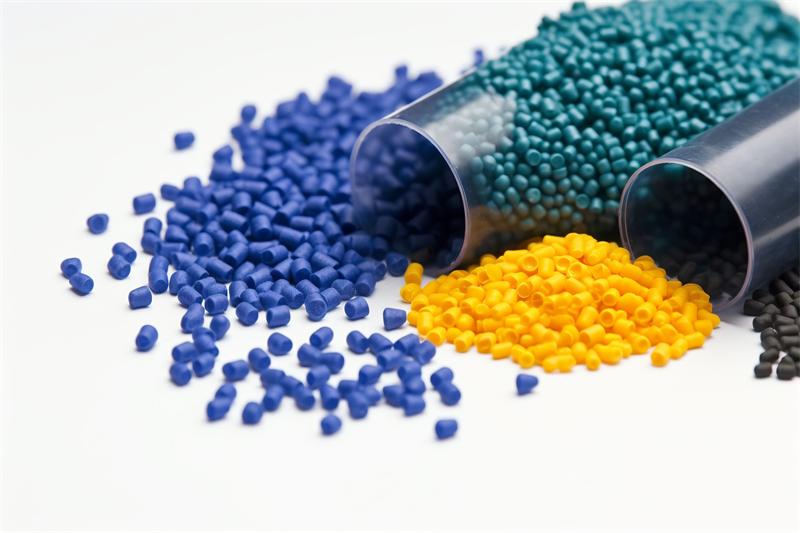 What Is Polyimide (PI)
What Is Polyphenylene Sulfide (PPS)
What is PEEK-for Engineers and Buyers
What Is Polyimide (PI)
What Is Polyphenylene Sulfide (PPS)
What is PEEK-for Engineers and Buyers
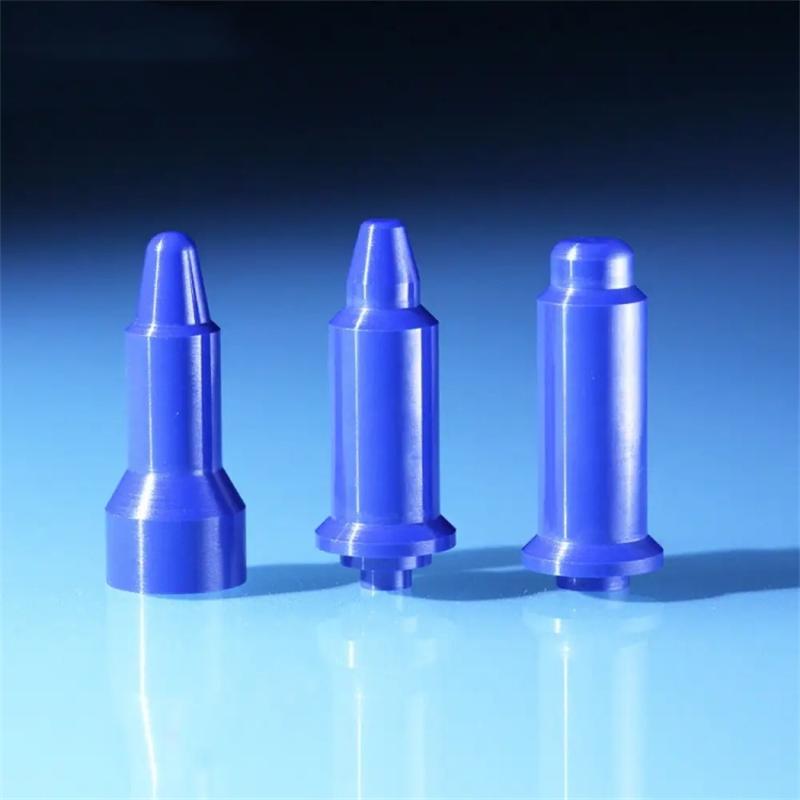 Application Scope of Zirconia Ceramic Structural Components