
What Is Polyimide (PI)
At the pinnacle of specialty engineering plastics, polyimide (PI) undoubtedly holds the most prominent position. As an aromatic heterocyclic polymer with imide groups in its main chain, it has become an indispensable foundational material in modern cutting-edge industries thanks to its exceptional resistance to high and low temperatures, mechanical strength, and insulating properties—qualities that other materials struggle to match. From aerospace to microelectronics manufacturing, solving challenges related to high temperatures, friction, and insulation often requires the use of polyimide (PI). This article will provide an in-depth analysis of this “problem-solving expert,” offering purchasers and design engineers a comprehensive guide covering performance, selection, and applications.
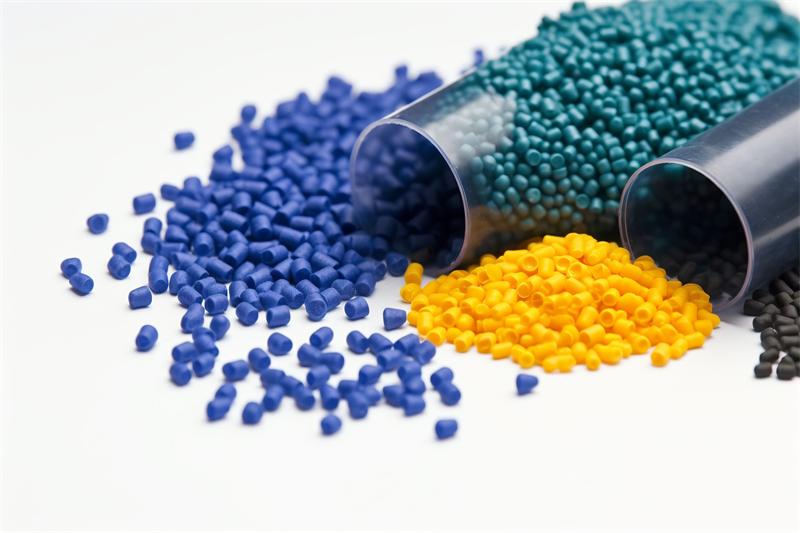
What Is Polyimide (PI)?
Polyimide (PI) refers to a class of polymers whose main chains contain repeating imide units. Its synthesis typically involves two steps: first, the polymerization of dianhydride and diamine monomers to form a polyamidoic acid precursor; then, imidization—a ring-closing dehydration reaction—is carried out through heating (above 300°C) or chemical methods, ultimately resulting in this exceptionally stable material. Due to the highly rigid aromatic ring structure of its molecular chains, polyimide (PI) possesses extremely high bond energy, which explains its outstanding heat resistance and resistance to deformation.
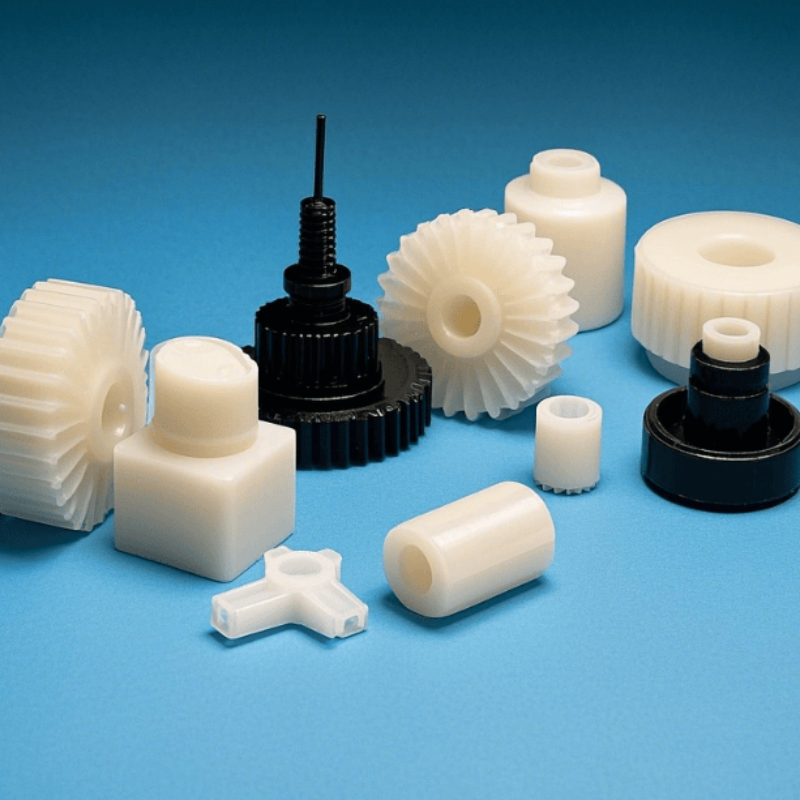
Six Core Properties of Polyimide (PI)
Understanding the properties of polyimide (PI) is the first step in material selection, as these characteristics directly determine its suitability for harsh operating conditions.
Mechanical Properties
PI materials exhibit high strength and high modulus; tensile strength typically exceeds 100 MPa, flexural modulus exceeds 3 GPa, and they also possess good creep resistance. Even under high loads, polyimide products maintain dimensional stability and are resistant to plastic flow.
Thermal Properties
This is one of the most significant advantages of polyimide (PI). It can operate stably over the long term in a temperature range from -269°C to 260°C, and some special grades can even be used continuously at 400°C. Its decomposition temperature is typically above 500°C, and it can withstand short-term thermal shocks exceeding 500°C.
Chemical Resistance & Radiation Resistance
PI exhibits excellent resistance to most organic solvents, dilute acids, and oils, and possesses exceptional radiation resistance, making it suitable for use in special environments such as space or areas exposed to nuclear radiation. It should be noted, however, that it is not resistant to strong alkalis or concentrated sulfuric acid.
Electrical Properties
Polyimide (PI) is a recognized Class F to H insulating material. Its dielectric constant typically ranges from 3.0 to 3.5, it has low dielectric loss (approximately 0.002), and it maintains excellent insulating properties even at high frequencies, with a volume resistivity of 10^15 Ω·cm or higher.
Wear Resistance and Self-Lubrication
Pure PI inherently possesses a low coefficient of friction and good wear resistance. By adding modifiers such as graphite, molybdenum disulfide, or carbon fibers, its wear resistance can be further enhanced, making it suitable for the manufacture of oil-free bearings and sealing components.
Dimensional Stability
Although polyimide (PI) has a moisture absorption rate (approximately 0.7%–2%) that is moderate among engineering plastics, its coefficient of thermal expansion (CTE) is low, allowing it to maintain high dimensional stability under varying temperature and humidity conditions.
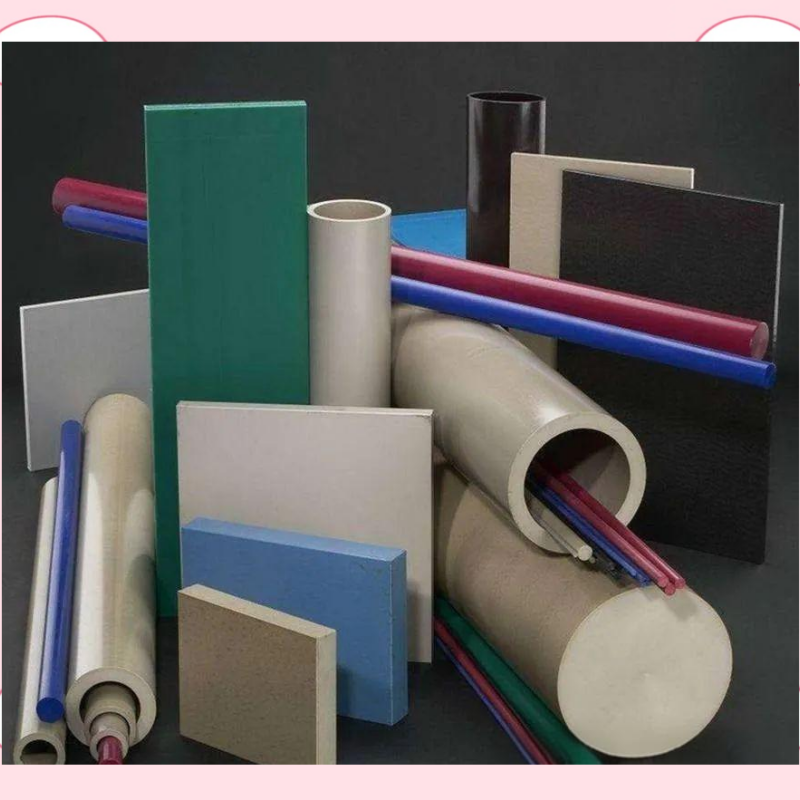
Practical Applications of Polyimide (PI)
Thanks to the properties described above, the applications of polyimide (PI) have long extended beyond a single field:
– Aerospace and Defense: Used as high-temperature insulation, engine components, radar domes, and structural parts that must withstand extreme temperature fluctuations and radiation.
– Semiconductor and Electronics Manufacturing: Utilizing its low outgassing and high-temperature insulation properties in components such as wafer carrier rings, chip test sockets, FPC (flexible printed circuit) reinforcements, and connector insulators.
– Automotive and New Energy: Used for insulation in electric vehicle motors, thermal shielding for battery packs, turbochargers, and high-speed bearing cages.
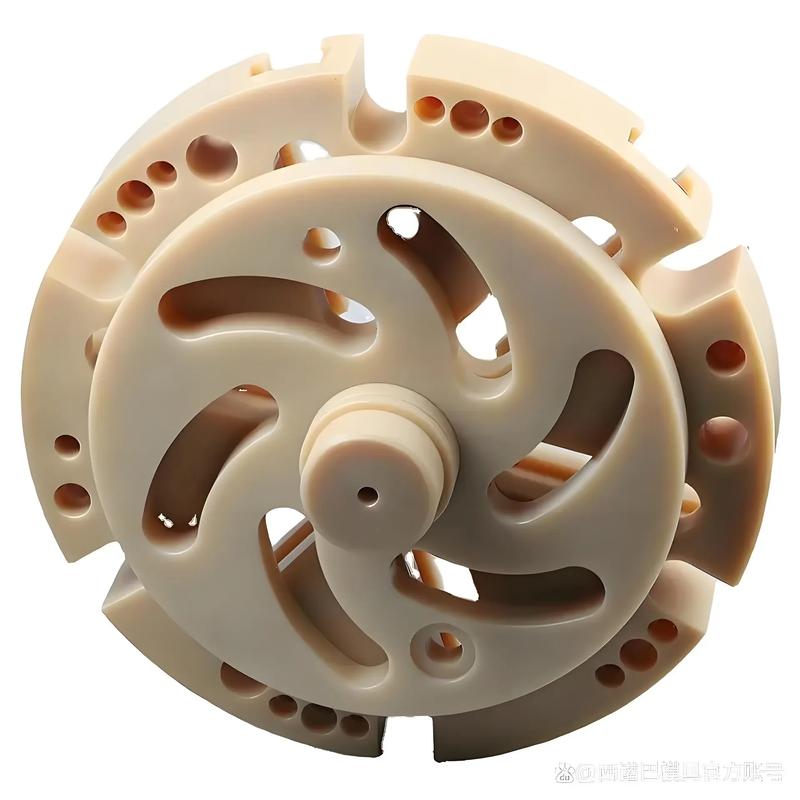
– Industrial Robotics and Automation: Used in high-load gears, oil-free lubricated bearings, and wear-resistant gaskets to reduce maintenance frequency.

The Five Core Advantages of Polyimide (PI)
Based on the above characteristics, polyimide (PI) delivers the following core value to manufacturers:
Highest Heat Resistance Rating: Raises the operating temperature of polymer materials by more than 100°C.
Balanced Comprehensive Performance: Not only does it excel in individual metrics, but it can also simultaneously withstand the combined thermal, electrical, and mechanical stresses of complex operating conditions.
Versatile Forms: In addition to engineering plastic profiles, it can be processed into films, fibers, foams, coatings, and more.
Exceptional Reliability: It offers a long service life in harsh environments, reducing the risk of unplanned equipment downtime.
Flame-Retardant and Low-Smoke: It meets the highest flame-retardant rating of UL-94 V-0 and produces minimal, non-toxic smoke when burned.
Analysis of the Limitations of Polyimide (PI)
When selecting polyimide (PI), it is essential to have an objective understanding of its limitations:
– High Cost: Due to the complexity of the monomer synthesis and manufacturing processes, the price is significantly higher than that of common specialty plastics such as PEEK.
– Difficult to Process: It is insoluble in most solvents and has a high melting point, typically requiring compression sintering or specialized cutting tools for precision CNC machining.
– Moisture Absorption and Alkali Resistance: It has poor resistance to strong alkalis and concentrated acids, and its water absorption rate is slightly higher than that of ordinary engineering plastics.
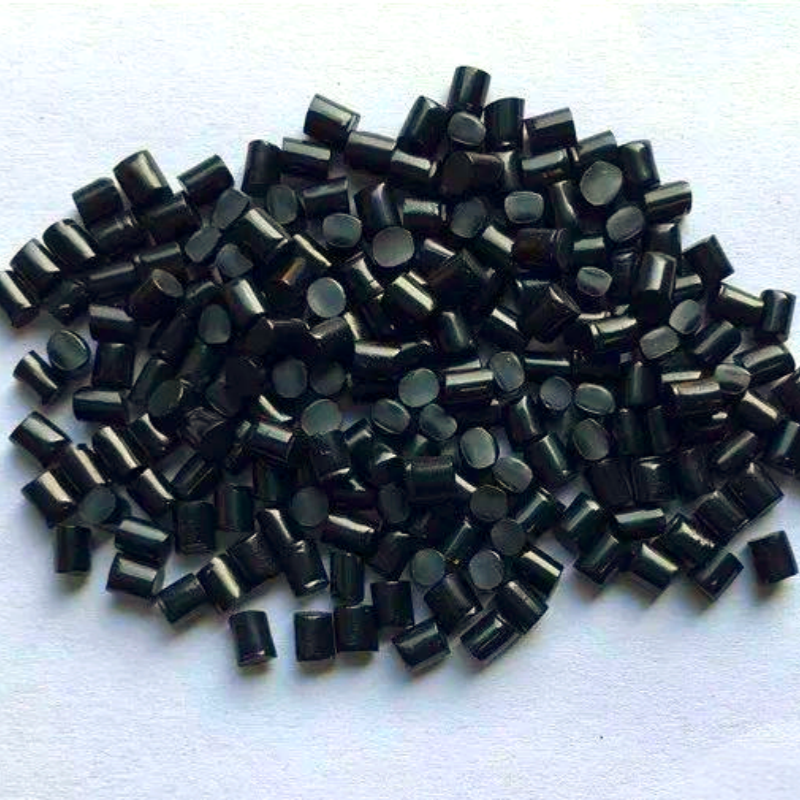
– Color limitations: Due to molecular conjugation effects, standard polyimide (PI) typically appears dark brown or yellow, making it unsuitable for applications requiring transparency.
Key Material Comparison: PI vs. PEEK vs. PPS
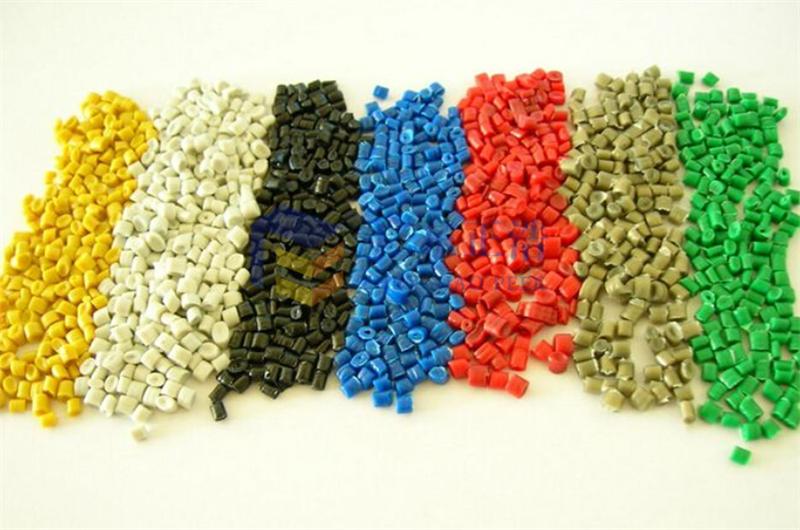
When selecting high-end materials, purchasers often face a choice between PI, PEEK, and PPS. Polyimide (PI) has a long-term operating temperature of over 260°C and combines excellent radiation resistance with dimensional stability, making it suitable for extreme operating conditions; PEEK (polyetheretherketone), on the other hand, has a long-term operating temperature of approximately 160°C and offers exceptional toughness and good hydrolytic stability, making it suitable for water-lubricated environments. PPS (polyphenylene sulfide) has a temperature resistance of approximately 200–220°C. Although it is lower in cost and has good flow properties, it is relatively brittle, and its electrical insulation and high-temperature resistance are not on the same level as PI.
Guide to Procurement and Engineering Design Selection for Polyimide (PI)
Purchasers and engineers should pay close attention to the following mandatory criteria and compliance requirements:
Define Temperature and Load: Confirm whether the continuous operating temperature exceeds 260°C and whether the load will cause material creep; this determines whether to select pure PI or reinforced, modified PI.
Confirm the Chemical Environment: Avoid environments containing strong alkalis and concentrated sulfuric acid; if there is prolonged contact with high-temperature steam or boiling water, verify the hydrolytic stability data for the corresponding grade.
Consider Cleanliness Requirements: In the semiconductor industry, verify that ionic impurity levels and outgassing comply with SEMI standards; in the medical field, confirm whether the material has passed USP Class VI or FDA certification.
Processing and Delivery Formats: Confirm whether the supplier can provide profiles (sheets/rods) close to the final dimensions to reduce machining allowances, or whether they have CNC precision machining capabilities to deliver finished products directly.
Compliance Certifications: Verify environmental compliance declarations such as UL94 flame retardancy ratings, RoHS, and REACH, as well as whether the supplier holds ISO or IATF system certifications.
FAQ: Frequently Asked Questions About Polyimide (PI)
What is polyimide (PI)?
Polyimide (PI) is a high-performance engineering plastic whose molecular backbone contains imide groups; it is regarded as the pinnacle of polymer materials. It is renowned for its exceptional resistance to both high and low temperatures (–269°C to 400°C), as well as its outstanding mechanical strength and insulating properties.
Why choose polyimide (PI) over metal?
In the aerospace and precision electronics sectors, choosing polyimide (PI) enables weight reduction and self-lubrication. Compared to metal, PI does not require oil lubrication and offers better dimensional stability and electrical insulation, significantly reducing equipment maintenance frequency and weight.
Which chemicals can polyimide (PI) withstand?
Polyimide (PI) is resistant to the vast majority of organic solvents, oils, and dilute acids. However, because the imide rings in its molecular chains are prone to hydrolysis under strong alkaline conditions, it is not resistant to strong alkalis or concentrated sulfuric acid—these are critical environmental restrictions that require special attention during material selection.
What is the long-term operating temperature range for polyimide (PI)?
Common polyimide (PI) grades have an extremely wide long-term operating temperature range, typically from -269°C to 260°C. Certain specially modified grades can even withstand long-term service at high temperatures of 380–400°C.
Is polyimide (PI) easy to machine?
Polyimide (PI) is relatively difficult to machine and is considered a high-barrier technology. Because the material is hard and wear-resistant, carbide or diamond cutting tools are required for turning and milling. For custom PI components, it is recommended to contact suppliers with precision machining capabilities directly.
Where can I purchase high-quality polyimide (PI) profiles?
To procure high-quality PI sheets or rods, it is recommended to choose technology-oriented manufacturers with a rigorous raw material selection and traceability system, as well as precision machining capabilities. For example, specialized suppliers such as Dongguan Leishuo New Materials Co., Ltd. maintain a stock of various specifications and offer one-stop services ranging from material selection to CNC machining of finished products.
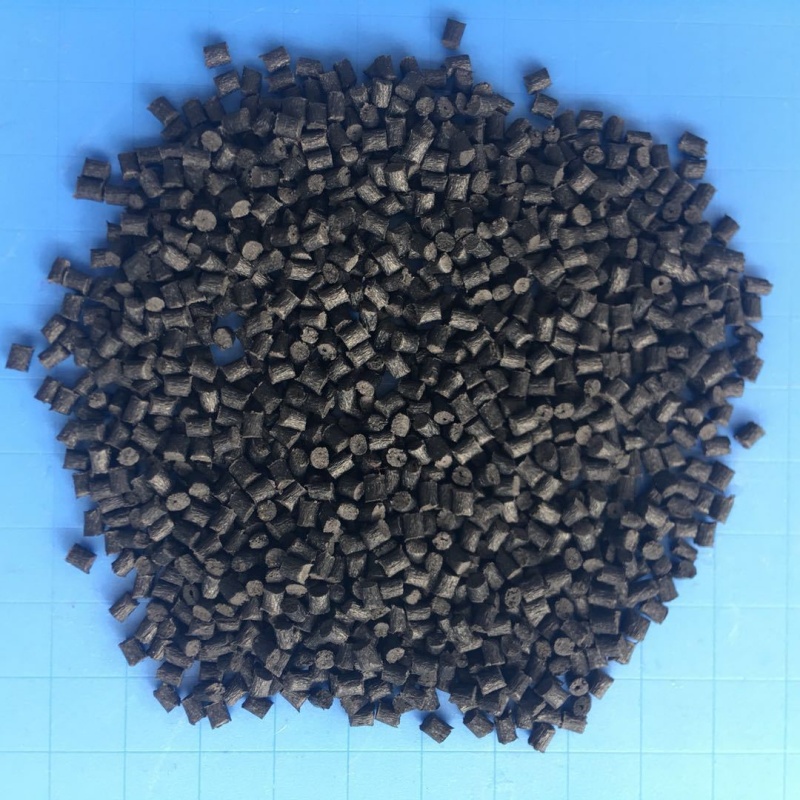
In summary, polyimide (PI) is not merely an engineering plastic but a systematic solution for a range of extreme operating conditions. From precision semiconductor components to heat-resistant structural parts in aerospace applications, polyimide (PI) remains at the forefront of solving engineering challenges. Although its cost and processing barriers are relatively high, polyimide (PI) remains the irreplaceable material of choice for high-end applications that demand long-term reliability, high-temperature resistance, and excellent insulation properties. When procuring polyimide (PI), it is recommended to thoroughly evaluate specific operating conditions and collaborate closely with professional PI suppliers that possess both profile stock and precision machining capabilities.
What Is Polyphenylene Sulfide (PPS)
 What is PEEK-for Engineers and Buyers
 Application Scope of Zirconia Ceramic Structural Components
Guide to Selecting Specialty Engineering Plastics
Application Scope of Zirconia Ceramic Structural Components
Guide to Selecting Specialty Engineering Plastics