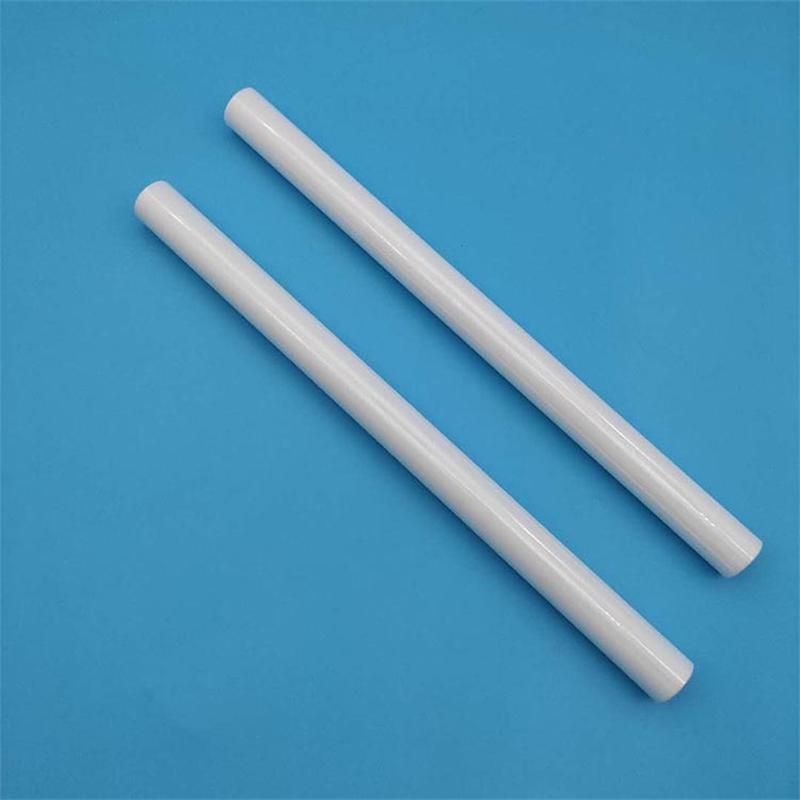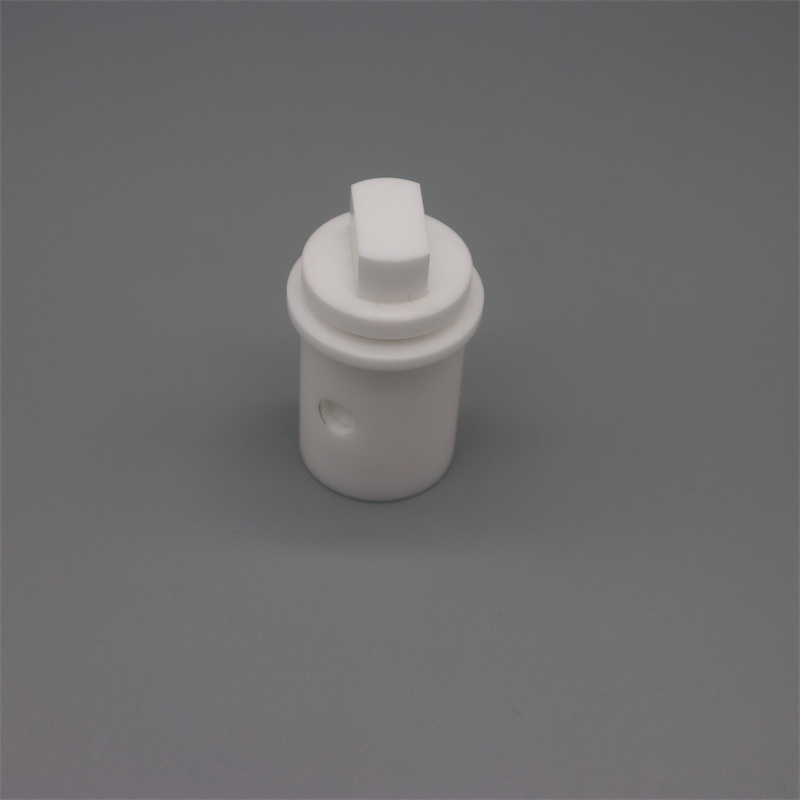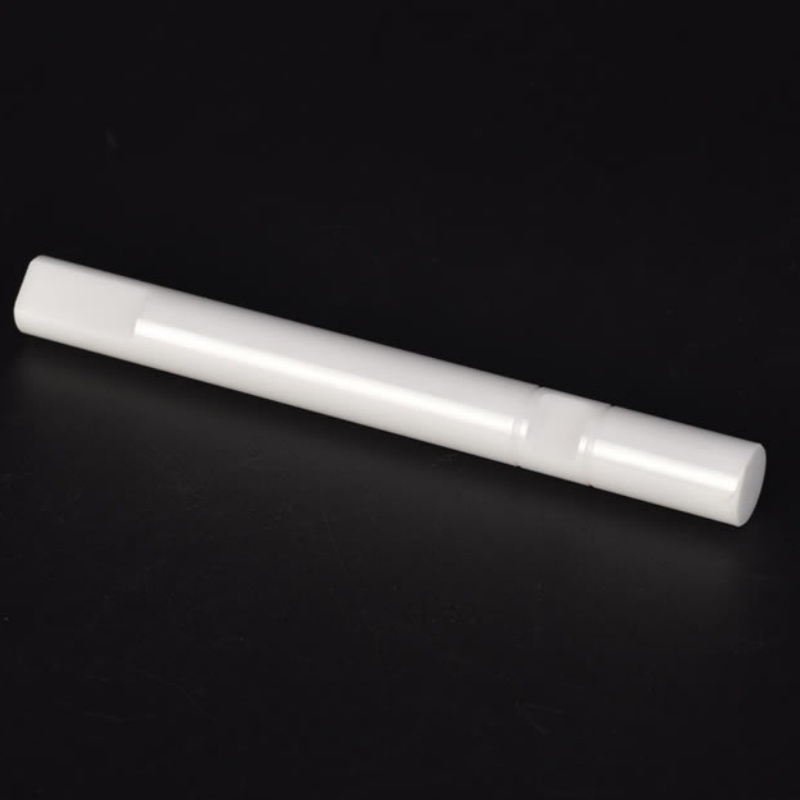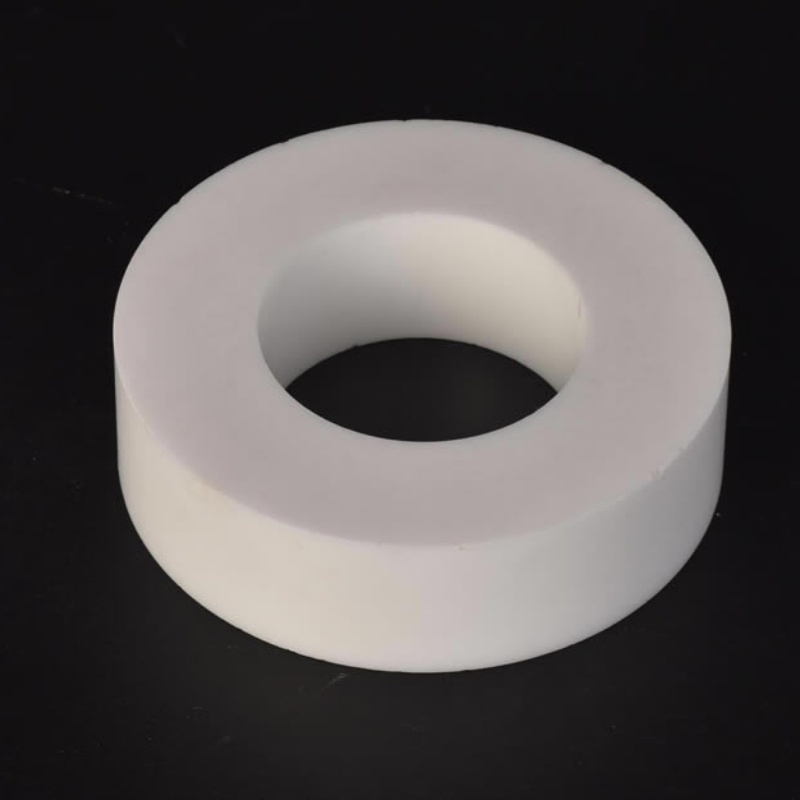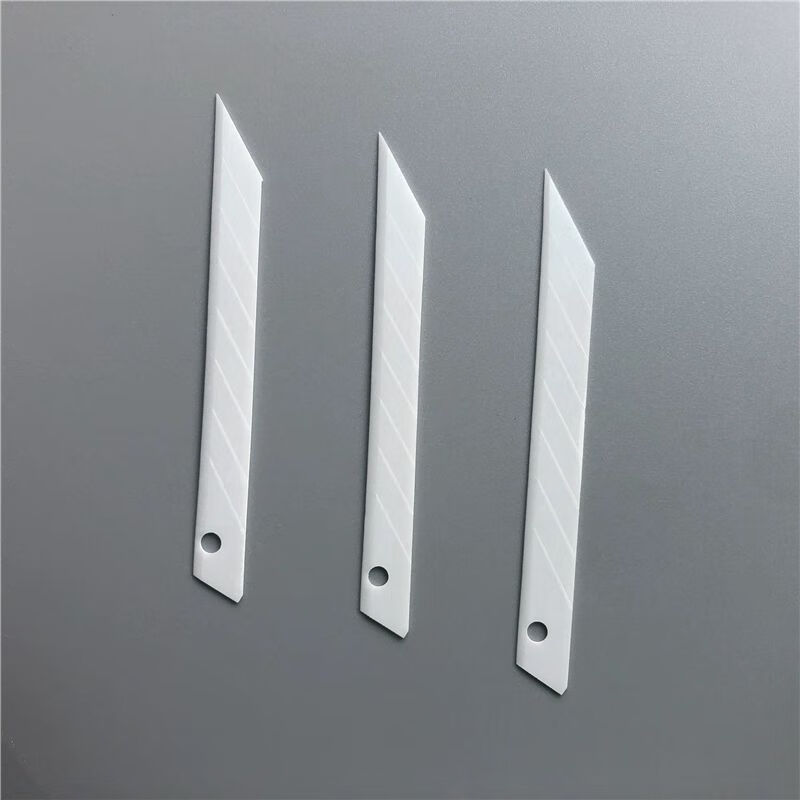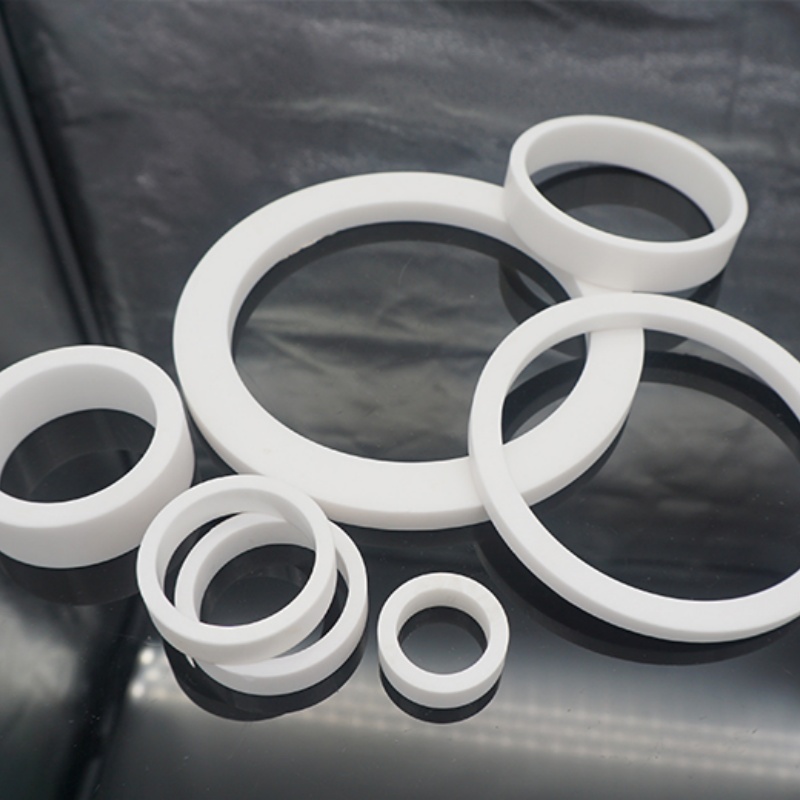
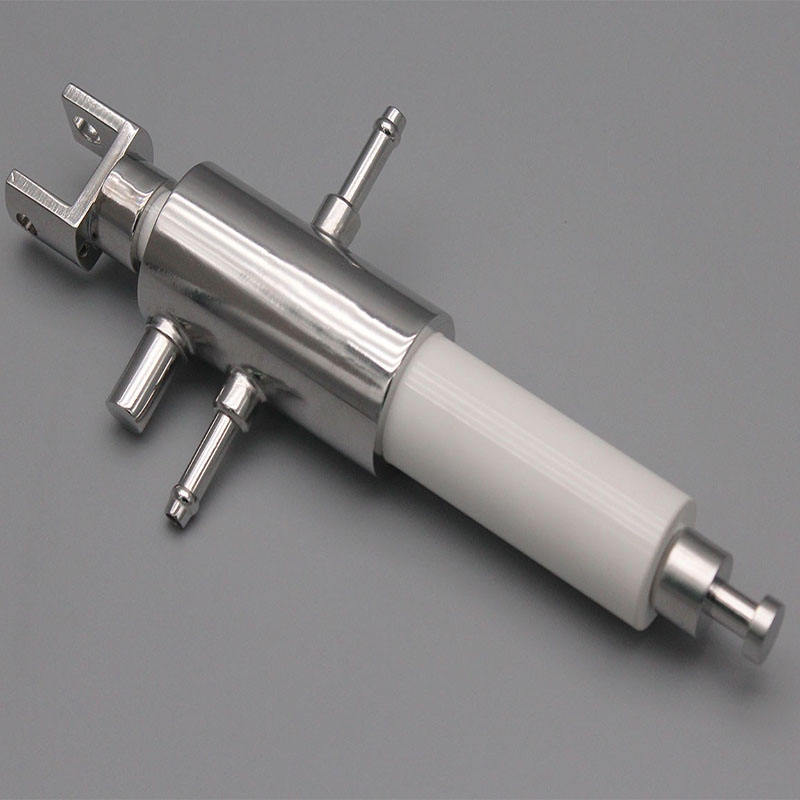
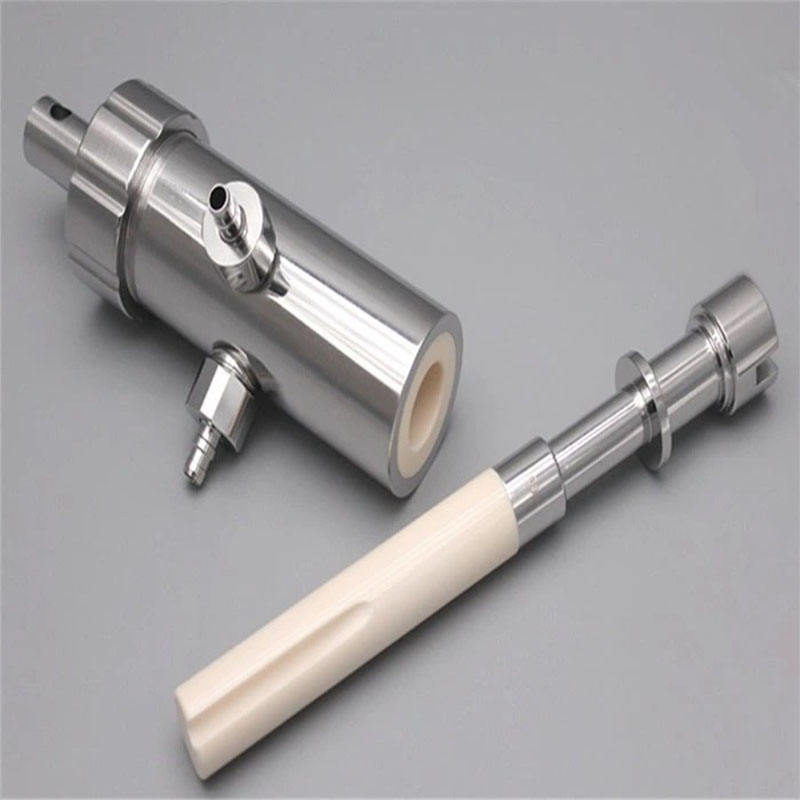
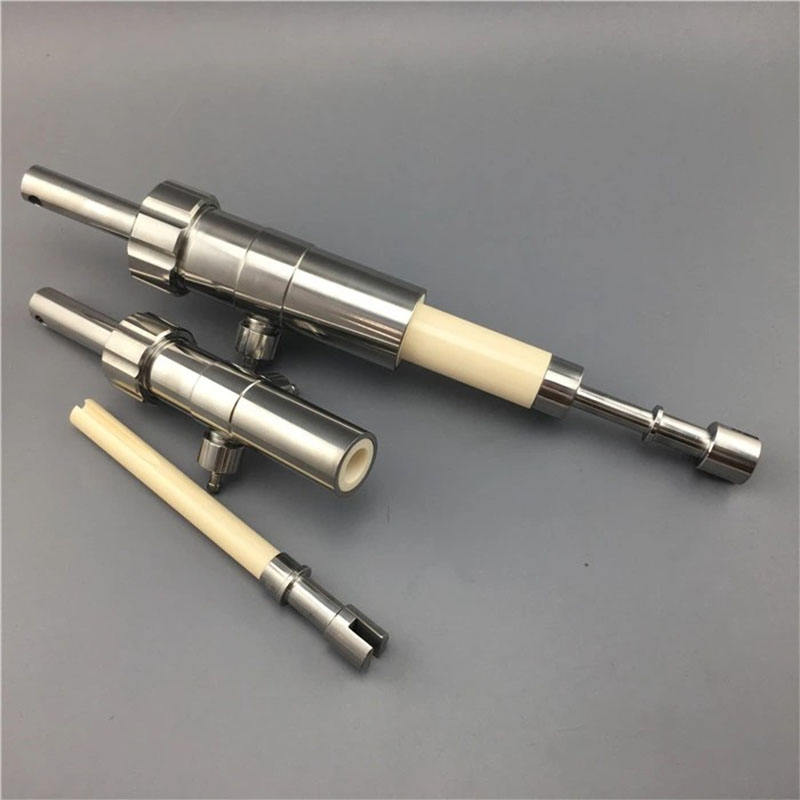
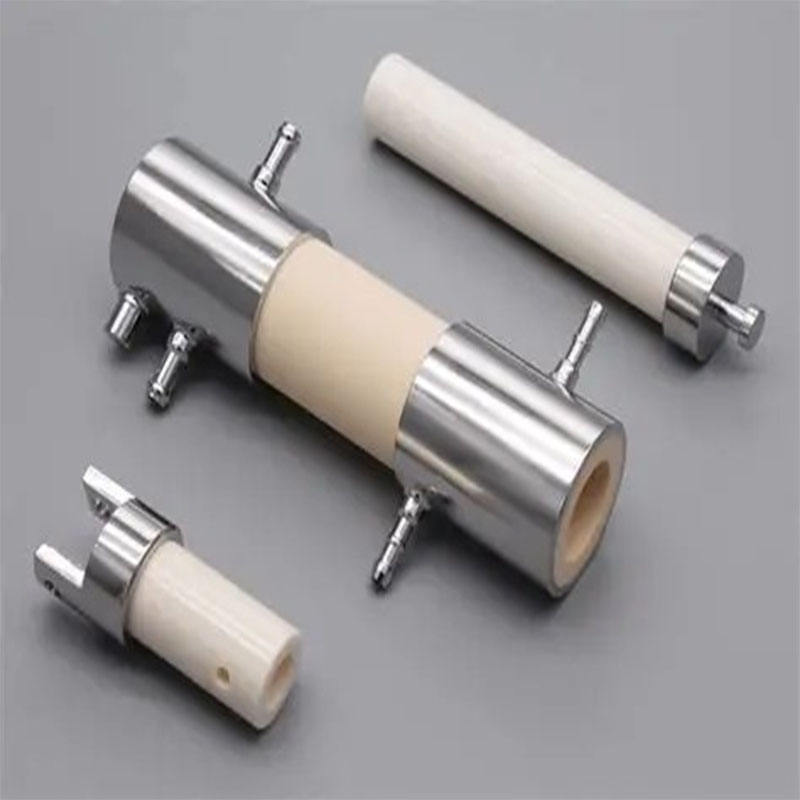
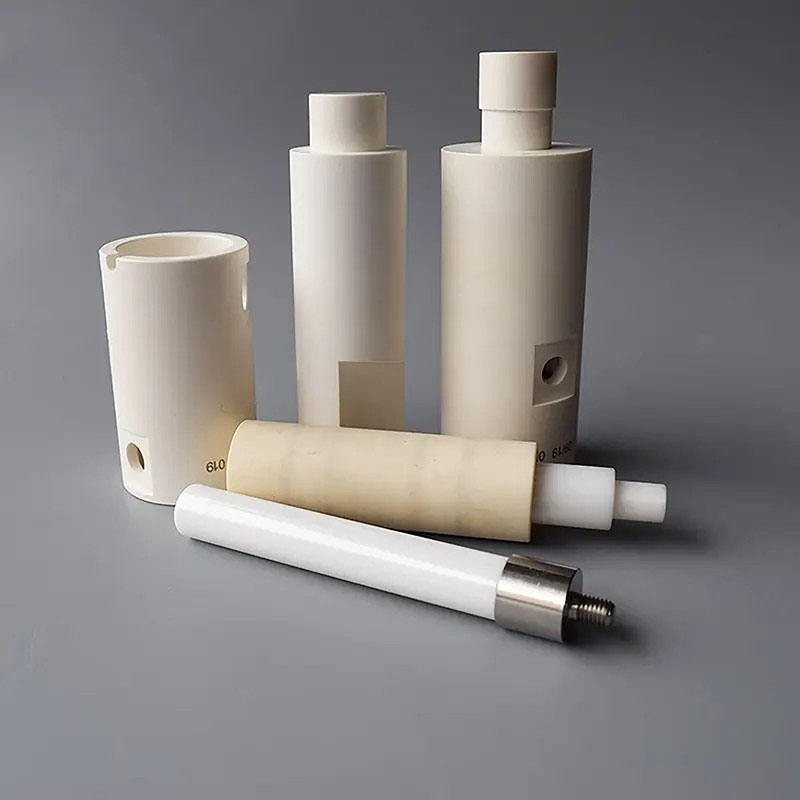
zirconia ceramic pump components
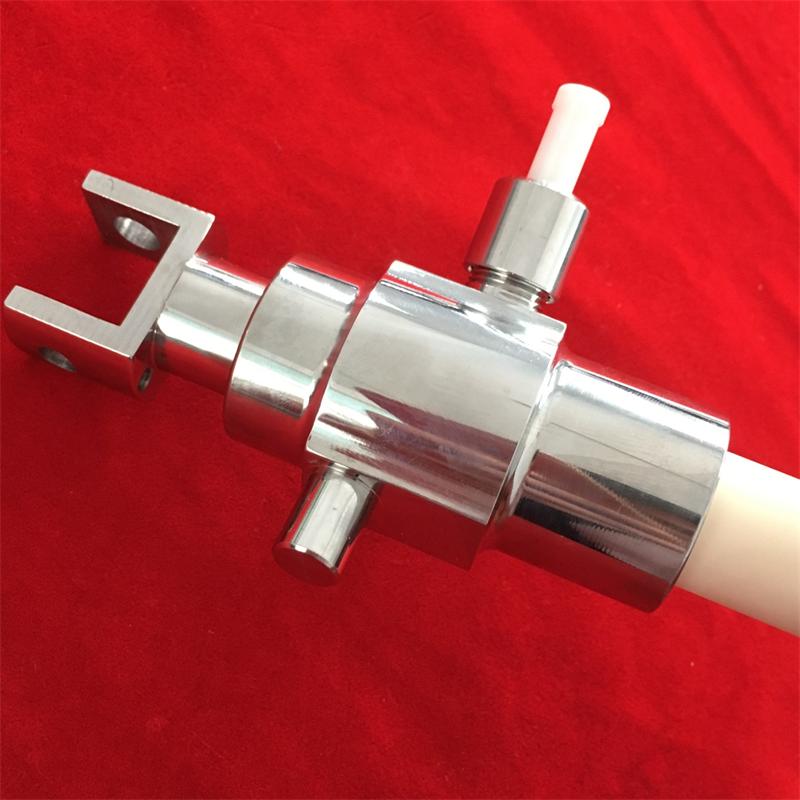
Zirconia ceramic filling pumps are precision fluid-handling components designed for applications that require high wear resistance, chemical inertness, and stable dimensional performance under repeated mechanical contact. In filling, dosing, metering, and dispensing systems, ceramic parts such as plungers, pistons, valve seats, nozzles, sleeves, and sealing surfaces are often subjected to abrasive media, corrosive chemicals, frequent cycling, and tight clearance requirements. Zirconia, particularly yttria-stabilized zirconia, is frequently considered in these environments because it combines relatively high fracture toughness with strong mechanical strength and good resistance to many aggressive fluids.
Zirconia ceramics used in filling pump components are typically based on zirconium dioxide stabilized with yttria. Pure zirconia undergoes phase transformations during heating and cooling, which can cause cracking if not properly controlled. Adding yttria stabilizes the tetragonal phase at room temperature and enables transformation toughening, a mechanism in which stress-induced phase changes near a crack tip help resist crack propagation. This is one of the main reasons zirconia can exhibit higher fracture toughness than many other oxide ceramics, including conventional alumina.
The most common engineering grades for pump-related components are 3Y-TZP and, in some cases, higher-toughness variants containing additional stabilizers. 3Y-TZP offers a strong balance of hardness, strength, and toughness, making it suitable for sliding, sealing, and wear-prone interfaces. Materials with higher toughness may be preferred when impact risk or edge loading is a concern, although hardness and wear behavior can vary with composition and microstructure.
In filling pump applications, zirconia ceramic parts are valued for their hardness and wear resistance. Many zirconia components exhibit Vickers hardness in the range of roughly 1,100 to 1,400 HV, depending on grade and processing. This helps maintain surface integrity when handling abrasive suspensions, pigmented fluids, adhesive formulations, or media containing fine particulates. Zirconia also offers high flexural strength, often in the range of 800 to 1,200 MPa for well-processed 3Y-TZP, which supports thin-walled or precision-machined geometries that must withstand mechanical loading during pump operation.
Chemical resistance is another important consideration. Zirconia generally performs well in many aqueous solutions, organic solvents, acids, and alkalis, especially at ambient to moderately elevated temperatures. However, its chemical compatibility depends on concentration, temperature, pressure, and exposure time. For highly aggressive hydrofluoric acid environments or certain high-temperature molten salts, zirconia may not be suitable. Engineers should verify compatibility with the specific process fluid before selecting ceramic wetted parts.
Zirconia ceramic filling pump components are commonly used in industries where contamination control, cleanliness, and long service life are important. Typical applications include pharmaceutical and biotechnology filling lines, cosmetic and personal care product dispensing, food and beverage processing, chemical dosing systems, adhesive and sealant metering, ink and pigment handling, and laboratory or analytical fluid systems. In these cases, zirconia is not selected simply because it is “ceramic,” but because it can reduce particle generation, resist corrosion better than many metals, maintain tight tolerances, and extend maintenance intervals.
Compared with alumina, zirconia usually provides higher fracture toughness and better resistance to mechanical shock. This makes zirconia more suitable for components that experience impact, edge contact, or high cyclic stress. Alumina, however, often offers higher hardness at lower cost and better performance in some high-temperature oxidizing environments. Compared with silicon carbide, zirconia is generally easier to machine into complex shapes and provides higher toughness, but silicon carbide may be preferred for extreme abrasion, higher thermal conductivity, or applications involving very high temperatures.
Zirconia also has limitations. It is still a brittle ceramic and can fail if subjected to excessive tensile stress, impact, or improper assembly. Its thermal shock resistance is moderate; rapid temperature changes can cause cracking, especially in thick sections or constrained geometries. Zirconia is also susceptible to low-temperature degradation in certain humid or aqueous environments over long periods, particularly for some 3Y-TZP grades. In such cases, material grade selection, surface finish, operating temperature, and lifetime requirements must be evaluated carefully.
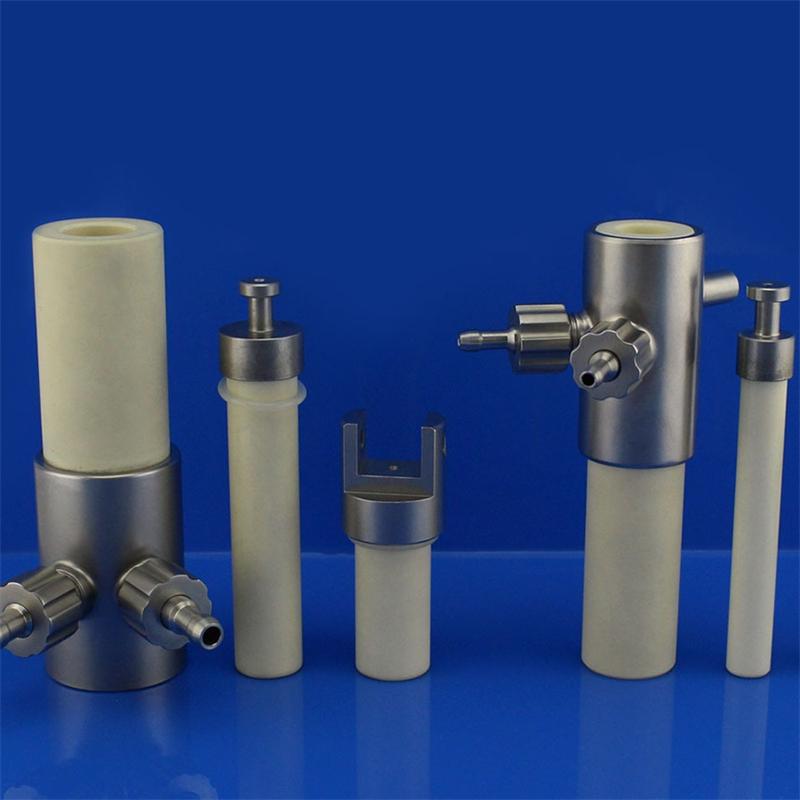
From a design and procurement perspective, zirconia filling pump parts should be treated as precision engineering components. Surface finish, dimensional tolerance, roundness, and sealing geometry all affect performance. Poorly matched clearances can cause leakage, accelerated wear, or seizure. Over-tightening metal housings around ceramic sleeves or pistons can generate harmful tensile stresses. Where possible, designs should avoid sharp corners, uneven load paths, and direct metal-to-ceramic impact.
Zirconia ceramic filling pump components are best selected when the process demands a combination of wear resistance, chemical stability, low contamination risk, and reliable mechanical performance. If the application involves only mild wear and low corrosion risk, hardened metals or alumina may be more cost-effective. If the environment involves extreme abrasion, very high temperatures, or high thermal cycling, silicon carbide or silicon nitride may be more appropriate. For many high-value filling and metering systems, zirconia remains a strong engineering choice because it balances toughness, strength, and chemical resistance in a way that few other ceramics can.
FAQ
What is a zirconia ceramic filling pump?
It refers to a filling, dosing, or dispensing pump that uses zirconia ceramic components for wear-critical or fluid-contact parts. The pump itself may include metal, polymer, or other materials, while zirconia is used for plungers, valves, nozzles, sleeves, or sealing surfaces.
Why is zirconia used in filling and dosing systems?
Zirconia offers high hardness, good fracture toughness, strong mechanical strength, and broad chemical resistance. These properties help reduce wear, maintain dimensional stability, and limit contamination in precision fluid handling.
Is zirconia better than alumina for pump parts?
Not always. Zirconia generally has higher toughness and better resistance to mechanical shock, making it suitable for high-stress components. Alumina may be preferred when cost, hardness, or high-temperature stability is more important.
Can zirconia ceramic parts handle high temperatures?
Zirconia can operate at elevated temperatures, but its advantage over other ceramics decreases as temperature rises. It is not typically chosen for extreme thermal cycling or very high-temperature abrasive service without careful evaluation.
Is zirconia electrically conductive?
Zirconia is generally an electrical insulator at room temperature. However, its electrical behavior can change with temperature, composition, and operating conditions. It should not be assumed conductive for pump design purposes.
What are the main risks when using zirconia pump components?
The main risks are brittle fracture, thermal shock damage, improper fit or assembly stress, and long-term degradation in certain humid or chemically aggressive environments. Proper material grade selection and mechanical design are essential.