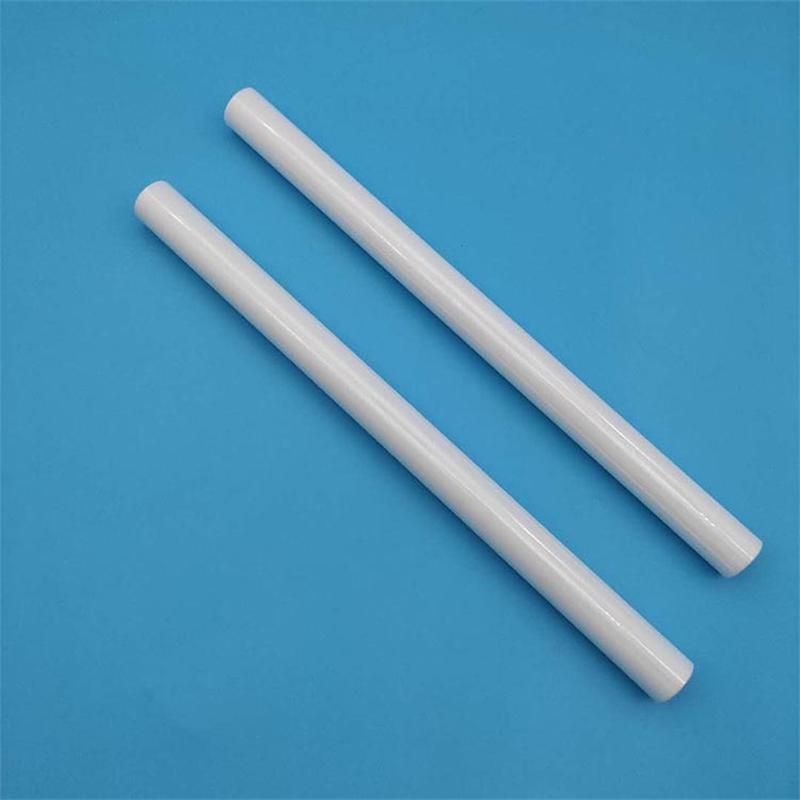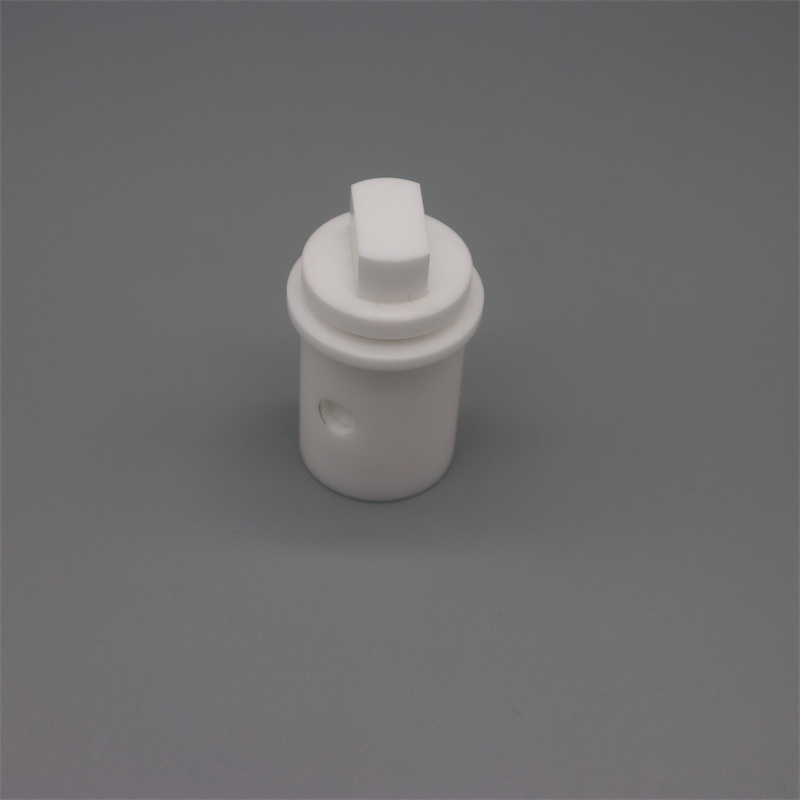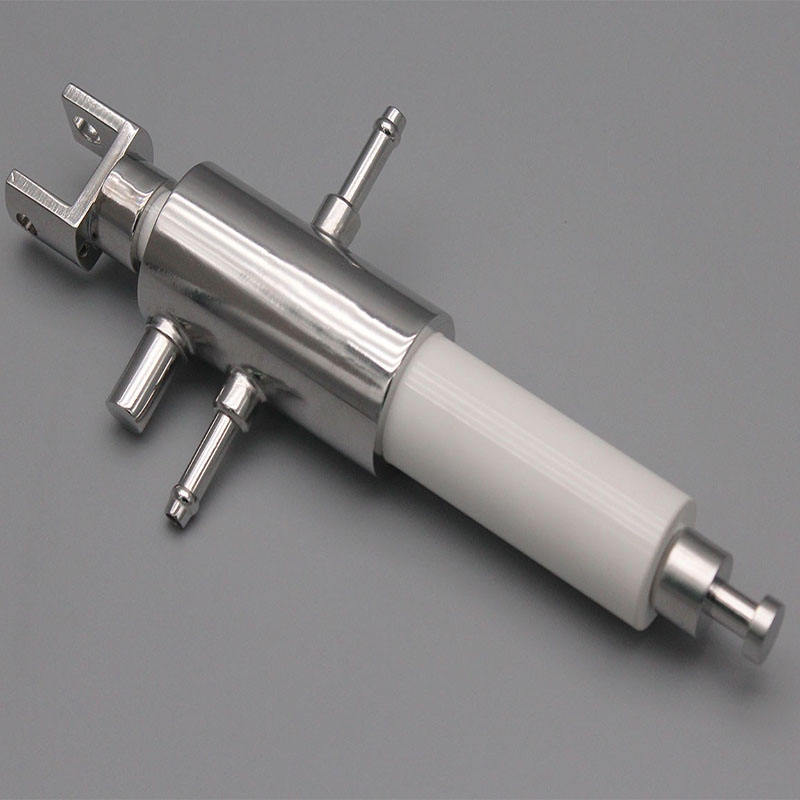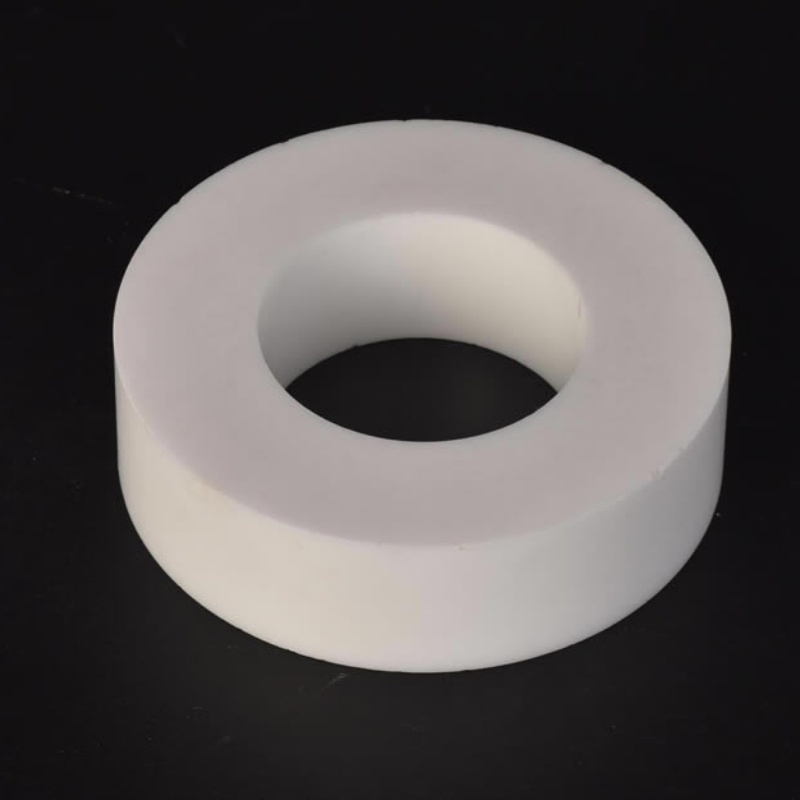
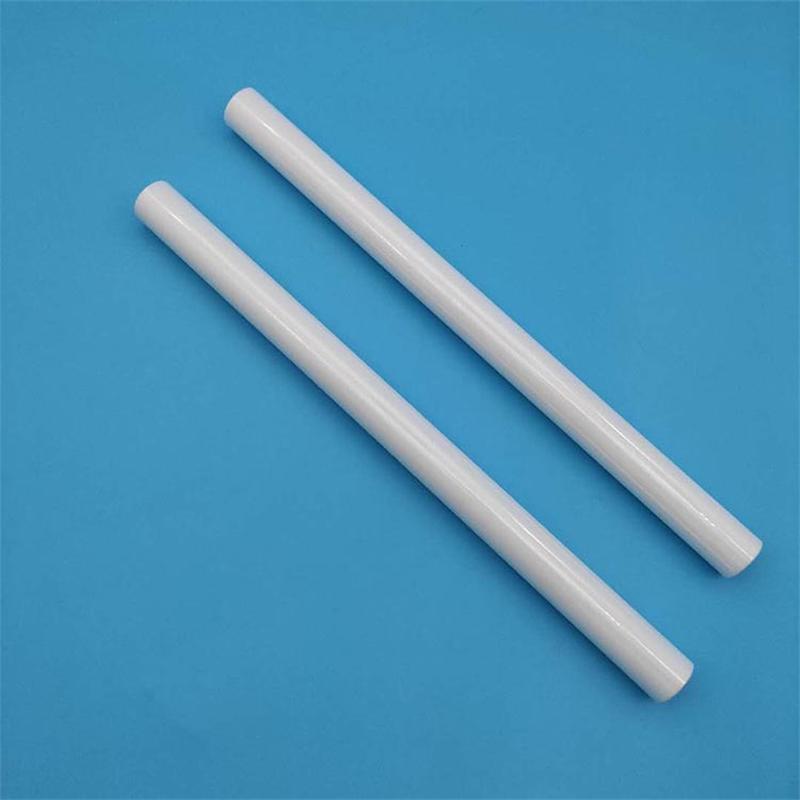
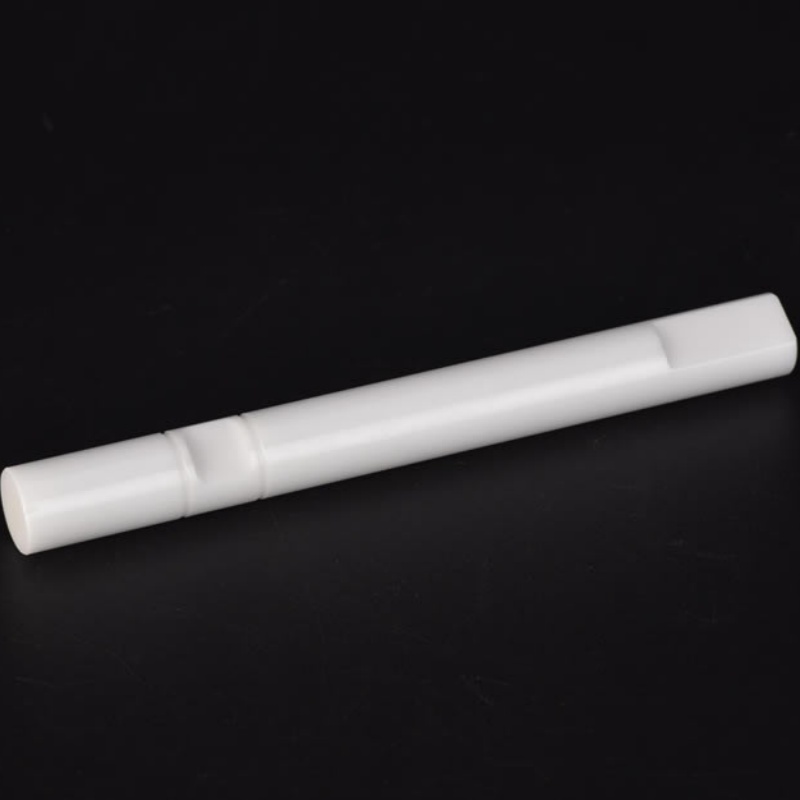
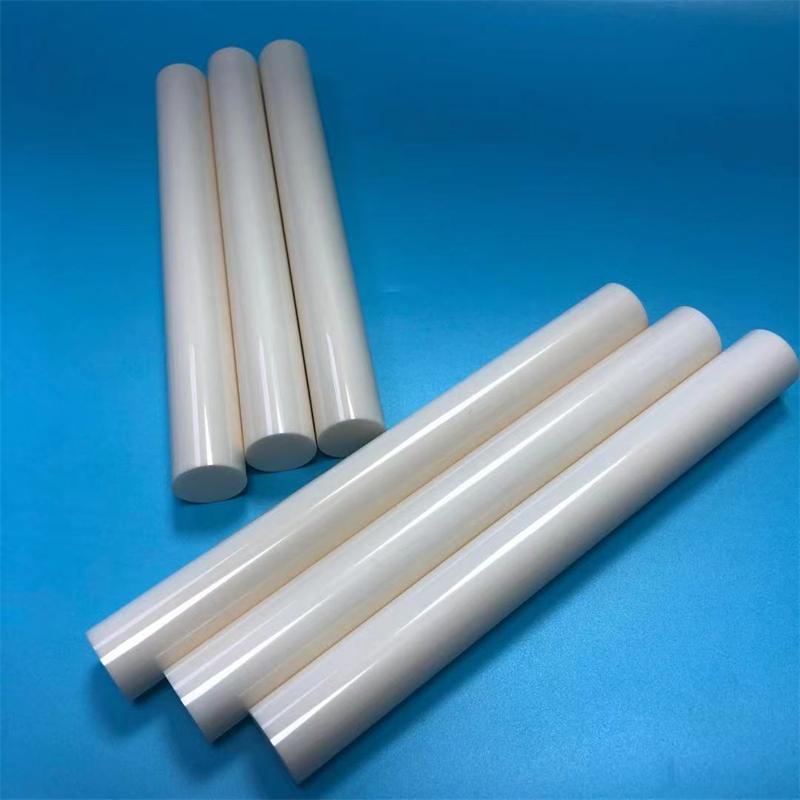
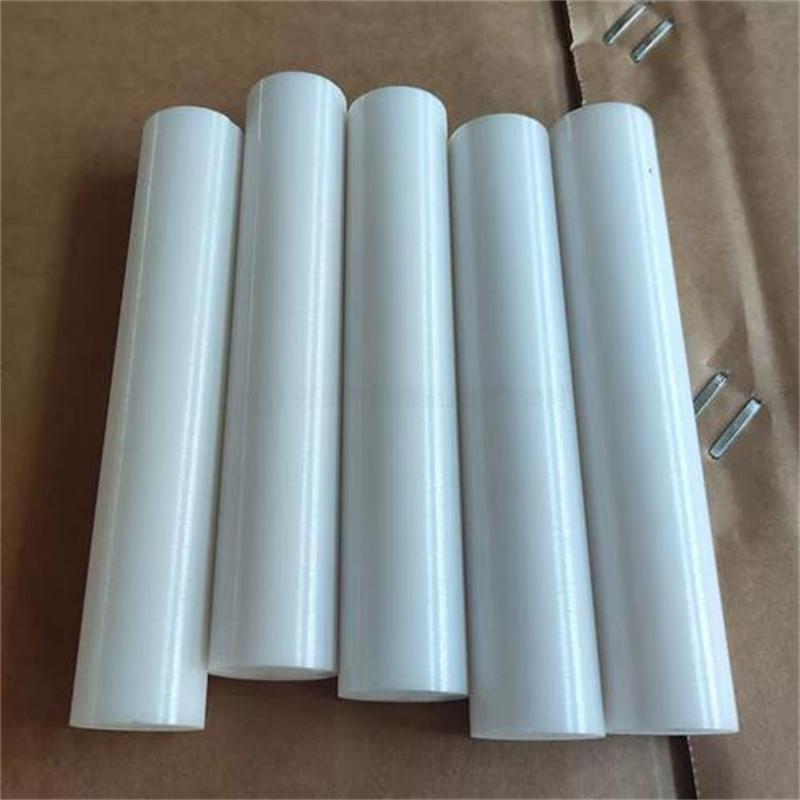
Zirconia Ceramic Shaft Rod
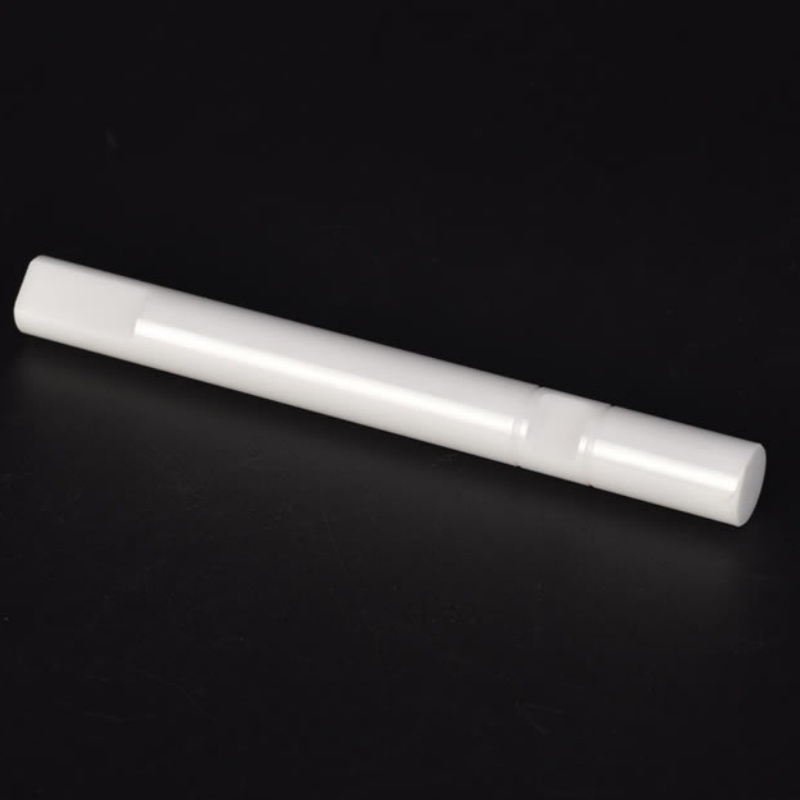
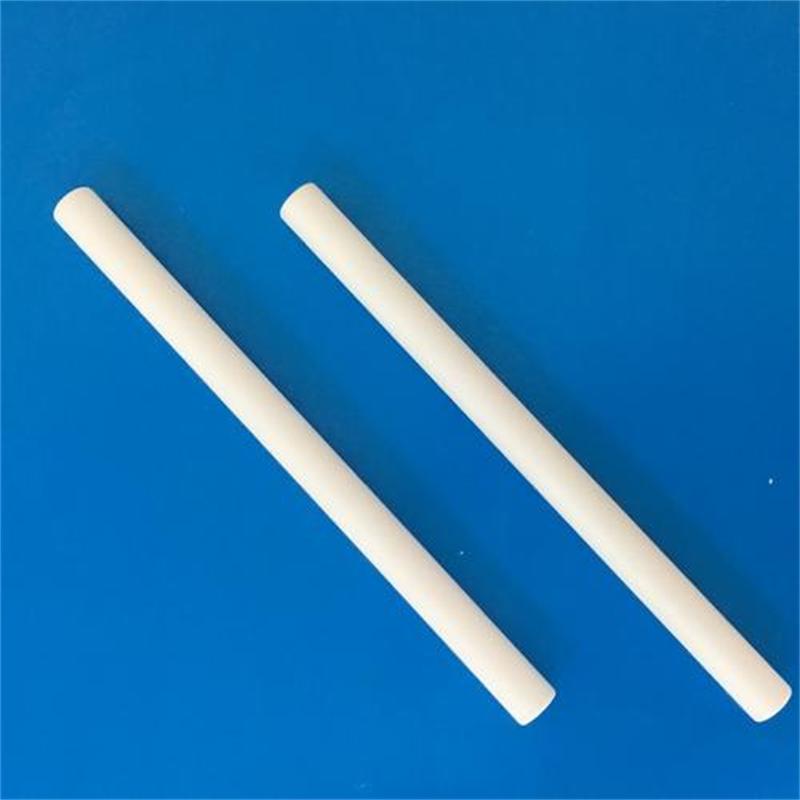
Zirconia ceramic shaft rods are high-performance structural components widely used in demanding mechanical, chemical, and thermal environments. Made primarily from zirconium dioxide (ZrO₂), these rods are valued for their exceptional fracture toughness, wear resistance, and chemical stability. Unlike many other engineering ceramics, zirconia can maintain strength and dimensional stability under high stress, making it a preferred material for precision shafts, pins, plungers, and rotating components.
What Is Zirconia Ceramic Shaft Rod?
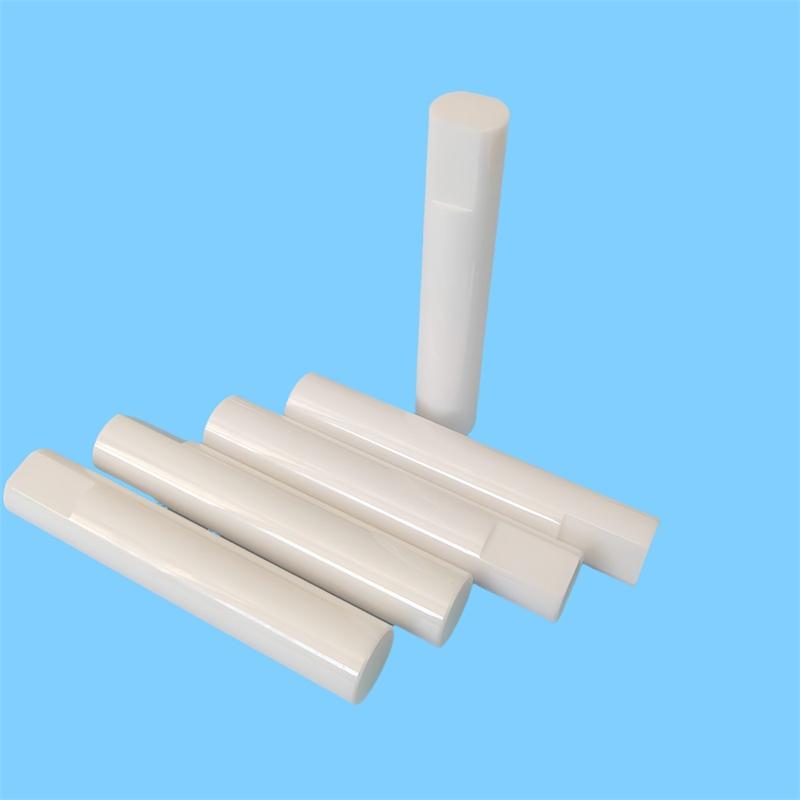
Zirconia ceramic shaft rod is a cylindrical or near-cylindrical ceramic component designed to transmit motion, support loads, resist wear, or operate in corrosive media. It is typically produced from stabilized zirconia powders that are pressed, sintered, and finished to tight tolerances. Because zirconia is a transformation-toughened ceramic, its microstructure allows it to absorb energy during crack propagation, which significantly improves toughness compared with many oxide ceramics.
Why Zirconia Has These Properties
The performance of zirconia ceramic shafts comes from its crystal structure and stabilization chemistry. Pure zirconia undergoes phase transformations during heating and cooling, which can cause volume changes. To prevent cracking and retain useful mechanical properties, yttria (Y₂O₃), magnesia (MgO), or ceria (CeO₂) is added to stabilize the tetragonal or cubic phase.
Yttria-stabilized zirconia (YSZ) is the most common engineering grade. The fine tetragonal grains can transform into the monoclinic phase under stress, creating a localized compressive zone that hinders crack growth. This transformation toughening mechanism gives zirconia ceramic shaft rods higher fracture toughness than alumina and many other structural ceramics.
Key Mechanical and Physical Properties
Zirconia ceramic shaft rods are selected mainly for their mechanical performance. Typical characteristics include:
High flexural strength, often in the range of 800–1,200 MPa for common YSZ grades
Fracture toughness significantly higher than alumina, frequently around 6–10 MPa·m¹/²
High hardness, generally between 1,200 and 1,400 HV
Good wear resistance in sliding and abrasive conditions
Low thermal conductivity compared with metals
Electrical insulation at room temperature
High density, typically around 5.8–6.1 g/cm³
Exact values depend on zirconia grade, yttria content, sintering conditions, grain size, and surface finish. Components intended for precision motion systems usually require tighter control of diameter, straightness, roundness, and surface roughness.
Common Zirconia Grades for Shaft Rods
The most frequently used grades include:
3Y-TZP (3 mol% yttria-stabilized tetragonal zirconia polycrystal): Offers the best combination of strength, toughness, and wear resistance. It is widely used for precision shafts, pump components, and wear parts.
Mg-PSZ (magnesia-partially stabilized zirconia): Provides good thermal shock resistance and toughness, often used in higher-temperature or thermally demanding applications.
Ce-TZP (ceria-stabilized zirconia): Can deliver very high fracture toughness but generally has lower hardness and strength than 3Y-TZP.
5Y- or 8Y-Zirconia: Contains higher yttria content and tends to be more translucent or more thermally stable, but usually has lower mechanical strength than 3Y-TZP.
For shaft rods subjected to mechanical loading, 3Y-TZP is often the default engineering choice unless thermal, optical, or chemical requirements dictate another grade.
Typical Applications
Zirconia ceramic shaft rods are used where metals, polymers, or conventional ceramics cannot provide sufficient durability. Common applications include:
Pump and valve shafts: Zirconia resists corrosion from many chemicals and maintains dimensional stability in aggressive fluids.
Textile machinery guides and pins: High hardness and low friction help reduce fiber abrasion and component wear.
Semiconductor and analytical equipment: Low particle generation and good chemical resistance make zirconia suitable for clean or corrosive process environments.
Food, medical, and laboratory devices: Zirconia is chemically inert, easy to clean, and can be finished to a smooth surface.
Wear-resistant plungers and actuator rods: Transformation toughening helps the component survive repeated mechanical contact.
The material is especially useful when a shaft must operate without lubrication, in corrosive media, at elevated temperatures, or in environments where metallic contamination must be avoided.

Advantages of Zirconia Ceramic Shaft Rods
Zirconia shaft rods offer several engineering advantages:
Superior fracture toughness among oxide ceramics
Excellent wear resistance for sliding and rotating contacts
Good corrosion resistance against many acids, alkalis, and organic media
High strength and stiffness relative to size
Non-magnetic and electrically insulating
Ability to operate at elevated temperatures
These properties make zirconia particularly attractive for compact, high-load, or high-reliability components.
Limitations and Engineering Precautions
Zirconia is not suitable for every application. Important limitations include:
Low-temperature degradation: In moist environments, some 3Y-TZP grades can undergo slow tetragonal-to-monoclinic transformation, which may reduce strength over time.
Brittleness: Although tough for a ceramic, zirconia is still brittle and sensitive to impact, edge chipping, and tensile stress concentrations.
Thermal shock sensitivity: Zirconia has relatively low thermal conductivity, so rapid temperature changes can cause cracking.
Machining difficulty: Final grinding and polishing usually require diamond tooling and careful process control.
Cost: Zirconia is generally more expensive than alumina and many metals.
Designers should avoid sharp shoulders, uneven clamping forces, and excessive press-fit stresses. Surface finish also matters, because surface defects can act as crack initiation sites.
When to Choose Zirconia Over Other Ceramics
Zirconia is often preferred when toughness and wear resistance are the primary concerns. Alumina may be considered when cost, electrical insulation, or high-temperature stability is more important. Silicon nitride can be a better choice for high-speed bearings or applications requiring higher thermal shock resistance. Silicon carbide may be preferred for extreme hardness, thermal conductivity, or chemical resistance in specific media.
For shaft rods operating under mechanical load, in corrosive fluids, or in precision wear applications, zirconia frequently provides the most balanced performance.
FAQ
What is a zirconia ceramic shaft rod used for?
It is used as a wear-resistant, corrosion-resistant, and high-strength structural component in pumps, valves, textile machinery, semiconductor equipment, laboratory devices, and precision motion systems.
What are the main advantages of zirconia shaft rods?
They offer high fracture toughness, excellent wear resistance, good chemical stability, high strength, electrical insulation, and non-magnetic behavior.
Is zirconia suitable for high-temperature applications?
Zirconia can operate at elevated temperatures, but its thermal shock resistance is lower than that of some other ceramics. Grade selection and heating/cooling rates must be considered.
How does zirconia compare with alumina for shaft applications?
Zirconia generally has higher toughness and wear resistance, while alumina is usually less expensive and offers good electrical insulation and high-temperature stability.
Can zirconia ceramic shafts be machined to tight tolerances?
Yes, but machining is typically performed by diamond grinding and polishing after sintering. Tight tolerances are achievable with proper manufacturing control.
What is the main limitation of 3Y-TZP zirconia?
Its main limitation is potential low-temperature degradation in moist environments, along with inherent ceramic brittleness and sensitivity to rapid thermal changes.