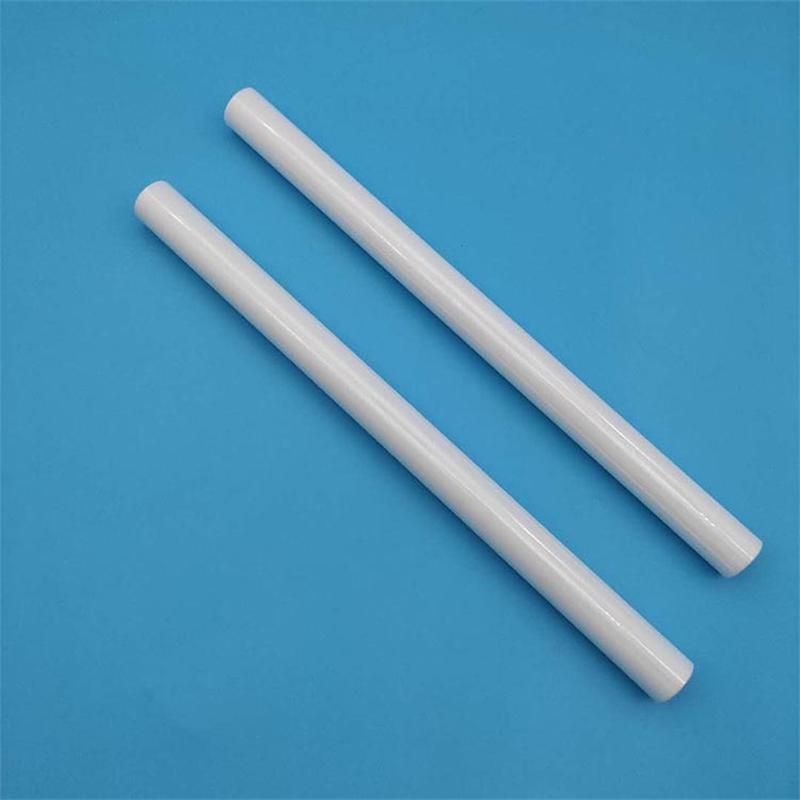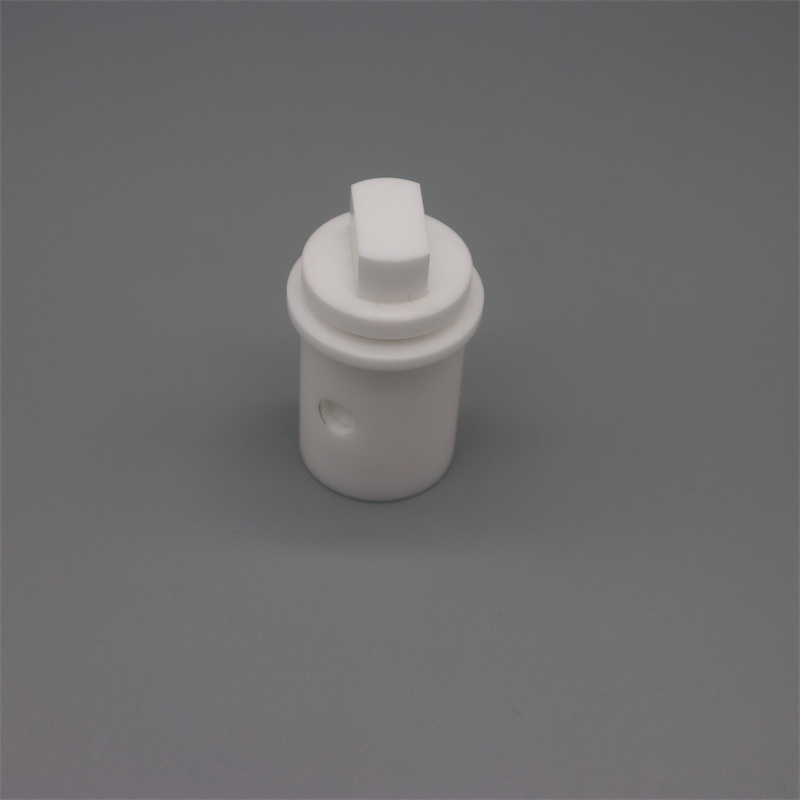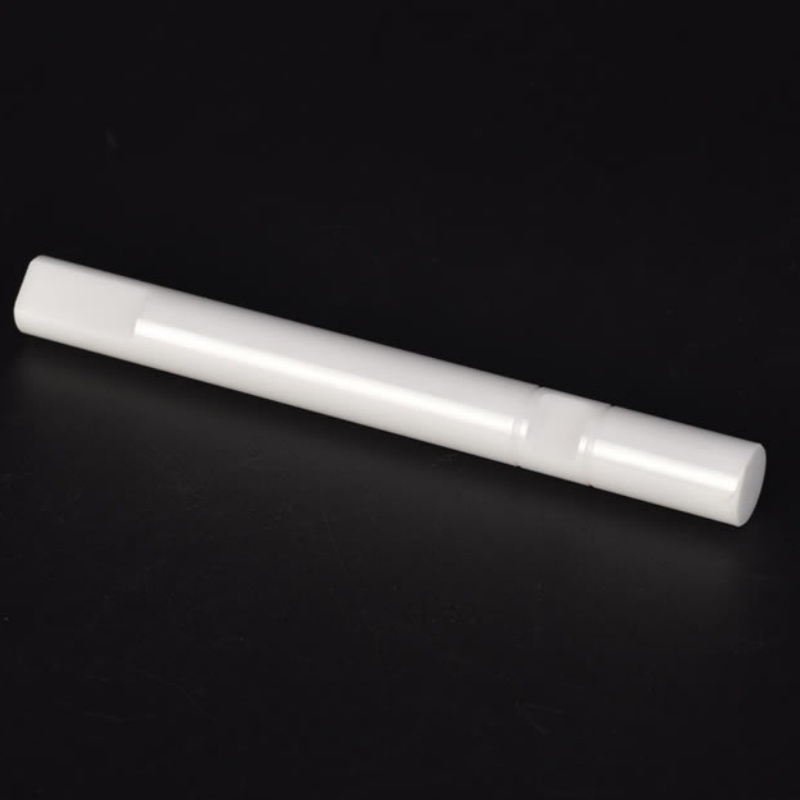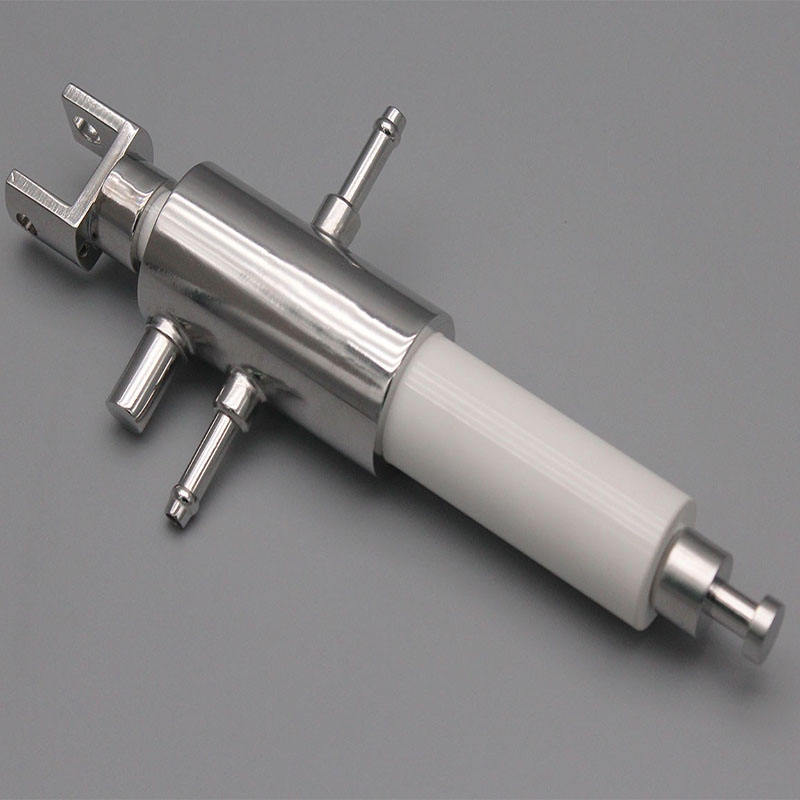
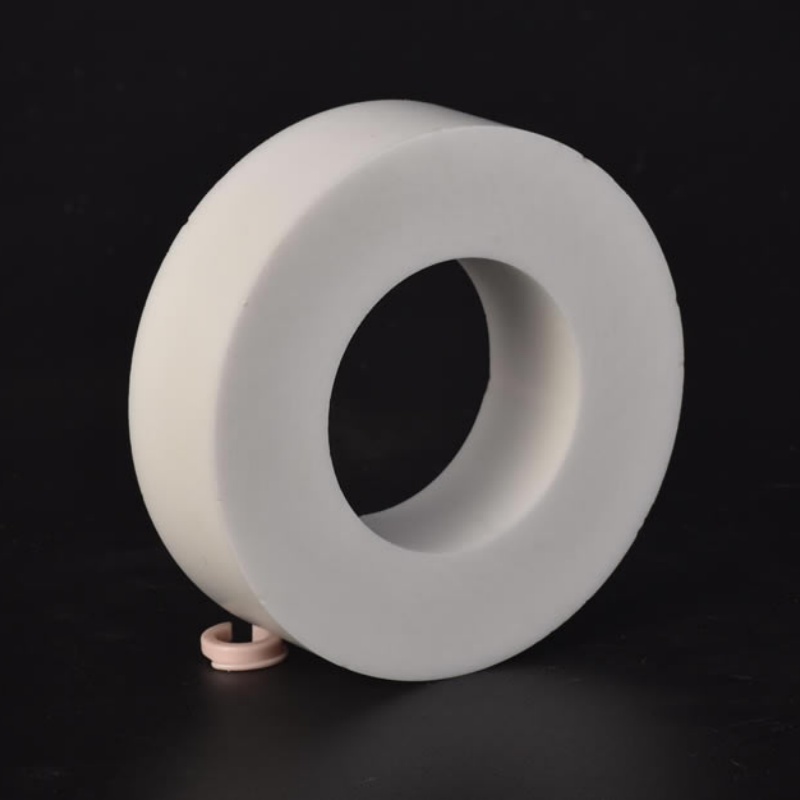
Zirconia Ceramic Bushings
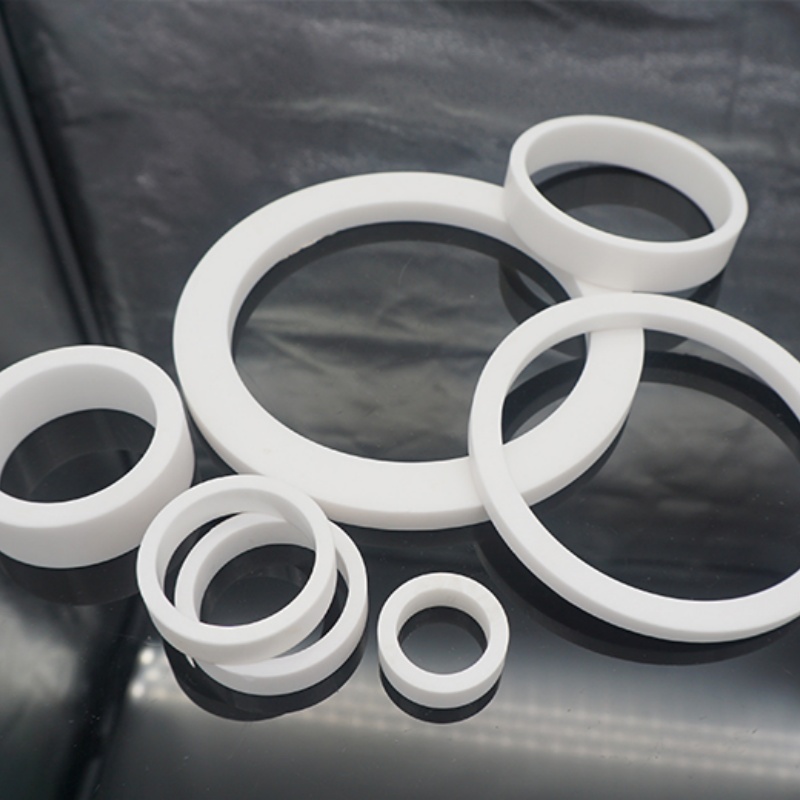
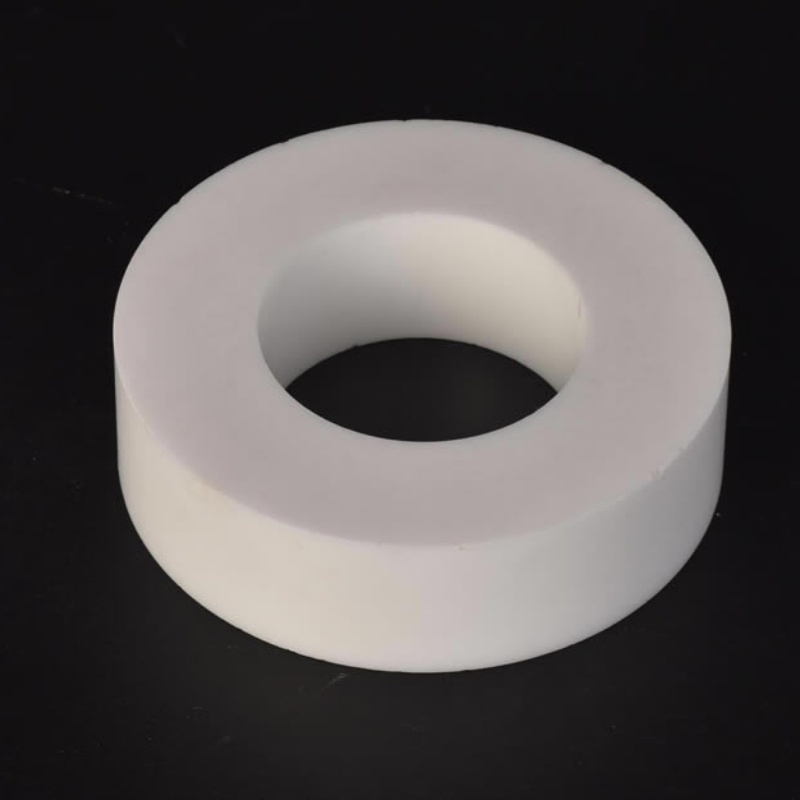
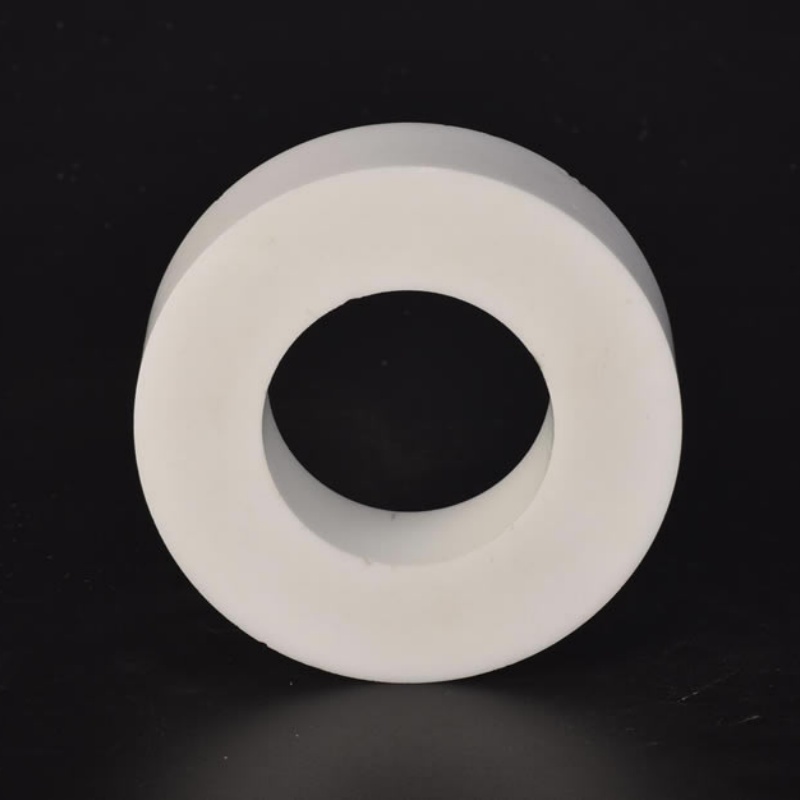
Zirconia ceramic bushings are high-performance bearing components made primarily from zirconium dioxide (ZrO₂). They are widely used in demanding mechanical systems where conventional metals, polymers, or other ceramics cannot provide sufficient wear resistance, corrosion resistance, or mechanical reliability. Among advanced ceramic materials, zirconia is particularly valued for its exceptional fracture toughness, high strength, and excellent tribological performance, making it a preferred choice for bushing applications in harsh environments.
Why Zirconia Performs Well as a Bushing Material
The engineering performance of zirconia ceramic bushings is closely related to the material’s microstructure and phase behavior. Pure zirconia undergoes phase transformations during heating and cooling, which can cause volume changes and cracking. To stabilize the structure for engineering use, oxides such as yttria (Y₂O₃), magnesia (MgO), or ceria (CeO₂) are added. The most commonly used engineering grade is yttria-stabilized zirconia, especially 3Y-TZP, which provides a good balance of strength, toughness, and wear resistance.
A key advantage of zirconia is its transformation toughening mechanism. Under mechanical stress, tetragonal zirconia grains near a crack tip can transform into the monoclinic phase, creating localized compressive stress that slows crack propagation. This gives zirconia significantly higher fracture toughness than alumina and many other oxide ceramics. For bushings subjected to dynamic loads, vibration, or impact, this property helps reduce the risk of sudden brittle failure.
Key Mechanical and Physical Properties
Zirconia ceramic bushings typically exhibit high flexural strength, high hardness, and good wear resistance. Their density is higher than that of alumina, but their mechanical performance is also superior in many load-bearing applications. Typical engineering-grade zirconia can achieve flexural strength in the range of 800–1,200 MPa and fracture toughness around 5–10 MPa·m¹/², depending on composition and processing.
Zirconia also has a relatively low coefficient of friction when properly matched with compatible counterfaces. This makes it suitable for sliding or oscillating motion where lubrication may be limited. However, tribological performance depends on surface finish, load, speed, mating material, and operating environment. A finely polished zirconia surface generally provides better wear performance than a rough surface.
Thermal and Chemical Performance
Zirconia ceramic bushings offer good chemical stability in many aggressive environments. They are resistant to corrosion by many acids, alkalis, and organic solvents, although performance can vary with concentration, temperature, and exposure time. This makes zirconia bushings suitable for chemical processing equipment, fluid handling systems, and environments where metallic corrosion is a concern.
Thermally, zirconia has lower thermal conductivity than alumina or silicon carbide. This can be beneficial in applications where thermal insulation between components is desired. However, lower thermal conductivity also means that heat generated by friction may dissipate more slowly. In high-speed or heavily loaded sliding applications, thermal management must be considered during design.
Zirconia is generally suitable for elevated-temperature service, but long-term performance above several hundred degrees Celsius depends on the stabilizer system and operating atmosphere. Some grades may experience aging or gradual phase changes under specific hydrothermal or high-temperature conditions, which should be evaluated for critical applications.
Common Grades and Material Variants
The most common zirconia grade for bushings is 3Y-TZP, which provides high strength and wear resistance. Ceria-stabilized zirconia, such as Ce-TZP, can offer improved toughness and aging resistance in certain environments, though it may have lower hardness. Magnesia-partially-stabilized zirconia is another variant used in specialized wear applications.
Material selection among zirconia grades should be based on mechanical load, wear conditions, environmental exposure, temperature, and dimensional requirements. Different grades may vary in hardness, toughness, thermal expansion, and long-term stability.
Typical Applications
Zirconia ceramic bushings are used in applications that require high wear resistance, corrosion resistance, and reliable mechanical performance. Common application areas include:
Pumps and valves: Zirconia bushings resist abrasive wear and chemical attack in fluid systems handling corrosive or contaminated media.
Food and pharmaceutical equipment: Their chemical inertness and smooth surface finish make them suitable where contamination and corrosion must be minimized.
Textile and wire drawing machinery: High hardness and wear resistance help maintain dimensional stability under repetitive friction.
Semiconductor and precision equipment: Zirconia provides good mechanical stability and low particle generation in clean environments.
Marine and chemical processing systems: Zirconia bushings can perform well where stainless steel or polymer bushings suffer from corrosion or wear.

Advantages and Limitations
Zirconia ceramic bushings offer several clear advantages:
High fracture toughness compared with most oxide ceramics
Excellent wear resistance under sliding and oscillating motion
Good corrosion resistance in many chemical environments
High strength and load-bearing capability
Low friction potential with proper surface finish and mating materials
However, they also have limitations. Zirconia is still a brittle ceramic and can fail under excessive impact or improper installation. Its thermal conductivity is lower than that of alumina or silicon carbide, which may affect heat dissipation in high-friction applications. Zirconia components are also more difficult to machine after sintering, so dimensional tolerances and design features should be considered early in the engineering stage. In addition, certain zirconia grades may be sensitive to low-temperature degradation in humid or hydrothermal environments, so material grade selection is important.
When to Choose Zirconia Ceramic Bushings
Zirconia ceramic bushings are a strong choice when the application involves:
High wear or abrasive conditions
Corrosive fluids or chemically aggressive environments
Moderate to high mechanical loads
Requirements for long service life with minimal maintenance
Situations where metallic bushings suffer from corrosion, galling, or wear
They are especially suitable when higher toughness is required than alumina can provide, but full silicon carbide performance is not necessary.
When to Consider Other Ceramic Materials
Other ceramics may be more appropriate in certain cases. Alumina bushings can be considered when cost sensitivity is high and mechanical demands are moderate. Silicon carbide bushings may be preferred for extremely high thermal conductivity, superior hardness, or aggressive high-temperature wear conditions. Silicon nitride can be a good option for high-speed rolling or rotating applications due to its excellent fatigue resistance and low density.
Material selection should always consider load type, motion type, temperature, chemical environment, counterface material, lubrication conditions, and expected service life.
FAQ
What is a zirconia ceramic bushing used for?
Zirconia ceramic bushings are used in applications requiring high wear resistance, corrosion resistance, and mechanical reliability, such as pumps, valves, chemical equipment, precision machinery, and food-grade systems.
What are the main advantages of zirconia bushings?
The main advantages include high fracture toughness, excellent wear resistance, good chemical stability, high strength, and suitable performance in corrosive or abrasive environments.
Is zirconia ceramic electrically insulating?
Yes, zirconia is generally an electrical insulator. However, its electrical properties can vary with composition, temperature, and microstructure, so specific requirements should be verified for sensitive applications.
Can zirconia ceramic bushings be used at high temperatures?
Zirconia can operate at elevated temperatures, but long-term performance depends on the stabilizer type, atmosphere, and mechanical load. It is not always the best choice for extreme thermal shock conditions.
How does zirconia compare with alumina for bushing applications?
Zirconia generally offers higher toughness and wear resistance than alumina, making it better suited for demanding mechanical conditions. Alumina may be preferred when cost and electrical insulation are primary concerns.
What are the main limitations of zirconia ceramic bushings?
Zirconia is brittle, sensitive to improper installation or excessive impact, has lower thermal conductivity than some ceramics, and may require careful grade selection in humid or hydrothermal environments.