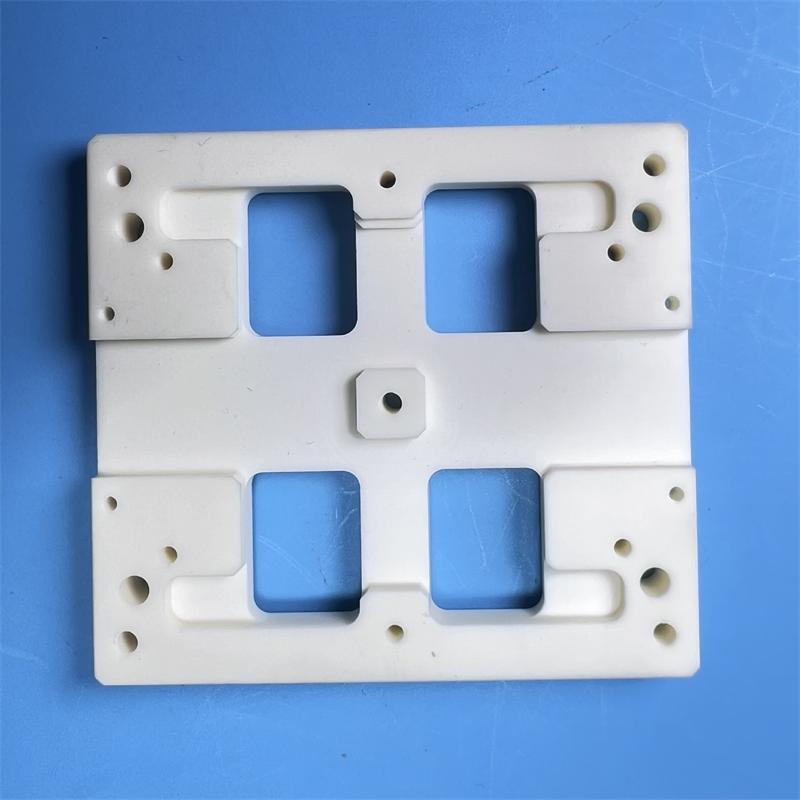
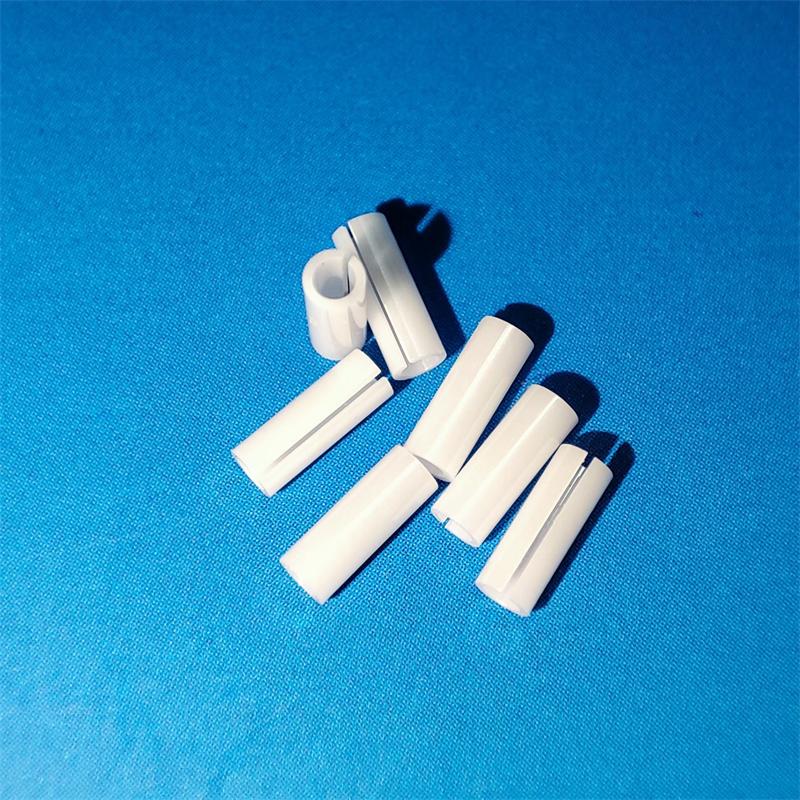
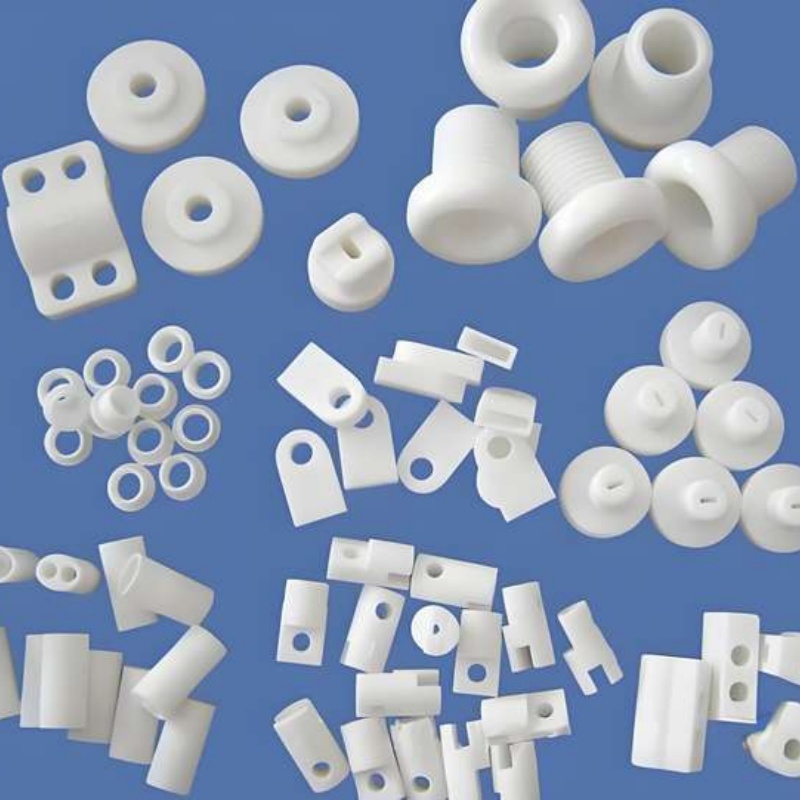
Zirconia Ceramic Structural Components
Zirconia ceramic structural components represent one of the most mechanically capable classes of advanced technical ceramics available for demanding engineering applications. Unlike alumina or silicon nitride, which are often selected for hardness or thermal performance, zirconia is primarily chosen for its exceptional fracture toughness and flexural strength — properties that make it behave more like a metal than a conventional ceramic in many service conditions.
From semiconductor wafer handling fixtures to textile guide components operating under continuous abrasion, zirconia structural parts occupy a unique position in the advanced ceramics landscape. This guide covers the material fundamentals, engineering properties, common component types, design considerations, and practical selection factors that engineers and procurement professionals need to understand.
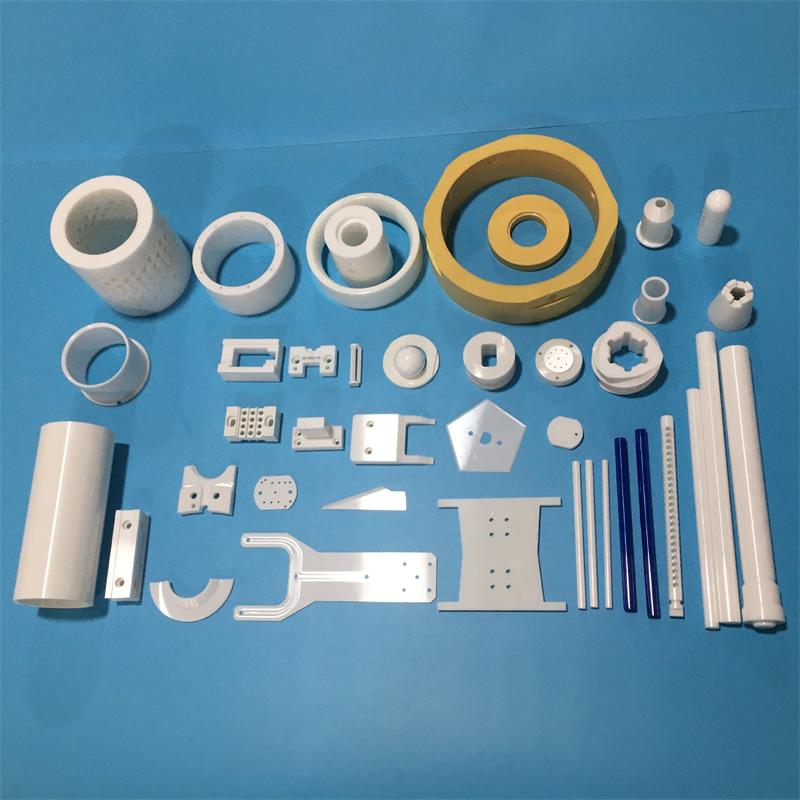
What Are Zirconia Ceramic Structural Components?
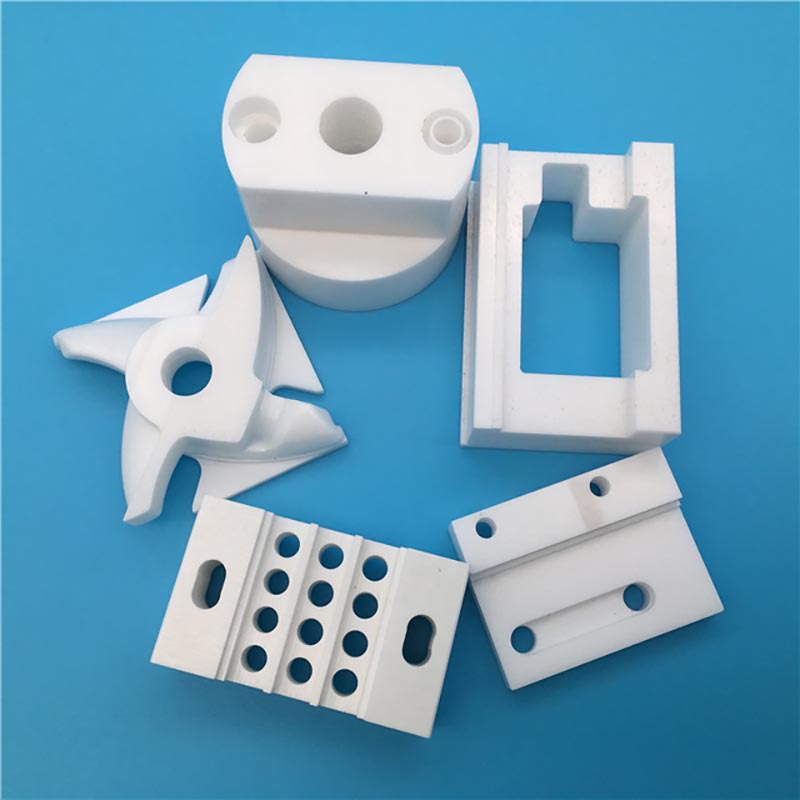
Zirconia ceramic structural components are load-bearing or function-critical parts fabricated from zirconium dioxide (ZrO₂), typically in its partially stabilized form. The term “structural” distinguishes these components from electronic or refractory applications — they are designed to withstand mechanical stress, wear, impact, or a combination of these service demands.
The most widely used form in structural applications is 3Y-TZP (3 mol% yttria-stabilized tetragonal zirconia polycrystal). This grade exploits a phenomenon called transformation toughening, where stress at a crack tip triggers a localized phase transformation from tetragonal to monoclinic zirconia. The associated volume expansion compresses the crack, effectively resisting its propagation. This mechanism gives zirconia a fracture toughness of approximately 5–10 MPa·m^1/2, which is significantly higher than alumina (3–4 MPa·m^1/2) and approaches the toughness of some cast metals.
Key Material Properties of Zirconia Ceramics
Understanding the property profile of zirconia is essential before specifying it for any structural application. The following characteristics define its engineering behavior.
Mechanical Strength and Toughness
Zirconia exhibits the highest flexural strength among common oxide ceramics, typically ranging from 900 to 1,200 MPa for high-quality 3Y-TZP. Combined with its transformation toughening mechanism, this makes it suitable for components subject to bending loads, contact stress, or intermittent impact.
In practical terms, a zirconia ceramic pin or shaft can often survive handling and service conditions that would cause alumina to chip or fracture. This is one reason zirconia is frequently specified for small, intricate structural features where breakage risk during assembly or operation is a concern.
Hardness and Wear Resistance
With a Vickers hardness of approximately 1,200–1,400 HV, zirconia is considerably harder than most metals and provides excellent resistance to sliding wear and abrasion. However, it is somewhat softer than alumina (~1,500–1,700 HV) and significantly softer than silicon carbide or boron carbide.
For applications dominated by pure abrasion against hard particulates, alumina or silicon carbide may outperform zirconia. But in applications combining wear with impact or shock loading, zirconia’s superior toughness often makes it the better overall choice.
Density
The density of fully dense 3Y-TZP is approximately 5.9–6.1 g/cm³, which is notably higher than alumina (~3.9 g/cm³). This is an important consideration for rotating components or applications where weight is a constraint. Engineers should evaluate whether the mechanical advantages of zirconia justify the density penalty in their specific application.
Thermal Properties
Zirconia has relatively low thermal conductivity (approximately 2–3 W/m·K), which is among the lowest of structural ceramics. This makes it an effective thermal barrier but also means it is susceptible to thermal shock if subjected to rapid temperature changes — particularly above 300–400°C, where the transformation toughening mechanism begins to degrade.
The maximum continuous service temperature for 3Y-TZP is generally considered to be around 300–400°C in air. Above this range, low-temperature degradation (LTD) and phase instability become concerns.
Chemical Resistance
Zirconia demonstrates excellent chemical inertness in most environments. It resists attack by acids, alkalis, molten salts, and organic solvents. In biomedical environments, it is biocompatible and has been used extensively in dental and orthopedic applications.
Common Types of Zirconia Structural Components
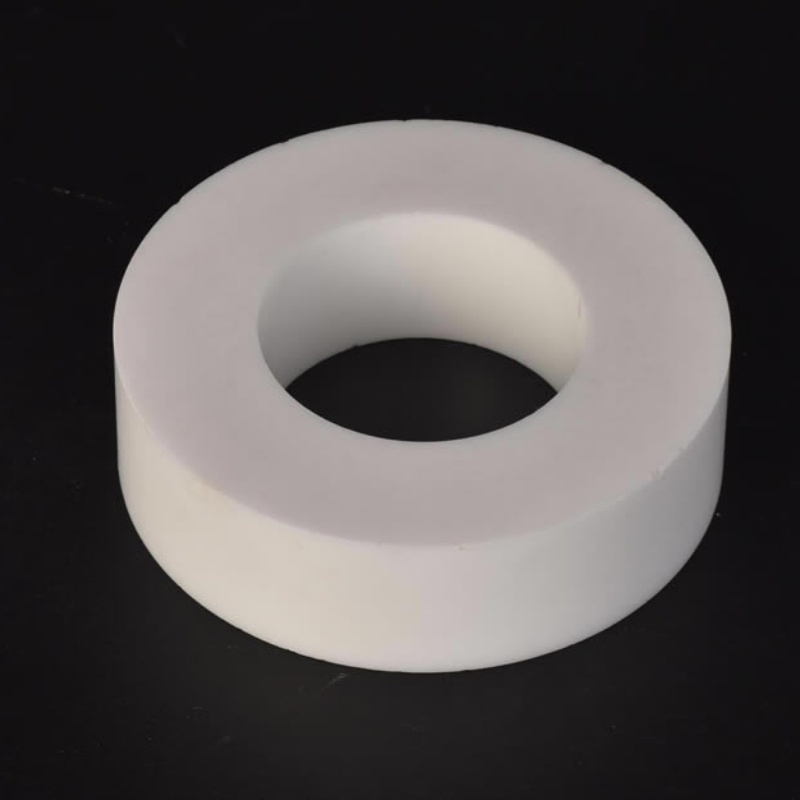
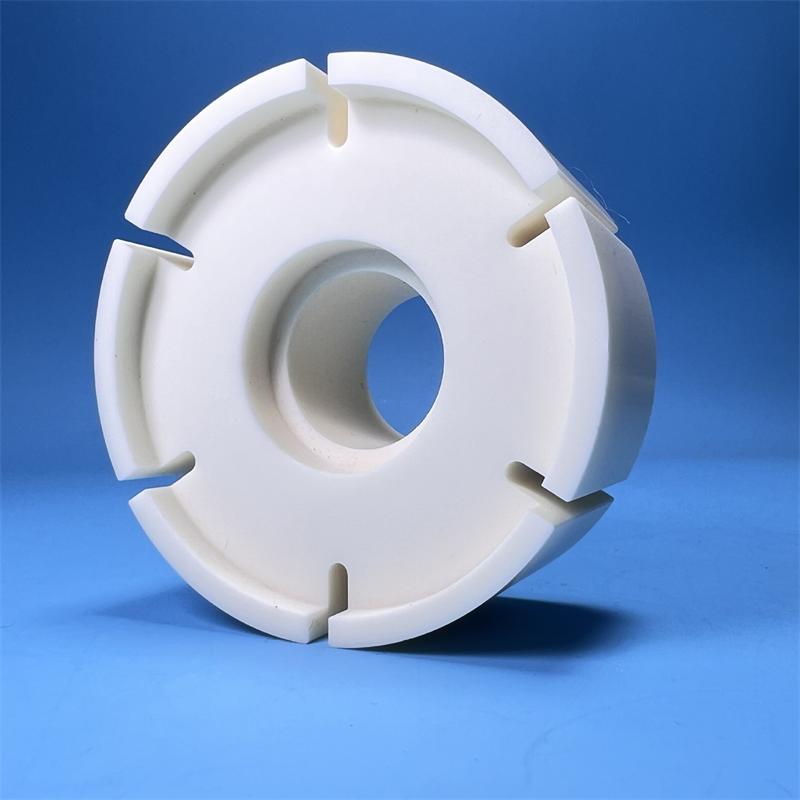
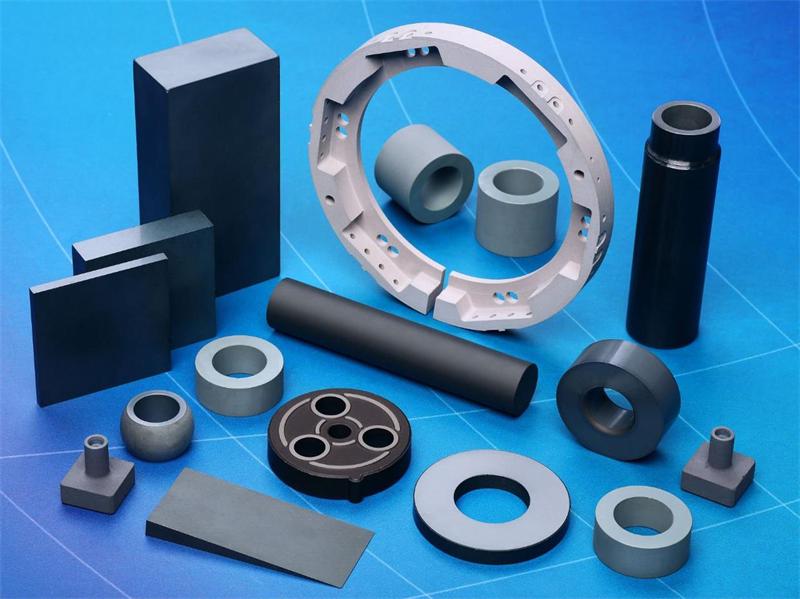
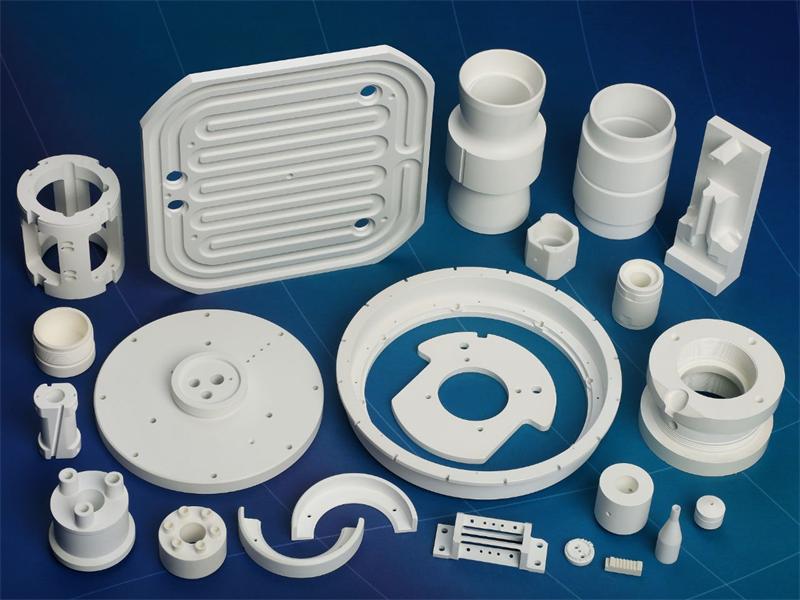
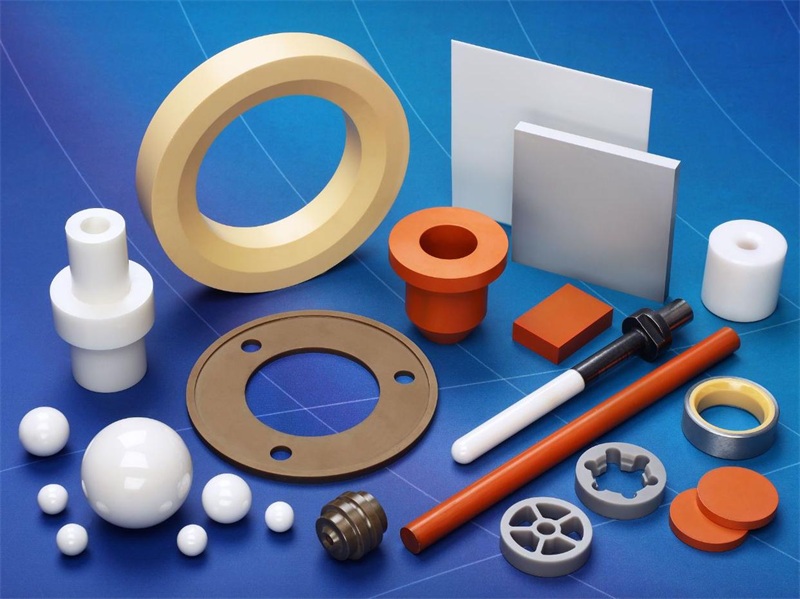
Zirconia ceramic structural components are manufactured in a wide variety of geometries to serve different functional roles. The following are among the most frequently encountered types in industrial applications.
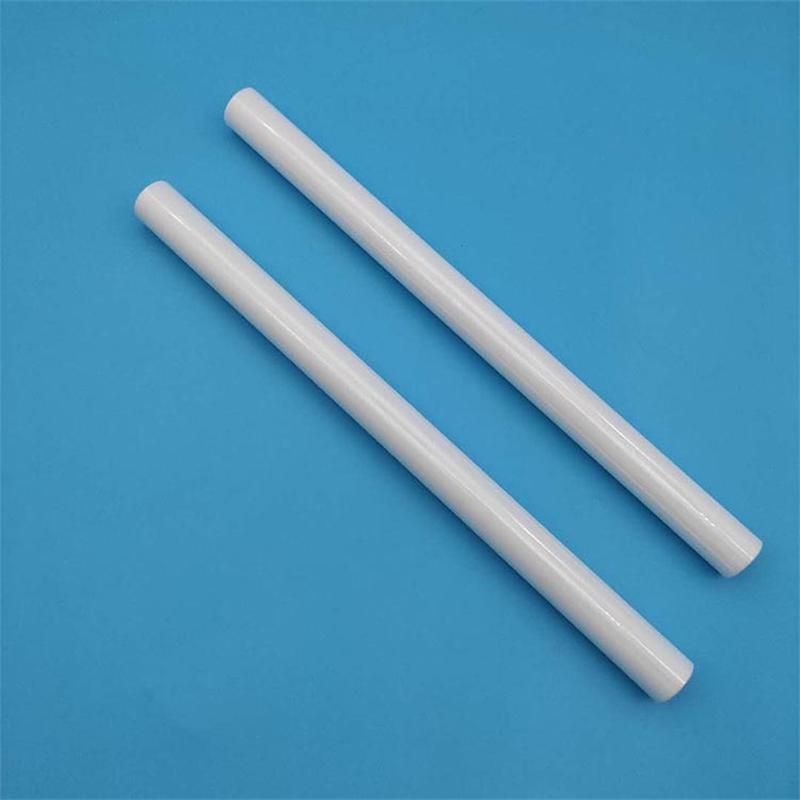
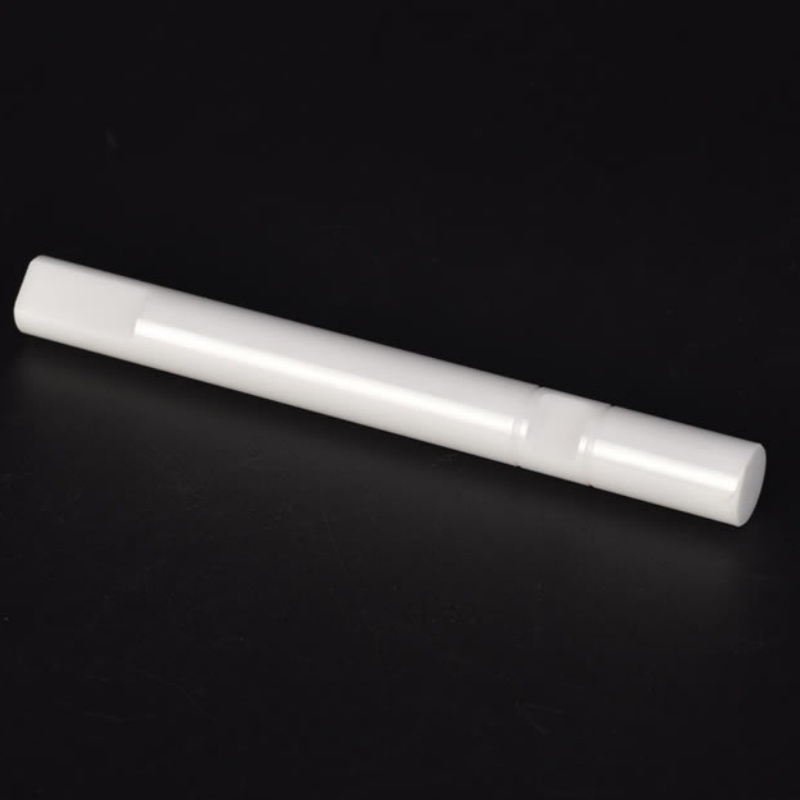
Rods, Pins, and Shafts
Used as locating pins, guide rods, plungers, and precision shafts. The high strength and wear resistance of zirconia make these components suitable for environments where metal pins would corrode, gall, or wear excessively.
Nozzles and Orifices
Zirconia nozzles are used in abrasive slurry handling, sandblasting, and precision fluid dispensing. The material’s combination of hardness and toughness helps resist the erosive wear that rapidly degrades metal or alumina nozzles in some service conditions.
Bearings and Bearing Components
Zirconia balls, rollers, and bearing races are used in corrosive, high-temperature, or electrically insulating bearing applications. The material’s low friction coefficient against itself and its chemical inertness are key advantages.
Wear Plates, Liners, and Guides
In textile machinery, packaging equipment, and semiconductor handling systems, zirconia wear strips and guide blocks protect against repetitive sliding contact.
Custom Precision Parts
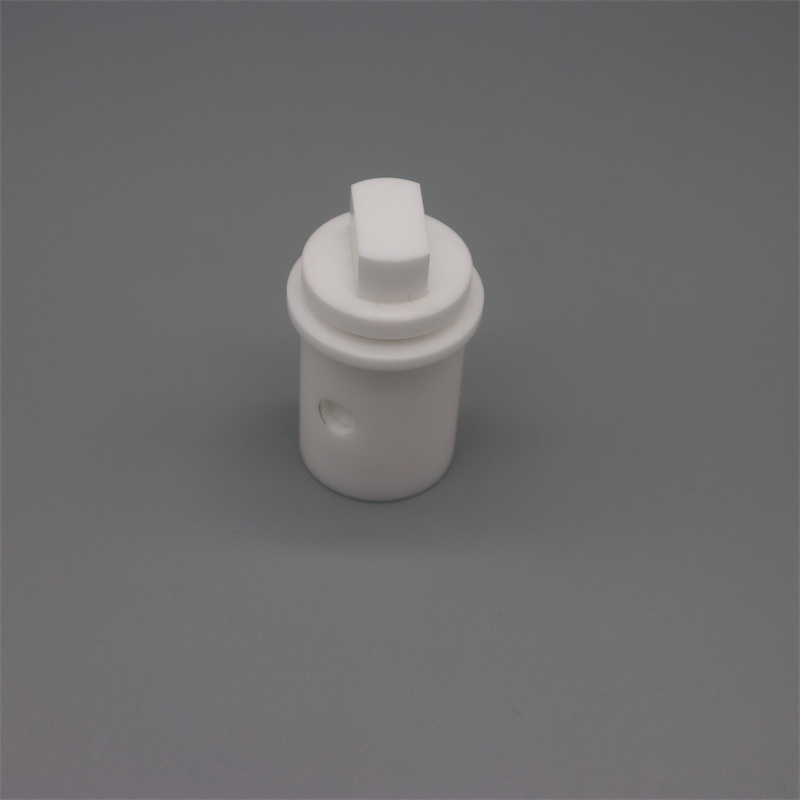
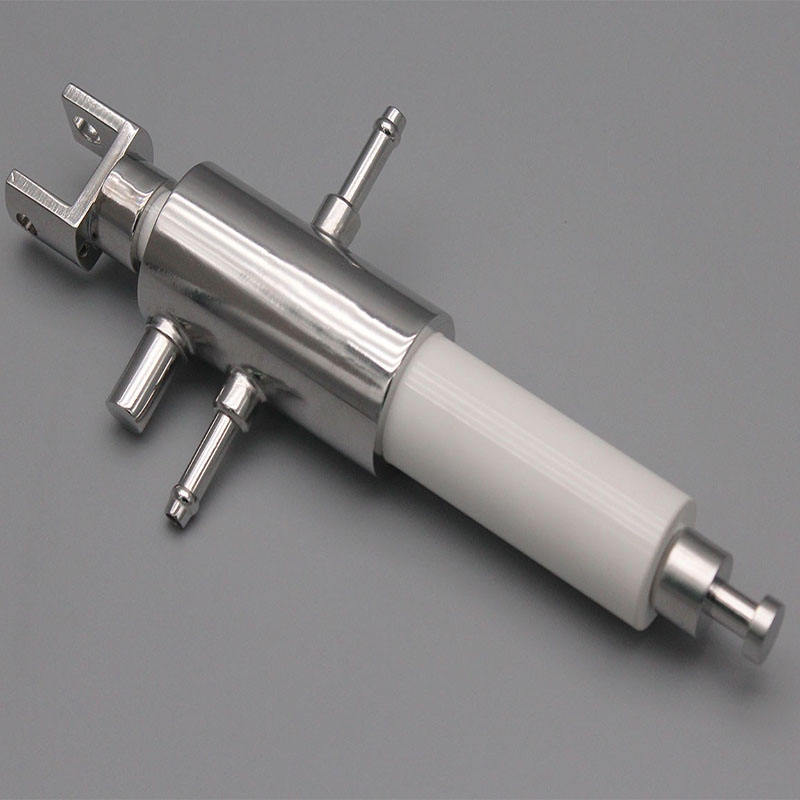
Through CNC grinding, lapping, and polishing, zirconia can be finished to tight dimensional tolerances (±0.005 mm or better on critical features) for applications in optics, medical devices, and analytical instrumentation.
Typical Grades and Material Options
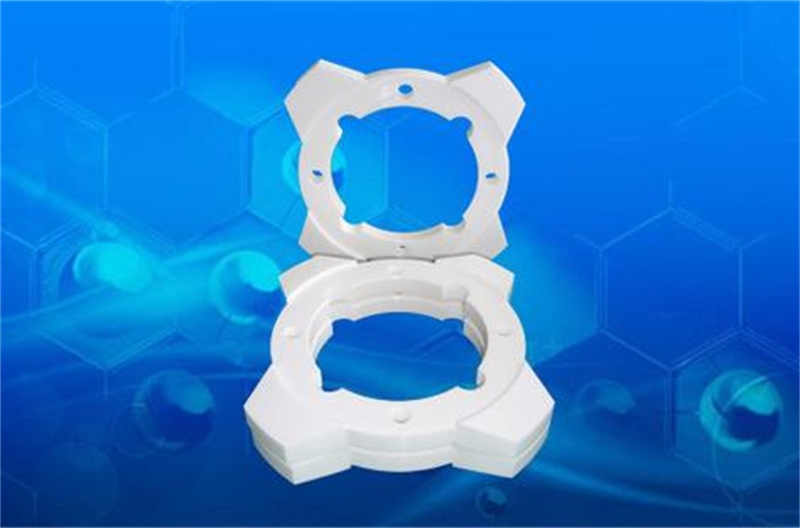
The zirconia ceramic family includes several grades, each optimized for different performance requirements.
3Y-TZP (3 mol% Yttria-Stabilized Tetragonal Zirconia Polycrystal) is the standard structural grade. It offers the best combination of strength and toughness and is the default choice for most mechanical applications.
4Y-PSZ and 5Y-PSZ (Partially Stabilized Zirconia) contain higher yttria content, which increases the proportion of the cubic phase. This reduces strength and toughness but improves translucency and sometimes machinability. These grades are more common in dental and aesthetic applications than in heavy structural use.
Zirconia-toughened alumina (ZTA) is a composite material combining alumina’s hardness with zirconia’s toughening effect. ZTA is often selected when both high hardness and moderate toughness are needed — for example, in cutting tool inserts or severe abrasion environments.
Magnesia-partially stabilized zirconia (Mg-PSZ) offers higher fracture toughness than 3Y-TZP in some conditions and better high-temperature stability, but it is less commonly available in standard stock shapes.
Available Shapes and Common Dimensions
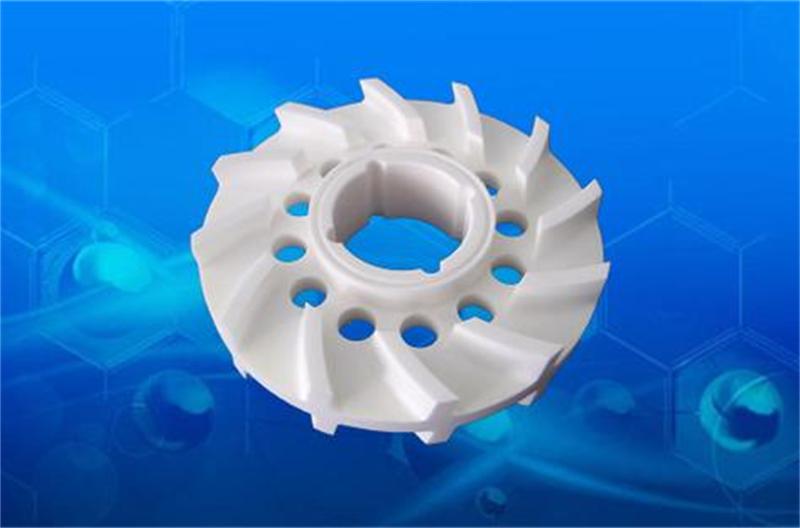
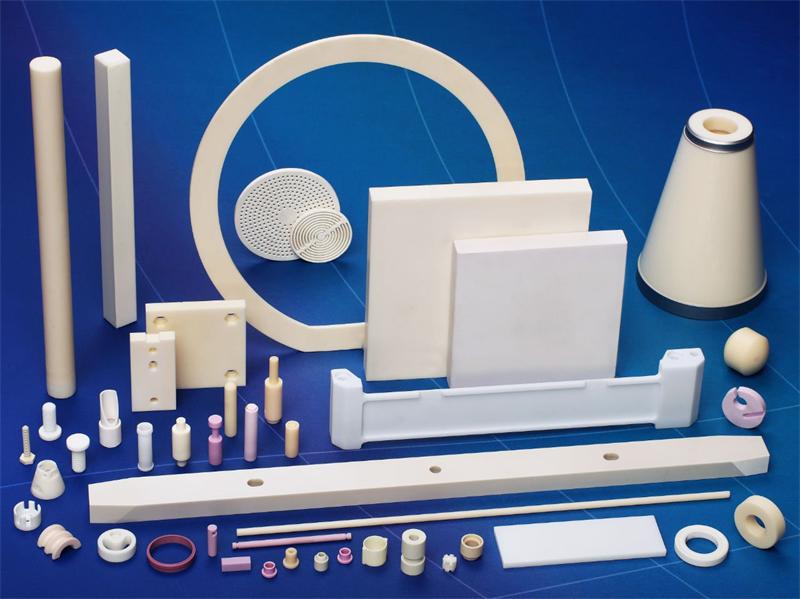
Zirconia structural components are typically produced in the following standard forms, which are then finished to final dimensions through grinding and machining.
Rods and bars: Diameters from 1 mm to 50 mm, lengths up to 300 mm or more depending on the pressing method
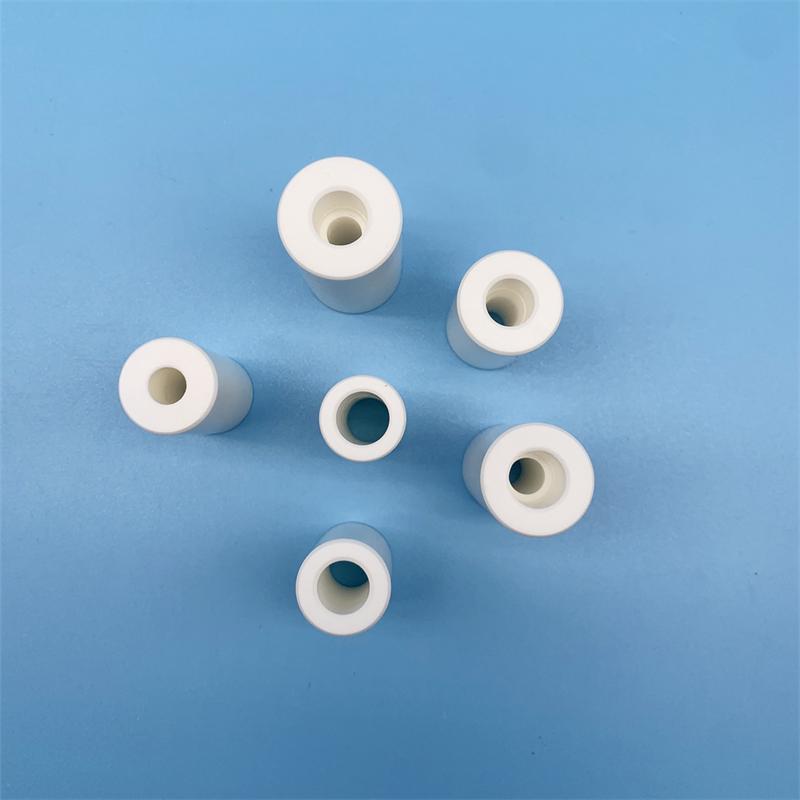
Tubes and sleeves: Outer diameters from 3 mm to 80 mm, wall thicknesses from 0.5 mm upward
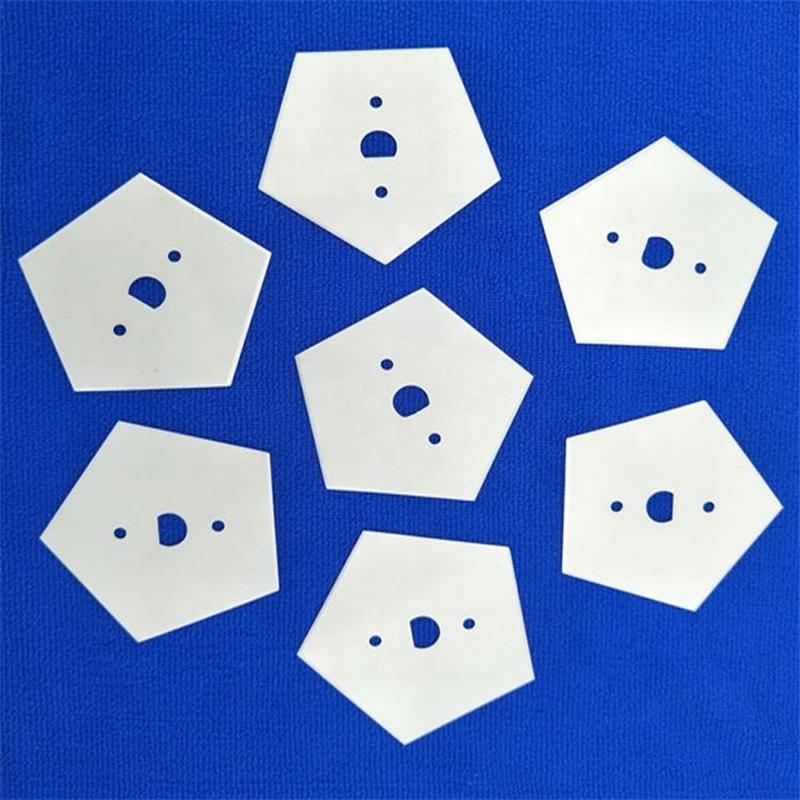
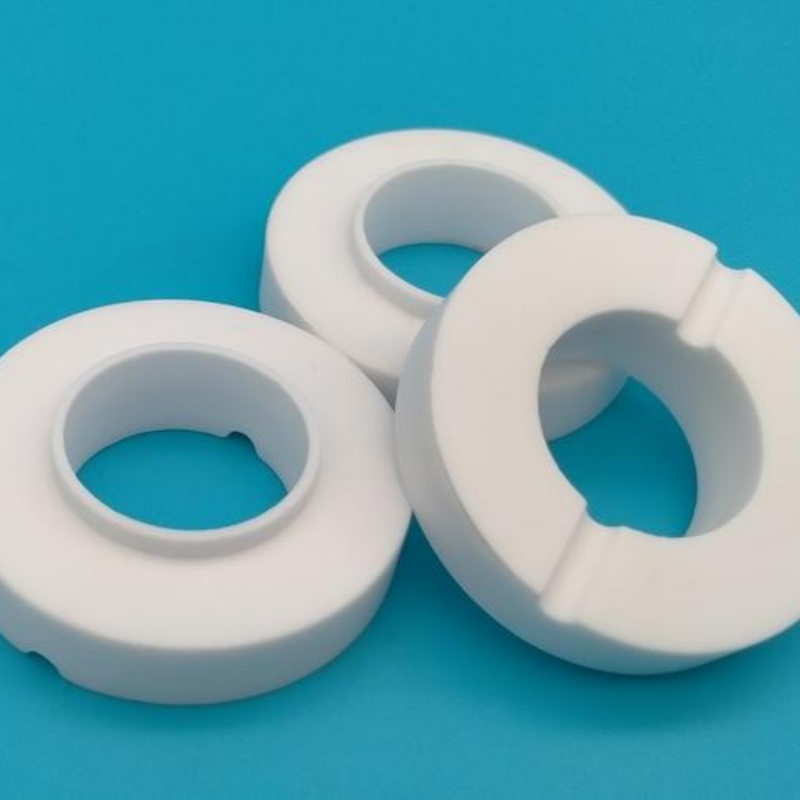
Plates and discs: Thicknesses from 0.5 mm to 25 mm, with diameters or side lengths varying by application
Balls: Diameters from 0.5 mm to 50 mm, available in various precision grades
Custom net-shape or near-net-shape parts: Produced by dry pressing, isostatic pressing, or injection molding (ZrO₂ CIM) for higher-volume production runs
Common tolerances for ground zirconia components are in the range of ±0.01 to ±0.05 mm on general dimensions, with precision grinding achieving ±0.005 mm or tighter on critical features. Surface finishes of Ra 0.1–0.4 µm are achievable through lapping and polishing.
Advantages of Zirconia for Structural Applications
Zirconia offers a compelling set of advantages that justify its use in demanding structural roles.
Highest fracture toughness among oxide ceramics, reducing the risk of catastrophic brittle failure
High flexural strength enables thinner walls, smaller cross-sections, and more compact component designs
Excellent wear resistance extends service life in sliding and abrasive contact applications
Chemical inertness allows use in corrosive environments where metals would degrade
Biocompatibility makes it suitable for medical and dental structural components
Non-magnetic and electrically insulating, useful in electronic and sensing applications
Good machinability (in green state) allows complex geometries via injection molding before sintering
Limitations and Design Considerations
No material is without trade-offs. Engineers should account for the following limitations when designing with zirconia structural components.
Low-Temperature Degradation (LTD)
In the presence of moisture at elevated temperatures (typically above 100°C over extended periods), 3Y-TZP can undergo a gradual tetragonal-to-monoclinic phase transformation at the surface. This causes microcracking, surface roughening, and eventual strength loss. Applications involving hot water, steam, or humid environments at elevated temperatures require careful evaluation — and in some cases, alternative grades or protective measures.
Thermal Shock Sensitivity
While zirconia’s low thermal conductivity provides thermal insulation benefits, it also means steep thermal gradients can develop during rapid heating or cooling. The maximum allowable temperature differential depends on component geometry, but sudden changes exceeding 200–300°C should generally be avoided.
Density
At approximately 6.0 g/cm³, zirconia is roughly 50% denser than alumina. For rotating or dynamically loaded components, this added mass can increase inertia and bearing loads.
Cost
Zirconia raw materials and processing costs are generally higher than alumina, particularly for high-purity, fine-grained grades. The cost-benefit analysis should weigh the performance advantages against the total lifecycle cost.
Design for Ceramics
Zirconia components should be designed to avoid sharp internal corners, sudden cross-section changes, and tensile stress concentrations. Generous fillet radii, compressive loading where possible, and avoidance of point loads are standard ceramic design practices.
Manufacturing Process Overview
The production of zirconia structural components typically follows this general sequence.
Powder preparation: High-purity zirconia powder is blended with yttria stabilizer and organic binders. Particle size, purity, and homogeneity at this stage directly affect final properties.
Forming: Depending on geometry and volume, components are shaped by dry pressing (for simple shapes), cold isostatic pressing (CIP), injection molding (CIM, for complex geometries at higher volumes), or extrusion (for rods and tubes).
Green machining: Before sintering, the “green” (unsintered) part can be machined with conventional tools to add features that would be difficult or expensive to grind after sintering.
Sintering: Parts are sintered at approximately 1,400–1,600°C to achieve full density. Sintering shrinkage is typically 15–25% linear, and precise control of temperature profiles is critical to achieving consistent dimensions and properties.
Finish machining: After sintering, zirconia can only be machined by diamond grinding, lapping, or polishing. CNC diamond grinding is the standard method for achieving tight tolerances and fine surface finishes on hardened zirconia components.
Material Comparison: Zirconia vs. Alumina vs. Silicon Nitride
Selecting the right structural ceramic requires comparing performance across multiple axes. The following comparison highlights how zirconia positions relative to two other common structural ceramics.
Fracture toughness: Zirconia (3Y-TZP) leads significantly, followed by silicon nitride, with alumina being the lowest of the three. For impact-prone or shock-loaded applications, zirconia has a clear advantage.
Hardness: Alumina is harder than zirconia, and silicon carbide (not listed here but often considered) is harder still. For pure abrasion resistance without impact, alumina may be preferable.
Flexural strength: Zirconia and silicon nitride are comparable and both significantly exceed alumina.
Thermal shock resistance: Silicon nitride excels here due to its moderate thermal conductivity and low thermal expansion. Zirconia’s low conductivity makes it relatively poor in rapid thermal cycling.
High-temperature capability: Silicon nitride maintains strength well above 1,000°C. Zirconia’s useful structural range is generally limited to below 400°C for 3Y-TZP.
Cost: Alumina is generally the least expensive, followed by zirconia, with silicon nitride typically being the most costly.
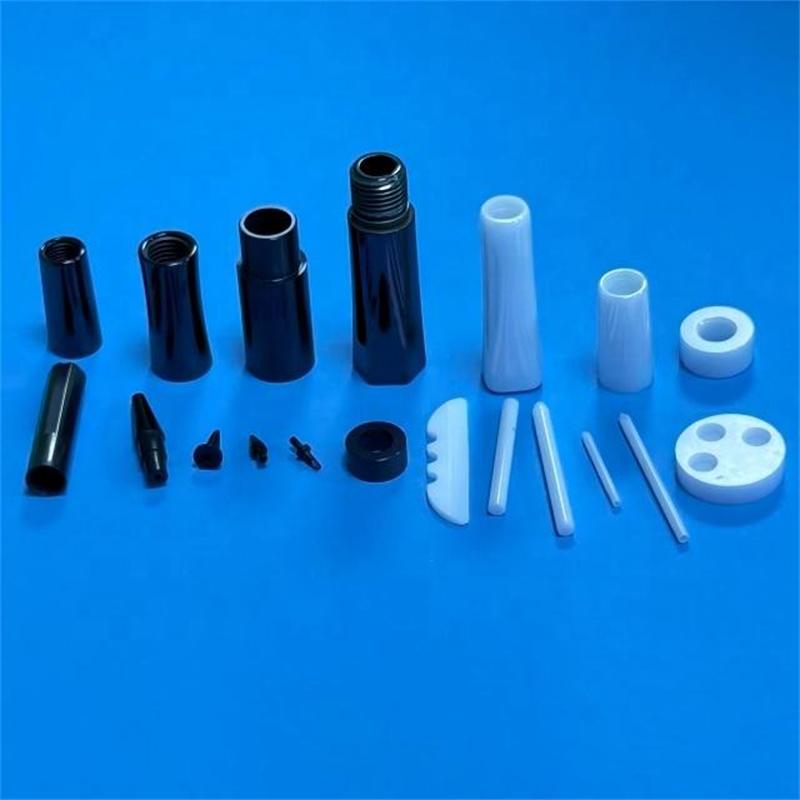
Typical Industries and Applications
Zirconia structural components are found across a diverse range of industries.
Semiconductor manufacturing: Wafer handling pins, clamp rings, and chamber components requiring high purity, chemical resistance, and particle-free surfaces
Textile industry: Thread guides, tensioners, and eyelets where zirconia’s wear resistance and smooth surface finish reduce fiber damage
Medical devices: Surgical instrument components, orthopedic fixation devices, and dental implant abutments
Chemical processing: Pump seals, valve seats, and nozzle inserts exposed to corrosive fluids
Automotive: Oxygen sensor components, wear pads, and precision bushings
Oil and gas: Downhole tool components requiring corrosion resistance and mechanical strength
Food and beverage processing: Components requiring FDA-compliant, non-contaminating, and easily cleaned surfaces
Key Takeaways
Zirconia ceramic structural components offer the highest fracture toughness and flexural strength among common oxide ceramics, making them suitable for mechanically demanding applications.
The transformation toughening mechanism in 3Y-TZP is the key property that differentiates zirconia from alumina and other structural ceramics.
Low-temperature degradation, thermal shock sensitivity, and higher density are the primary limitations engineers must account for.
Component selection should balance mechanical performance, environmental conditions, thermal requirements, and cost over the full service life.
Proper ceramic design practices — generous radii, compressive loading, avoidance of stress concentrations — are essential to realizing zirconia’s full potential.
Frequently Asked Questions(FAQ)
What is the difference between zirconia and zirconium?
Zirconia (ZrO₂) is a ceramic oxide compound, while zirconium (Zr) is a metallic element. Zirconia ceramic structural components are made from sintered zirconium dioxide powder, not from metallic zirconium. The two materials have entirely different properties, processing methods, and applications. Zirconia is an electrical insulator with high hardness and chemical inertness, whereas metallic zirconium is a ductile metal used primarily in nuclear and corrosion-resistant alloy applications.
Can zirconia ceramic components be machined after sintering?
Yes, but only with diamond tooling. Once sintered, zirconia reaches near-full density and a hardness of approximately 1,200–1,400 HV, making conventional machining impossible. CNC diamond grinding, lapping, honing, and polishing are the standard post-sintering methods. Complex features are often machined in the green (unsintered) state before firing, since the material is much softer at that stage. Tolerances of ±0.005 mm are achievable on critical ground surfaces.
What is the maximum operating temperature for zirconia structural components?
For standard 3Y-TZP, the recommended maximum continuous service temperature is approximately 300–400°C in air. Above this range, the tetragonal phase becomes less stable, and the transformation toughening mechanism that gives zirconia its high toughness begins to diminish. For higher-temperature structural applications, silicon nitride or silicon carbide are typically more appropriate choices.
Is zirconia resistant to low-temperature degradation?
Standard 3Y-TZP is susceptible to low-temperature degradation (LTD) when exposed to moisture at temperatures above approximately 100°C over extended periods. This causes a gradual surface phase transformation that leads to microcracking and strength loss. For applications involving hot water, steam, or humid environments, engineers should evaluate LTD-resistant grades or consider alternative materials. The severity of LTD depends on grain size, yttria content, surface finish, and environmental conditions.
How does zirconia compare to alumina for wear applications?
Alumina is harder than zirconia and generally provides better resistance to pure abrasive wear. However, zirconia’s significantly higher fracture toughness makes it more resistant to wear mechanisms involving impact, shock loading, or edge chipping. In applications where a component experiences both abrasion and mechanical shock — such as textile guides, slurry nozzles, or bearing surfaces — zirconia often provides longer service life despite its lower hardness.
What surface finishes are achievable on zirconia components?
Through diamond grinding alone, surface finishes of Ra 0.2–0.8 µm are typical. With subsequent lapping, finishes of Ra 0.05–0.2 µm are achievable. Full polishing can produce mirror-like surfaces with Ra below 0.05 µm. The achievable finish depends on component geometry, feature size, and the specific polishing process. For bearing surfaces, seal faces, and optical-adjacent applications, fine surface finishes are routinely specified.
Can zirconia structural components be used in vacuum environments?
Yes. Zirconia is chemically stable, has very low outgassing characteristics, and maintains its mechanical properties in vacuum. It is used in semiconductor processing equipment and vacuum chamber components where metallic parts might outgas or contaminate the process environment. Its electrical insulating properties also make it suitable for feedthrough and isolation applications within vacuum systems.
What are the most important factors when selecting zirconia for a structural application?
The key selection factors include: mechanical load type and magnitude (tensile, compressive, impact), operating temperature range, exposure to moisture or corrosive media, required dimensional tolerances, component geometry complexity, production volume, and total lifecycle cost. Engineers should also consider whether the application demands high toughness (favoring zirconia), high hardness (favoring alumina or silicon carbide), or high-temperature capability (favoring silicon nitride).
Zirconia ceramic structural components occupy a distinctive niche in the advanced ceramics portfolio. Their combination of high strength, exceptional fracture toughness, and good wear resistance makes them the material of choice for applications where conventional ceramics would be too brittle and metals would be too soft, too corrosive, or too heavy.
Successful application of zirconia requires understanding both its strengths and its limitations — particularly regarding low-temperature degradation, thermal shock, and density. When these factors are properly accounted for in the design and material selection process, zirconia structural components can deliver reliable, long-lasting performance in some of the most demanding industrial environments.