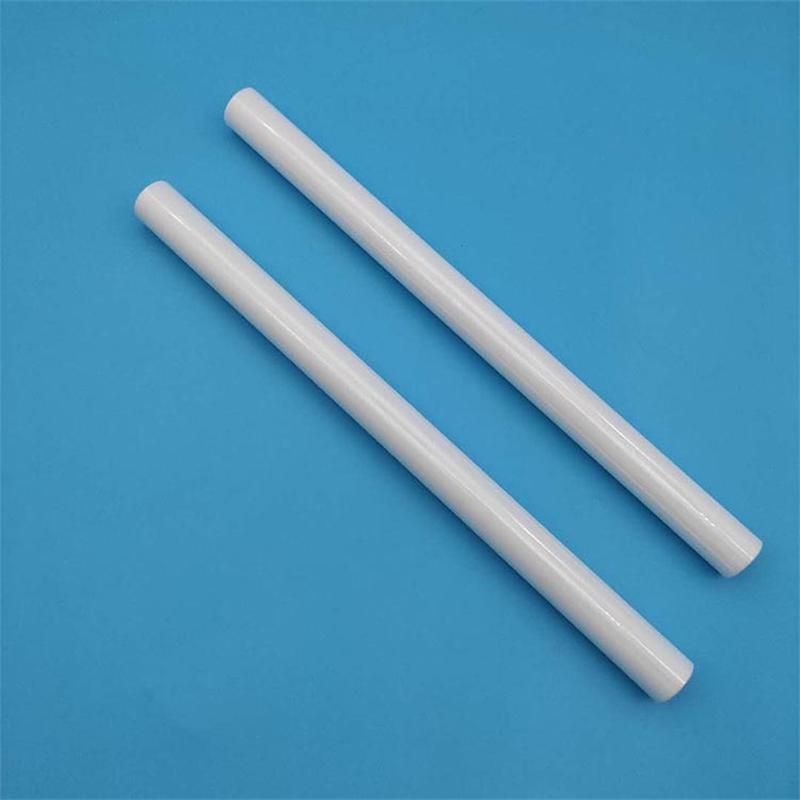
Zirconia Ceramic Rod Customization
Zirconia ceramic rods are among the most mechanically robust technical ceramics available for precision engineering applications. Unlike alumina or silicon nitride, zirconia (ZrO₂) offers a rare combination of high flexural strength, fracture toughness, and wear resistance — properties that make it suitable for demanding environments where metallic rods would fail due to corrosion, galling, or fatigue.
However, zirconia is not a single material. It exists in multiple crystalline phases, and the choice of grade, sintering method, and post-processing route fundamentally determines whether a custom rod will perform as intended.
What Is a Zirconia Ceramic Rod?
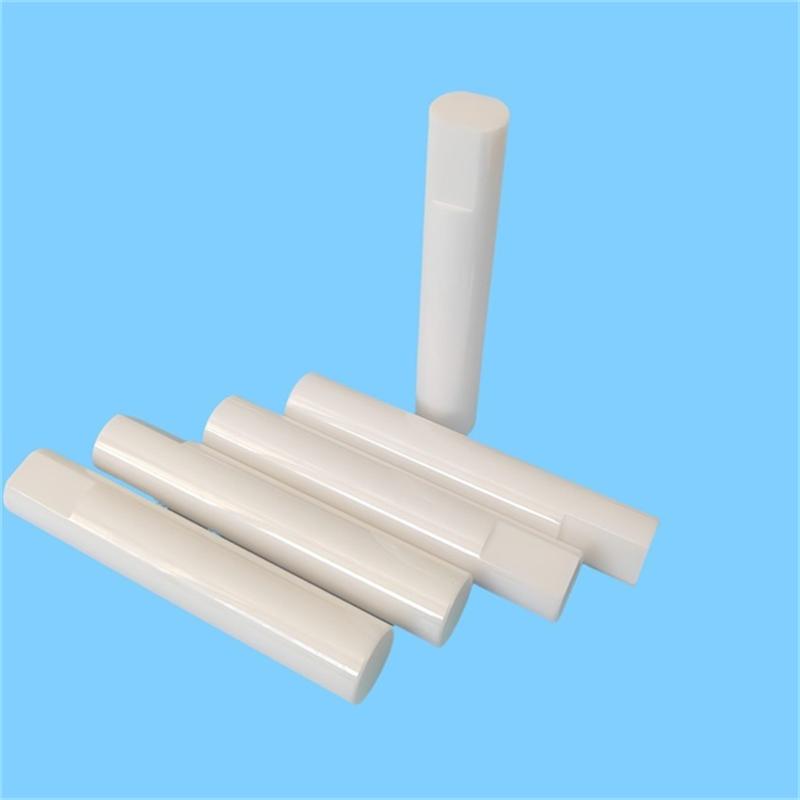
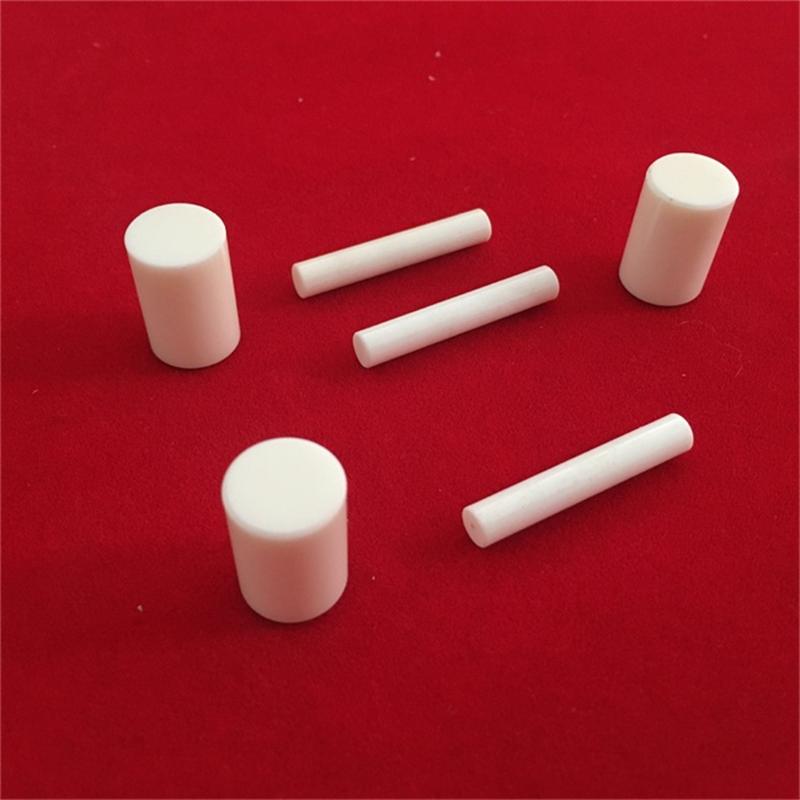
A zirconia ceramic rod is a cylindrical component fabricated from zirconium dioxide (ZrO₂), typically stabilized with yttria (Y₂O₃) to retain the tetragonal crystal phase at room temperature. The material is formed through pressing, extrusion, or injection molding, then sintered at temperatures between 1400°C and 1600°C to achieve full density.
In its most common engineering form — 3Y-TZP (3 mol% yttria-tetragonal zirconia polycrystal) — the material exhibits a phenomenon called transformation toughening. When a micro-crack begins to propagate, the stress field triggers a phase transformation from tetragonal to monoclinic zirconia at the crack tip. This transformation is accompanied by a volume expansion of approximately 3–5%, which compresses the crack and impedes further propagation. The result is a ceramic with fracture toughness values approaching those of some metals.
This is the core reason engineers specify zirconia rods over alumina in applications involving impact, bending loads, or tight tolerance requirements.
Key Material Properties of Zirconia Rods
Understanding the baseline properties is essential before specifying a custom rod. The values below represent typical ranges for 3Y-TZP zirconia in sintered condition.
Mechanical Properties
Density: 5.95 – 6.05 g/cm³
Flexural Strength: 900 – 1200 MPa
Elastic Modulus: 200 – 210 GPa
Fracture Toughness (K₁c): 5.0 – 7.0 MPa·m^0.5
Vickers Hardness: 1200 – 1400 HV
Poisson’s Ratio: ~0.31
Thermal Properties
Thermal Conductivity: 2.0 – 2.5 W/(m·K)
Coefficient of Thermal Expansion: 10.0 – 10.5 × 10⁻⁶ /K
Maximum Service Temperature: ~800°C in air (phase stability dependent)
Electrical & Chemical Properties
Dielectric Strength: >10 kV/mm
Electrical Resistivity: >10¹² Ω·cm at room temperature
Chemical Resistance: Excellent resistance to acids, alkalis, and molten salts; vulnerable to hydrothermal degradation in low-temperature aqueous environments over extended periods
Zirconia Grades Used in Custom Rods
Not all zirconia is the same. The yttria content and processing route define the grade, and each grade serves different engineering needs.
3Y-TZP (3 mol% Yttria)
The most widely used grade for structural and mechanical applications. Offers the best balance of strength and toughness. Suitable for shafts, plungers, guide pins, and wear-resistant rods. This is the default choice for most custom rod specifications.
8Y-FSZ (8 mol% Yttria – Fully Stabilized Zirconia)
Retains the cubic phase at room temperature. Lower mechanical strength than 3Y-TZP but superior ionic conductivity and phase stability at elevated temperatures. Used in oxygen sensors, solid oxide fuel cells (SOFC), and high-temperature electrochemical applications.
Mg-PSZ (Magnesia-Partially Stabilized Zirconia)
An older grade with good thermal shock resistance and high toughness. Less common in precision rod applications today but still specified in certain refractory and thermal barrier contexts.
Ce-TZP (Ceria-Stabilized Zirconia)
Offers higher fracture toughness than 3Y-TZP (up to 10–15 MPa·m^0.5) but lower strength. Used in applications where crack resistance under impact is the primary concern.
For most custom rod applications, 3Y-TZP is the starting point. Deviations should be justified by specific thermal, electrical, or toughness requirements.
Customization Parameters
When specifying a custom zirconia ceramic rod, the following parameters must be defined clearly to ensure manufacturability and performance.
Dimensional Specifications
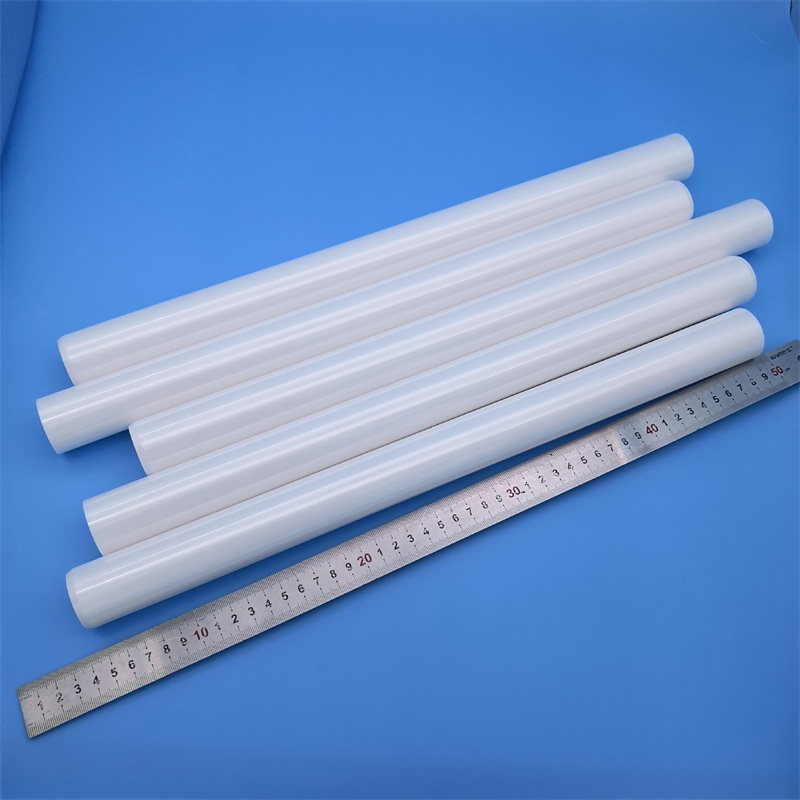
Zirconia rods can be produced in a wide range of diameters and lengths, though practical limits depend on the forming method.
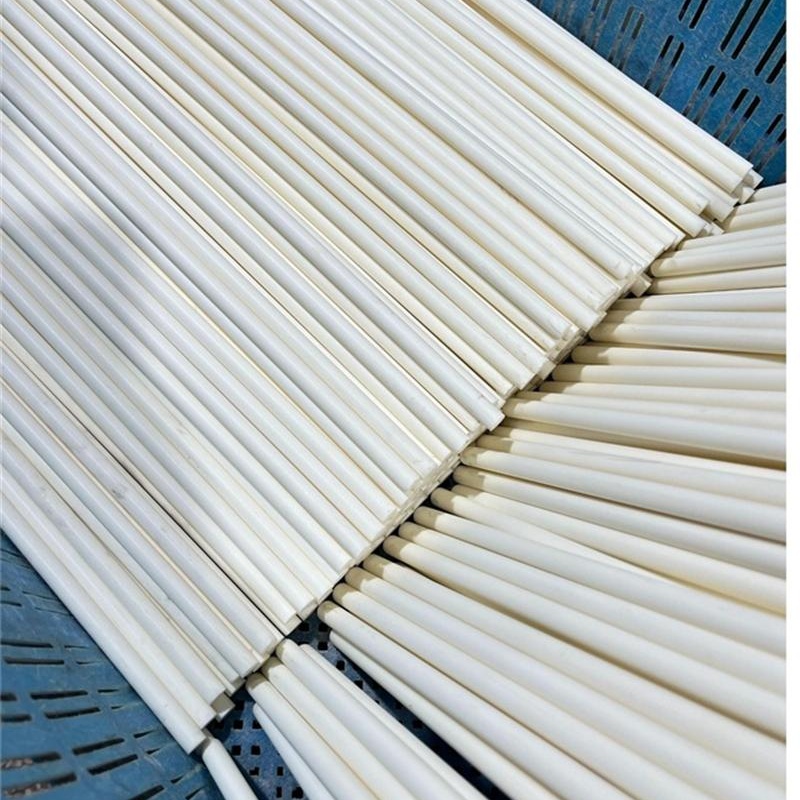
Small diameter rods (0.5 mm – 5 mm): Typically produced by extrusion or injection molding. Tolerances of ±0.05 mm are achievable after grinding.
Medium diameter rods (5 mm – 30 mm): Can be produced by isostatic pressing followed by machining, or by extrusion for longer lengths.
Large diameter rods (30 mm – 80 mm+): Usually produced by isostatic pressing or CIP (cold isostatic pressing) followed by turning and grinding. Length-to-diameter ratios above 10:1 become challenging due to warpage risk during sintering.
Tolerance Considerations
As-sintered zirconia undergoes approximately 18–22% linear shrinkage during sintering. This means:
As-sintered tolerances: Typically ±0.5% of dimension, which is acceptable for non-critical applications.
Ground/polished tolerances: Down to ±0.005 mm for critical diameters, with surface roughness (Ra) achievable below 0.2 µm.
Concentricity and straightness: Ground rods can achieve straightness within 0.01 mm per 100 mm length.
Surface Finish Options
As-sintered: Rough surface (Ra 3–6 µm), suitable for non-contact applications.
Ground: Ra 0.4–1.0 µm, standard for bearing and sliding applications.
Lapped/Polished: Ra < 0.1 µm, used in optical, medical, and precision sealing applications.
Geometric Features
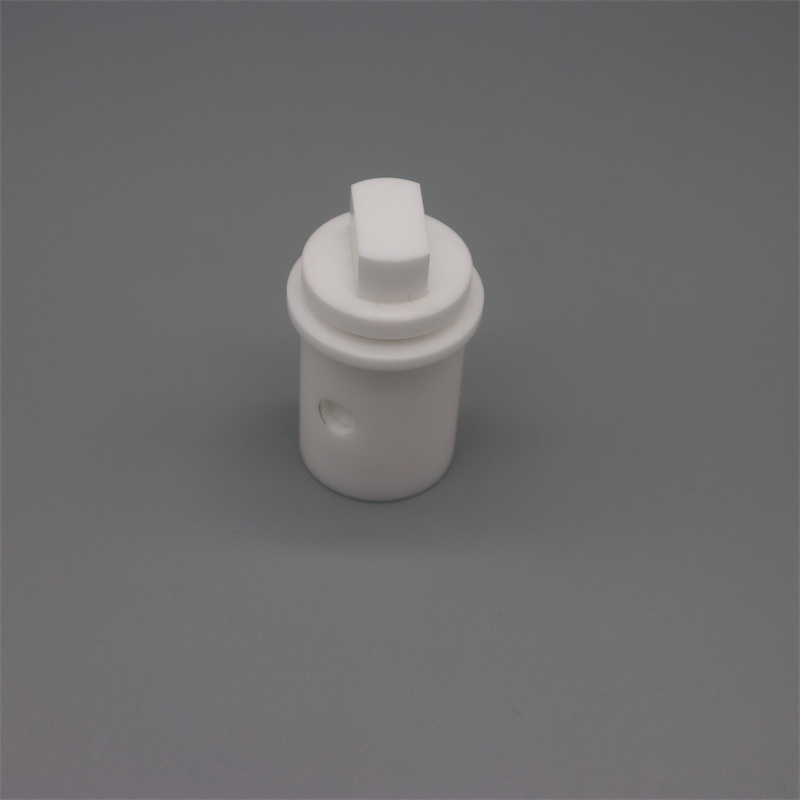
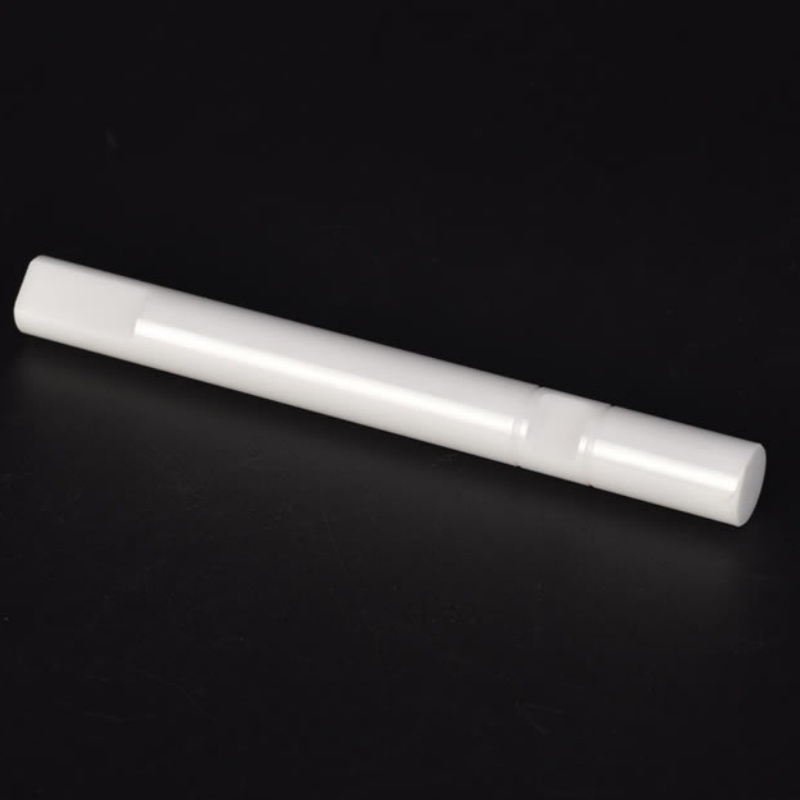
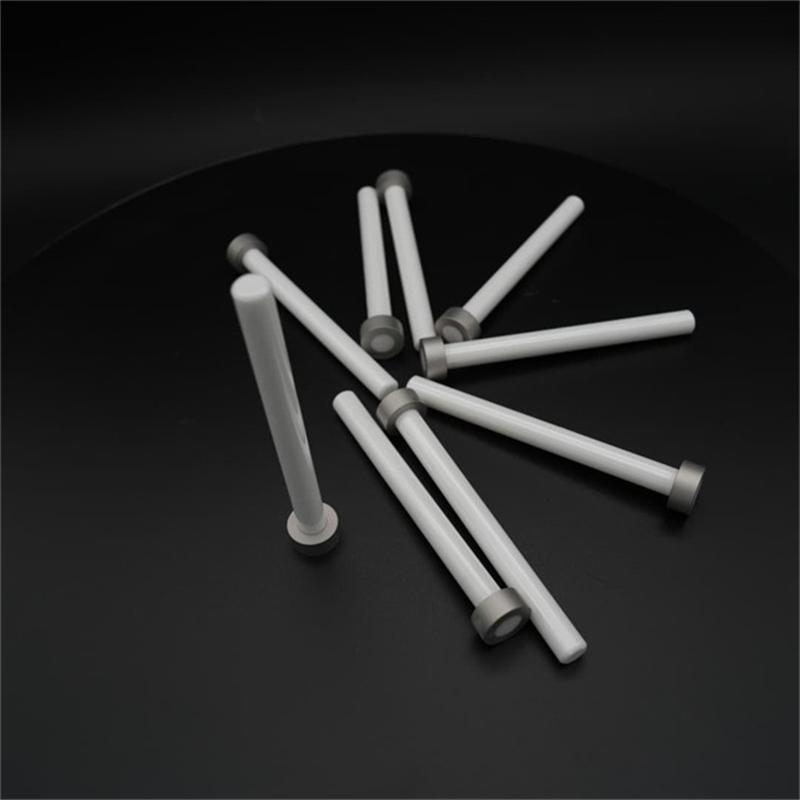
Custom rods may include:
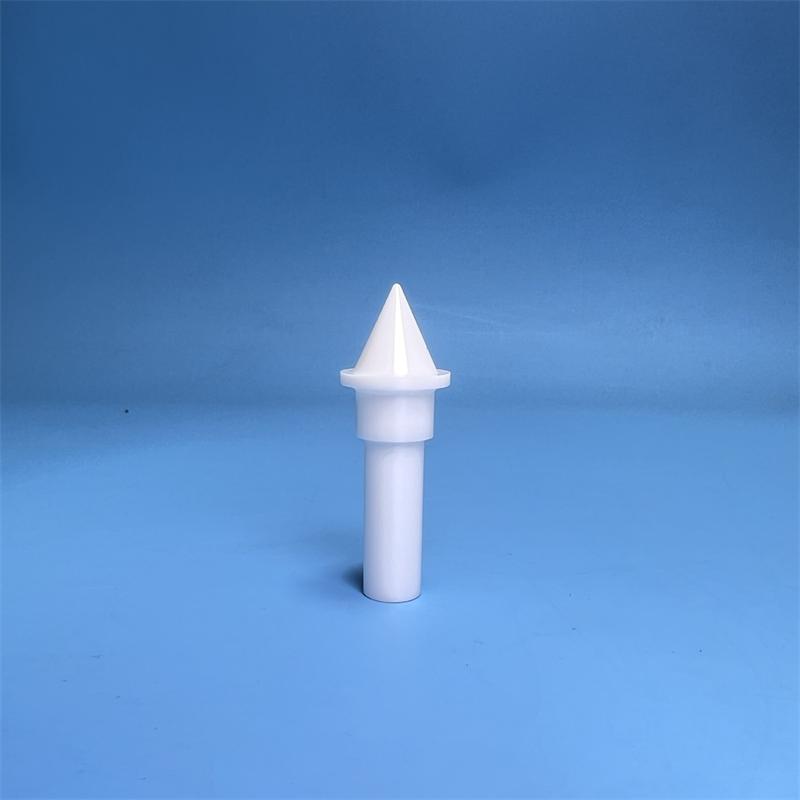
Stepped diameters
Threaded ends (machined post-sintering)
Flat surfaces or keyways
Through-holes or cross-bores
Chamfers and radii at ends
All secondary features must be machined after sintering, as the material is too hard for conventional machining in the green (unsintered) state with useful precision.
Typical Applications of Custom Zirconia Rods
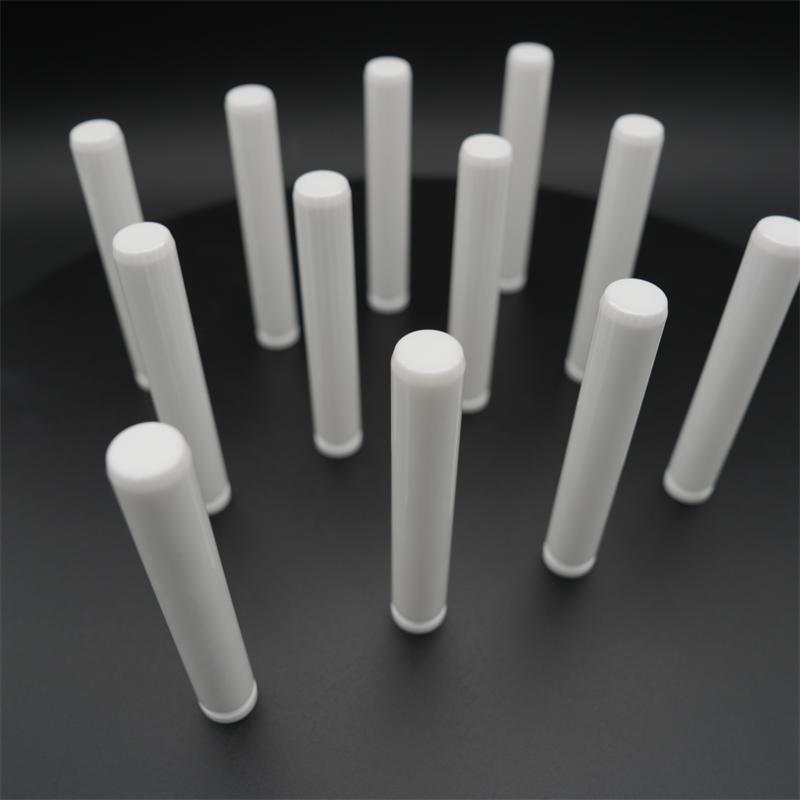
Zirconia rods are specified across industries where the combination of strength, wear resistance, chemical inertness, and electrical insulation is required simultaneously.
Medical & Surgical Instruments
Zirconia rods are used in surgical drill guides, bone anchors, and dental implant abutments. The material’s biocompatibility (confirmed by ISO 13356 and ASTM F2094) and tooth-like color make it suitable for both functional and aesthetic requirements.
Semiconductor & Electronics Manufacturing
In wafer handling equipment, zirconia rods serve as guide pins, lift pins, and transfer arms. The material’s low particle generation, high hardness, and resistance to plasma etching environments (CF₄, SF₆) are critical advantages.
Chemical Processing
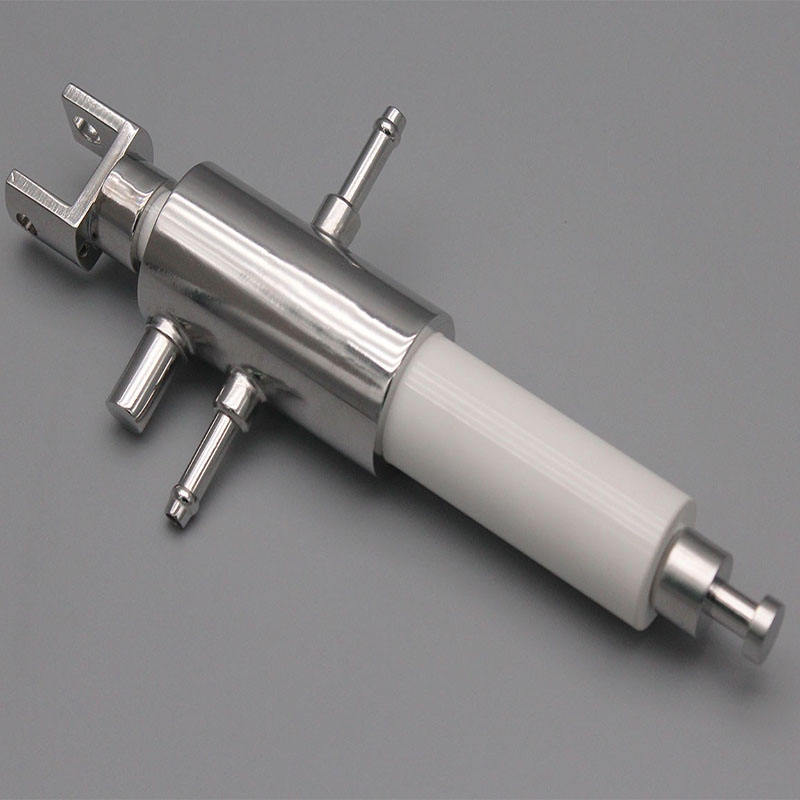
Zirconia rods function as stirrer shafts, valve stems, and pump sleeves in aggressive chemical environments where stainless steel would corrode and alumina might fracture under cyclic loading.
Textile & Wire Drawing
Guide rods and tensioning elements in high-speed wire drawing and fiber processing benefit from zirconia’s low friction coefficient against metals and polymers, combined with exceptional wear life.
Automotive & Aerospace
Used in sensor housings, exhaust gas oxygen sensor elements (8Y-FSZ grade), and thermal barrier components.
Design Considerations and Limitations
While zirconia is an outstanding engineering material, it has limitations that must be addressed during the design phase.
Low-Temperature Degradation (LTD)
In the presence of water or steam at temperatures between 100°C and 300°C, 3Y-TZP can undergo a slow tetragonal-to-monoclinic phase transformation at the surface. Over time, this causes micro-cracking, surface roughening, and strength loss. For applications involving prolonged exposure to hot water or steam, consider:
Using 4Y-PSZ or 8Y-FSZ grades (more phase-stable)
Applying surface coatings
Limiting service temperature below 100°C in wet environments
Thermal Shock
Zirconia has moderate thermal shock resistance due to its low thermal conductivity. Rapid temperature changes exceeding 200–250°C can cause fracture. Design for gradual thermal transitions where possible.
Machining Cost
Post-sintering machining of zirconia is slow and expensive compared to metals. Complex geometries with tight tolerances should be designed to minimize grinding operations. Where possible, use near-net-shape forming methods.
Joining Challenges
Bonding zirconia to metals or other ceramics requires specialized adhesives or active-metal brazing techniques. Standard epoxies may work for low-stress applications, but structural joints need careful surface preparation and adhesive selection.
Material Selection: Zirconia vs. Alumina vs. Silicon Nitride
When specifying a ceramic rod, zirconia competes primarily with alumina (Al₂O₃) and silicon nitride (Si₃N₄). The choice depends on the dominant load case.
Choose Zirconia (3Y-TZP) when:
High fracture toughness is the primary requirement
The application involves impact or bending loads
Tight dimensional tolerances with good surface finish are needed
The environment is chemically aggressive but not high-temperature steam
Choose Alumina (99.5%+ Al₂O₃) when:
Cost is a significant factor
The application is primarily compressive or wear-based
Higher hardness (but lower toughness) is acceptable
Electrical insulation at high temperatures is required
Choose Silicon Nitride (Si₃N₄) when:
Thermal shock resistance is critical
The application involves high-speed rotation or bearing loads
Low density is advantageous
Operating temperatures exceed 1000°C
Key Takeaways
Zirconia ceramic rods offer the highest fracture toughness among common technical ceramics, making them suitable for impact-prone and bending-loaded applications.
3Y-TZP is the default engineering grade; alternative grades (8Y-FSZ, Ce-TZP) serve specialized thermal or toughness requirements.
Customization covers diameter, length, tolerance, surface finish, and secondary geometries — all achievable through appropriate forming and post-sintering machining.
Low-temperature degradation is the primary long-term reliability concern in wet environments and must be evaluated during material selection.
Design for manufacturability is essential: minimize complex post-sintering machining to control cost and lead time.
Frequently Asked Questions
What is the maximum length-to-diameter ratio for zirconia ceramic rods?
Practical limits depend on the forming method and sintering behavior. For extruded rods, ratios of 20:1 or higher are achievable for small diameters (under 5 mm). For isostatically pressed and machined rods, ratios above 8:1 become increasingly difficult due to warpage during sintering and grinding deflection. For critical applications, consult with the processing team early in the design phase to validate feasibility.
Can zirconia ceramic rods be threaded?
Yes, internal and external threads can be machined into sintered zirconia rods using diamond tooling. However, thread forms should be designed with generous root radii to minimize stress concentration. Coarse threads are preferred over fine threads for reliability. Thread engagement lengths should be calculated conservatively, as zirconia’s shear strength is significantly lower than its flexural strength.
How does zirconia compare to alumina in wear applications?
In sliding wear against metals, zirconia generally outperforms alumina due to its higher fracture toughness and lower tendency for micro-chipping at asperity contacts. However, in pure abrasive wear (e.g., sand blasting, slurry erosion), alumina’s higher hardness (1500–1800 HV vs. 1200–1400 HV for zirconia) can provide longer life. The dominant wear mechanism should guide the selection.
Is zirconia biocompatible for medical implants?
Yes. 3Y-TZP zirconia is widely used in orthopedic and dental applications. It is covered by ISO 13356 (for surgical implants) and ASTM F2094 (for ceramic ball heads). The material exhibits excellent biocompatibility, low ion release, and resistance to body fluid degradation under normal physiological conditions.
What causes low-temperature degradation in zirconia?
Low-temperature degradation (LTD) is a time-dependent phase transformation from tetragonal to monoclinic zirconia at the material’s surface, triggered by water molecules penetrating grain boundaries. It is most active between 100°C and 300°C in humid or aqueous environments. The transformation causes surface roughening and micro-cracking. Mitigation strategies include using higher yttria content grades, reducing grain size, or applying protective surface treatments.
Can zirconia rods operate at high temperatures?
3Y-TZP zirconia maintains its mechanical properties up to approximately 800°C in air. Above this temperature, the tetragonal phase may begin to destabilize, and grain growth can reduce strength. For continuous service above 800°C, consider 8Y-FSZ or alternative high-temperature ceramics such as silicon nitride or alumina.
What surface finishes are achievable on custom zirconia rods?
As-sintered surfaces typically have a roughness (Ra) of 3–6 µm. Diamond grinding can achieve Ra 0.4–1.0 µm. Lapping and polishing can bring the surface below Ra 0.1 µm, approaching optical quality. The achievable finish depends on the rod diameter, length, and geometry — internal features and small diameters are more challenging to polish uniformly.
How should zirconia rods be inspected for quality?
Standard inspection includes dimensional verification using CMM or optical comparators, visual inspection for cracks or surface defects under magnification, and density measurement by the Archimedes method to confirm full sintering. For critical applications, additional non-destructive testing such as ultrasonic inspection or dye penetrant testing may be specified to detect subsurface flaws.
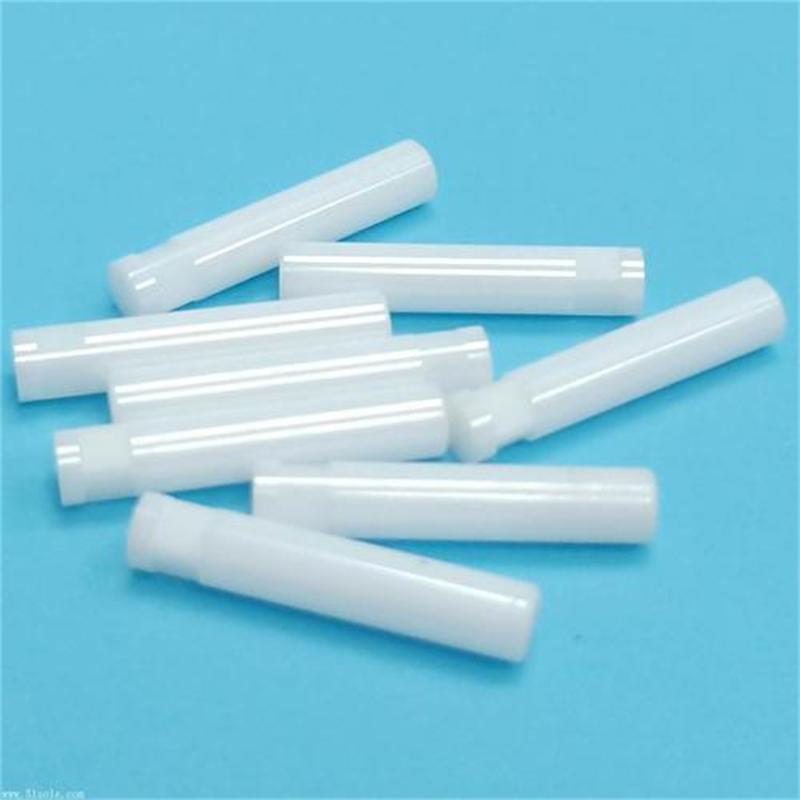
Zirconia ceramic rod customization is a multidisciplinary process that spans material science, precision forming, and diamond machining. The material’s unique combination of transformation toughening, high strength, and chemical inertness makes it irreplaceable in many engineering applications — but only when the correct grade, geometry, and processing route are selected.
Engineers specifying zirconia rods should focus on clearly defining the service environment (temperature, moisture, load type), dimensional requirements, and surface finish needs early in the design process. This enables the selection of the optimal grade and forming method, minimizes costly post-sintering machining, and ensures long-term reliability in the field.