Zirconia Ceramic Rings
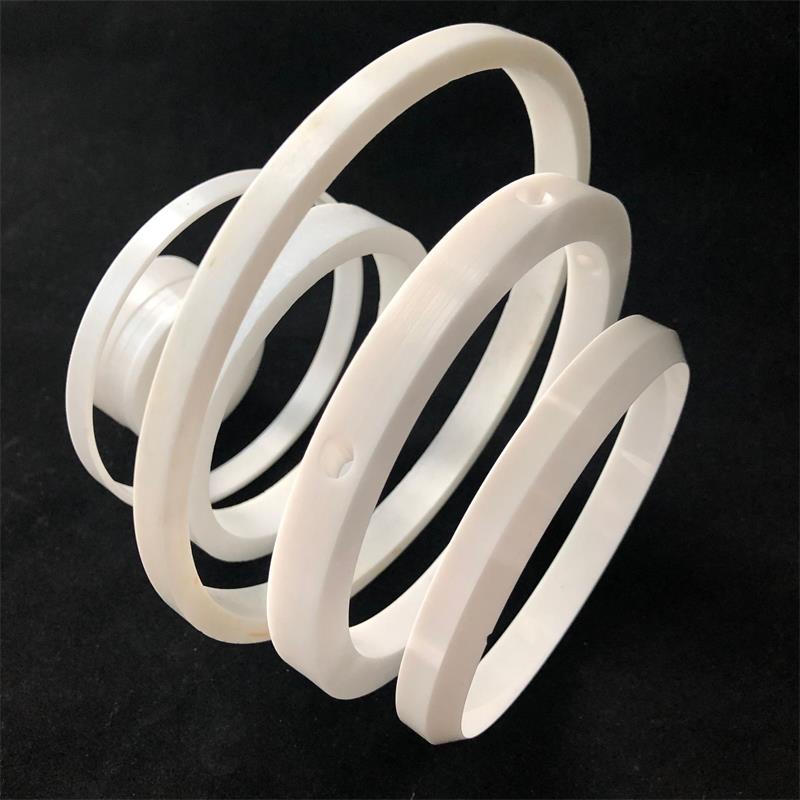
Zirconia ceramic rings are precision-engineered components valued for their high fracture toughness, excellent wear resistance, and strong chemical stability. In engineering applications, they are commonly used where metallic or polymer rings would suffer from abrasion, corrosion, fatigue, or dimensional instability. Zirconia, or zirconium dioxide, is not a typical “brittle ceramic” in the conventional sense; its ability to resist crack propagation makes it one of the most mechanically robust advanced ceramics available for ring-shaped components.
What Zirconia Ceramic Rings Are
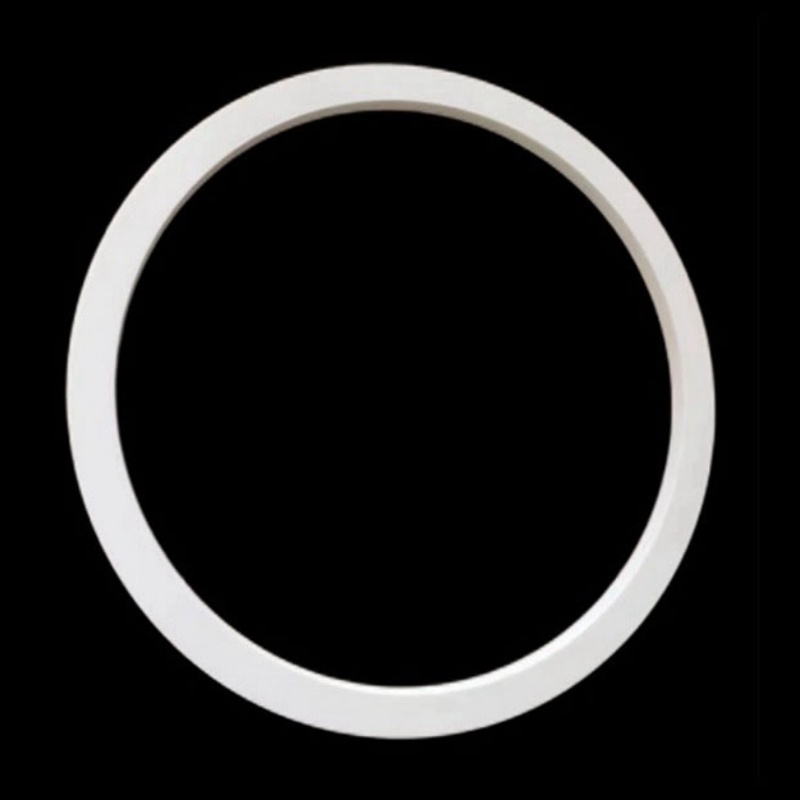
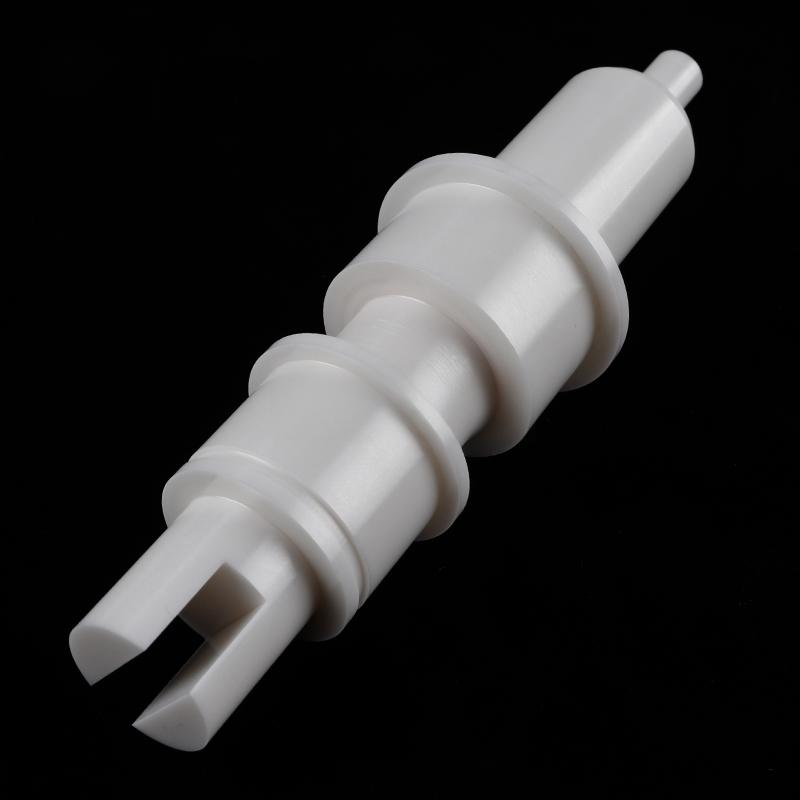
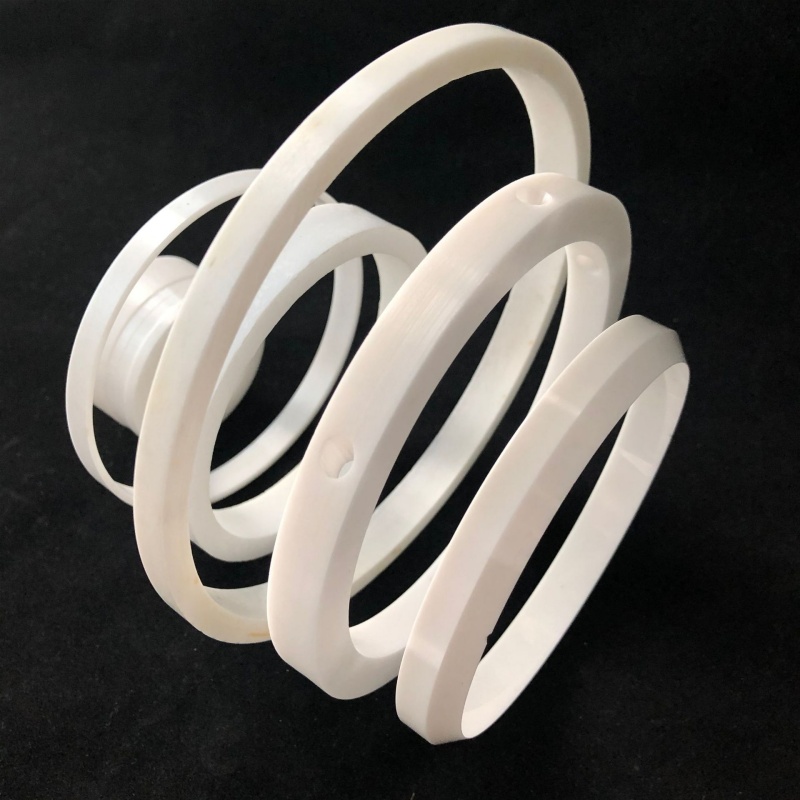
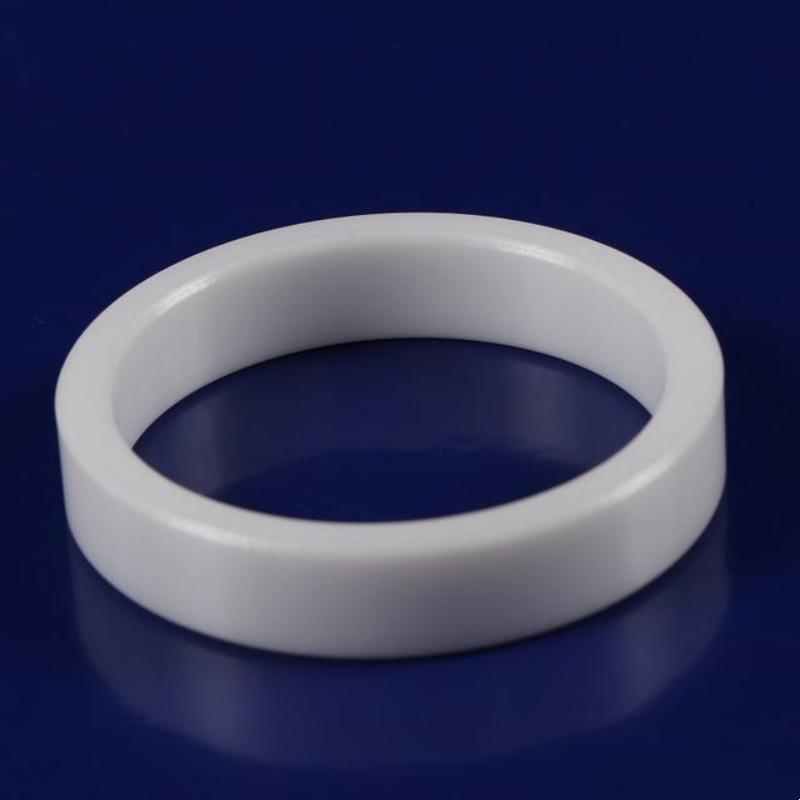
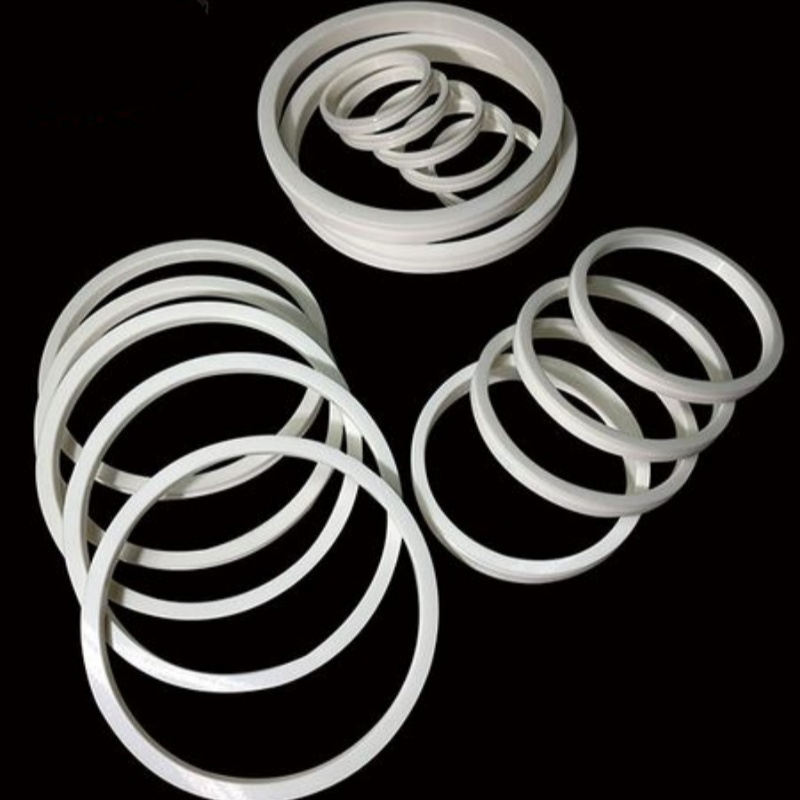
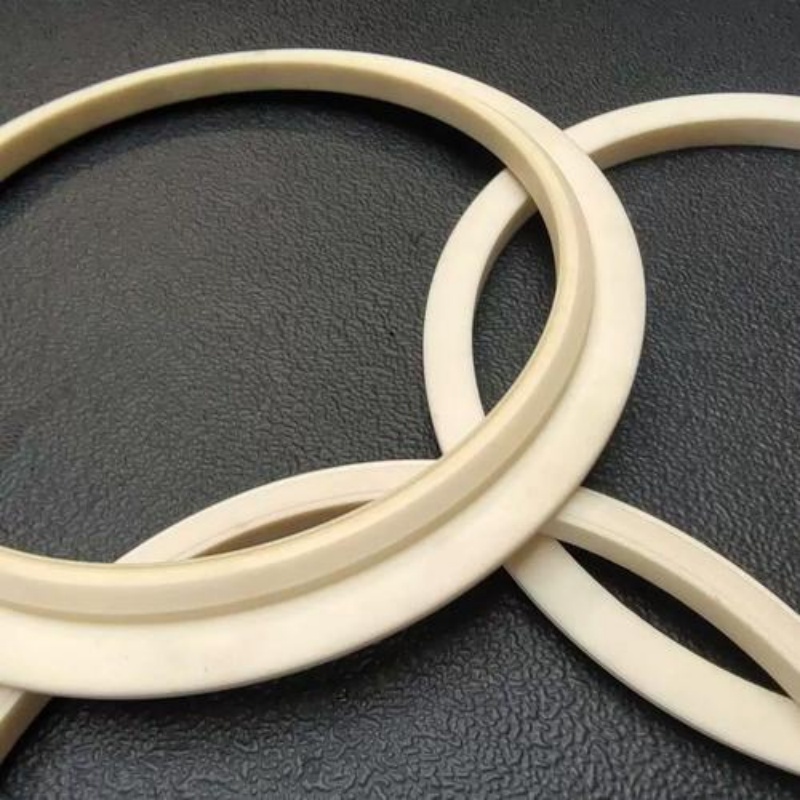
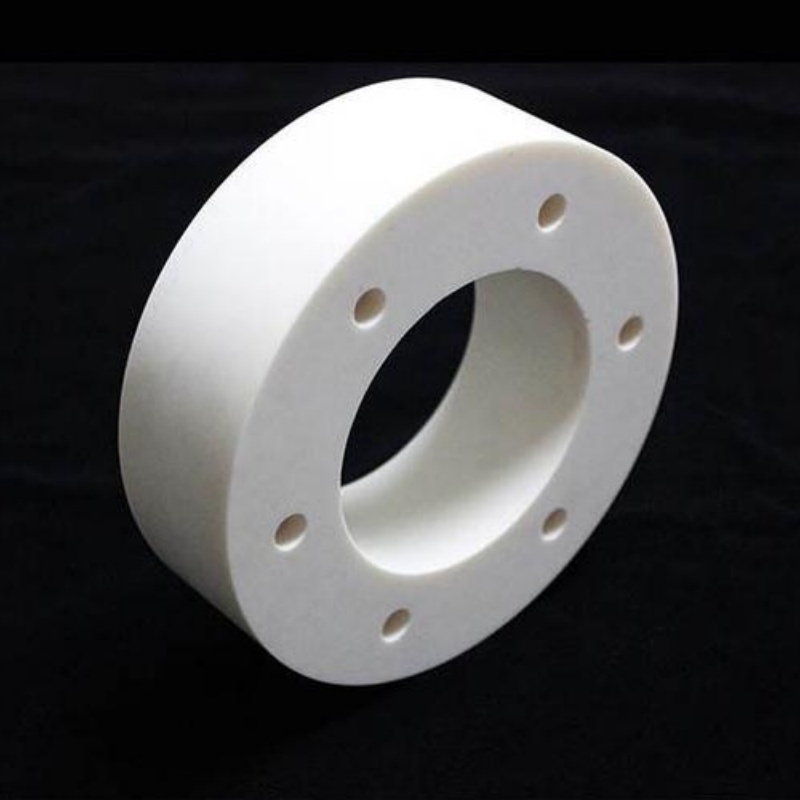
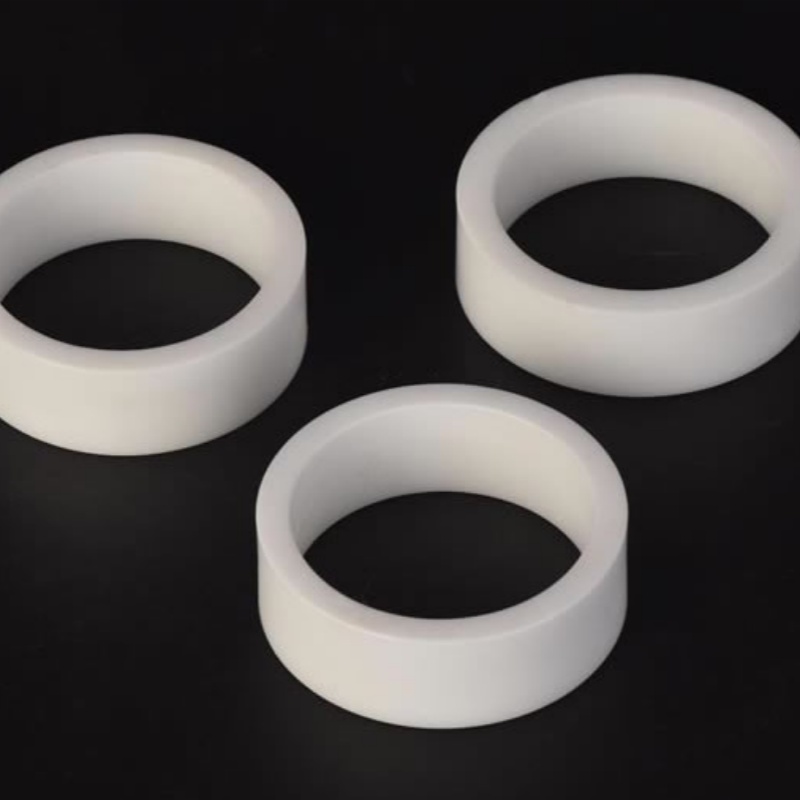
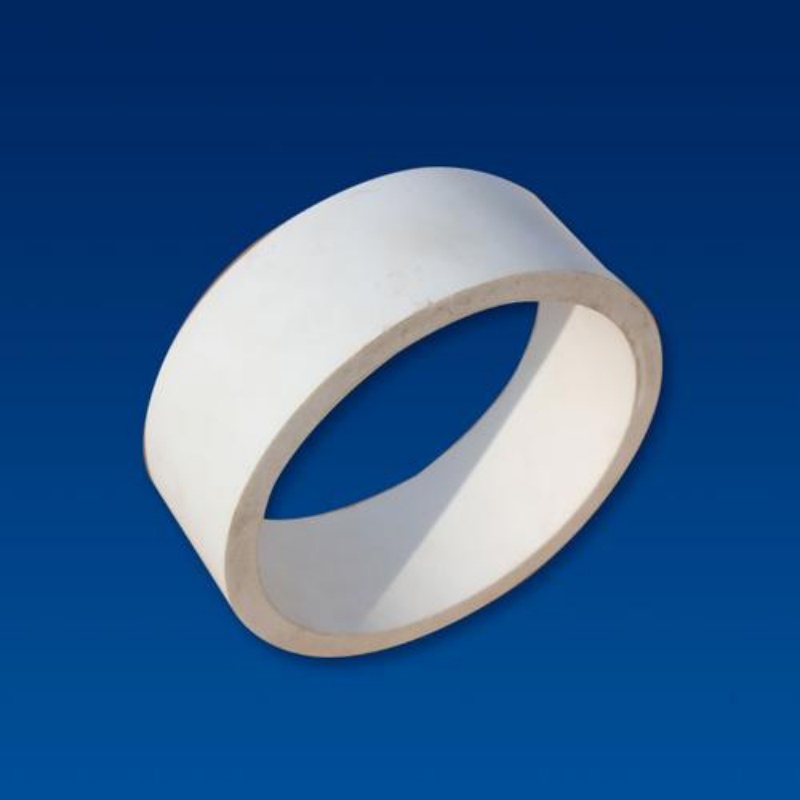
Zirconia ceramic ring is a ring-shaped part produced from zirconium dioxide powder that has been formed and sintered into a dense ceramic body. The ring geometry may serve as a sealing ring, bearing ring, guide ring, insulating ring, wear ring, spacer, or functional component in mechanical and fluid-handling systems. Because zirconia can be machined and ground to tight tolerances after sintering, these rings are suitable for applications requiring precise inner diameter, outer diameter, flatness, and surface finish.
Why Zirconia Has These Properties
The performance of zirconia ceramic rings depends largely on phase stabilization. Pure zirconium dioxide undergoes phase transformations during heating and cooling, which can cause cracking. To prevent this, stabilizers such as yttria, magnesia, or ceria are added. Yttria-stabilized zirconia is the most widely used system.
The high toughness of zirconia comes from a mechanism called transformation toughening. When a crack begins to form, certain zirconia grains near the crack tip can transform from the tetragonal phase to the monoclinic phase. This transformation produces a small volume expansion that compresses the crack tip and slows further propagation. This is why zirconia ceramic rings often outperform alumina rings in impact-prone or high-stress wear environments.
Key Mechanical and Physical Properties
Zirconia ceramic rings typically offer:
High flexural strength compared with many other oxide ceramics
Superior fracture toughness among structural ceramics
Excellent wear resistance under sliding or abrasive conditions
High hardness, though generally lower than silicon carbide or silicon nitride
Good dimensional stability after precision grinding
Moderate thermal conductivity
Electrical insulation under normal operating conditions
Typical yttria-stabilized zirconia grades may show flexural strength in the range of roughly 800–1,200 MPa and fracture toughness around 6–10 MPa·m¹/², depending on composition, density, and manufacturing quality. These values should be treated as representative ranges rather than fixed specifications for every product.
Thermal and Chemical Behavior
Zirconia ceramic rings maintain useful mechanical properties at elevated temperatures, but they are not universally suitable for very high-temperature structural service. Their thermal conductivity is relatively low, which can be advantageous for thermal insulation but may increase thermal stress if heating or cooling is uneven. Zirconia generally has better thermal shock resistance than alumina, yet rapid temperature changes should still be evaluated carefully in design.
Chemically, zirconia is resistant to many aqueous environments, alkalis, and organic media. It is often chosen for sealing and wear applications where corrosion would degrade metals. However, performance in strong acids, hydrofluoric acid environments, or certain high-temperature reactive atmospheres must be verified case by case.
Common Grades and Material Types
The most common zirconia ceramic rings are made from:
3Y-TZP: 3 mol% yttria-stabilized tetragonal zirconia polycrystal. This grade provides high strength, high toughness, and good wear resistance, making it suitable for many mechanical rings.
Partially stabilized zirconia: May offer a balance between toughness and thermal stability.
Ceria-stabilized zirconia: Can provide higher toughness in some conditions but may have lower hardness and different temperature limitations.
Alumina-toughened zirconia: Combines zirconia with alumina to improve hardness, wear behavior, and high-temperature stability in certain applications.
Grade selection should be based on mechanical load, wear mode, temperature, chemical exposure, and dimensional requirements.
Typical Applications
Zirconia ceramic rings are used in applications where reliability depends on wear resistance, corrosion resistance, and stable geometry. Common uses include:
Pump and valve sealing rings: Zirconia resists abrasion from particulates and maintains surface integrity under repeated contact.
Bearing and guide rings: High hardness and low adhesion help reduce galling and fretting wear.
Textile and wire-guiding rings: Smooth ceramic surfaces minimize fiber damage and wear over long service life.
Semiconductor and analytical equipment components: Electrical insulation and chemical cleanliness are valuable in sensitive environments.
Medical and precision instrument rings: Biocompatible grades of zirconia are widely used in medical devices, though implant-related applications require specific regulatory and material validation.
Industrial wear rings: Suitable where stainless steel or engineering plastics wear prematurely.

Advantages
Zirconia ceramic rings are selected when a component must combine hardness with damage tolerance. Their main advantages include high fracture toughness, strong wear resistance, good corrosion resistance, electrical insulation, and the ability to maintain precise dimensions after grinding. Compared with alumina rings, zirconia rings are generally more resistant to chipping and mechanical shock.
Limitations and Design Precautions
Zirconia is still a ceramic material and remains brittle compared with metals. It should not be assumed to behave like a ductile component. Designers should avoid sharp corners, excessive tensile stress, uneven clamping, and impact loading beyond the component’s design limits.
Another important consideration is low-temperature degradation. In certain moist or hydrothermal environments, some zirconia grades may undergo slow phase changes that reduce strength over time. This risk depends on composition, grain size, density, and service conditions. For long-term exposure to warm water, steam, or biomedical environments, material grade selection must be carefully reviewed.
Zirconia ceramic rings also require precision grinding for tight tolerances, and complex geometries may increase manufacturing difficulty. Their cost is typically higher than alumina, so the application should justify the additional performance.
When to Choose Zirconia Ceramic Rings
Zirconia ceramic rings are a strong choice when:
High toughness is needed alongside ceramic hardness
Wear resistance is critical
Corrosion or chemical attack limits metal life
Electrical insulation is required
Dimensional stability and surface finish must be maintained
Alumina is too brittle for the operating conditions
When to Consider Other Ceramics
Consider alumina if cost is a primary constraint and mechanical shock is low. Consider silicon carbide or silicon nitride if higher hardness, higher thermal conductivity, or better high-temperature strength is required. Each material involves trade-offs among toughness, wear resistance, thermal behavior, manufacturability, and cost.
FAQ
What are zirconia ceramic rings used for?
They are commonly used as sealing rings, wear rings, bearing rings, guide rings, insulating rings, and precision components in pumps, valves, industrial equipment, semiconductor tools, and medical devices.
What are the main advantages of zirconia ceramic rings?
Their primary advantages are high fracture toughness, excellent wear resistance, good chemical stability, electrical insulation, and the ability to hold precise dimensions after grinding.
Are zirconia ceramic rings electrically insulating?
Yes, zirconia is generally electrically insulating under normal conditions, making it suitable for applications where dielectric isolation is required.
Can zirconia ceramic rings be used at high temperature?
Zirconia retains useful properties at elevated temperatures, but it is not always the best choice for extreme thermal cycling or very high-temperature structural service. Thermal shock and phase stability must be evaluated.
How does zirconia compare with alumina for ring applications?
Zirconia usually offers higher toughness and better resistance to chipping, while alumina is often more cost-effective and may provide higher hardness in certain grades.
What limits the use of zirconia ceramic rings?
Limitations include ceramic brittleness, sensitivity to certain impact or tensile stresses, potential low-temperature degradation in moist environments, higher cost than alumina, and the need for precision grinding.