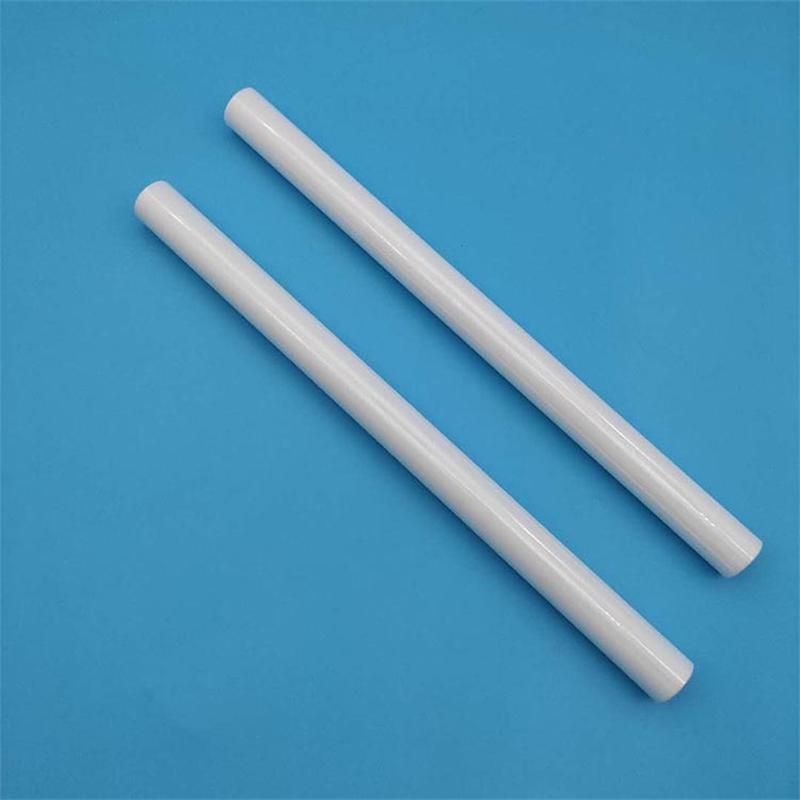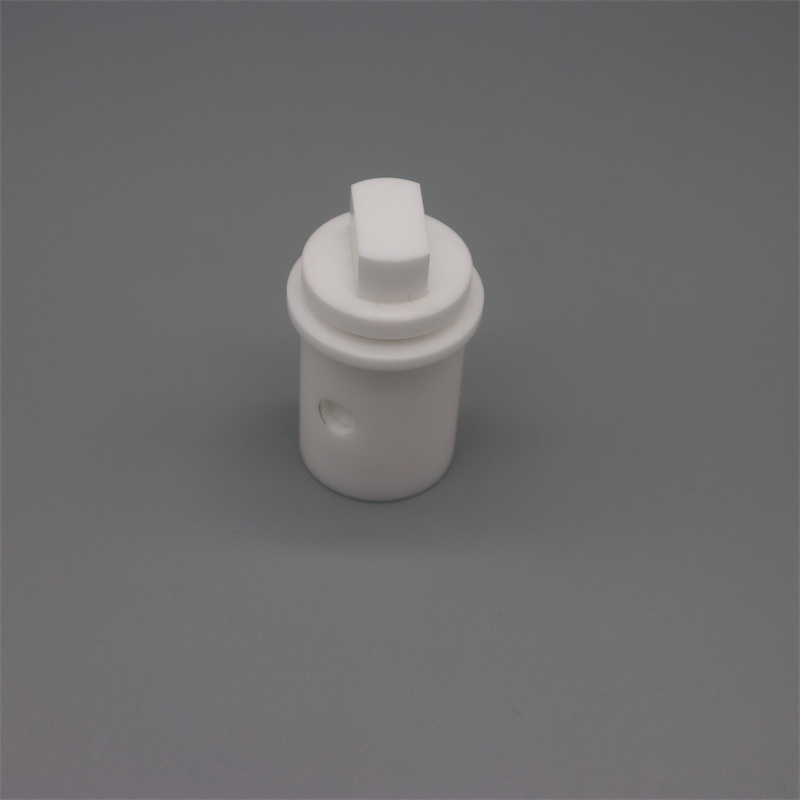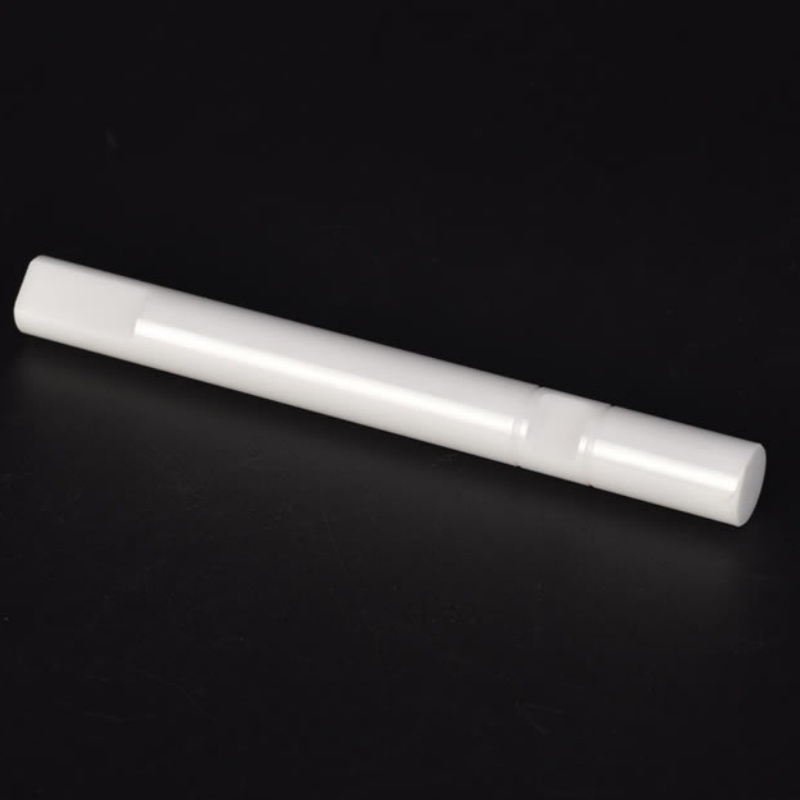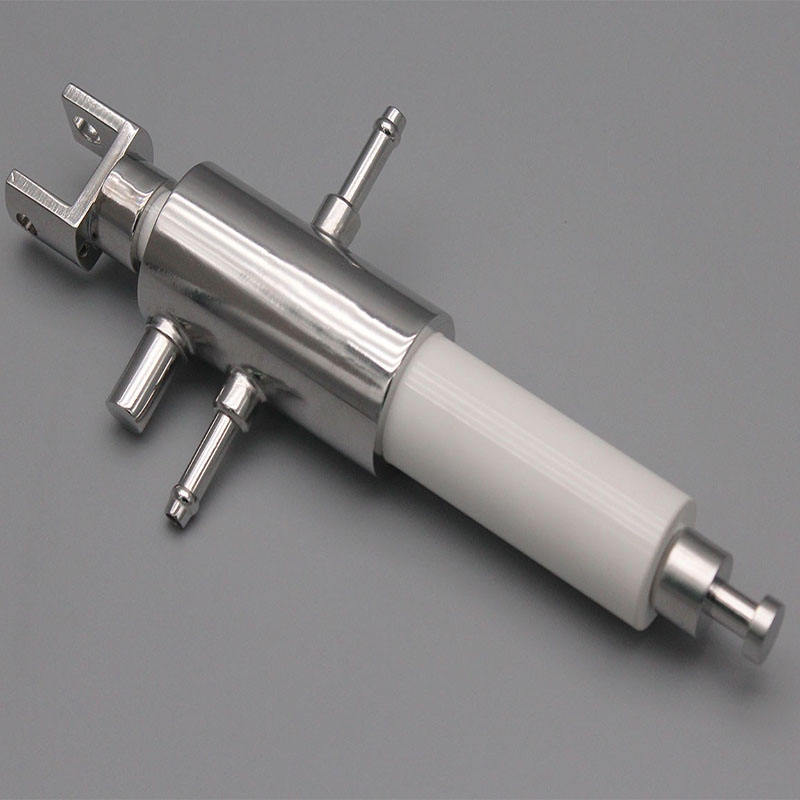
Zirconia Ceramic Product
If you have ever worked with ceramic materials in demanding engineering environments, you have likely encountered zirconia—or more precisely, zirconium dioxide (ZrO₂). Unlike traditional ceramics that tend to be brittle and unforgiving, zirconia ceramic products offer a combination of mechanical strength, fracture toughness, and wear resistance that places them in a category of their own.
Over the past two decades working with advanced ceramics across industries ranging from medical implants to semiconductor manufacturing, I have seen zirconia consistently outperform expectations in applications where other materials—including metals—fail prematurely. Yet I have also seen engineers specify the wrong zirconia grade for an application, leading to avoidable failures and costly redesigns.
What Is Zirconia Ceramic?
Zirconia ceramic, scientifically designated as zirconium dioxide (ZrO₂), is a crystalline oxide material that exists in three distinct polymorphs: monoclinic, tetragonal, and cubic. The transformation between these phases—specifically the tetragonal-to-monoclinic transition—is what gives zirconia its remarkable mechanical properties.
Here is the key insight that separates zirconia from most other ceramics: when a crack begins to propagate through the material, the stress at the crack tip triggers a phase transformation in the surrounding zirconia grains. These grains expand slightly as they transform from tetragonal to monoclinic structure, creating compressive stress that literally clamps the crack shut. This mechanism, known as transformation toughening, is why zirconia exhibits fracture toughness values of 6–10 MPa·m¹/²—roughly two to three times that of alumina.
In practical terms, this means zirconia ceramic products can withstand impact loads, thermal cycling, and mechanical shocks that would shatter other technical ceramics. For engineers accustomed to designing around ceramic brittleness, zirconia offers a welcome degree of forgiveness.
Key Material Properties of Zirconia Ceramic
Understanding zirconia begins with its property profile. Below is a summary of the characteristics that define this material family. Note that values vary significantly depending on stabilizer type and content, which we will discuss in the next section.
Mechanical Properties
– Density: 5.9–6.1 g/cm³
– Flexural strength: 800–1,500 MPa (depending on grade)
– Fracture toughness: 6–10 MPa·m¹/²
– Vickers hardness: 1,100–1,300 HV
– Young’s modulus: 200–220 GPa
Thermal Properties
– Maximum service temperature: 500–1,000°C (grade-dependent)
– Thermal expansion coefficient: 10–11 × 10⁻⁶/K
– Thermal conductivity: 2–3 W/(m·K)
– Specific heat: 450–500 J/(kg·K)
Electrical and Chemical Properties
– Electrical resistivity: >10¹⁰ Ω·cm at room temperature
– Dielectric constant: 25–35
– Chemical resistance: Excellent against most acids and alkalis (except hydrofluoric acid and hot concentrated sulfuric acid)
– Biocompatibility: ISO 10993 compliant for selected grades
These numbers represent textbook values. In practice, I have measured flexural strength variations of up to 20% between batches from different suppliers, which is why material certification and quality control documentation matter enormously for critical applications.
Stabilization: The Key to Zirconia’s Performance
Pure zirconia undergoes a destructive phase transformation at approximately 1,170°C during heating and cooling, accompanied by a volume change of roughly 4–5%. This volume change causes catastrophic cracking during processing and renders pure zirconia useless for most engineering applications.
The solution is the addition of stabilizing oxides that lock the material into its tetragonal or cubic structure at room temperature. The three primary stabilization systems used in zirconia ceramic products are:
Yttria-Stabilized Zirconia (Y-TZP)
Yttria (Y₂O₃) content typically ranges from 2 to 8 mol%. The 3 mol% yttria-stabilized tetragonal zirconia polycrystal (3Y-TZP) is the most widely used engineering grade, offering the best combination of strength and toughness. This is the grade you will encounter most frequently in structural applications, medical implants, and consumer products.
Magnesia-Stabilized Zirconia (Mg-PSZ)
Magnesia (MgO) stabilizes zirconia in the cubic phase with tetragonal precipitates. This material exhibits slightly lower strength but excellent thermal shock resistance, making it suitable for high-temperature applications and thermal barrier coatings.
Ceria-Stabilized Zirconia (Ce-TZP)
Ceria (CeO₂) stabilization produces zirconia with exceptional toughness but lower strength than Y-TZP grades. This material sees use in wear-resistant components and certain biomedical applications.
In my experience, 95% of industrial inquiries involve Y-TZP grades. The remaining cases typically require the thermal properties of Mg-PSZ or the specialized toughness of Ce-TZP.
Available Grades and Forms
Zirconia ceramic products are manufactured in several standard grades, each optimized for different performance requirements. The most common grades include:
– 3Y-TZP: The workhorse grade with 3 mol% yttria, offering flexural strength of 1,000–1,200 MPa and fracture toughness of 6–7 MPa·m¹/². Used in structural components, cutting tools, and medical implants.
– 5Y-TZP: Higher yttria content (5 mol%) yields increased cubic phase content, improving translucency for aesthetic dental applications while maintaining adequate strength.
– 8Y-CSZ: Fully cubic structure with 8 mol% yttria, used primarily as an electrolyte material in solid oxide fuel cells and oxygen sensors due to its high ionic conductivity.
– Mg-PSZ: Magnesia-stabilized grade with excellent thermal shock resistance, used in extrusion dies, molten metal handling, and furnace components.
– Ce-TZP: Ceria-stabilized grade with fracture toughness reaching 10–12 MPa·m¹/², used in certain wear applications and transformation-toughened composites.
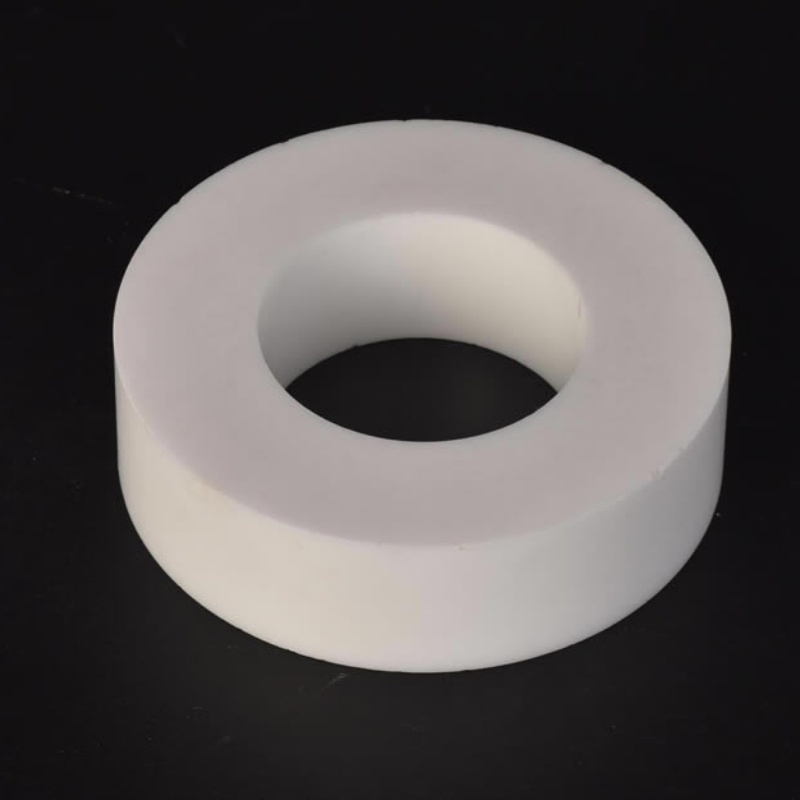
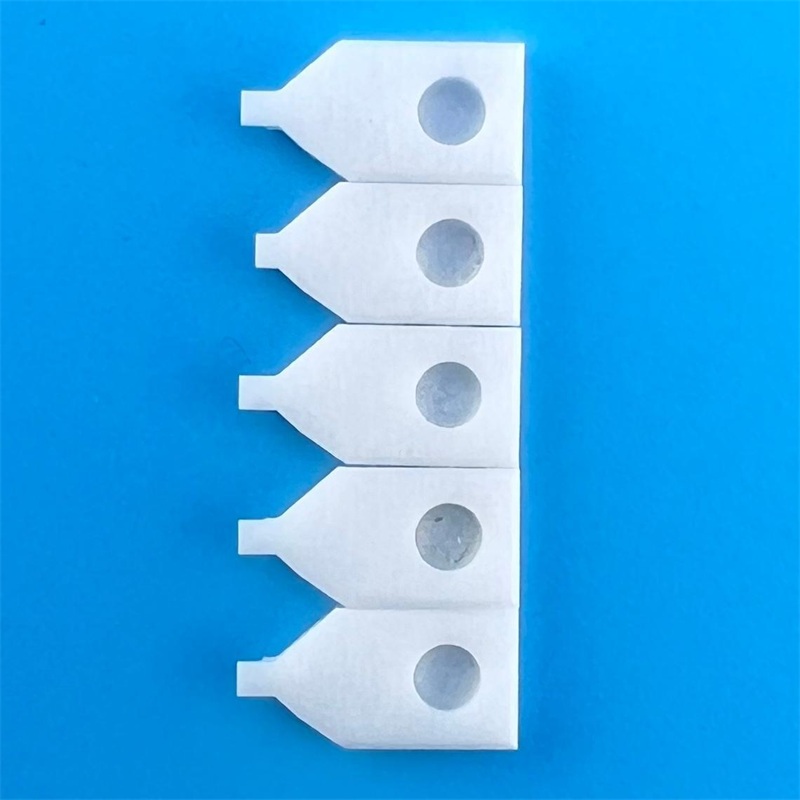
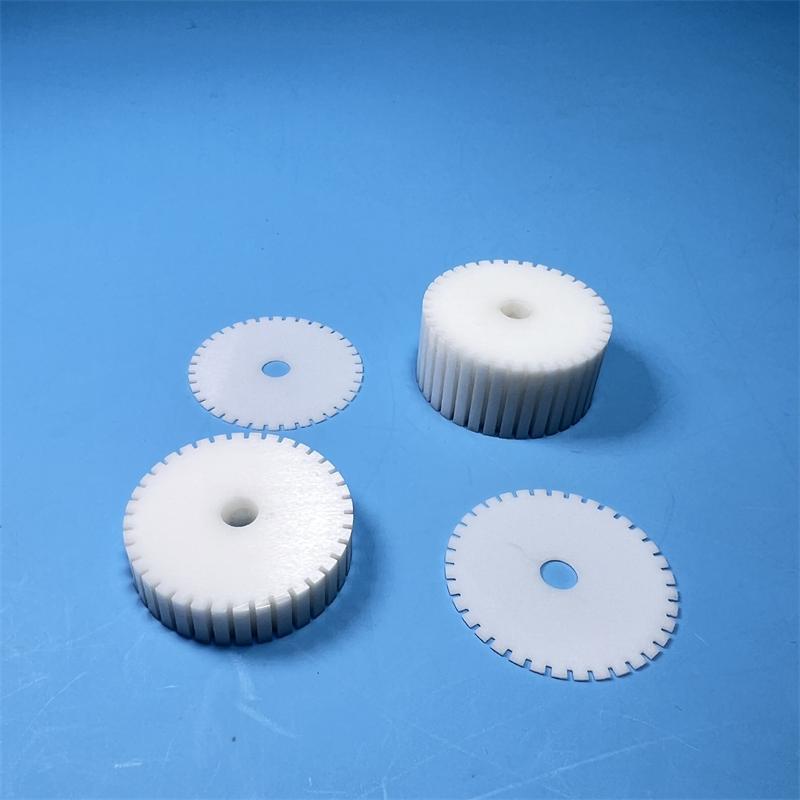
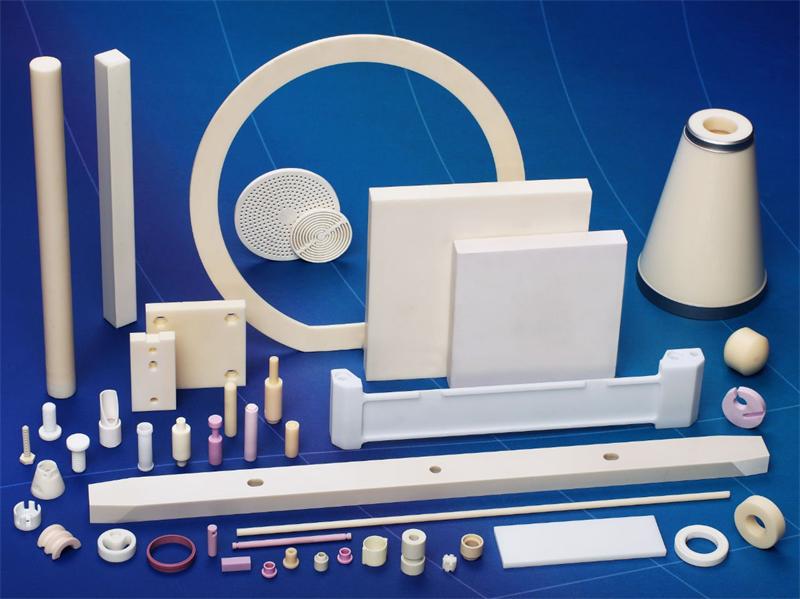
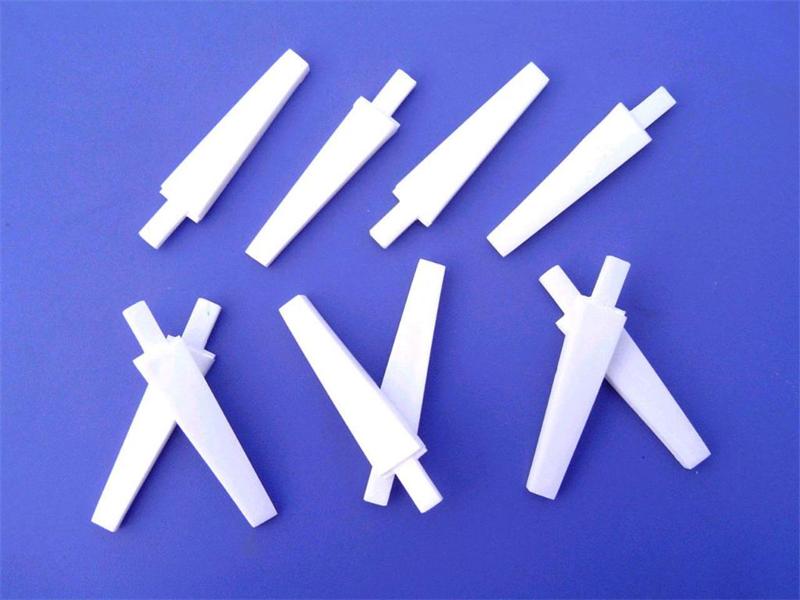
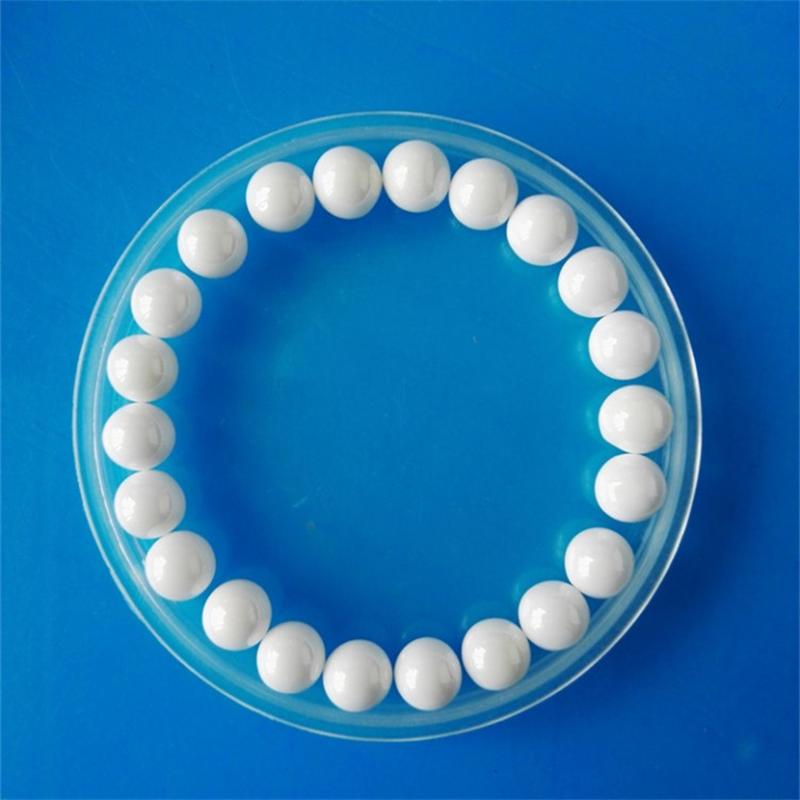
Typical shapes available in the market include rods, tubes, plates, custom-machined components, precision balls, valve seats, inserts, and engineered near-net shapes. Common dimensions vary widely by application, with rods ranging from 1 mm to over 100 mm in diameter, plates available from thin substrates under 1 mm to blocks exceeding 100 mm thickness, and custom components machined to dimensional tolerances of ±0.01 mm.
Manufacturing and Machining Considerations
The production of zirconia ceramic products typically follows one of several processing routes, each with distinct cost and performance implications:
Press and Sinter
Uniaxial or isostatic pressing of spray-dried powder followed by sintering at 1,400–1,550°C. This method produces near-net shapes with moderate dimensional control and is cost-effective for high-volume production of simple geometries.
Injection Molding
Ceramic powder mixed with organic binders is injected into molds under pressure, then debound and sintered. This enables complex three-dimensional geometries but requires significant tooling investment and careful binder removal to avoid defects.
Slip Casting and Tape Casting
Aqueous or non-aqueous slurries are cast into molds or onto moving carriers. Tape casting produces thin sheets used for electronic substrates and solid oxide fuel cell components.
Hot Isostatic Pressing (HIP)
Post-sintering HIP treatment at elevated temperatures under argon pressure eliminates residual porosity and can increase strength by 20–30%, though at considerable additional cost.
Machining Considerations
Zirconia is among the most challenging ceramics to machine due to its hardness and the risk of surface damage. Green-state machining (before sintering) is the most cost-effective approach for complex features. Diamond grinding is used for precision finishing, but this requires careful control of feed rates, coolant application, and depth of cut to avoid introducing surface stress that can lead to premature failure.
I have observed numerous failures traced directly to machining-induced surface damage. A common mistake is specifying as-sintered components for applications requiring tight tolerances, expecting subsequent grinding to be straightforward. The reality is that grinding zirconia requires specialized equipment and expertise, and costs scale non-linearly with surface finish requirements.
Design Considerations for Zirconia Components
Designing with zirconia requires a different mindset than designing with metals or polymers. Based on experience across hundreds of successful and unsuccessful implementations, here are the most critical factors to address:
Avoid Stress Concentrations
Sharp corners, sudden cross-section changes, and deep notches concentrate stress and can initiate fracture. Use generous radii, gradual transitions, and consider the component’s loading path carefully. A rule of thumb I use is a minimum fillet radius of 0.5 mm for most applications.
Account for Thermal Expansion Mismatch
The thermal expansion coefficient of zirconia (10–11 × 10⁻⁶/K) is higher than that of alumina but lower than most metals. When assembling zirconia with metallic components, calculate the differential expansion across your operating temperature range to avoid excessive clamping forces or premature loosening.
Consider Moisture Degradation
This is perhaps the most overlooked factor in zirconia design. At temperatures between 100°C and 300°C, yttria-stabilized zirconia can undergo low-temperature degradation (LTD)—a process where moisture reacts with the grain boundaries, causing slow transformation to the monoclinic phase accompanied by surface roughening and microcracking. While the phenomenon is well-documented, many engineers are unaware of it until their components begin to show discoloration and strength degradation years after installation.
For applications in humid environments, steam atmospheres, or biomedical implants, specify yttria-stabilized zirconia grades that have been engineered for hydrothermal stability. Alternatively, consider alternative stabilizers or protective coatings.
Tolerances and Fits
Zirconia’s high stiffness means that interference fits designed for metals often result in fracture during assembly. Use the full range of thermal expansion by heating the metallic component or cooling the zirconia component, and ensure assembly forces are calculated based on actual material properties rather than experience with metals.
Typical Applications and Industries
Zirconia ceramic products have found their way into an extraordinary range of applications across nearly every industrial sector. The following examples illustrate the breadth and depth of zirconia’s utility:
Medical and Dental
– Artificial hip joints and knee replacements
– Dental implants, abutments, and crowns
– Surgical instruments and cutting tools
– Implantable components requiring both biocompatibility and wear resistance
Automotive and Transportation
– Oxygen sensors and NOx sensors
– Exhaust gas recirculation components
– Wear pads and valve seats
– Fuel cell components
Semiconductor and Electronics
– Wafer handling components
– Chemical mechanical polishing carriers
– Electrostatic chucks
– Dielectric components for plasma processing
Mechanical and Industrial
– Precision balls for valves and bearing systems
– Cutting tool inserts
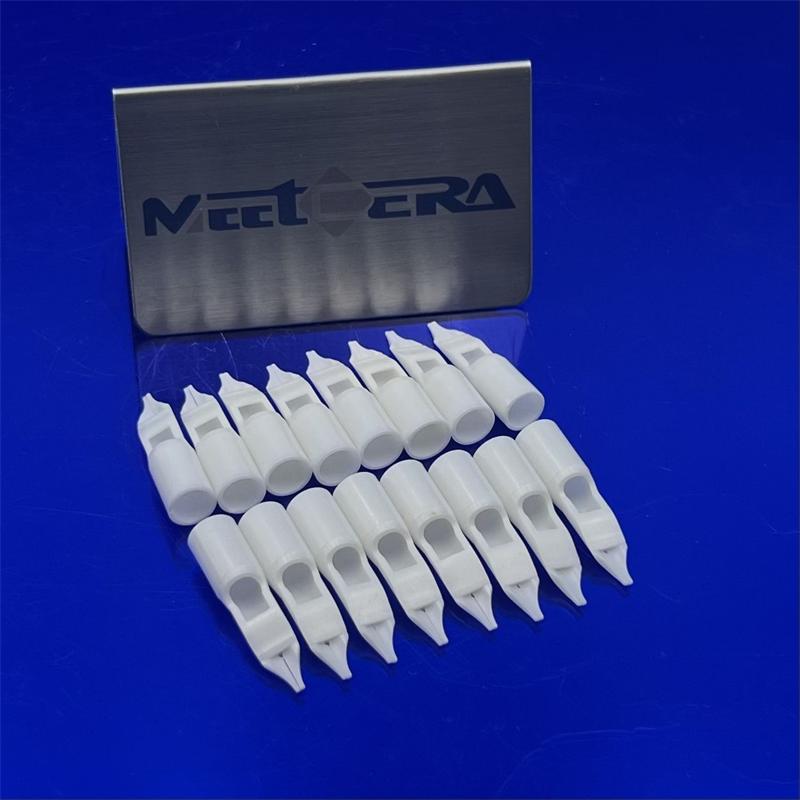
– Extrusion dies and injection molding nozzle tips
– Wear liners and slurry pump components
Aerospace and Defense
– Thermal barrier coatings
– Radar components
– Components requiring combined structural and thermal performance
Consumer Products
– Luxury watch case components
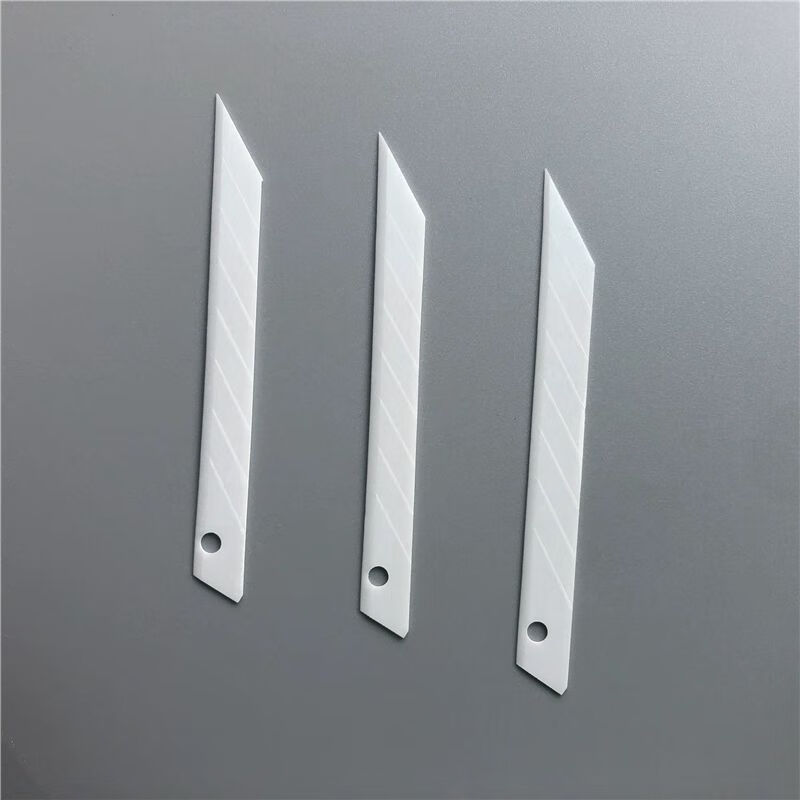
– High-end knife blades and cutting tools
– Jewelry and fashion accessories
A recent trend I have observed is the increasing adoption of zirconia in semiconductor manufacturing, where its electrical properties and chemical resistance make it an ideal material for components exposed to aggressive etch chemistries. The challenge in this space is achieving the purity levels required for particle-free operation, which typically necessitates specialized processing and careful raw material selection.
Material Selection: When to Choose Zirconia
Deciding whether zirconia is the right material for your application requires weighing its advantages against its limitations.
Advantages of Zirconia
– Exceptional fracture toughness by ceramic standards
– High flexural strength approaching that of some steels
– Good wear resistance and low friction against many counterfaces
– Chemical inertness in most corrosive environments
– Biocompatible for medical applications
– Aesthetic appeal for consumer-facing products
Limitations of Zirconia
– Susceptibility to hydrothermal degradation
– Limited maximum service temperature compared to other ceramics like silicon carbide or alumina
– High density relative to other ceramics
– Cost typically higher than alumina but lower than many advanced ceramics
– Complex machining requirements with surface damage risks
In my experience, zirconia is the correct choice when a ceramic is required and alumina or other alternatives cannot provide sufficient fracture toughness or wear resistance. If your application can tolerate lower toughness, alumina is almost certainly less expensive. If your application exceeds 500°C, silicon carbide or silicon nitride are likely more suitable. For applications requiring both toughness and thermal resistance, consider zirconia-toughened alumina (ZTA) composites.
Frequently Asked Questions
Is zirconia ceramic stronger than alumina?
Yes, generally. Zirconia ceramic products typically exhibit flexural strength of 800–1,500 MPa compared to 300–400 MPa for conventional alumina. However, high-purity alumina grades can approach 600–700 MPa, so the gap is narrower at the performance extremes.
What is the maximum service temperature for zirconia?
This is highly grade-dependent. Yttria-stabilized grades (3Y-TZP) are typically limited to 500°C due to low-temperature degradation concerns. Magnesia-stabilized zirconia (Mg-PSZ) can serve up to 1,000°C or higher under certain conditions. Always consult the specific data sheet for your selected grade.
Can zirconia ceramic be used in contact with food and water?
Yes, zirconia is chemically inert and non-toxic, making it suitable for food processing and potable water applications. However, specific grades must meet relevant food contact regulations, and the moisture-related degradation concern requires careful evaluation for hot water environments.
How does zirconia compare to silicon carbide?
Silicon carbide offers higher thermal conductivity, thermal shock resistance, and maximum service temperature, while zirconia provides superior fracture toughness and strength. The choice depends on whether mechanical performance or thermal performance dominates your application requirements.
Is zirconia ceramic susceptible to moisture degradation?
Yes. This phenomenon is known as low-temperature degradation (LTD) and primarily affects yttria-stabilized zirconia at temperatures of 100–300°C in humid conditions. Stabilization optimization can significantly reduce susceptibility, and some grades are specifically formulated for hydrothermal stability.
What are the typical applications of zirconia ceramic products?
Zirconia is used in medical implants, dental restorations, cutting tools, precision bearings, automotive sensors, wear components, and semiconductor handling equipment. The material’s combination of strength, toughness, and wear resistance makes it suitable for any application requiring high-performance ceramic components.
How difficult is zirconia ceramic to machine?
Zirconia is among the harder ceramic materials and requires diamond tooling for precision finishing. While machining is possible, it demands specialized equipment, careful coolant application, and experienced operators to avoid surface damage that compromises component performance.
What types of zirconia grades are commercially available?
Common grades include 3Y-TZP (general purpose, high strength), 5Y-TZP (enhanced translucency), 8Y-CSZ (electrical applications), Mg-PSZ (thermal shock resistance), and Ce-TZP (maximum toughness). Each grade is optimized for specific application requirements.
Zirconia ceramic products represent a remarkable achievement in materials engineering—a ceramic that defies the brittleness stereotype and offers mechanical properties that challenge even some metals. The transformation toughening mechanism that gives zirconia its character is both scientifically fascinating and practically valuable across countless applications.
For engineers considering zirconia for a design, the key lessons from this guide are:
– Specify the correct stabilization system and grade for your application
– Account for low-temperature degradation in humid or wet environments
– Design with ceramic-specific rules, not metal design rules
– Factor machining costs and challenges into your component design
– Validate material properties with qualified suppliers
Zirconia is not a miracle material. It has clear limitations, and it requires thoughtful engineering to succeed. But when properly specified and designed, zirconia ceramic products deliver performance that few other materials can match.