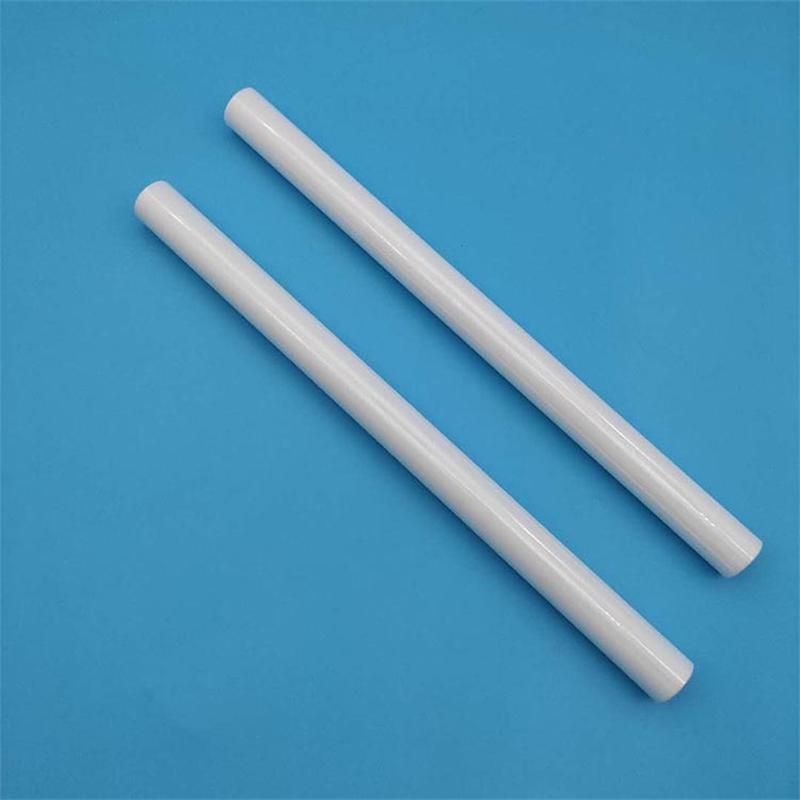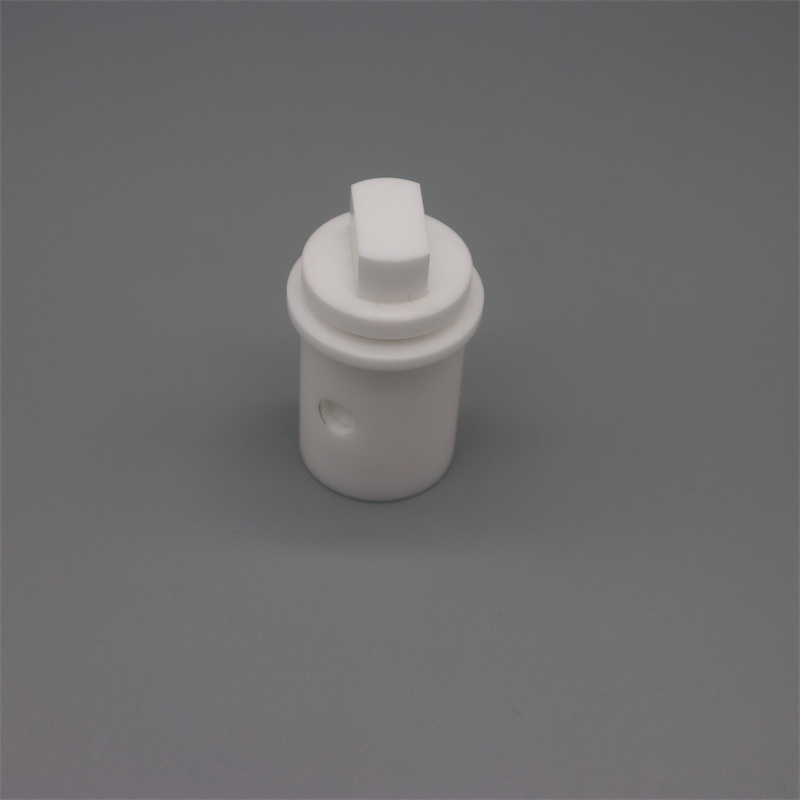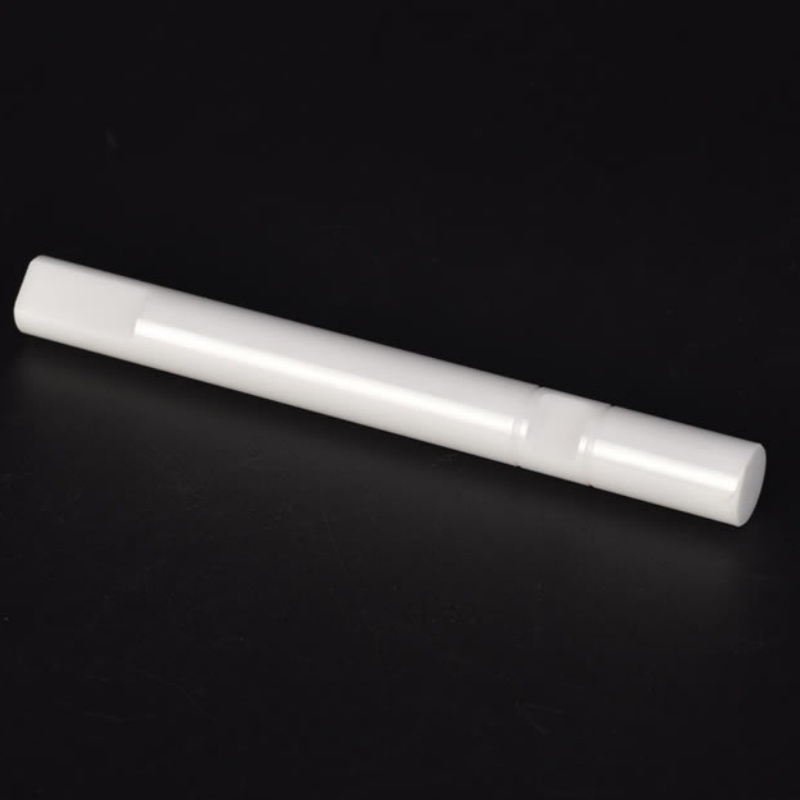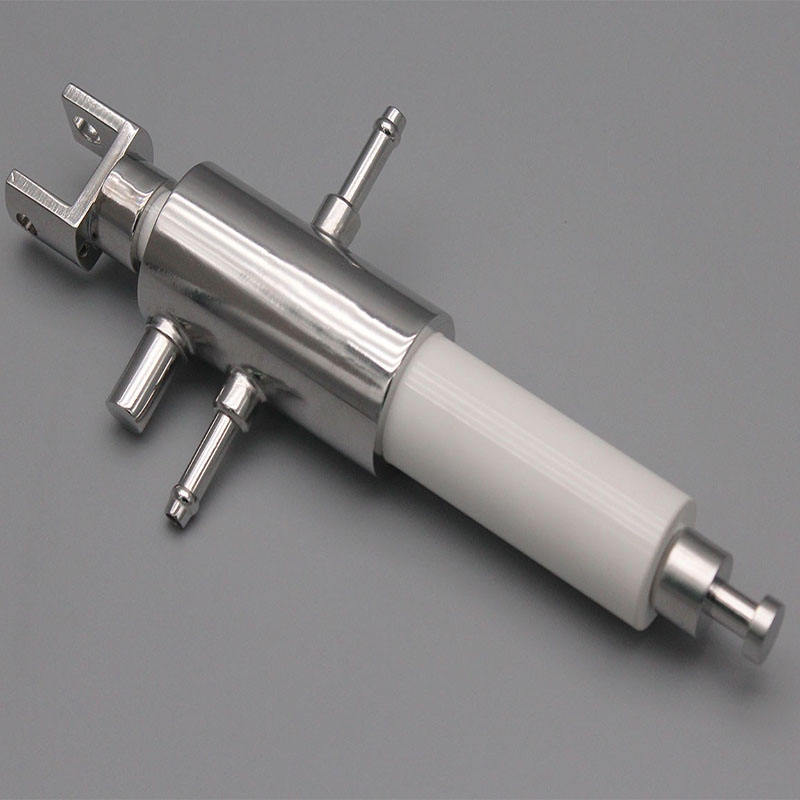
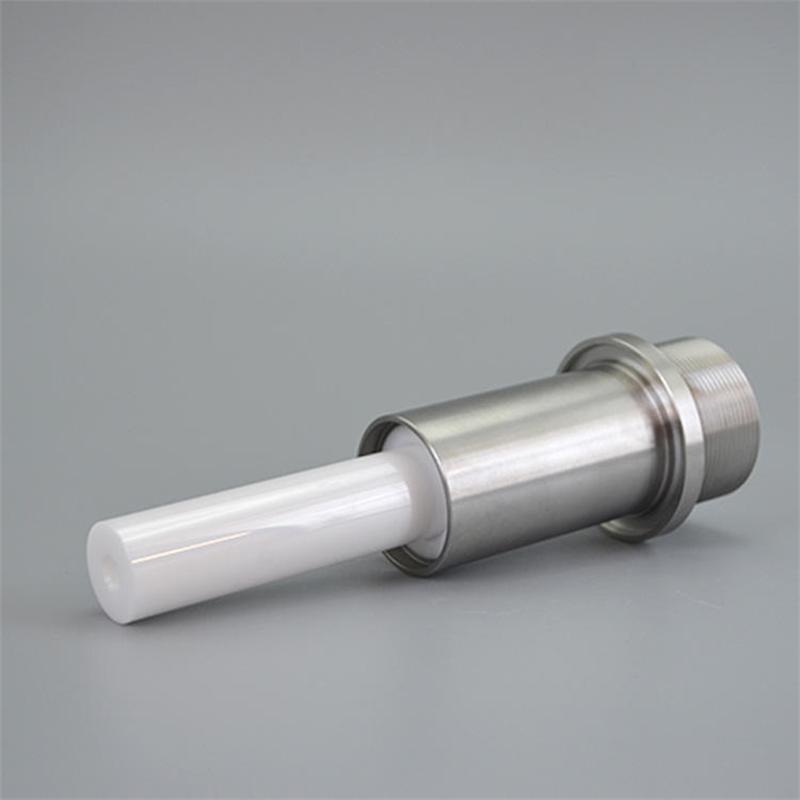
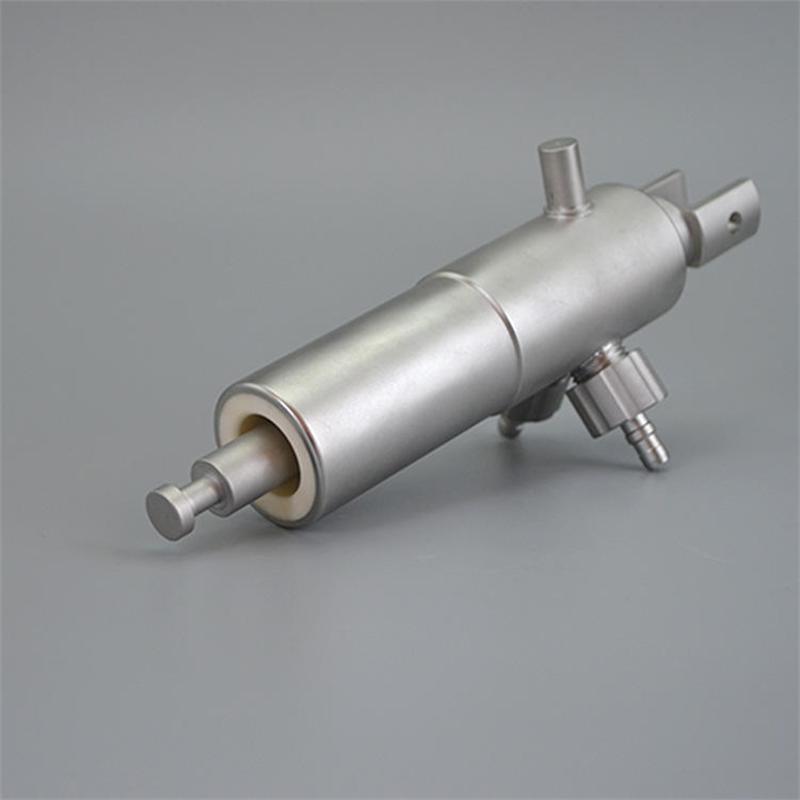
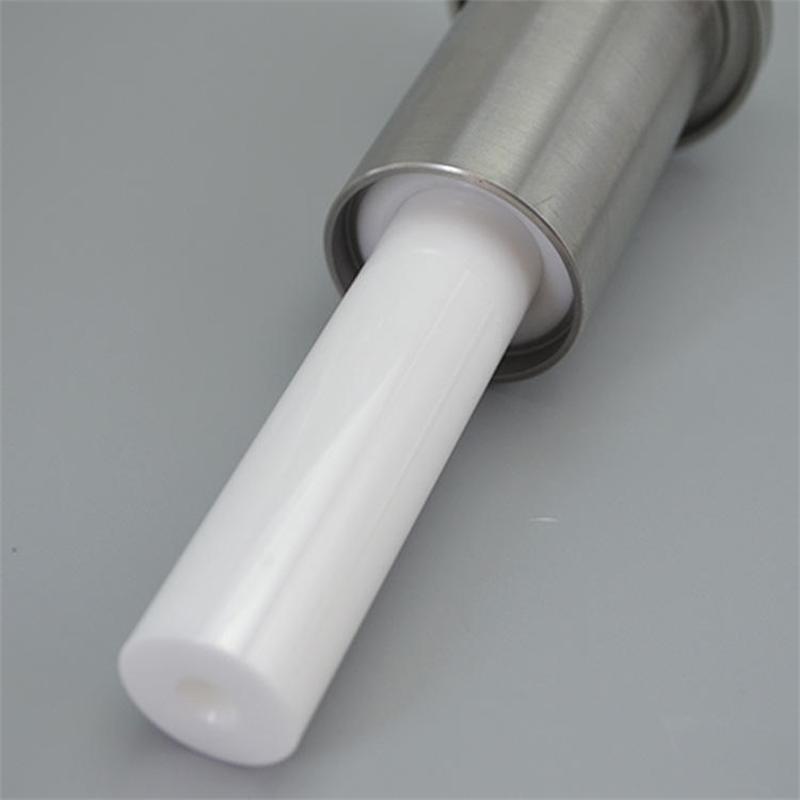
Zirconia Ceramic Plungers
Zirconia ceramic plungers, fabricated from zirconium dioxide (ZrO₂), are high-performance reciprocating components widely used in demanding industrial, medical, and chemical applications where conventional metals fail. Unlike metal plungers that suffer from corrosion, wear, and metal ion leaching, zirconia ceramic plungers leverage the material’s exceptional combination of high fracture toughness, chemical inertness, and extreme hardness to deliver reliable performance in harsh operating environments. This article covers the key properties, material grades, typical applications, and engineering considerations for selecting zirconia ceramic plungers.
What Are Zirconia Ceramic Plungers?
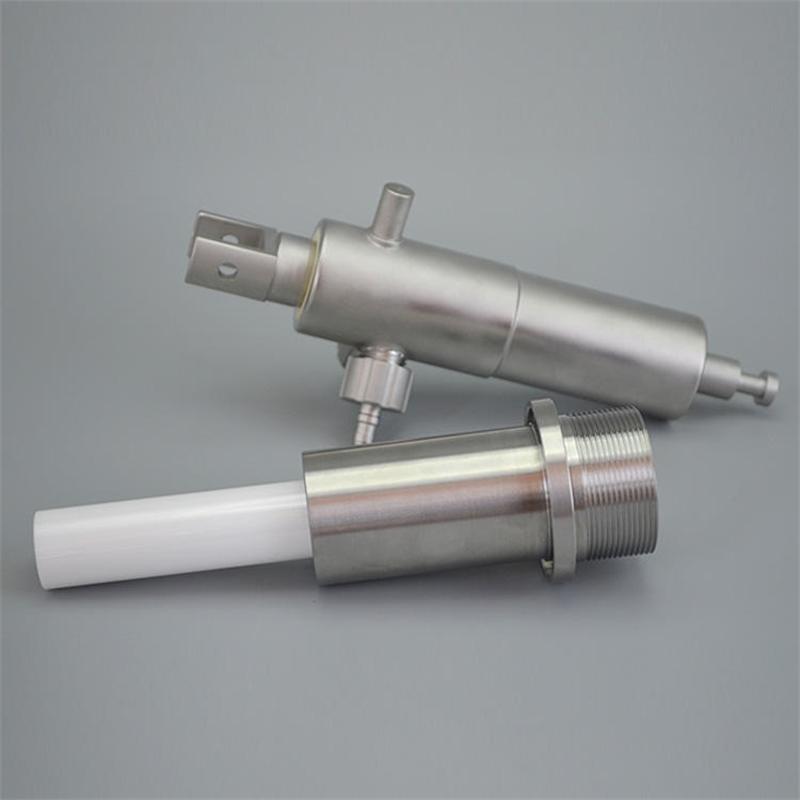
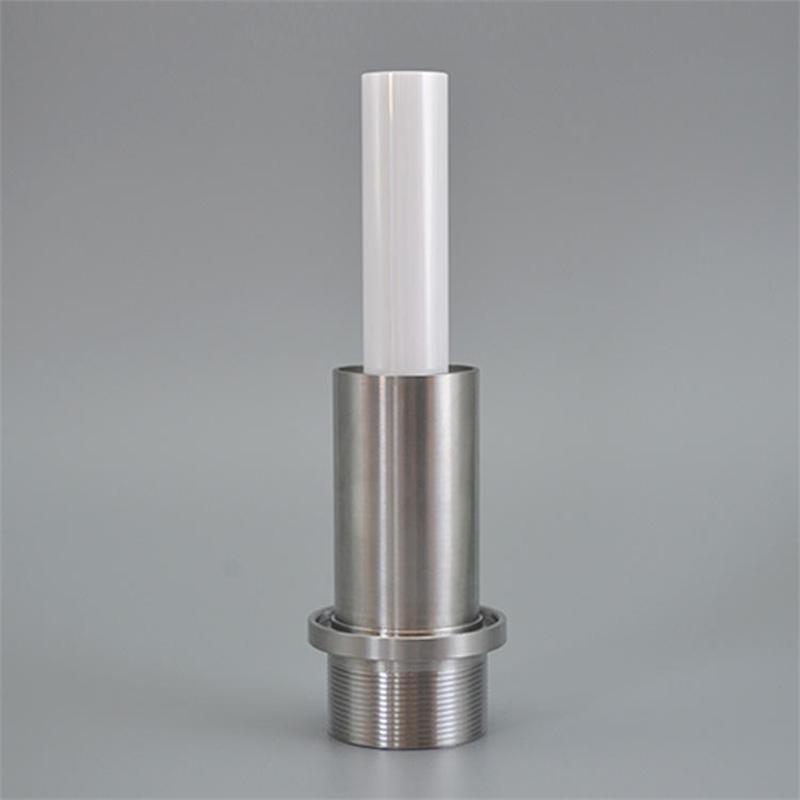
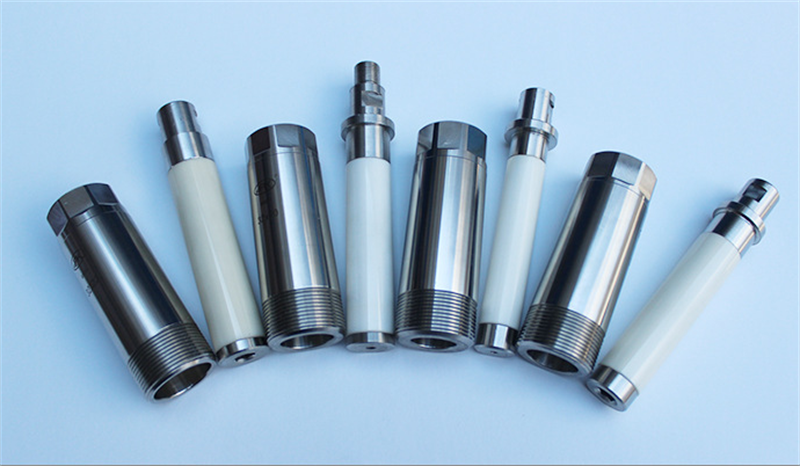
Zirconia ceramic plungers are precision-machined cylindrical components used in reciprocating pump systems to generate pressure and displace fluids. They are manufactured from yttria-stabilized zirconia (Y-TZP) or magnesia-partially-stabilized zirconia (Mg-PSZ) through processes including isostatic pressing, high-temperature sintering (typically 1500-1550°C), and precision grinding to achieve tight dimensional tolerances and mirror-finish surfaces. The surface roughness of precision zirconia plungers can reach Ra ≤ 0.05 μm, which is critical for maintaining effective sealing and minimizing friction against packing materials.
Key Material Properties
The performance of zirconia ceramic plungers stems from a unique set of physical and mechanical properties that distinguish them from other engineering ceramics and metals:
Zirconia exhibits a Vickers hardness of approximately 1300-1350 HV, providing excellent resistance to abrasive wear. Its flexural strength ranges from 950 to 1200 MPa, while compressive strength can reach 2000-2500 MPa, making it one of the strongest engineering ceramics available. Most notably, zirconia possesses a fracture toughness of 8-10 MPa·m¹/², significantly higher than alumina (Al₂O₃) ceramics. This toughness is derived from the stress-induced tetragonal-to-monoclinic phase transformation mechanism, which absorbs crack propagation energy and prevents catastrophic brittle failure.
Zirconia is chemically inert and resistant to most acids, alkalis, and organic solvents, with the notable exception of hydrofluoric acid and hot concentrated strong alkalis. This chemical stability ensures no metal ion leaching, which is essential for pharmaceutical and food-grade applications. The material has a density of approximately 6.0 g/cm³, which is lower than most steels, reducing reciprocating inertia and enabling higher pump operating speeds. Additionally, zirconia has low thermal conductivity (approximately 2 W/m·K, about 20% that of alumina), which helps reduce frictional heat transfer to surrounding pump components and extends seal life. The maximum continuous operating temperature is typically around 850-1050°C, depending on the specific grade and stabilizer used.
Material Grades and Variants
Not all zirconia ceramics are identical. The selection of stabilizer and processing method significantly affects performance:
Y-TZP (Yttria-Stabilized Tetragonal Zirconia Polycrystal) is the most common grade, typically containing 3 mol% Y₂O₃. It offers the best combination of strength, toughness, and wear resistance, making it the preferred choice for most plunger applications.
Mg-PSZ (Magnesia-Partially-Stabilized Zirconia) contains magnesia as the stabilizer and is particularly noted for its superior impact resistance. Field tests in downhole pump applications have shown Mg-PSZ components can increase average run times by up to 440% compared to conventional materials, as the material maintains a perfect seal on the seat despite impact events in fluid pound situations.
Zirconia-toughened alumina (ZTA) composites combine alumina’s higher hardness with zirconia’s toughness, offering a middle-ground option for applications requiring enhanced abrasive wear resistance alongside adequate fracture toughness.
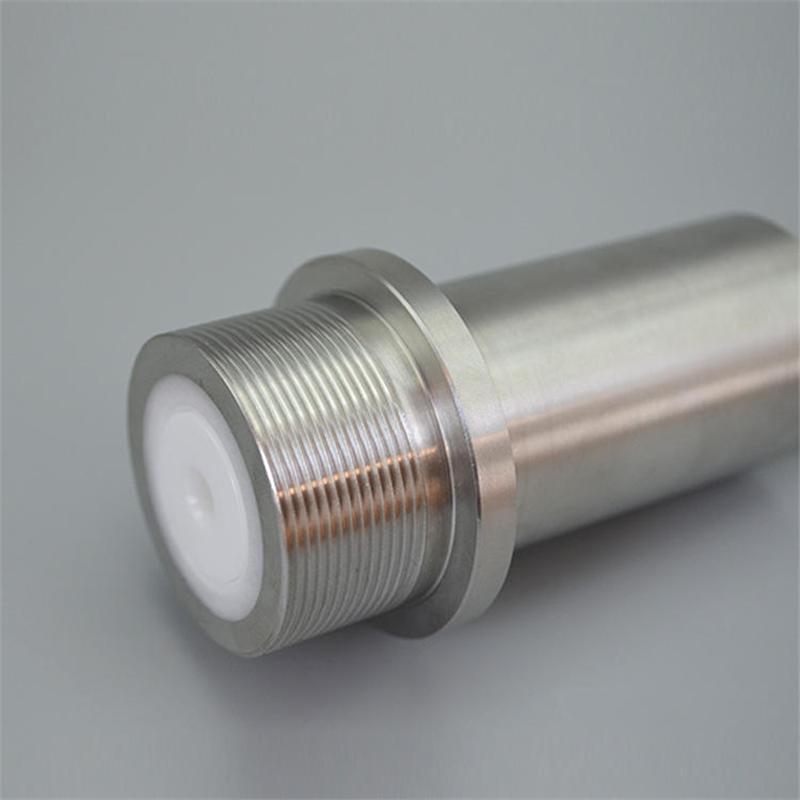
Typical Applications
Zirconia ceramic plungers are deployed across a wide range of industries where reliability under extreme conditions is paramount:
In high-pressure cleaning and waterjet cutting systems, zirconia plungers operate at pressures exceeding 3000 bar and speeds of 2500-3000 RPM. Their low thermal expansion and dimensional stability at elevated temperatures ensure consistent sealing performance, with service lives exceeding 4000-8000 hours—significantly outlasting spray-coated metal alternatives.
In the oil and gas industry, zirconia plungers are used in mud pumps, triplex pumps, and downhole pumping systems. They withstand abrasive drilling mud containing quartz sands and rock debris at pressures exceeding 52 MPa (7500 PSI), while resisting the corrosive downhole environment.
In pharmaceutical and medical device manufacturing, zirconia plungers are used in metering pumps, syringe pumps, and filling machines. Their biocompatibility, chemical inertness, and ability to achieve ultra-smooth surface finishes prevent contamination of sensitive drug formulations and meet FDA and USP Class VI requirements.
In the food and beverage industry, zirconia plungers handle acidic products such as tomato sauce and dairy products without metal ion contamination, and they withstand repeated high-temperature steam sterilization cycles.
In semiconductor manufacturing, high-purity zirconia plungers are used in chemical mechanical polishing (CMP) slurry delivery systems and precision dispensing equipment, where zero metallic contamination is critical.
Advantages and Limitations
The primary advantages of zirconia ceramic plungers include: wear resistance far exceeding that of hardened steel and most coating technologies; complete corrosion resistance in most chemical environments; no risk of rust or metal ion contamination; low friction coefficient reducing energy consumption and seal wear; lighter weight reducing reciprocating mass; and excellent dimensional stability across temperature variations.
However, engineers must also consider the limitations: zirconia is inherently brittle and susceptible to fracture from sharp impacts or dropping; it cannot tolerate dry-running conditions where frictional heat causes thermal shock; machining and grinding to final dimensions is difficult and costly; and in certain humid environments at 100-250°C, pure zirconia can experience low-temperature degradation (LTD), where surface phase transformation leads to microcracking and reduced mechanical properties.
Engineering Selection: Zirconia vs. Alternative Materials
Selecting the right plunger material requires matching material properties to the specific operating conditions:
When to choose zirconia over alumina: Choose zirconia when the application involves impact loading, erosive wear from abrasive slurries, or high-pressure operation where fracture toughness is critical. Alumina, while harder and more resistant to pure sliding abrasive wear, has significantly lower fracture toughness and is more prone to catastrophic failure under impact conditions.
When to choose zirconia over metals or coated metals: Choose zirconia when corrosion resistance, zero metal contamination, or extended wear life is required. Spray-coated ceramic plungers (ceramic coating on a metal substrate) offer better impact resistance but have shorter service lives (3000-5000 hours vs. 8000+ hours for solid zirconia) and the coating can delaminate in abrasive environments.
When to consider alternatives: For applications dominated by pure sliding abrasive wear with minimal impact, alumina may offer better wear performance at lower cost. For extreme temperatures above 1000°C or applications requiring high thermal conductivity, silicon nitride or silicon carbide may be more appropriate.
Frequently Asked Questions
What is the typical service life of a zirconia ceramic plunger?
Under normal operating conditions, zirconia ceramic plungers can achieve service lives of 4000-8000 hours or more, which is typically 2-3 times longer than spray-coated metal plungers and 5-10 times longer than uncoated metal plungers, depending on the specific application and operating conditions.
Can zirconia ceramic plungers be used with any fluid?
Zirconia is resistant to most acids, alkalis, organic solvents, and aqueous solutions. However, it is not suitable for use with hydrofluoric acid or hot concentrated strong alkalis, which can chemically attack the material. Engineers should verify chemical compatibility for specific process fluids.
What surface finish is required for optimal plunger performance?
Precision zirconia plungers should have a surface roughness of Ra ≤ 0.05 μm (mirror finish). This ultra-smooth surface minimizes friction against packing materials, reduces heat generation, and extends both plunger and seal life.
How does zirconia compare to tungsten carbide plungers?
Zirconia offers comparable or superior wear resistance to tungsten carbide while being significantly lighter, which reduces reciprocating inertia. Zirconia also provides better corrosion resistance and does not risk cobalt binder leaching that can occur with some tungsten carbide grades.
What are the dimensional tolerances achievable with zirconia ceramic plungers?
Precision manufacturing processes can achieve dimensional accuracies of ±0.001 mm, with roundness and straightness tolerances within 0.005 mm, and concentricity within 0.01 mm, ensuring reliable sealing and smooth operation in high-precision pump systems.
Is zirconia ceramic suitable for high-temperature applications?
Yes, zirconia ceramic plungers can operate continuously at temperatures up to 850-1050°C, depending on the specific grade. The material maintains its mechanical strength and dimensional stability at elevated temperatures, making it suitable for high-temperature fluid handling applications.