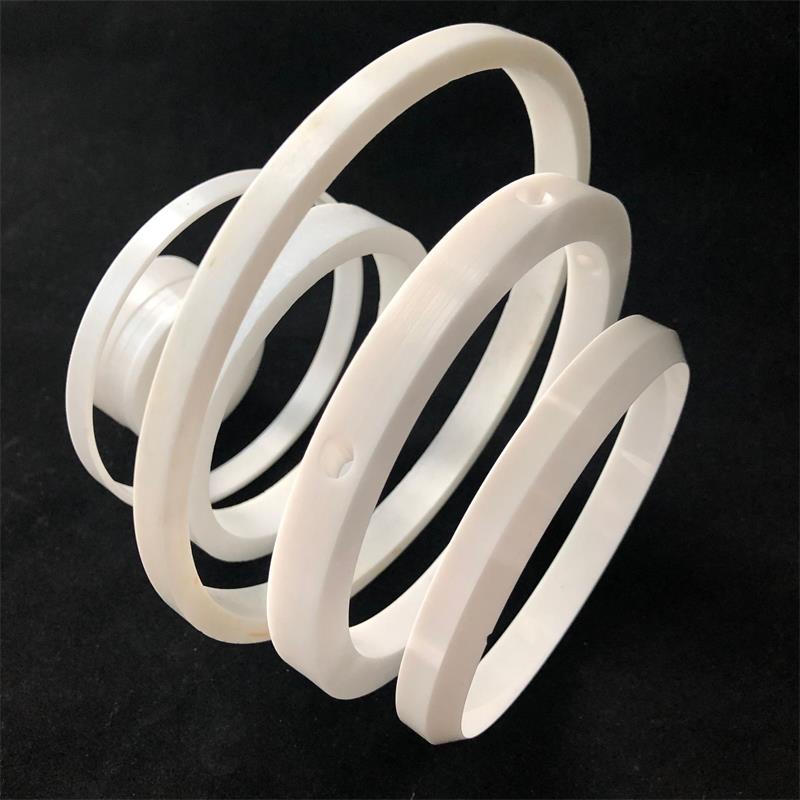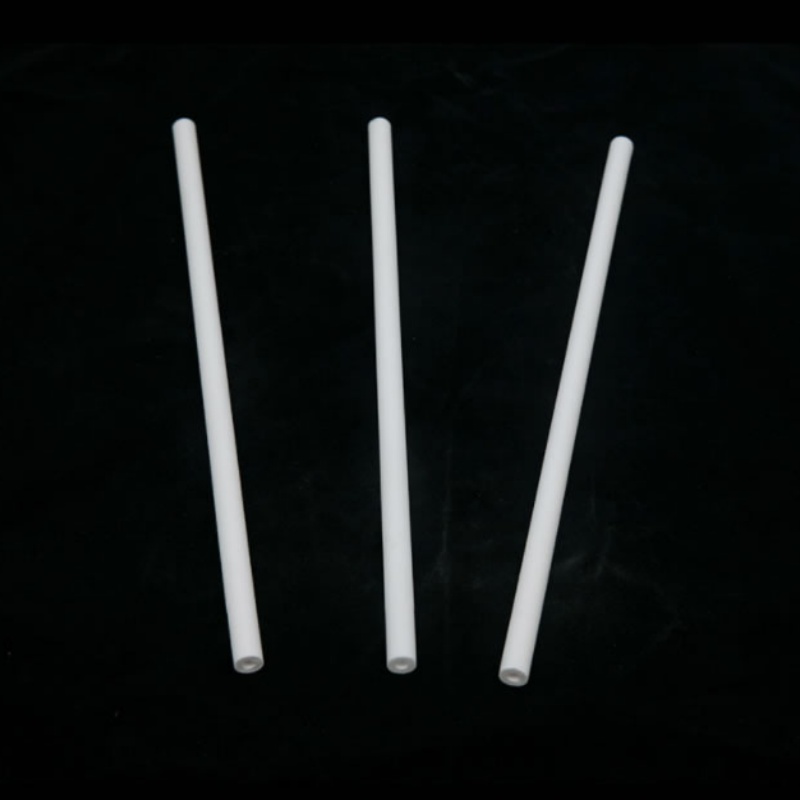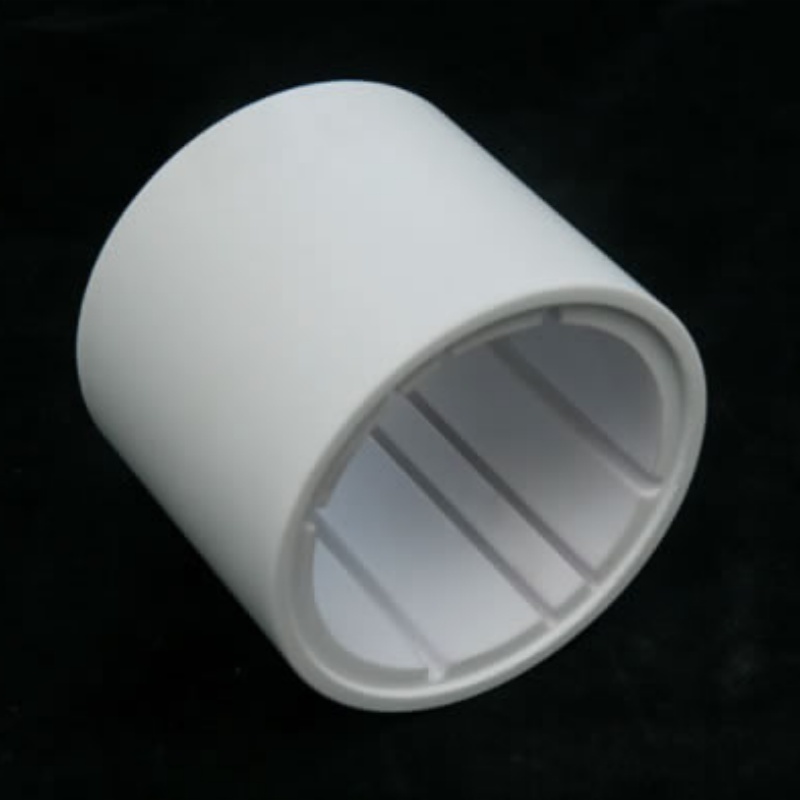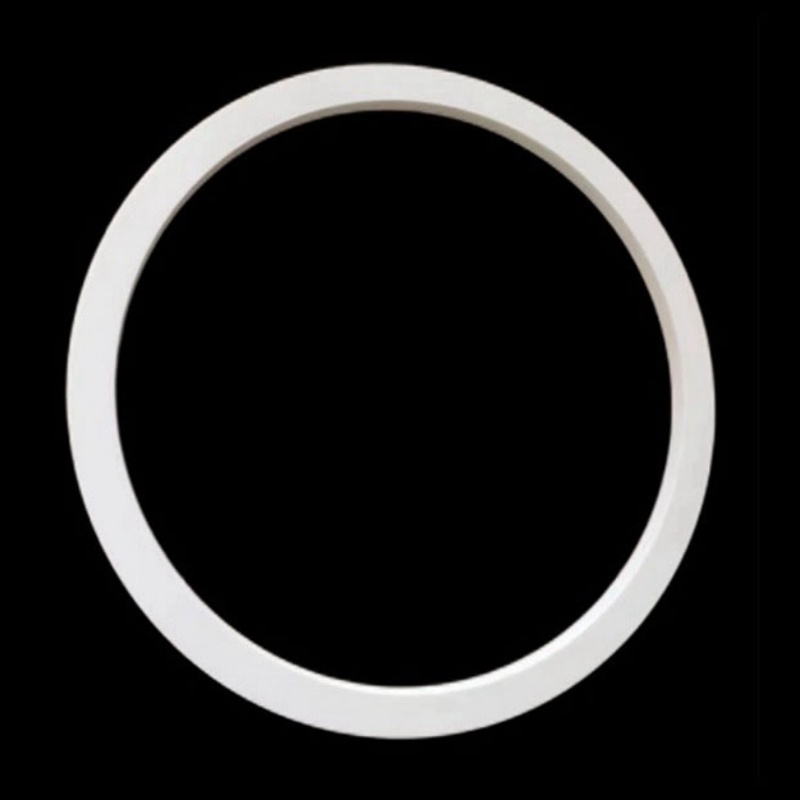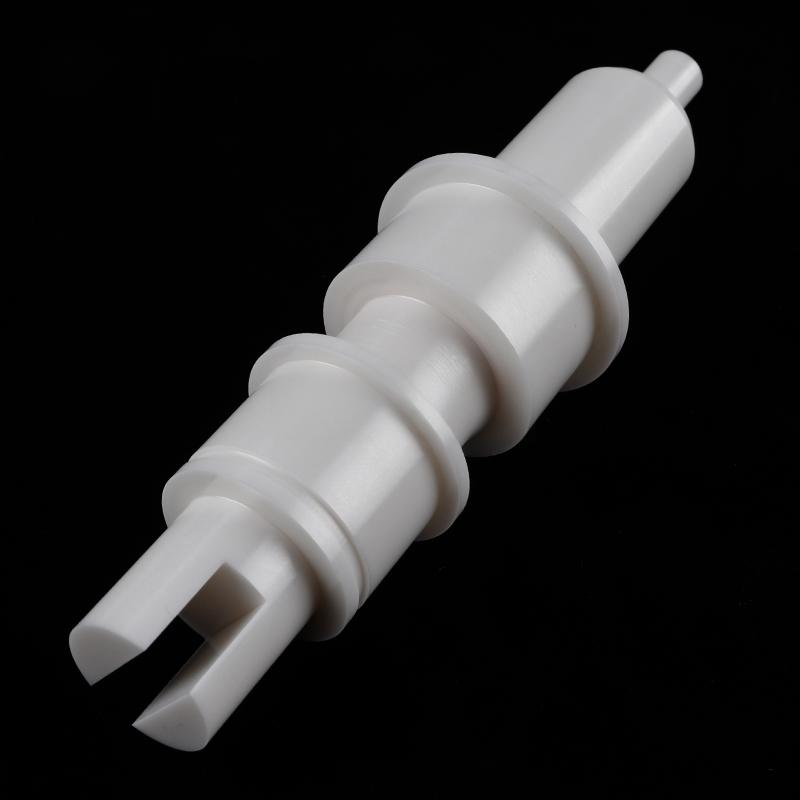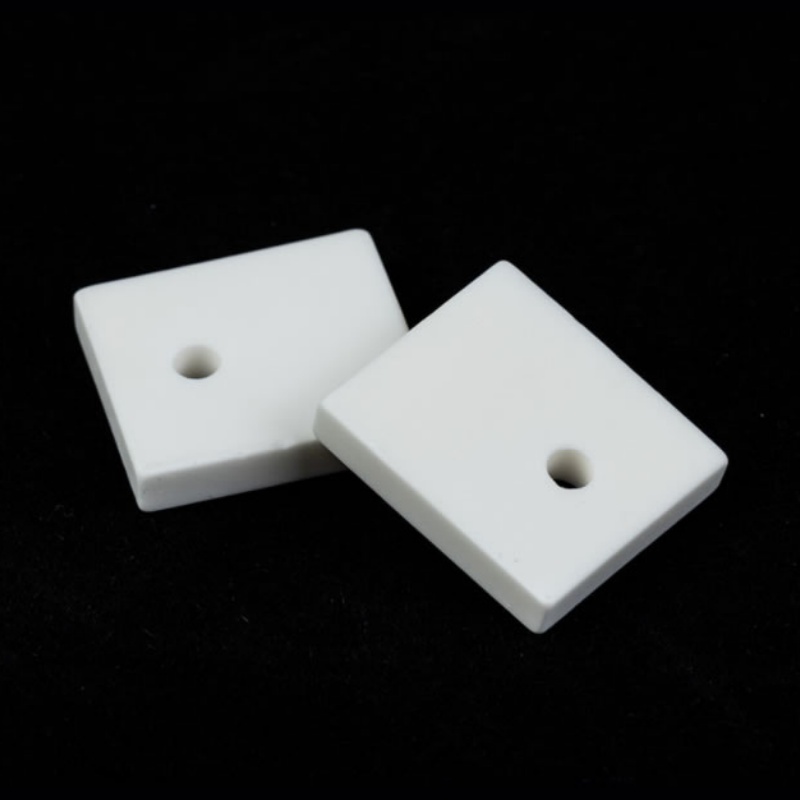
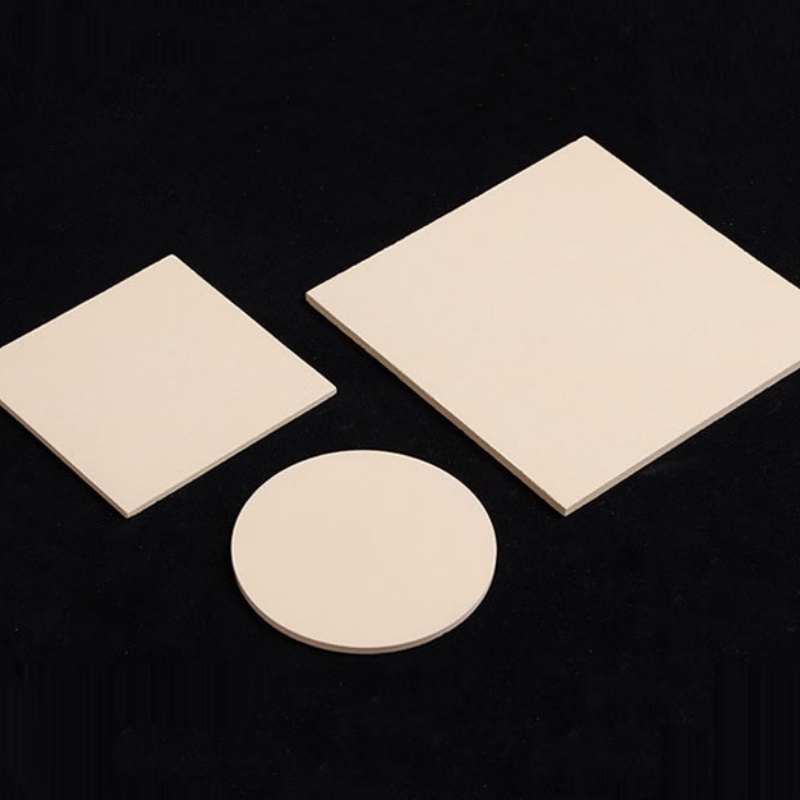
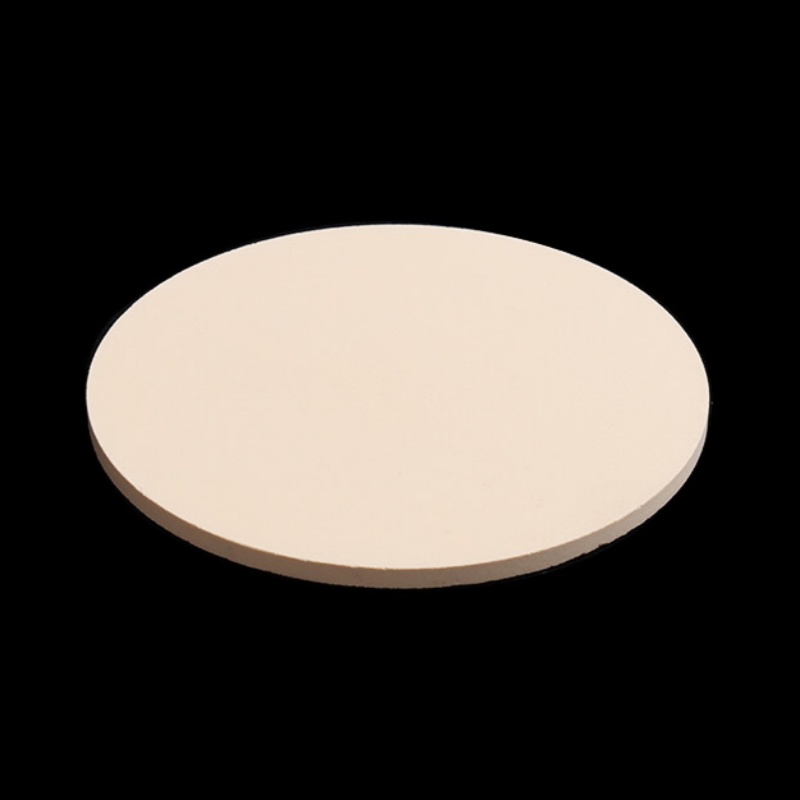
Zirconia Ceramic Plates
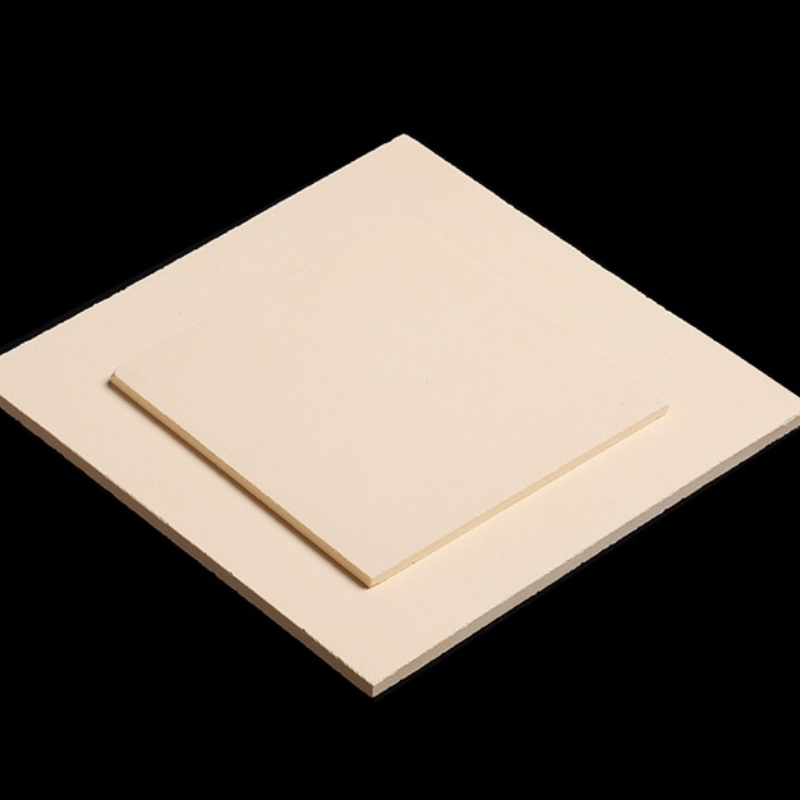
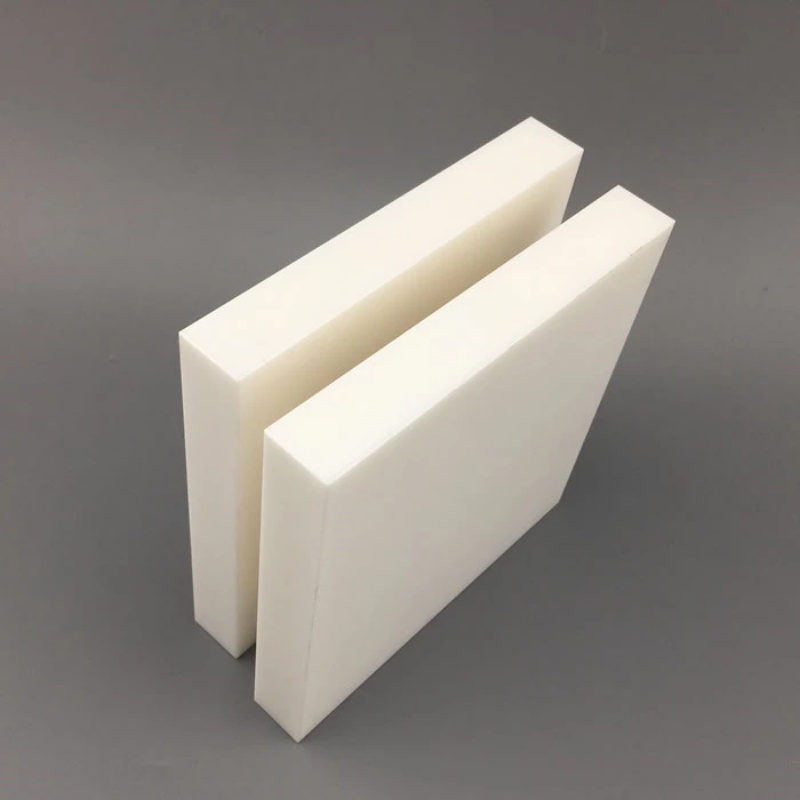
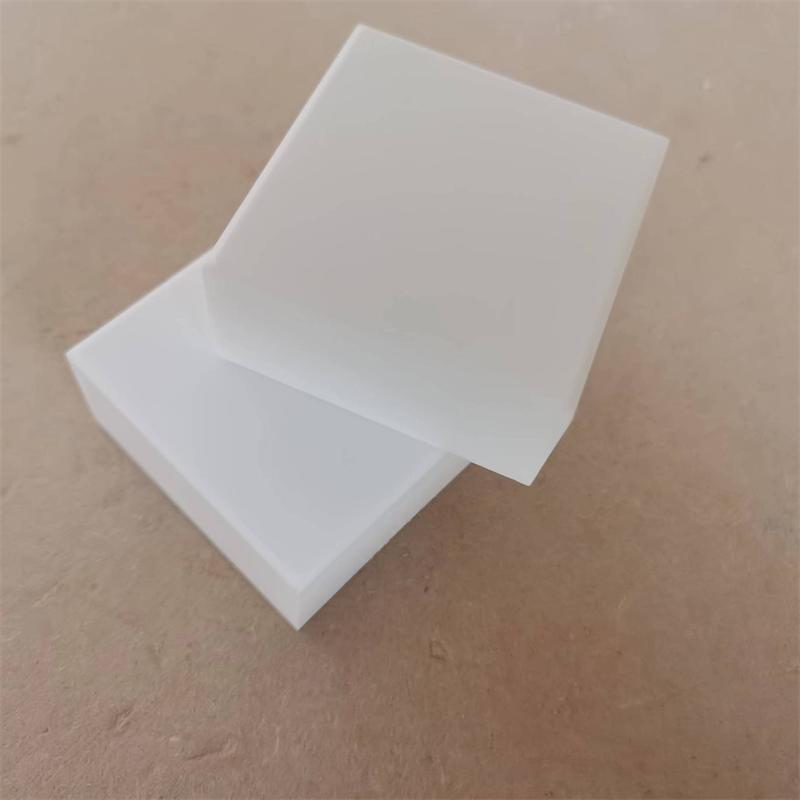
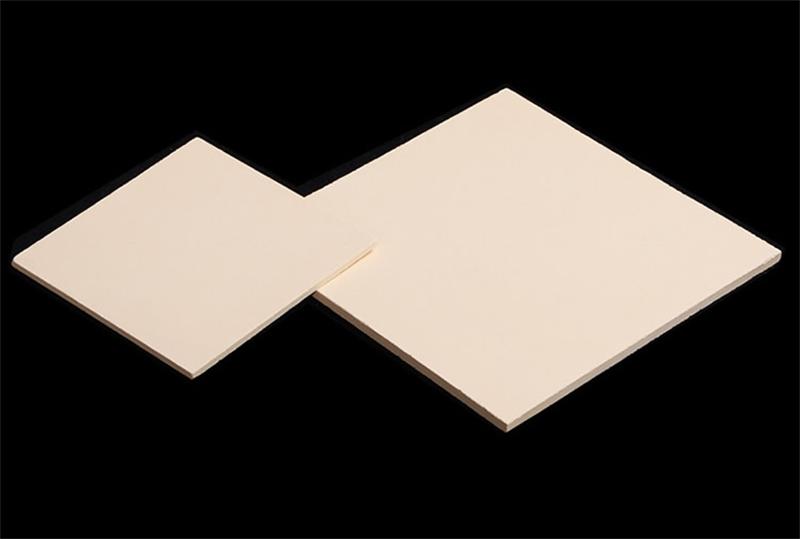
Zirconia ceramic plates are high-performance engineering components made primarily from zirconium dioxide. Among advanced ceramics, zirconia is particularly valued for its exceptional mechanical strength, high fracture toughness, and excellent wear resistance. These properties make zirconia plates suitable for demanding applications where metallic materials may fail due to corrosion, excessive wear, or electrical conductivity.
Unlike many other ceramics that are strong but brittle, zirconia exhibits a unique toughening mechanism known as transformation toughening. When a crack begins to form, the zirconia crystal structure can locally transform from a tetragonal phase to a monoclinic phase. This transformation is accompanied by a slight volume expansion, which compresses the crack tip and helps prevent catastrophic failure. This behavior gives zirconia ceramic plates significantly higher fracture toughness than alumina or many other oxide ceramics.
Material Composition and Grades
Pure zirconium dioxide undergoes phase changes during heating and cooling, which can cause dimensional instability. To stabilize the material for engineering use, small amounts of stabilizers such as yttria, magnesia, or ceria are added. Yttria-stabilized zirconia, especially 3 mol% yttria-stabilized zirconia, is one of the most widely used grades for structural ceramic plates. It provides a good balance between strength, toughness, and thermal stability.
Other grades, such as partially stabilized zirconia or ceria-stabilized zirconia, may offer higher toughness under certain conditions but can differ in hardness, thermal conductivity, or high-temperature performance. The choice of grade depends on the mechanical load, operating temperature, and environmental exposure required by the application.
Key Mechanical and Physical Properties
Zirconia ceramic plates are known for their high flexural strength and resistance to mechanical wear. They typically maintain good performance under contact loading, sliding wear, and repetitive friction. Their hardness is lower than silicon carbide or boron carbide but higher than most metals and many polymer-based materials.
In addition to mechanical strength, zirconia has relatively low thermal conductivity compared with metals. This can be advantageous in applications requiring thermal isolation, but it also means that rapid temperature changes may generate internal stresses. Zirconia plates are electrically insulating at room temperature and remain non-conductive in many industrial environments, making them useful where electrical isolation is required.
Chemically, zirconia shows good resistance to many neutral and alkaline environments. However, its performance in strong acids or highly aggressive chemical media depends on purity, microstructure, and operating temperature. Engineers should verify chemical compatibility before selecting zirconia for corrosive process equipment.
Typical Applications
Zirconia ceramic plates are commonly used in wear-resistant components, sealing surfaces, cutting guides, fixture plates, and precision mechanical parts. In semiconductor and electronic manufacturing, zirconia plates may serve as insulating supports, wafer handling components, or wear pads where metallic contamination must be avoided.
They are also used in food processing, medical device development, and laboratory equipment, where cleanliness, corrosion resistance, and mechanical durability are important. Because zirconia does not rust and can be polished to a smooth surface, it is often considered for applications requiring low particle generation and stable dimensional performance.

Advantages
The main advantage of zirconia ceramic plates is their combination of strength and toughness. Compared with alumina plates, zirconia generally offers higher fracture resistance and better performance under impact or contact stress. Its wear resistance makes it suitable for sliding or abrasive environments, while its electrical insulation supports use in electronic and sensing applications.
Zirconia plates also provide good dimensional stability after precision machining and polishing. Their relatively high density contributes to mechanical robustness, although this can increase component weight compared with lighter ceramics such as alumina or silicon nitride.
Limitations and Engineering Considerations
Despite its advantages, zirconia is still a ceramic material and remains brittle compared with metals. It does not deform plastically, so sharp impacts, point loads, or improper mounting can cause cracking. Zirconia plates should be designed with adequate support and avoid concentrated stress.
Another important consideration is low-temperature degradation. In certain humid or aqueous environments, some zirconia grades may undergo slow phase transformation over time, which can reduce mechanical strength. This effect is more relevant for long-term service in moist conditions and should be evaluated during material selection.
Zirconia also has limited thermal shock resistance compared with some non-oxide ceramics. Rapid heating or cooling can induce cracking, especially in thick plates. For very high-temperature or severe thermal cycling applications, silicon nitride or silicon carbide may be more appropriate.
When to Choose Zirconia Ceramic Plates
Zirconia ceramic plates are a strong choice when the application requires high mechanical strength, wear resistance, electrical insulation, and moderate chemical stability. They are especially suitable where alumina may be too brittle or where metallic materials cannot survive due to wear or corrosion.
However, if the operating environment involves extreme thermal shock, very high continuous temperatures, or highly aggressive acids, other advanced ceramics should be considered. Proper grade selection, surface finish, and mounting design are essential to ensure reliable long-term performance.
FAQ
What are zirconia ceramic plates mainly used for?
They are commonly used for wear parts, insulating components, precision fixtures, sealing surfaces, and mechanical parts requiring high strength and toughness.
How does zirconia compare with alumina ceramic?
Zirconia generally offers higher fracture toughness and impact resistance, while alumina often provides higher hardness, better thermal conductivity, and lower cost.
Are zirconia ceramic plates electrically insulating?
Yes, zirconia is electrically insulating at room temperature and in many industrial environments, making it suitable for non-conductive structural applications.
Can zirconia plates withstand high temperatures?
Zirconia can operate at elevated temperatures, but its suitability depends on the grade and environment. It may be less suitable than some non-oxide ceramics under severe thermal shock.
What is the main limitation of zirconia ceramic plates?
They are still brittle and sensitive to point loading, improper mounting, and certain forms of low-temperature degradation in humid environments.
Which grade of zirconia is most commonly used for plates?
Yttria-stabilized zirconia, especially 3 mol% yttria-stabilized zirconia, is widely used because it provides a balanced combination of strength, toughness, and stability.