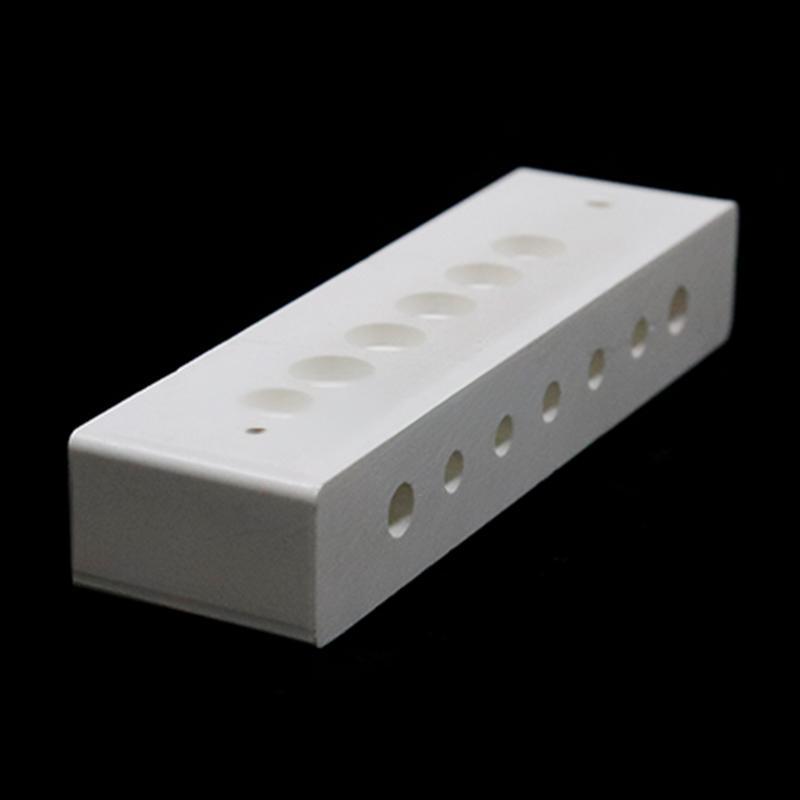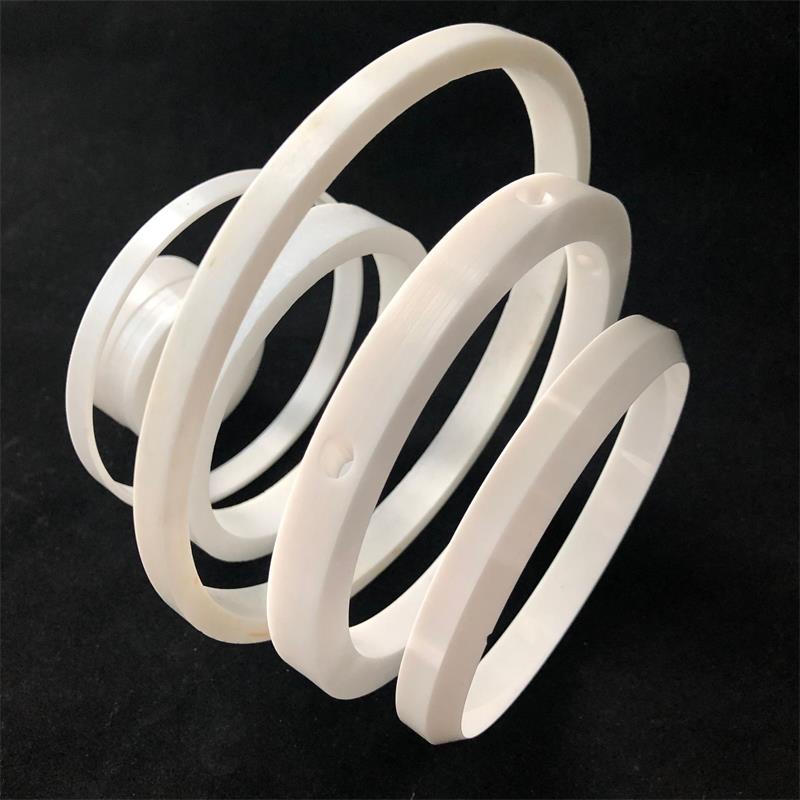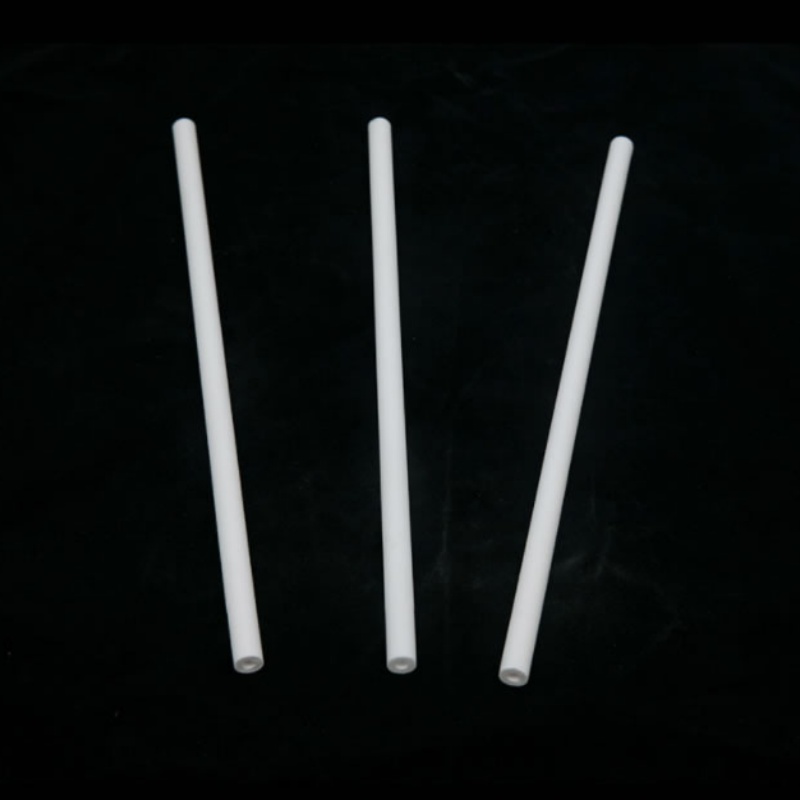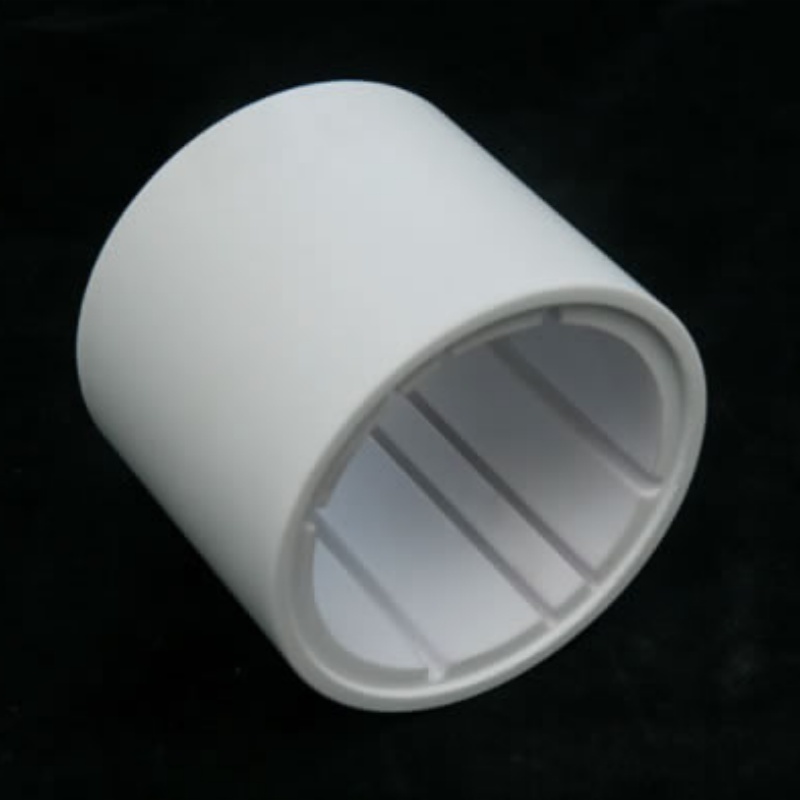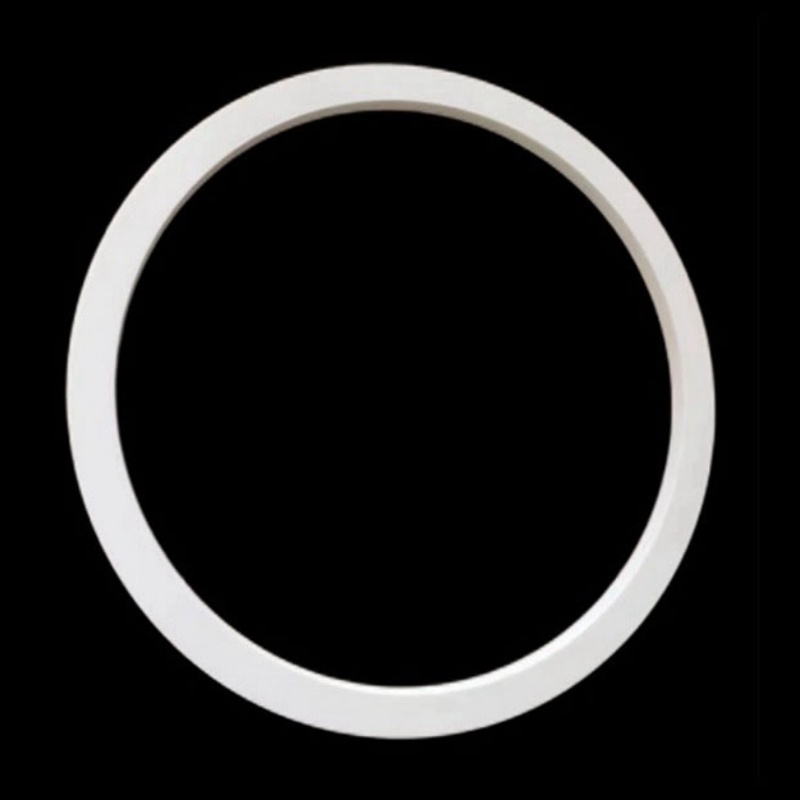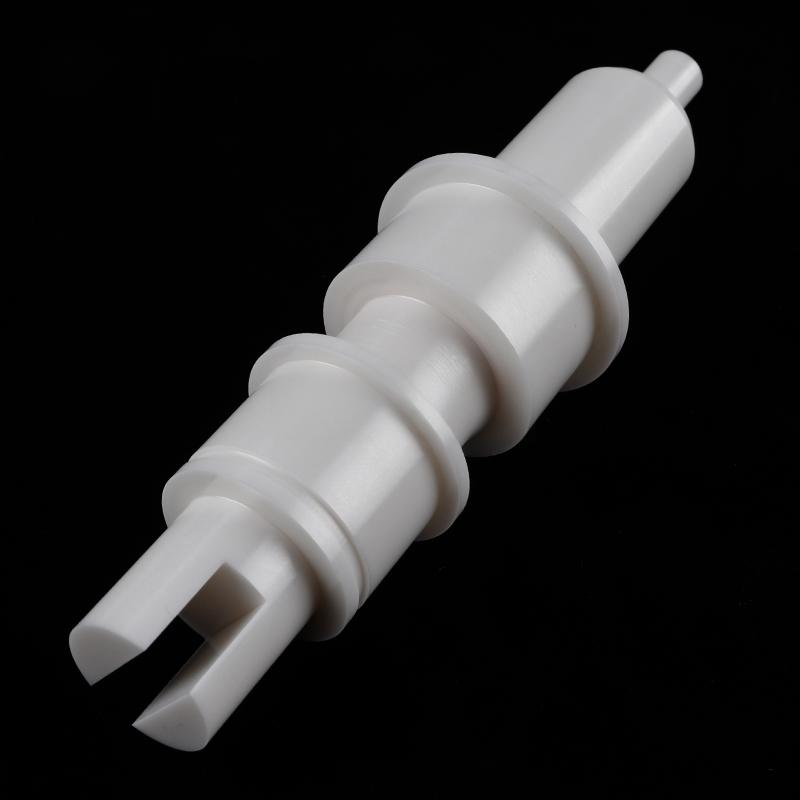
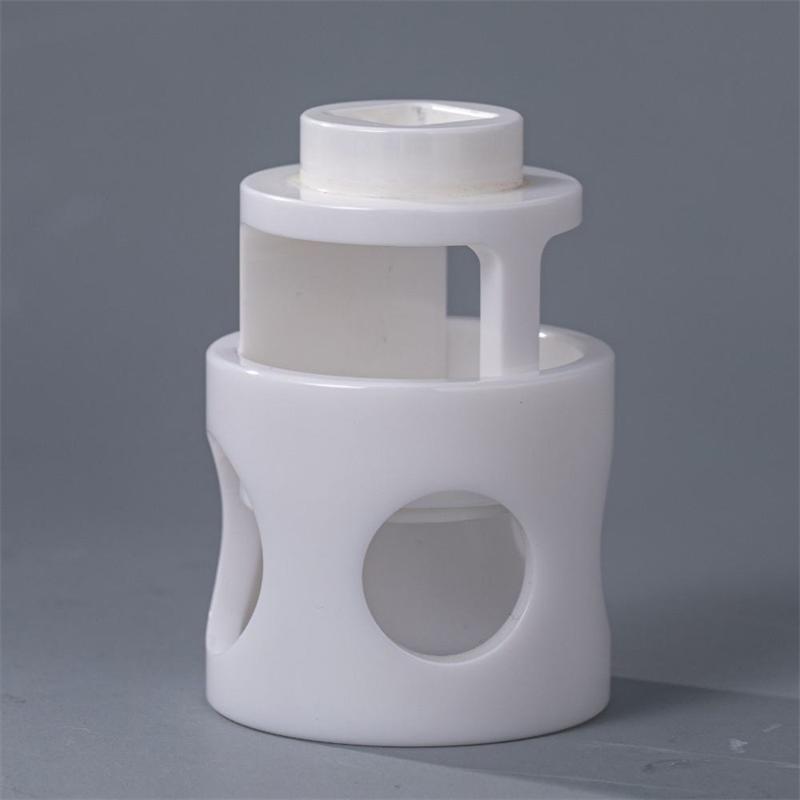
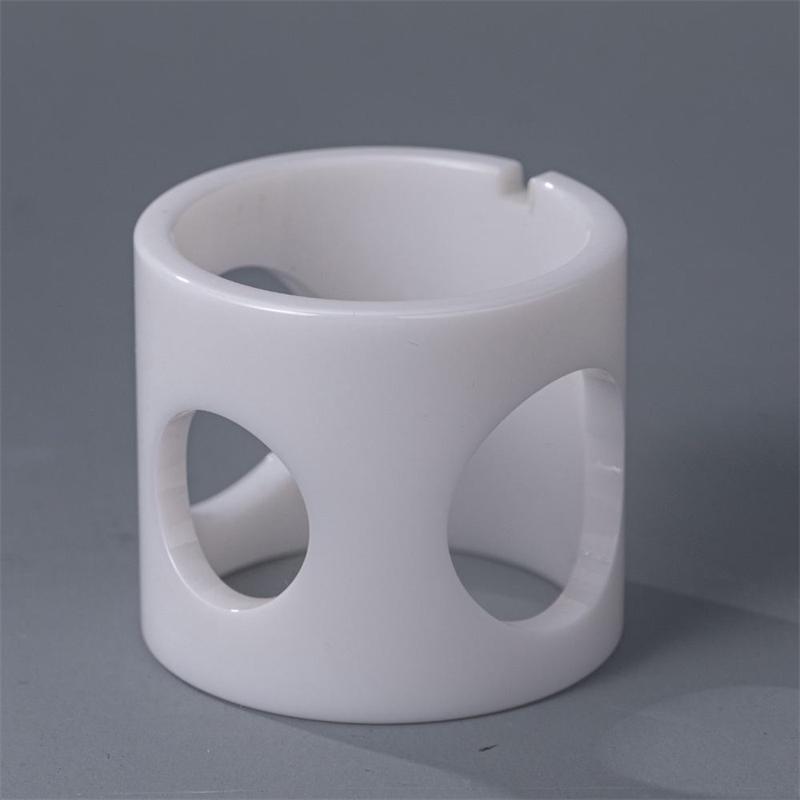
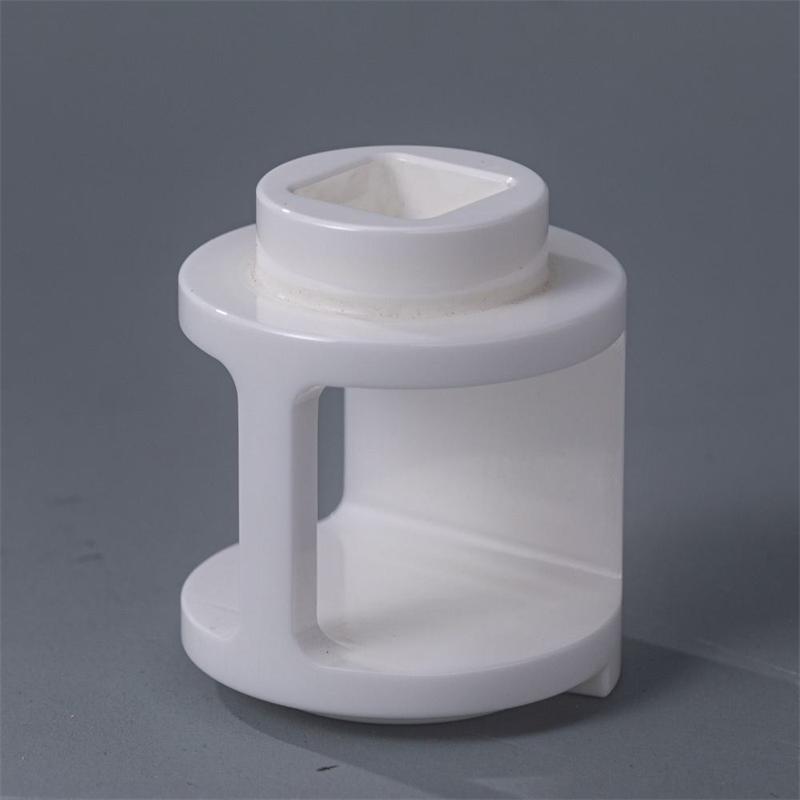
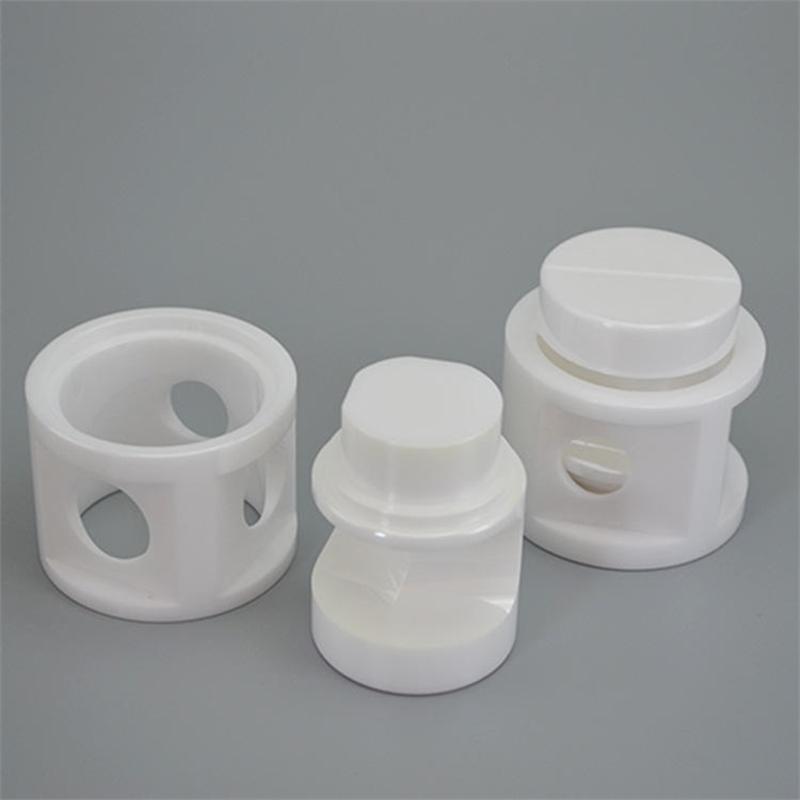
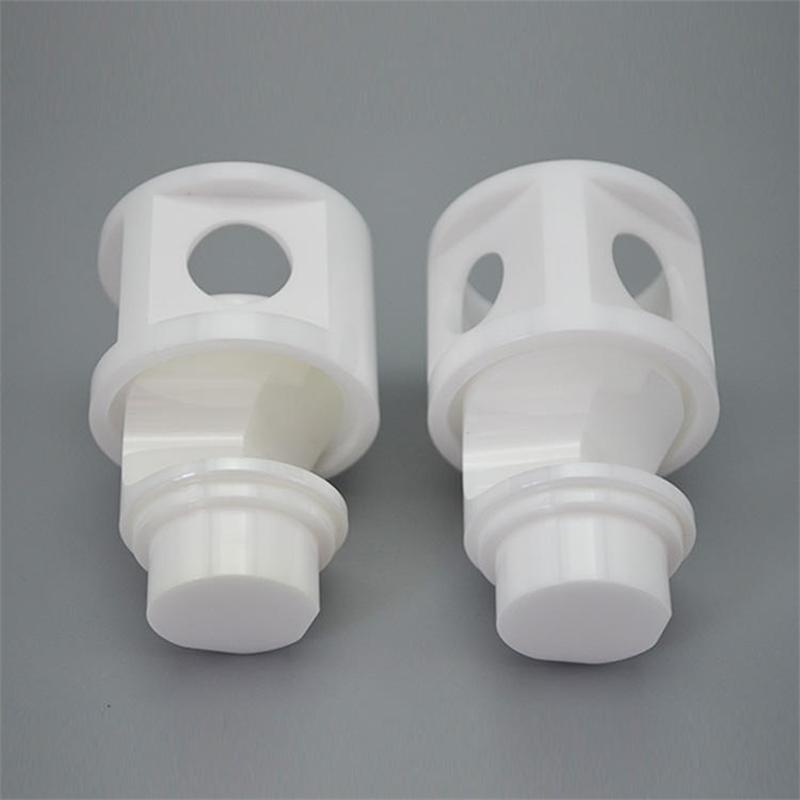
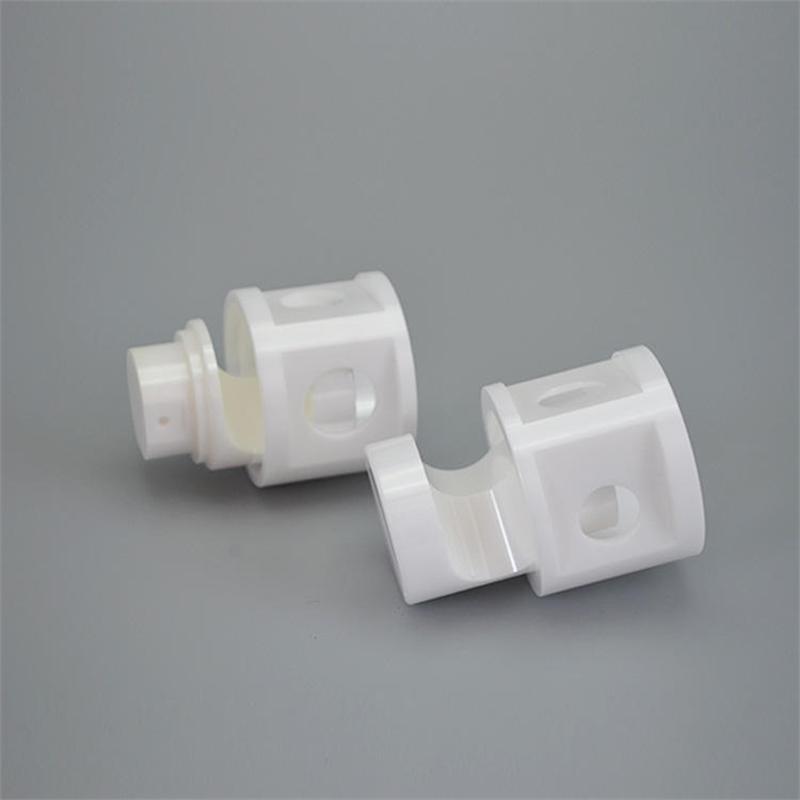
Zirconia Ceramic Oilfield Sleeves
In oil drilling and completion operations, sleeve-type components—cylinder liners, piston sleeves, and connector sleeves—endure sustained erosion from high-pressure drilling mud, chemical attack from corrosive media, and contact fatigue from reciprocating motion. Conventional bi-metal cylinder liners offer a certain level of wear resistance, but in deep wells, offshore drilling, and harsh geological conditions, their service life often becomes the main bottleneck driving downtime and maintenance. Zirconia ceramic oilfield sleeves enter the picture precisely against this engineering backdrop—not as a simple “metal-to-ceramic” substitution, but as a materials system engineering solution built around transformation toughening.
Why Zirconia Suits Oilfield Sleeves
The core engineering advantage of zirconia ceramics stems from their unique transformation toughening mechanism. With stabilizers such as yttria (Y₂O₃), zirconia retains a metastable tetragonal phase (t-ZrO₂) at room temperature. When the material is subjected to external stress, the stress field at a crack tip induces a martensitic transformation from the tetragonal to the monoclinic phase (m-ZrO₂), accompanied by approximately 3–5% volume expansion. This creates a compressive stress zone at the crack tip, dissipating fracture energy and impeding crack propagation. As a result, zirconia can achieve fracture toughness of 6–15 MPa·m¹/², significantly higher than alumina’s 3–4 MPa·m¹/², making it the “toughness champion” among ceramic materials.
The core requirement for oilfield sleeve components is precisely maintaining sufficient impact resistance on top of hardness and wear resistance. The inner bore of a mud pump cylinder liner withstands high-velocity fluid erosion carrying solid particles, while the piston reciprocates within the sleeve under conditions that include off-axis loading and impact. Although pure alumina offers higher hardness, its brittleness leads to spalling and fracture under impact loads. Zirconia’s transformation toughening characteristics allow it to tolerate a certain degree of stress concentration without catastrophic fracture—this is the fundamental reason it has found application in oilfield service conditions.
Material Types and Typical Properties
Zirconia ceramics for oilfield sleeves are not a single formulation. The two common routes in engineering practice are yttria-stabilized tetragonal polycrystalline zirconia (Y-TZP) and zirconia-toughened alumina (ZTA). Y-TZP uses zirconia as the matrix with approximately 3 mol% Y₂O₃ addition, pursuing high toughness and strength; ZTA introduces 10–20 vol% zirconia as a toughening phase within an alumina matrix, enhancing toughness while retaining alumina’s high hardness.
Typical properties of densely sintered Y-TZP: hardness approximately 1200–1400 HV, flexural strength 800–1200 MPa, fracture toughness 5–10 MPa·m¹/². ZTA typically offers higher hardness (up to 1400–1600 HV) but slightly lower toughness, with fracture toughness around 4–6 MPa·m¹/². In oilfield sleeve applications, each material involves trade-offs: Y-TZP is better suited to conditions with more pronounced impact loads, while ZTA may perform better under predominantly abrasive wear conditions.
Notably, zirconia’s thermal expansion coefficient (approximately 10–11×10⁻⁶/°C) is relatively close to that of steel (approximately 12×10⁻⁶/°C). This characteristic is critical for ceramic-metal composite structures (such as cylinder liners with a steel outer sleeve and ceramic inner liner): during temperature fluctuations, the fit clearance between ceramic and steel changes in a relatively controllable manner, reducing the risk of loosening or stress cracking caused by thermal mismatch. By comparison, alumina’s thermal expansion coefficient is approximately 8×10⁻⁶/°C, a greater difference from steel that places higher demands on fit design.
Primary Application Scenarios
The most common form of zirconia ceramic oilfield sleeves is the mud pump cylinder liner insert. In drilling operations, the mud pump cylinder liner is one of the highest-consumption wear parts. Ceramic cylinder liners typically use a composite structure with a steel outer sleeve and a ceramic inner sleeve; the ceramic inner sleeve handles wear and corrosion resistance, while the steel outer sleeve provides structural support and mounting interfaces. According to relevant engineering data, the service life of zirconia ceramic cylinder liners can reach 5–10 times that of bi-metal liners. In high-cost operating environments such as deep wells and offshore drilling, the economic value of reducing downtime for replacements often exceeds the material cost difference of the component itself.
Another category of application is piston sleeves and connector sleeves in completion tools. In these components, zirconia ceramic inner tubes resist solid particle wear and acidic medium corrosion in well fluids. Completion tools must withstand downhole high temperatures and chemical environments, where metal components are prone to corrosion thinning, while zirconia’s chemical inertness keeps it stable in media such as hydrochloric acid and brine.
Limitations and Engineering Considerations
Zirconia oilfield sleeves are not without shortcomings. Low thermal conductivity is one of zirconia’s most significant physical limitations—its thermal conductivity is only about one-third that of alumina. Under high-speed sliding friction conditions, friction heat cannot be quickly conducted away through the ceramic body, and local temperature rise may cause thermal stress cracking or even induce spontaneous transformation from the tetragonal to monoclinic phase, causing the material to lose its toughening effect. Therefore, under high-speed, high-load dry friction or insufficient lubrication conditions, zirconia’s wear rate may actually be higher than alumina’s.
Hydrothermal phase degradation is another issue requiring vigilance. When Y-TZP is used long-term in water-containing or steam environments, the surface may undergo spontaneous hydrothermal transformation from the tetragonal to monoclinic phase, accompanied by volume expansion and microcrack formation, leading to surface degradation. Although oilfield drilling fluids typically contain oil-based or water-based additives, the actual severity under real service conditions depends on the specific medium and temperature. This mechanism means that the long-term reliability of zirconia ceramic sleeves in aqueous media requires evaluation based on actual service condition data, rather than simply applying dry-state performance.
From a manufacturing perspective, the dimensional precision and surface roughness of zirconia ceramic sleeves significantly affect service performance. The inner bore of a cylinder liner typically requires grinding to Ra 0.2–0.4 μm. Excessive surface roughness accelerates wear of the piston seal, while excessively low roughness may prevent effective lubricant film formation, increasing friction. Zirconia’s high hardness makes grinding costly, and thin-walled sleeve-type parts carry deformation risks during sintering and machining, placing demands on manufacturing process control capability.
Selection Judgment: When to Choose Zirconia, When to Consider Other Materials
Zirconia ceramic oilfield sleeves are a reasonable choice when the application simultaneously meets the following conditions: abrasive wear and corrosion as the primary failure modes, moderate impact or off-axis loading present, operating temperature not exceeding 300°C, and downtime replacement cost far exceeding component cost. Mud pump cylinder liners in deep wells and offshore drilling are typical matching scenarios.
If the service conditions are dominated by pure abrasive wear with minimal impact loading and cost sensitivity is a factor, alumina or ZTA cylinder liners may be a more economical choice—alumina raw material costs are lower, and its performance under low-speed sliding wear often surpasses Y-TZP. If severe thermal shock is present (such as rapid temperature changes), it is necessary to consider whether zirconia’s low thermal conductivity poses a risk; silicon carbide or toughened alumina may offer advantages in thermal shock stability. If long-term chemical stability in aqueous media is the primary concern, alumina’s resistance to hydrothermal degradation surpasses Y-TZP and merits inclusion in the comparison.
FAQ
What are the primary uses of zirconia ceramic oilfield sleeves?
They are mainly used for mud pump cylinder liner inserts, completion piston sleeves, and connector sleeves—oilfield drilling and production components that withstand abrasive wear and corrosion. Their core value is providing longer service life than metal under conditions where wear and impact coexist.
How much more expensive are zirconia oilfield sleeves than metal sleeves? How much longer do they last?
Material cost is typically significantly higher than bi-metal sleeves, but engineering data shows ceramic cylinder liner life can reach 5–10 times that of metal. In deep well and offshore operations, the operational cost savings from reduced downtime for replacements often far exceed the component price difference.
Can it be used at high temperatures?
Zirconia has a high melting point, but engineering service temperature is limited by phase stability and thermal shock performance. Long-term service temperature is recommended to be kept below 300–400°C; beyond this range, evaluation is needed to determine whether the stabilizer system is sufficient to suppress phase transformation.
Between zirconia and alumina cylinder liners, which is more wear-resistant?
It depends on the wear mechanism. Under low-speed sliding and abrasive wear, alumina (or ZTA) typically has a lower wear rate; under conditions involving impact or off-axis loading, zirconia’s toughness advantage makes it less prone to spalling failure.
Will zirconia ceramic sleeves degrade in water-containing drilling fluids?
Y-TZP may undergo hydrothermal phase transformation in aqueous environments, causing surface degradation. The actual degradation rate depends on temperature, pH, and medium composition. In engineering practice, evaluation must be based on specific service conditions; dry-state wear data cannot be simply applied.
What specifications require the most attention when selecting zirconia sleeves?
Inner bore dimensional precision, surface roughness (affecting seal fit), fit tolerance between ceramic and steel outer sleeve (considering thermal expansion matching), and material grade (Y-TZP versus ZTA, stabilizer type and content).