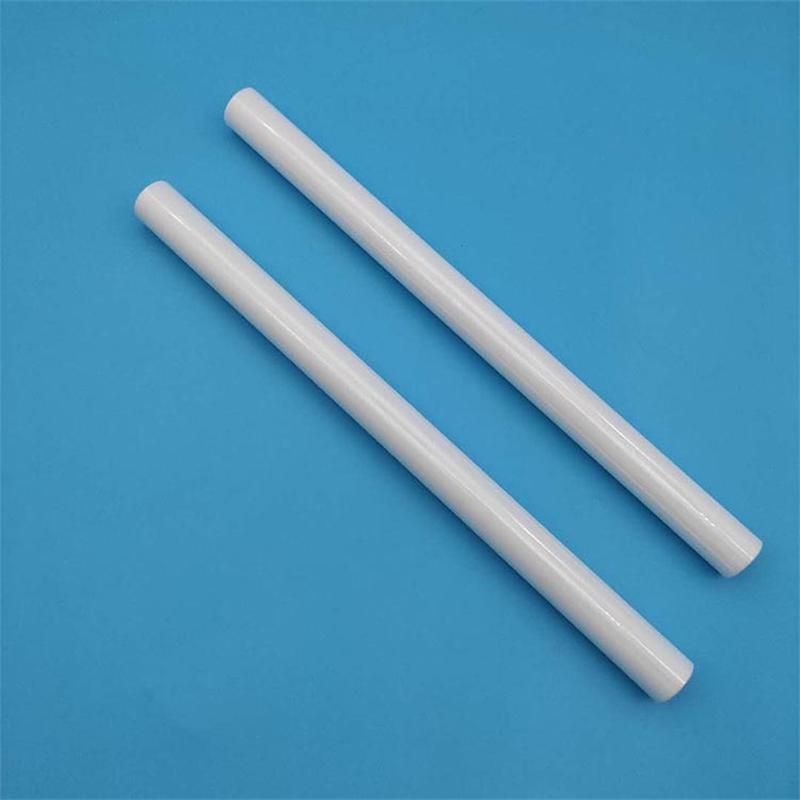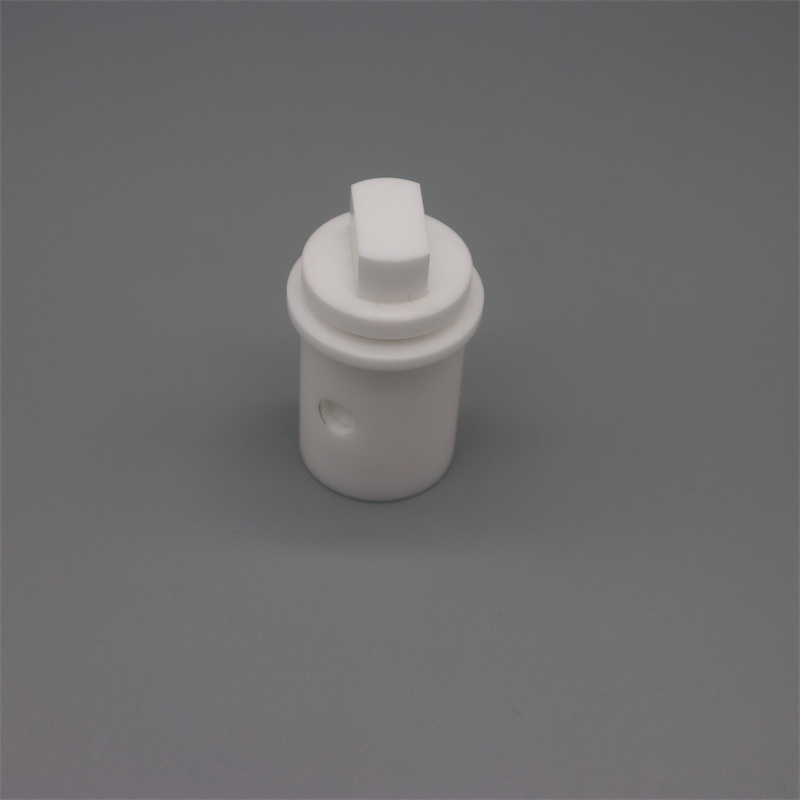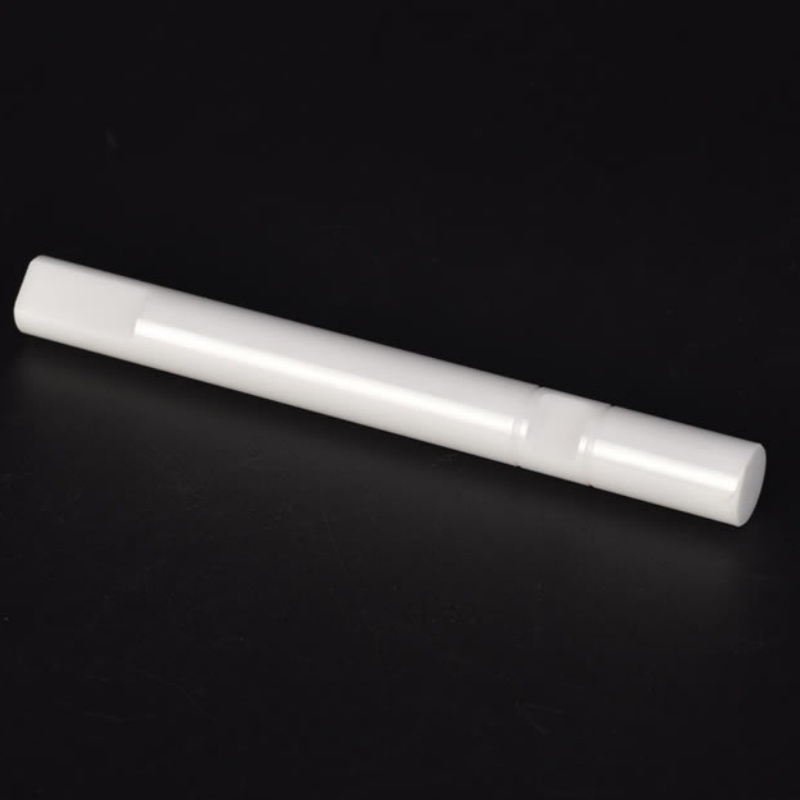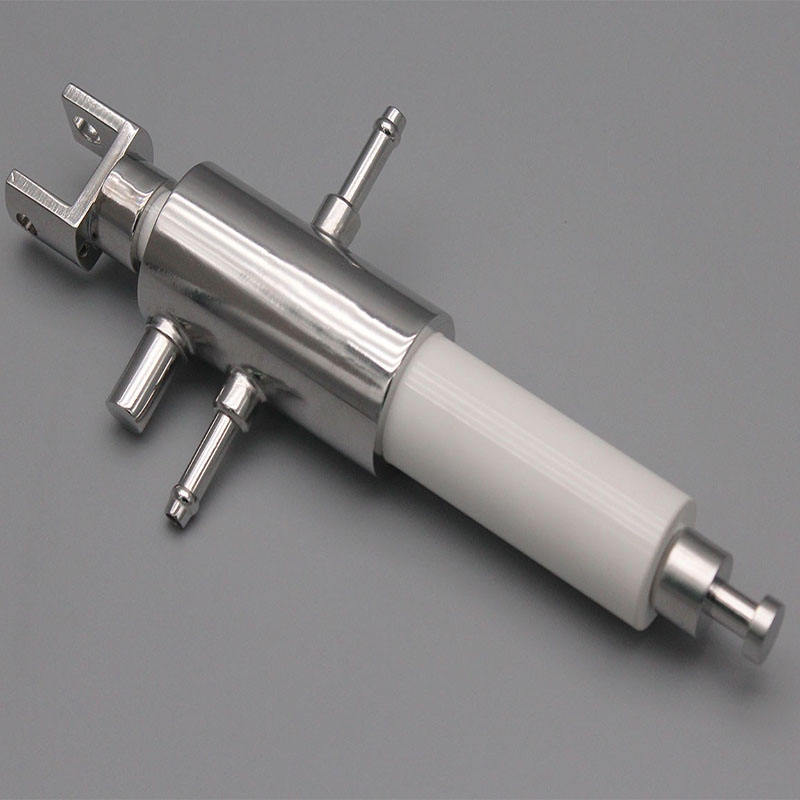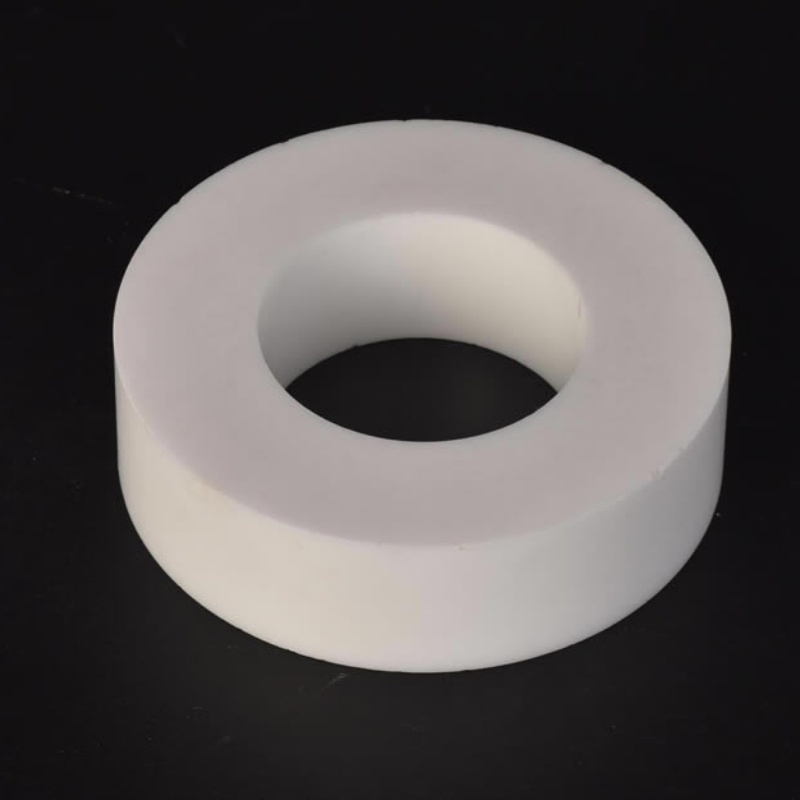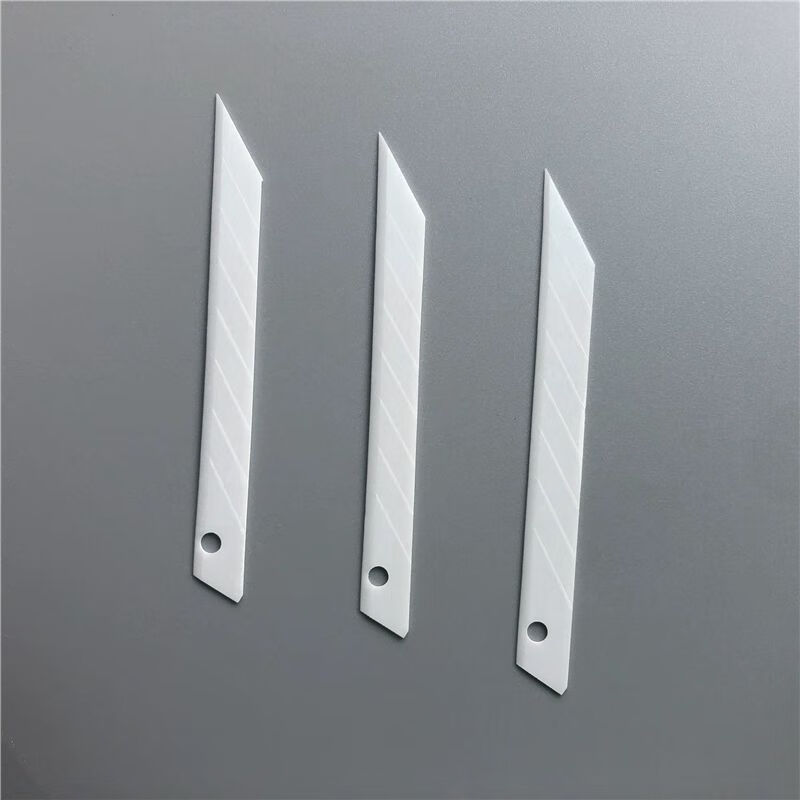
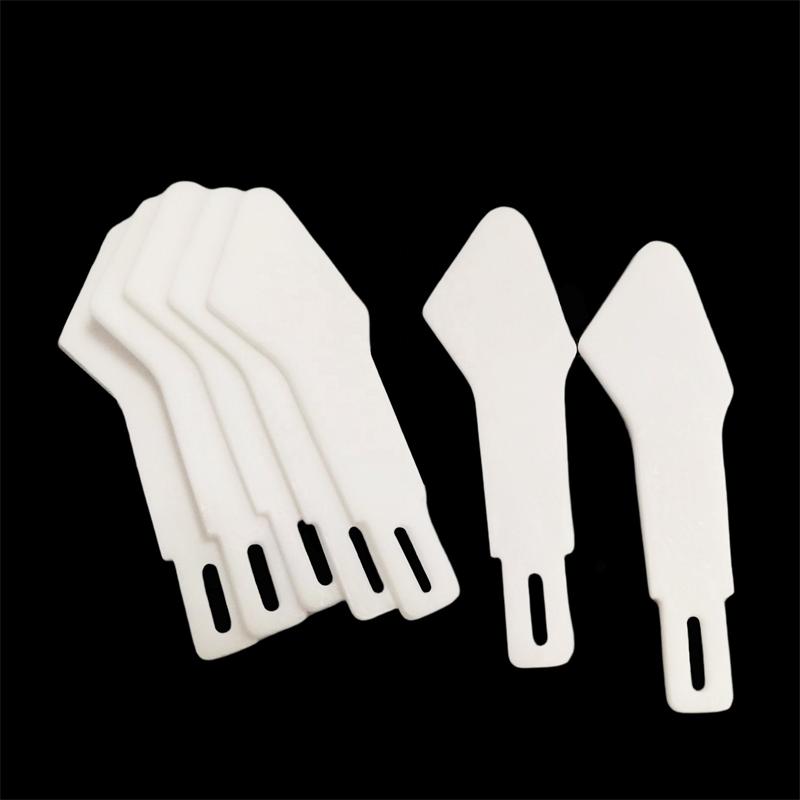
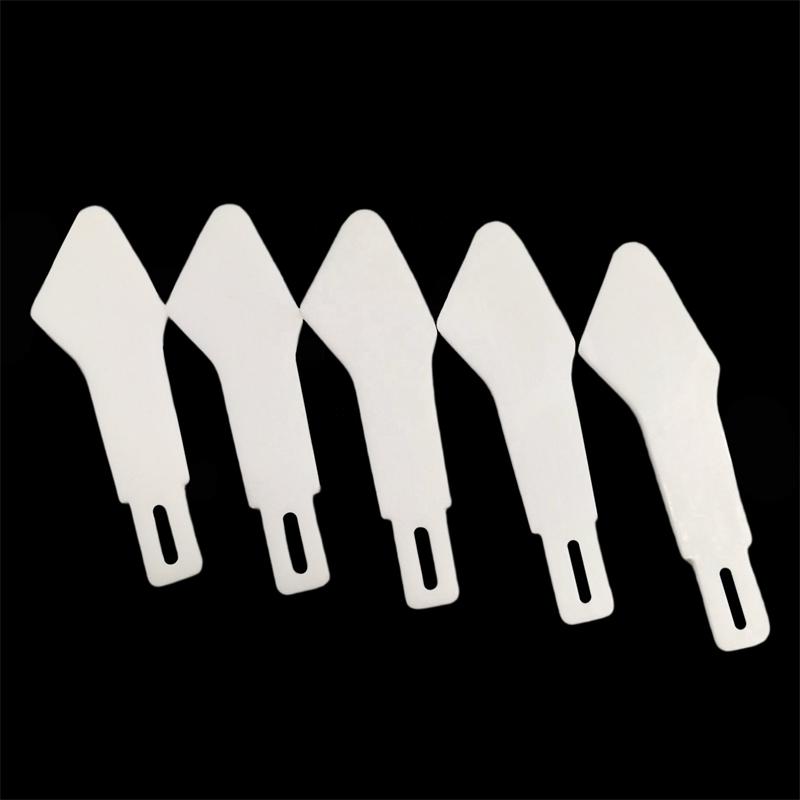
Zirconia Ceramic Cutting Tools
In the demanding world of industrial machining, the search for cutting tool materials that balance hardness, toughness, and wear resistance is perpetual. Zirconia ceramic cutting tools have emerged as a compelling solution for specific applications where conventional carbide or other ceramic tools fall short.
Zirconia (zirconium dioxide, ZrO₂) is a high-performance oxide ceramic that, unlike many traditional ceramics, possesses a remarkable combination of mechanical strength and fracture toughness. This unique property set is largely due to a phenomenon known as transformation toughening, which allows zirconia to resist crack propagation in ways that alumina or silicon nitride cannot.
What Are Zirconia Ceramic Cutting Tools?
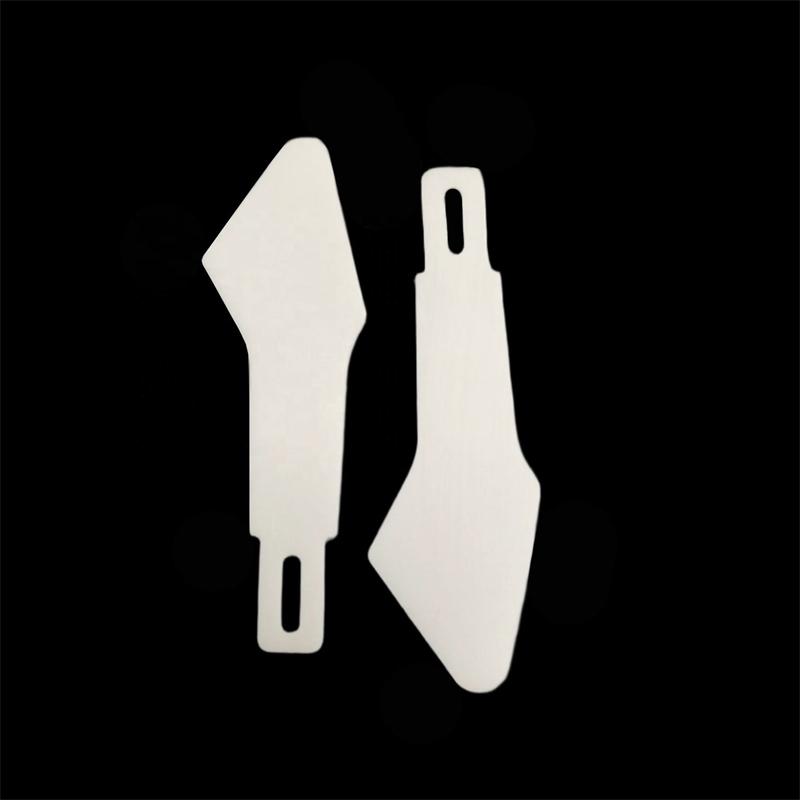
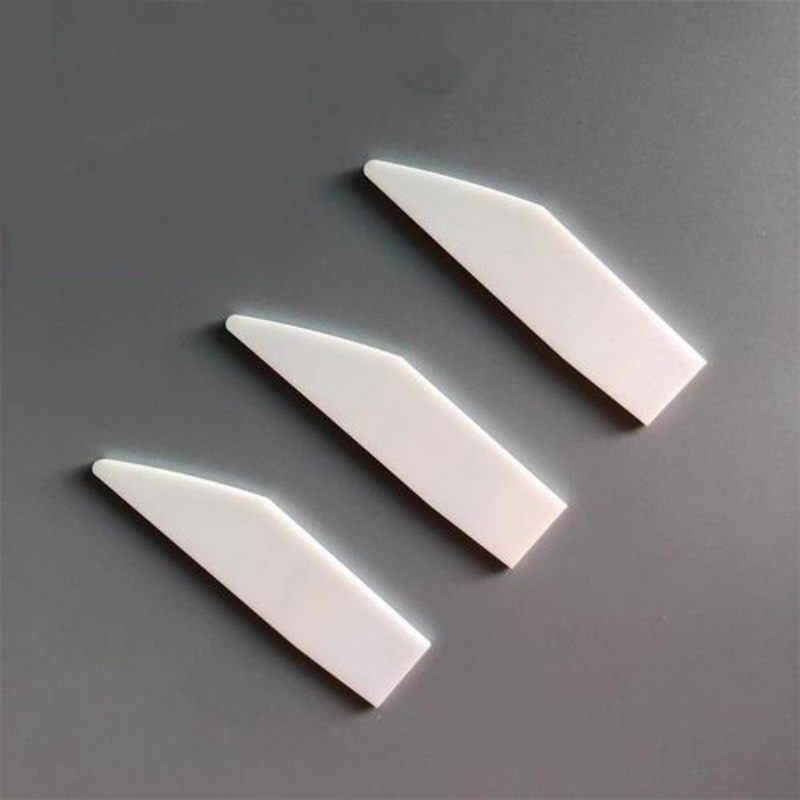
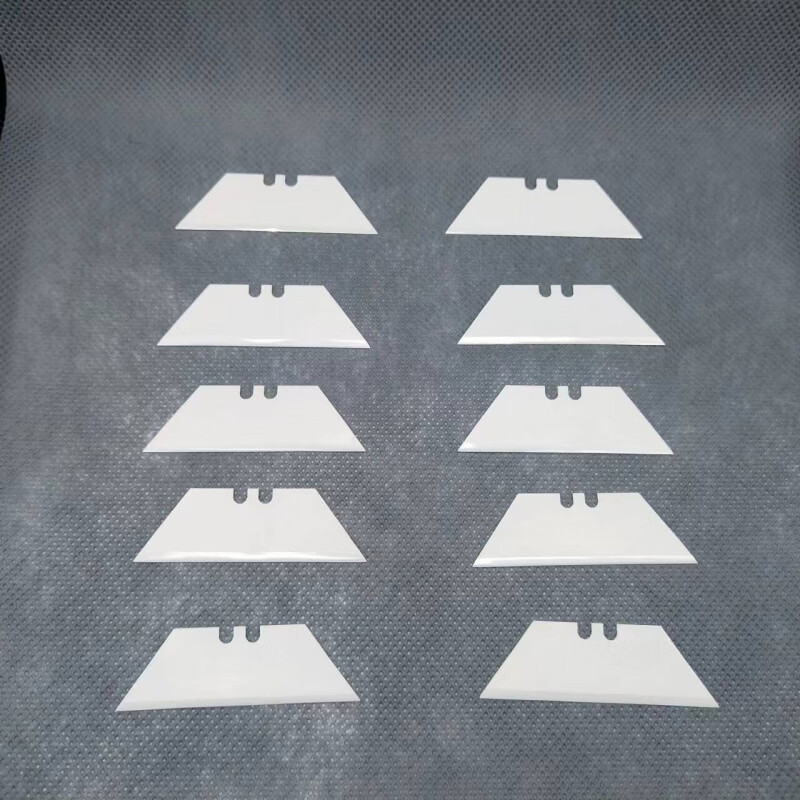
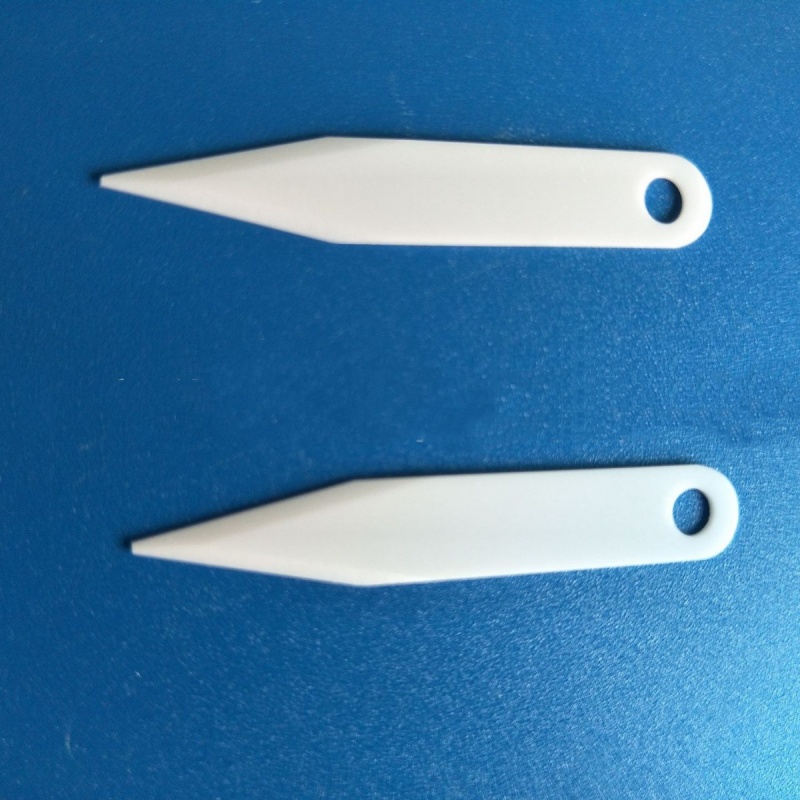
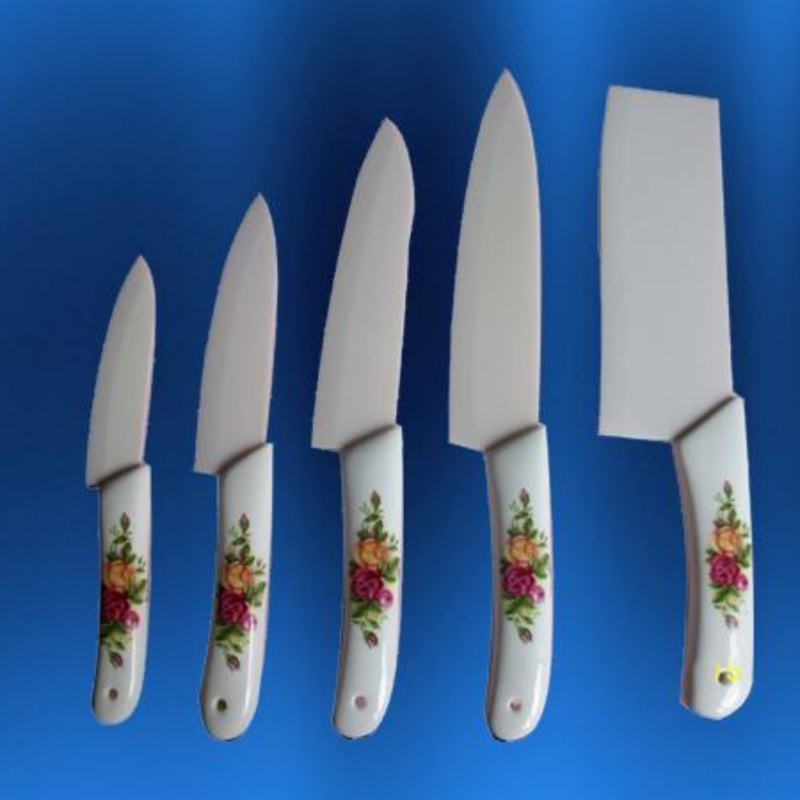
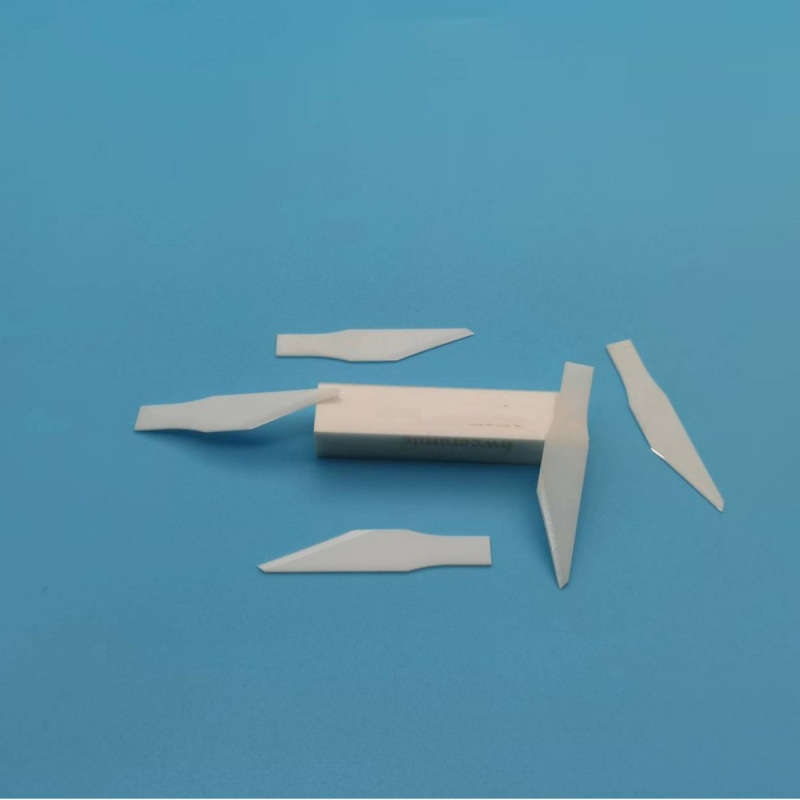
Zirconia ceramic cutting tool is a cutting implement—such as an insert, blade, or knife—whose body is composed predominantly of zirconium oxide. These tools are manufactured by sintering high-purity zirconia powder at elevated temperatures to form a dense, hard, and homogeneous structure.
While the term “ceramic” might evoke images of brittleness, zirconia cutting tools are distinct. They are engineered to offer an edge that is both exceptionally hard and remarkably resistant to chipping compared to other ceramics. This allows them to be used in a variety of applications, ranging from high-speed machining of metals to precision slitting of non-metallic materials.
Key Takeaway
Zirconia cutting tools leverage transformation toughening to provide a unique balance of hardness, strength, and fracture toughness. This makes them ideal for applications requiring a durable, corrosion-resistant, and high-precision cutting edge.
Key Material Properties and Characteristics
The performance of a zirconia ceramic cutting tool is a direct result of its underlying material properties.
Density sits at approximately 6.0 grams per cubic centimeter, which contributes to a robust, solid feel and overall tool stability during operation. This high density ensures that the tool maintains its structural integrity under the vibrational loads common in machining processes.
Vickers Hardness reaches around 12 gigapascals, a value that places zirconia well above hardened steel. This exceptional hardness allows the tool to maintain a razor-sharp edge and resist abrasive wear from the workpiece, directly translating to extended tool life and consistent cutting quality over time.
Flexural or Bending Strength typically ranges from 900 to 1,200 megapascals. This high flexural strength is crucial for withstanding the lateral cutting forces encountered during operation without fracturing, making zirconia tools reliable even in moderately aggressive cutting conditions.
Fracture Toughness registers between 5 and 10 megapascal·meters to the one-half power. This is the key differentiator for zirconia. Good fracture toughness actively resists crack propagation, preventing catastrophic tool failure from edge chipping—a common failure mode in other oxide ceramics.
Compressive Strength reaches approximately 2,200 to 2,500 megapascals. This exceptional compressive strength allows the tool to withstand the immense pressure concentrated at the cutting interface, where the tool meets the workpiece.
Melting Point is extraordinarily high at roughly 2,850 degrees Celsius. This contributes to excellent thermal stability, though practical use is more limited by phase transformation behavior and thermal conductivity rather than melting temperature alone.
Thermal Conductivity is relatively low, in the range of 1.5 to 2.2 watts per meter-kelvin. This property is a double-edged sword. It reduces thermal shock susceptibility but can lead to heat concentration at the cutting edge, necessitating careful management of operating parameters.
The Science of Transformation Toughening
The exceptional toughness of zirconia ceramics is attributed to a phase transformation mechanism that occurs at the microscopic level. At room temperature, zirconia can exist in a metastable tetragonal crystalline phase. When a crack begins to propagate through the material, the stress field concentrated at the crack tip triggers a transformation of these tetragonal grains to a monoclinic phase. This transformation is accompanied by a volume expansion of approximately 3 to 5 percent.
This expansion effectively puts the crack tip into compression, actively resisting its further propagation. This mechanism, known as transformation toughening, is the primary reason zirconia cutting tools are more durable and less prone to chipping than other oxide ceramics such as alumina or silicon nitride.
> Industry Insight: This transformation toughening mechanism is highly effective at resisting cracks at room and moderate temperatures. However, it can make the material susceptible to a phenomenon called “low-temperature degradation” in humid environments over extended periods. In many industrial cutting applications, the heat generated during the cut mitigates this risk, making it less of a concern for most users.
Advantages of Zirconia Ceramic Cutting Tools
Zirconia cutting tools offer several distinct advantages over traditional metal and other ceramic tools, making them the preferred choice in numerous demanding applications.
Exceptional Wear Resistance is perhaps the most celebrated advantage. Zirconia’s high hardness and wear resistance provide a significantly longer operational lifespan compared to steel blades. In some applications, zirconia ceramic blades maintain their cutting edge up to ten times longer than forged steel knives. This translates to less downtime for tool changes, more consistent part quality, and lower long-term operational costs.
Corrosion and Chemical Resistance stems from zirconia’s chemical inertness. The material is resistant to attack from acids, alkalis, and other corrosive substances. This makes it an excellent material for cutting applications in chemical processing, food production, pharmaceutical manufacturing, and other environments where metal tools would suffer from pitting, rusting, or corrosion-induced degradation.
Non-Magnetic and Electrically Insulating properties are critical in many modern industries. Zirconia is non-magnetic and non-conductive. This property is crucial for applications requiring a clean cut without the risk of static discharge or magnetic contamination, such as in the electronics and semiconductor industries. It also makes these tools safe for use in explosive environments where metallic tools could generate sparks.
High-Temperature Stability allows zirconia to retain its strength at elevated temperatures while remaining stable in oxidizing environments. It can withstand temperatures up to approximately 850 degrees Celsius for extended periods without significant degradation. This stability is critical for high-speed machining, where the cutting edge can experience extreme temperatures from friction and deformation.
Razor-Sharp Edge quality is another significant benefit. The fine grain structure of high-purity zirconia allows for the production of an exceptionally sharp and precise cutting edge, making it ideal for applications requiring clean, burr-free cuts on delicate or thin materials.
Limitations and Considerations
Despite their many advantages, zirconia ceramic cutting tools are not a universal solution. Understanding their limitations is critical for proper selection and successful application.
Low Thermal Conductivity presents a significant challenge. Zirconia does not dissipate heat efficiently, meaning heat generated during cutting tends to concentrate at the cutting edge rather than spreading through the tool body. In high-speed, heavy-cutting applications, this can lead to accelerated wear, thermal degradation, or even melting of the workpiece material at the interface. Adequate cooling strategies and optimized cutting parameters are essential.
Brittleness and Susceptibility to Chipping remain concerns despite zirconia’s superior toughness compared to other ceramics. The material is still brittle when compared to cemented carbide or high-speed steel. High-impact loads, interrupted cuts, improper fixturing, or accidental contact can cause edge chipping or catastrophic tool failure. The material is most vulnerable to tensile stresses, which is why compression-based applications are preferred.
Thermal Shock Sensitivity is another factor to manage. Zirconia is sensitive to rapid temperature changes. Drastic fluctuations in temperature can induce thermal shock, causing micro-cracks to develop and propagate, leading to edge chipping or complete fracture. This is particularly important to consider when using coolants; a sudden, large temperature differential between the hot cutting edge and a cold coolant can be damaging.
High Manufacturing Cost reflects the complexity of ceramic processing. The production of zirconia ceramics involves powder synthesis, precise pressing, high-temperature sintering, and, critically, diamond grinding for final shaping and sharpening. Diamond is the only abrasive hard enough to effectively machine sintered zirconia. This makes the initial investment higher than for steel tooling, though this is often offset by the extended tool life and reduced downtime.
Applications and Use Cases
Zirconia ceramic cutting tools are used across a wide range of industries where their unique properties offer a significant advantage over conventional materials.
Machining and Metalworking represents a major application area. Zirconia-based materials, such as Zirconia Toughened Alumina (ZTA), are used in cutting tool inserts for the high-speed machining of cast irons and difficult-to-machine superalloys. Their high hardness and resistance to crater and abrasive wear make them effective in these demanding applications, particularly in finishing operations where surface quality and dimensional accuracy are paramount.
Medical and Dental fields benefit from zirconia’s biocompatibility and non-metallic nature. Surgical instruments used for cutting bone and tissue leverage the material’s sharpness, corrosion resistance, and inertness. In dentistry, zirconia tools are used for shaping and preparing crowns, implants, and other restorations, where contamination from metallic particles must be avoided.
Aerospace manufacturing relies on zirconia cutting tools for their ability to cut challenging composites used in airframes and interiors, along with the precision needed for critical engine components. The chemical inertness of zirconia also prevents contamination of sensitive aerospace materials and ensures compliance with strict quality standards.
Electronics and Semiconductor manufacturing represents a growing application sector. The non-magnetic and non-conductive properties are essential for cutting and slitting electronic materials, films, and foils without causing shorts, contamination, or static buildup that could damage sensitive components.
Textiles and Fiber Processing remains a traditional stronghold for zirconia cutting tools. Zirconia blades are standard in the textile industry for cutting yarns and fibers. Their exceptional wear resistance means they maintain a sharp edge far longer than metal blades in these highly abrasive applications, reducing downtime for blade changes in continuous production lines.
Design and Manufacturing Considerations
Stabilization Types
The choice of zirconia grade is critical and depends on the intended application. Fully stabilized zirconia (FSZ), partially stabilized zirconia (PSZ), and yttria-stabilized tetragonal zirconia polycrystal (Y-TZP) have different property profiles. Y-TZP, for example, offers the highest strength and toughness at room temperature and is the most common choice for cutting tool applications. Magnesia-partially stabilized zirconia (Mg-PSZ) offers superior thermal shock resistance and is often selected for higher-temperature operations.
Grain Size Effects
The grain size of the zirconia powder influences the achievable edge sharpness, surface finish, and overall mechanical properties. Finer grains generally allow for a sharper edge and better surface finish but can be more complex to process and sinter to full density. Coarser grains may offer slightly improved toughness but at the expense of edge sharpness.
Edge Geometry Optimization
The geometry of the cutting edge, including its angle, radius, and clearance, must be tailored to the specific material being cut and the operating conditions. A sharper edge provides cleaner cuts but is more susceptible to chipping. A slightly blunted edge with a small hone improves edge strength and resistance to fracture, making it more suitable for interrupted cuts or harder materials.
Manufacturing Process Overview
Zirconia cutting tools are manufactured through a powder metallurgy process. High-purity zirconia powder, along with stabilizing additives such as yttria, is mixed with binders and pressed into a pre-form approximating the final tool shape. This green body is then sintered at extremely high temperatures, typically around 1,400 to 1,600 degrees Celsius, to densify the material and achieve the desired crystalline structure. Because the resulting material is so hard, final shaping, sharpening, and edge finishing are performed using diamond grinding and lapping techniques.
Frequently Asked Questions (FAQs)
What is a zirconia ceramic cutting tool used for?
Zirconia ceramic cutting tools are used for high-precision cutting in applications where a long-lasting, sharp edge is required. They are commonly employed in textile cutting, slitting films and foils, medical and surgical instruments, food processing equipment, and high-speed machining of metals. Their non-magnetic, non-corrosive, and biocompatible nature makes them ideal for demanding industries where conventional steel tools fail prematurely.
Why is zirconia used for cutting tools instead of steel?
Zirconia maintains a sharp cutting edge up to ten times longer than steel in many applications, which reduces tool change downtime and improves process consistency. It is also chemically inert, meaning it won’t rust or corrode in harsh environments. Furthermore, zirconia is non-magnetic and non-conductive, which is essential for electronics and semiconductor applications where metal tools would cause contamination or static issues.
Can zirconia ceramic tools cut metal?
Yes, zirconia and zirconia-toughened alumina (ZTA) ceramic tools are specifically designed to cut metals. They are particularly effective in high-speed finishing and rough turning of cast irons, hardened steels, and superalloys. Their high hardness and resistance to wear make them suitable for these demanding applications, though they are less suitable for heavy interrupted cuts due to their inherent brittleness.
What is the hardness of a zirconia ceramic cutting tool?
Zirconia ceramic exhibits a high hardness, typically around 12 gigapascals on the Vickers scale. This places it well above hardened steel, which generally ranges from 6 to 8 gigapascals, but below diamond and cubic boron nitride, the hardest known materials. This high hardness is the primary reason for its excellent wear resistance and ability to hold a sharp cutting edge over extended production runs.
Are zirconia cutting tools better than carbide tools?
The answer depends entirely on the application. Carbide tools are generally tougher and more resistant to impact, making them better for heavy, interrupted cuts and roughing operations. Zirconia tools excel in applications demanding high wear resistance, corrosion resistance, and a non-metallic tool material. For high-speed finishing of hard-to-machine materials, zirconia-based tools can outperform carbide due to their superior chemical stability and resistance to crater wear.
How are zirconia ceramic cutting tools manufactured?
Zirconia cutting tools are manufactured through powder metallurgy. High-purity zirconia powder is pressed into a pre-form and then sintered at extremely high temperatures, around 1,400 to 1,600 degrees Celsius, to densify the material. Because the resulting ceramic is so hard, it is shaped and sharpened using diamond grinding, the only abrasive hard enough to effectively machine it. This makes the manufacturing process more expensive than for steel tools.
What is the main drawback of a zirconia ceramic cutting tool?
The main drawback is brittleness. While much tougher than other ceramics, zirconia is still susceptible to chipping or fracturing from sudden impacts, improper clamping, or interrupted cuts. Another challenge is its low thermal conductivity, which can cause heat to build up at the cutting edge, requiring careful management of cutting parameters and cooling strategies to avoid thermal damage and premature tool failure.
Do zirconia cutting tools require special care?
Yes, they require careful handling and operation. Due to their brittleness, they must be handled and installed with care to avoid chipping the delicate cutting edge. Fixturing must be precise and avoid localized stress points that could induce fracture. During use, it is crucial to avoid thermal shock, meaning rapid and extreme temperature changes at the cutting edge must be prevented. Using appropriate cutting speeds, feeds, and cooling strategies is essential for maximizing tool life.
Zirconia ceramic cutting tools represent a specialized class of materials that offer a unique value proposition in the industrial machining landscape. They are not a universal replacement for carbide or steel but rather a targeted solution for applications where wear resistance, chemical inertness, and non-metallic properties are paramount. The secret to their success lies in the phenomenon of transformation toughening, which endows an otherwise brittle ceramic with a level of toughness that makes it practically useful across a wide range of demanding applications.
From high-speed machining and textile slitting to medical instruments and electronics manufacturing, zirconia’s properties enable process improvements and cost savings that often justify its higher initial cost. However, to realize these benefits, engineers and users must respect its limitations, particularly its sensitivity to impact and thermal shock, and implement appropriate design and operational strategies.
By understanding the fundamental science and practical considerations outlined in this guide, you can confidently evaluate whether a zirconia ceramic cutting tool is the right choice for your specific application. For truly challenging cutting environments where a sharp, durable, and inert edge is required, zirconia remains a material of choice.