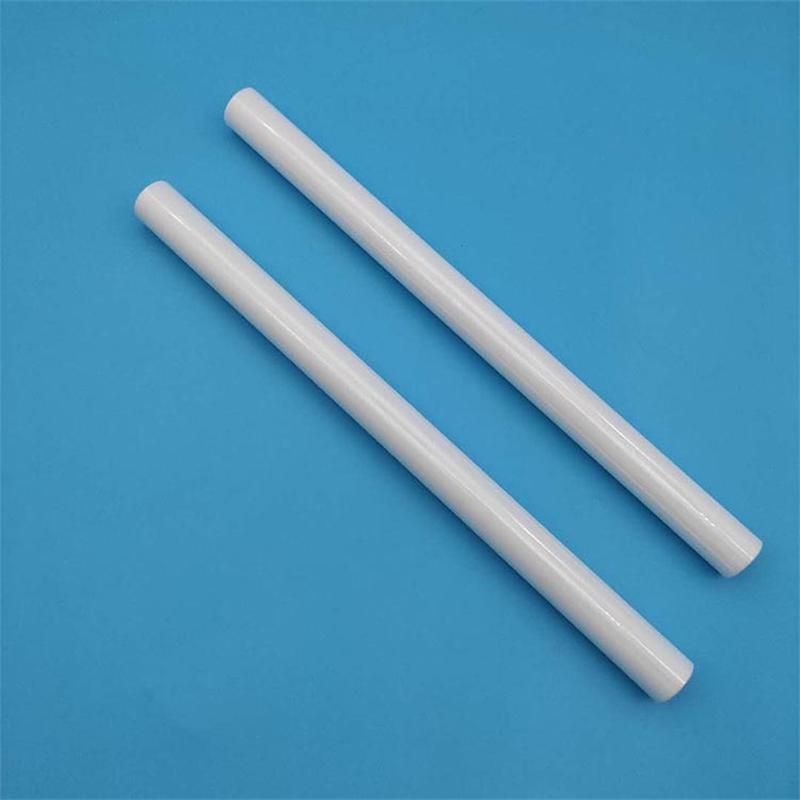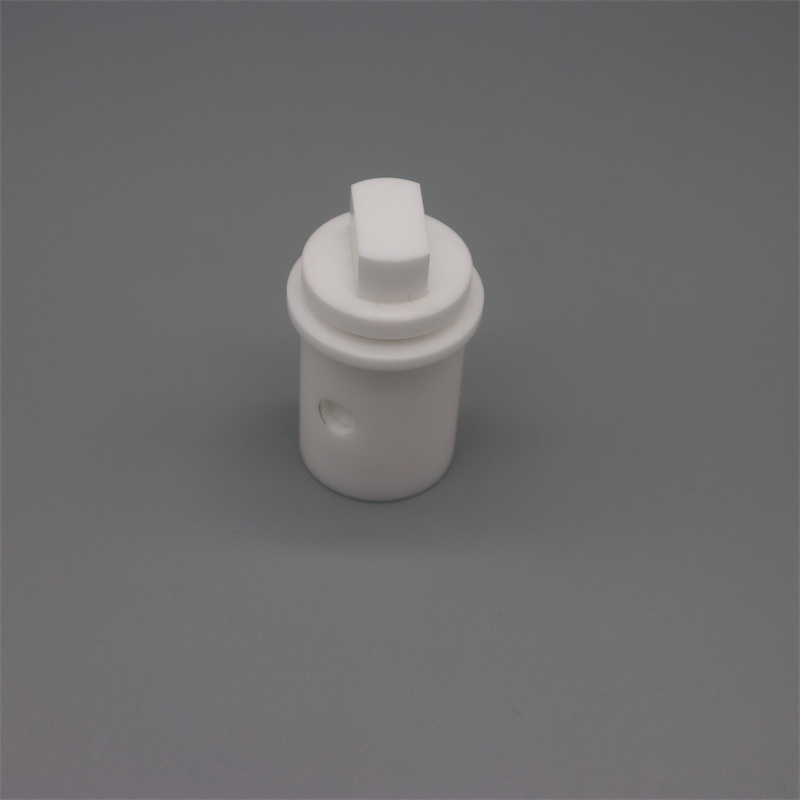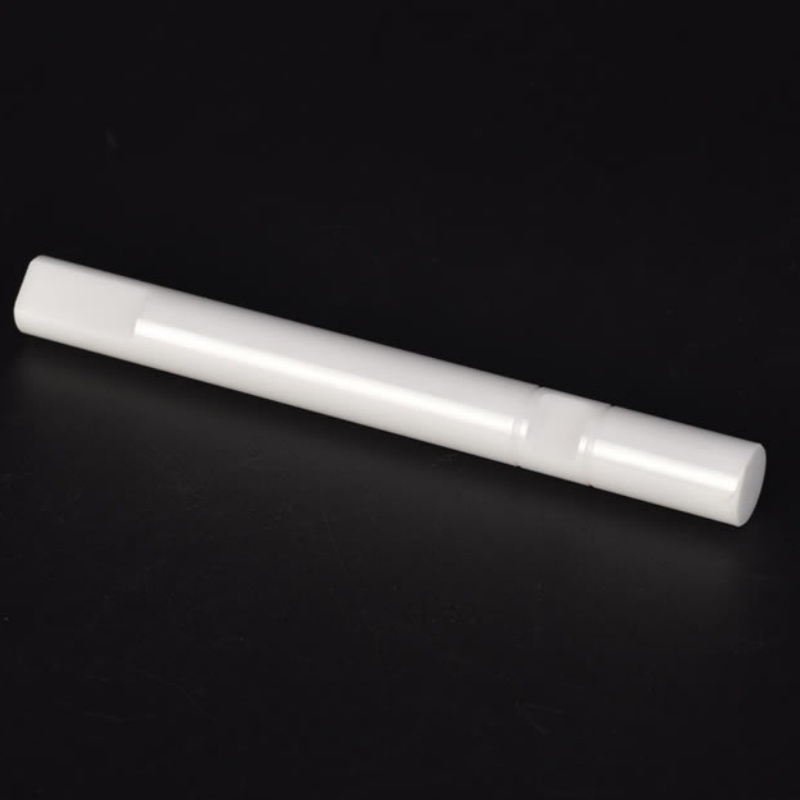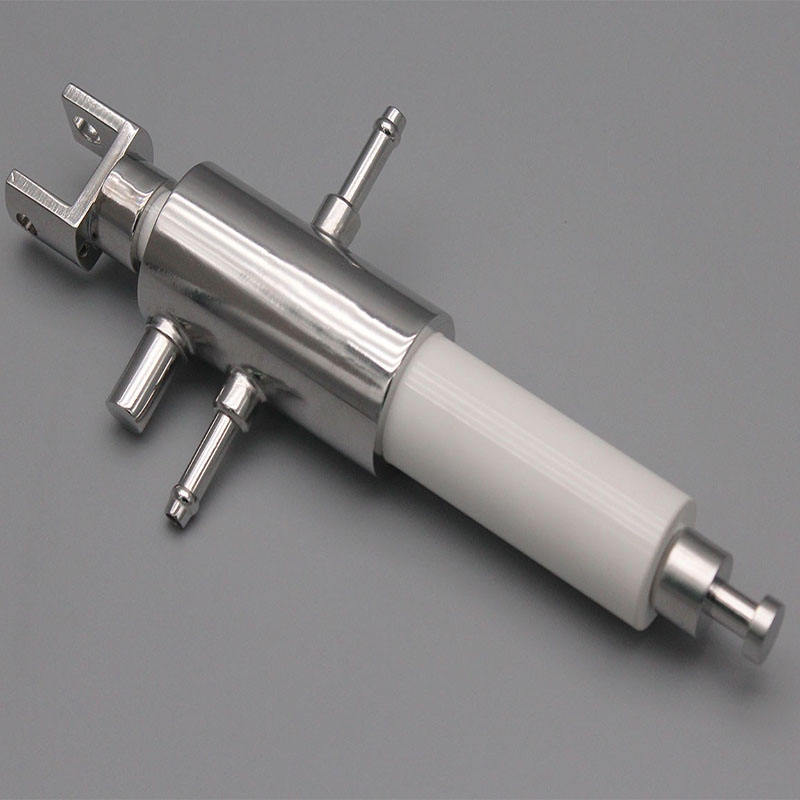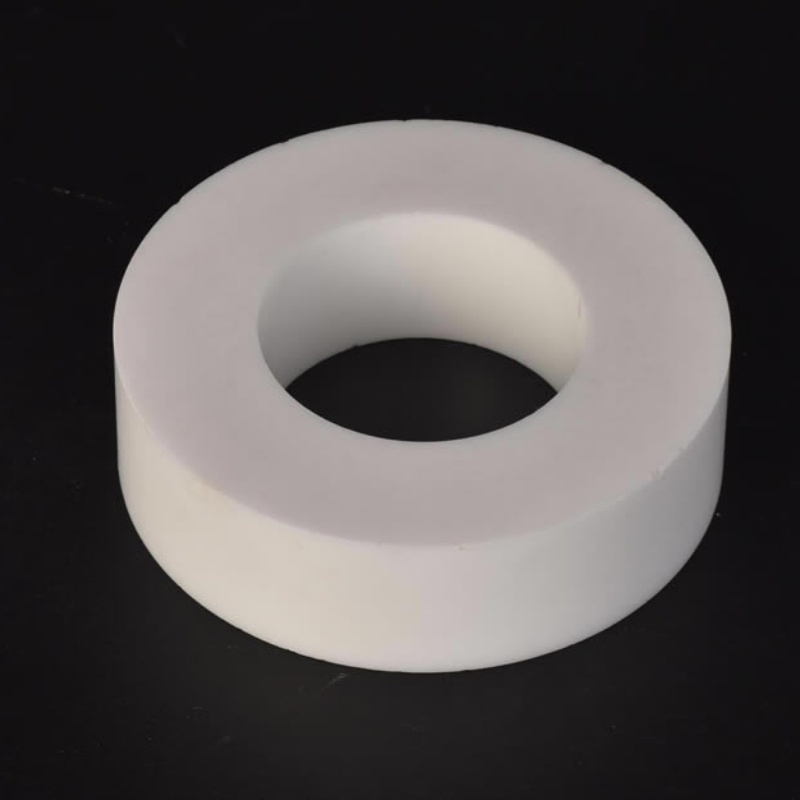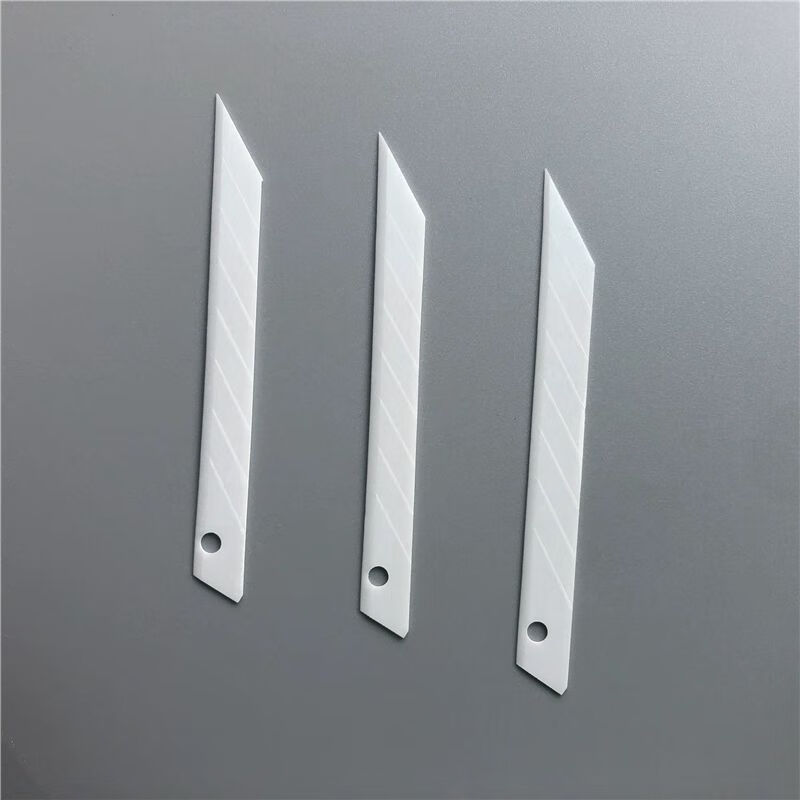
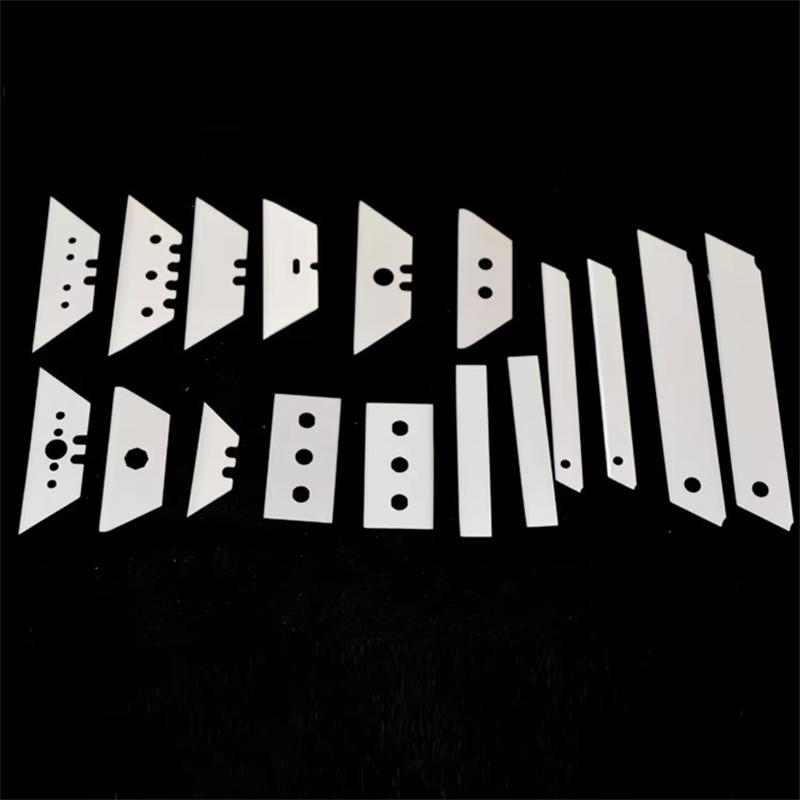
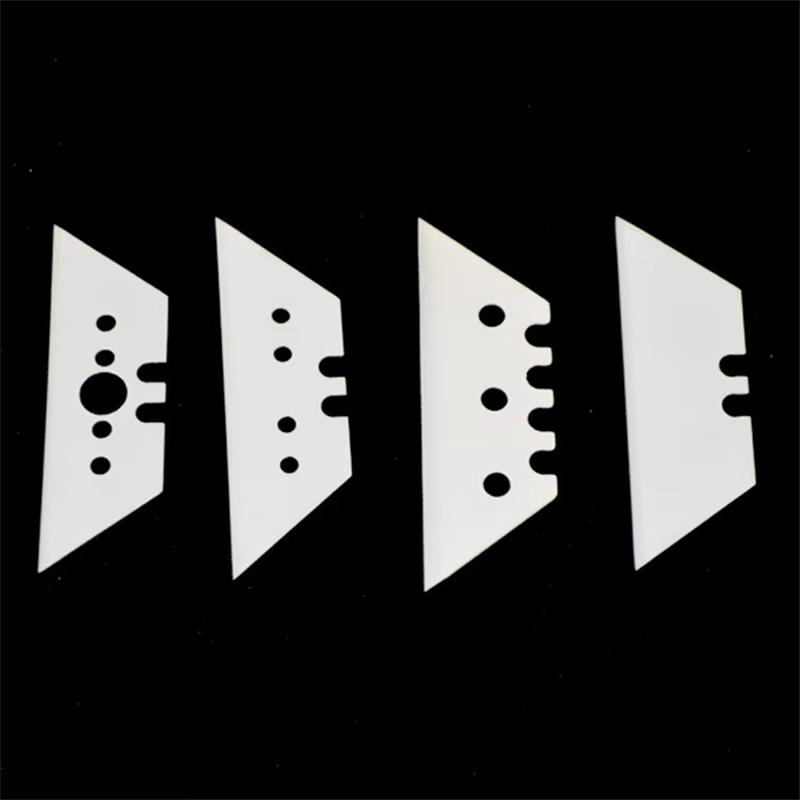
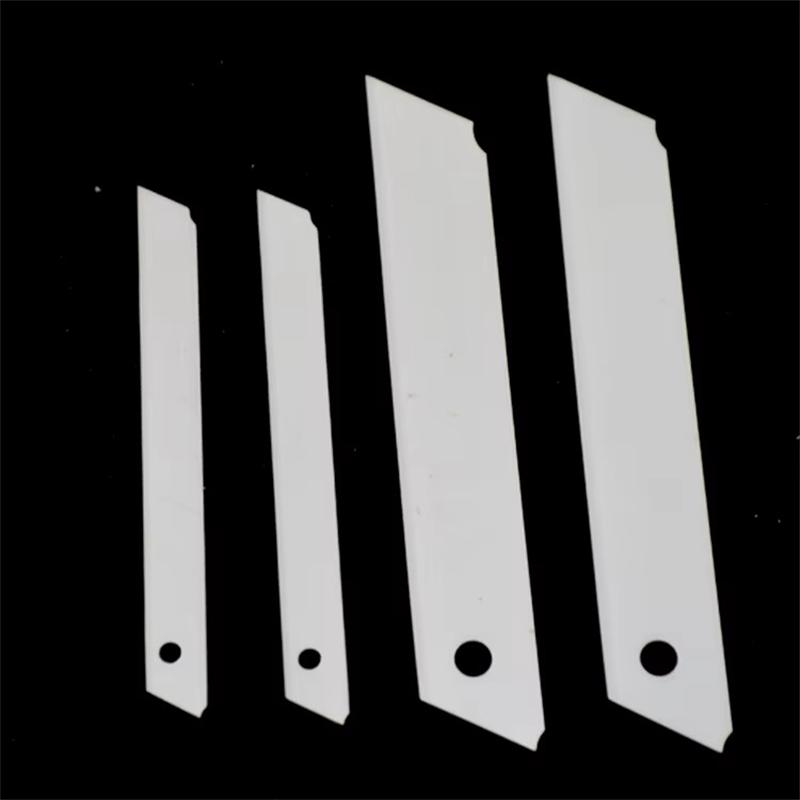
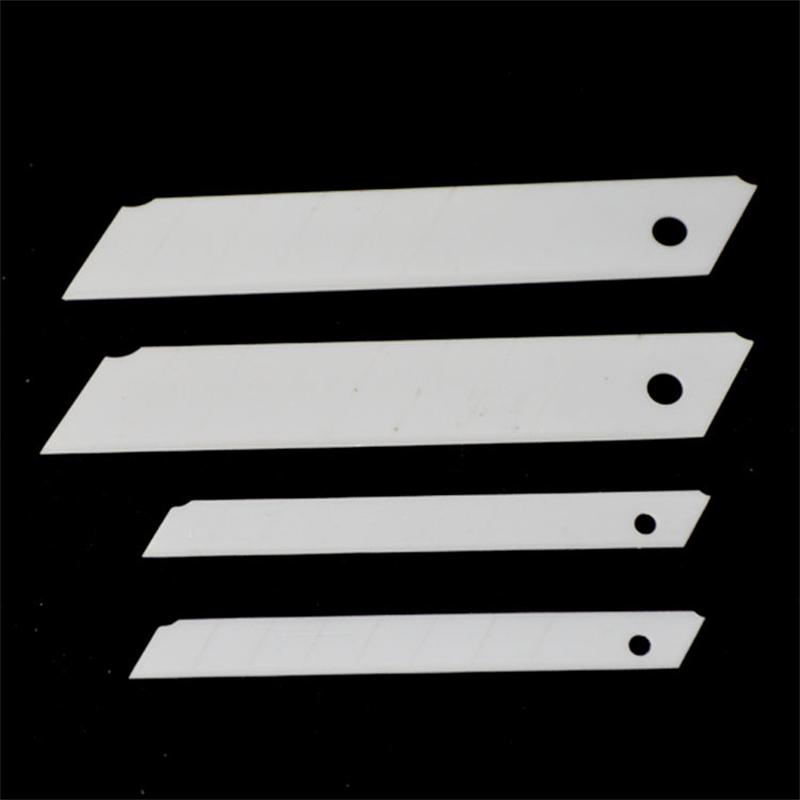
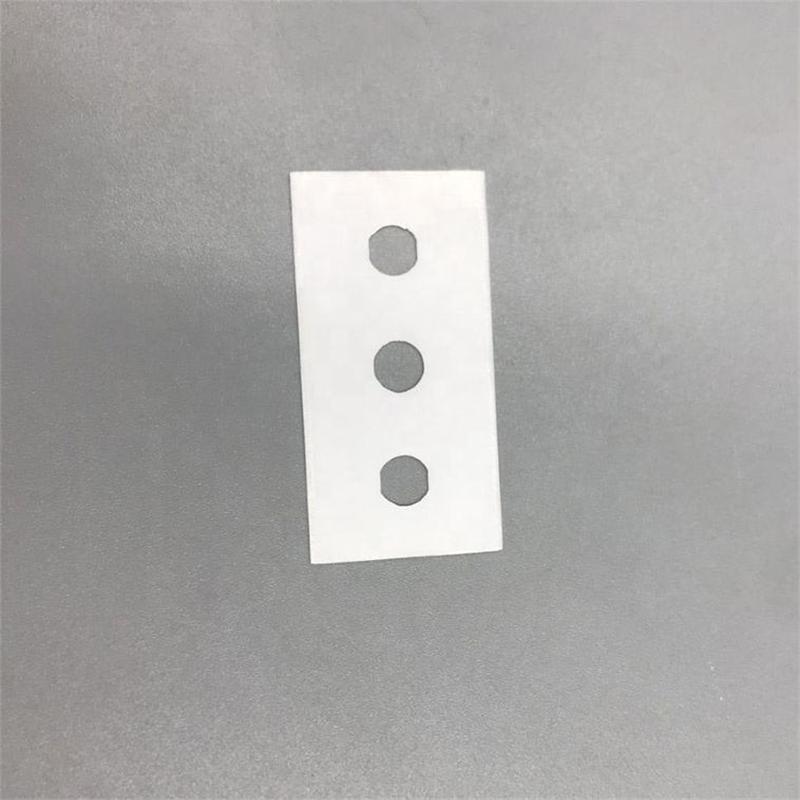
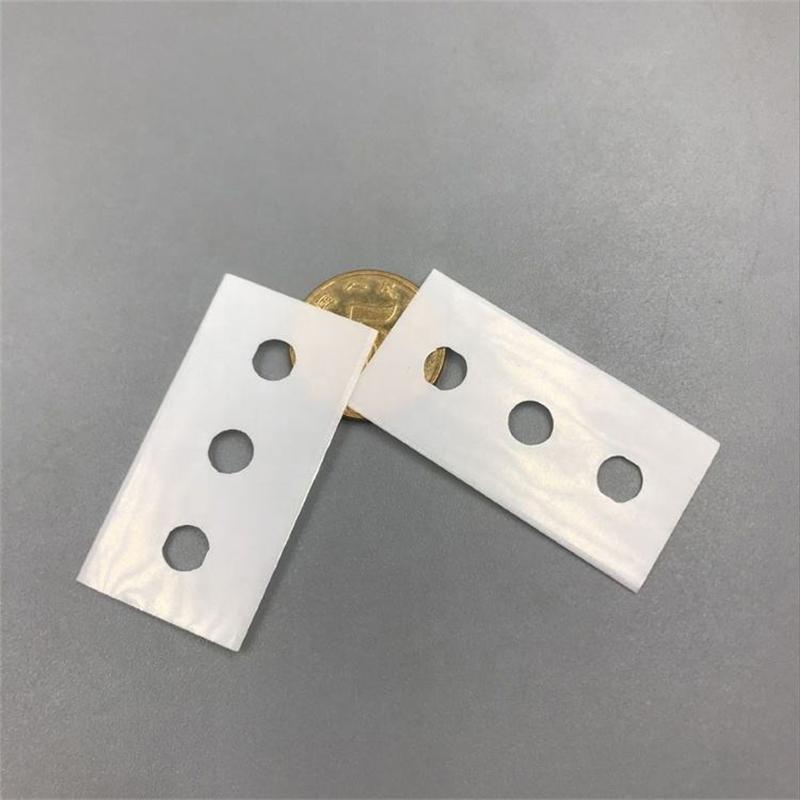
Zirconia Ceramic Cutter
Zirconia ceramic cutter represents a specialized class of cutting tools engineered from zirconium dioxide (ZrO₂), a high-performance advanced ceramic material. Unlike traditional metal blades, these cutters leverage the unique combination of hardness, fracture toughness, and chemical inertness inherent to zirconia, making them indispensable in applications demanding precision, durability, and resistance to harsh operating environments. This article explores the material science, performance characteristics, specifications, applications, and engineering considerations of zirconia ceramic cutters, providing actionable insights for engineers, designers, and procurement professionals.
Material Composition and Microstructure
Zirconia ceramic cutters are primarily fabricated from stabilized zirconia, with yttria-stabilized zirconia (Y-TZP) being the most prevalent grade for cutting applications. Y-TZP incorporates 3-4 mol% yttrium oxide (Y₂O₃) as a stabilizer, which induces a metastable tetragonal crystal structure at room temperature. This microstructure is critical to zirconia’s renowned transformation toughening mechanism: when a crack propagates, the tetragonal grains transform to a monoclinic phase, absorbing energy and inhibiting crack growth. This mechanism grants zirconia a fracture toughness of 6–9 MPa·m¹/², significantly higher than other structural ceramics like alumina (3–4 MPa·m¹/²).
Other stabilizers, such as magnesia (MgO) or ceria (CeO₂), are used in niche applications. Magnesia-stabilized zirconia (MSZ) offers higher toughness at elevated temperatures, while ceria-stabilized zirconia (CSZ) exhibits superior thermal shock resistance. However, Y-TZP remains the industry standard for cutters due to its optimal balance of room-temperature hardness (1200–1300 HV) and toughness.
Core Performance Characteristics
The performance of zirconia ceramic cutters is defined by several key mechanical and chemical properties:
Hardness and Wear Resistance: With a Vickers hardness of 1200–1300 HV (Mohs hardness ~8.5–9), zirconia cutters exhibit exceptional resistance to abrasive wear. In industrial cutting applications, such as textile spinning or film slitting, zirconia blades retain their cutting edge up to 10 times longer than hardened steel counterparts, reducing downtime for blade replacement.
Chemical Inertness: Zirconia is chemically inert to most acids, alkalis, and organic solvents, making it ideal for cutting corrosive materials (e.g., chemical packaging, pharmaceutical capsules) or in sterile environments (e.g., medical device manufacturing). Unlike metal blades, zirconia does not rust, eliminating the need for lubricants to prevent corrosion.
Thermal Stability: Zirconia maintains structural integrity at temperatures up to 850°C, with a thermal shock resistance of ΔT=280–350°C. This makes it suitable for high-speed cutting operations where friction generates localized heat, though prolonged exposure to temperatures above 500°C can cause phase instability in Y-TZP.
Electrical Insulation: With a volume resistivity of >10¹² Ω·cm, zirconia cutters are non-conductive, enabling safe use in electrical component manufacturing or environments where static discharge is a concern.
Typical Applications
Zirconia ceramic cutters are deployed across diverse industries, leveraging their unique property profile:
Textile Industry: Spinning cutters and tension blades in textile machines (e.g., MURATA, SAVIO equipment) benefit from zirconia’s wear resistance, reducing fiber damage and product rejection rates caused by dull blades.
Packaging and Converting: Used for cutting plastic films, foils, rubber, and composite packaging materials, where chemical inertness prevents contamination and long edge life minimizes production interruptions.
Medical and Pharmaceutical: Surgical scalpel blades, capsule cutters, and medical device components utilize zirconia’s biocompatibility, sterilizability, and sharp edge retention.
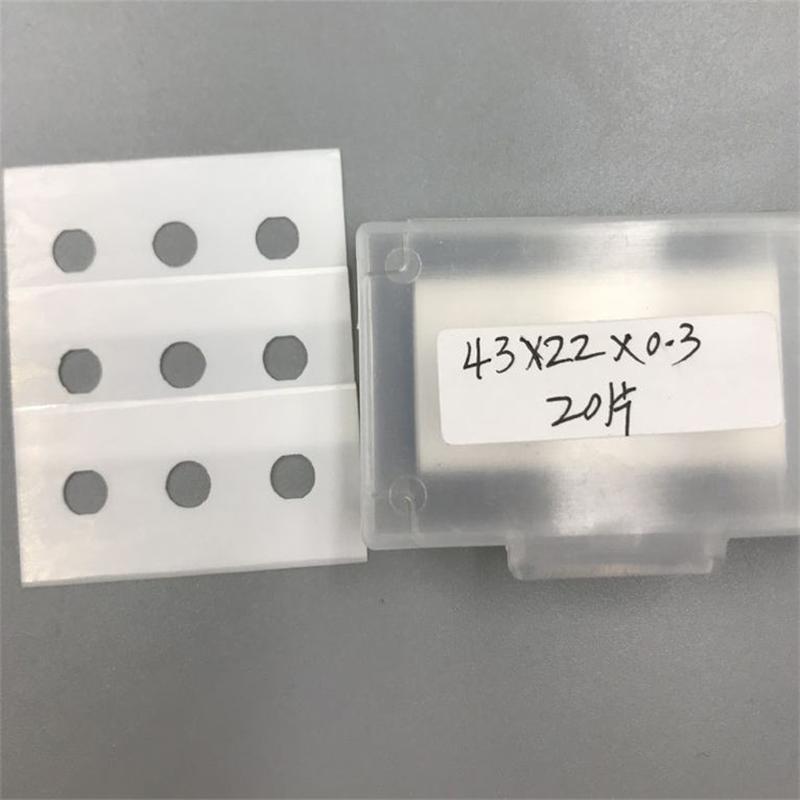
Electronics and Semiconductor: Precision cutters for flexible printed circuits (FPCs), semiconductor wafers, and insulating materials, where non-conductivity and fine edge geometry are critical.
Micro-Machining: All-ceramic micro end mills (e.g., 50–100 μm diameter) made from Y-TZP achieve nanoscale edge radii (≤30 nm), enabling high-precision cutting of thermoplastics like PMMA with minimal tool wear.
Advantages and Limitations
Engineers must weigh the trade-offs of zirconia ceramic cutters against alternative materials:
Advantages
Extended Tool Life: Superior wear resistance reduces replacement frequency, lowering total cost of ownership in high-volume applications.
Precision Cutting: Fine grain size (<1 μm) allows for ultra-sharp edges (edge radius <0.1 μm), critical for micro-cutting and clean material separation.
Corrosion and Rust Resistance: Eliminates contamination risks in sterile or corrosive environments.
Non-Magnetic and Non-Conductive: Safe for use in sensitive electronic or medical applications.
Limitations
Brittleness: Despite its high toughness for a ceramic, zirconia is still brittle compared to cemented carbide or steel. It is unsuitable for interrupted cutting or high-impact applications, where chipping or catastrophic failure may occur.
Thermal Sensitivity: Phase transformation at temperatures above 500°C can degrade mechanical properties, limiting use in high-temperature machining of metals.
Manufacturing Complexity: Sintering at >1600°C and diamond grinding for edge finishing increase production costs, making zirconia cutters more expensive upfront than metal alternatives.
Material Compatibility: Adhesion between zirconia and ductile metals (e.g., aluminum, titanium) can cause built-up edge formation, reducing cutting efficiency.
Engineering Selection Guidelines
When selecting a zirconia ceramic cutter, consider the following factors:
Workpiece Material: Zirconia excels in cutting non-metallic, abrasive, or corrosive materials (e.g., plastics, composites, textiles, ceramics). Avoid using it for machining ductile metals or in high-impact applications.
Cutting Conditions: Optimize cutting speed (20,000–28,000 RPM for micro-cutting) and feed rate to minimize mechanical stress. Use coolant (e.g., deionized water) to manage heat in high-speed operations.
Edge Geometry: For precision cutting, specify a fine edge radius (<0.1 μm) and negative rake angle to enhance edge strength. For rough cutting, a slightly larger edge radius improves chipping resistance.
Stabilizer Grade: Choose Y-TZP for room-temperature applications requiring high hardness; MSZ or CSZ for elevated-temperature or thermal shock-prone environments.
Cost-Benefit Analysis: While zirconia cutters have a higher initial cost, their extended tool life and reduced downtime often justify the investment in high-volume or precision-critical applications.
Comparison with Alternative Materials
Vs. Cemented Carbide: Carbide offers higher toughness and is better suited for interrupted cutting or metal machining, but zirconia outperforms in wear resistance and corrosion resistance for non-metallic materials.
Vs. Alumina Ceramic: Alumina has higher hardness (1700 HV) but lower toughness (3–4 MPa·m¹/²), making it more prone to chipping. Zirconia is preferred for applications requiring impact resistance.
Vs. Diamond-Coated Tools: Diamond offers superior hardness but is chemically reactive with ferrous metals. Zirconia is a cost-effective alternative for non-ferrous and non-metallic cutting.
Frequently Asked Questions (FAQ)
What is the maximum cutting speed for zirconia ceramic cutters?
For micro-cutting applications, spindle speeds of 20,000–28,000 RPM are typical, with cutting speeds of 1.5–3 m/min. For larger industrial cutters, speeds depend on workpiece material and cutter geometry, but zirconia’s thermal stability allows for higher speeds than metal blades in non-metallic cutting.
Can zirconia ceramic cutters be resharpened?
Yes, but resharpening requires diamond grinding wheels due to zirconia’s high hardness. This process is specialized and often more costly than replacing the cutter, so resharpening is typically reserved for high-value or custom-shaped blades.
How does zirconia’s toughness compare to other ceramics?
Zirconia (Y-TZP) has a fracture toughness of 6–9 MPa·m¹/², significantly higher than alumina (3–4 MPa·m¹/²) and comparable to some silicon nitride grades. This makes it the toughest monolithic ceramic for cutting applications.
Are zirconia ceramic cutters suitable for cutting metals?
Zirconia is generally not recommended for cutting ductile metals (e.g., steel, aluminum) due to adhesion issues and low thermal conductivity, which can cause built-up edge and thermal cracking. It is better suited for non-metallic or abrasive materials.
What is the typical lifespan of a zirconia ceramic cutter?
In industrial applications like textile cutting, zirconia blades last up to 10 times longer than steel blades. Lifespan varies with workpiece material, cutting speed, and mechanical load, but wear resistance is consistently superior to metal alternatives.
Can zirconia ceramic cutters withstand sterilization?
Yes, zirconia is biocompatible and resistant to high-temperature sterilization (e.g., autoclaving at 121–134°C), making it ideal for medical and pharmaceutical cutting applications.