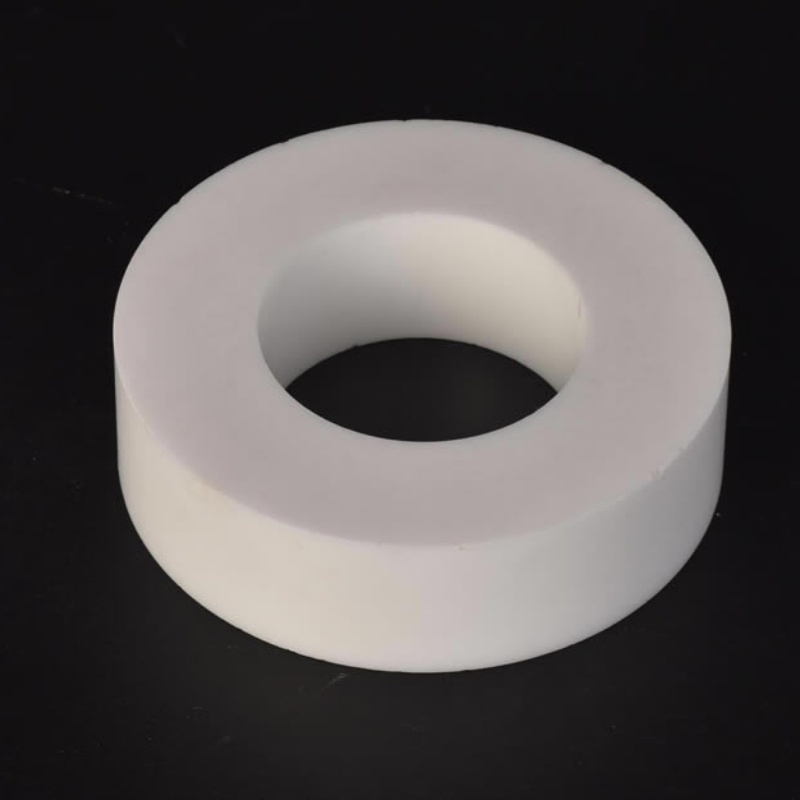
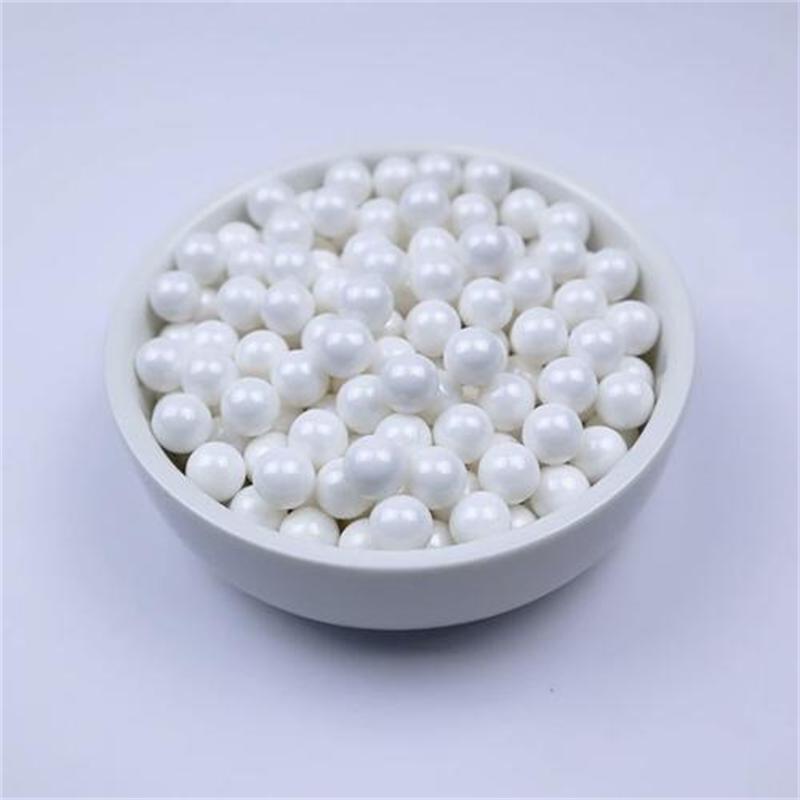
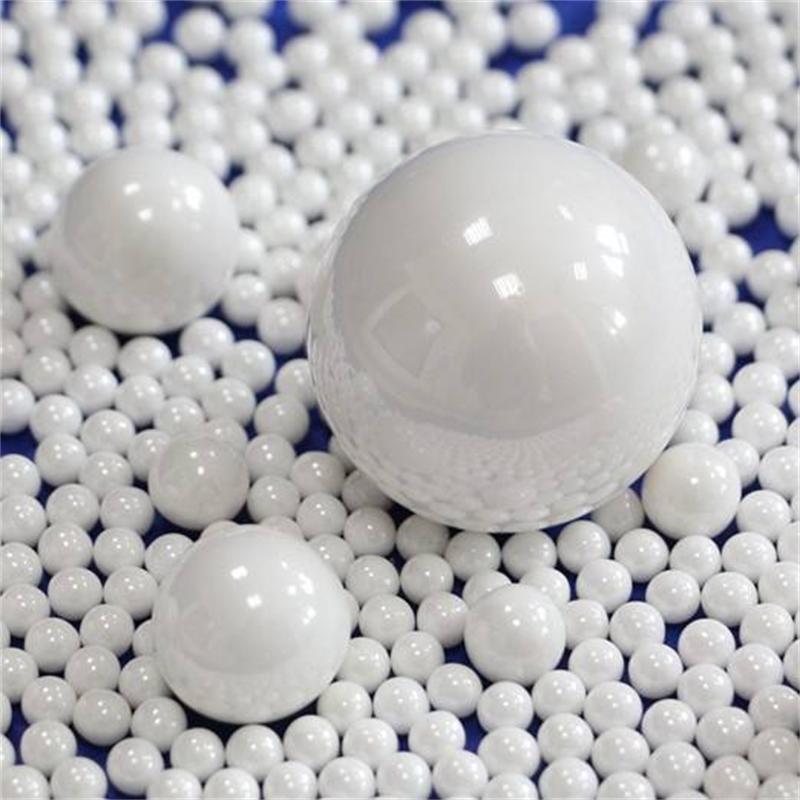
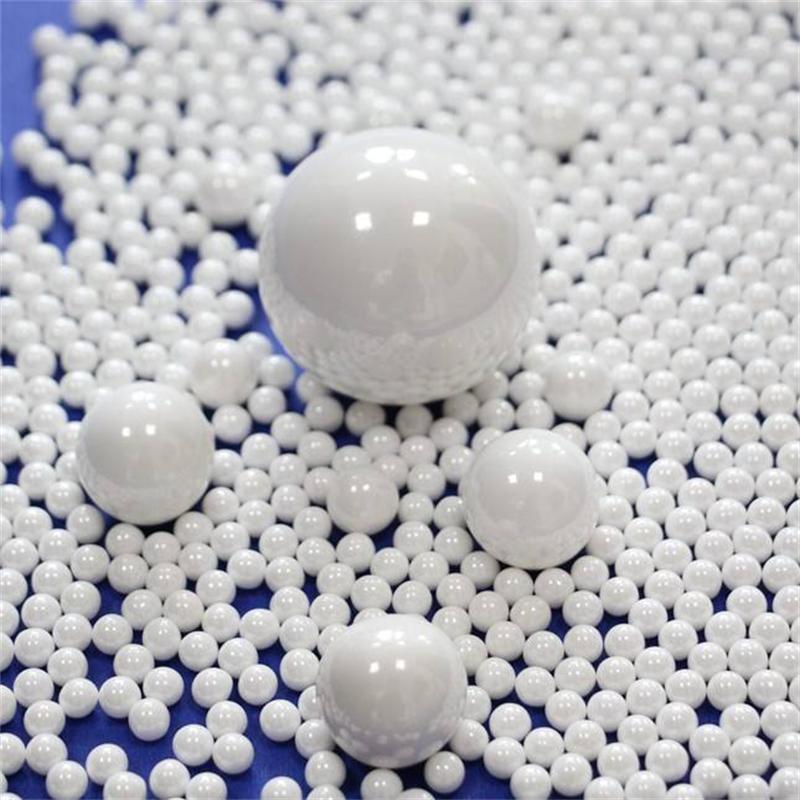
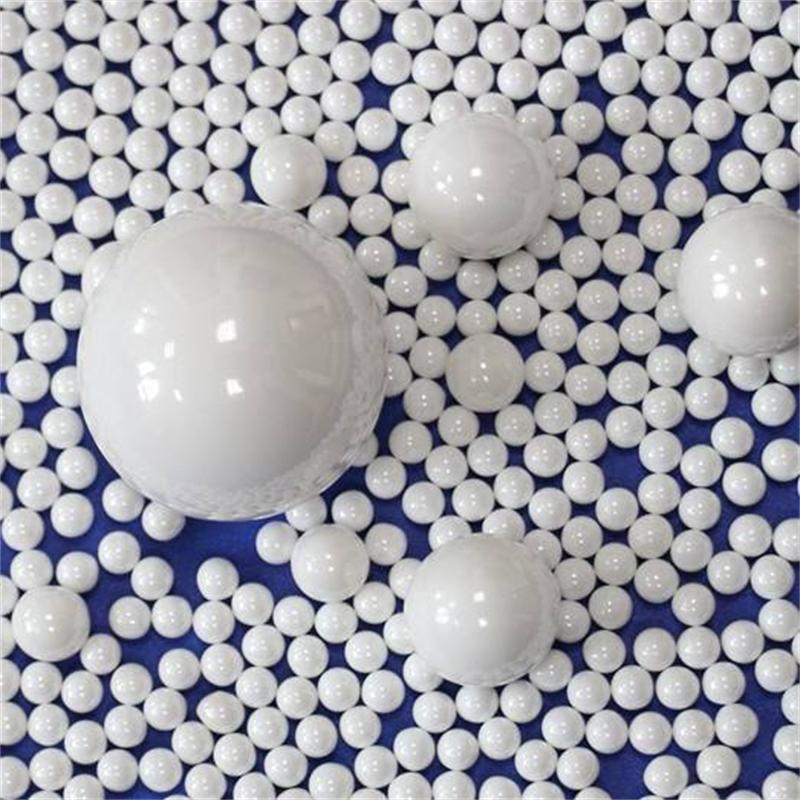
Zirconia ceramic bead ball
What Is a Zirconia Ceramic Bead Ball?
Zirconia ceramic bead ball is a precision-engineered spherical component manufactured from high-purity zirconium oxide (ZrO₂). These beads are produced through advanced ceramic processing routes including high-temperature sintering and isostatic pressing, resulting in densities exceeding 6.0 g/cm³ and Vickers hardness values above 1200 HV. Unlike conventional metal or glass media, zirconia beads offer exceptional fracture toughness, typically in the range of 7 to 10 MPa·m¹/², combined with chemical inertness. This combination makes them suitable for applications where contamination must be minimised and mechanical reliability is critical.
The term “bead ball” reflects the dual nature of these products: they function as both grinding media in milling operations and as precision balls in bearings, valves, and flow control devices. This guide focuses on the engineering characteristics, selection criteria, and practical applications of zirconia ceramic bead balls, drawing on over two decades of materials engineering experience.
Key Takeaways
– The material system is predominantly yttria-stabilised tetragonal zirconia polycrystal, known as Y-TZP, or ceria-stabilised zirconia, referred to as Ce-TZP. Both provide optimal toughness and wear resistance for demanding applications.
– Primary applications include grinding media for battery materials, coatings, inks, and pharmaceuticals, as well as precision balls for bearings, check valves, and pumps.
– Critical properties to evaluate include density above 6.0 g/cm³, hardness of approximately 9 on the Mohs scale, fracture toughness of 7 to 10 MPa·m¹/², and an elastic modulus of about 200 GPa.
– Selection factors centre on bead size, stabiliser type (yttria versus ceria), density, wear rate, and chemical compatibility with the process media.
Material Composition and Stabilisation
Zirconia exists in three crystalline polymorphs: monoclinic, tetragonal, and cubic. The monoclinic-to-tetragonal transformation occurs at approximately 1170°C and is accompanied by a volume change that can cause spontaneous fracture in pure zirconia ceramics. To suppress this transformation and retain the high-toughness tetragonal phase at room temperature, stabilising oxides are added.
Yttria-Stabilised Zirconia (Y-TZP)
Yttria, with the chemical formula Y₂O₃, is the most common stabiliser, typically added at concentrations of 3 to 5 mol%. Y-TZP grades offer excellent mechanical properties, with bending strengths ranging from 900 to 1200 MPa and fracture toughness values of 5 to 10 MPa·m¹/². The transformation-toughening mechanism operates when a propagating crack encounters a tetragonal grain; the stress field triggers transformation to monoclinic, with the associated volume expansion absorbing fracture energy and impeding crack growth. This is the primary reason zirconia ceramics can achieve toughness values approaching those of some metals.
Ceria-Stabilised Zirconia (Ce-TZP)
Ceria, or CeO₂, stabilisation produces beads with slightly lower hardness but significantly higher fracture toughness than Y-TZP. Ce-TZP grades are preferred in applications involving high-impact loading or where resistance to thermal shock is paramount. A typical grinding bead composition is approximately 94.6 to 95% ZrO₂ with 5.2% Y₂O₃ as stabiliser, with trace amounts of Al₂O₃ sometimes added to control grain growth during sintering.
Key Properties of Zirconia Bead Balls
Mechanical Properties
The mechanical behaviour of zirconia bead balls is defined by several interrelated parameters. Specific density is typically at least 6.0 g/cm³, which is significant because higher density delivers greater kinetic energy transfer in milling operations. Vickers hardness exceeds 10 GPa, equivalent to approximately 9 on the Mohs scale, enabling the beads to resist abrasive wear and maintain their spherical form over extended service life. The elastic modulus is around 200 to 205 GPa, and this rigidity influences deformation under compressive loads, which is particularly relevant in bearing and valve applications. Fracture toughness, as noted, falls in the range of 7 to 10 MPa·m¹/², and this property is critical for impact resistance and spalling prevention. Bending strength of 900 to 1200 MPa determines the bead’s resistance to crushing in high-load environments.
Physical Properties
In terms of physical characteristics, zirconia beads typically present a white or ivory colour, with colour intensity varying with stabiliser type and concentration. The thermal expansion coefficient is approximately 9.6 × 10⁻⁶ per degree Celsius over the range of 20 to 400°C, which is compatible with many metallic components encountered in engineering assemblies. Thermal conductivity at room temperature is relatively low, approximately 2.5 to 3.0 W per metre per kelvin.
Chemical Properties
From a chemical standpoint, zirconia is inert to most acids, alkalis, and organic solvents, with notable stability in strong bases. It is not recommended for use in hydrofluoric acid or concentrated phosphoric acid above 200°C. This inertness makes zirconia beads particularly suitable for applications requiring minimal product contamination, including pharmaceutical processing and battery materials production.
How Are Zirconia Bead Balls Manufactured?
The manufacturing route directly influences bead quality, dimensional accuracy, and final properties.
Powder Processing
High-purity zirconia powder, typically at 99.9% purity, is blended with stabilisers and organic binders. The powder is then granulated using spray drying to produce free-flowing agglomerates suitable for forming.
Forming Methods
Isostatic pressing is commonly used to produce beads with uniform density and minimal internal defects. For smaller beads, those below 1 mm diameter, roller granulation is often employed, where a rotating pan or drum builds up layers of powder. Extrusion and spheronisation are suitable for medium-diameter beads with good roundness.
Sintering
Beads are fired at temperatures between 1400°C and 1600°C in air. The sintering schedule is critical: rapid heating can cause differential densification and residual stress, while insufficient hold time results in incomplete densification and reduced properties.
Finishing
Precision beads for bearing applications undergo additional processing. Lapping and polishing achieves surface roughness below 0.01 μm. Grading sorts beads by diameter tolerance, typically to G10 to G100 precision grades depending on the application requirements.
Zirconia Bead Ball Applications
Grinding and Milling Media
This is the largest single application for zirconia beads. The high density, at least 6.0 g/cm³, enables efficient energy transfer to the product being ground, while the low wear rate minimises contamination. Typical applications include battery materials for lithium-ion cathodes and anodes, where contamination control is essential. In electronic ceramics, zirconia beads are used for dielectric powders, piezoelectric materials, and ferrites. For paints and coatings, they facilitate organic and inorganic pigment dispersion, achieving colour strength and stability. Inks, both inkjet and screen-printing varieties, require sub-micron particle size distributions, which zirconia beads can deliver efficiently. In pharmaceutical manufacturing, wet milling of active pharmaceutical ingredients demands purity, and zirconia beads meet this requirement. Cosmetics applications similarly rely on zirconia beads for pigment and filler dispersion.
Precision Bearings
Zirconia bearing balls are specified where steel bearings fail due to corrosion, magnetic interference, or electrical conductivity requirements. The key advantages are that they are non-magnetic, which is essential for MRI equipment and sensitive electronics. They are electrically insulating, preventing bearing currents in electric motors and generators. Their corrosion resistance allows operation in aggressive environments without lubricant degradation. Their lower density compared to steel reduces centrifugal forces at high rotational speeds, extending bearing life.
Check Valves and Pump Components
Zirconia balls function as sealing elements in ball-check valves, where their hardness, roundness, and chemical resistance ensure leak-tight sealing over extended service lives. In metering pumps, zirconia balls maintain dimensional stability under cyclic loading.
Flow Control and Sealing
In applications involving abrasive slurries or corrosive fluids, zirconia balls outperform both metallic and elastomeric alternatives due to their combination of hardness and corrosion resistance.
Grades, Shapes, and Dimensions
Typical Grades
Several grade types are available to suit different applications. Y-TZP with 3 mol% yttria offers high strength, good toughness, and excellent wear resistance, making it suitable for grinding media and bearings. Y-TZP with 5 mol% yttria provides higher toughness at the expense of slightly lower hardness, which is beneficial for heavy-impact milling. Ce-TZP delivers the highest toughness and thermal shock resistance, making it the choice for high-energy milling applications.
Available Shapes
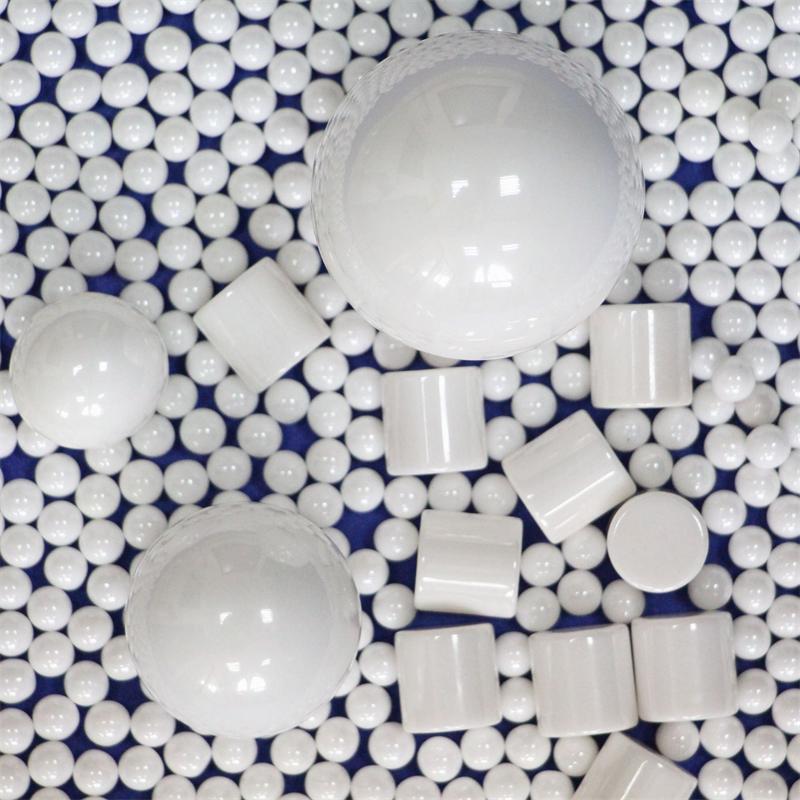
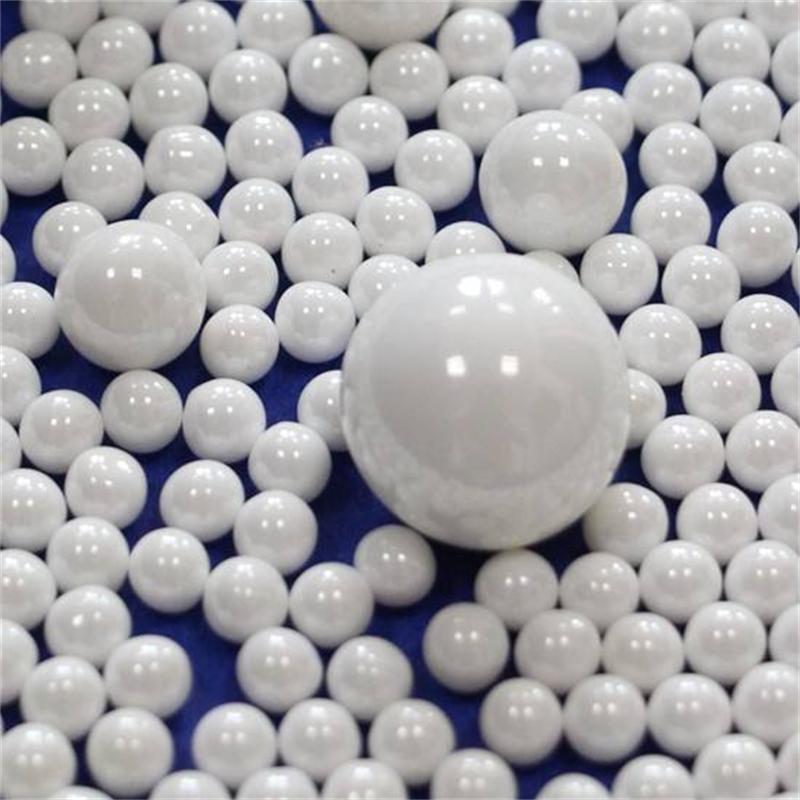
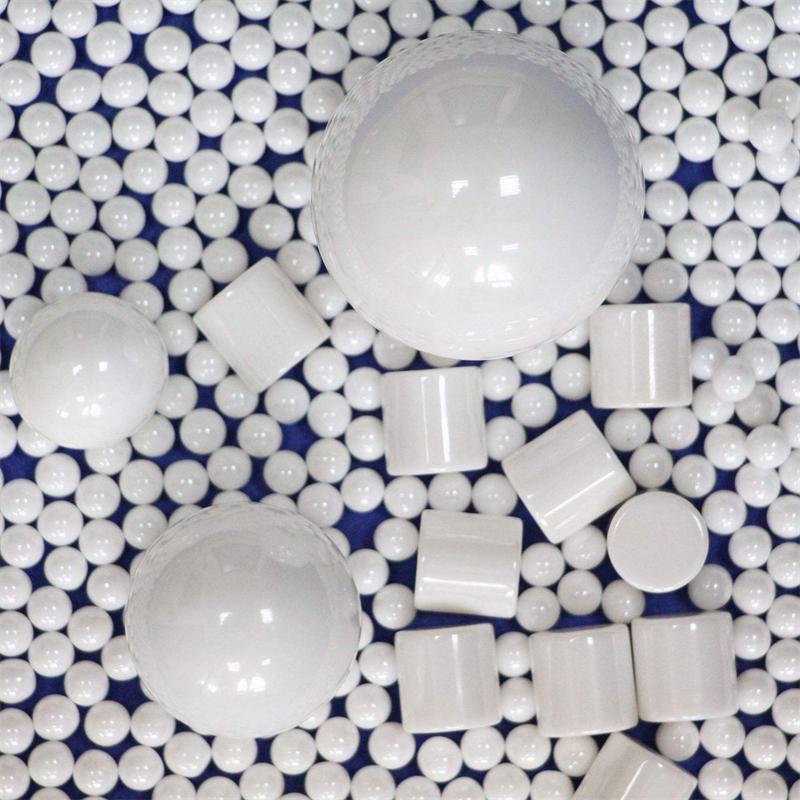
Spherical beads are the most common shape, available in diameters ranging from 0.05 mm to 50 mm. Cylindrical pellets are used in specific mill geometries, and custom shapes can be produced on request for specialised applications.
Common Diameter Ranges
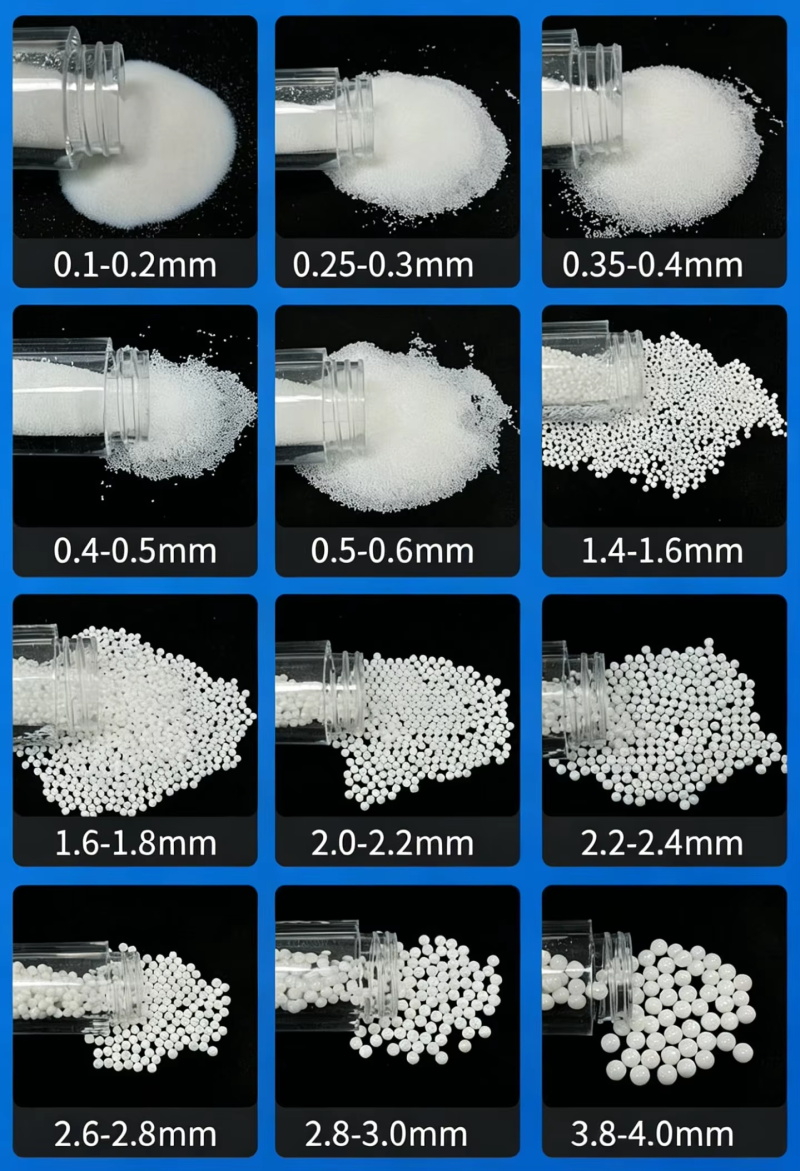
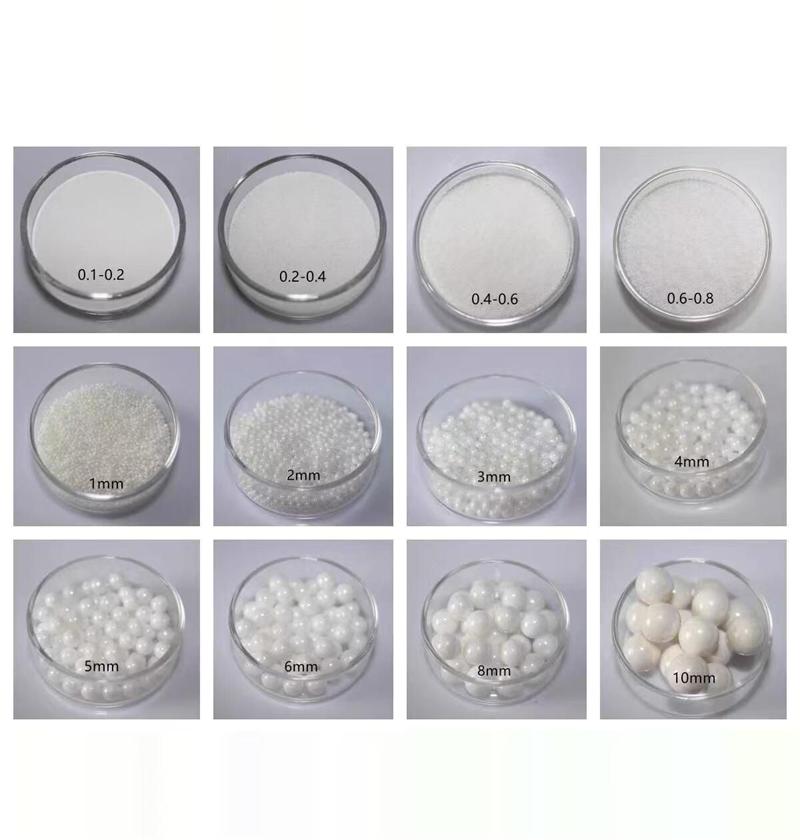
For grinding beads, diameters range from 0.05 to 0.1 mm up to 10 to 15 mm, with intermediate sizes commonly specified as size ranges such as 0.6 to 0.8 mm. Bearing balls are available from 1 mm to 50 mm, typically graded to G10 to G100 tolerances depending on ball diameter and application. Valve balls range from 5 mm to 50 mm, with surface finish requirements that are generally less stringent than those for bearing applications.
Typical Industries
The industries that commonly use zirconia beads include battery manufacturing, electronics and semiconductors, paints, coatings and printing inks, pharmaceuticals and biotechnology, food processing, aerospace and automotive for bearings, and chemical processing.
Important Selection Factors
Bead Size Selection
The correct bead size is determined by the target particle size and the mill type. As a general engineering guideline, smaller beads in the range of 0.05 to 0.3 mm are used for sub-micron and nano-grinding. Medium beads from 0.3 to 1.2 mm are suited for general fine grinding. Larger beads above 1.2 mm are used for coarse grinding and dispersion. Initial particle size, product viscosity, and mill operating conditions also influence size selection.
Stabiliser Type
Y-TZP offers the best balance of properties for most applications. Ce-TZP should be considered when maximum fracture toughness is required, when thermal shock resistance is critical, or when slightly lower hardness is acceptable.
Wear Rate
Low wear rate is essential in applications where product purity is paramount. Typical zirconia bead wear rates are below 0.5 ppm per hour under normal operating conditions.
Process Conditions
Factors to evaluate include operating temperature, pH of the slurry, mill speed and energy input, product abrasiveness, and required final particle size. When using zirconia beads for the first time in a new process, pre-grinding the beads in a slurry for approximately 30 minutes can condition the surface and improve performance. Regular bead replenishment is also required as wear inevitably occurs during operation.
Common Design Considerations
The mill filling ratio is typically 70 to 90% of the mill’s void volume, depending on bead size and mill type. Bead separation requires careful attention to ensure the appropriate screen or classifier mesh size is used to retain beads without blinding. Incompatible materials should be avoided; zirconia beads should not be used with products containing hydrofluoric acid. A bead replenishment schedule should be established by monitoring bead diameter reduction and replenishing as required to maintain process efficiency.
Frequently Asked Questions
What is the difference between zirconia beads and alumina beads?
Zirconia beads have higher density (6.0 g/cm³ versus 3.6 g/cm³ for alumina), greater fracture toughness, and significantly lower wear rates than alumina beads. This results in higher grinding efficiency and less product contamination, but at higher initial cost. Zirconia is the preferred choice for demanding applications requiring fine particle sizes and strict contamination limits.
Can zirconia beads be used in acidic environments?
Y-TZP and Ce-TZP beads are chemically stable in most acids, including hydrochloric, sulphuric, and nitric acids. They are not compatible with hydrofluoric acid or concentrated phosphoric acid at elevated temperatures. Always verify chemical compatibility with your specific process chemistry before selecting beads.
How do I choose the right bead size for my mill?
Bead size is determined by the target particle size, initial particle size, mill type, and slurry viscosity. A common engineering rule is to select beads 10 to 30 times the diameter of the target particle size for fine grinding. Smaller beads of 0.1 to 0.3 mm are used for nano-grinding, while larger beads of 1 to 5 mm suit coarser applications.
Are zirconia beads suitable for food and pharmaceutical applications?
Yes, high-purity Y-TZP beads are widely used in pharmaceutical and food processing due to their chemical inertness, low wear rates, and compliance with regulatory requirements for materials of construction. Specific pharma-grade products are available with verified documentation to support validation activities.
How long do zirconia grinding beads last?
Service life depends on operating conditions, but zirconia beads typically last 1000 to 5000 hours under normal process conditions. High-energy milling and abrasive products reduce service life. Regular monitoring of bead diameter and wear rates allows predictive replenishment scheduling.
What is the difference between Y-TZP and Ce-TZP?
Y-TZP, or yttria-stabilised zirconia, offers higher hardness and excellent wear resistance. Ce-TZP, or ceria-stabilised zirconia, provides higher fracture toughness and better thermal shock resistance, at the expense of slightly lower hardness. Selection depends on the relative importance of wear resistance versus impact resistance in your application.
Can zirconia balls be used in high-temperature applications?
Zirconia balls maintain strength up to approximately 800°C in oxidising atmospheres. Above this temperature, strength decreases due to grain growth and phase instability. For sustained high-temperature service, consider alternative ceramic materials such as silicon nitride or silicon carbide.
Zirconia ceramic bead balls represent a mature but continuously evolving engineering material that addresses the demanding requirements of modern manufacturing. Their combination of high density, exceptional hardness, outstanding fracture toughness, and chemical inertness makes them the grinding media of choice for advanced materials processing and a reliable solution for precision mechanical applications.
Successful application requires careful consideration of material grade, bead size, process parameters, and wear management. By understanding the fundamental material science and engineering principles outlined in this guide, engineers and technical professionals can optimise their processes, achieve superior product quality, and reduce operational costs through extended media life and reduced contamination. As process requirements become increasingly demanding—purer products, finer particle sizes, and more challenging operating environments—zirconia bead balls continue to demonstrate their value as a high-performance engineering solution.