Star-Shaped Through-Hole Silicon Carbide Ceramic Components
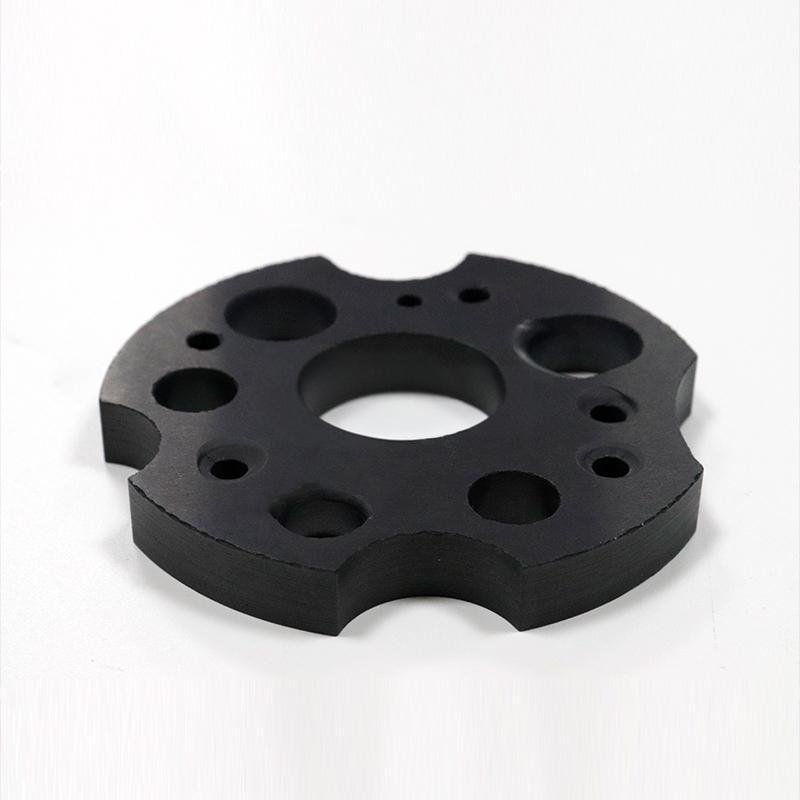
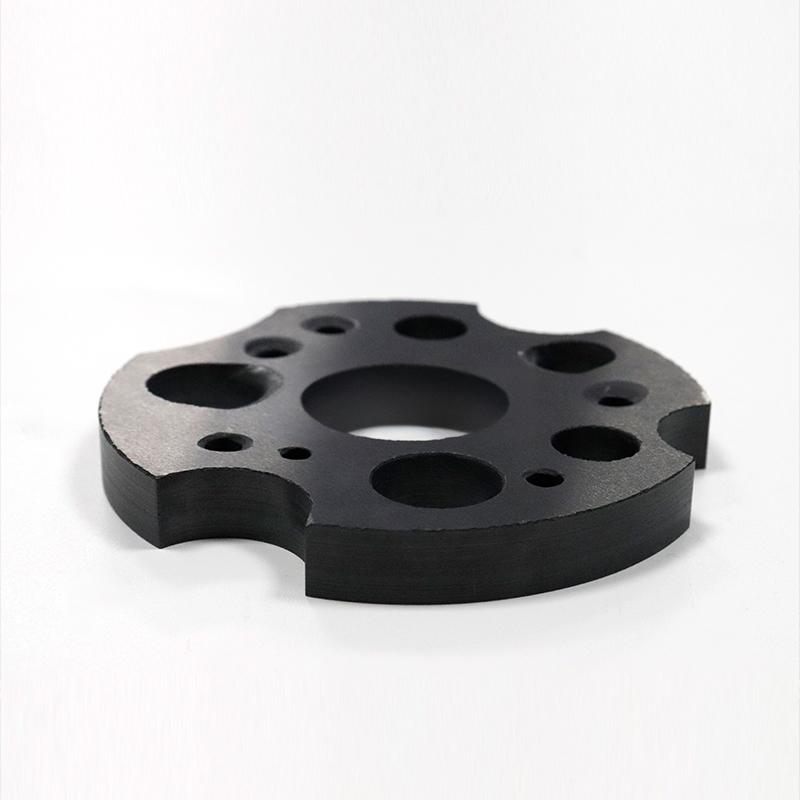
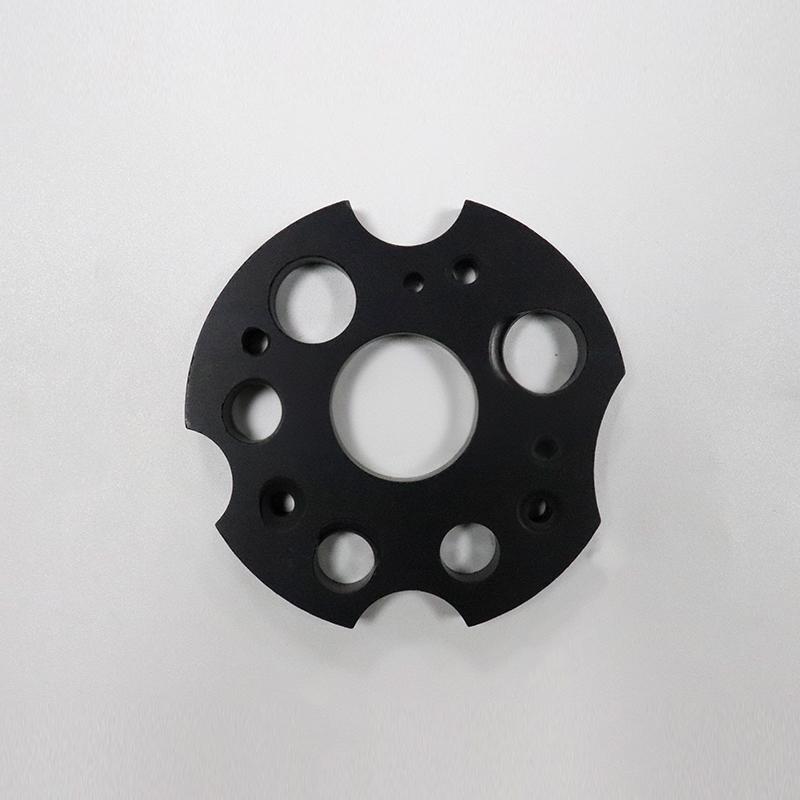
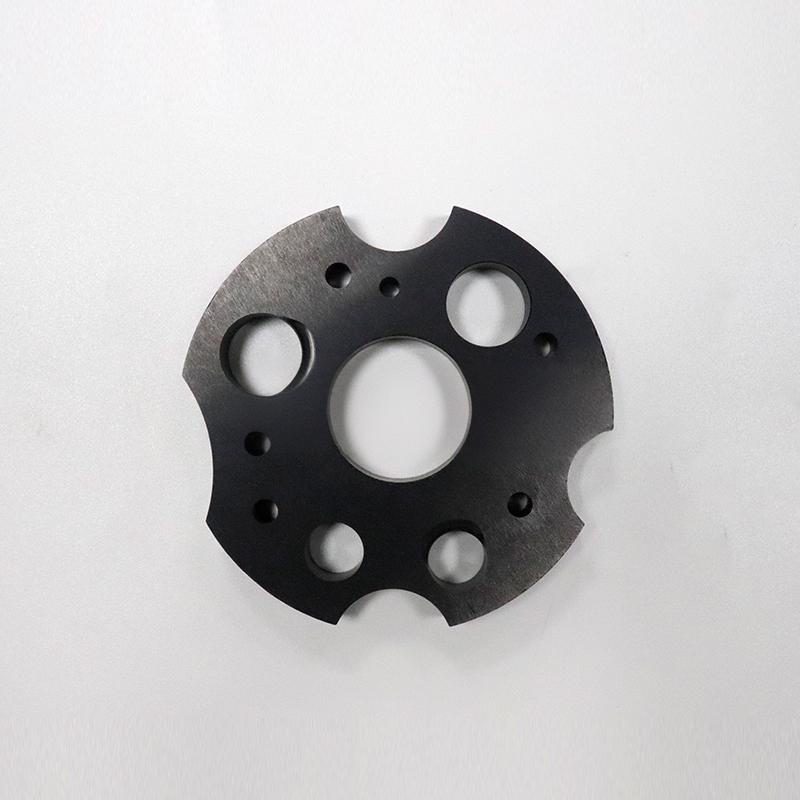
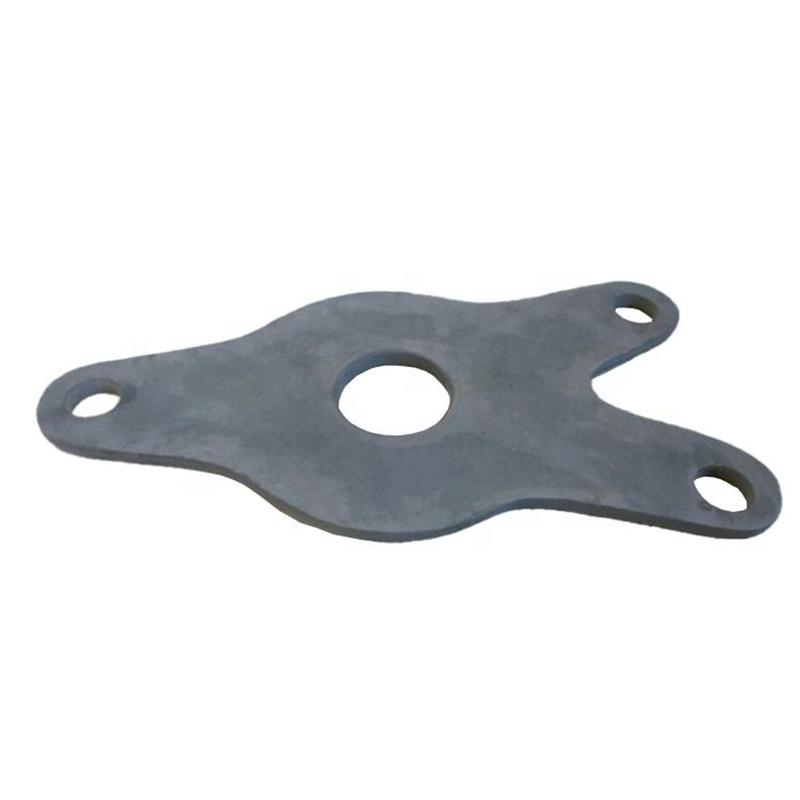
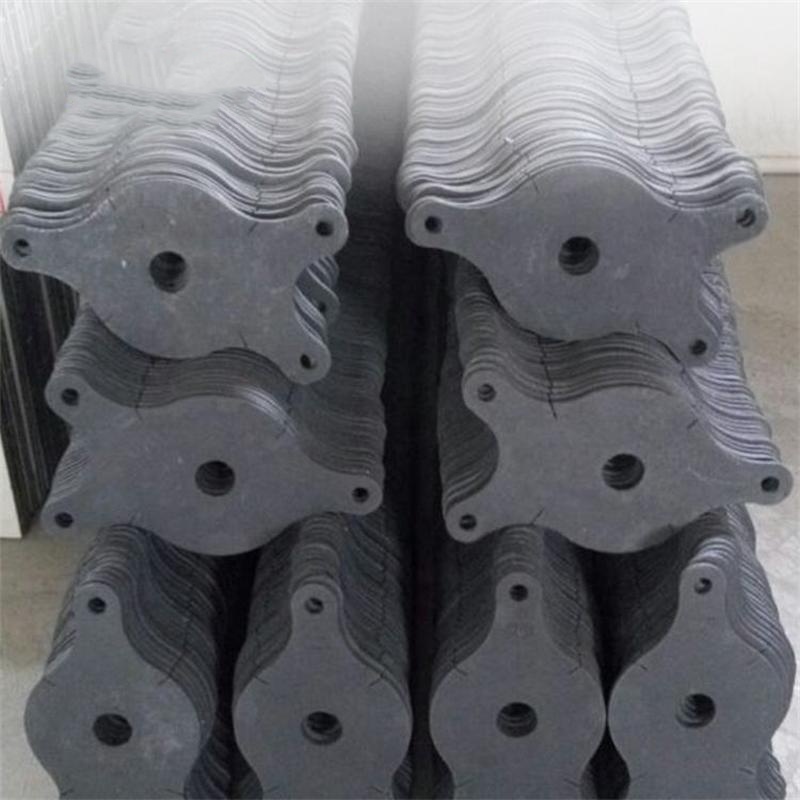
Star-shaped through-hole silicon carbide ceramic components are precision-engineered structural parts that combine the intrinsic performance of silicon carbide with a geometry optimized for fluid distribution, gas flow, thermal management, and mechanical fixation. The star-shaped profile increases peripheral surface area and creates multiple radial channels, while the through-holes allow controlled passage of fluids, gases, pins, fasteners, or cooling media. These components are typically considered when a ceramic part must provide high stiffness, wear resistance, thermal stability, and chemical inertness within a compact or geometrically active design.
What This Component Is
Silicon carbide is a non-oxide advanced ceramic composed primarily of silicon and carbon. It is known for its strong covalent bonding, which gives the material high hardness, high thermal conductivity, and excellent resistance to abrasion and chemical attack. A star-shaped through-hole component is not a standard catalog shape; it is usually produced by molding, pressing, extrusion, or near-net-shape forming followed by sintering and precision machining. The through-holes and star lobes must be designed with ceramic processing constraints in mind, because sharp internal corners, very small holes, and high aspect-ratio features can increase manufacturing difficulty.
Why Silicon Carbide Is Used for This Geometry
The value of a star-shaped through-hole design depends on the base material’s ability to maintain dimensional stability under demanding conditions. Silicon carbide retains strength at elevated temperatures and resists deformation better than many engineering ceramics. Its high thermal conductivity helps reduce localized hot spots, which is useful when the component interacts with flowing gases, liquids, or heated surfaces. The through-holes can serve as flow paths, alignment features, or mounting points, while the star-shaped outline improves surface engagement without requiring additional assembly parts.
Key Performance Characteristics
Silicon carbide components generally offer high hardness and wear resistance, making them suitable for sliding, abrasive, or erosive environments. Their compressive strength is high, though like all ceramics, they are brittle and sensitive to tensile stress concentration. Silicon carbide also shows good oxidation resistance at high temperature, forming a protective silica layer that helps limit further degradation.
Thermally, silicon carbide conducts heat significantly better than alumina, which makes it attractive for components involved in heat exchange, rapid heating, or thermal spreading. Electrically, its behavior depends on purity, doping, and processing route. Some grades behave as semiconductors, while others can be engineered for higher resistivity. Therefore, electrical performance should be confirmed for the specific grade rather than assumed.
Chemically, silicon carbide performs well in many oxidizing, acidic, and neutral environments. It is generally more resistant to harsh process media than many metals and polymers, but it can be attacked by strong alkalis and certain molten salts. Performance also varies between reaction-bonded silicon carbide, sintered silicon carbide, and liquid-phase sintered grades.
Typical Specifications and Grades
Common silicon carbide types include reaction-bonded silicon carbide, sintered alpha silicon carbide, and liquid-phase sintered silicon carbide. Reaction-bonded grades often have lower porosity and good dimensional control but may contain residual silicon. Sintered grades typically provide higher temperature capability and better chemical stability. Liquid-phase sintered variants can improve densification but may introduce grain-boundary phases that affect high-temperature behavior.
For star-shaped through-hole components, typical design parameters include lobe count, outer diameter, wall thickness, hole diameter, hole spacing, and surface finish. Tight tolerances are achievable, but they increase machining cost. Edge chamfers and fillets are recommended where possible to reduce stress concentration and chipping risk.
Typical Applications
This type of component is most suitable where geometry and material performance must work together. Possible applications include:
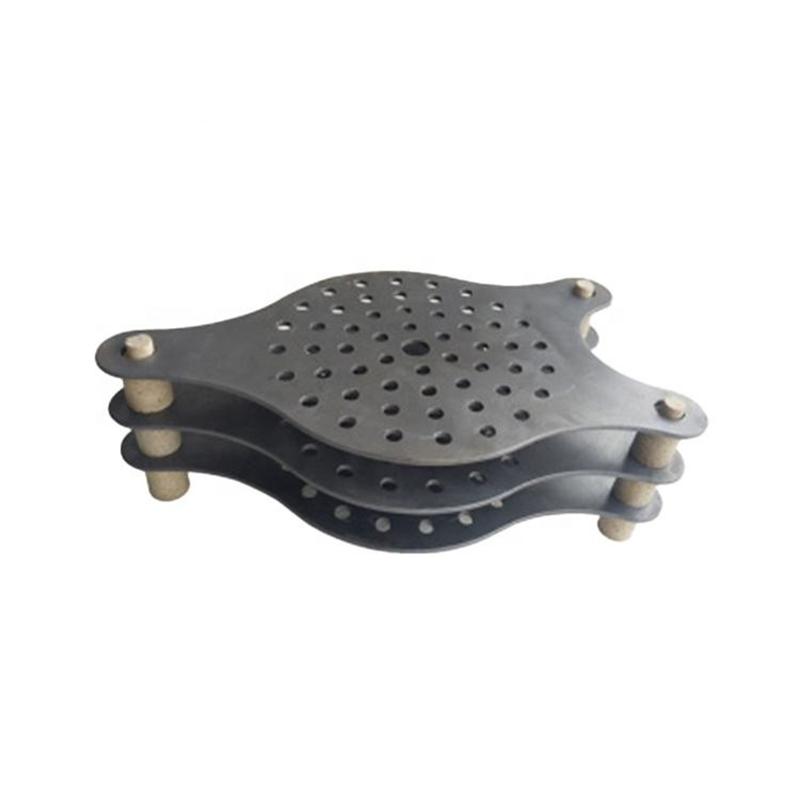
Flow distribution plates: The through-holes allow uniform gas or liquid passage, while the ceramic body resists corrosion and abrasion.
Thermal management inserts: High thermal conductivity helps spread heat in compact assemblies exposed to aggressive media.
Semiconductor and process equipment parts: Silicon carbide’s cleanliness, thermal stability, and wear resistance are valuable in demanding process environments.
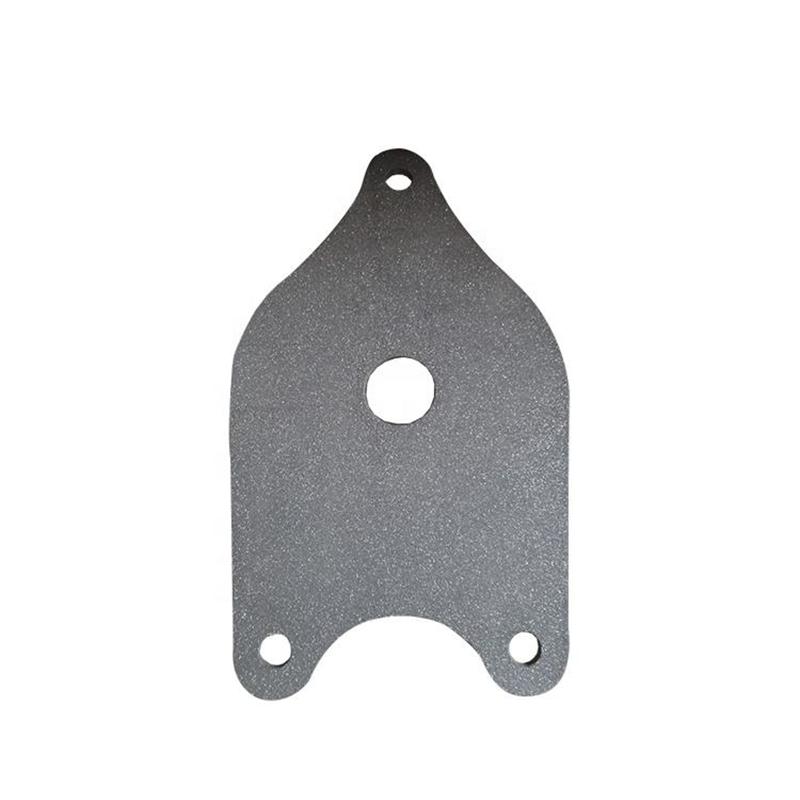
Mechanical alignment or indexing features: The star profile can provide rotational indexing, improved grip, or distributed contact points.
Wear-resistant guides or spacers: The material’s hardness supports long service life in abrasive or high-cycle applications.

Advantages
Silicon carbide offers a strong combination of mechanical, thermal, and chemical performance. Star-shaped through-hole components benefit from high wear resistance, good thermal conductivity, and stable dimensions at elevated temperature. The geometry allows multi-directional flow or contact without adding separate manifolds, spacers, or fastening elements. Compared with alumina, silicon carbide usually provides better thermal conductivity and higher thermal shock resistance. Compared with zirconia, it typically offers better high-temperature stability and chemical inertness, although zirconia may provide higher fracture toughness in some conditions.
Limitations and Selection Considerations
Silicon carbide is brittle and cannot tolerate large impact loads or uncontrolled tensile stress. The star-shaped outline and through-holes create stress concentrators, so design details such as corner radii, hole edge quality, and mounting preload must be carefully controlled. Machining silicon carbide is difficult and costly, especially for small or deep holes. Thermal shock resistance is good relative to many ceramics, but rapid temperature gradients combined with mechanical constraint can still cause failure.
Electrical behavior should not be generalized. If electrical insulation is required, silicon carbide may not be the best choice unless a specific high-resistivity grade is confirmed. In strongly alkaline or molten-salt environments, chemical compatibility must be verified. For applications dominated by toughness requirements rather than thermal or chemical performance, alumina or zirconia may be more appropriate.
When to Choose This Component
Star-shaped through-hole silicon carbide components are worth considering when the application involves high temperature, abrasive contact, corrosive media, or precise thermal management, and when the geometry itself contributes to flow control, alignment, or surface distribution. They are less suitable when high impact resistance, low-cost machining, or guaranteed electrical insulation is the primary requirement.
FAQ
What are star-shaped through-hole silicon carbide components used for?
They are used in applications that require durable ceramic parts with integrated flow paths, alignment features, or distributed surface contact, such as process equipment, thermal management assemblies, and wear-resistant fixtures.
Is silicon carbide electrically insulating?
Not necessarily. Electrical behavior depends on grade, purity, and processing. Some silicon carbide materials are semiconductive, so resistivity must be confirmed for the specific specification.
How does silicon carbide compare with alumina for these parts?
Silicon carbide usually provides higher thermal conductivity, better wear resistance, and superior thermal shock resistance. Alumina may be chosen when higher electrical insulation or lower cost is more important.
Can these components operate at high temperature?
Yes, silicon carbide generally retains strength and oxidation resistance at elevated temperatures. However, the maximum service temperature depends on the grade and whether residual phases are present.
What are the main design risks?
Sharp corners, small through-holes, uneven mounting forces, and impact loading can increase fracture risk. Fillets, controlled tolerances, and careful assembly are important.
Is custom geometry difficult to manufacture?
Complex shapes such as star profiles with through-holes are feasible but require precision ceramic processing. Manufacturing difficulty increases with tighter tolerances, smaller holes, and thinner walls.