Special Industrial Ceramic Shaped Parts
When a pump seal fails in a chemical plant, the root cause is often not the design but the material’s inability to survive the environment. Metals corrode. Polymers creep. But advanced ceramic shaped parts—engineered components made from high-performance inorganic materials—can withstand conditions that destroy conventional materials.
This guide provides engineers, designers, and procurement specialists with the technical foundation needed to understand, specify, and apply special industrial ceramic shaped parts. We focus on what makes these components unique, how they are manufactured, and how to select the right material for demanding applications.
Definition: What Are Special Industrial Ceramic Shaped Parts?
Special industrial ceramic shaped parts are precision-engineered components manufactured from advanced ceramics—materials such as alumina (Al₂O₃), zirconia (ZrO₂), silicon carbide (SiC), silicon nitride (Si₃N₄), and aluminum nitride (AlN). Unlike traditional ceramics (e.g., household pottery or bricks), these are designed for specific engineering functions where extreme heat, wear, corrosion, or electrical requirements exceed the capabilities of metals or polymers.
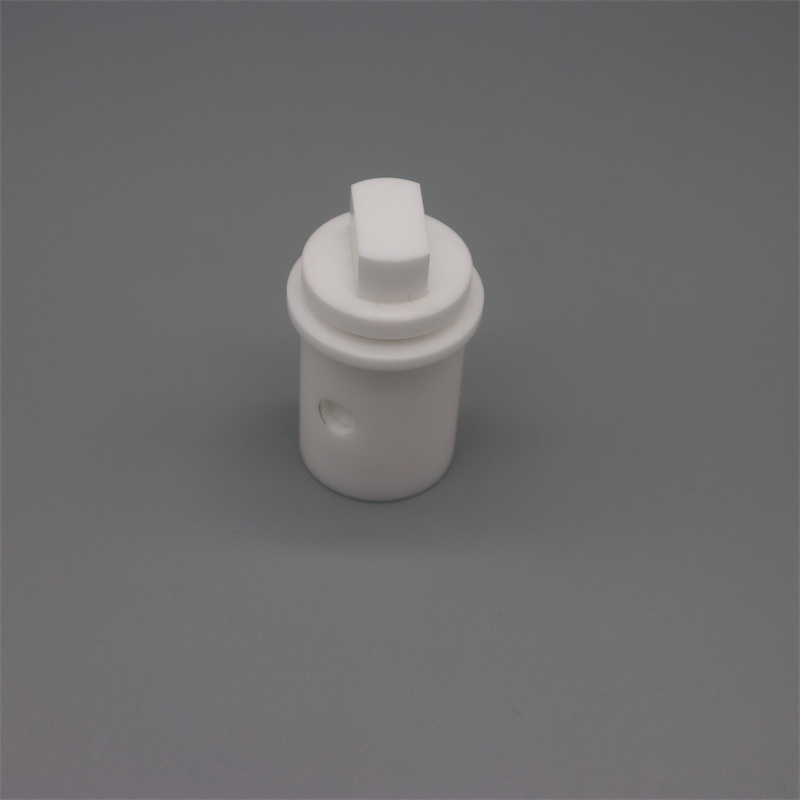
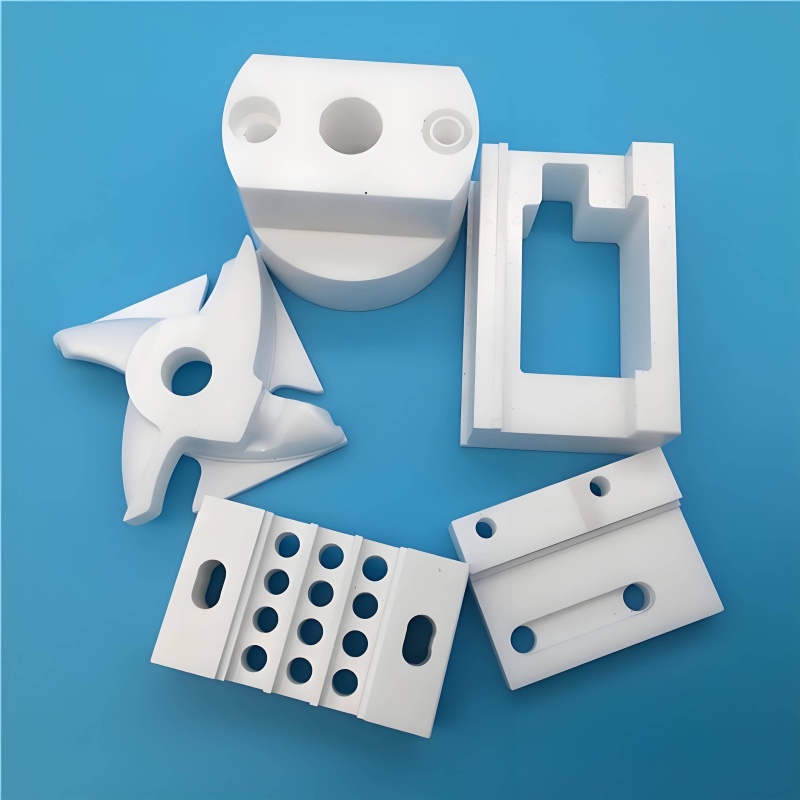
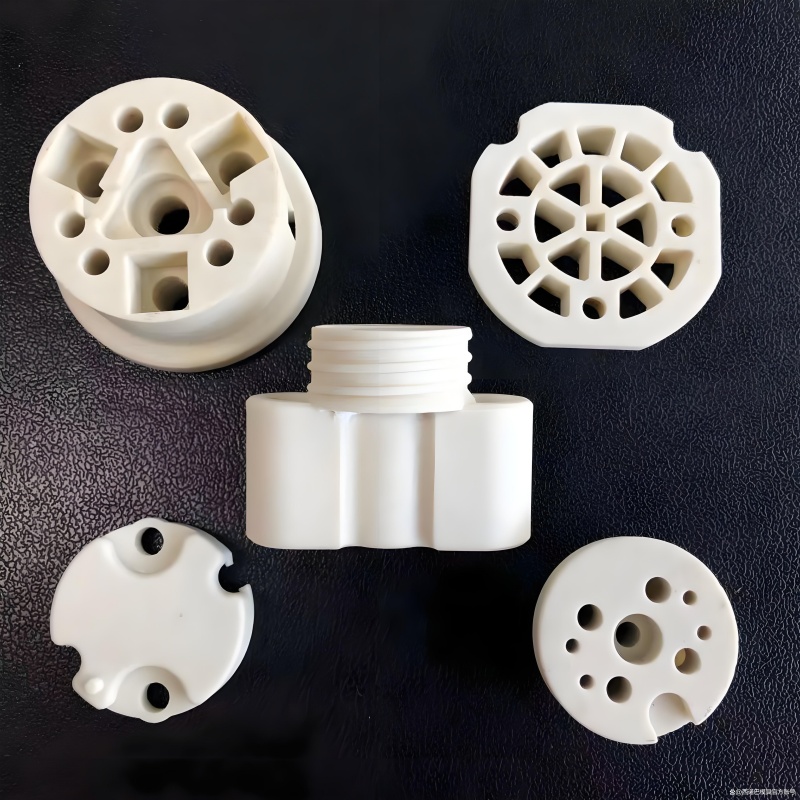
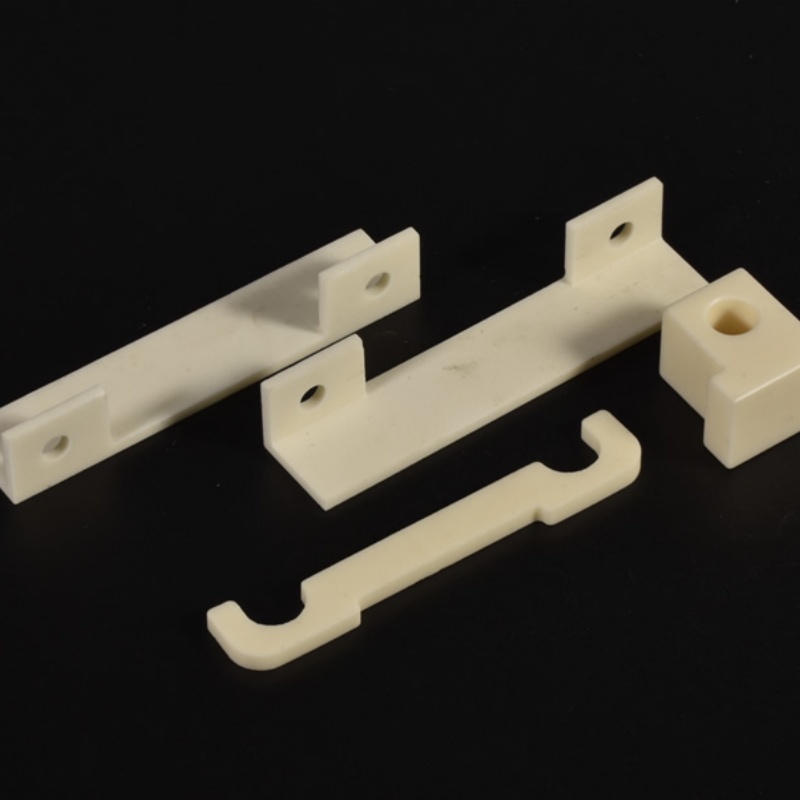
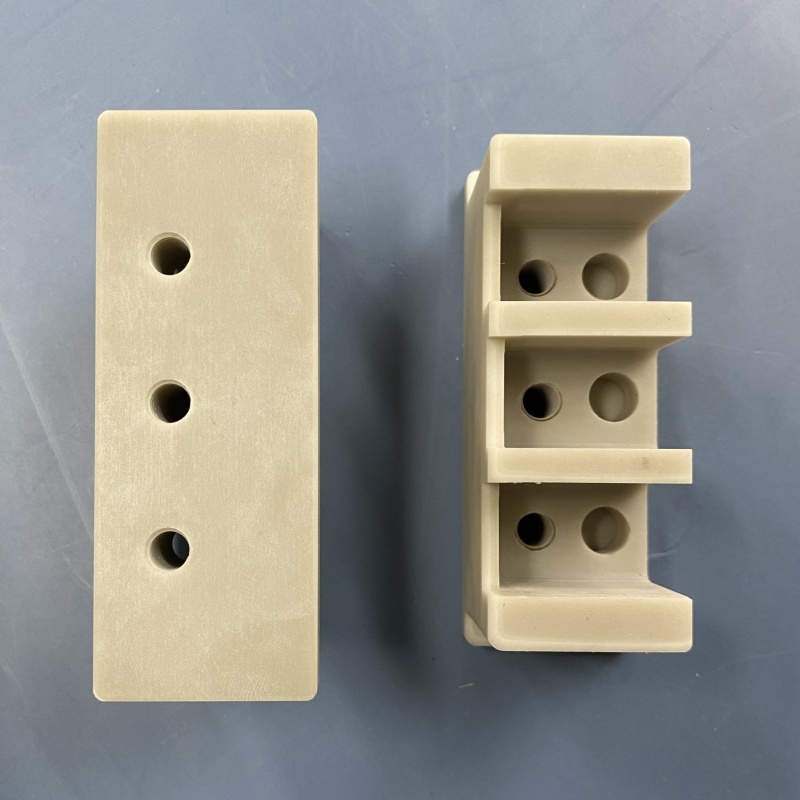
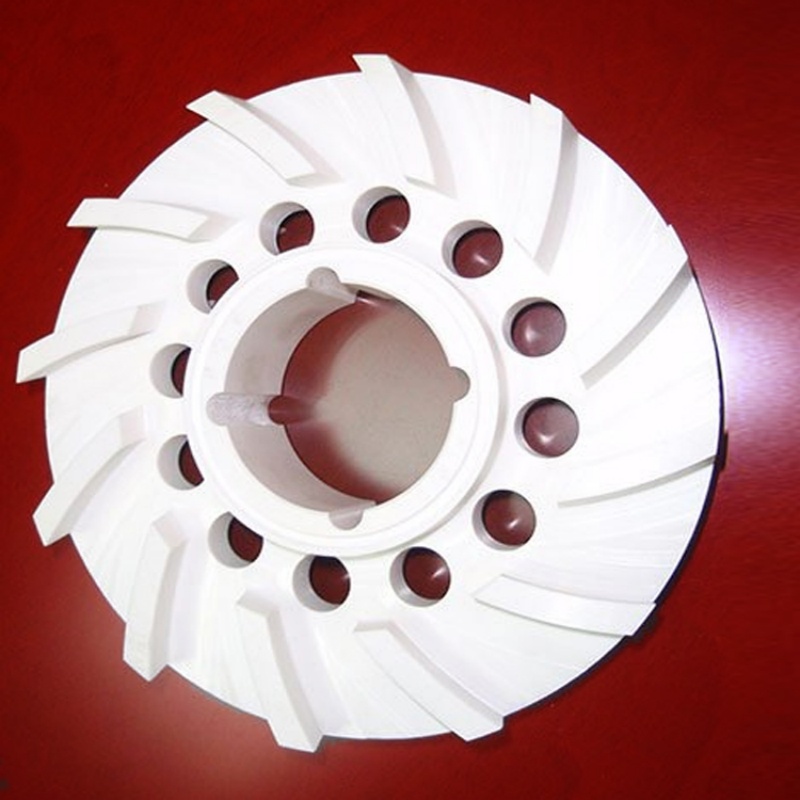
The term “shaped parts” distinguishes these components from standard forms like rods, tubes, or sheets. Shaped parts feature customized geometries—threads, grooves, tapers, flanges, holes, or complex contours—engineered to fit specific assemblies or perform precise functions.
These components are typically produced through near-net-shape forming processes, followed by sintering and precision diamond grinding to achieve final tolerances as tight as ±0.005 mm.
Key Properties That Make Special Industrial Ceramic Shaped Parts Valuable
Understanding why engineers choose ceramic shaped parts begins with their material properties. These characteristics dictate where and how these components perform.
Hardness and Wear Resistance
Advanced ceramics are among the hardest known materials. Alumina typically exhibits a Vickers hardness in the range of 1,600 to 1,800 HV, while zirconia falls between 1,100 and 1,300 HV. Silicon carbide is significantly harder, with values from 2,200 to 2,500 HV, and silicon nitride provides a balanced hardness of 1,400 to 1,700 HV.
This hardness translates directly to exceptional wear resistance, making ceramic shaped parts ideal for applications involving abrasive media, sliding contact, or high-velocity particle impingement. In many cases, ceramic components outlast hardened steel by factors of 5 to 20 times.
Fracture Toughness and Strength
While ceramics are hard, they are also brittle—this is the central engineering challenge. However, significant variation exists among ceramic materials.
Alumina (99% purity) offers flexural strength around 380 MPa and fracture toughness in the range of 4 to 5 MPa·m¹/². Zirconia-toughened alumina (ZTA) significantly improves toughness to approximately 7 to 9 MPa·m¹/² while achieving flexural strength of 650 to 800 MPa. Y-TZP zirconia stands out with flexural strength of 800 to 1,200 MPa and fracture toughness of 6 to 10 MPa·m¹/², making it the most damage-tolerant among oxide ceramics. Silicon nitride provides flexural strength between 700 and 1,000 MPa with toughness of 6 to 8 MPa·m¹/², while silicon carbide offers 350 to 550 MPa strength and 3 to 4 MPa·m¹/² toughness.
Zirconia and silicon nitride are selected when mechanical strength and impact resistance are primary concerns. Alumina, while less tough, offers a favorable balance of cost and wear resistance.
Thermal Properties
Ceramic shaped parts excel in high-temperature environments. Maximum working temperatures reach approximately 1,600°C for alumina, 1,650°C for silicon carbide, and 1,200°C for silicon nitride.
Thermal conductivity varies widely by material. Silicon carbide, with values from 80 to 160 W/m·K, outperforms many metals for heat dissipation and is often chosen for heat-exchange applications. Zirconia, by contrast, exhibits very low thermal conductivity (2 to 3 W/m·K), making it an effective thermal barrier material. Low coefficients of thermal expansion—for example, silicon nitride at approximately 3.2×10⁻⁶/K—provide excellent dimensional stability during thermal cycling.
Chemical and Corrosion Resistance
Advanced ceramics are chemically inert in most environments. They resist strong acids and alkalis (with the notable exception of hydrofluoric acid, which attacks silica-based ceramics), oxidizing and reducing atmospheres, molten metals and salts, and saltwater and chemical process streams. This inertness is why ceramic shaped parts are essential in chemical processing, oil and gas, and marine equipment.
Electrical Properties
Many advanced ceramics are excellent electrical insulators. Alumina and aluminum nitride provide dielectric strength exceeding 10 kV/mm, enabling applications in electronics, semiconductor equipment, and high-voltage systems. Aluminum nitride additionally offers thermal conductivity of 140 to 230 W/m·K while maintaining electrical insulation—a rare and valuable combination for power electronics packaging.
Advantages of Special Industrial Ceramic Shaped Parts
– Extended service life: Wear-resistant ceramics can increase component life by 5 to 20 times compared to metals in abrasive environments.
– Corrosion resistance: Eliminates the need for protective coatings or exotic metal alloys.
– Lightweight: Density ranges from 3.2 to 6.0 g/cm³ compared to steel at roughly 7.8 g/cm³, reducing inertia and centrifugal forces in rotating equipment.
– Dimensional stability: Low thermal expansion maintains tolerances across temperature swings.
– Non-magnetic and non-conductive (when specified): Enables use in magnetic resonance, semiconductor, and high-voltage applications.
– High-temperature capability: Many ceramics maintain strength above 1,000°C where superalloys soften.
Limitations to Consider
– Brittleness: Ceramics do not yield plastically; catastrophic failure can occur under tensile stress, impact, or thermal shock.
– Machining cost: Post-sintering diamond grinding is expensive and time-consuming.
– Design constraints: Sharp corners, abrupt section changes, and thin walls create stress concentrations and manufacturing difficulties.
– Tensile strength: Ceramics are significantly stronger in compression than tension.
– Fracture sensitivity: Surface defects, handling damage, or assembly misalignment can cause premature failure.
Common Applications of Special Industrial Ceramic Shaped Parts
Mechanical Seals and Pump Components
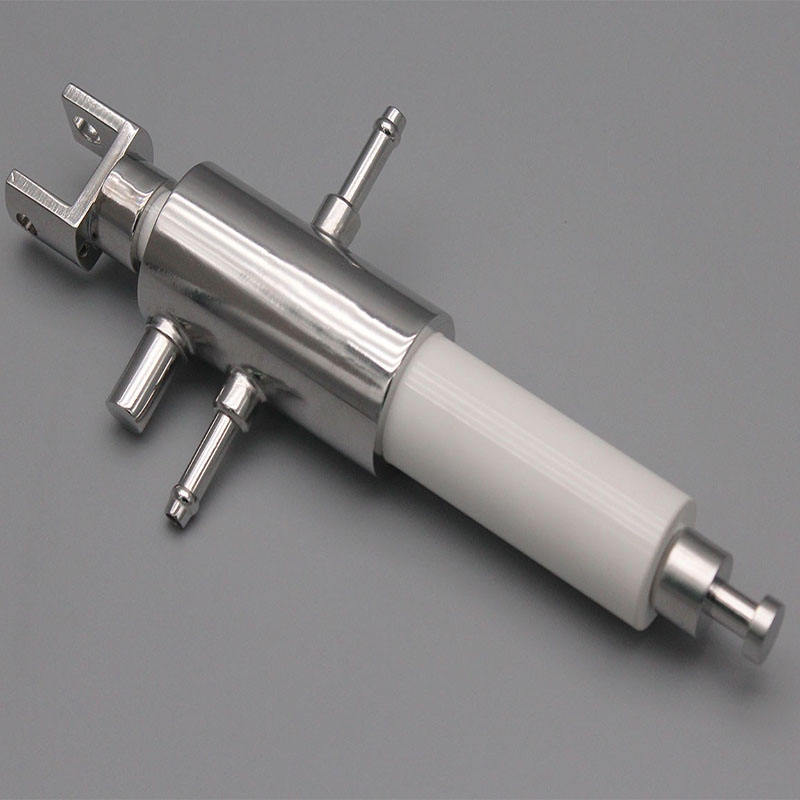
Ceramic seal faces, rings, and sleeves are standard in centrifugal pumps, mixers, and agitators where corrosion and abrasion threaten metal parts. Zirconia and alumina faces provide the low friction, high hardness, and chemical inertness needed for reliable sealing. One chemical transfer pump application reported stable leakage performance over 2,000+ hours after switching from alumina to ZTA rings.
Bearings, Bushings, and Precision Motion Components
Ceramic rolling elements (balls, rollers) and sleeves are used in high-speed spindles, aerospace actuators, and precision instruments. Advantages over steel include lower density (reducing centrifugal force), corrosion resistance, and non-magnetic properties.
Wear-Protection Linings
In chutes, hoppers, cyclones, and pneumatic conveying systems, alumina or silicon carbide tiles and custom-shaped wear plates protect equipment from abrasive particles. Modular ceramic lining systems simplify replacement and reduce unplanned downtime.
Semiconductor and Electronics Manufacturing
Alumina and aluminum nitride shaped parts are used as wafer handling components (end effectors, vacuum chucks), insulating platforms, and process chambers. The combination of high purity, electrical insulation, and thermal management is essential.
High-Temperature Furnace Hardware
Silicon carbide beams, kiln furniture, burner nozzles, and thermocouple protection tubes operate at temperatures above 1,400°C. The thermal shock resistance of SiC and silicon nitride is particularly valuable during furnace cycling.
Precision Gauges and Measurement Instruments
Wear-resistant ceramic gauge blocks, ring gauges, and plug gauges maintain calibration over long service lives because they resist the abrasion of repeated contact with metal workpieces.
Material Selection Considerations
Selecting the optimal ceramic material for a shaped part is not a one-size-fits-all decision. Key factors include:
Wear mode: Abrasion favors alumina or silicon carbide; sliding wear benefits from zirconia or silicon nitride; impact conditions demand zirconia or ZTA.
Operating temperature: Consider maximum temperature, thermal cycling rate, and temperature gradient. Silicon carbide and alumina excel at extreme steady-state heat; silicon nitride handles thermal shock better.
Chemical exposure: Evaluate pH, halogens, molten metals, or oxidizers present. Alumina and zirconia are broadly chemically resistant; silicon carbide oxidizes slowly above 1,100°C.
Mechanical loading: Assess compressive, tensile, bending, or rotational forces; static or dynamic. Ceramics handle compression well; avoid tensile designs.
Dimensional tolerance and surface finish: Required precision drives manufacturing method and cost.
Assembly constraints: Press-fit stresses, threading, or bonding requirements must be anticipated in the design phase.
A common engineering misstep is specifying the hardest material available without considering fracture toughness. For example, in a bushing application with minor shaft misalignment, zirconia or ZTA may outperform alumina because their higher toughness accommodates localized stress without spalling.
Manufacturing Methods: How Special Ceramic Shaped Parts Are Produced
Forming
Ceramic shaped parts begin as powder compacts that must approximate the final geometry to reduce subsequent machining. Common forming techniques include:
– Dry pressing: Used for simple shapes; economical for high-volume production.
– Cold Isostatic Pressing (CIP): Produces uniform density; parts are then green-machined to shape—a subtractive process that generates significant waste.
– F-Molding (Kyocera’s proprietary method): A near-net-shape casting process that reduces material waste, supports complex geometries, and allows small-volume runs with lower mold costs.
– Injection molding: Suitable for high-volume, complex shapes but requires expensive tooling.
– Additive manufacturing (3D printing): Binder jetting, stereolithography, and other methods are emerging for prototyping and low-volume production of complex ceramics.
Sintering
The shaped powder compact undergoes high-temperature firing (sintering) to achieve densification. Temperature ranges: alumina reaches approximately 1,600 to 1,700°C; silicon carbide requires around 2,000°C; zirconia sinters in the 1,450 to 1,550°C range. Sintering controls grain growth, final density, and mechanical properties. Pressure-assisted sintering (hot pressing) can achieve near-theoretical density exceeding 99% but requires simple part geometries; recent innovations using compressible molds enable near-net-shape hot pressing of variable-thickness parts.
Precision Machining (Post-Sintering)
Because ceramics shrink during sintering—typically 15 to 20% linear—final dimensions are achieved through diamond grinding, lapping, or polishing.
Diamond grinding typically achieves tolerances of ±0.02 to ±0.05 mm with surface finishes (Ra) of 0.4 to 1.2 µm. For higher precision, lapping and polishing can achieve tolerances as tight as ±0.005 mm with surface finishes down to 0.05 µm Ra.
Post-sintering machining is often the cost driver for ceramic shaped parts; near-net-shape forming minimizes this expense.
Typical Geometry Examples
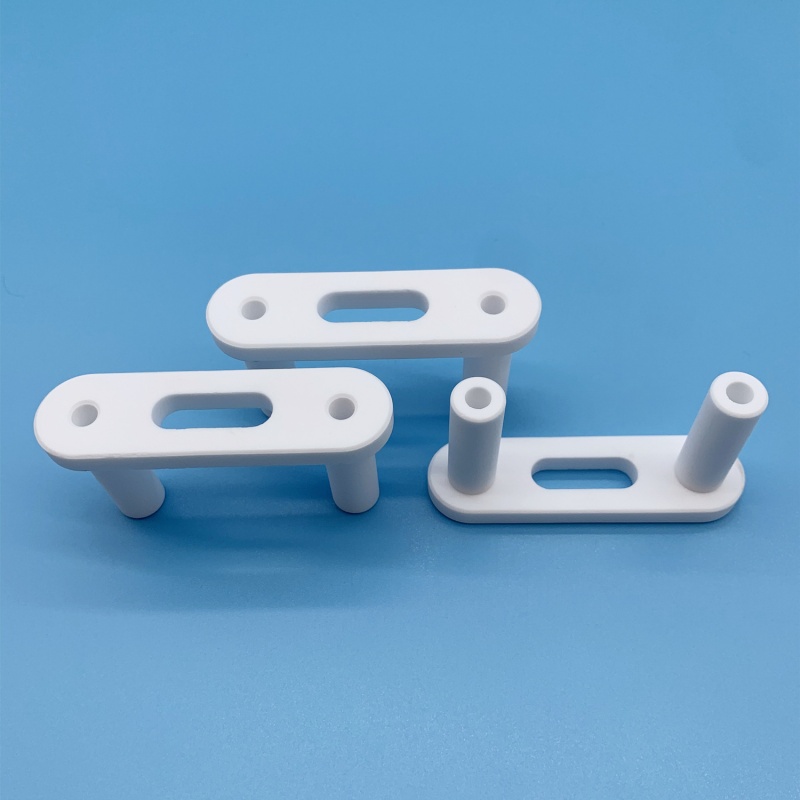
Special industrial ceramic shaped parts are available in a broad variety of configurations. Common examples include:
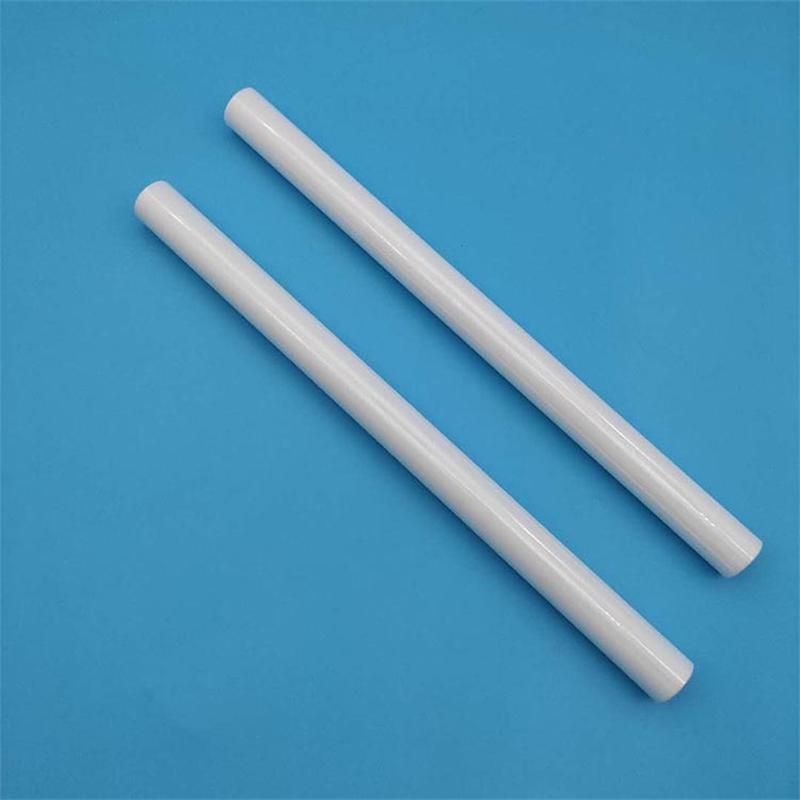
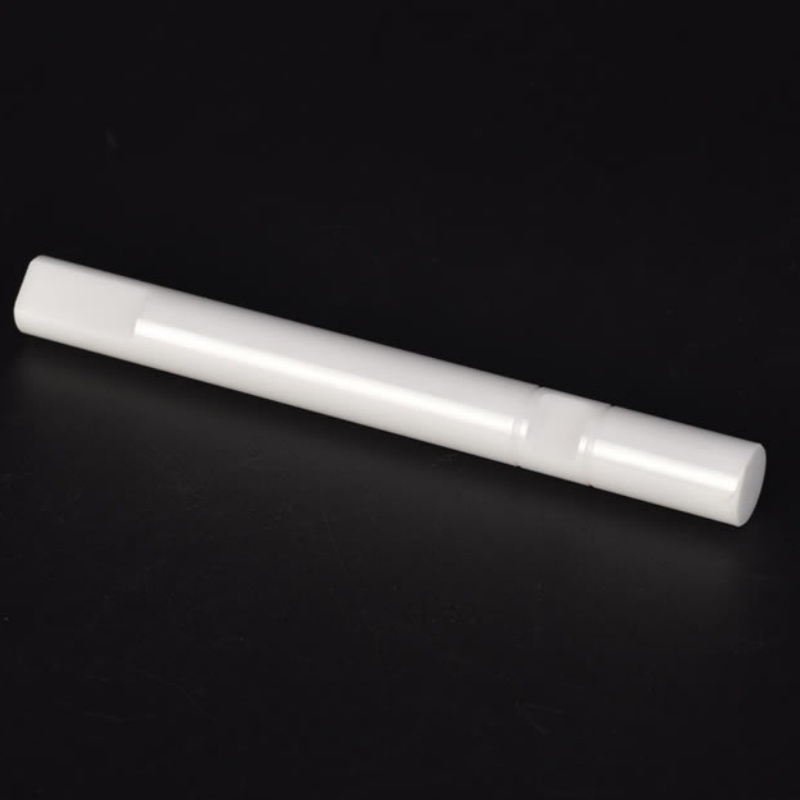
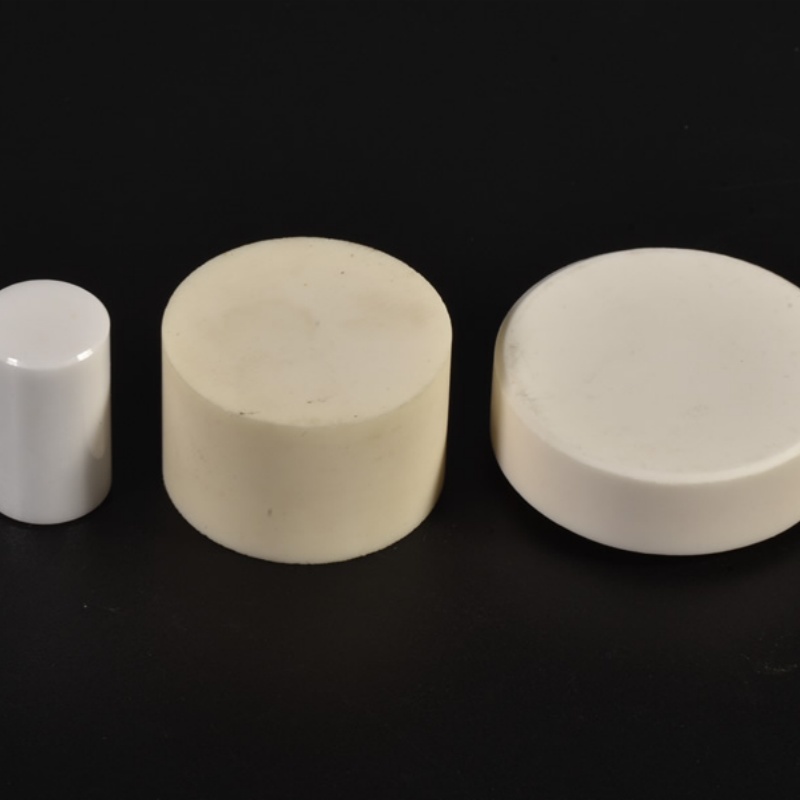
– Rods and shafts: Solid round, square, threaded, stepped, grooved, or tapered profiles for structural and motion applications.
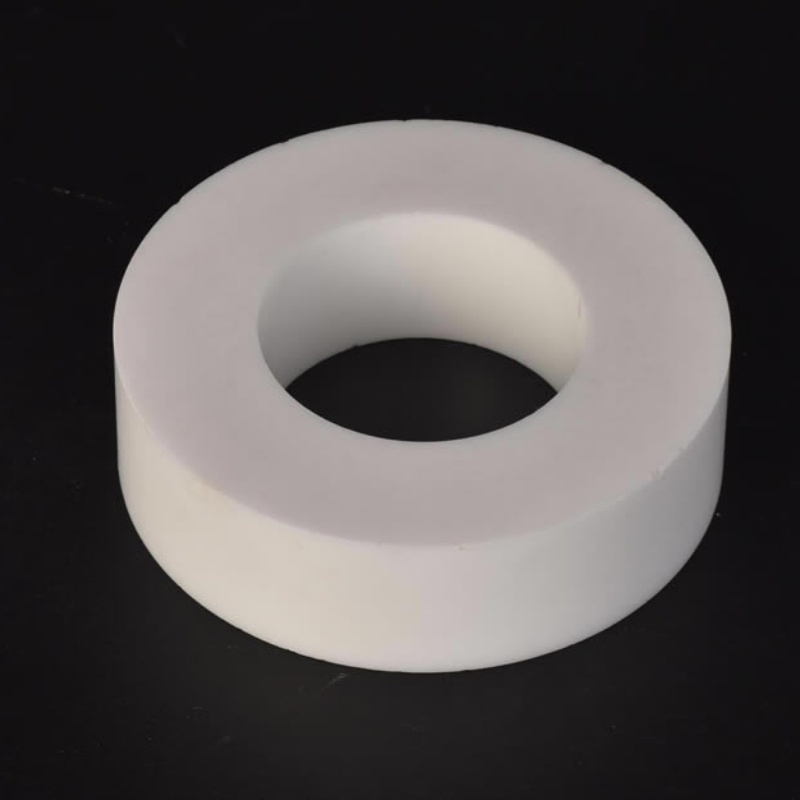
– Rings and sleeves: Cylindrical, flanged, stepped, or thin-walled sections for sealing, bearing, and lining functions.
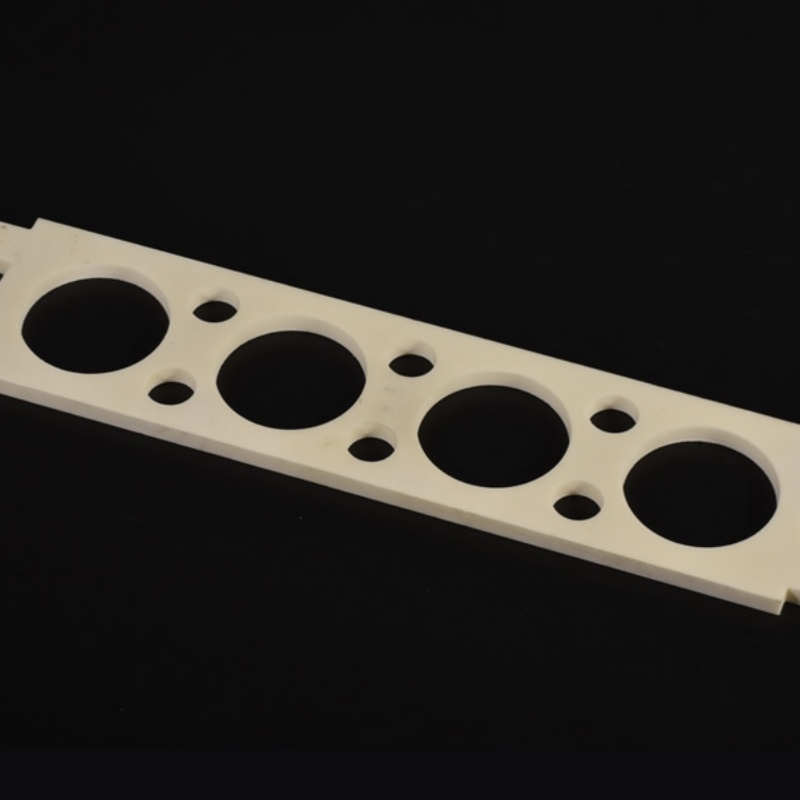
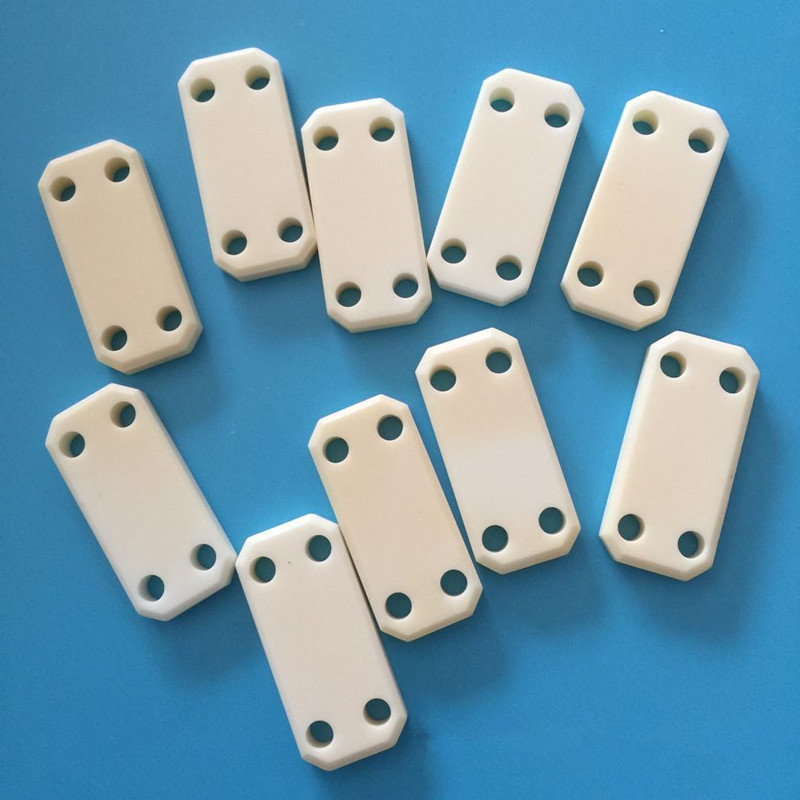
– Plates and discs: Rectangular, square, round, holed, or metallized designs for electronic mounting and furnace loading.
– Tubes and pipes: Single-channel and multi-channel (e.g., 7, 19, 37-bore) configurations for fluid/gas handling and filtration.
– Crucibles and boats: Tall-form, low-form, spouted, or D-shaped vessels for melting, analysis, and furnace processing.
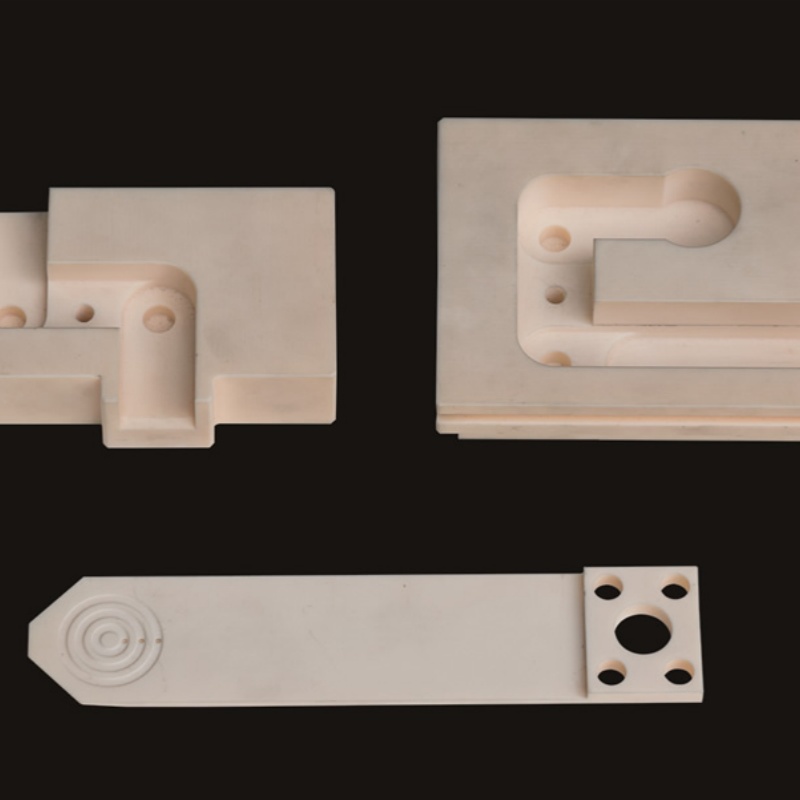
– Custom-machined parts: Components with holes, slots, threads, or precision contours based on engineering drawings.
Frequently Asked Questions
What materials are most commonly used for special industrial ceramic shaped parts?
Alumina (Al₂O₃), zirconia (ZrO₂), silicon carbide (SiC), silicon nitride (Si₃N₄), and aluminum nitride (AlN) are the most widely used. Alumina is the workhorse due to its balance of properties and cost. Zirconia offers the highest toughness. Silicon carbide excels in high-temperature and high-thermal-conductivity applications. Silicon nitride provides a combination of strength, toughness, and thermal shock resistance. Aluminum nitride is chosen for thermal management where electrical insulation is also required.
What tolerances are achievable for ceramic shaped parts?
With diamond grinding, tolerances of ±0.02 mm are routine, and ±0.005 mm is achievable for simple geometries. Surface finishes down to Ra 0.05 µm are possible with lapping and polishing. However, tight tolerances increase manufacturing cost and lead time significantly.
How does the cost of ceramic shaped parts compare to metal parts?
Ceramic parts generally cost more than standard metal parts due to raw material expense, sintering energy, and diamond machining. However, life-cycle cost analysis often favors ceramics because extended service life, reduced downtime, and eliminated corrosion/coating requirements offset the higher initial cost. Simple ceramic parts, such as alumina tubes, may be comparable in price to specialty alloys.
QAre ceramic shaped parts suitable for high-pressure environments?
Yes, but primarily in compression. Ceramic components like pump plungers, valve seats, and seal rings routinely operate at pressures exceeding 50 MPa. Design must avoid tensile stresses; compressive strength of alumina exceeds 2,000 MPa, far surpassing that of most metals.
Can ceramic shaped parts be threaded or have holes?
Yes, but post-sintering diamond grinding or ultrasonic machining is required. Threads and internal holes are expensive to produce and create stress concentrations; designs should simplify geometry when possible to reduce cost and risk. Some forming methods, such as F-Molding, can incorporate features prior to sintering.
How should ceramic shaped parts be handled to avoid damage?
Ceramics are susceptible to edge chipping and surface scoring. Use clean, padded handling surfaces. Avoid dropping or tapping parts together. Avoid sharp metal-to-ceramic edges during assembly. Use soft fixation, such as shims or compliant couplings, rather than rigid clamping.
What is the difference between oxide and non-oxide ceramics for shaped parts?
Oxides (alumina, zirconia) are stable in oxidizing atmospheres up to high temperatures and are generally easier to manufacture and less expensive. Non-oxides (silicon carbide, silicon nitride) have superior mechanical and thermal properties but require more complex processing, including pressure-assisted sintering, and may oxidize above approximately 1,100 to 1,200°C. Silicon carbide is an exception with excellent oxidation resistance.
Are special industrial ceramic shaped parts available for prototyping or small volumes?
Yes. Near-net-shape methods like F-Molding and additive manufacturing have reduced the entry cost for small volumes and complex geometries, avoiding the high tooling costs of injection molding or dry pressing.
Special industrial ceramic shaped parts are essential enablers for equipment that operates beyond the limits of conventional materials. Their hardness, chemical inertness, high-temperature capability, and dimensional stability are unmatched. However, they demand engineering diligence: brittle behavior, machining cost, and design constraints must be understood and accommodated.
For the practicing engineer, the path to success is clear: define the operating environment, quantify the failure modes, select the material family that balances wear resistance and toughness, design to minimize tensile stresses, and engage manufacturing partners early to align geometry with forming and machining capabilities.
When properly specified, ceramic shaped parts become not a cost item but a reliability investment—reducing maintenance, extending equipment life, and enabling process performance that metals cannot achieve.