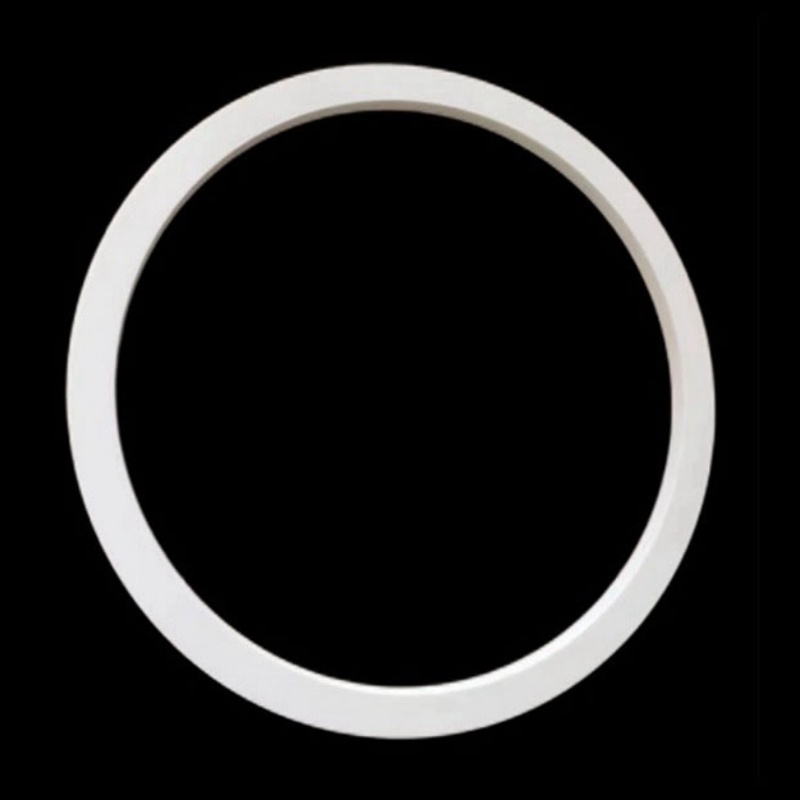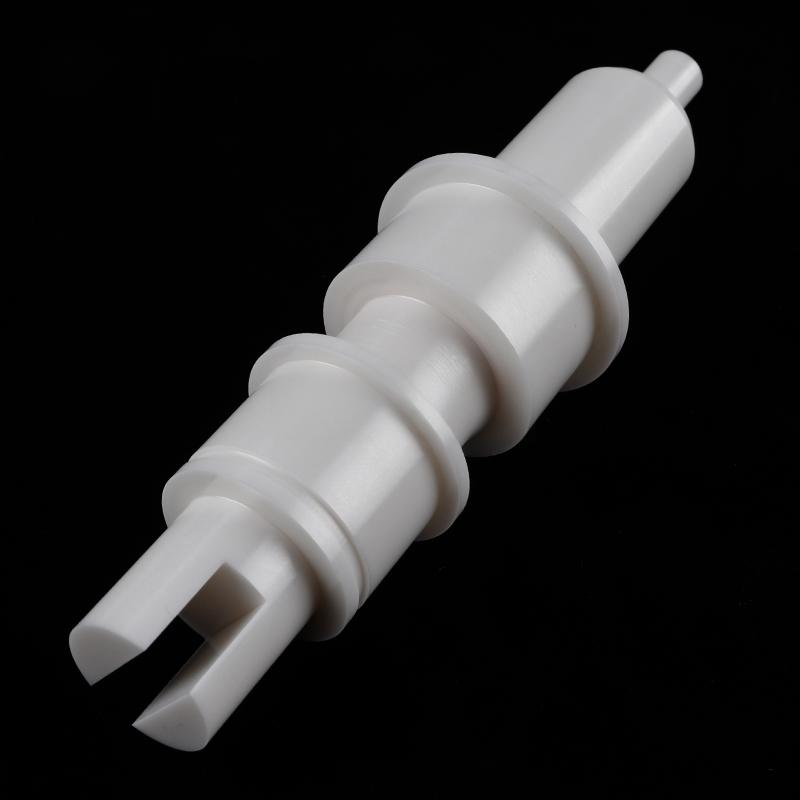
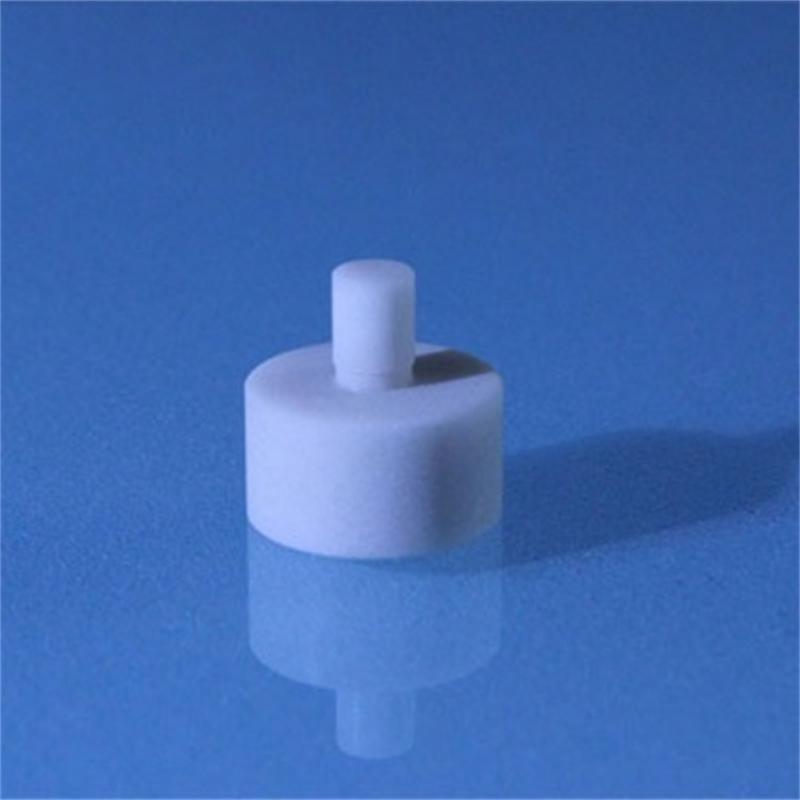
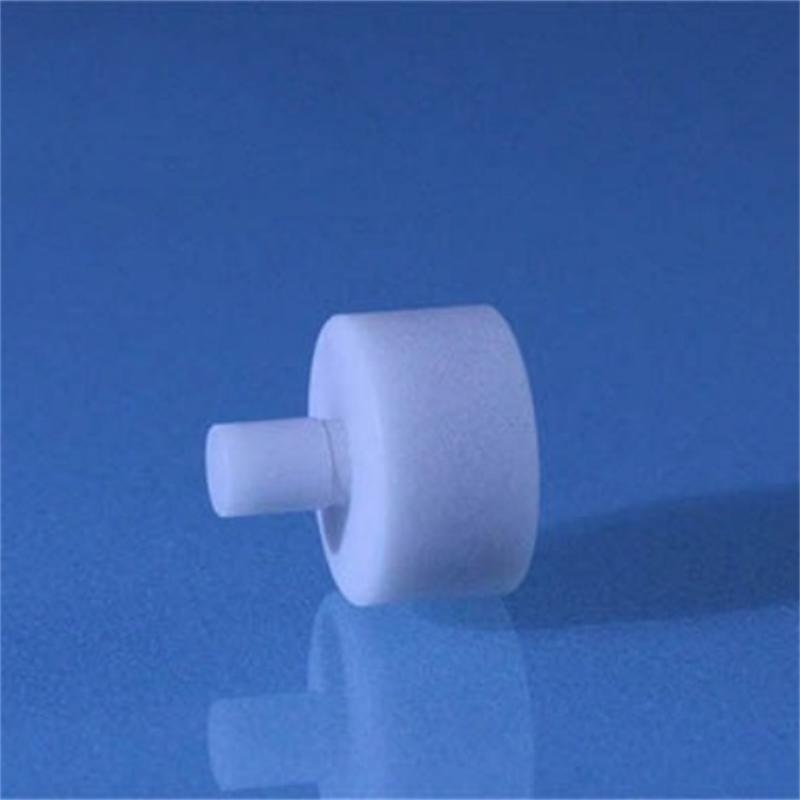
Smooth and Wear-Resistant Zirconia Ceramic Block Core
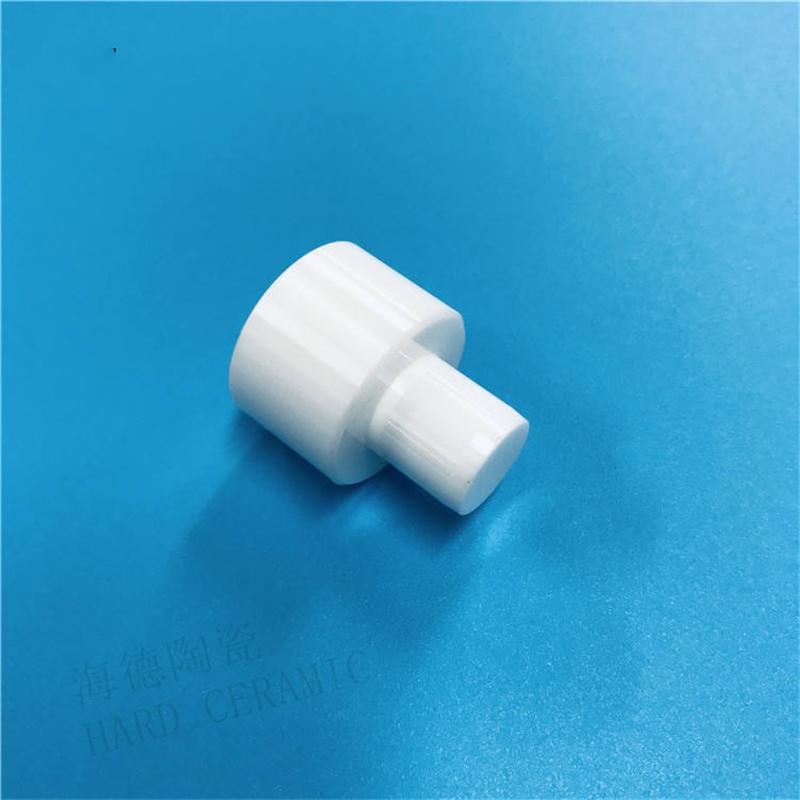
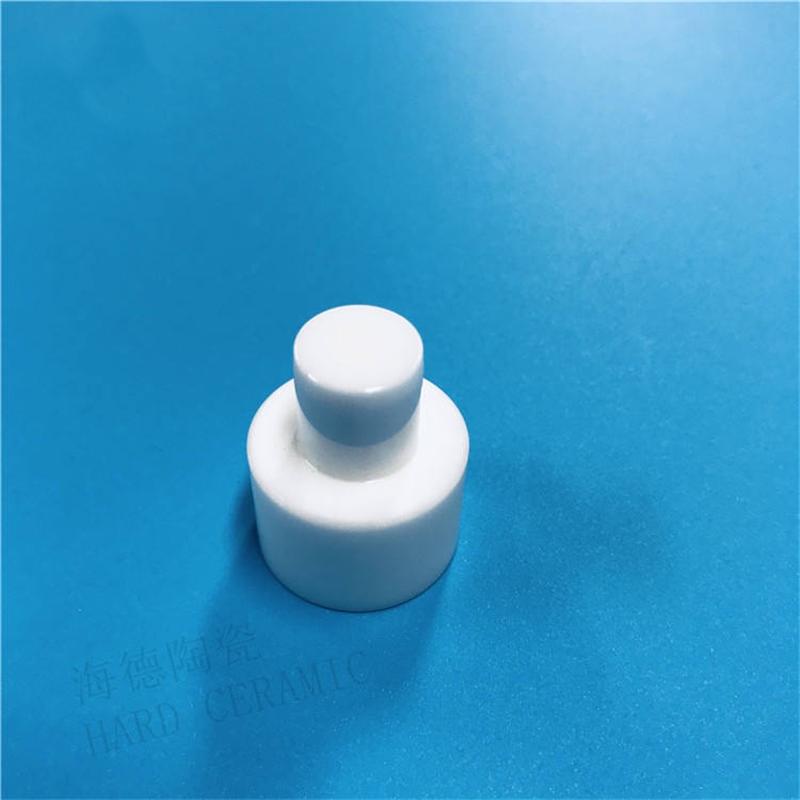
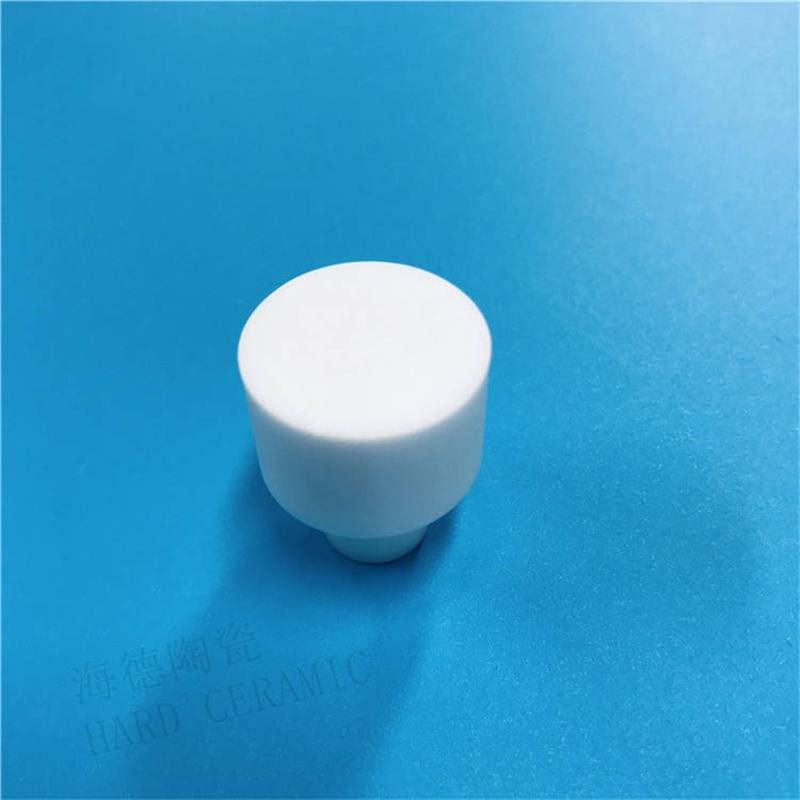
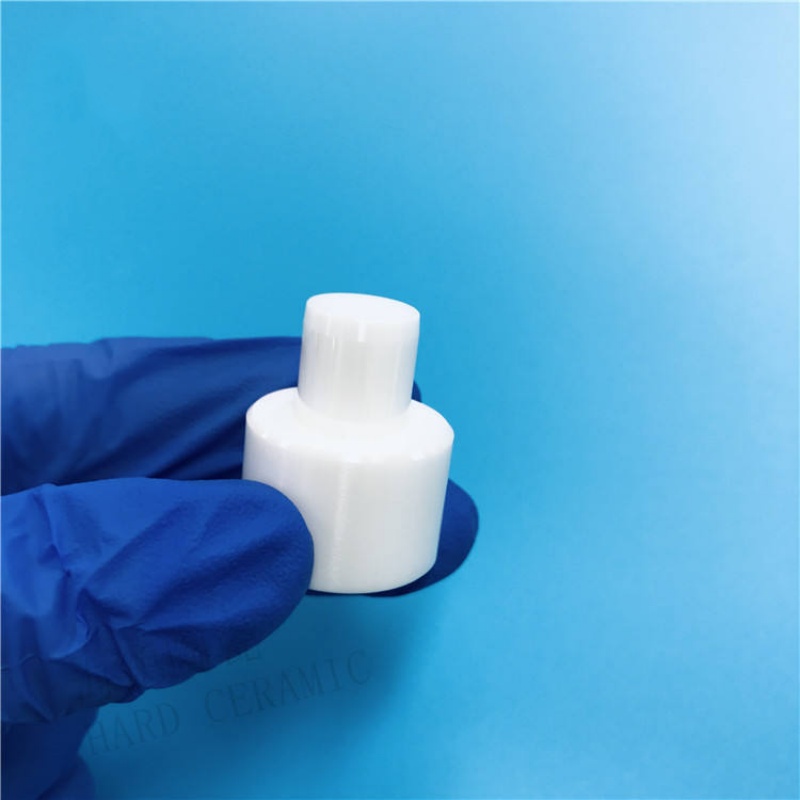
Smooth and wear-resistant zirconia ceramic block core is a high-performance engineering ceramic component made primarily from zirconium dioxide, typically stabilized with yttria or other oxides to retain its tetragonal or cubic crystal structure at service temperatures. It is valued in precision mechanical, fluid-handling, tribological, and advanced manufacturing applications where low surface roughness, high hardness, and sustained wear resistance are required.
Unlike ordinary oxide ceramics that rely mainly on hardness for wear resistance, zirconia benefits from transformation toughening. Under mechanical stress, metastable tetragonal grains near a crack tip can transform into a more stable monoclinic phase, producing a small volume expansion that compresses the crack and slows its propagation. This mechanism gives zirconia ceramic blocks higher fracture toughness than many other oxide ceramics, while still maintaining excellent hardness and dimensional stability after fine grinding or polishing.
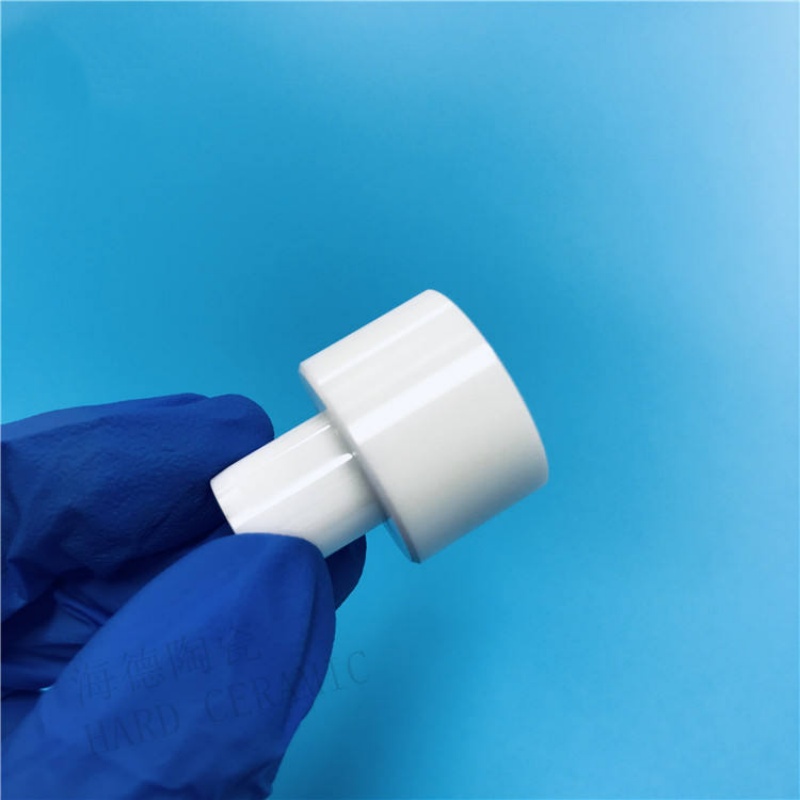
Why zirconia ceramic blocks can be smooth and wear-resistant
The wear resistance of a zirconia ceramic block core depends on several interacting factors. High hardness helps resist abrasive wear, while fine grain size and high relative density reduce the risk of grain pull-out and surface degradation. A smooth surface finish lowers friction and contact stress in sliding or rolling applications, which is especially important when the component operates against metals, polymers, seals, or other ceramics.
Surface quality is not an inherent material property alone; it is strongly influenced by machining, grinding, lapping, and polishing processes. A zirconia block that is sintered to near-full density and then finished to a low Ra value can perform significantly better in wear-critical applications than a coarser surface of the same nominal composition. However, achieving a very smooth surface adds manufacturing complexity, so surface requirements should be matched to actual functional needs.
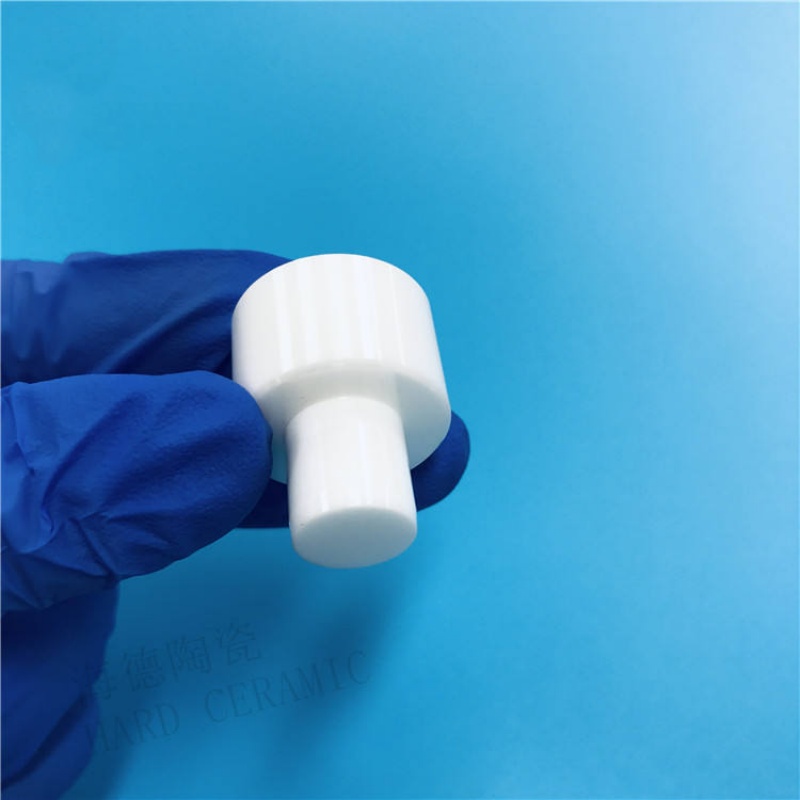
Key performance characteristics
Zirconia ceramic blocks typically offer high flexural strength, good fracture toughness for a ceramic, and strong resistance to abrasive and adhesive wear. Their density is higher than that of alumina, which can be advantageous in applications requiring inertial stability or vibration damping, but may be a limitation where weight reduction is critical.
Thermally, zirconia has relatively low thermal conductivity compared with alumina or silicon carbide. This can help reduce heat transfer in certain designs, but it also means that heat dissipation must be considered in high-speed sliding or high-friction environments. Zirconia generally shows moderate thermal shock resistance; it can tolerate some temperature change, but rapid heating or cooling combined with mechanical constraint may still cause cracking.
Electrically, zirconia is an insulator at room temperature. Its electrical behavior can change at elevated temperatures depending on composition, but for most mechanical and wear-resistant applications it is treated as a non-conductive ceramic. Chemically, stabilized zirconia shows good resistance to many neutral and mildly aggressive environments, though strong acids, alkalis, or high-temperature corrosive media should be evaluated case by case.
Common grades and specifications
The most widely used engineering zirconia is yttria-stabilized zirconia, often referred to as Y-TZP. Typical yttria contents are around 3 mol%, although other formulations exist for improved toughness, thermal stability, or aging resistance. Some grades incorporate small amounts of alumina or other oxides to refine microstructure and improve long-term reliability.
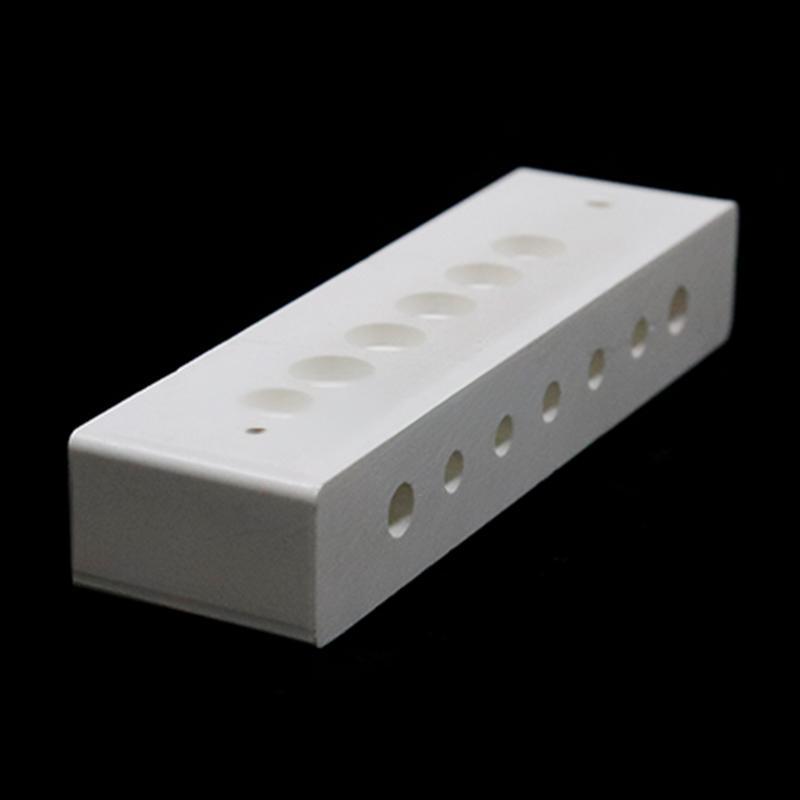
Zirconia ceramic blocks are available in various thicknesses, lengths, and tolerances depending on processing capability. Common engineering requirements include flatness, parallelism, hole positioning, edge chamfering, and controlled surface roughness. For wear-critical cores, surface finish, dimensional tolerance, and edge quality are often more important than nominal size alone.
Typical applications
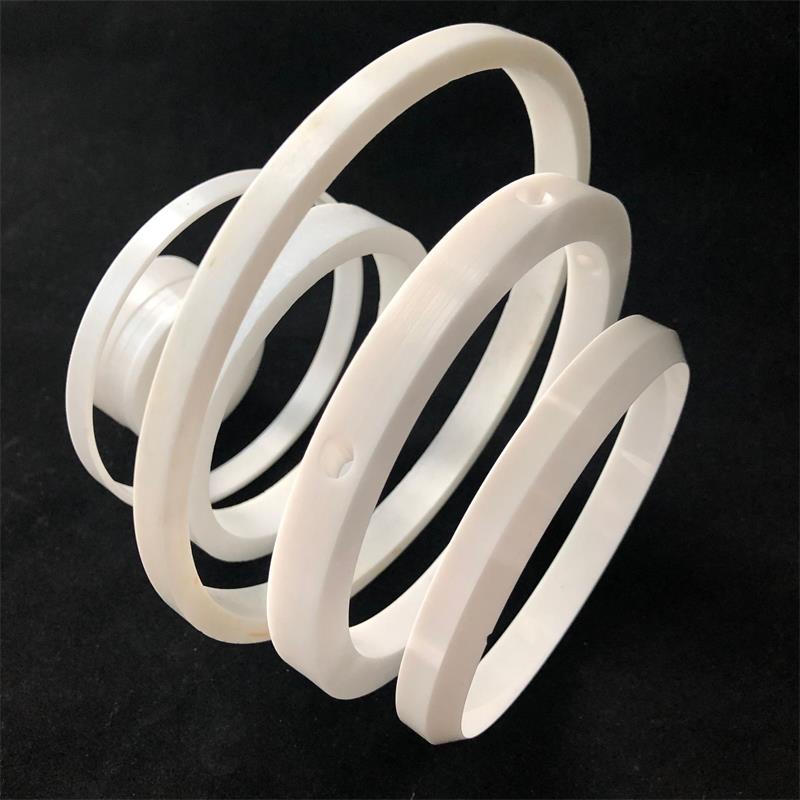
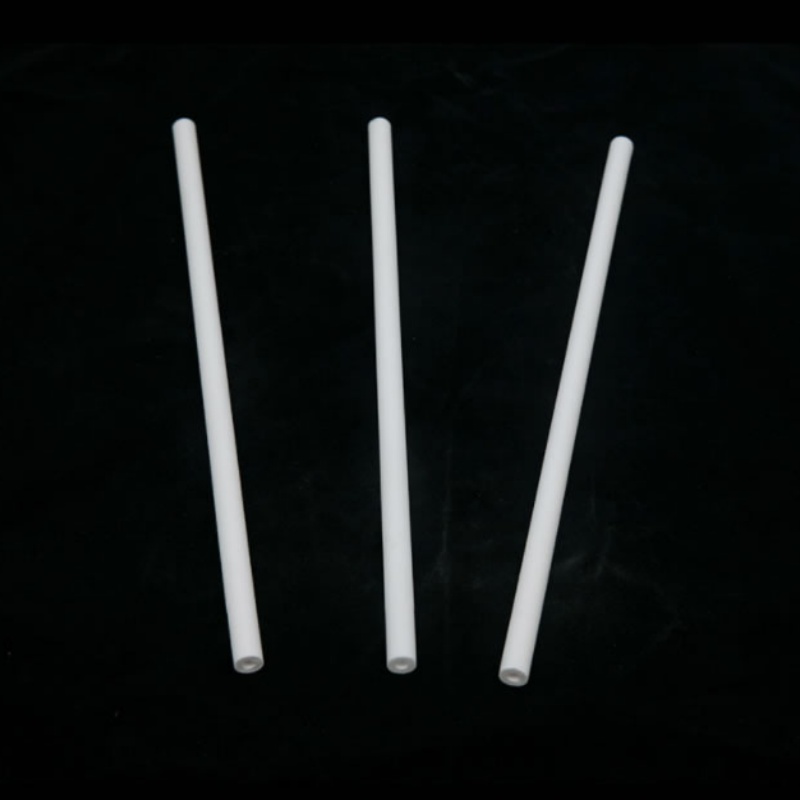
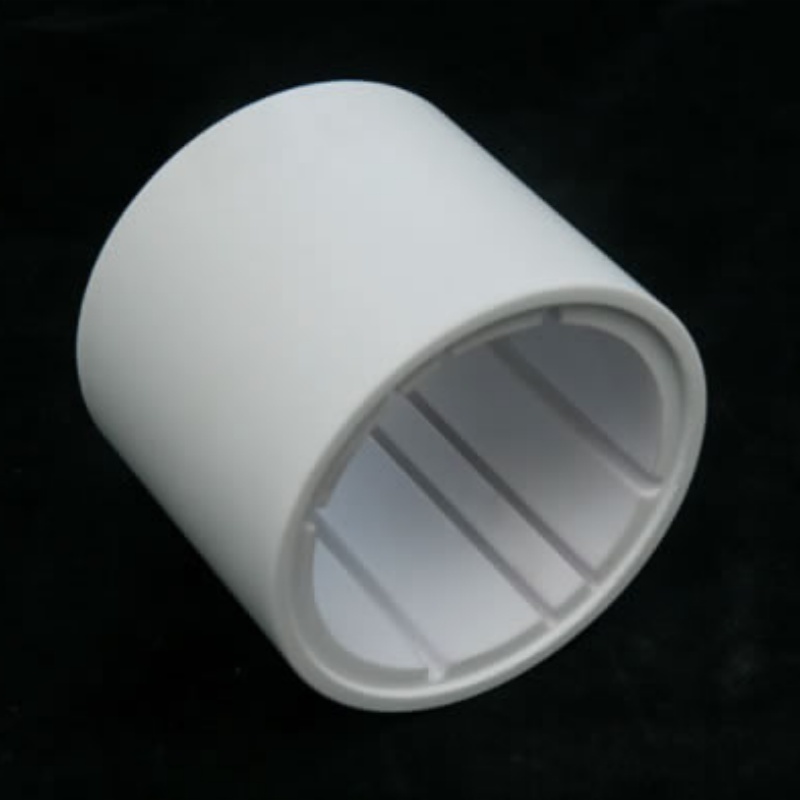
Smooth and wear-resistant zirconia ceramic block core is suitable where precision, durability, and low surface damage are required. Typical applications include:
Wear plates and guide blocks, where sliding contact demands low friction and long service life.
Sealing surfaces and valve components, where smoothness helps reduce leakage paths and surface wear.
Textile, wire-drawing, and film-handling guides, where a polished ceramic surface minimizes fiber or material damage.
Pump and fluid-contact wear parts, where chemical inertness and hardness improve reliability.
Precision fixtures and inspection blocks, where dimensional stability and wear resistance help maintain accuracy.
Semiconductor and automation equipment components, where cleanliness, non-metallic composition, and stable mechanical properties are advantageous.

Advantages
Zirconia ceramic blocks combine high hardness with relatively high toughness for a ceramic material. This makes them more resistant to edge chipping and localized contact damage than many brittle oxides. Their ability to be finished to a smooth surface also makes them suitable for applications where surface interaction directly affects performance, such as sealing, guiding, or sliding contact.
Compared with alumina, zirconia usually offers higher fracture toughness and flexural strength. Compared with silicon carbide, it is easier to achieve very smooth polished surfaces in some geometries, though silicon carbide may outperform it in high-temperature hardness, thermal conductivity, and certain corrosive environments.
Limitations and selection considerations
Zirconia is not a universal replacement for other ceramics. Its main limitations include sensitivity to low-temperature degradation in some humid environments, especially for certain 3Y-TZP grades. Long-term exposure to moisture at moderate temperatures can cause slow phase transformation in susceptible materials, potentially affecting surface integrity and mechanical properties. For such conditions, more stable zirconia grades or alternative ceramics should be considered.
Zirconia also has lower thermal conductivity than alumina and silicon carbide, so it is less suitable where rapid heat removal is required. Its higher density may be undesirable in lightweight assemblies. Machining and finishing zirconia after sintering is difficult, and tight-tolerance or mirror-finish surfaces increase processing cost. Designers should avoid sharp internal corners, excessive tensile loading, and unconstrained thermal gradients.
When to choose zirconia ceramic block core
Zirconia is a strong candidate when the application requires:
High wear resistance with good toughness.
A smooth, low-friction ceramic surface.
Good mechanical strength at room to moderately elevated temperatures.
Electrical insulation and non-metallic composition.
Resistance to abrasive contact without excessive brittleness.
When to consider other materials
Alumina may be preferred when cost, thermal conductivity, electrical insulation at higher temperatures, or simpler manufacturing are more important. Silicon carbide is often better for high-temperature wear, high thermal conductivity, or aggressive chemical environments. Silicon nitride can be considered for high-load rolling contact, thermal shock resistance, or demanding bearing-like conditions. The final choice should be based on load type, temperature, environment, surface finish requirements, and expected failure mode.
FAQ
What is a smooth and wear-resistant zirconia ceramic block core used for?
It is used in precision wear parts, guiding components, sealing surfaces, fluid-handling elements, and automation fixtures where high hardness, smooth surface finish, and reliable wear resistance are required.
What are its main advantages over alumina?
Zirconia generally provides higher fracture toughness and flexural strength, making it more resistant to edge chipping and contact damage. It can also be polished to very smooth surfaces for low-friction applications.
Does zirconia ceramic conduct electricity?
At room temperature, stabilized zirconia is electrically insulating. Its electrical behavior may change at very high temperatures depending on composition, but it is commonly used as a non-conductive ceramic in mechanical applications.
Is zirconia suitable for high-temperature applications?
Zirconia can operate at elevated temperatures, but it is not as thermally conductive as alumina or silicon carbide. For continuous high-temperature wear, thermal shock, or aggressive environments, material grade and operating conditions must be carefully evaluated.
What are the main limitations of zirconia ceramic blocks?
Potential limitations include sensitivity to low-temperature degradation in certain humid environments, lower thermal conductivity than some other ceramics, higher density, and higher finishing cost for very smooth surfaces.
How does zirconia compare with silicon carbide for wear applications?
Zirconia offers higher toughness and good polishability, while silicon carbide typically provides higher hardness at elevated temperatures, better thermal conductivity, and stronger chemical resistance. The better choice depends on temperature, load, environment, and surface requirements.