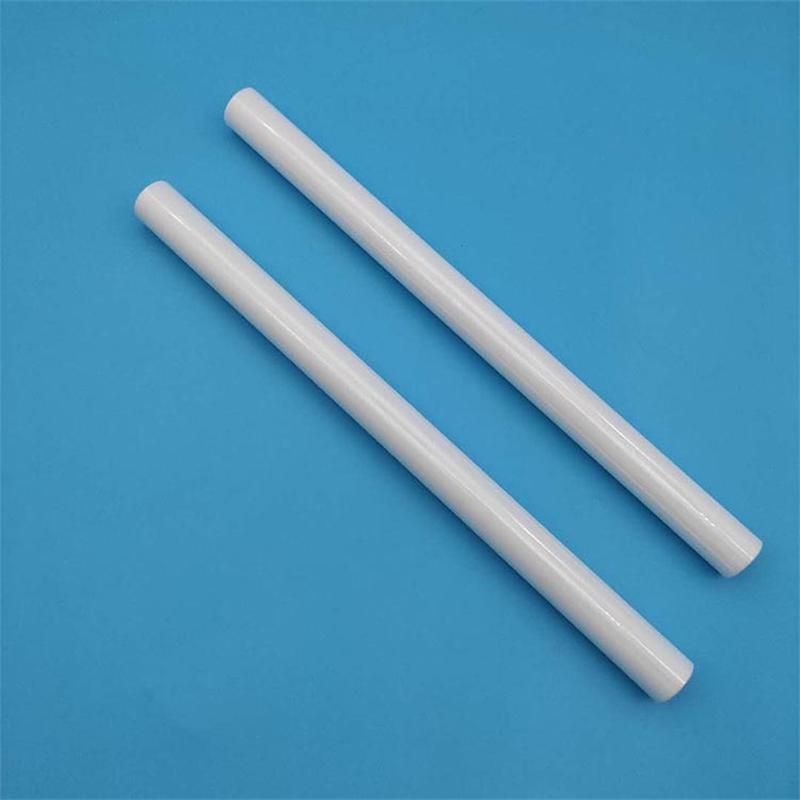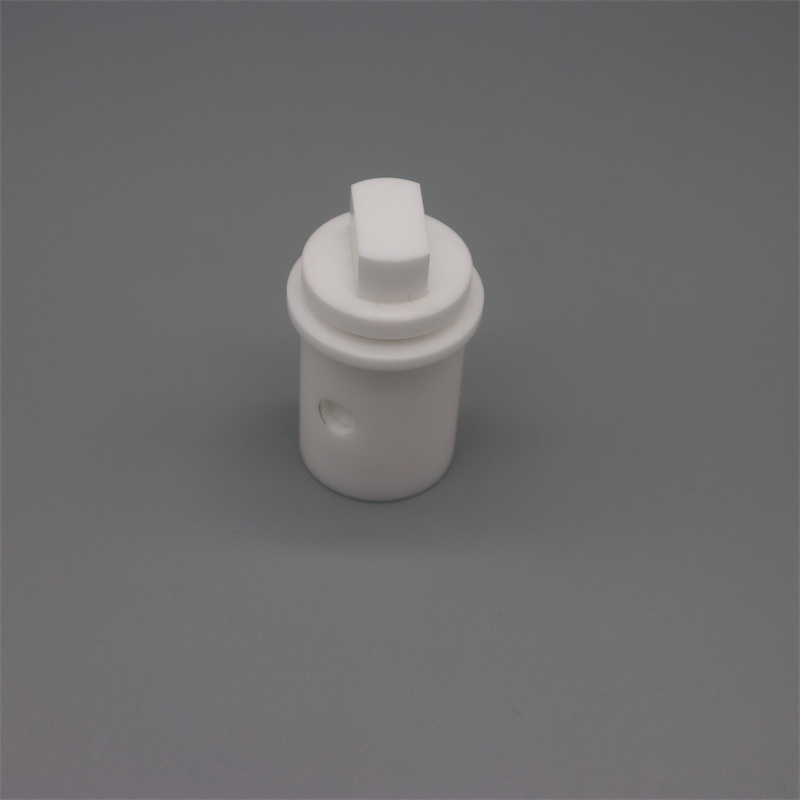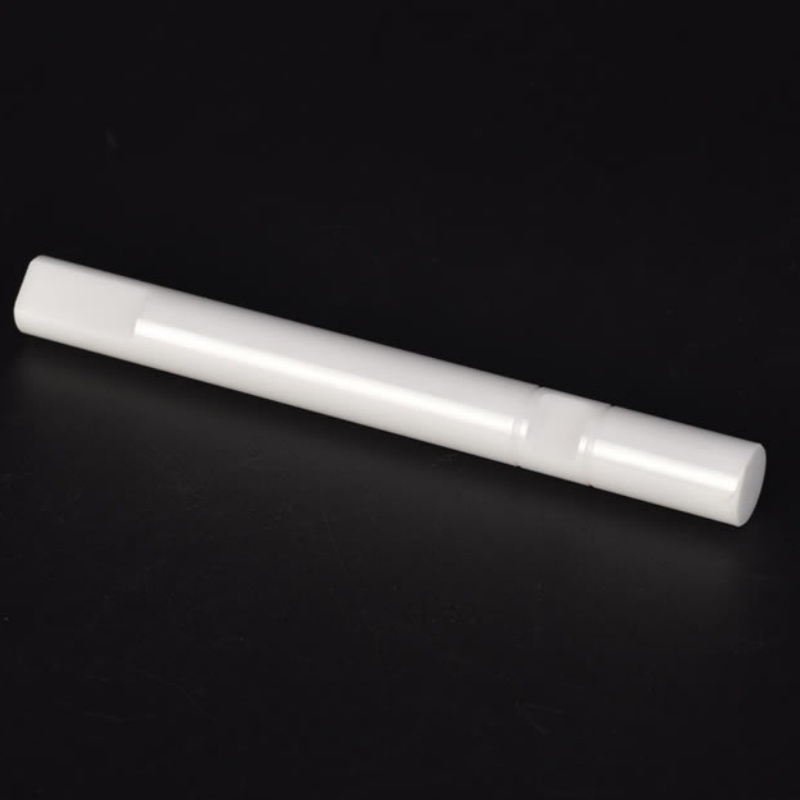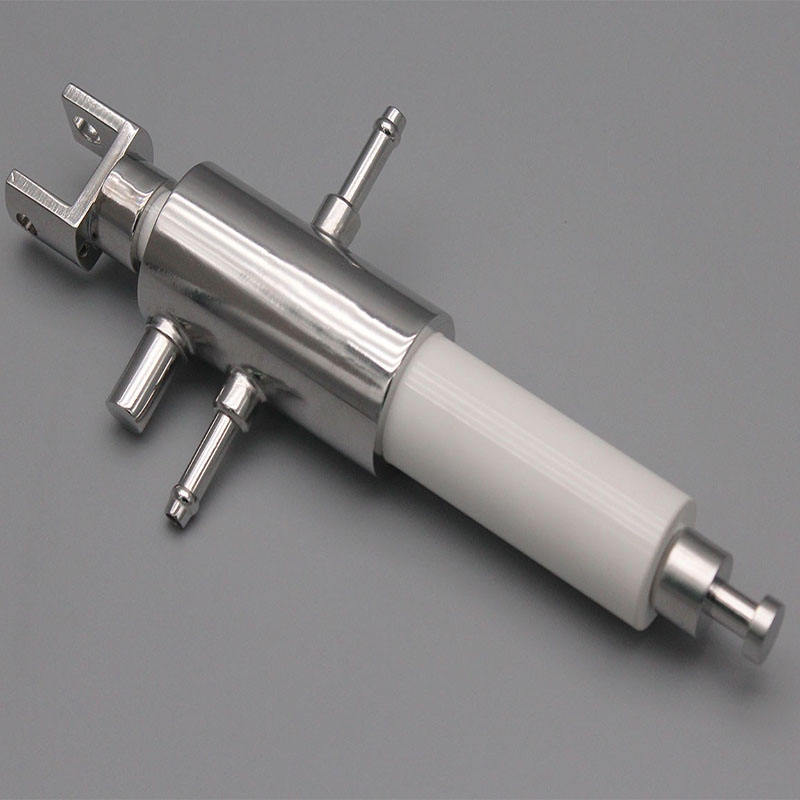
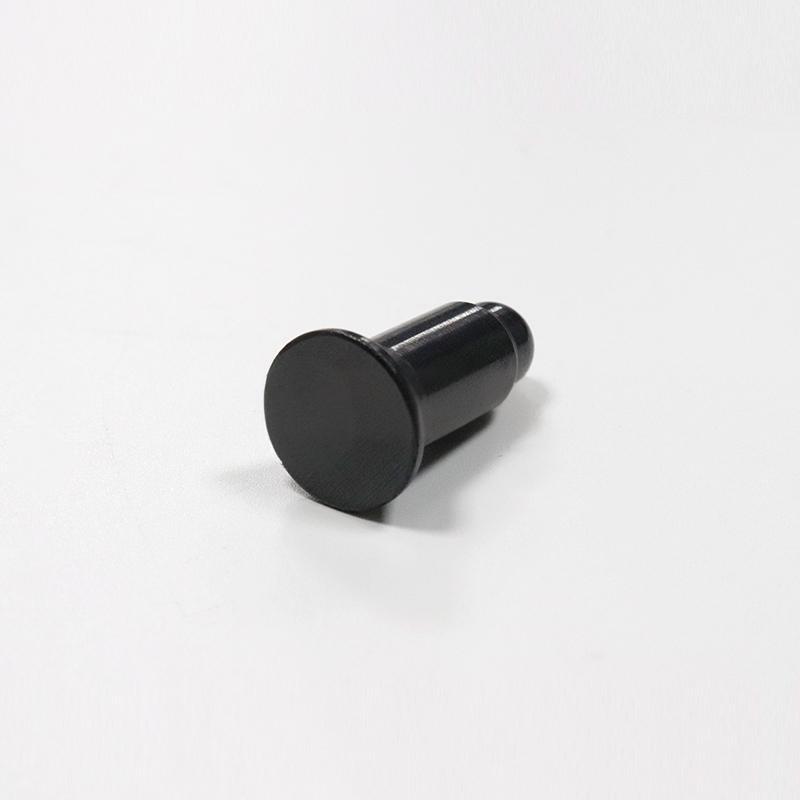
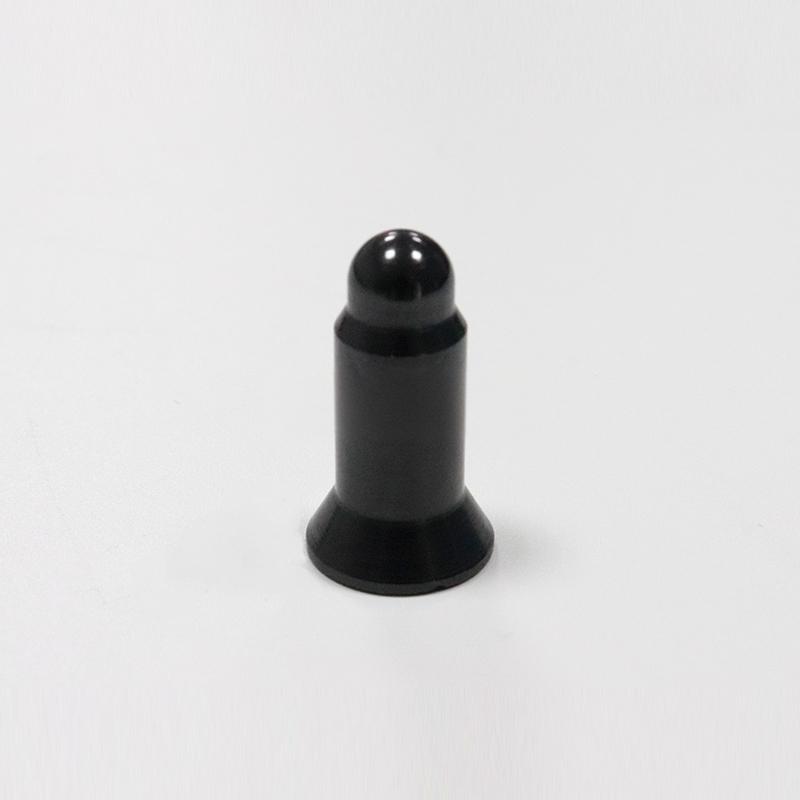
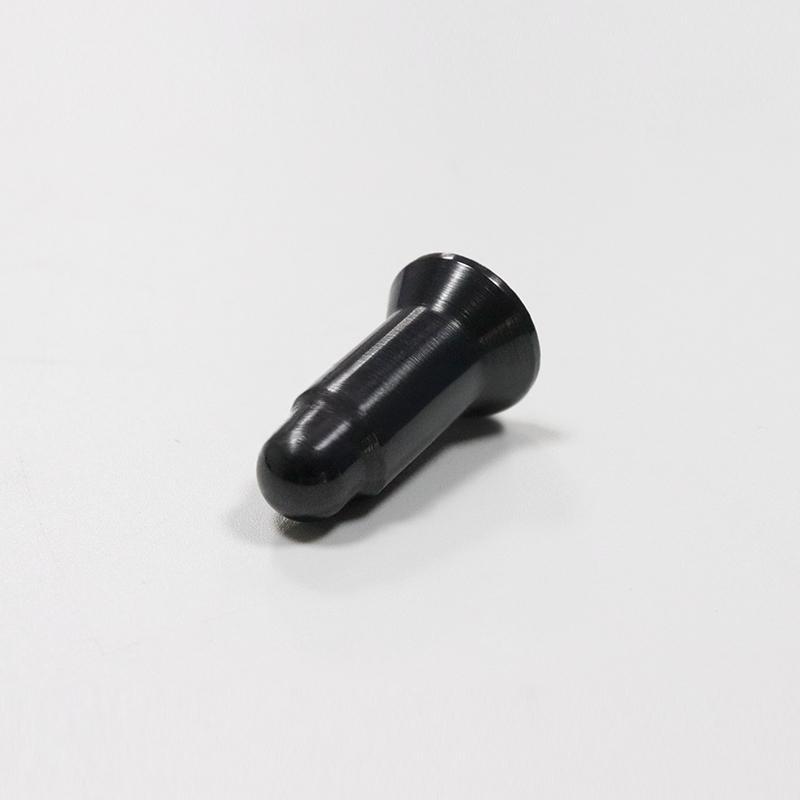
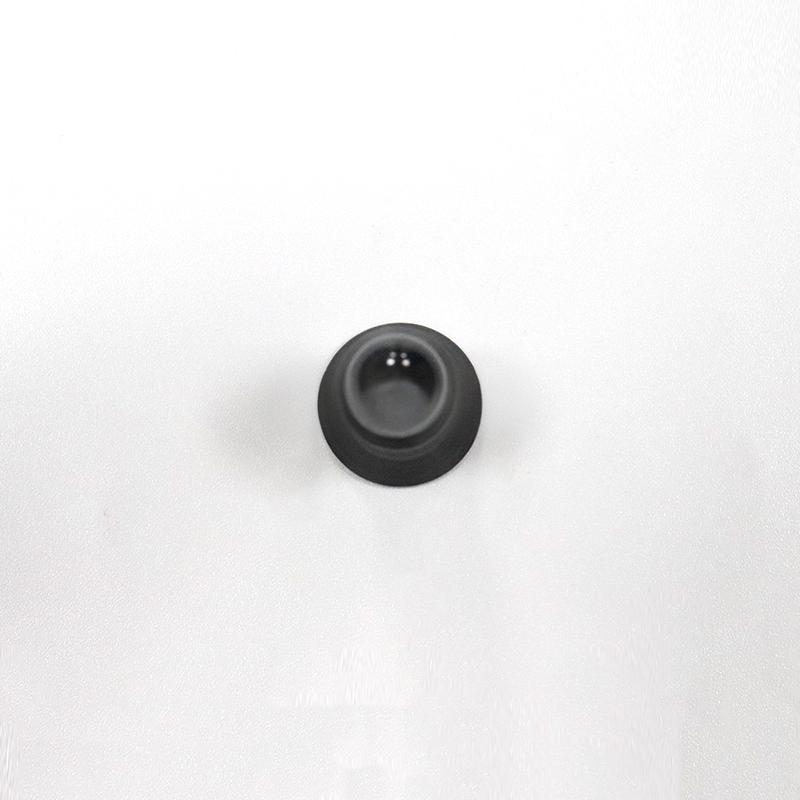
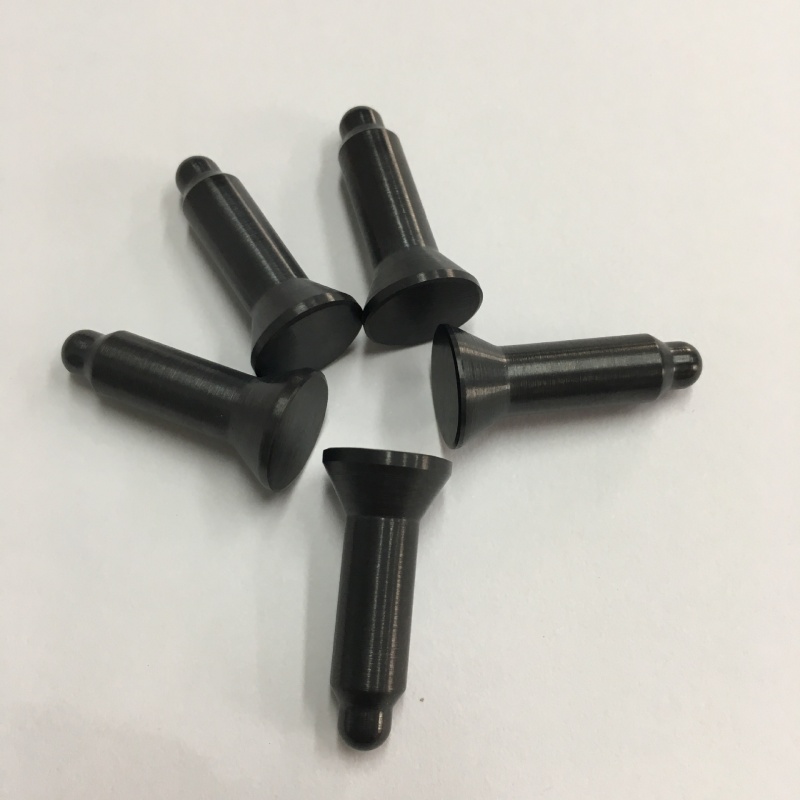
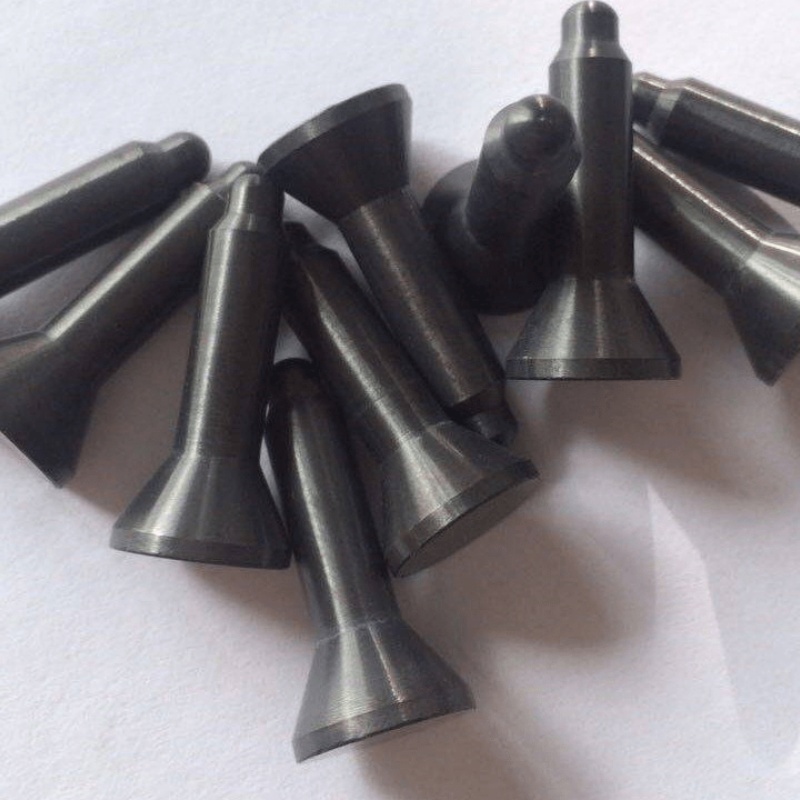
Silicon Nitride Positioning Pin
In automated welding and assembly operations, the positioning pin—a seemingly simple component—plays a decisive role in product quality and production stability. When these pins are made from silicon nitride (Si₃N₄) ceramic, their performance characteristics shift dramatically compared to conventional steel or alloy alternatives.
Silicon nitride positioning pins are precision locating components manufactured from advanced ceramic materials, used to maintain accurate workpiece or nut positioning in welding fixtures, assembly jigs, and high-temperature manufacturing environments. Their primary distinction lies in a combination of properties that no single metal can match: electrical insulation, extreme hardness, thermal stability, and chemical inertness.
This guide provides engineers, designers, and manufacturing professionals with a comprehensive understanding of Si₃N₄ positioning pins—from material fundamentals to practical selection criteria—drawing on field experience across automotive welding and precision assembly applications.
What Is a Silicon Nitride Positioning Pin?
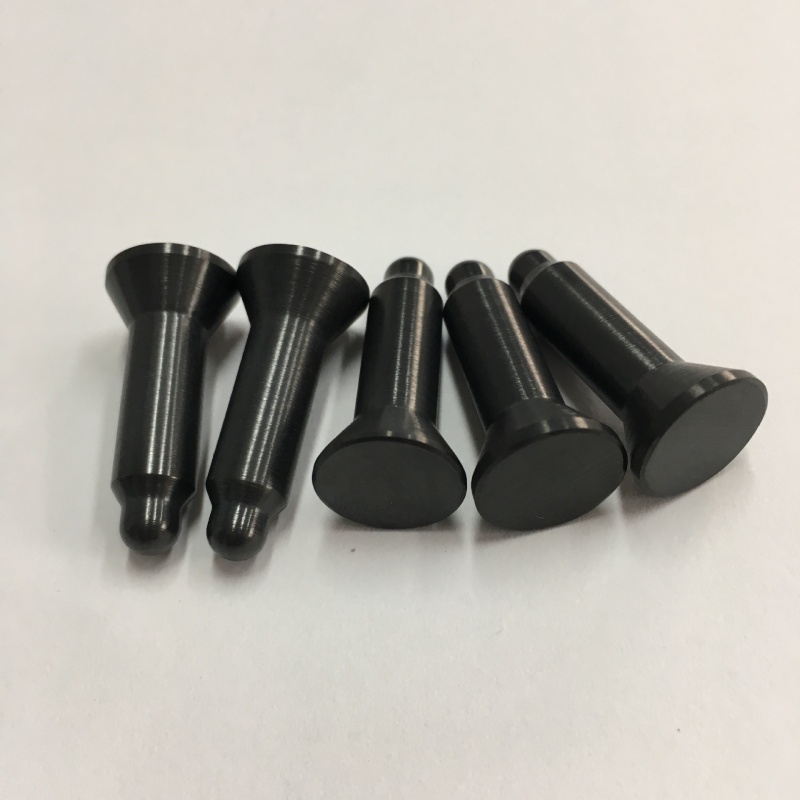
Silicon nitride positioning pin is a precision-ground ceramic component designed to locate, guide, or support workpieces during manufacturing processes. Unlike steel locators that rely solely on mechanical strength, Si₃N₄ pins leverage the unique physical properties of covalently bonded ceramic material to solve problems that metals cannot address effectively.
Key Definition: In resistance welding applications, these pins serve dual functions—mechanical positioning and electrical isolation. By preventing stray current from passing through the locating pin, they eliminate arcing between the pin and workpiece, which would otherwise cause weld defects or premature pin failure.
Material Properties That Define Performance
Mechanical Properties
Silicon nitride exhibits exceptional hardness, typically rated at HRA 92–94 or approximately 9.0 on the Mohs scale—approaching that of diamond. This hardness translates directly to wear resistance; in high-volume nut welding stations where steel pins may require replacement every shift, Si₃N₄ pins can sustain dimensional accuracy for 15 to 50 times longer.
The bending strength of sintered silicon nitride typically exceeds 800 MPa, with compressive strength reaching 2,500 MPa. Fracture toughness values around 6–8 MPa·m¹/²—significantly higher than alumina ceramics—provide resistance to chipping during fixture clamping and workpiece loading.
Thermal Properties
The maximum service temperature of silicon nitride in air reaches approximately 1,300–1,400°C, with melting occurring near 1,900°C. More importantly for welding applications, the coefficient of thermal expansion sits at 2.95–3.3 × 10⁻⁶/°C over the range of 0 to 1,400°C, which is roughly one-third that of steel. This low expansion rate ensures dimensional stability during thermal cycling.
Thermal conductivity of 20–30 W/(m·K) enables rapid heat dissipation from the weld zone, while the material’s thermal shock resistance allows it to withstand repeated heating to 1,000°C followed by rapid cooling without fracture.
Electrical Properties
With volume resistivity exceeding 10¹⁴ Ω·cm and dielectric constant around 8, silicon nitride functions as an excellent electrical insulator. This property is fundamental to its success in resistance welding applications, where steel pins would conduct current, leading to sparks between the pin and workpiece surface, unwanted current paths affecting weld quality, and electrical discharge damage to the pin tip.
Silicon Nitride vs. Steel and Other Materials
Comparison with Steel Locating Pins
Traditional steel positioning pins are economical and readily available, but in high-volume automated welding, they present persistent challenges that silicon nitride directly addresses.
Steel pins conduct electrical current, which creates a direct path through the locating pin during resistance welding operations. This results in arcing at the contact point between the pin and the workpiece, causing surface damage to both the pin and the component being welded. Over time, this electrical discharge erodes the pin tip, compromising positioning accuracy and creating weld defects that require rework or scrapping of parts.
Weld spatter also adheres readily to steel surfaces, gradually building up on the pin geometry and interfering with proper workpiece seating. Cleaning steel pins requires production downtime, and the cleaning process itself may accelerate wear.
In contrast, silicon nitride pins provide complete electrical isolation, eliminating arcing issues entirely. Their polished surfaces resist spatter adhesion, and the material’s extreme hardness maintains dimensional accuracy through millions of cycles. The thermal stability of Si₃N₄ means the pin geometry does not soften or deform under welding temperatures, unlike steel which may experience localized tempering or dimensional changes.
The wear rate differential is substantial—manufacturing data from automotive welding lines shows that Si₃N₄ pins typically achieve 15 to 50 times the service life of conventional steel locating pins before requiring replacement.
Comparison with Other Ceramic Materials
Zirconia (ZrO₂) pins offer higher fracture toughness than silicon nitride but present critical limitations in welding applications. The tetragonal-to-monoclinic phase transformation that occurs in zirconia over time causes progressive dimensional changes, compromising the very positioning accuracy the pin is meant to maintain. Zirconia also exhibits lower hardness and poorer thermal stability at elevated temperatures, making it less suitable for the thermal cycling inherent in resistance welding.
Alumina (Al₂O₃) pins are more economical but substantially lower in both strength and fracture toughness compared to silicon nitride. In welding fixture applications, alumina pins are more prone to brittle failure under the mechanical impacts encountered during workpiece loading and clamping. The higher thermal expansion coefficient of alumina also creates greater thermal stress during welding cycles.
KCF (Kovar-Copper-Ferrule) composite pins offer moderate performance but suffer from coating wear that degrades both insulation and dimensional stability. Once the surface coating is compromised—which typically occurs well before the component reaches its expected service life—performance declines rapidly, and the pin must be replaced.
Key Applications in Industry
Automotive Body-in-White (BIW) Nut Welding
The most demanding and common application for Si₃N₄ positioning pins is in automotive projection welding of weld nuts. In this process, weld nuts must remain precisely concentric with sheet metal holes through hundreds of thousands of production cycles. Any pin wear causes nut position drift, which affects downstream assembly accuracy when bolts are inserted during final vehicle assembly.
Electrical isolation is critical in this application. If current flows through the locating pin during welding, it creates a parallel circuit path that can cause inadequate fusion at the nut-to-sheet interface, resulting in weak welds that may fail during service. Si₃N₄ pins eliminate this risk while maintaining the positional accuracy required for automotive quality standards.
Chassis and Bracket Assembly
Chassis welding fixtures impose higher clamping forces and greater mechanical impact than BIW applications. Steel pins in these environments frequently experience guide section wear from repeated loading cycles, metal buildup around the pin shoulder from weld spatter, and deformation from high clamping loads over time.
The combination of high hardness and low spatter adhesion makes silicon nitride an effective solution in these demanding conditions. Plants that have converted from steel to Si₃N₄ pins in chassis welding applications typically report significant reductions in fixture cleaning frequency and unplanned downtime for pin replacement.
Robotic Welding Cells
Automated welding lines require predictable nut feeding and consistent fixture uptime to maintain production targets. Small changes in pin geometry—even fractions of a millimeter—can cause nut jamming or misloading, triggering production interruptions that affect overall equipment effectiveness.
Custom Si₃N₄ pins can be precision-ground with controlled nose profiles, chamfers, and guide diameters to optimize feeding stability. The wear resistance of the ceramic material ensures these critical geometries remain within specification much longer than steel alternatives, reducing the frequency of production interruptions for maintenance.
Precision Machinery and Semiconductor Manufacturing
Beyond welding applications, silicon nitride positioning pins find use in precision machine tools and automated assembly lines where maintaining tight tolerances over millions of cycles is essential. The wear resistance of Si₃N₄ ensures that guidance surfaces remain within specification, preserving machining accuracy and reducing scrap rates.
In semiconductor manufacturing, the corrosion resistance and purity of silicon nitride make it suitable for positioning in cleanroom environments. The material does not introduce metallic contamination, and its chemical inertness ensures stable performance even in the presence of process chemicals used in wafer fabrication.
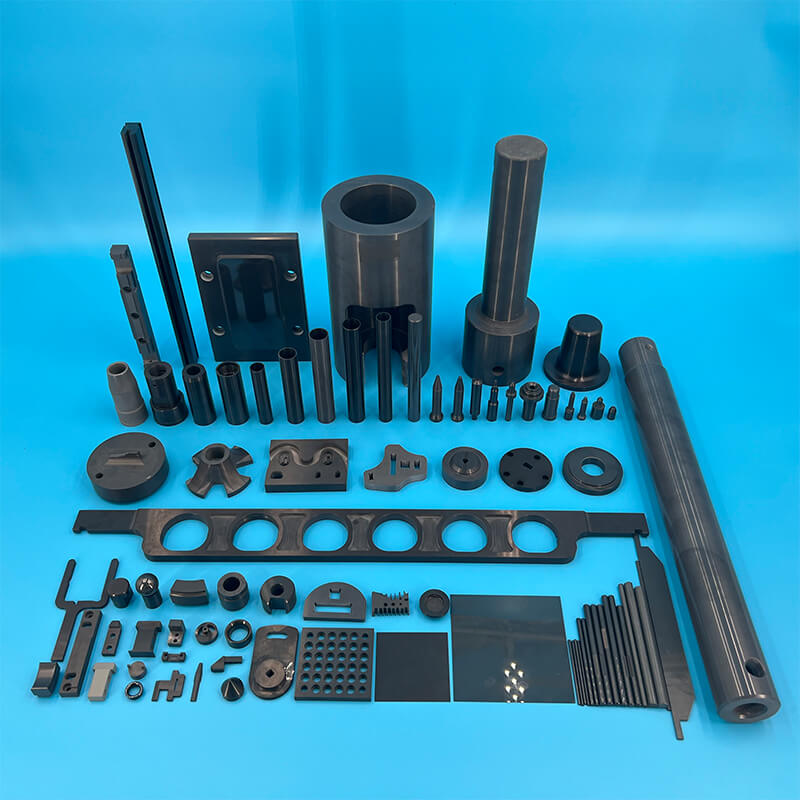
Typical Grades and Material Options
Silicon nitride positioning pins are manufactured in several grades optimized for different processing methods and performance requirements.
Gas Pressure Sintered Silicon Nitride (GPSN) represents the most common grade for welding applications. The material is sintered under nitrogen pressure, achieving high density and strength while maintaining reasonable production costs. GPSN pins offer the best balance of performance and cost for most automotive applications.
Hot Pressed Silicon Nitride (HPSN) is processed under uniaxial pressure during sintering, producing maximum strength and hardness. These pins are specified for the most demanding applications where service life requirements are exceptionally high or where mechanical loads exceed those of typical welding operations.
Sintered Reaction-Bonded Silicon Nitride (SSN) offers good dimensional control and is suitable for complex geometries where close tolerances must be maintained. The reaction-bonding process yields net-shape parts with minimal shrinkage, reducing machining requirements and costs.
Hot Isostatically Pressed Silicon Nitride (HIPSN) undergoes post-sintering HIP treatment, eliminating residual porosity and producing the highest reliability for critical applications. These pins are specified where failure would have severe consequences, such as in aerospace manufacturing or high-value assembly operations.
Available Shapes and Dimensions
Silicon nitride positioning pins are manufactured in a variety of configurations to suit different welding fixtures and assembly applications.
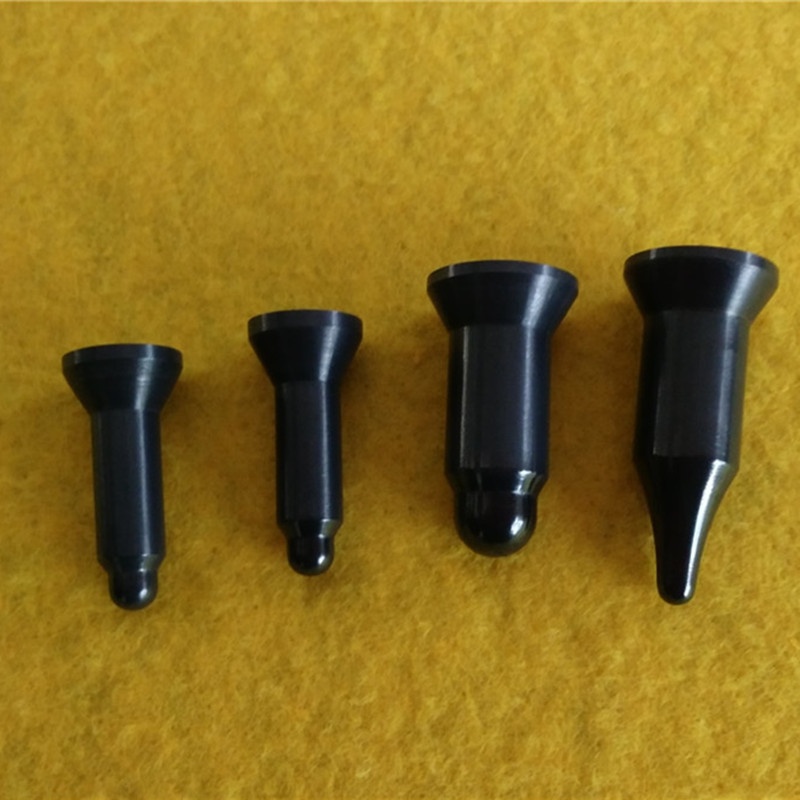
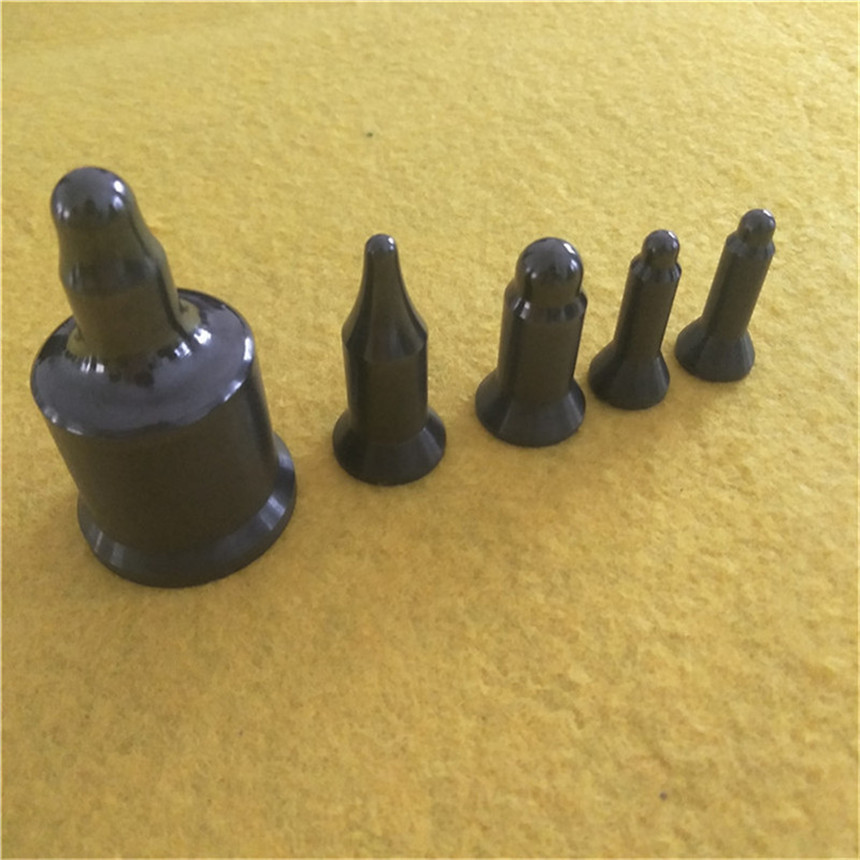
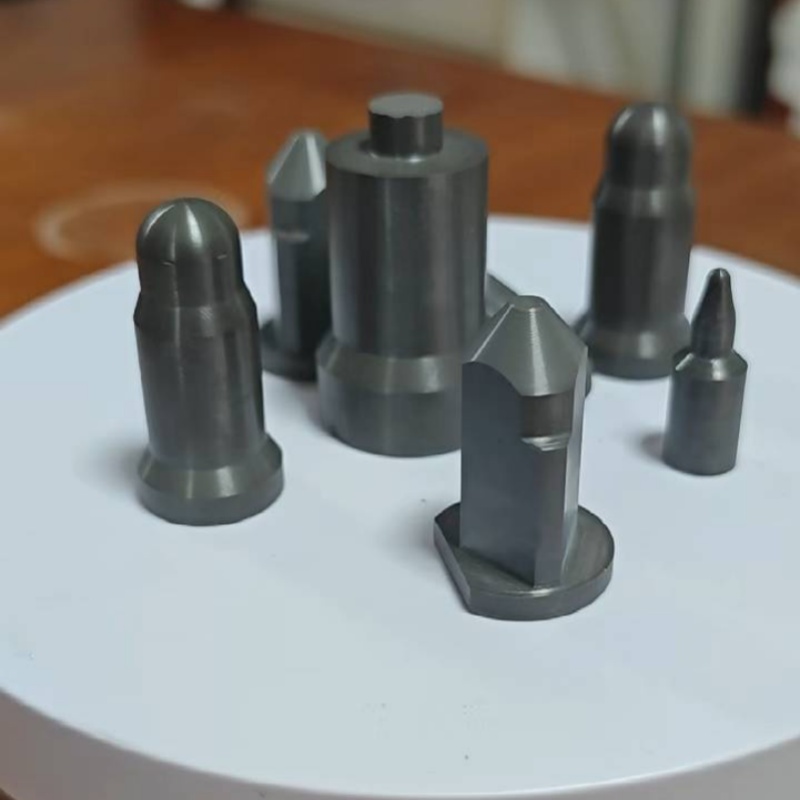
Round head pins are the general-purpose choice for nut guidance and workpiece locating. The smooth radius of the head guides components into position while providing a locating surface that maintains dimensional accuracy through extended service life.
Pointed head pins are designed for precise centering and piloting into pre-drilled holes. The tapered tip allows accurate alignment of components during assembly or welding operations, ensuring consistent positioning despite variations in incoming part dimensions.
Standard thread sizes include M4, M5, M6, M7, M8, M10, M12, and 7/16-inch variants. These correspond to common mounting requirements in automotive welding fixtures and can be ordered as standard items without engineering customization.
Precision-ground pins achieve OD and ID tolerances of plus or minus 0.005 mm, with surface roughness Ra of 0.1 micrometers or better. This level of precision ensures consistent positioning and minimizes spatter adhesion during welding operations.
Important Selection Factors
When specifying silicon nitride positioning pins for an application, several factors should be carefully evaluated.
Load conditions are the starting point for material selection. Evaluate both axial and radial loads that the pin will experience during operation. Si₃N₄ offers exceptional compressive strength but lower tensile strength—the design should primarily load the pin in compression. Fixture configurations that introduce bending moments or tensile loads should be re-evaluated, as these loading modes increase the risk of brittle failure.
Temperature requirements must be matched to the specific grade. Standard Si₃N₄ handles most welding applications up to 1,300°C, but for extended use above this temperature, verify the specific grade’s maximum service temperature with your supplier. Some specialized grades offer higher temperature capability, though usually at increased cost.
Fit and clearance considerations should account for the thermal expansion differential between the ceramic pin and the metal fixture housing. The pin’s expansion is significantly lower than steel, potentially affecting press-fit retention as temperatures rise. Designers should calculate thermal expansion differences and adjust fits accordingly to prevent the pin from becoming loose during operation or, conversely, developing excessive stress during thermal cycling.
Surface finish is a critical factor for welding applications. Polished surfaces reduce weld spatter adhesion and extend cleaning intervals. Specifying a mirror finish (Ra less than 0.1 micrometer) is recommended for severe spatter environments, as the smooth surface allows spatter to be easily removed during routine maintenance.
Custom geometry is available from most manufacturers, with many suppliers offering pins designed per customer drawings. Standard sizes are available in M4 through M12 and 7/16-inch thread sizes, with round-head and pointed-head options, but many applications benefit from custom contours that optimize nut feeding or workpiece alignment. The investment in custom tooling is typically justified when pin geometry significantly affects production throughput or quality.
Manufacturing Process Overview
The production of silicon nitride positioning pins involves several critical stages, each of which affects final component quality and performance.
Powder preparation begins with high-purity silicon powder mixed with sintering aids—typically yttria and alumina—along with organic binders that facilitate forming. The composition and purity of the starting powder directly influence the mechanical properties of the final ceramic.
Forming is accomplished through dry pressing, isostatic pressing, or injection molding, depending on the geometry. Simple cylindrical shapes are typically dry-pressed, while more complex geometries may require isostatic pressing or injection molding. The forming stage determines the green body density distribution, which affects final dimensional accuracy and uniformity.
Nitridation converts the silicon powder to silicon nitride. The green body undergoes initial nitridation at approximately 1,200°C in a nitrogen atmosphere, where silicon reacts with nitrogen to form silicon nitride. This reaction is carefully controlled to prevent runaway exothermic heating that could damage the component.
Sintering provides final densification at 1,350 to 1,450°C under nitrogen pressure for GPSN grades, or via hot pressing for HPSN grades. During sintering, the material densifies, and porosity is eliminated or reduced, achieving the mechanical properties expected of technical ceramic components.
Machining is performed using diamond grinding and lapping to achieve final dimensions and surface finish. This stage is critical for dimensional accuracy and accounts for a significant portion of total component cost. Hard ceramic materials cannot be machined with conventional cutting tools, requiring diamond-based processes that are slow and costly but essential for the precision required in positioning applications.
Limitations and Design Considerations
Chipping risk remains the primary limitation of silicon nitride positioning pins. While Si₃N₄ has higher toughness than many ceramics, it remains brittle compared to steel. Pins should be handled carefully during installation, and fixtures should be designed to prevent impact loading. Simple design precautions—such as incorporating locating shoulders that distribute load and preventing side-loading—significantly extend pin service life.
The initial cost of a Si₃N₄ pin is typically 10 to 30 times that of a steel pin. However, the extended service life, often 15 to 50 times longer, means the total cost of ownership is frequently lower. When evaluating material selection, consider replacement labor, downtime costs, and the cost of welding defects rather than comparing initial purchase prices alone.
Acid sensitivity should be considered for applications where the pin may be exposed to process chemicals. Silicon nitride is resistant to most inorganic acids but is attacked by hydrofluoric acid and hot phosphoric acid. Applications involving these media should specify alternative materials or incorporate protective measures to prevent chemical attack.
Frequently Asked Questions
What is the service life of a silicon nitride positioning pin compared to steel?
In automotive welding applications, Si₃N₄ pins typically last 15 to 50 times longer than conventional steel locating pins. While the initial cost is significantly higher, the extended service life reduces downtime and replacement labor, often resulting in a lower total cost of ownership over the production life of the fixture.
Why are silicon nitride pins used in welding instead of steel?
Steel pins conduct electrical current, which can cause arcing between the pin and workpiece. This leads to weld defects, pin damage, and potential production quality issues. Silicon nitride is an electrical insulator that eliminates these problems while providing superior wear resistance and dimensional stability at welding temperatures.
At what temperature does silicon nitride fail?
Silicon nitride maintains its strength and dimensional stability up to approximately 1,300 to 1,400°C in air. The material does not melt until approximately 1,900°C, making it suitable for most welding and high-temperature manufacturing processes encountered in industrial production.
Can silicon nitride positioning pins be customized to specific dimensions?
Yes, manufacturers commonly offer custom silicon nitride pins to customer drawings. Standard sizes are available in M4 through M12 and 7/16-inch thread sizes with round-head and pointed-head options, but many suppliers will produce custom geometries and dimensions to meet specific fixture requirements.
How do silicon nitride pins compare to zirconia pins?
Zirconia offers higher fracture toughness but lower hardness and poorer thermal stability. In welding applications, zirconia can experience phase transformation that causes dimensional changes over time, whereas Si₃N₄ maintains stable dimensions throughout its service life. Silicon nitride is generally the preferred choice for welding fixture applications.
What causes silicon nitride pins to fail?
The most common failure mode is chipping or fracture from impact or handling damage. Unlike steel pins that gradually wear, ceramic pins typically maintain their dimensions until a brittle failure event occurs. Proper fixture design that minimizes impact loading and careful handling during installation are essential for maximizing service life.
What industries commonly use these pins?
The primary users are automotive manufacturers for BIW and chassis welding, followed by precision machinery, semiconductor manufacturing, and aerospace applications that require high-temperature dimensional stability and electrical isolation.
Why is electrical insulation important for positioning pins?
In resistance welding, if the locating pin conducts current, it creates an alternate path that can cause sparks between the pin and workpiece. This damages the pin surface, may cause weld defects, and requires additional post-processing steps. Insulation eliminates these problems while maintaining positioning accuracy.
Silicon nitride positioning pins represent a mature engineering solution where the limitations of metallic materials become operationally costly. The material’s combination of high hardness, low thermal expansion, chemical inertness, and electrical insulation provides advantages that no single metal alloy can match—particularly in resistance welding applications.
When evaluating whether to specify Si₃N₄ pins, consider the total cost of ownership rather than initial unit price. In high-volume automated welding cells, the productivity gains from reduced downtime and consistent positioning typically outweigh the higher ceramic material cost by a substantial margin.
For engineers designing new welding fixtures or troubleshooting existing positioning issues, silicon nitride should be among the first material options considered—particularly when electrical isolation, wear resistance, or thermal stability are identified as critical success factors. The data from thousands of automotive welding cells globally confirms that properly specified Si₃N₄ pins deliver reliable, consistent performance that supports manufacturing quality and productivity goals.