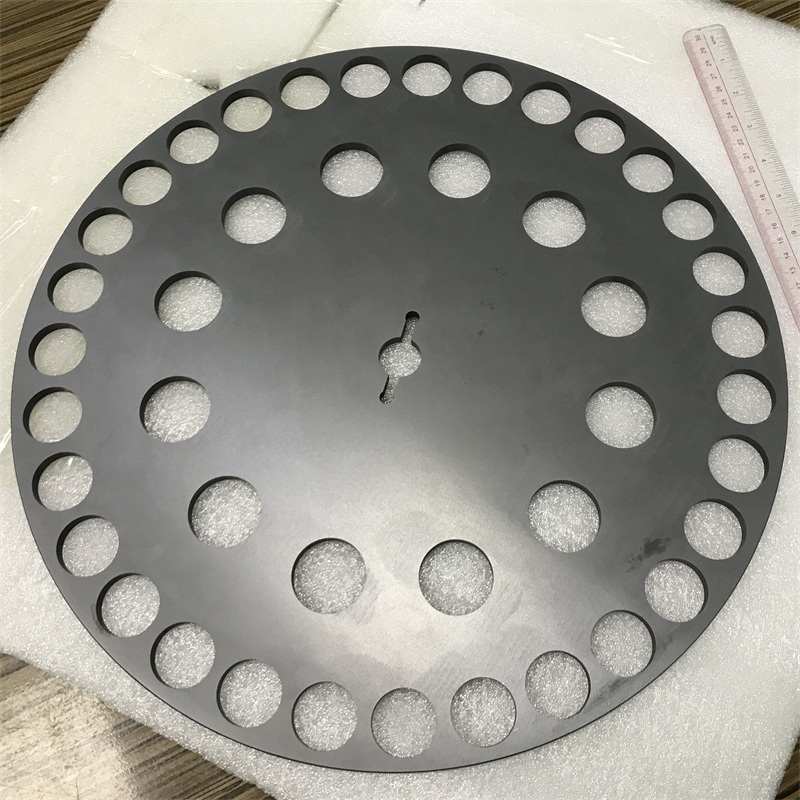
Silicon Nitride Porous Disk: Properties, Applications, and Engineering Considerations
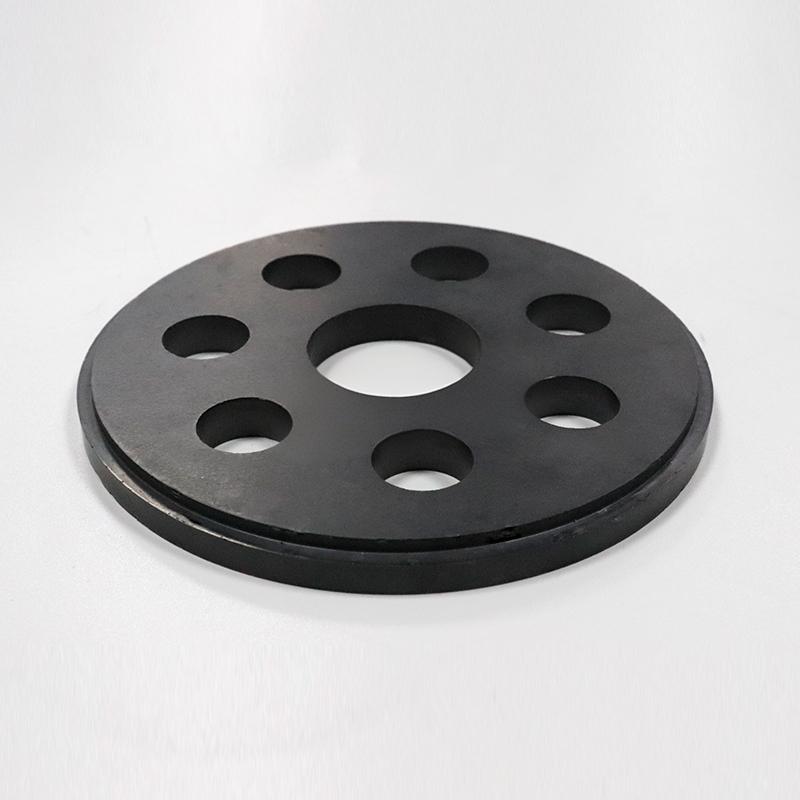
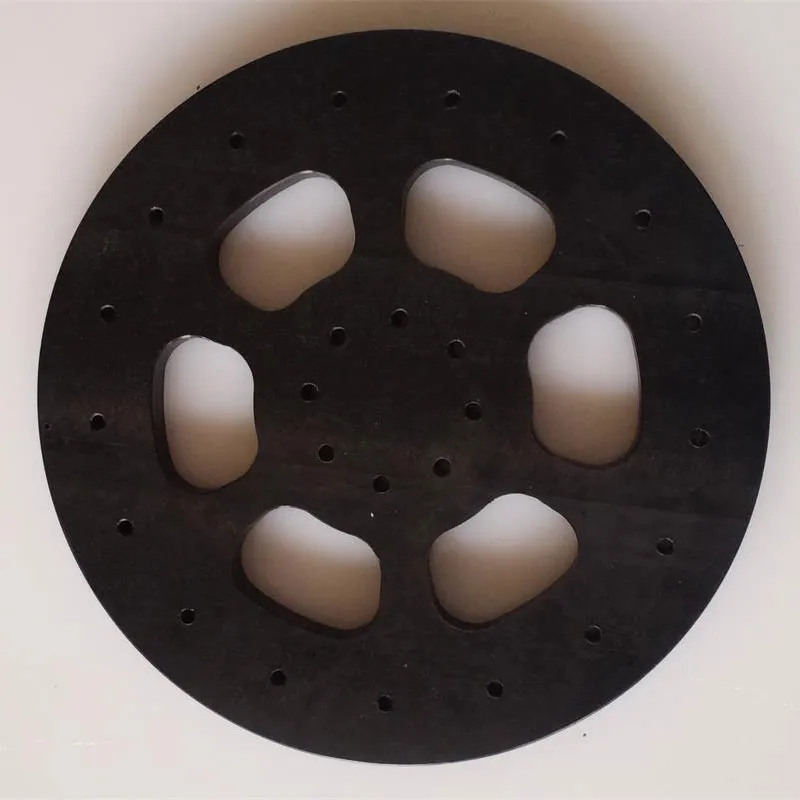
Silicon nitride porous disks represent a specialized class of advanced ceramic components where controlled porosity is deliberately engineered into an already high-performance material system. Unlike dense silicon nitride used for bearings or cutting tools, the porous variant leverages an interconnected pore structure to enable fluid permeation, gas distribution, or filtration while retaining the intrinsic advantages of the base material: high-temperature stability, thermal shock resistance, and chemical durability .
Material Fundamentals
Silicon nitride (Si₃N₄) derives its exceptional properties from a strong covalent-bonded crystal structure. In porous forms, the material typically exhibits open porosities ranging from 20% to 60%, with pore sizes adjustable from submicron to over 100 μm depending on the forming technique . The microstructure can be engineered to consist of elongated β-Si₃N₄ grains that provide mechanical interlocking, allowing the porous body to retain significant strength despite the presence of voids .
Research has demonstrated that porous silicon nitride with carefully controlled microstructure can achieve flexural strengths exceeding 450 MPa at porosities above 35%, with fracture toughness values that scale favorably with porosity due to grain pull-out mechanisms . This damage tolerance—approximately seven times greater than dense silicon nitride in some configurations—is a critical advantage for applications involving thermal cycling or mechanical vibration .
Performance Characteristics
The property profile of porous silicon nitride disks makes them suitable for demanding environments where metallic or polymeric alternatives fail:
– Thermal Stability: Maintains structural integrity up to approximately 1200°C in oxidizing atmospheres, with higher limits in inert or reducing environments . Thermal shock resistance is enhanced by the porous structure, which accommodates differential expansion through strain tolerance .
– Chemical Resistance: Resists attack from most acids, alkalis, and molten metals, though hot phosphoric acid and hydrofluoric acid require caution. This is particularly valuable in semiconductor processing where corrosive gases such as chlorine or phosphine are present .
– Mechanical Performance: Typical flexural strength ranges from 200 to 600 MPa depending on porosity level, with fracture toughness of 6–7 MPa·m¹/² . The elastic modulus decreases with increasing porosity, which can be beneficial for applications requiring compliance or strain accommodation.
– Electrical and Thermal Properties: Silicon nitride is an electrical insulator, and porous forms maintain this characteristic while offering moderate thermal conductivity (15–20 W/m·K for dense material, lower for porous variants) .
Manufacturing Approaches
Production methods significantly influence final properties. Reaction-bonded silicon nitride involves nitriding a porous silicon preform at temperatures around 1380–1450°C, resulting in a material with minimal dimensional change . Pore formers such as starch, cellulose, or polymer beads can be incorporated to achieve specific pore size distributions . Sintering aids—typically yttria and alumina—facilitate densification while allowing controlled grain growth that improves mechanical properties .
Application Domains
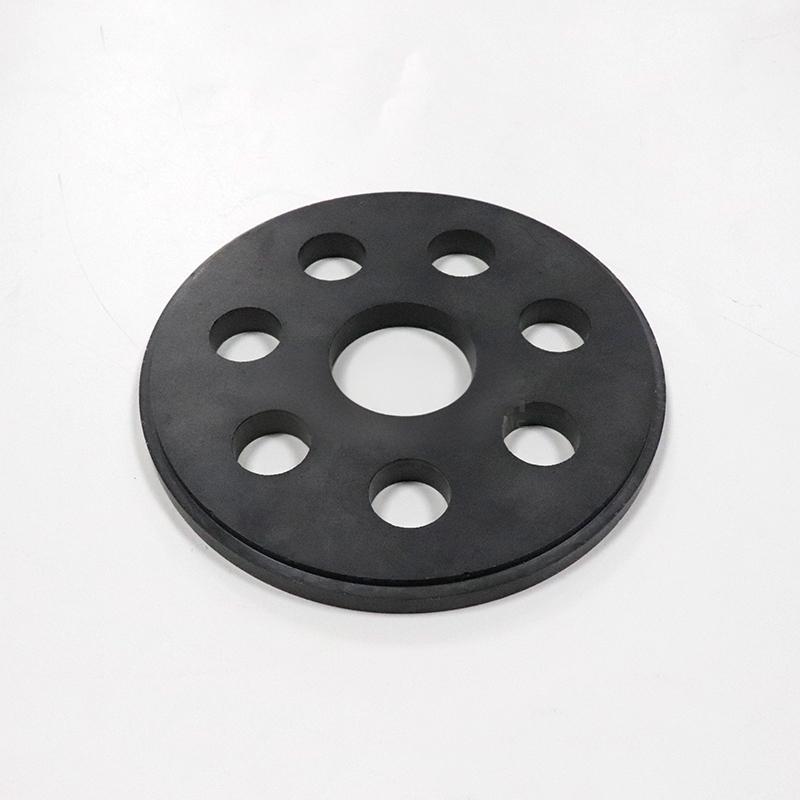
Porous silicon nitride disks are specified in several key industrial sectors:
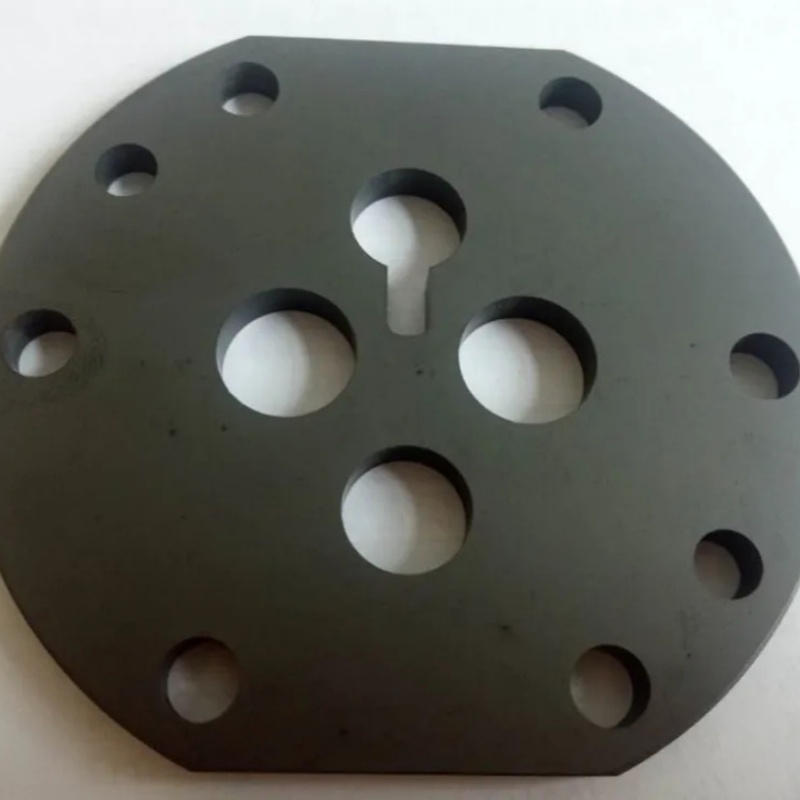
– Semiconductor Manufacturing: Used as gas distribution plates in chemical vapor deposition (CVD) and atomic layer deposition (ALD) systems, where uniform gas flow across wafer surfaces is critical. The material’s purity and resistance to process gases ensure minimal contamination .
– Filtration and Separation: Serves as hot gas filters for combustion processes and molten metal filtration to remove inclusions. Unlike metal or polymer alternatives, the porous ceramic maintains structural integrity and filtration efficiency at elevated temperatures .
– Catalyst Support: The open pore structure provides high surface area for catalyst deposition, while the thermal and chemical stability of the silicon nitride framework ensures long service life in catalytic converters or chemical reactors .
– Precision Mechanical Components: Used in vacuum chucks and porous bearings where controlled permeability enables non-contact handling of delicate substrates .
– Biomedical Applications: Recent studies indicate that silicon nitride promotes enhanced osteogenic differentiation compared to titanium alloys and PEEK, suggesting potential in spinal implants where osseointegration is critical .
Comparison with Alternative Materials
When compared with porous alumina or silicon carbide, porous silicon nitride offers superior fracture toughness and thermal shock resistance at moderate cost. Silicon carbide provides higher thermal conductivity and oxidation resistance but is more brittle and difficult to machine . Porous zirconia offers higher strength but lower chemical stability in acidic environments. For applications involving molten aluminum or aggressive chemicals, silicon nitride frequently represents the optimal balance of properties.
Engineering Considerations
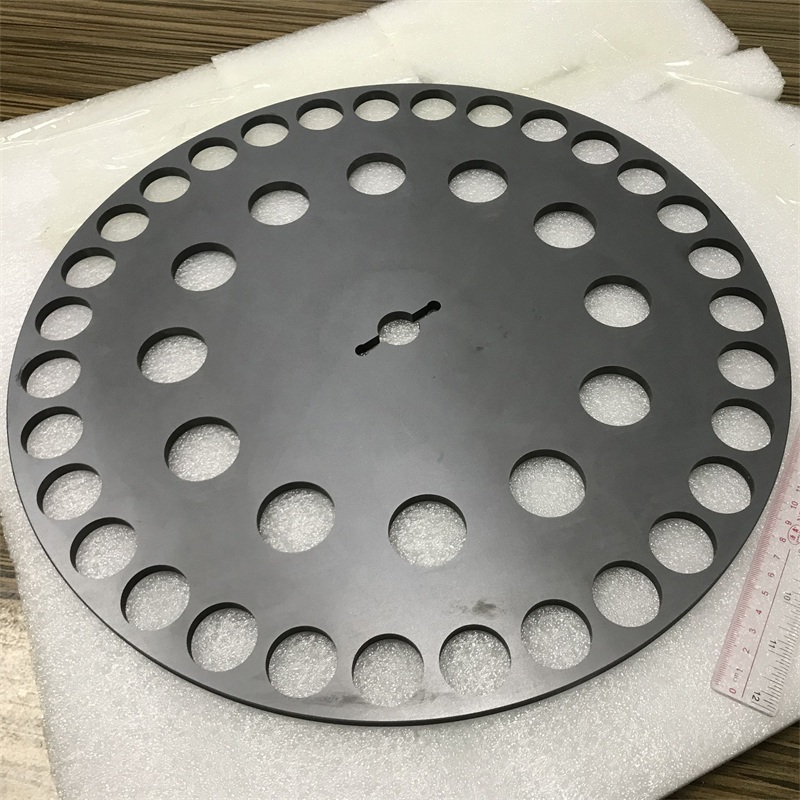
The selection of a porous silicon nitride disk should consider the specific demands of the application. Key factors include:
– Porosity and Pore Size: Higher porosity reduces pressure drop but compromises mechanical strength. Finer pore sizes improve filtration efficiency but increase flow resistance. The relationship between porosity and properties is well-established: strength typically decreases exponentially with increasing porosity .
– Operating Environment: Verify compatibility with process chemicals and maximum temperatures. While silicon nitride performs well in most oxidizing and reducing environments, fluoride-containing compounds can cause rapid degradation.
– Mechanical Loading: Consider both static and cyclic loads, including thermal cycling. The enhanced strain tolerance of porous silicon nitride provides a margin of safety against catastrophic fracture .
Limitations
The porous structure inevitably reduces absolute strength compared to dense silicon nitride. Surface contamination from pore formers or sintering aids may affect performance in ultra-clean applications. Additionally, thermal conductivity is lower than dense forms, which may be a consideration for heat transfer applications.
FAQ
Q: What is the maximum operating temperature for a porous silicon nitride disk in air?
Approximately 1200°C for extended service. In inert atmospheres, the material can withstand higher temperatures up to 1400°C or more .
Q: How does porosity affect mechanical strength?
Strength decreases exponentially with increasing porosity. At 30% porosity, strength is roughly 50% of the dense material value . However, fracture toughness may actually increase due to crack deflection mechanisms.
Q: Can porous silicon nitride be used for molten metal filtration?
Yes, particularly for aluminum and non-ferrous alloys. The material resists wetting by most molten metals and provides excellent inclusion removal .
Q: Is silicon nitride porous disk suitable for acidic environments?
Generally yes, except for hot phosphoric and hydrofluoric acids. The material demonstrates excellent resistance to most mineral acids and organic compounds .
Q: How does porous silicon nitride compare to porous alumina?
Silicon nitride offers significantly higher fracture toughness and better thermal shock resistance. Alumina is less expensive but more prone to brittle failure under thermal cycling .
Q: What pore sizes are typically available?
Pore sizes range from 0.1 μm to over 100 μm, depending on the manufacturing method and application requirements .