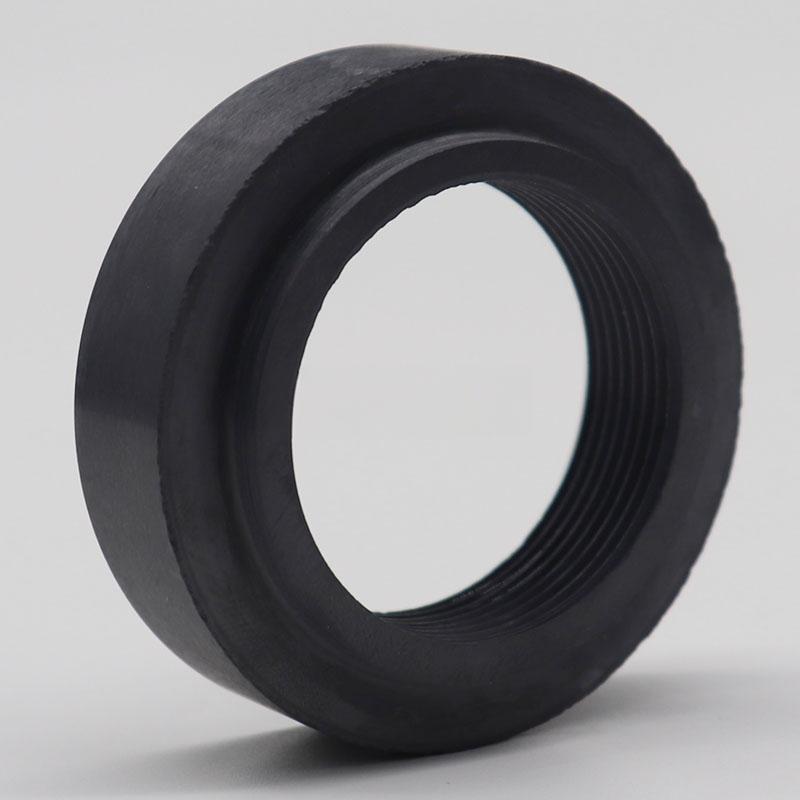
Silicon Nitride Ceramic Sleeves: Properties & Applications
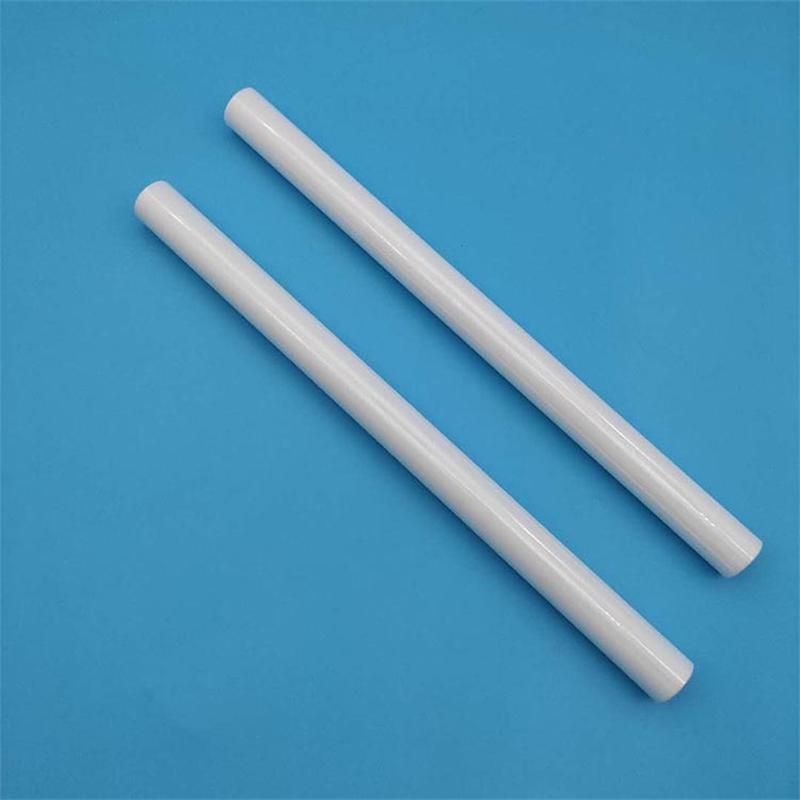
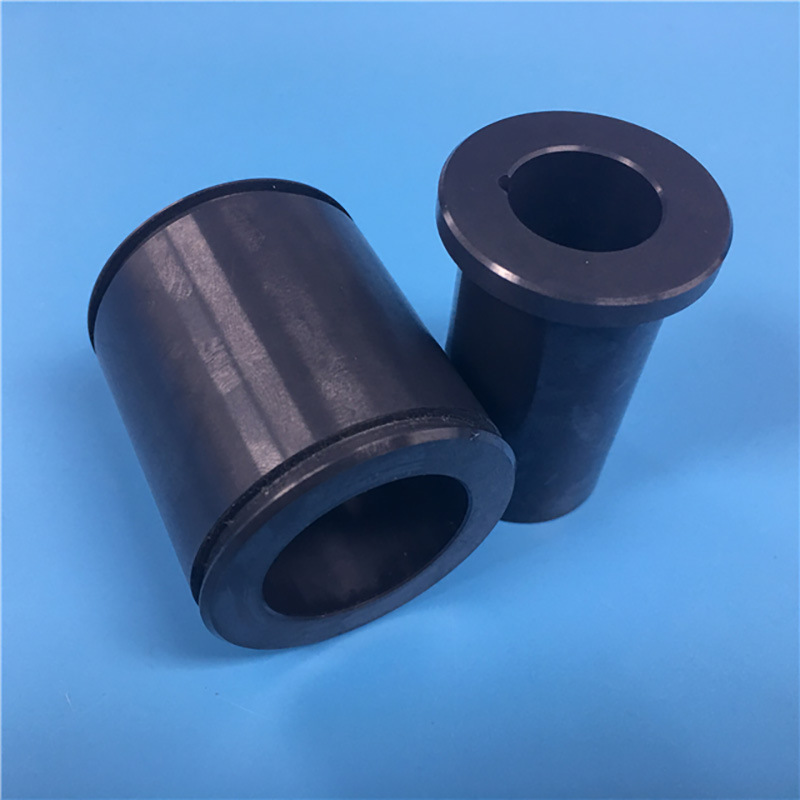
Silicon nitride (Si₃N₄) ceramic sleeves represent a class of precision tubular components engineered for demanding mechanical and thermal environments. As a covalent-bonded ceramic, silicon nitride derives its exceptional properties from a three-dimensional network of [SiN₄] tetrahedra, where each silicon atom bonds to four nitrogen atoms, creating a structure that maintains strength across a broad temperature range. Unlike many ceramics that degrade at elevated temperatures, silicon nitride retains mechanical integrity up to 1200°C, making it a preferred choice for high-performance sleeve applications.
Key Properties
The technical appeal of silicon nitride ceramic sleeves lies in their combination of mechanical, thermal, and chemical characteristics. With a density of 3.2–3.25 g/cm³, these sleeves offer significant weight savings compared to steel equivalents. Flexural strength typically exceeds 900 MPa, while fracture toughness ranges from 6 to 8 MPa·m¹/²—values that distinguish Si₃N₄ from more brittle ceramics like alumina. Hardness values of HRA 90–94 provide excellent wear resistance, particularly valuable in sliding contact applications.
Thermally, silicon nitride exhibits a low coefficient of thermal expansion (approximately 3.0–3.6 × 10⁻⁶/°C) and thermal conductivity of 15–25 W/(m·K). This combination delivers outstanding thermal shock resistance, withstanding rapid temperature changes that would fracture many other ceramics. The material also demonstrates good electrical insulation properties, with volume resistivity of approximately 10¹² Ω·cm at room temperature.
Manufacturing and Grades
Sleeve properties are influenced by the sintering method employed. Gas Pressure Sintering (GPS) produces dense Si₃N₄ components suitable for most industrial applications. Hot Pressing (HP) can yield slightly higher density and improved mechanical properties but is typically reserved for more demanding applications. Some specialized designs utilize Reaction-Bonded Silicon Nitride (RBSN), which offers near-net shaping capability with minimal sintering shrinkage but with somewhat reduced strength compared to sintered grades.
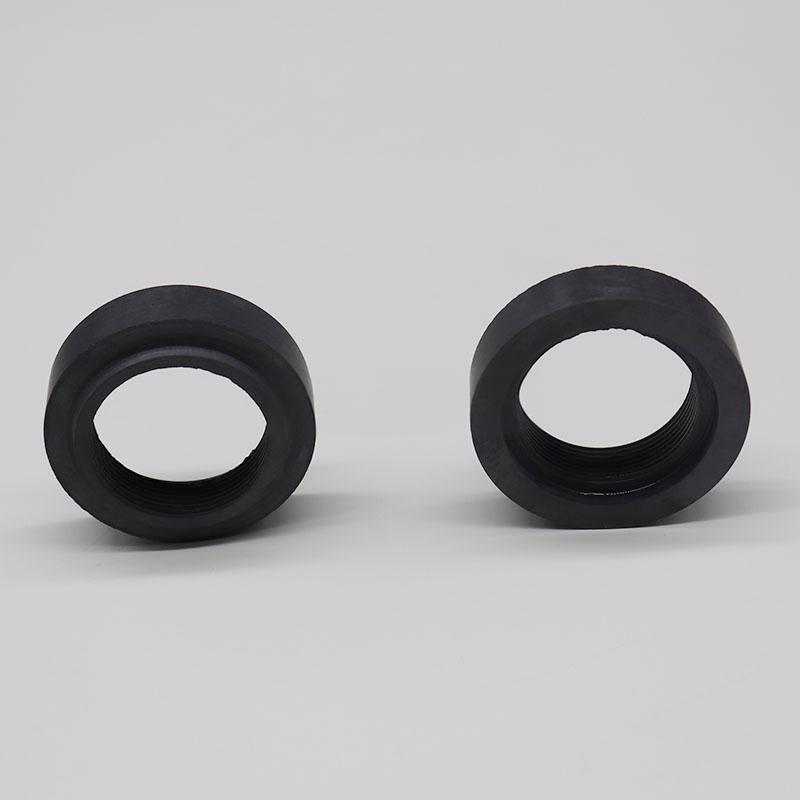
Typical Applications
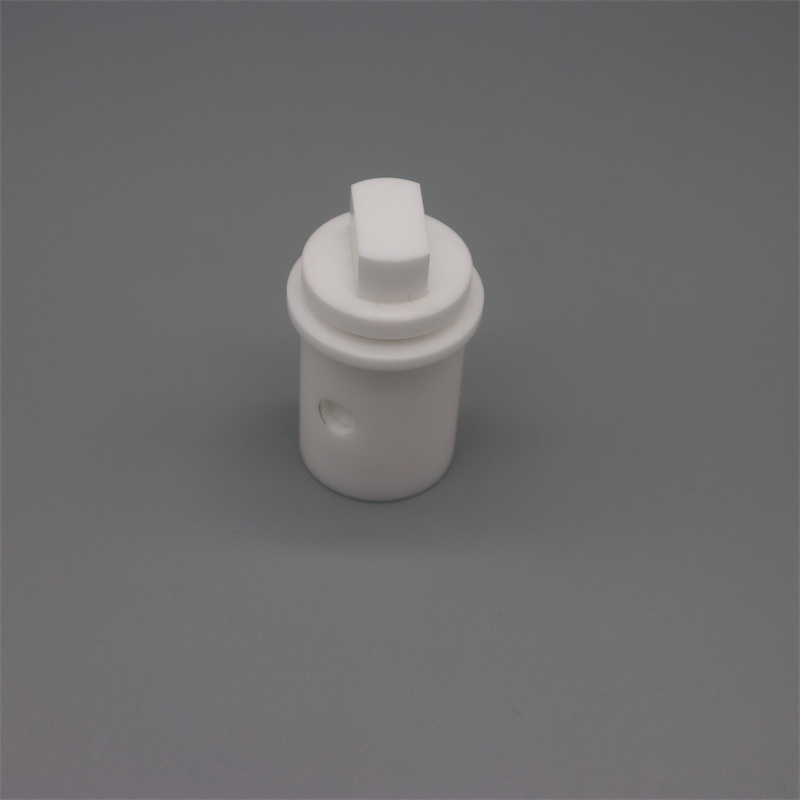
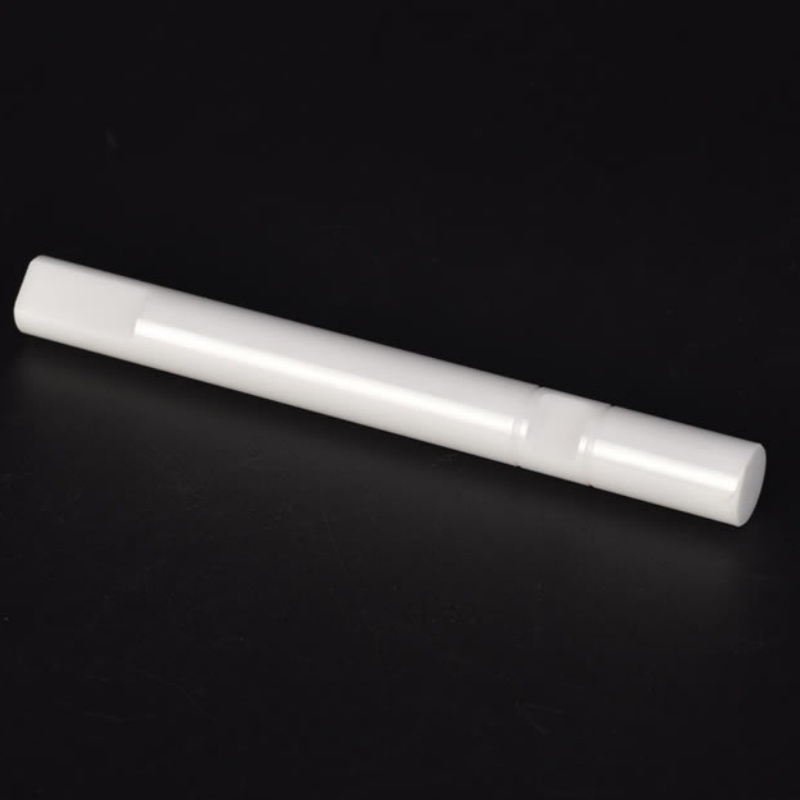
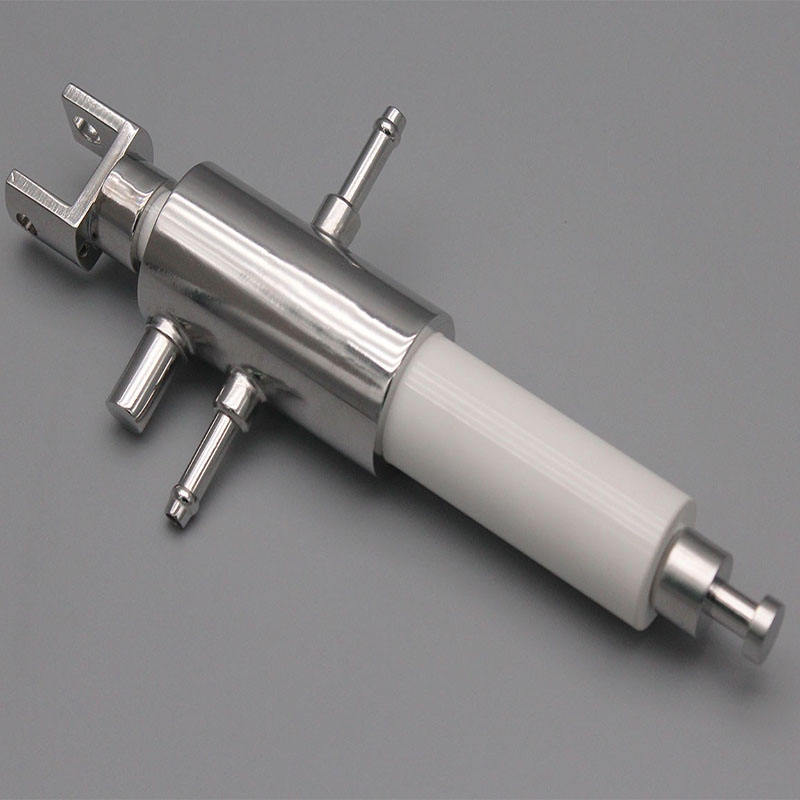
Silicon nitride ceramic sleeves serve critical roles across multiple industries. In pump and mechanical seal assemblies, they function as shaft sleeves that protect metal shafts from wear, corrosion, and fluid attack. The ceramic’s low friction coefficient and wear resistance help reduce leakage rates and seal failure over extended service life.
In deep hole drilling and precision boring operations, Si₃N₄ guide bushings and sleeves control tool run-out and maintain hole straightness. The low density relative to steel reduces mass near the rotating axis while providing sufficient stiffness to support cutting tools, contributing to consistent quality in series production.
High-temperature applications include heater protection tubes for aluminum holding furnaces and low-pressure die casting systems. The non-wetting behavior of Si₃N₄ reduces aluminum adhesion and cleaning difficulty, while its thermal shock resistance enables reliable operation during heating and cooling cycles.
Additional applications encompass bearings, semiconductor processing components, automotive engine parts, and equipment exposed to corrosive fluids in chemical and food processing environments.
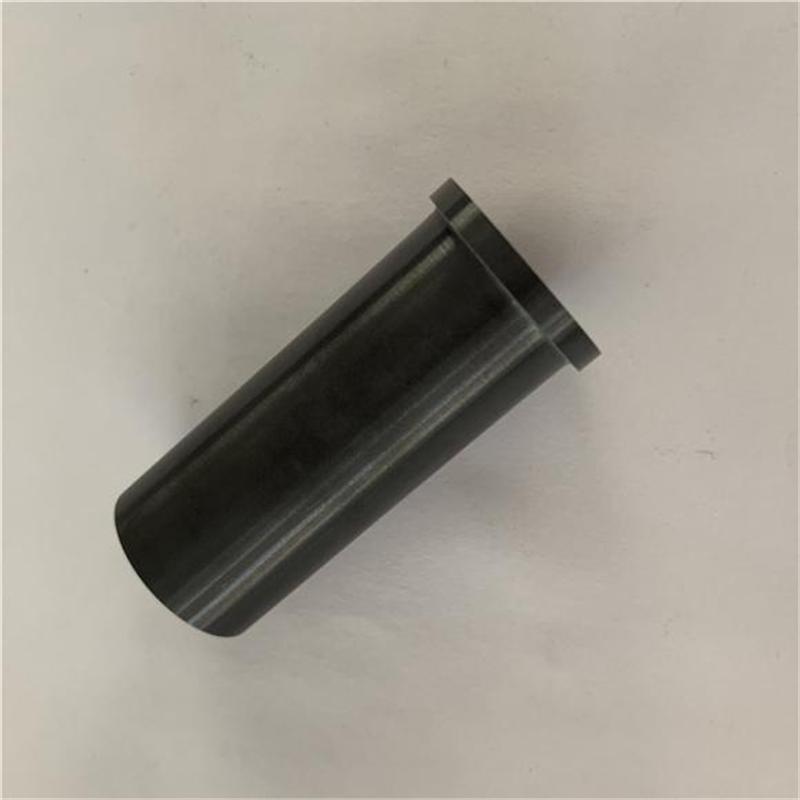
Advantages and Limitations
Advantages: High strength retention to 1200°C; excellent thermal shock resistance; superior wear and corrosion resistance; low density; good electrical insulation; chemical stability in acidic, alkaline, and saline environments.
Limitations: Silicon nitride is significantly more expensive than alumina or metallic alternatives; machining to precise tolerances requires diamond grinding, adding to manufacturing costs; the material is sensitive to impact and point loading, requiring careful installation and handling; reactivity with hydrofluoric acid should be considered in chemical environments.
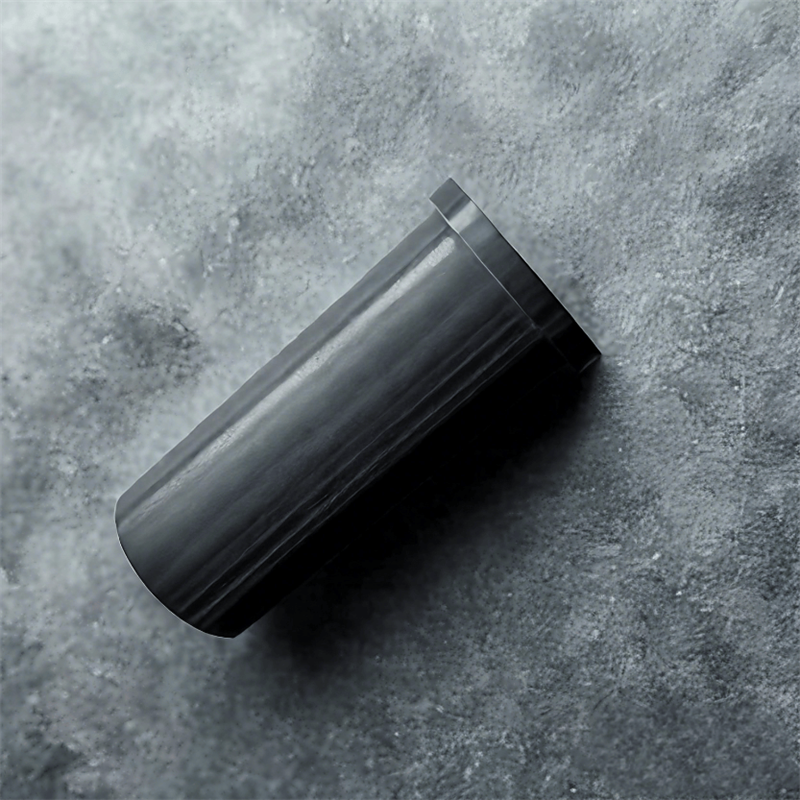
Material Selection Considerations
When evaluating whether a silicon nitride ceramic sleeve is appropriate, consider the following factors:
– Temperature: Si₃N₄ is ideal when operating temperatures exceed 300°C, where metals may soften and alumina becomes susceptible to thermal shock.
– Wear Environment: High-speed, high-friction, or abrasive sliding contact applications benefit from the hardness and wear resistance of Si₃N₄.
– Chemical Exposure: While Si₃N₄ offers good chemical resistance, evaluate compatibility with specific process fluids. It resists most inorganic acids and alkalis but hydrofluoric acid requires caution.
– Thermal Cycling: Applications subject to rapid heating and cooling leverage the material’s excellent thermal shock resistance.
– Dimensional Stability: The low thermal expansion coefficient ensures tighter tolerances across temperature variations compared to most metals.
Installation considerations include verifying that press-fit or clearance specifications are followed to avoid generating hoop stresses that could cause cracking, ensuring proper shaft and housing surface preparation, and avoiding dry running conditions unless explicitly designed for such operation.
FAQ
Q: What is the maximum operating temperature for a silicon nitride ceramic sleeve?
A: Dense silicon nitride sleeves can operate continuously at temperatures up to 1200°C in air under moderate mechanical loads, with strength retention maintained to this temperature. However, practical operating limits are often defined by the surrounding components and process fluids in the system.
Q: How does silicon nitride compare to alumina (Al₂O₃) for sleeve applications?
A: Silicon nitride offers higher fracture toughness (6–8 vs. 3–5 MPa·m¹/²), better thermal shock resistance due to its lower thermal expansion coefficient, and superior temperature strength retention. Alumina is more cost-effective and may be suitable for less demanding applications.
Q: What tolerance can be achieved on silicon nitride sleeves?
A: With diamond grinding, silicon nitride sleeves can be manufactured to tolerances of ±0.01 mm (0.0004 inches) on critical dimensions such as inner diameter. For many pump and seal applications, tolerances in the range of ±0.02–0.05 mm are typical.
Q: Can silicon nitride ceramic sleeves be used with molten aluminum?
A: Yes. Silicon nitride exhibits non-wetting behavior to molten aluminum, making it suitable for heater protection tubes and components in aluminum holding furnaces. Preheating is recommended before immersion to avoid thermal shock.
Q: Is silicon nitride magnetic or electrically conductive?
A: Silicon nitride is non-magnetic and exhibits excellent electrical insulation properties, with volume resistivity of approximately 1.0 × 10¹² Ω·cm at room temperature and good dielectric strength.
Q: What causes silicon nitride sleeves to fail, and how can it be prevented?
A: Common failure modes include cracking from improper installation (over-press or misalignment), thermal shock from rapid temperature changes, impact damage, and dry running without adequate lubrication. Proper handling, preheating before thermal exposure, and following specified installation clearances are essential for reliable performance.