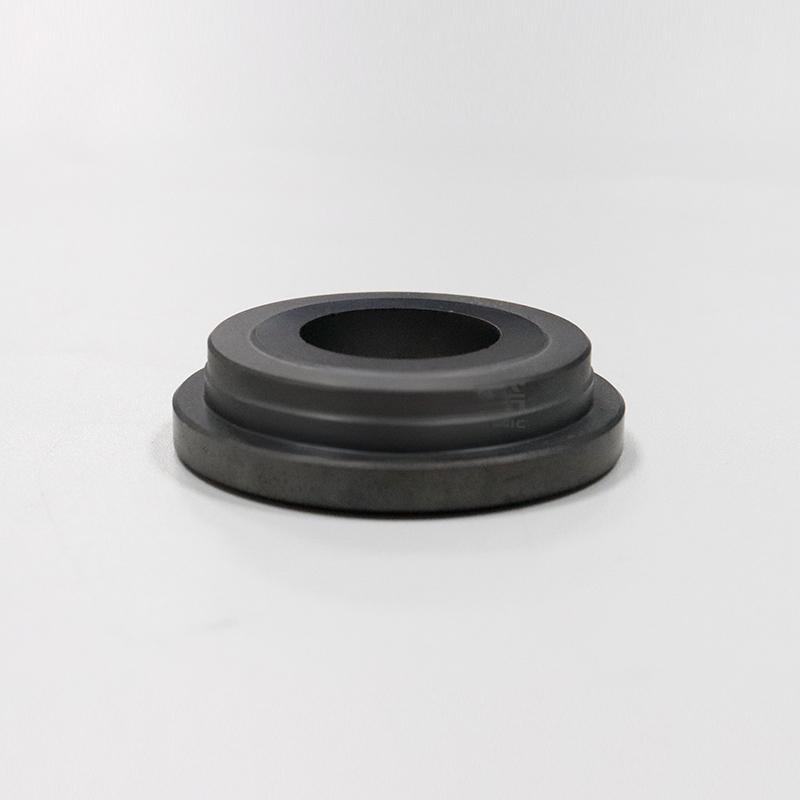
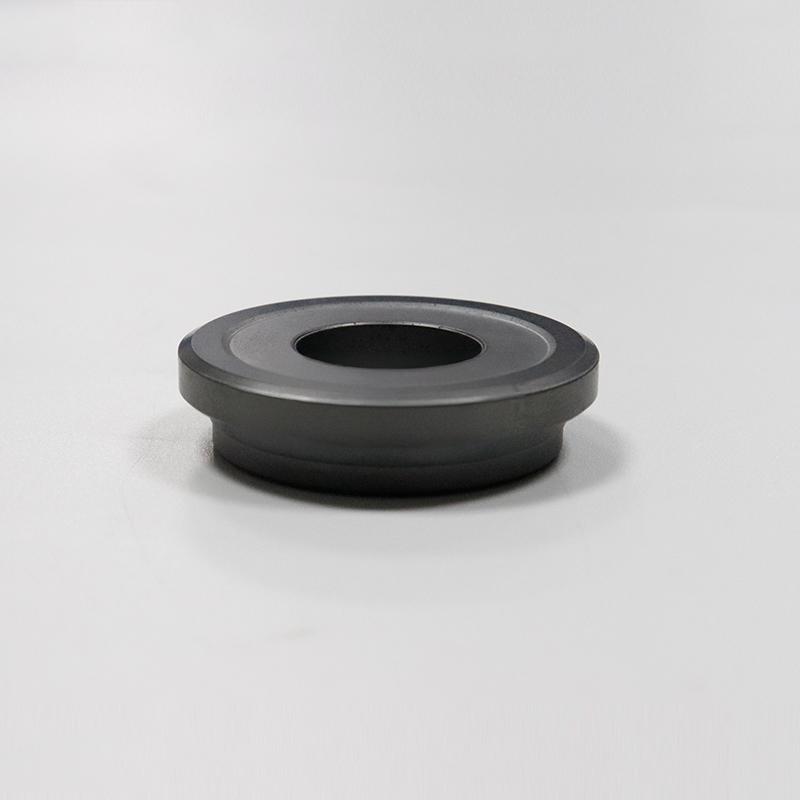
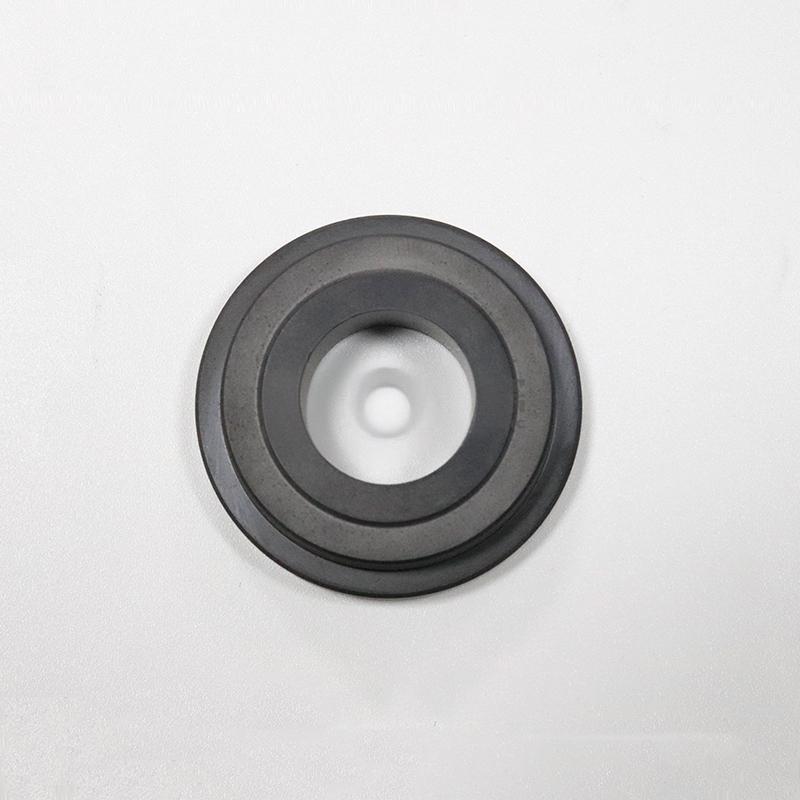
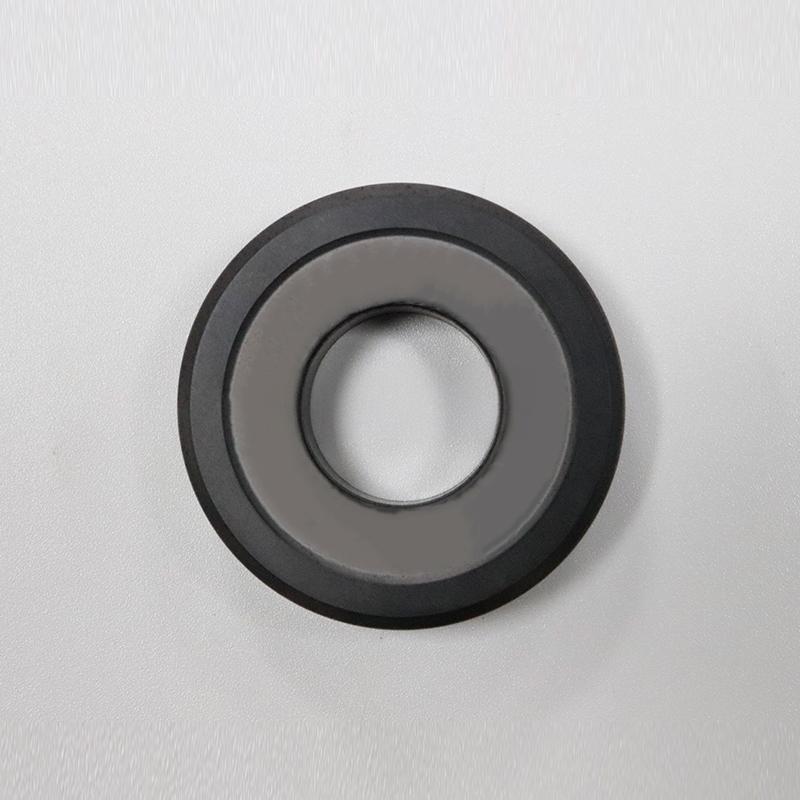
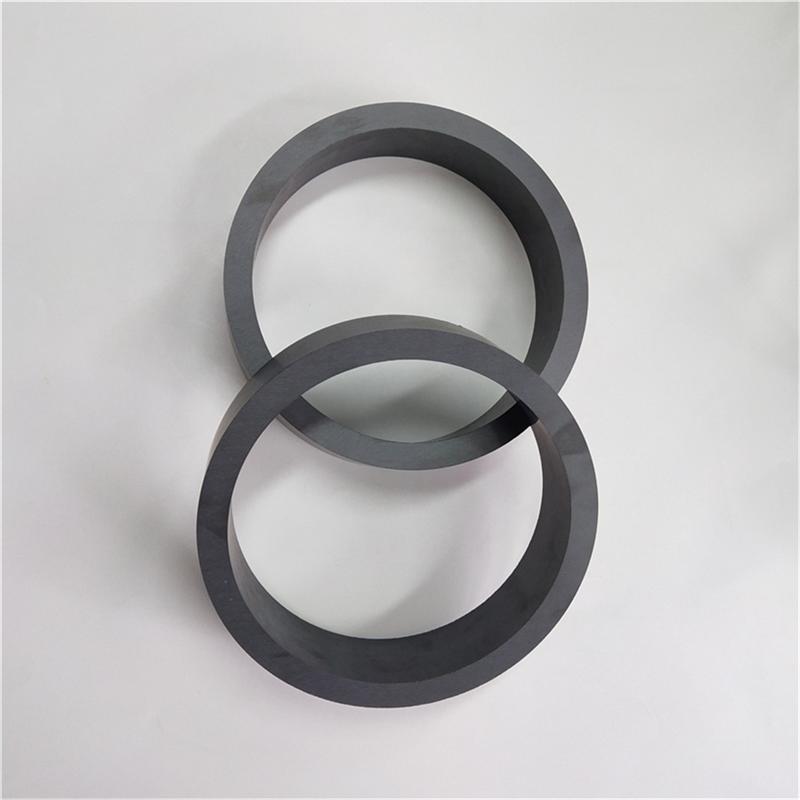
Silicon nitride ceramic shaft sleeve
What is a Silicon Nitride Ceramic Shaft Sleeve?
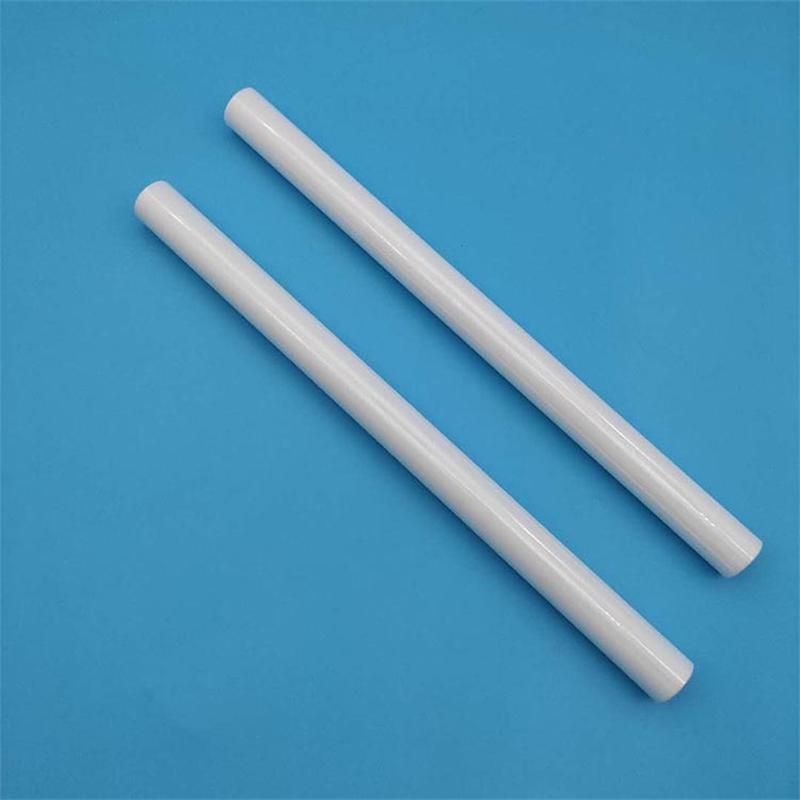
Silicon nitride ceramic shaft sleeve (Si₃N₄ shaft sleeve) is a precision-engineered tubular component designed to protect rotating or reciprocating shafts from wear, corrosion, and thermal degradation in demanding industrial environments. Unlike metallic sleeves that rely on oil lubrication and frequent replacement, silicon nitride sleeves leverage the inherent properties of advanced ceramic materials to deliver extended service life in applications involving high speed, high temperature, and aggressive media.
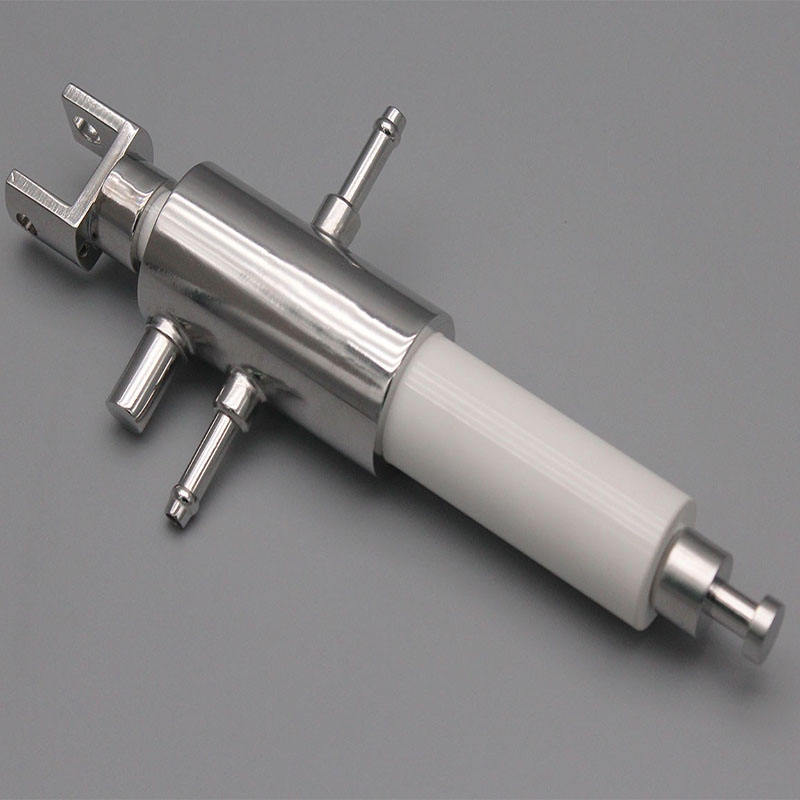
The sleeve typically fits over a shaft, acting as a replaceable wear surface that prevents direct contact between the shaft and bearings, seals, or process fluids. This configuration allows the sacrificial sleeve to absorb wear while preserving the integrity and dimensional accuracy of the more expensive shaft component.
From a microstructural perspective, silicon nitride (Si₃N₄) is a covalent-bonded ceramic characterized by an interlocking microstructure of elongated β-Si₃N₄ grains. This unique grain structure imparts exceptional fracture toughness—a rare combination in advanced ceramics—while maintaining high hardness and strength . The material exists in several grades, most commonly gas-pressure sintered silicon nitride (GPSN) and hot-pressed silicon nitride (HPSN), each offering slightly different property profiles to suit specific application requirements.
Key Takeaways
– Material Composition: Silicon nitride (Si₃N₄) with purity typically ≥96.5%, characterized by an interlocking β-phase grain structure that provides exceptional toughness among ceramics.
– Core Properties: Low density (~3.2 g/cm³, approximately 40% of steel), high hardness (HRA 90+), excellent thermal shock resistance, and self-lubricating behavior .
– Primary Function: Acts as a replaceable wear surface on shafts in pumps, mechanical seals, machine tools, and semiconductor equipment—protecting the underlying shaft from wear, corrosion, and thermal damage.
– Service Conditions: Continuous operation up to 1200°C in air, with higher limits in inert atmospheres; resistant to most acids and alkalis except hydrofluoric acid and hot concentrated alkalis .
Material Properties and Characteristics
Understanding the engineering properties of silicon nitride is essential for effective sleeve design and application. The table below summarizes key property ranges from multiple industry sources:
Key Properties of Silicon Nitride Shaft Sleeve Materials
Physical Properties:
– Density: 3.1–3.3 g/cm³
– Color: Dark gray to blackish gray
– Porosity: <1%
Mechanical Properties:
– Flexural Strength: 600–1200 MPa
– Compressive Strength: 2200–3800 MPa
– Vickers Hardness: 1500–1700 HV
– Fracture Toughness: 5–7 MPa·m¹/²
– Elastic Modulus: 290–310 GPa
Thermal Properties:
– Max Service Temp (air): 1200°C
– Thermal Conductivity: 20–26 W/m·K
– Thermal Expansion Coeff: 3.0–3.6 × 10⁻⁶/°C
– Thermal Shock Resistance: 550–800 ΔT°C
Electrical & Chemical:
– Volume Resistivity: >10¹⁴ Ω·cm
– Dielectric Strength: 10–25 kV/mm
– Chemical Resistance: Excellent (except HF and hot concentrated alkalis)
The property that often surprises engineers new to silicon nitride is its combination of high toughness and high hardness. Most ceramics force a trade-off between these properties, but the elongated β-Si₃N₄ grain structure provides crack-deflection mechanisms that arrest crack propagation . This translates to a sleeve that resists both surface wear (hardness) and catastrophic fracture from impact or thermal shock (toughness)—a critical combination for rotating equipment reliability.
Advantages of Silicon Nitride Shaft Sleeves
Exceptional Wear Resistance
The high hardness and self-lubricating nature of silicon nitride result in wear rates approximately 1/10 that of conventional metallic sleeve materials . In abrasive environments—such as pumps handling slurries or fluid containing particulates—this translates directly to extended maintenance intervals and reduced downtime. For applications where shaft sleeves experience sliding contact with seals or bearings, the low friction coefficient (0.02–0.1) reduces frictional heating and power losses.
Temperature Capability
Silicon nitride retains structural integrity at temperatures that would soften or oxidize steel. While the material can theoretically survive higher temperatures, the practical continuous service limit in air is approximately 1200°C . This capability is particularly valuable in turbocharger applications, high-temperature pumps, and exhaust gas recirculation (EGR) systems where metallic sleeves suffer from creep, oxidation, or thermal softening.
Thermal Shock Resistance
One of the most critical differentiators between silicon nitride and other ceramics is its resistance to rapid temperature changes. With thermal shock resistance values of 550–800 ΔT°C, silicon nitride sleeves can withstand sudden temperature transients that would fracture alumina or other brittle ceramics . This property is invaluable in process applications involving start-ups, shutdowns, or accidental process upsets.
Lightweight Construction
With a density approximately 40% that of steel, silicon nitride sleeves reduce rotational inertia in high-speed applications . For machine tool spindles and high-speed motors, this reduction in mass translates to faster acceleration, reduced bearing loads, and less centrifugal stress at high RPM.
Corrosion and Chemical Resistance
Silicon nitride exhibits excellent resistance to most acids, alkalis, and aggressive chemical media . The primary exceptions are hydrofluoric acid (HF), hot concentrated phosphoric acid, and concentrated strong alkalis at elevated temperatures. In chemical process pumps, this chemical stability prevents the corrosion and pitting that can lead to seal failure or shaft damage in metallic sleeves.
Electrical Insulation
The high volume resistivity (>10¹⁴ Ω·cm) and dielectric strength make silicon nitride sleeves suitable for applications requiring electrical isolation . This property is particularly relevant in semiconductor manufacturing equipment and electric motor applications where stray currents or grounding issues present challenges.
Limitations and Design Considerations
Brittle Behavior
Despite its enhanced toughness relative to other ceramics, silicon nitride remains a brittle material. It does not yield or plastically deform before failure. Designers must account for this by:
– Avoiding stress concentrations (sharp corners, edges)
– Specifying appropriate fit tolerances (press-fit, not interference)
– Ensuring alignment during assembly to prevent bending loads
– Designing housings that support the sleeve uniformly
Installation Sensitivity
Installation requires careful attention to cleanliness and fit. Contamination, misalignment, or over-pressing can induce hoop stresses that lead to cracking during installation or early operation . Press-fit values should be verified against the specific grade and geometry of the sleeve, and installation should use alignment fixtures wherever possible.
Chemical Limitations
As noted, hydrofluoric acid and hot concentrated strong alkalis will attack silicon nitride. In semiconductor and chemical process applications where HF is present, alternative materials such as silicon carbide or sapphire may be required.
Cost Considerations
Advanced silicon nitride is more expensive than conventional metallic sleeve materials on a per-part basis. The cost justification typically comes from extended service life, reduced maintenance, and improved process reliability. For high-value equipment where downtime is expensive, the total cost of ownership often favors silicon nitride despite the higher initial material cost.
Fabrication Challenges
The hardness and high-temperature stability that make silicon nitride perform well in service also make it difficult and expensive to machine. Finishing operations require diamond grinding and polishing, which adds to manufacturing costs and lead times. Achieving micron-level tolerances and surface finishes below Ra 0.1 μm is a specialist capability .
Typical Applications and Use Cases
Pump Shaft Protection
Pumps handling abrasive slurries, corrosive chemicals, or high-temperature fluids represent one of the most common applications for silicon nitride sleeves. The sleeve protects the pump shaft from wear in the seal area, extending seal life and reducing leakage. In abrasive media pumps, the wear resistance of silicon nitride can increase service intervals from weeks to months .
Mechanical Seals
In mechanical seal assemblies, the sleeve forms a wear surface that rotates with the shaft against a stationary seal face. The low friction coefficient and wear resistance of silicon nitride maintain seal performance over extended periods, reducing leakage and early seal failures . Seal performance becomes less sensitive to changes in operating speed and temperature when silicon nitride is used.
Machine Tool Guide Bushings
Deep hole drilling and precision boring operations require guide bushings that maintain positional accuracy over extended production runs. Silicon nitride sleeves used as guide bushings resist abrasion from chips and coolant flow, maintaining consistent hole geometry and straightness . The lower density relative to steel reduces rotating mass while providing adequate stiffness to support long, slender cutting tools.
Semiconductor Manufacturing Equipment
In wafer transfer mechanisms and other semiconductor processing equipment, silicon nitride sleeves provide electrical insulation, wear resistance, and chemical stability. The non-magnetic nature of the material is also beneficial in sensitive electronic applications . The thermal expansion coefficient of silicon nitride (approximately 3.2 × 10⁻⁶/°C) closely matches that of silicon, maintaining clearances under thermal cycling.
Aerospace Components
Turbocharger rotors, jet engine sensors, and high-temperature bearings benefit from the combination of low density, high-temperature strength, and thermal shock resistance of silicon nitride . Weight savings in rotating assemblies reduce bearing loads and improve efficiency.
Automotive Turbochargers
The high rotational speeds and elevated temperatures in automotive turbochargers present a demanding application for shaft sleeves. Silicon nitride’s low density reduces centrifugal forces at high RPM, while its thermal shock resistance handles the rapid temperature changes during turbo spool-up and cooldown.
Available Shapes and Typical Dimensions
Silicon nitride shaft sleeves are typically manufactured to customer specifications through precision ceramic processing. The manufacturing process involves powder preparation, isostatic pressing or dry pressing, green machining, gas-pressure sintering (GPS), followed by diamond grinding and polishing to final dimensions . The following represents typical dimensional capabilities:
– Inner Diameter (ID): 3–120 mm (0.12–4.7 inches), with standard design and manufacturing offering flexibility for custom designs based on specific requirements
– Outer Diameter (OD): 15–150 mm, with typical design accommodating custom requirements based on application needs
– Length: Up to 300 mm (12 inches), with standard design and manufacturing supporting longer lengths for specific applications
– Tolerances: ±0.003–0.02 mm on critical diameters
– Surface Finish: Ra 0.02–0.1 μm achievable
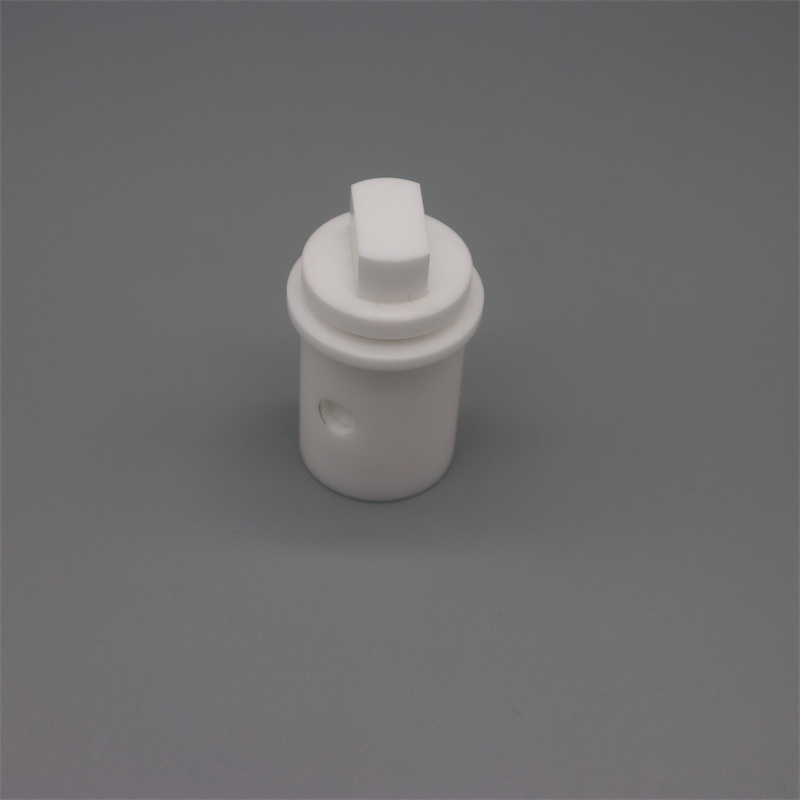
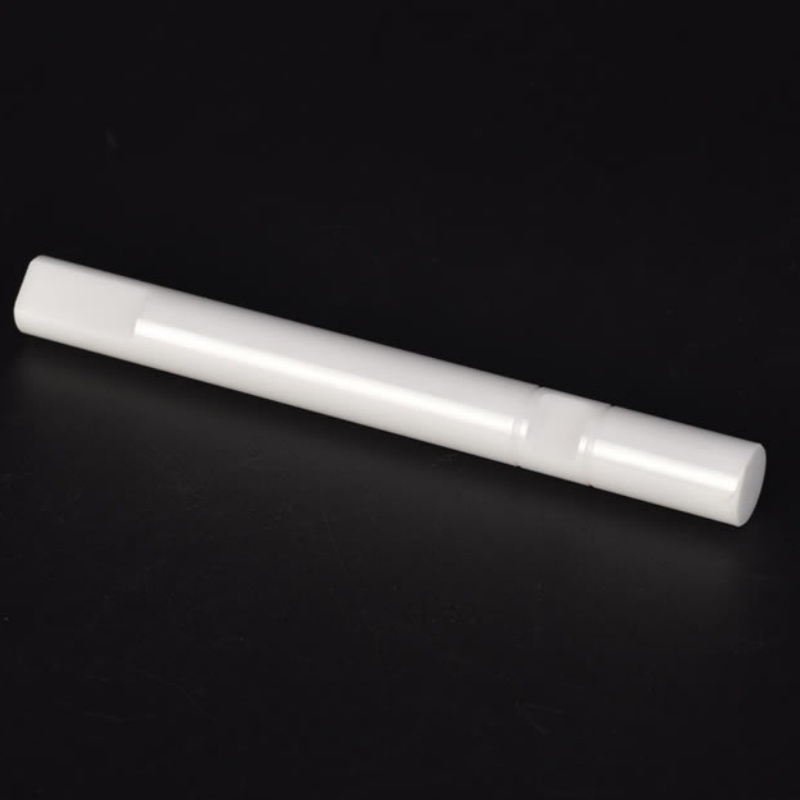
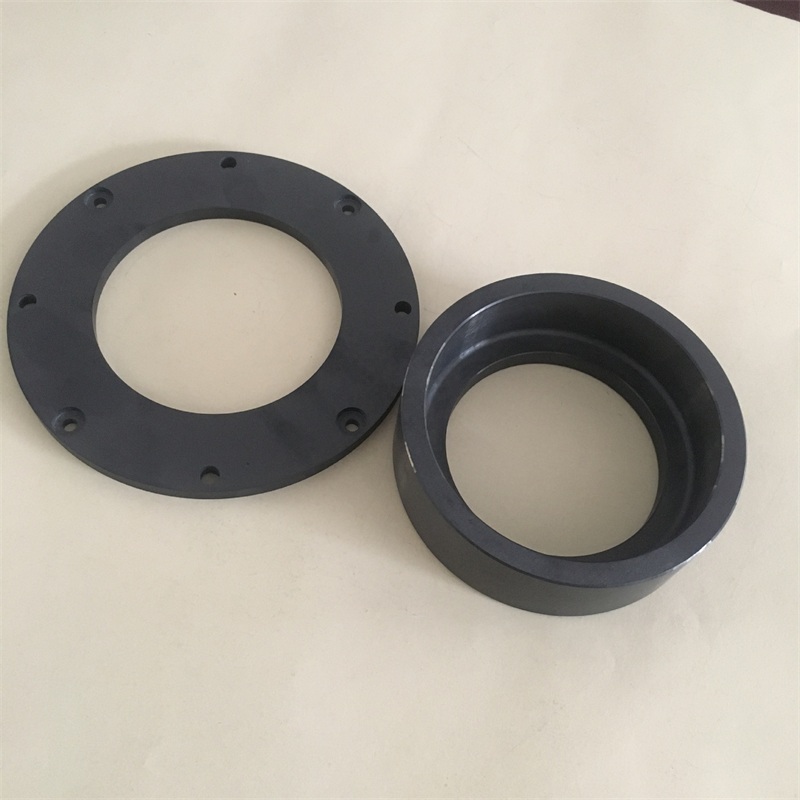
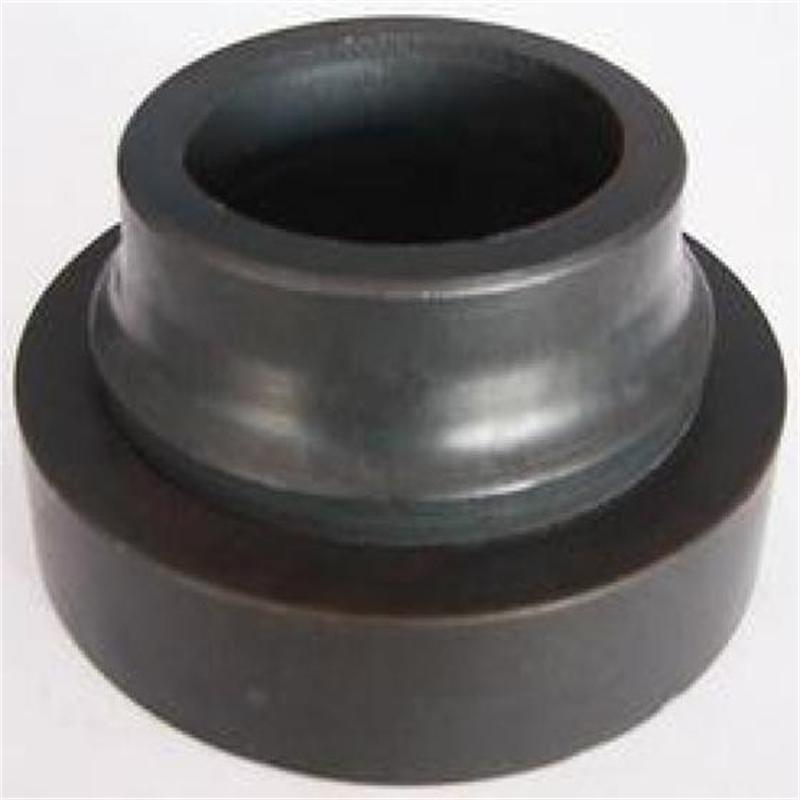
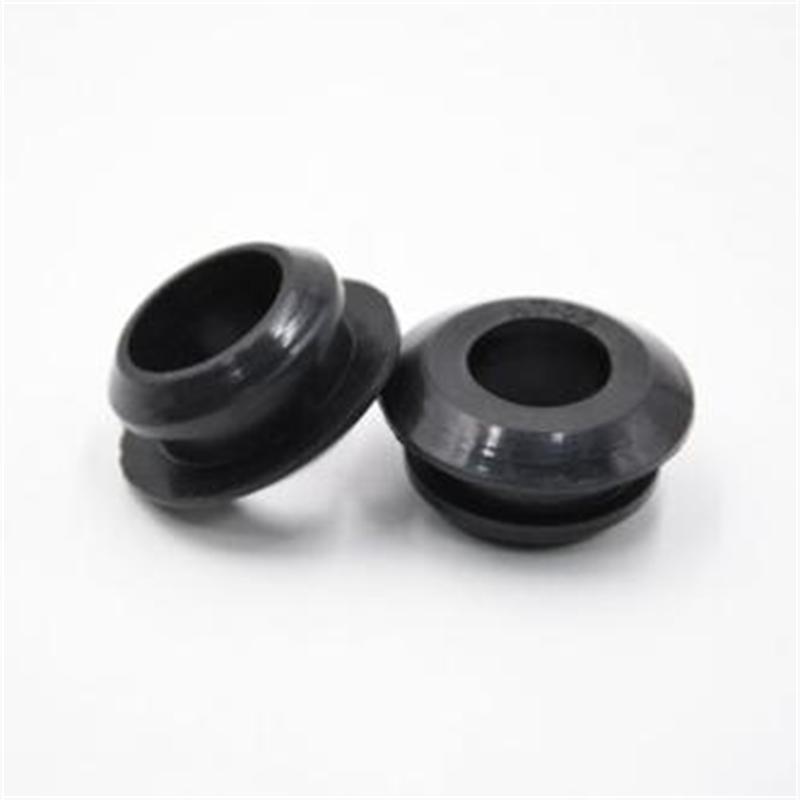
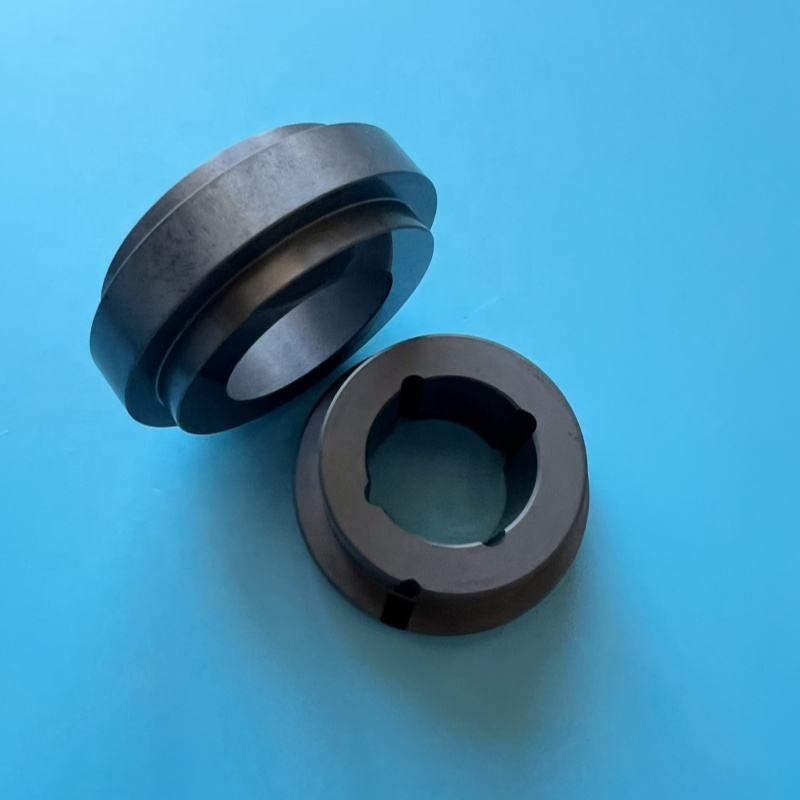
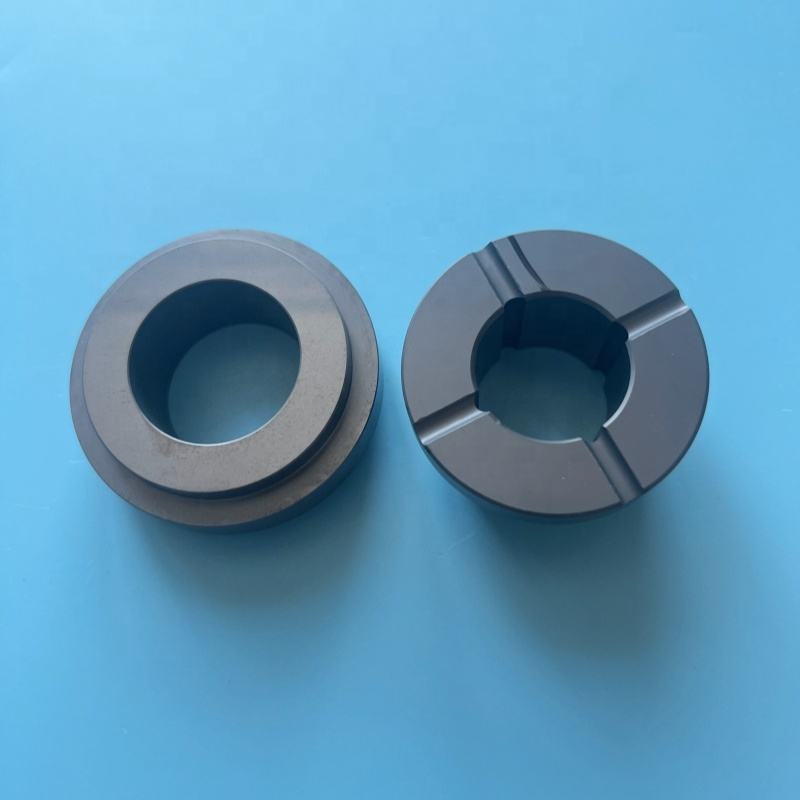
Design features such as stepped bores, flanges, slots, and through-holes can be incorporated based on application requirements.
Manufacturing Process Overview
The production of a high-quality silicon nitride shaft sleeve follows a carefully controlled process chain:
1. Powder Formulation: High-purity Si₃N₄ powder is blended with sintering aids (typically yttria and alumina) and binders.
2. Forming: Green compacts are formed using either isostatic pressing (for longer sleeves) or uniaxial dry pressing (for shorter, simpler geometries) .
3. Green Machining: The compact is machined to near-net shape in its softer green state, reducing the amount of costly diamond grinding required after sintering.
4. Sintering: Gas-pressure sintering (GPS) at temperatures typically exceeding 1800°C densifies the material to near-theoretical density (>99%). The controlled atmosphere prevents oxidation and allows full densification.
5. Post-Sintering Inspection: Parts undergo non-destructive testing to detect any internal defects or cracks.
6. Diamond Grinding and Polishing: Diamond wheels and abrasives finish the part to final dimensions and surface finish requirements .
7. Final Inspection: Coordinate measuring machines (CMM) verify dimensional accuracy, and surface roughness is measured to confirm conformance.
Industry Experience and Selection Factors
Based on extensive field experience, the following factors should be considered when selecting a silicon nitride sleeve for an application:
Fit and Tolerances: The press-fit or clearance between the sleeve and shaft must be specified based on the operating temperature range, thermal expansion coefficients of both materials, and the required running clearance. For pump and seal applications, typical ID tolerances range from ±0.02–0.05 mm, but final values should align with design standards and operating temperature requirements .
Surface Finish: The surface finish of both the sleeve bore and outer diameter affects seal performance and friction. For seal face applications, surface roughness below Ra 0.1 μm is typical.
Material Grade Selection: Gas-pressure sintered silicon nitride (GPSN) is suitable for most applications, offering an excellent balance of properties. Hot-pressed silicon nitride (HPSN) provides slightly higher strength and fracture toughness for more demanding applications .
Mating Materials: The choice of counterface material is critical for minimizing wear. Hard, fine-grained materials generally perform best against silicon nitride. Materials such as silicon carbide, alumina, or tungsten carbide are common counterparts in seal and bearing applications.
Operating Conditions: Consider the full operating envelope, including start-up, normal operation, shut-down, and upset conditions. Thermal cycling, dry-running events, and transient loads should all be evaluated for their impact on sleeve performance and reliability.
Frequently Asked Questions
Q: What is a silicon nitride ceramic shaft sleeve?
Silicon nitride shaft sleeve is a precision ceramic tube that fits over a shaft to protect it from wear, corrosion, and high-temperature damage. It provides a replaceable wear surface in applications such as pumps, mechanical seals, and machine tools. The material combines high hardness, toughness, and thermal shock resistance to extend equipment service life.
Q: What temperature can a silicon nitride sleeve withstand?
Dense silicon nitride sleeves can operate continuously at temperatures up to 1200°C in air, and at higher temperatures in inert or vacuum atmospheres . The practical limit is often defined not by the ceramic itself but by the surrounding components and the process fluid. The material also exhibits excellent thermal shock resistance, surviving rapid temperature changes.
Q: How does a silicon nitride sleeve compare to a steel sleeve?
Silicon nitride offers approximately 60% lower density than steel, significantly higher hardness, better high-temperature strength retention, and superior corrosion resistance. However, it is a brittle material and costs more upfront. While steel sleeves may be cheaper initially, silicon nitride often provides lower total cost of ownership through longer service life and reduced maintenance .
Q: Can a silicon nitride sleeve be used in chemical process applications?
Yes, silicon nitride provides excellent resistance to most acids, alkalis, and corrosive media . The primary exceptions are hydrofluoric acid, hot concentrated phosphoric acid, and concentrated strong alkalis at elevated temperatures. In chemical pumps, silicon nitride sleeves protect shafts from corrosion and maintain seal performance in aggressive environments.
Q: What tolerances can be achieved on a silicon nitride sleeve?
With diamond grinding, high-precision silicon nitride sleeves can achieve tolerances of ±0.003–0.005 mm (0.00012–0.0002 inches) on critical diameters . Surface finishes below Ra 0.02 μm are achievable. These capabilities allow silicon nitride sleeves to meet the demanding tolerances required in high-speed machinery and precision equipment.
Q: Does a silicon nitride sleeve require lubrication?
Silicon nitride has inherent self-lubricating properties due to its low friction coefficient, which can be as low as 0.02–0.1 . While it can run dry for brief periods, most applications still use lubrication or process fluid to manage heat and maximize life. Extended dry running is generally not recommended unless the system is explicitly designed for it .
Q: What are the common failure modes for silicon nitride sleeves?
The most common failure modes include installation-induced cracking (hoop stress), thermal shock if operating outside specified limits, erosion/abrasion wear in very severe conditions, and chemical attack from incompatible media. Proper installation, respect for operating limits, and careful selection of mating materials significantly reduce the risk of premature failure .
Q: Can silicon nitride sleeves be customized with special features?
Yes, silicon nitride sleeves can be manufactured with features such as stepped bores, flanges, slots, through-holes, and special geometries. The ability to achieve complex geometries is limited by the processing capabilities, but many custom designs are feasible. Typical features such as the side slot can facilitate installation and allow for slight elastic deformation during assembly .
The silicon nitride ceramic shaft sleeve represents a significant advancement in rotating equipment component design. Its unique combination of properties—high hardness and fracture toughness, low density, excellent thermal shock resistance, corrosion resistance, and self-lubricating behavior—addresses many of the limitations of metallic sleeves in demanding applications. From pump shaft protection in chemical processing to precision guidance in semiconductor manufacturing and high-speed turbocharger applications, silicon nitride sleeves deliver extended service life and improved reliability.
The material is not a universal solution; its brittle nature and higher cost require careful engineering consideration and appropriate selection based on the specific application requirements. However, when properly specified and installed, silicon nitride sleeves provide a compelling total cost of ownership proposition for critical equipment where downtime is expensive and reliability is paramount.
For design engineers, material selection professionals, and maintenance engineers, understanding the capabilities and limitations of silicon nitride shaft sleeves is essential for developing robust, reliable equipment that meets the performance demands of modern industrial applications.