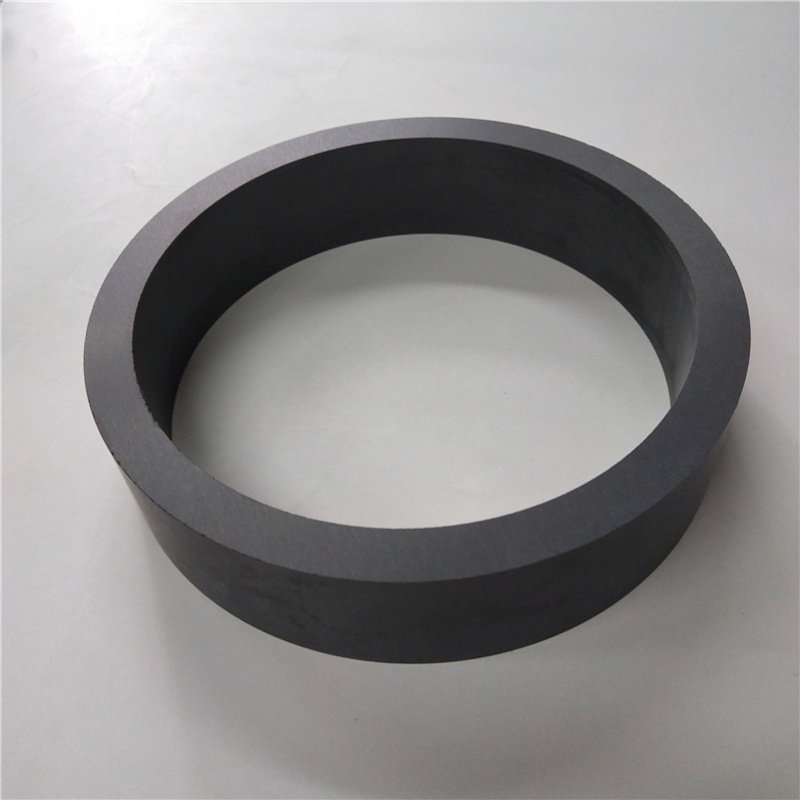
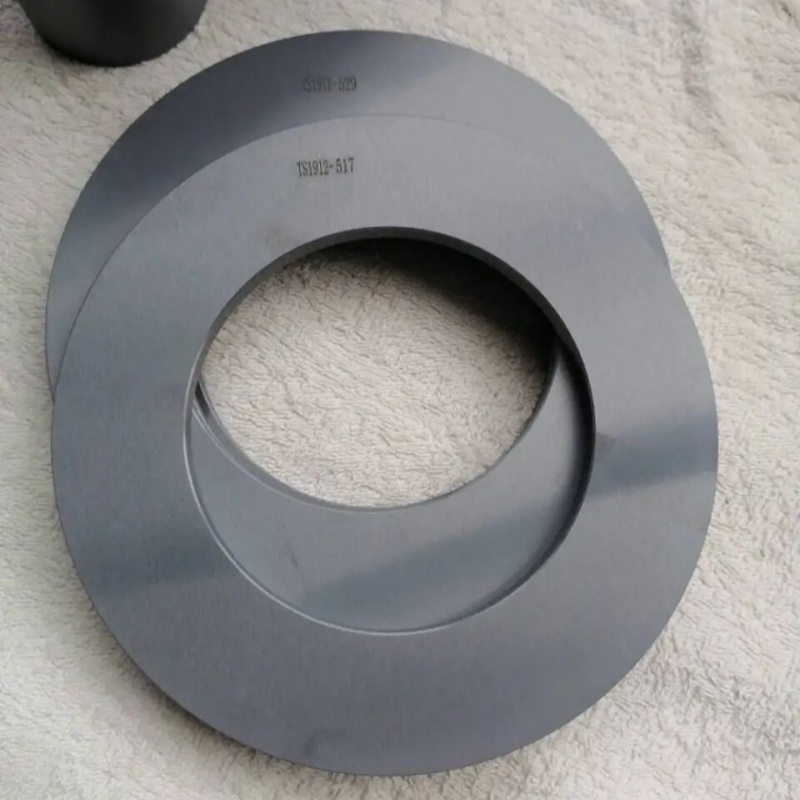
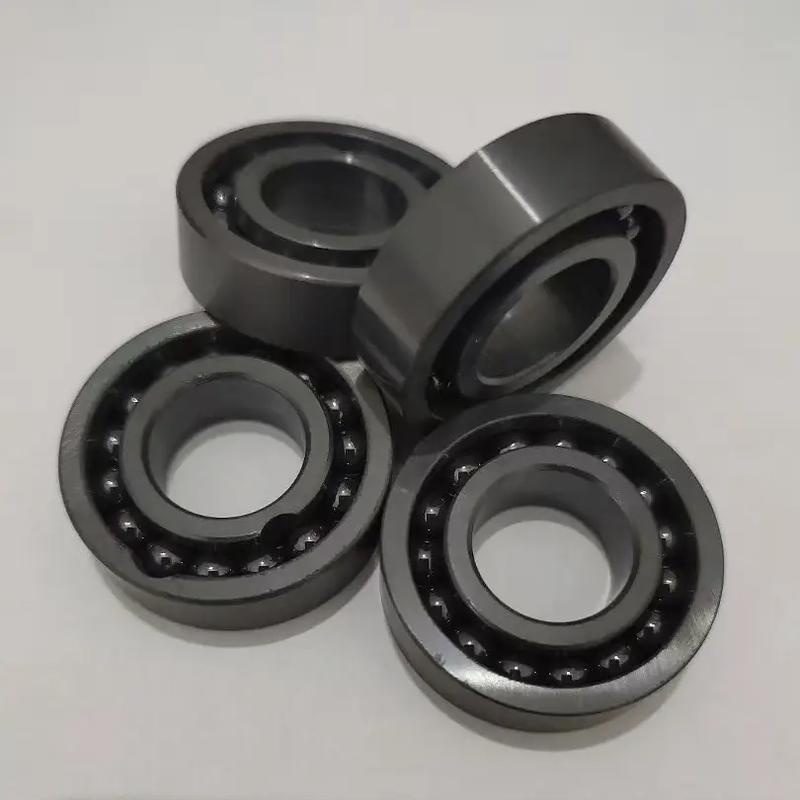
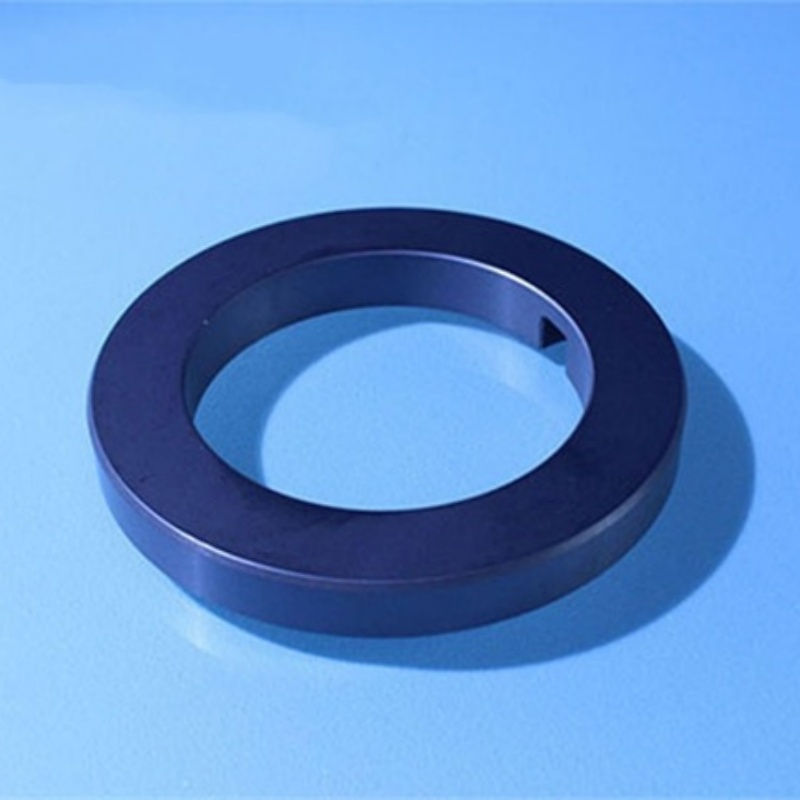
Silicon Nitride Ceramic Sealing Rings
Silicon nitride ceramic sealing rings are widely used in demanding mechanical sealing applications where metals and polymers cannot provide sufficient wear resistance, chemical stability, or thermal reliability. As a high-performance advanced ceramic, silicon nitride offers a combination of high fracture toughness, low density, excellent wear resistance, and good thermal shock resistance. These properties make it particularly suitable for dynamic sealing environments involving high speed, abrasive media, corrosive fluids, or elevated temperatures.
What Is a Silicon Nitride Ceramic Sealing Ring?
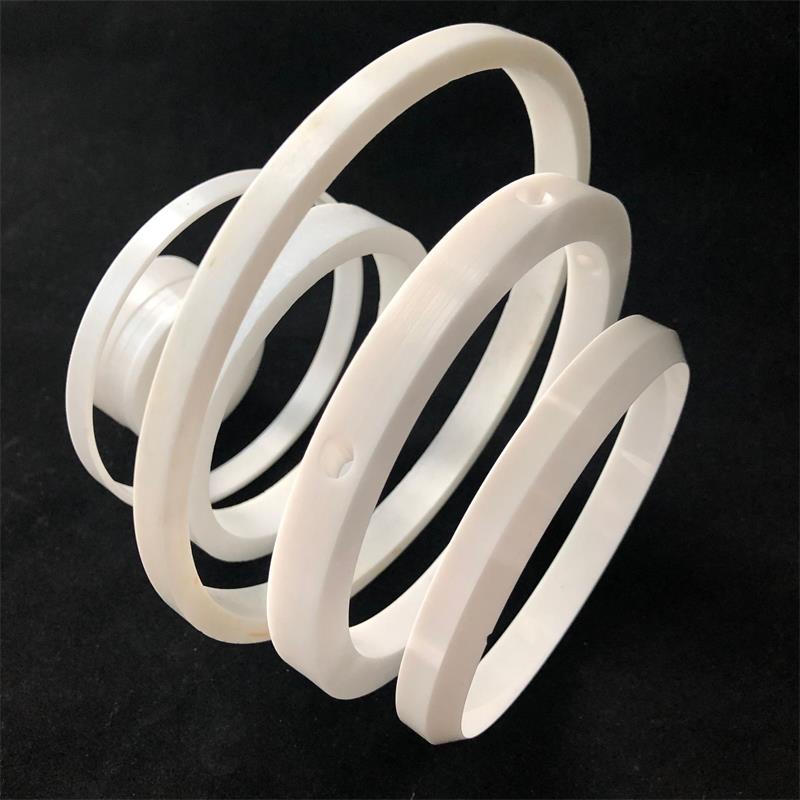
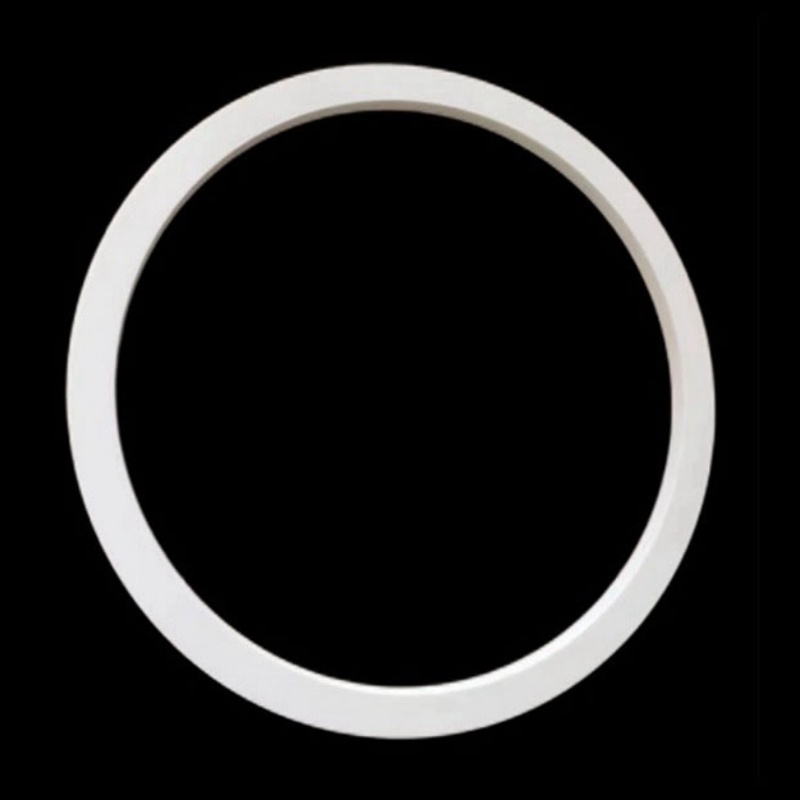
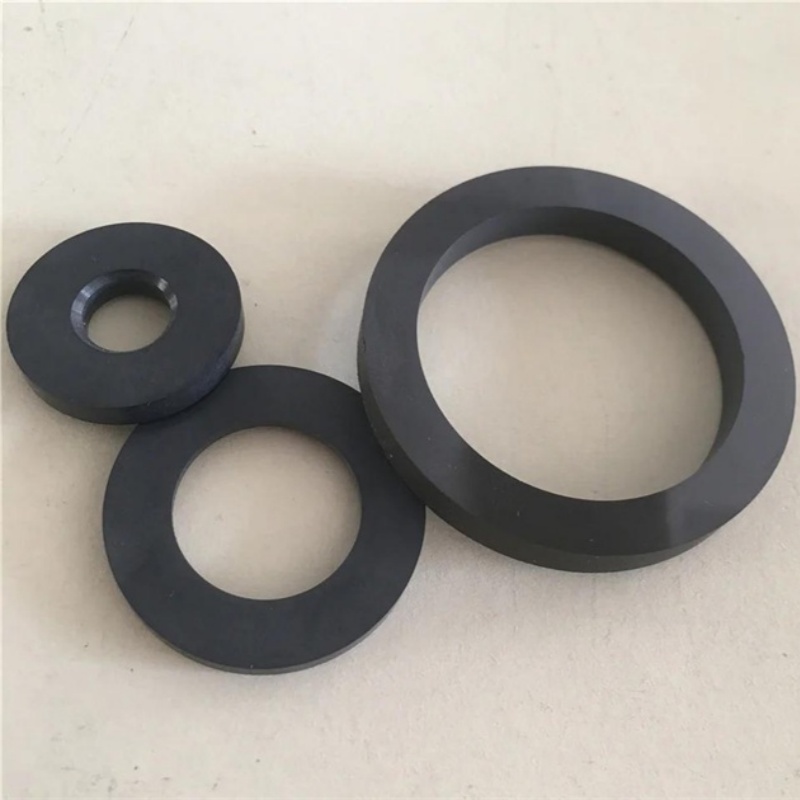
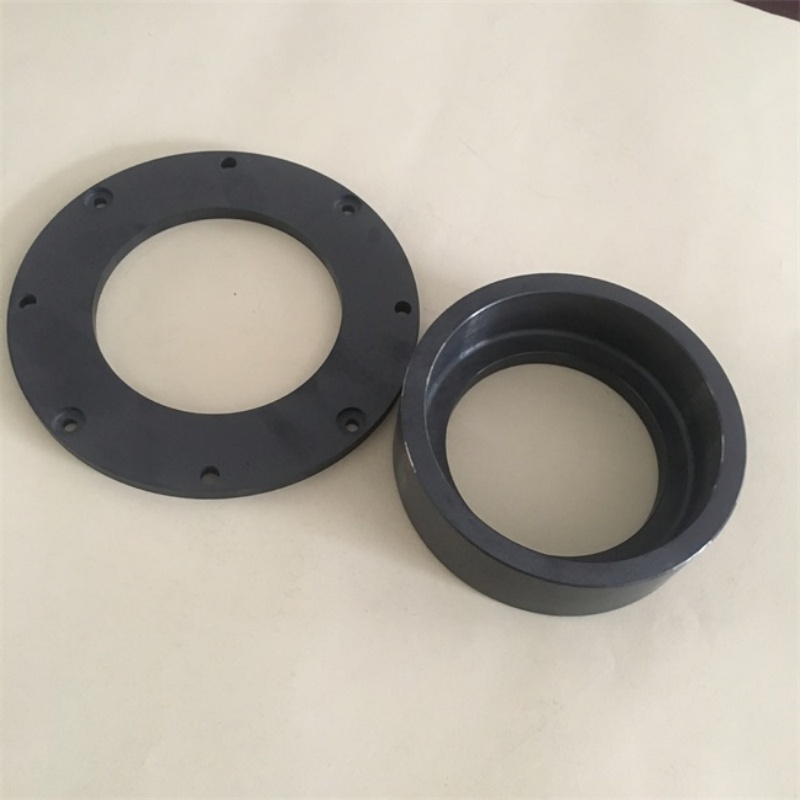
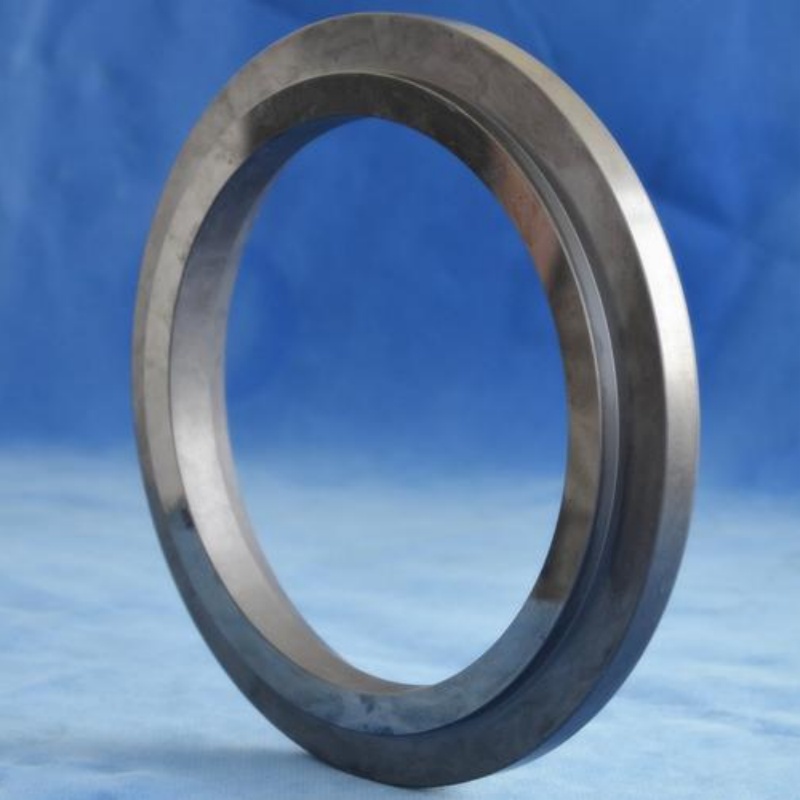
Silicon nitride sealing ring is a precision ceramic component used as a mating face in mechanical seals, pump seals, compressor seals, valve seals, and other rotating or reciprocating sealing systems. It is typically paired with a counterface material such as silicon carbide, tungsten carbide, or carbon. The sealing performance depends not only on surface finish and flatness, but also on the material’s ability to maintain dimensional stability and resist wear under continuous friction and fluid exposure.
Silicon nitride is primarily composed of silicon and nitrogen, with small amounts of sintering aids added to achieve full densification. Common sintering systems include magnesium oxide, yttrium oxide, and aluminum oxide. The final microstructure and mechanical performance depend strongly on the sintering method and additive composition.
Why Silicon Nitride Performs Well in Sealing Applications
The suitability of silicon nitride for sealing rings comes from its balanced mechanical and thermal behavior. Unlike many oxide ceramics, silicon nitride does not rely solely on high hardness for wear resistance. Its microstructure typically contains elongated grains that can deflect cracks and improve toughness. This gives silicon nitride better resistance to edge chipping and mechanical shock than many brittle ceramics.
Its relatively low density also reduces centrifugal force in high-speed rotating seals. In pump and compressor applications, lower rotating mass can help reduce vibration and bearing load. At the same time, silicon nitride maintains good strength at elevated temperatures, which supports stable sealing performance when fluid temperature rises during operation.
Key Properties of Silicon Nitride Sealing Rings
Silicon nitride sealing rings are valued for several engineering characteristics:
High wear resistance: Suitable for abrasive slurries, particle-containing fluids, and dry-running conditions.
Good fracture toughness: Better resistance to impact and edge damage than many oxide ceramics.
Low coefficient of friction: Helps reduce heat generation at the sealing interface.
High thermal shock resistance: Can withstand rapid temperature changes better than many ceramics with low thermal conductivity.
Good chemical stability: Resistant to many acids, alkalis, oils, and organic solvents, though performance varies with medium and temperature.
Low thermal expansion: Contributes to dimensional stability under thermal cycling.
Typical silicon nitride grades used for sealing components may exhibit flexural strength in the range of 600–900 MPa and fracture toughness around 5–7 MPa·m¹/², depending on composition and processing. Density is usually between 3.2 and 3.3 g/cm³. These values should be treated as representative ranges rather than universal specifications, because different grades and manufacturing routes produce different performance levels.
Common Material Grades and Processing Routes
Silicon nitride ceramics are generally classified by their sintering method and additive system. Reaction-bonded silicon nitride, sintered silicon nitride, and hot-pressed silicon nitride each offer different balances of density, toughness, and manufacturing complexity.
For sealing rings, fully densified sintered silicon nitride is often preferred because it provides more consistent mechanical properties and better wear performance. Reaction-bonded silicon nitride may retain some porosity, which can limit its suitability in high-pressure or highly corrosive environments. Hot-pressed silicon nitride can achieve very high strength and toughness, but its processing cost and shape limitations must be considered.
Typical Applications
Silicon nitride sealing rings are commonly used in:
Chemical pumps: Where corrosion resistance and wear resistance are both required.
Slurry pumps: Where abrasive particles accelerate wear on conventional seal faces.
Compressors: Where low density and high strength help maintain reliability at high speed.
Automotive and turbocharger systems: Where thermal cycling and mechanical load are significant.
Oil and gas equipment: Where seals must resist harsh fluids and pressure fluctuations.
Water treatment and industrial fluid systems: Where long service life and reduced maintenance are important.
In abrasive or corrosive service, silicon nitride often outperforms alumina because of its higher toughness and better wear behavior. Compared with silicon carbide, silicon nitride may offer better resistance to mechanical shock, while silicon carbide can provide higher hardness and thermal conductivity. The correct choice depends on operating pressure, temperature, fluid chemistry, sliding speed, and counterface material.

Advantages and Limitations
The main advantages of silicon nitride sealing rings are high toughness for a ceramic, excellent wear resistance, good thermal shock resistance, and reliable performance in corrosive environments. They are especially useful when the seal face must survive intermittent dry running, particle ingress, or rapid temperature changes.
However, silicon nitride is still a brittle ceramic. It does not deform plastically like metal, so improper installation, excessive preload, or uneven seating can cause cracking. Machining silicon nitride to tight tolerances requires specialized processes, and complex geometries may increase manufacturing cost. It is also not universally resistant to all chemicals; strong hydrofluoric acid and certain hot alkaline solutions can attack silicon nitride.
When to Select Silicon Nitride
Silicon nitride should be considered when the sealing environment involves:
abrasive media or solid particles;
frequent thermal cycling;
moderate to high sliding speeds;
corrosive liquids where metals are unsuitable;
a need for better shock resistance than alumina can provide.
If maximum hardness and thermal conductivity are more critical than toughness, silicon carbide may be a better option. If cost is the primary constraint and operating conditions are mild, alumina or tungsten carbide may be sufficient. Proper selection always requires matching the ceramic grade, counterface material, seal design, and operating conditions.
FAQ
What is a silicon nitride ceramic sealing ring used for?
It is used as a sealing face in mechanical seals, pumps, compressors, valves, and other systems where wear resistance, chemical stability, and thermal reliability are required.
Is silicon nitride better than alumina for sealing rings?
In many dynamic sealing applications, silicon nitride offers higher fracture toughness and better thermal shock resistance than alumina, making it more suitable for impact-prone or thermally cycling conditions.
Can silicon nitride sealing rings operate at high temperatures?
Yes, silicon nitride retains good mechanical strength at elevated temperatures. However, the maximum service temperature depends on the grade, environment, and seal design.
Is silicon nitride electrically insulating?
Silicon nitride generally has low electrical conductivity and can act as an electrical insulator under many conditions, but its electrical properties are not the primary reason it is chosen for sealing rings.
What are the main limitations of silicon nitride sealing rings?
They are brittle, sensitive to improper installation, difficult to machine, and may be attacked by certain strong acids or hot alkaline solutions.
How does silicon nitride compare with silicon carbide for seals?
Silicon nitride typically offers better fracture toughness and thermal shock resistance, while silicon carbide often provides higher hardness and thermal conductivity. Selection depends on the specific operating conditions.