Silicon Nitride Ceramic Products
What Are Silicon Nitride Ceramic Products?
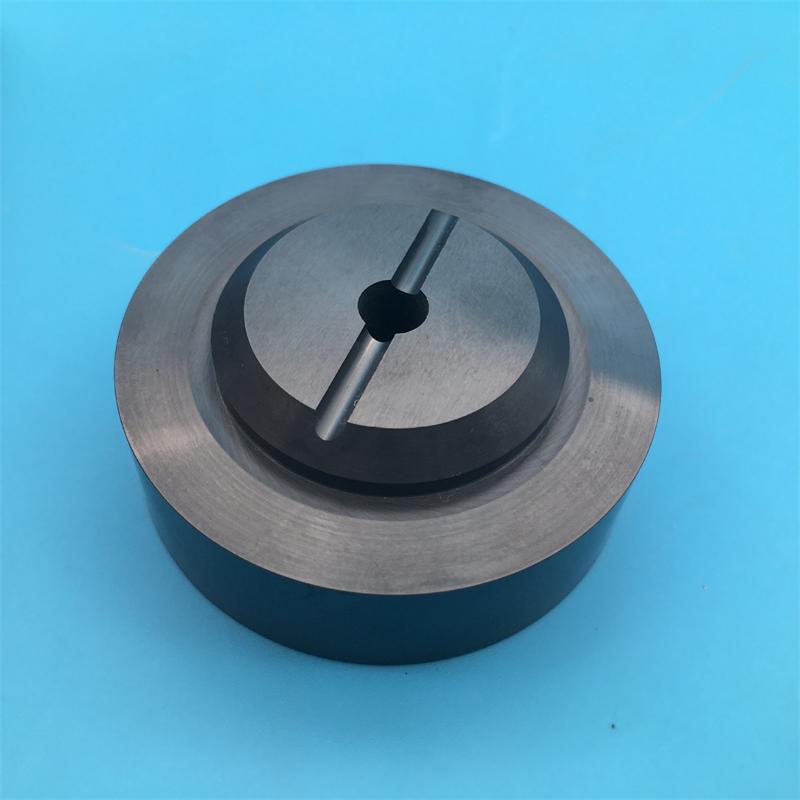
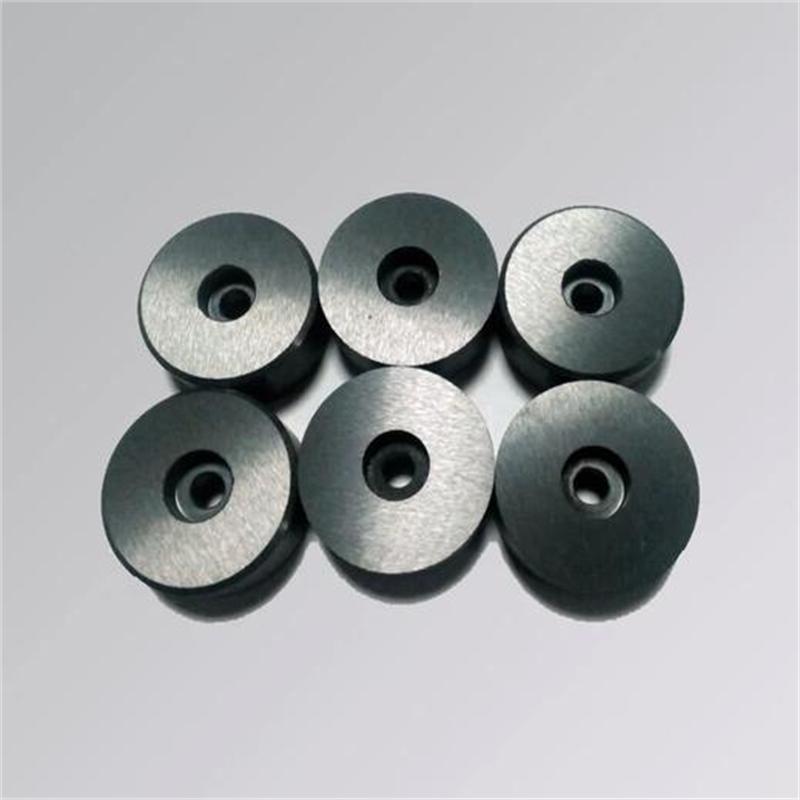
Silicon nitride (Si₃N₄) is a high-performance engineering ceramic valued for its combination of high fracture toughness, thermal shock resistance, and low density. Silicon nitride ceramic products are components manufactured from this material, typically in the form of bearings, cutting tools, engine components, substrates, and wear-resistant parts used in demanding industrial environments.
Unlike oxide ceramics such as alumina, silicon nitride is a non-oxide ceramic. This gives it different mechanical and thermal behavior, especially in applications involving rapid temperature changes, high-speed rotation, cyclic loading, or sliding wear.
For engineers and designers, silicon nitride is not simply a “hard ceramic.” Its real advantage is that it can maintain structural reliability where metals soften, where alumina may fracture under thermal shock, and where zirconia may lose stability at elevated temperatures.
Key Takeaways
Silicon nitride is a high-strength, low-density engineering ceramic with good fracture toughness.
It performs well in high-temperature, high-speed, and thermally shocked environments.
Common product forms include bearing balls, rollers, cutting inserts, nozzles, heater components, and electronic substrates.
Si₃N₄ is especially useful when weight reduction, corrosion resistance, and thermal shock resistance matter.
Material selection should consider grade, operating temperature, mechanical load, thermal cycling, and machining requirements.
Why Silicon Nitride Matters in Engineering Ceramics
Silicon nitride is widely used because it balances properties that are difficult to achieve together in one material. It is lighter than most metals, harder than many structural alloys, more thermally stable than many polymers, and more resistant to thermal shock than many other technical ceramics.
In practical terms, this means silicon nitride components can reduce weight in rotating systems, resist wear in abrasive environments, survive repeated heating and cooling, and operate in conditions where lubrication is limited or unreliable.
It is especially relevant in automotive, aerospace, energy, semiconductor, metal processing, and advanced machinery applications. However, it is not a universal replacement for metal or other ceramics. Its performance depends on grade selection, component geometry, surface finish, and operating conditions.
Key Material Properties of Silicon Nitride
Silicon nitride is usually evaluated through a combination of mechanical, thermal, and chemical properties. The values below are typical ranges for engineering-grade silicon nitride. Actual performance depends on the specific grade, processing route, density, microstructure, and component design.
Chemical formula: Si₃N₄
Density: approximately 3.1–3.3 g/cm³
Hardness: typically high, often in the range of 14–17 GPa depending on grade and measurement method
Flexural strength: commonly several hundred MPa, with high-strength grades reaching higher values
Fracture toughness: generally higher than alumina, making it more resistant to crack propagation
Elastic modulus: typically around 300 GPa, though exact values vary by grade
Thermal expansion: relatively low, which helps reduce thermal stress during heating and cooling
Thermal conductivity: moderate in many structural grades; higher in specialized electronic or thermal management grades
Maximum use temperature: often suitable for continuous high-temperature service, but the exact limit depends on atmosphere, load, environment, and component design
These properties make silicon nitride attractive for applications where strength, stiffness, low weight, and thermal stability must be balanced.
Main Types of Silicon Nitride Ceramics
Silicon nitride ceramics are commonly grouped by processing method and microstructure. The two most frequently encountered families are sintered silicon nitride and hot-pressed silicon nitride.
Sintered Silicon Nitride
Sintered silicon nitride is often abbreviated as SSN. It is produced by pressing a silicon nitride powder mixture, usually with sintering aids, and then densifying it at high temperature. This route is widely used for complex industrial components because it allows relatively flexible shaping before sintering.
SSN is common in bearing components, wear parts, nozzles, and structural ceramic parts. Its properties depend strongly on sintering aids, powder purity, density, and final microstructure.
Hot-Pressed Silicon Nitride
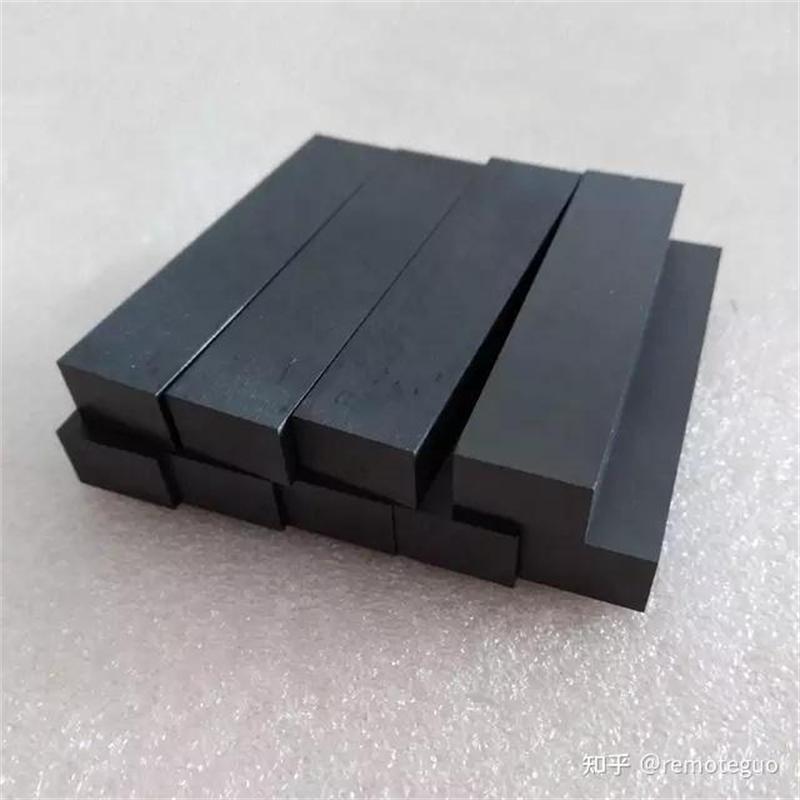
Hot-pressed silicon nitride, or HPSN, is typically densified under heat and pressure at the same time. This often produces a dense, strong material with good mechanical performance. However, hot pressing is less suitable for highly complex net shapes, so it is often used for simpler geometries such as plates, blocks, rods, or machined components.
Reaction-Bonded Silicon Nitride
Reaction-bonded silicon nitride, or RBSN, is formed by nitriding silicon powder compacts. It often allows near-net-shape manufacturing with less shrinkage than fully dense sintered ceramics. However, it usually has lower strength and toughness than high-density SSN or HPSN, so it is selected based on application requirements rather than used as a direct upgrade path.
Typical Grades and Material Options
Silicon nitride grades are not interchangeable. A grade optimized for bearing performance may not be the best choice for a high-temperature structural component, and a grade designed for thermal management may not be ideal for heavy wear.
Typical material options include:
Bearing-grade silicon nitride: optimized for high hardness, fatigue resistance, and rolling contact performance
Structural-grade silicon nitride: balanced for strength, toughness, and thermal shock resistance
High-temperature structural grades: used where thermal stability and creep resistance are important
Electronic or thermal management grades: selected for controlled thermal conductivity and electrical insulation
Wear-resistant grades: used in nozzles, guides, seals, and abrasive environments
When selecting a grade, engineers should request the manufacturer’s datasheet and confirm density, strength, toughness, thermal expansion, thermal conductivity, and applicable test standards.
Common Shapes and Available Forms
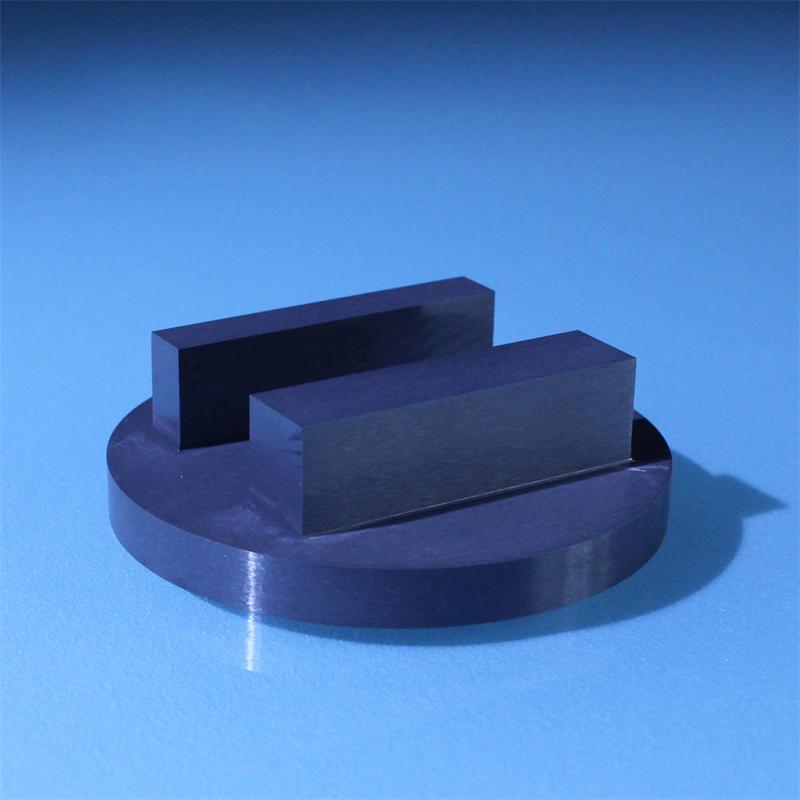
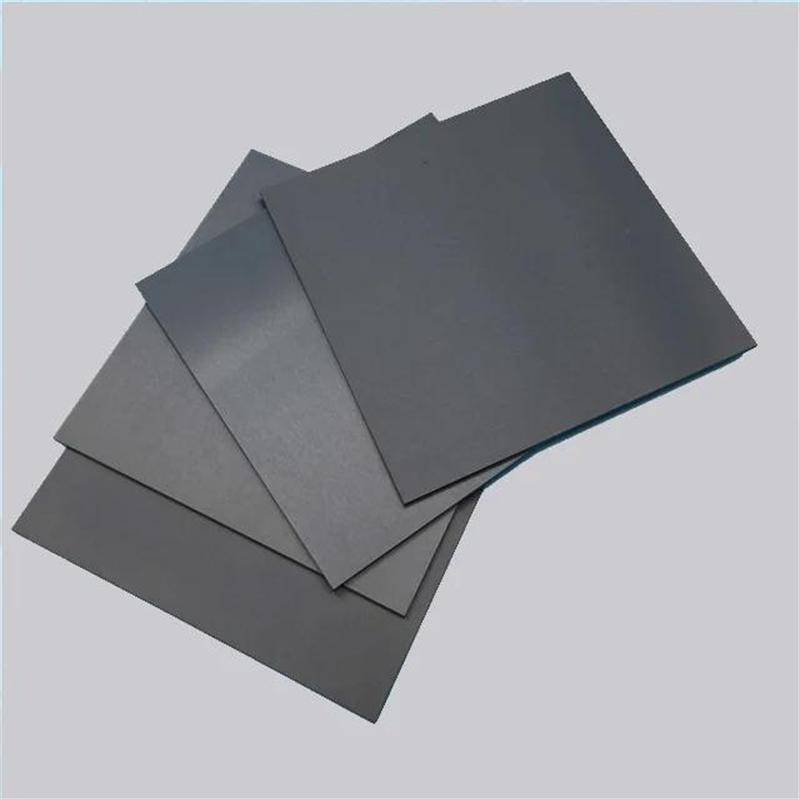
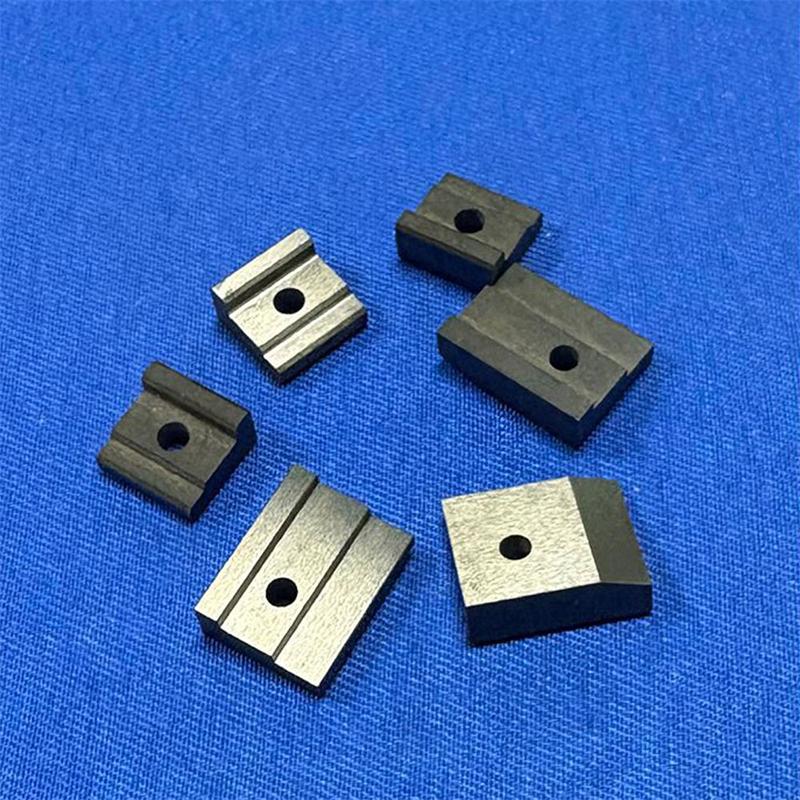
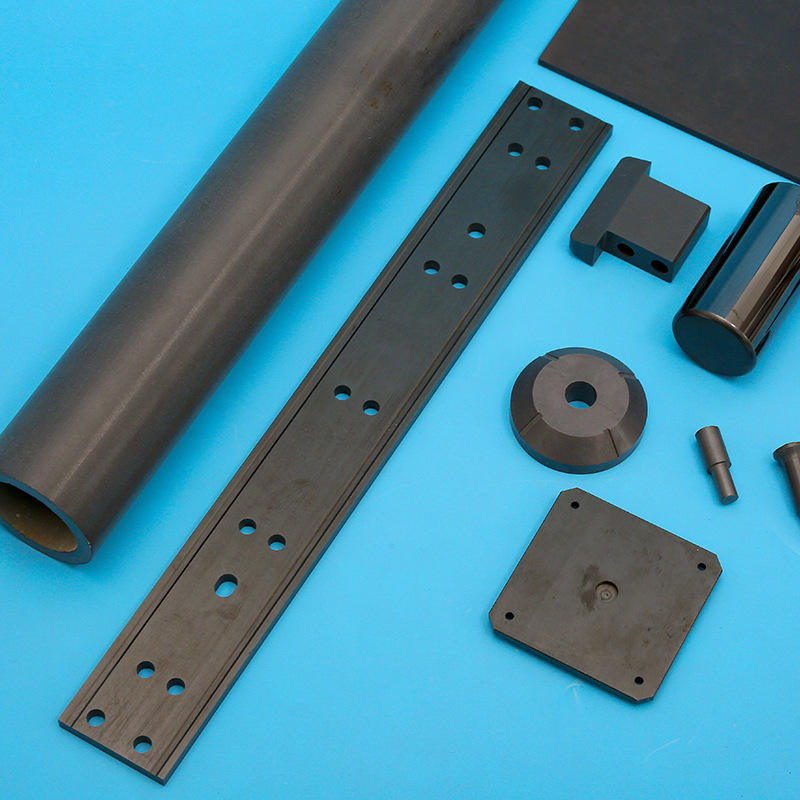
Silicon nitride ceramic products are available in many forms, depending on the application and manufacturing route.
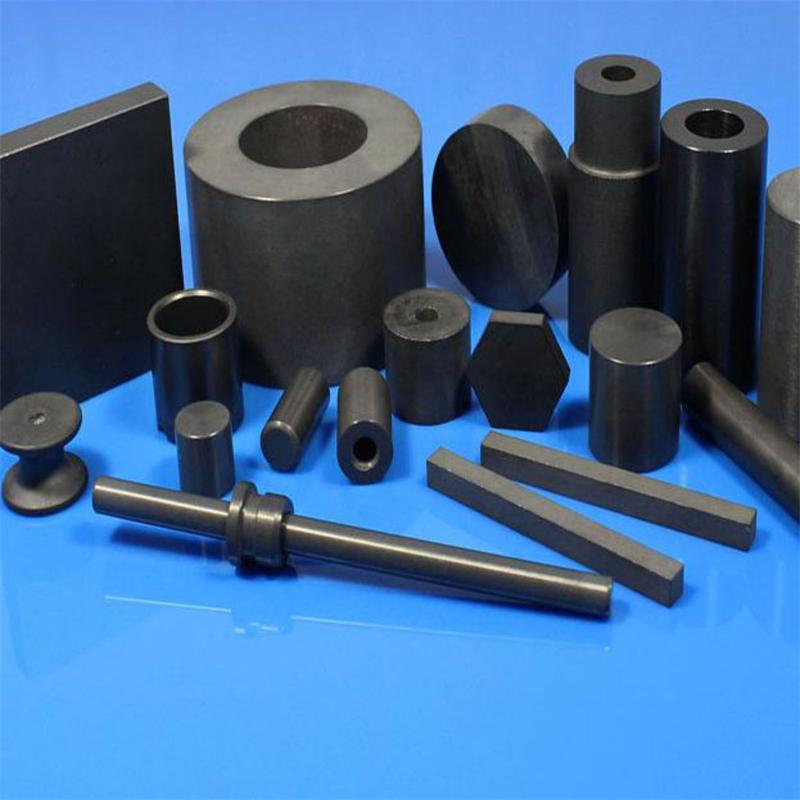
Common shapes include:
Bearing balls and rollers
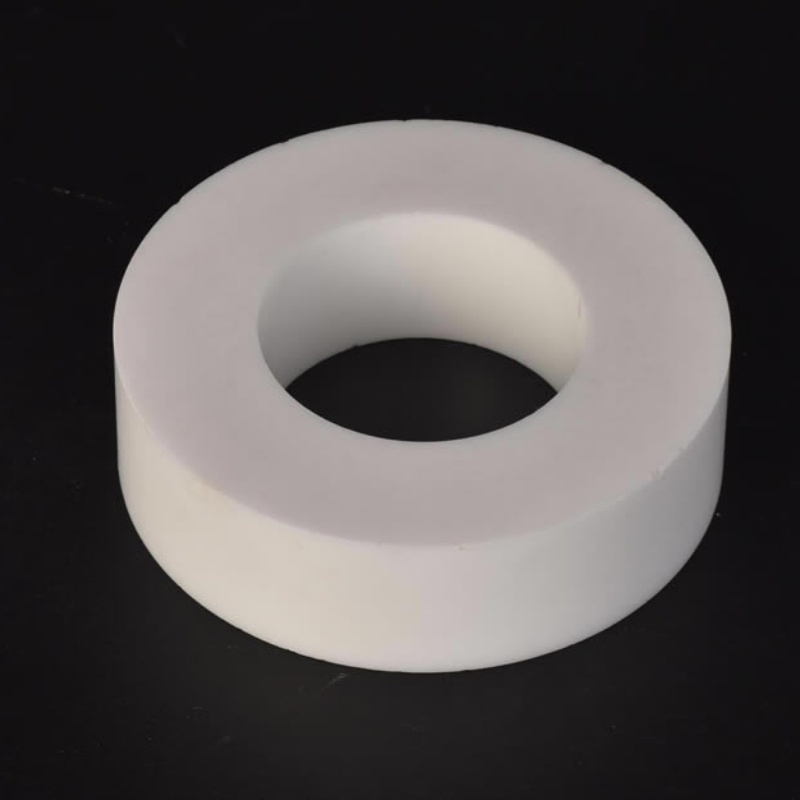
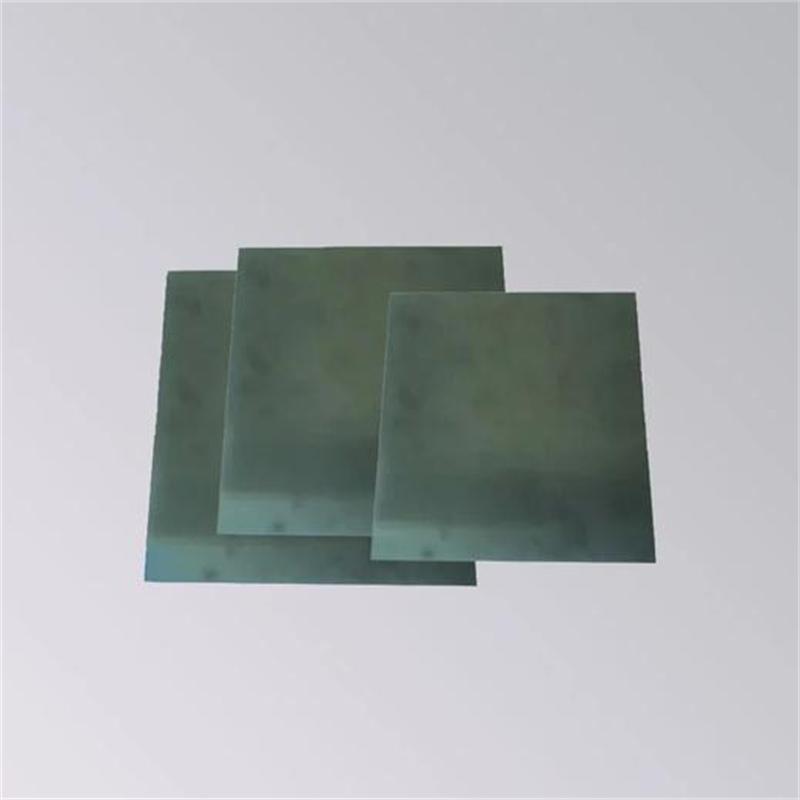
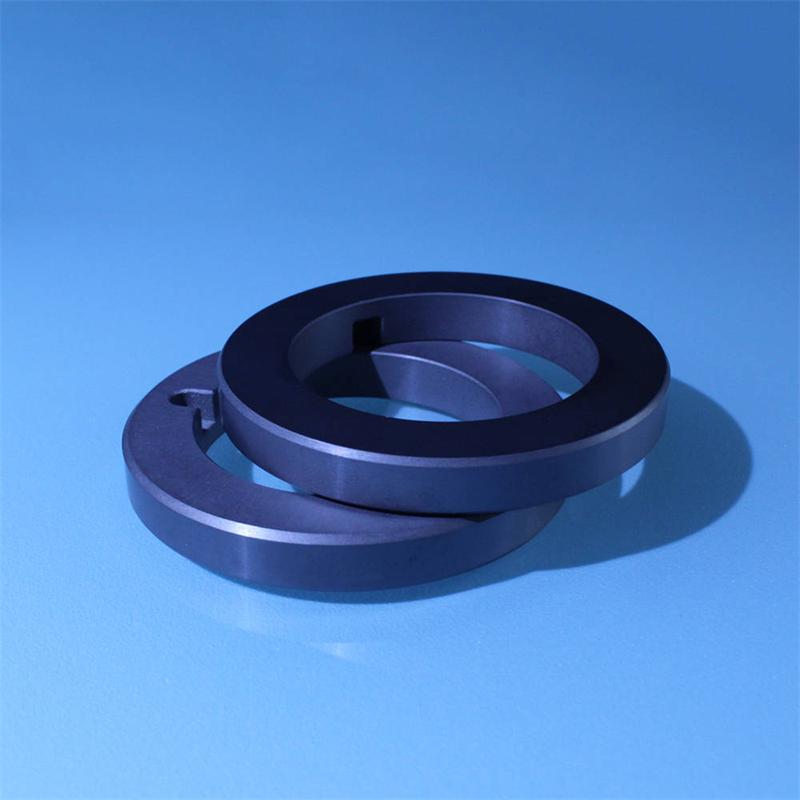
Rings, discs, and plates
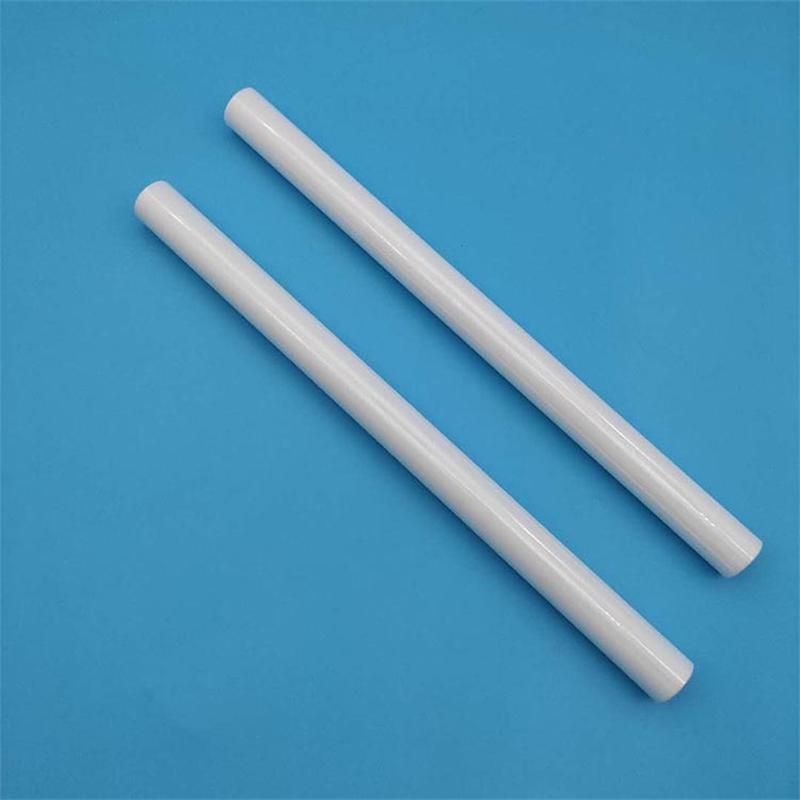
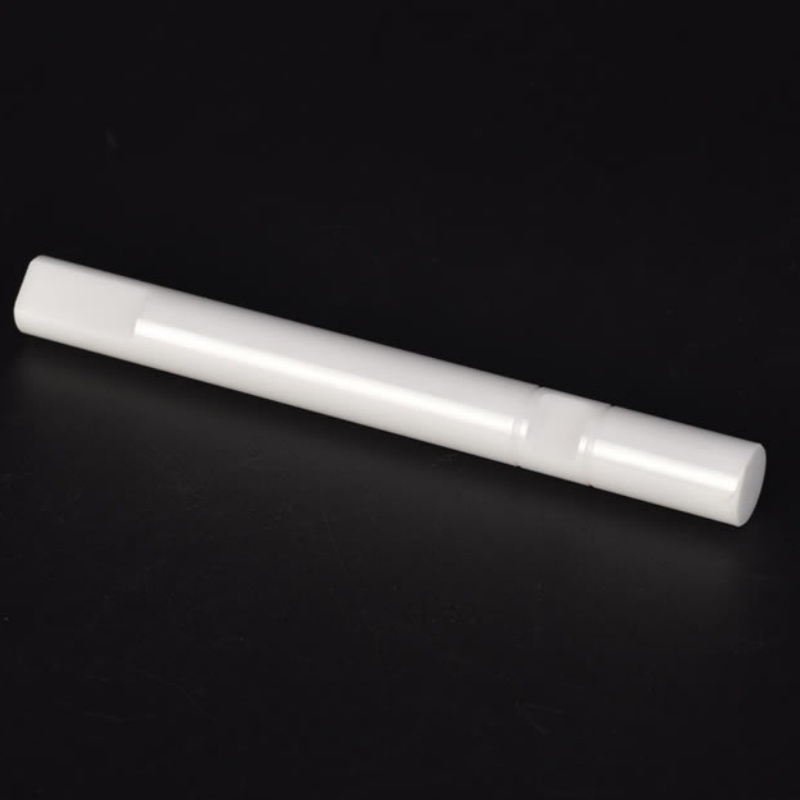
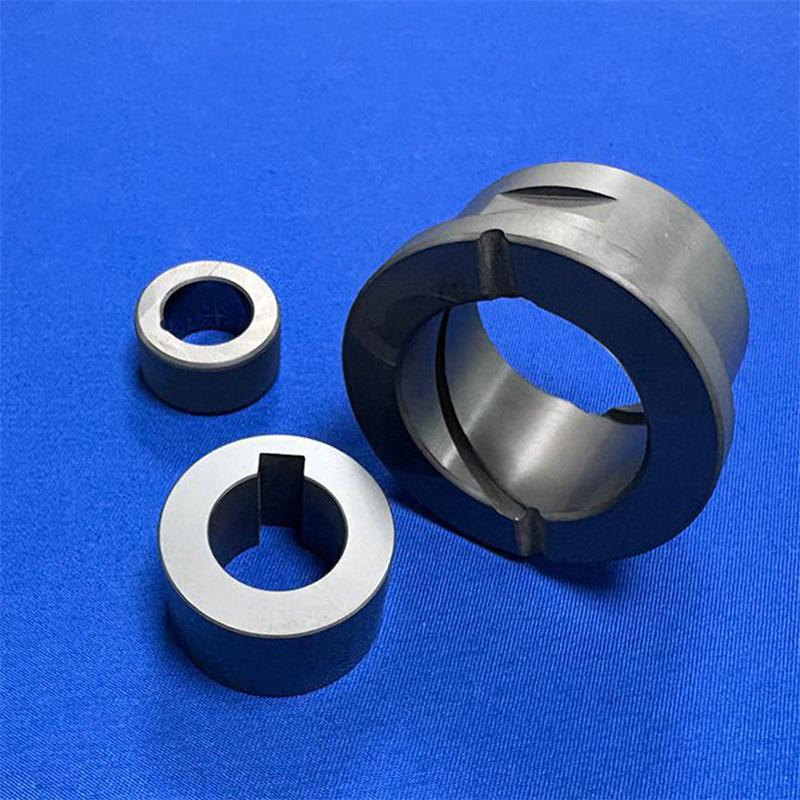
Rods, tubes, and bushings
Nozzles and wear inserts
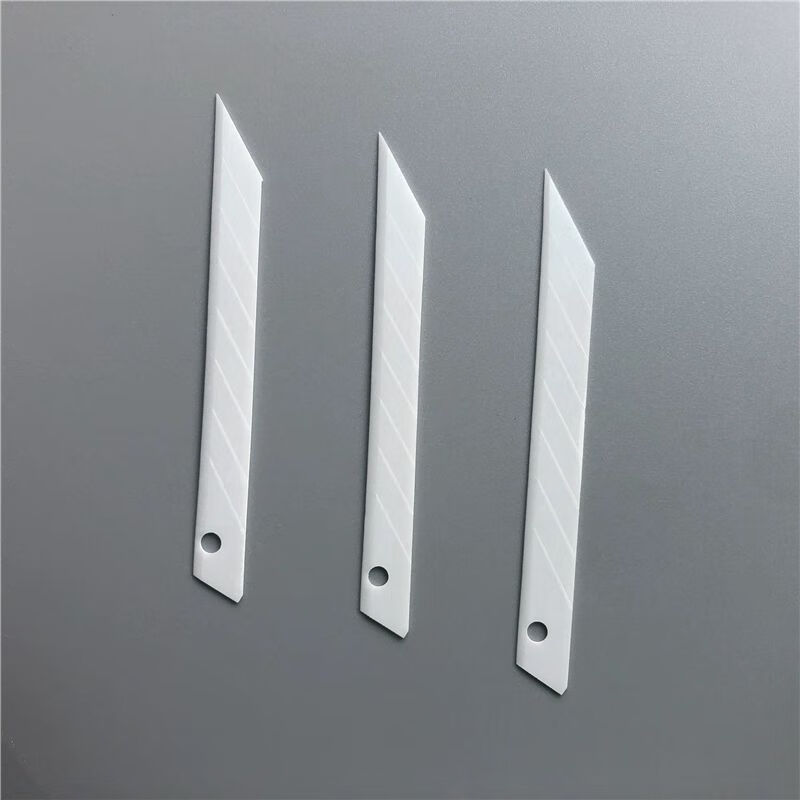
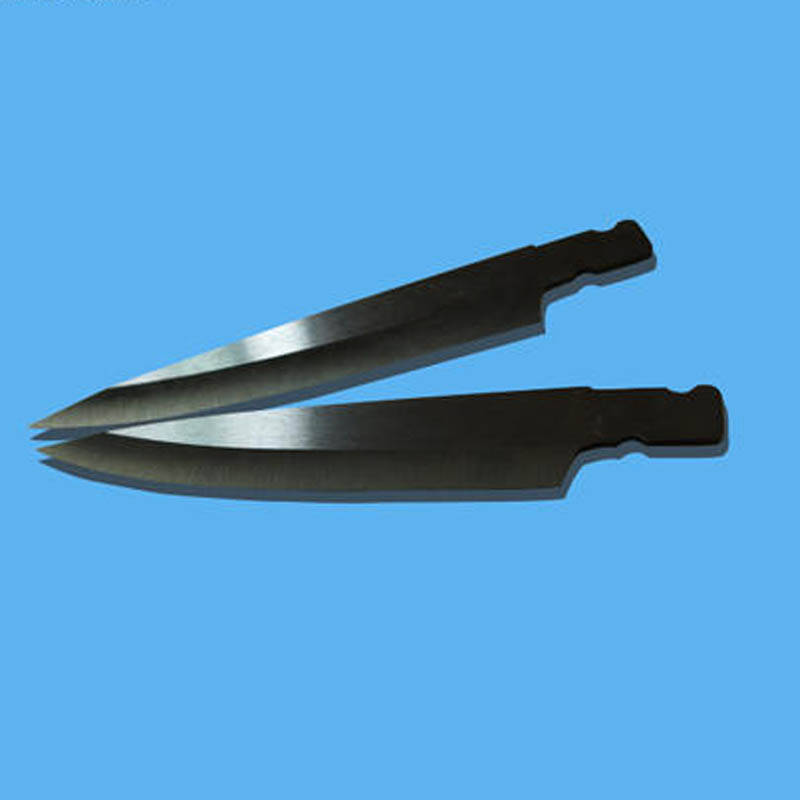
Cutting tool inserts
Heater pins, thermocouple protection tubes, and molten metal contact components
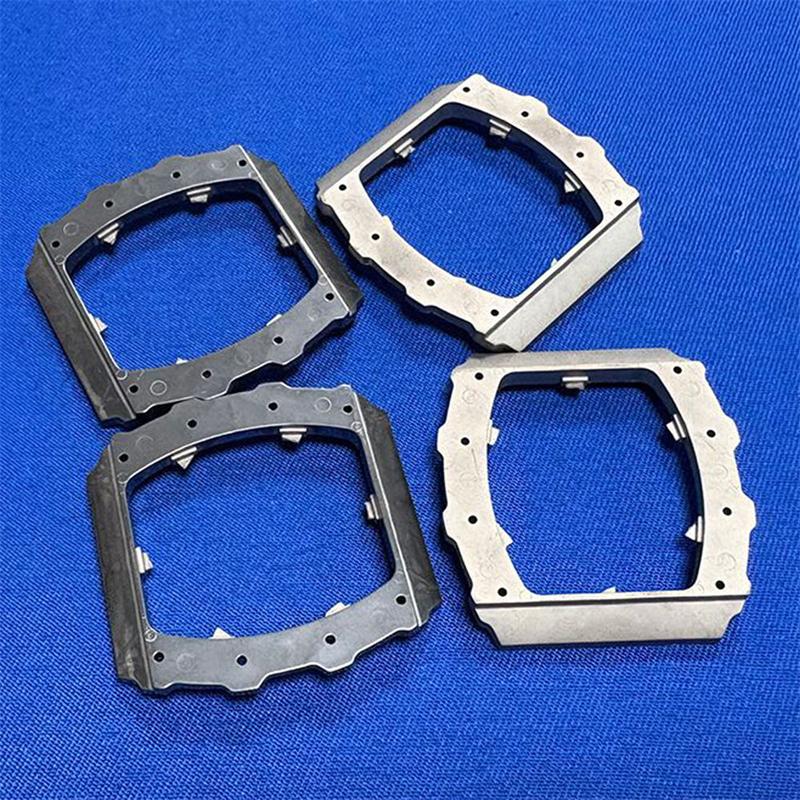
Substrates and insulating components
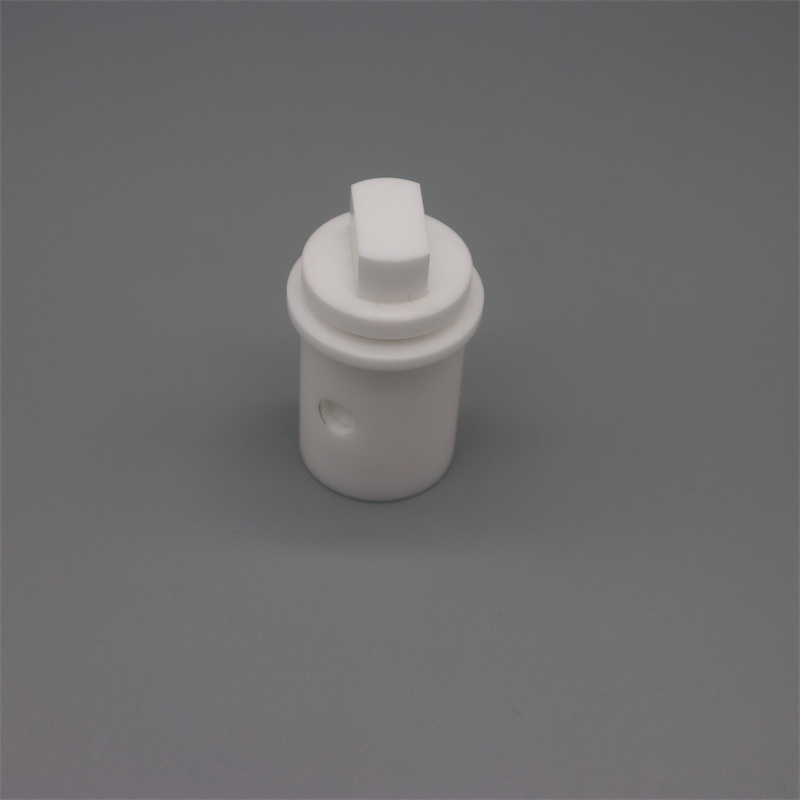
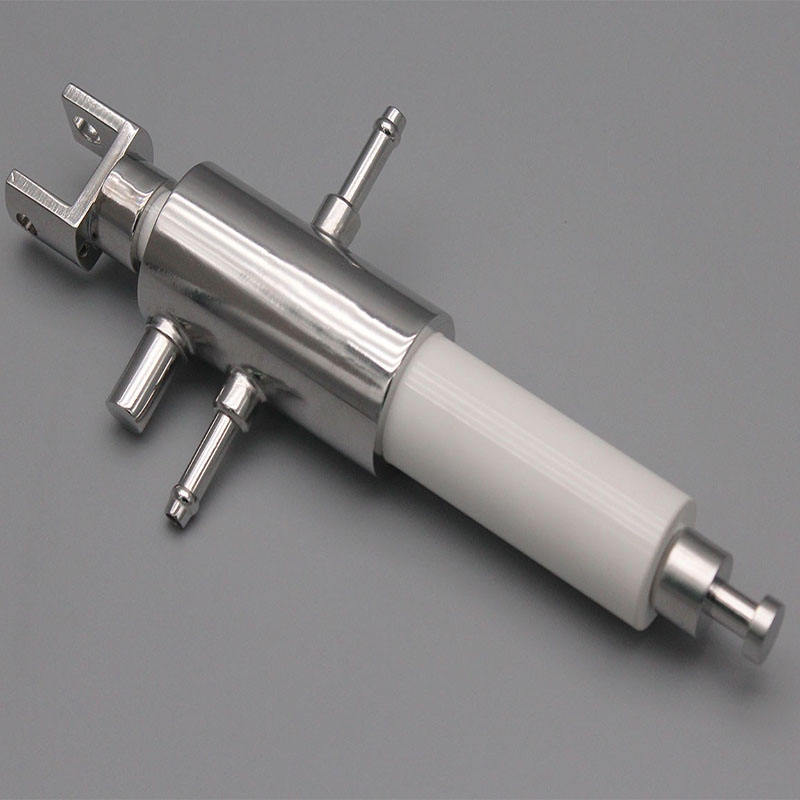
Custom-machined structural parts
Complex shapes are often produced by green machining, pressing, injection molding, or extrusion before sintering. Final dimensions may require diamond grinding, lapping, or polishing after sintering because silicon nitride is too hard for conventional machining.
Advantages of Silicon Nitride Ceramic Products
Silicon nitride is chosen when several performance requirements overlap. Its main advantages include:
High strength-to-weight ratio: lower density than most metals and many oxide ceramics
Good fracture toughness: better crack resistance than many brittle ceramics
Thermal shock resistance: low thermal expansion helps reduce cracking during rapid temperature changes
High-temperature capability: suitable for demanding thermal environments when properly designed
Wear resistance: useful in sliding, rolling, and abrasive applications
Corrosion and oxidation resistance: performs well in many harsh chemical and high-temperature oxidizing environments
Non-magnetic and electrically insulating behavior: useful in sensor, electronic, and electromagnetic environments
Low friction in some lubricated or hybrid bearing systems: especially valuable in high-speed or limited-lubrication applications
These advantages make silicon nitride especially attractive for hybrid bearings, high-speed spindles, turbocharger components, cutting tools, and high-temperature structural parts.
Limitations and Design Constraints
Silicon nitride is a strong ceramic, but it is still a ceramic. Designers should not treat it as a direct drop-in replacement for steel or other metals without reviewing the design assumptions.
Important limitations include:
Brittleness: ceramics can fail suddenly if overloaded, impacted, or poorly supported
Sensitivity to tensile stress: sharp corners, surface defects, and poor mounting can reduce reliability
Machining difficulty: finished dimensions usually require diamond tooling and careful process control
Cost: raw material, forming, sintering, and finishing costs are higher than many metals and polymers
Quality dependence: performance varies with density, porosity, grain structure, and processing defects
Design complexity: thin walls, sharp internal corners, and uneven thickness can increase fracture risk
A good design approach is to assume that silicon nitride will perform well under compression, wear, and thermal shock, but must be carefully engineered for impact, bending, and stress concentration.
Engineering Applications of Silicon Nitride
Bearings and High-Speed Rotating Components
One of the most well-known uses of silicon nitride is in ceramic bearing balls and rollers. In hybrid bearings, silicon nitride rolling elements are combined with steel rings. This arrangement can reduce weight, lower friction in some conditions, improve electrical insulation, and increase performance at high speeds.
Silicon nitride bearing balls are common in machine tool spindles, electric motors, turbines, pumps, compressors, and precision rotating equipment. Their low density reduces centrifugal loading at high rotational speeds, which can improve bearing life and system stability.
Cutting Tools and Wear Parts
Silicon nitride cutting inserts are used for high-speed machining, especially in cast iron and other difficult-to-machine materials. The material’s hot hardness and thermal shock resistance allow it to maintain performance during interrupted cutting or rapid temperature changes.
Wear applications include nozzles, guides, seals, liners, and transfer components exposed to abrasion, erosion, or repeated mechanical contact.
Automotive and Turbocharger Components
In automotive engineering, silicon nitride is used in turbocharger rotor assemblies, valve train components, and other high-temperature rotating or reciprocating parts. Its low density and thermal shock resistance make it suitable for environments where components must heat up quickly and resist cyclic thermal loading.
Electronics, Semiconductor, and Thermal Management
Silicon nitride is used in electronic and semiconductor-related applications because it can provide electrical insulation, controlled thermal behavior, and chemical stability. Applications may include substrates, heater components, wafer handling parts, and insulating structures.
For thermal management applications, the specific thermal conductivity of the grade must be confirmed. Not all silicon nitride ceramics have the same thermal performance.
Energy, Metallurgy, and High-Temperature Processing
Silicon nitride components are used in environments involving molten metal contact, high-temperature gas flow, combustion, and thermal cycling. Examples include thermocouple protection tubes, burner components, heater pins, and structural parts exposed to hot corrosive atmospheres.
Selection in these applications should consider not only temperature but also atmosphere, mechanical load, thermal cycling rate, and chemical exposure.
Silicon Nitride vs Alumina vs Zirconia
A common engineering question is whether silicon nitride, alumina, or zirconia is the better choice. The answer depends on the application.
Silicon nitride is generally preferred when fracture toughness, thermal shock resistance, low density, and high-speed mechanical performance are important. It is a strong choice for bearings, cutting tools, turbocharger components, and thermally cycled structural parts.
Alumina is widely used because it is cost-effective, hard, chemically stable, and electrically insulating. It is often suitable for wear plates, electrical insulation, liners, and general-purpose ceramic components. However, it usually has lower fracture toughness and lower thermal shock resistance than silicon nitride.
Zirconia offers very high fracture toughness among technical ceramics and is useful where crack resistance and wear resistance are critical. However, its thermal stability and phase stability must be considered carefully at high temperatures.
A simple way to think about selection is:
Choose alumina for general hardness, insulation, and cost-sensitive wear applications.
Choose zirconia for high toughness and wear resistance where thermal limits allow.
Choose silicon nitride for thermal shock, high-speed rotation, toughness, and high-temperature structural performance.
Design Considerations for Silicon Nitride Components
When designing with silicon nitride, the goal is to avoid stress concentrations and support the material under realistic service conditions.
Important design factors include:
Avoid sharp internal corners; use generous radii where possible.
Minimize uneven wall thickness to reduce sintering and thermal stress risks.
Consider compressive loading paths rather than relying on tensile strength.
Use proper mounting to avoid point loads, edge loading, or impact.
Specify surface finish requirements early, since grinding and polishing add cost.
Confirm tolerances with the ceramic processor before finalizing the design.
Account for thermal expansion differences when silicon nitride is joined to metals or other ceramics.
Test prototypes under real operating conditions, especially for cyclic thermal or dynamic loading.
For bearing and rotating applications, system-level factors such as lubrication, cage design, preload, housing stiffness, contamination control, and operating speed are often as important as the ceramic material itself.
Manufacturing and Machining Overview
Silicon nitride components are typically made through powder processing, shaping, densification, and finishing.
Common manufacturing steps include:
Powder preparation: silicon nitride powder is blended with sintering aids.
Forming: components may be pressed, extruded, injection molded, or machined in the green state.
Densification: sintering, hot pressing, or reaction bonding is used to achieve the final microstructure.
Post-sinter machining: diamond grinding, lapping, or polishing is used for tight tolerances and surface finish.
Inspection: dimensional, density, surface, and sometimes fracture or reliability testing may be required.
Because silicon nitride is very hard, conventional machining after sintering is not practical. Most precision features are produced by diamond machining or created before sintering through green machining and forming.
How to Select Silicon Nitride Ceramic Products
A practical selection process should start with the application environment, not the material name alone.
Use this checklist:
Mechanical load: is the component under compression, bending, impact, rolling contact, or sliding wear?
Temperature: what is the maximum temperature, and does the part experience thermal cycling?
Environment: is the component exposed to oxidation, corrosion, molten metal, abrasion, or lubricated contact?
Electrical requirements: does the application require electrical insulation or non-magnetic behavior?
Geometry: can the part be made in a practical ceramic shape, or does it require complex features?
Tolerances: what surface finish and dimensional accuracy are required?
Reliability: is the application safety-critical, high-speed, or difficult to inspect in service?
Cost and lead time: can the design tolerate ceramic processing and finishing costs?
For high-reliability applications, request material test data, processing specifications, and quality documentation rather than relying only on general property tables.
Frequently Asked Questions
What is silicon nitride ceramic used for?
Silicon nitride ceramic is used in applications that require high strength, low density, thermal shock resistance, wear resistance, and high-temperature stability. Common uses include bearing balls, rollers, cutting tools, turbocharger components, nozzles, wear parts, heater components, electronic substrates, and high-temperature structural parts. It is especially useful where metals may soften, where thermal cycling is severe, or where reduced weight improves system performance.
Is silicon nitride stronger than alumina?
Silicon nitride is generally tougher and more resistant to thermal shock than alumina, but “stronger” depends on the property being compared. Alumina is often harder and more cost-effective for general wear and insulation applications. Silicon nitride is usually preferred when fracture toughness, thermal cycling, high-speed rotation, or impact resistance are more important than lowest cost.
Can silicon nitride be machined?
Silicon nitride can be machined, but not with conventional metalworking tools. After sintering, it is usually machined with diamond grinding, lapping, or polishing. Complex features are often produced before sintering through pressing, extrusion, injection molding, or green machining. Final machining cost depends on tolerance, surface finish, geometry, and material removal volume.
Is silicon nitride good for bearings?
Yes, silicon nitride is widely used in high-performance bearings, especially as ceramic balls or rollers in hybrid bearings. Its low density reduces centrifugal forces at high speeds, and its hardness and toughness support long service life in demanding conditions. However, bearing performance also depends on lubrication, cage design, preload, housing quality, contamination control, and operating speed.
What are the disadvantages of silicon nitride?
The main disadvantages are brittleness, sensitivity to impact and tensile stress, machining difficulty, and higher cost compared with many metals and standard ceramics. Silicon nitride components must be designed to avoid sharp corners, point loads, and uncontrolled thermal or mechanical shock. Quality control is also important because density, porosity, and microstructure can affect performance.
Is silicon nitride electrically conductive?
No, silicon nitride is generally electrically insulating. This makes it useful in applications where electrical isolation, non-conductive structural support, or non-magnetic behavior is required. However, its thermal conductivity varies by grade, so thermal management applications should be evaluated using specific material data rather than general assumptions.
What is the maximum temperature for silicon nitride?
Silicon nitride can operate at high temperatures, but there is no single universal maximum temperature. The practical limit depends on atmosphere, mechanical load, thermal cycling, component geometry, and grade. In some high-temperature structural applications, silicon nitride is used continuously at elevated temperatures, but design validation is necessary before assuming a specific temperature limit.
How does silicon nitride compare with silicon carbide?
Silicon nitride and silicon carbide are both advanced non-oxide ceramics, but they behave differently. Silicon carbide is typically harder and often has higher thermal conductivity, making it suitable for severe wear, abrasion, and heat dissipation applications. Silicon nitride generally offers better fracture toughness and thermal shock resistance, making it attractive for bearings, cutting tools, and thermally cycled structural components. The better choice depends on whether hardness, thermal conductivity, toughness, or thermal shock resistance is more important.
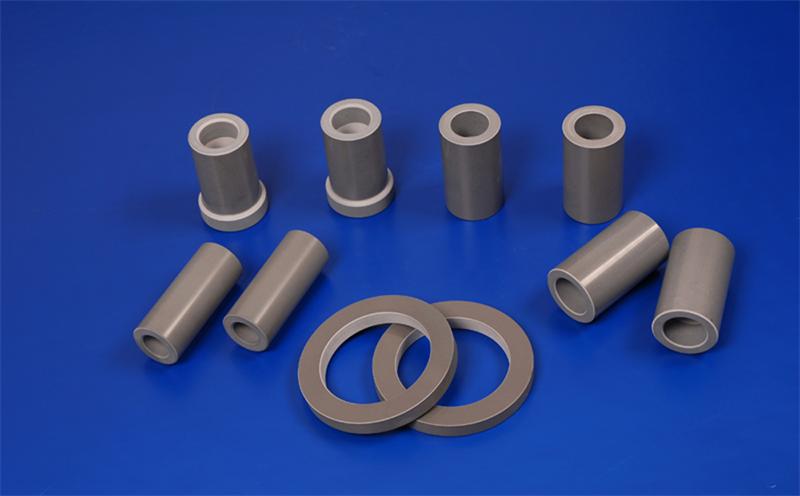
Silicon nitride ceramic products are among the most versatile high-performance engineering ceramics because they combine strength, toughness, low density, thermal shock resistance, and high-temperature capability. They are widely used in bearings, cutting tools, automotive turbocharger components, wear parts, electronic substrates, and high-temperature structural applications.
However, silicon nitride is not a simple substitute for metal or other ceramics. Its performance depends on grade selection, component geometry, surface finish, manufacturing quality, and system-level design. For engineers, the best approach is to define the operating environment first, then match the silicon nitride grade and manufacturing route to the actual mechanical, thermal, electrical, and reliability requirements.