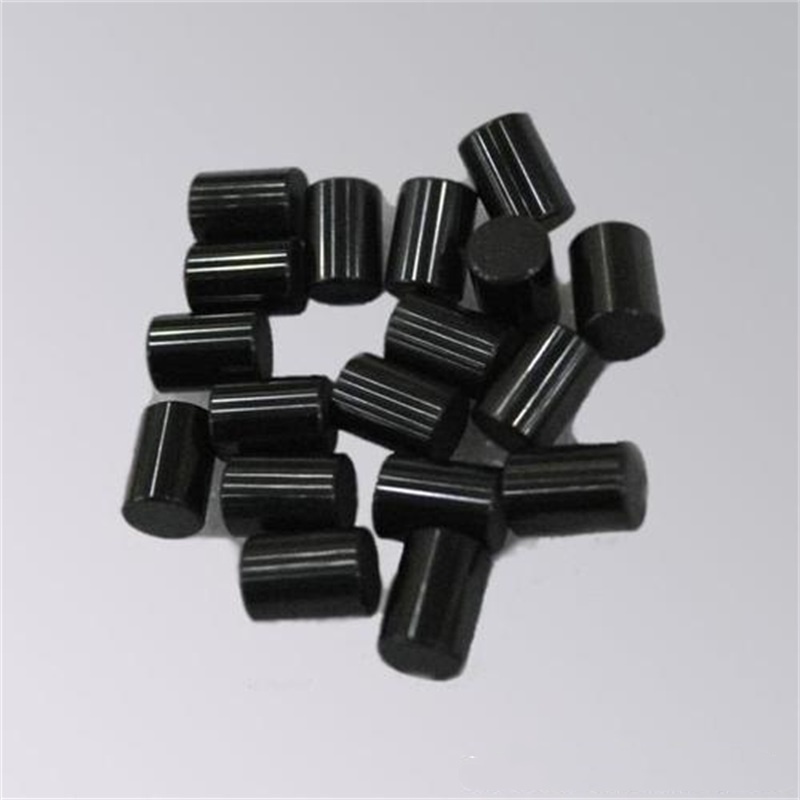
Silicon Nitride Ceramic Pillar: Properties and Selection
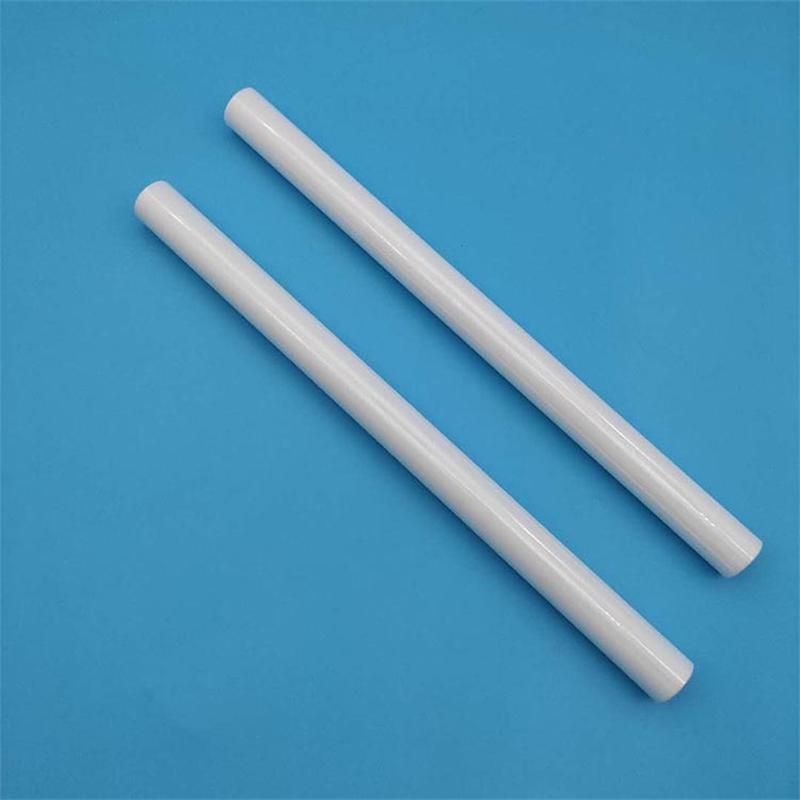
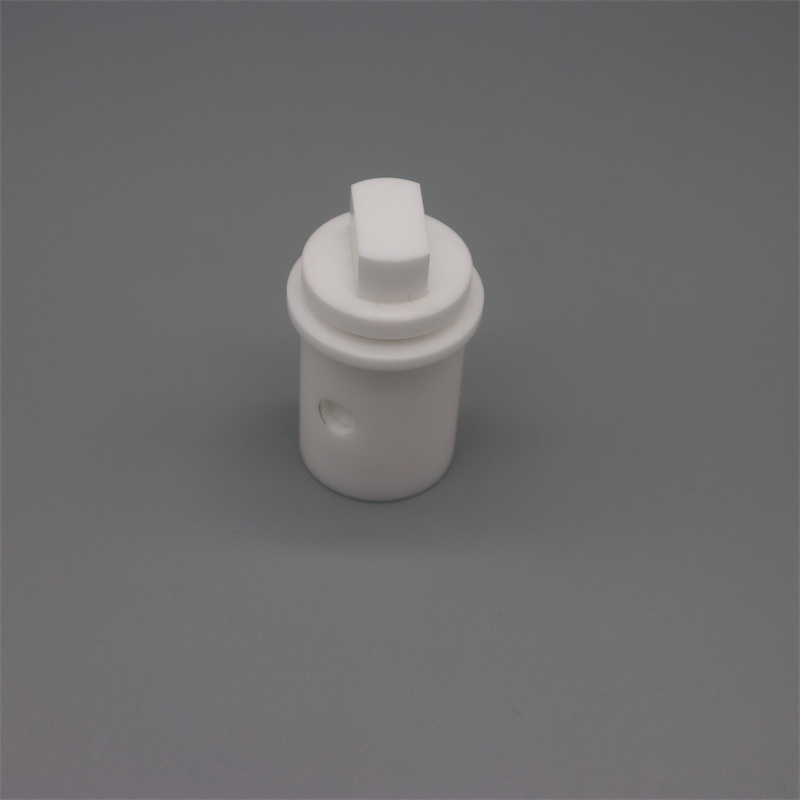
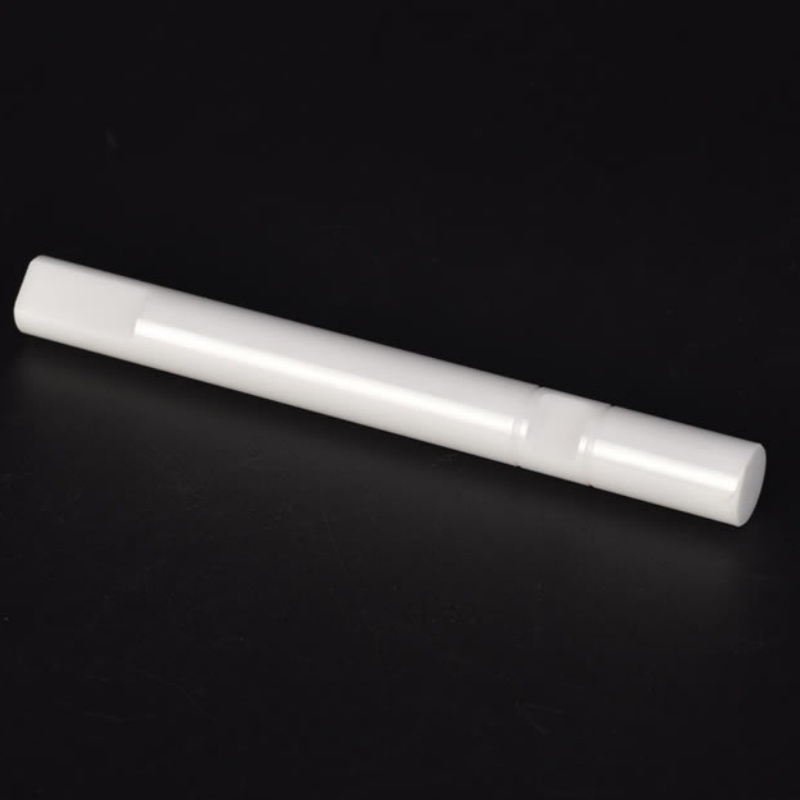
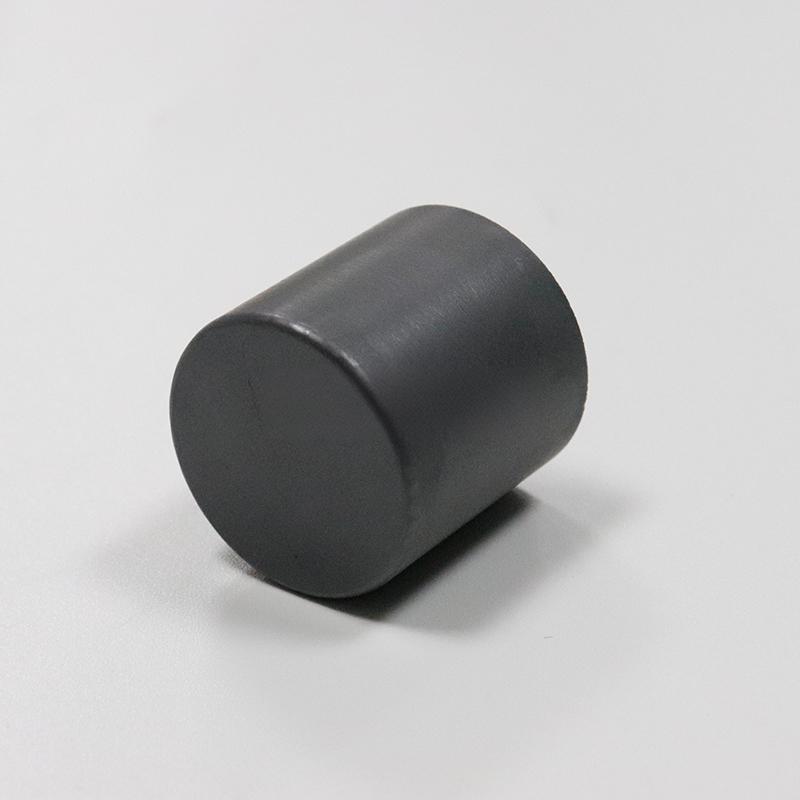
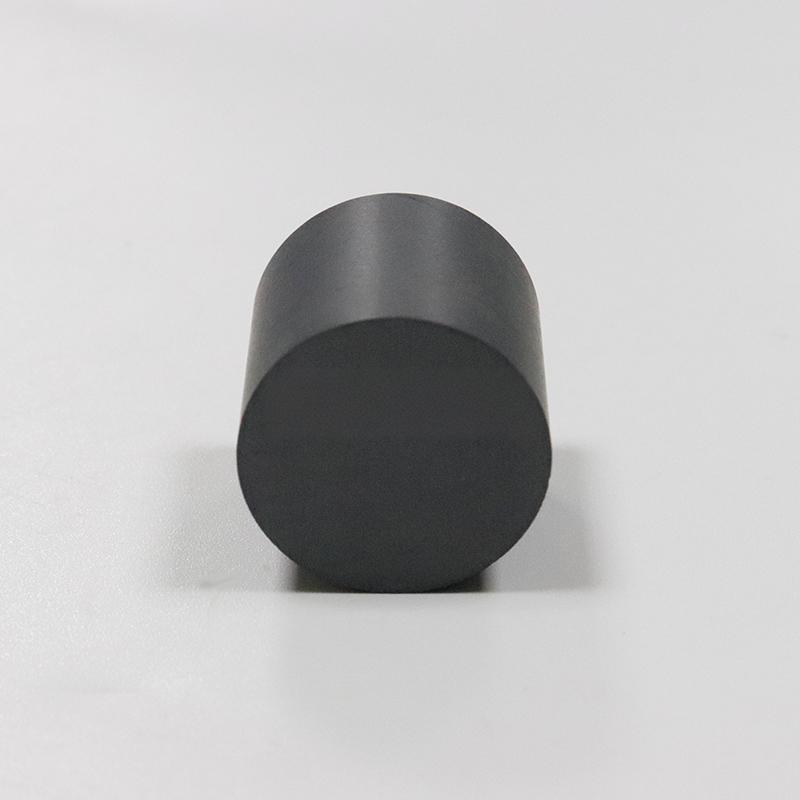
Silicon nitride ceramic pillar is a structural ceramic component formed from silicon nitride (Si₃N₄) into a columnar or post-like geometry. In engineering practice, the term “pillar” can refer to a precision support post, a positioning element, a thermal management column, a furnace fixture, or a load-bearing member used in high-temperature, high-wear, or electrically demanding environments. The defining feature of a silicon nitride ceramic pillar is not merely its shape, but the combination of high-temperature strength, thermal shock resistance, low density, wear resistance, and electrical insulation that silicon nitride provides compared with metals, oxide ceramics, and other structural ceramics.
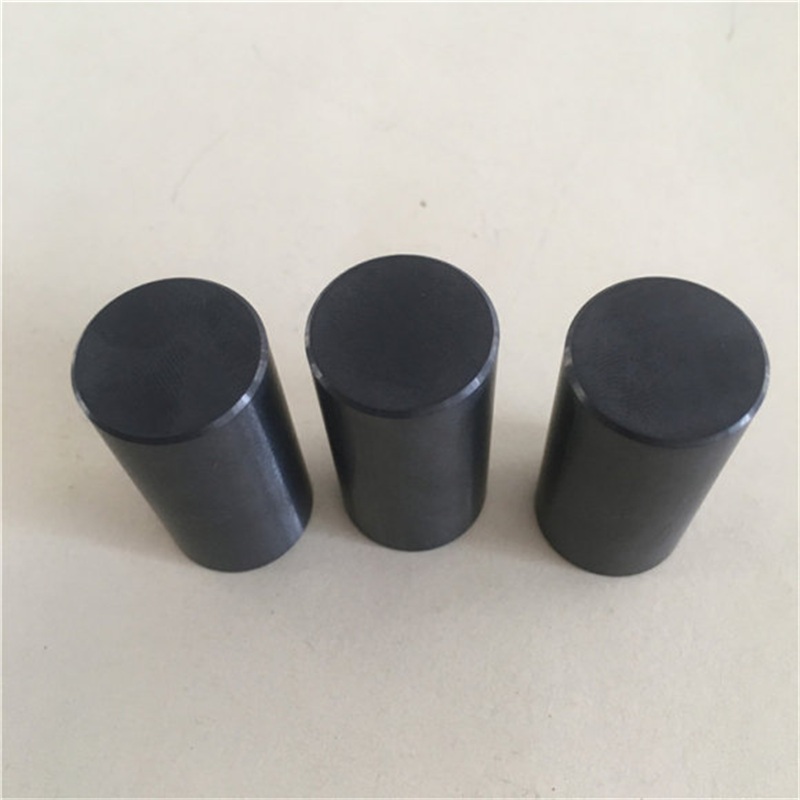
Silicon nitride is a covalently bonded ceramic, typically processed in two main forms: sintered silicon nitride and hot-pressed silicon nitride. Sintered silicon nitride is often further divided into reaction-sintered silicon nitride and sintered silicon nitride made from sintering aids and fine Si₃N₄ powder. Hot-pressed silicon nitride generally offers higher density and better mechanical performance, but it is more limited in complex shaping. For pillar-shaped components, the choice between these grades depends on whether the design prioritizes dimensional accuracy, mechanical strength, thermal cycling capability, or cost-effective production in moderate volumes.
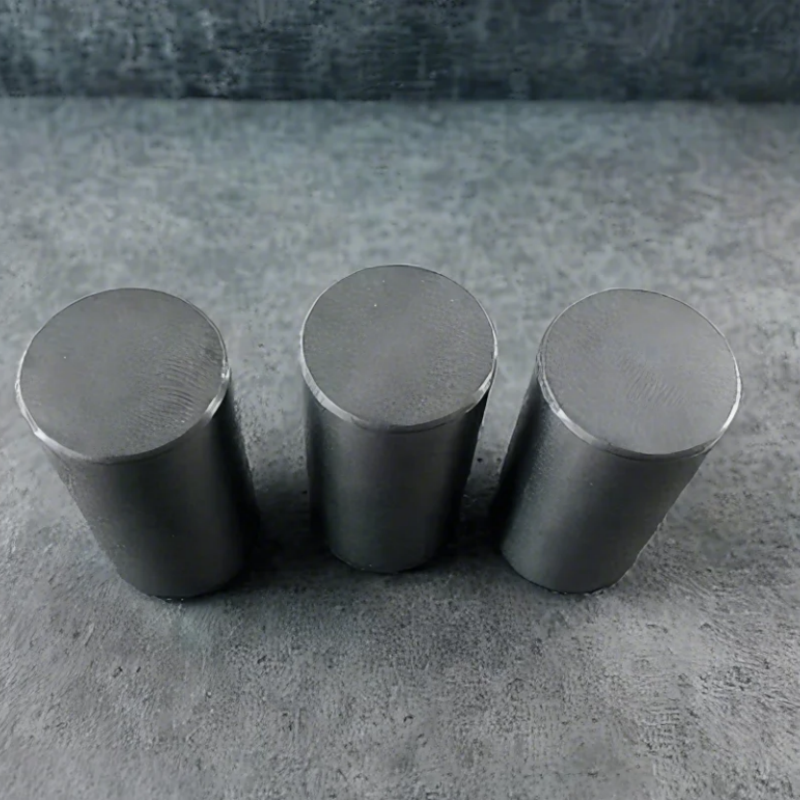
The core performance advantage of a silicon nitride ceramic pillar lies in its ability to retain strength at elevated temperatures while resisting rapid temperature changes. Silicon nitride has relatively low thermal expansion and moderate thermal conductivity, which together help reduce thermal stress during heating and cooling. This makes it suitable for applications where a ceramic post must support a component, maintain alignment, or transfer heat without cracking under thermal cycling. In semiconductor, furnace, analytical instrument, and high-temperature test equipment, silicon nitride pillars are often selected because they can operate in environments where metals would oxidize, soften, or contaminate the process.
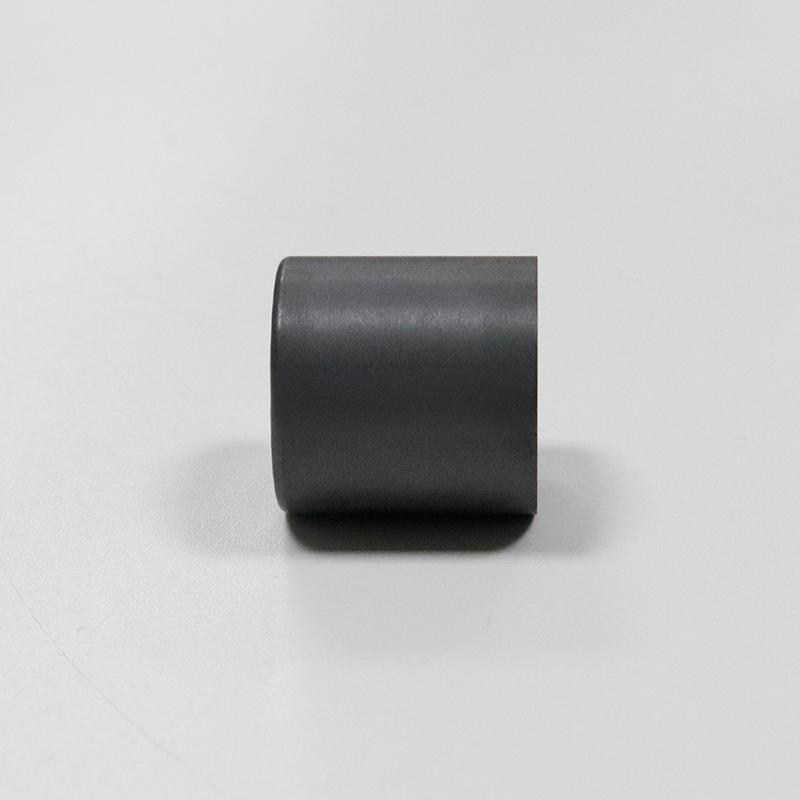
Mechanically, silicon nitride is valued for its high hardness, good flexural strength, and relatively low density. A silicon nitride ceramic pillar can resist abrasion from sliding contact, particle erosion, or repeated assembly and disassembly. However, like most advanced ceramics, silicon nitride is brittle. It performs well under compression and controlled loading, but it is less tolerant of impact, sharp edge contact, tensile overload, or uneven clamping forces. This means that pillar design should avoid stress concentrations, sudden shock loads, and interference fits that create localized tensile stress.
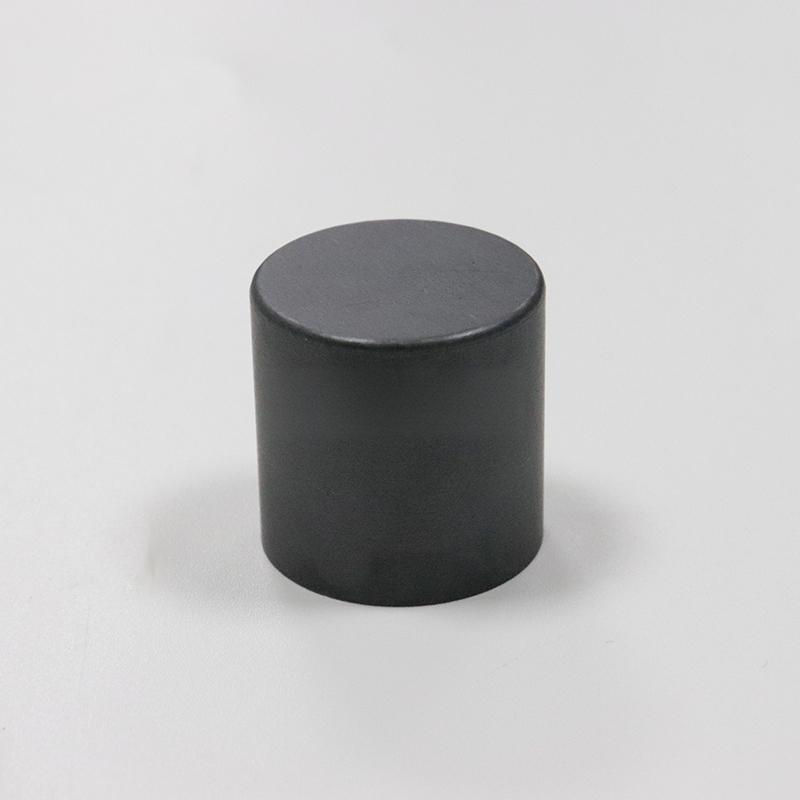
Thermally, silicon nitride is especially useful when stability, insulation, and thermal shock resistance matter more than maximum thermal conductivity. It is commonly chosen over alumina when lower density, higher strength, and better thermal shock resistance are required. Compared with zirconia, silicon nitride generally offers better high-temperature stability and lower risk of low-temperature degradation in humid environments, although zirconia may provide higher fracture toughness in some forms. Compared with aluminum nitride, silicon nitride usually has lower thermal conductivity, so aluminum nitride may be preferred when heat spreading or heat sinking is the primary function.
Typical applications for a silicon nitride ceramic pillar include high-temperature furnace supports, kiln furniture, wafer handling fixtures, semiconductor test fixtures, precision positioning posts, wear-resistant guide pillars, electrical insulation supports, and structural elements in corrosive or clean-process environments. In many cases, the pillar is not selected for one property alone, but because it must simultaneously satisfy several requirements: electrical insulation, non-magnetic behavior, chemical stability, oxidation resistance, dimensional stability, and mechanical rigidity at temperature.
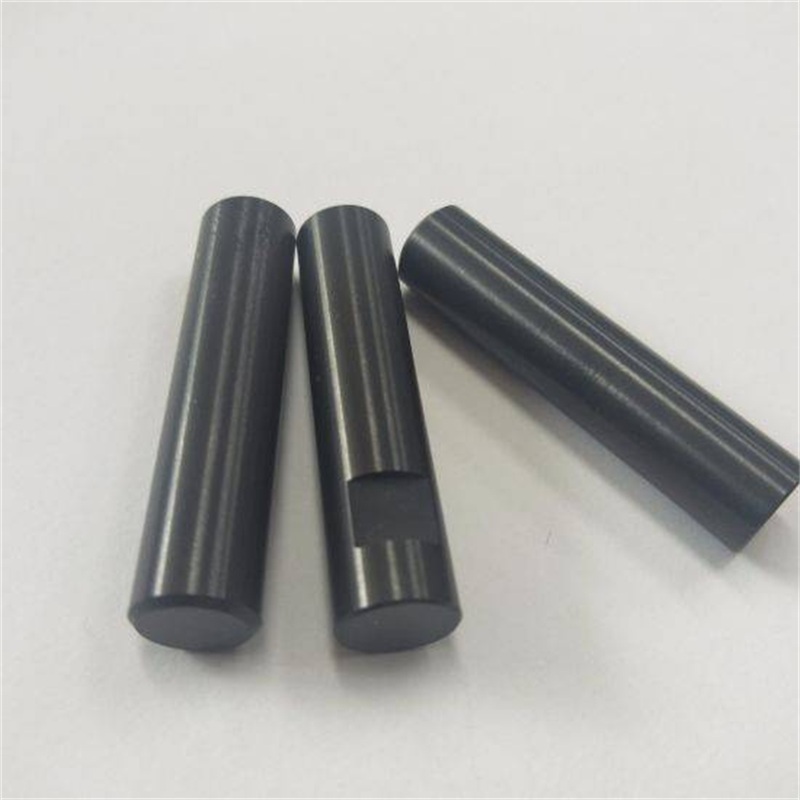
Common specifications for silicon nitride ceramic pillars are usually defined by diameter, length, straightness, end-face flatness, surface finish, density, and mechanical grade. Tight-tolerance versions are used in precision instruments and semiconductor-related fixtures, where concentricity, perpendicularity, and surface quality may be critical. Coarser grades may be acceptable for furnace supports or general high-temperature structural posts. The achievable tolerances and surface finish depend on the forming method, sintering shrinkage, and post-sintering grinding or lapping. Because silicon nitride is very hard, final dimensions are usually achieved through diamond machining rather than conventional metalworking methods.
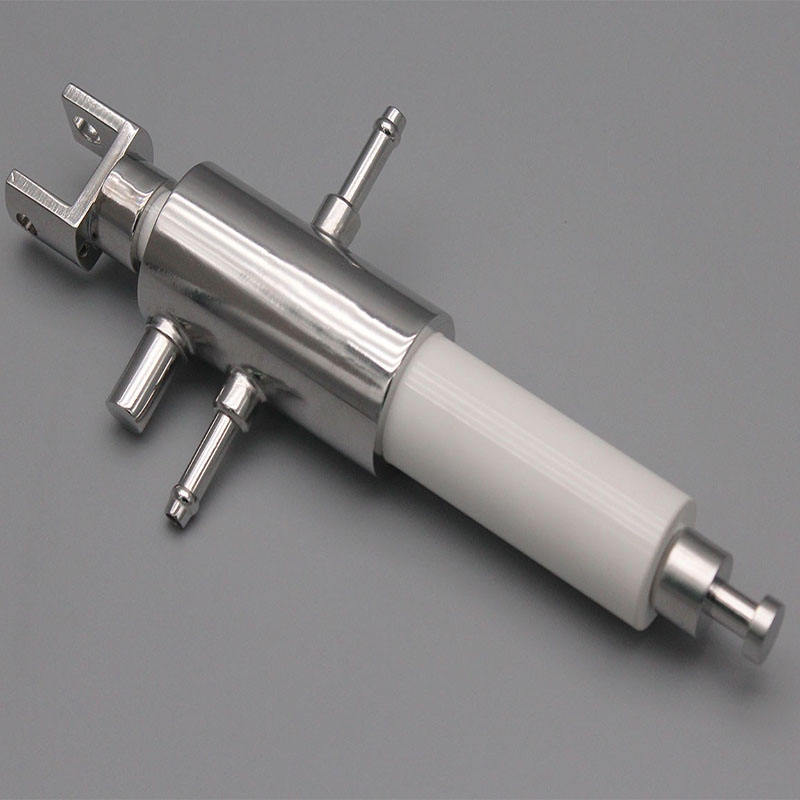
From a design and selection perspective, a silicon nitride ceramic pillar is a strong candidate when the application involves high temperature, thermal cycling, wear, electrical insulation, or contamination-sensitive environments. It is less suitable when the design requires high toughness under impact, large tensile loads, complex metal-like deformation, or very high thermal conductivity. Engineers should evaluate the loading mode, operating temperature range, thermal gradient, required tolerances, and mating hardware before selecting silicon nitride. In many advanced ceramic designs, the pillar itself is only one part of the system; proper mounting, compliant interfaces, and controlled contact geometry are often essential to realizing the material’s full performance.
FAQ
1. What is a silicon nitride ceramic pillar mainly used for?
It is mainly used as a high-temperature support post, positioning element, wear-resistant column, electrical insulation member, or structural pillar in environments where metals, polymers, or oxide ceramics may not provide sufficient thermal, mechanical, or chemical performance.
2. Why choose silicon nitride instead of alumina for a ceramic pillar?
Silicon nitride is often chosen when the design requires better thermal shock resistance, higher strength-to-density ratio, and improved resistance to mechanical and thermal cycling. Alumina may be selected when cost, oxidation stability, or simpler processing are more important than thermal shock performance.
3. Can silicon nitride ceramic pillars withstand thermal shock?
Yes, silicon nitride generally has good thermal shock resistance due to its relatively low thermal expansion and suitable thermal conductivity. However, performance depends on geometry, temperature gradient, surface condition, and mechanical constraint.
4. Are silicon nitride pillars suitable for semiconductor or clean-process applications?
They can be suitable when high purity, electrical insulation, non-magnetic behavior, and high-temperature stability are required. The specific grade, surface finish, and contamination limits should be verified for the intended process environment.
5. What are the main design limitations of silicon nitride ceramic pillars?
The main limitations are brittleness, sensitivity to impact, low tolerance for tensile overload, and difficulty in machining after sintering. Designs should avoid sharp corners, uneven clamping, shock loading, and excessive interference fits.
6. How should engineers select the right silicon nitride grade?
Selection should be based on required density, strength, fracture toughness, thermal shock resistance, dimensional tolerance, surface finish, and operating environment. Hot-pressed and high-performance sintered grades are typically considered for demanding mechanical and thermal applications, while standard sintered grades may suit less critical structural or thermal posts.