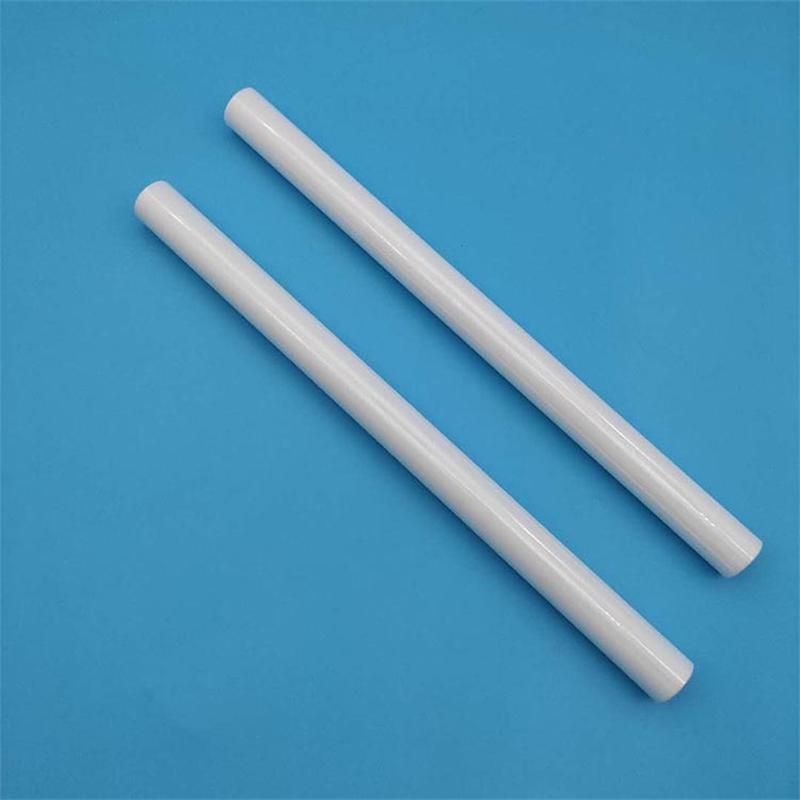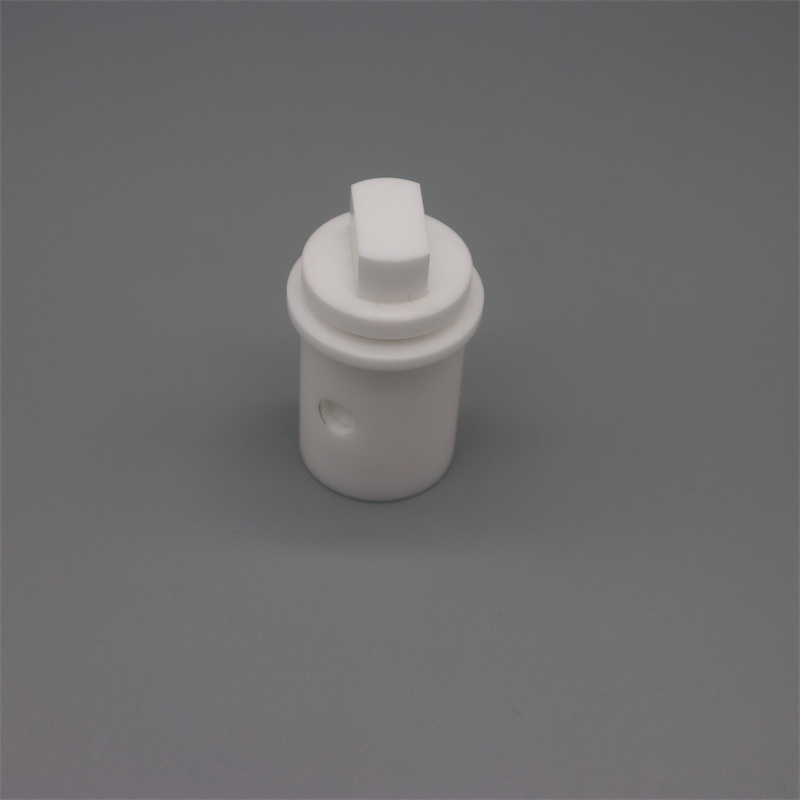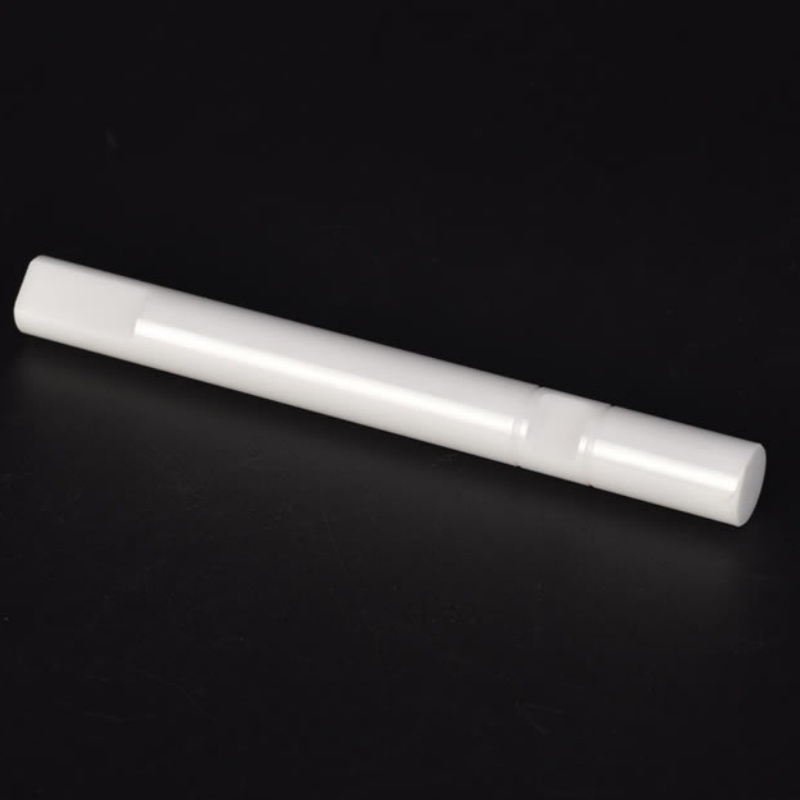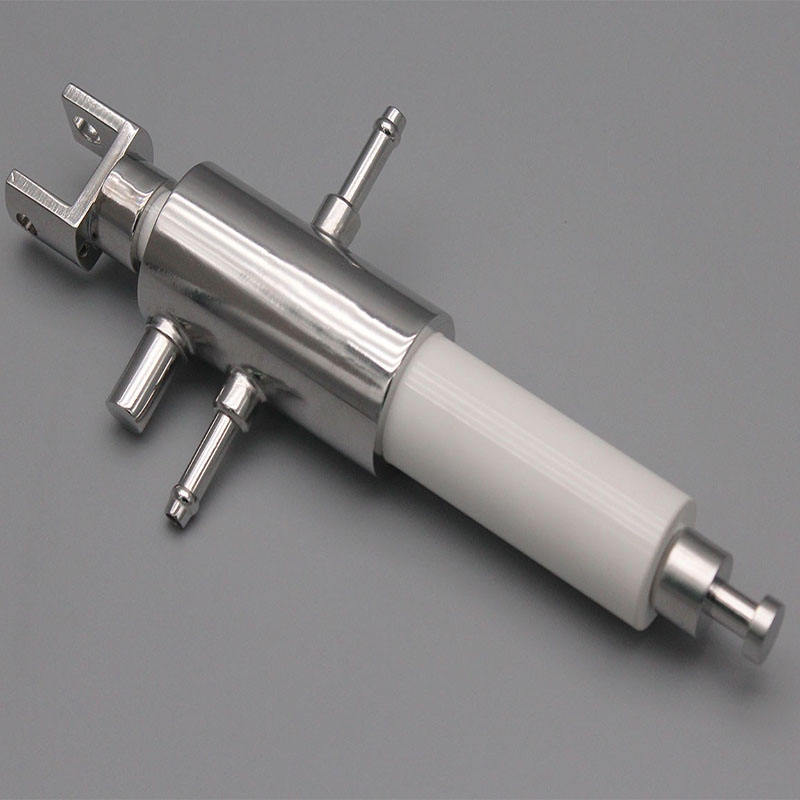
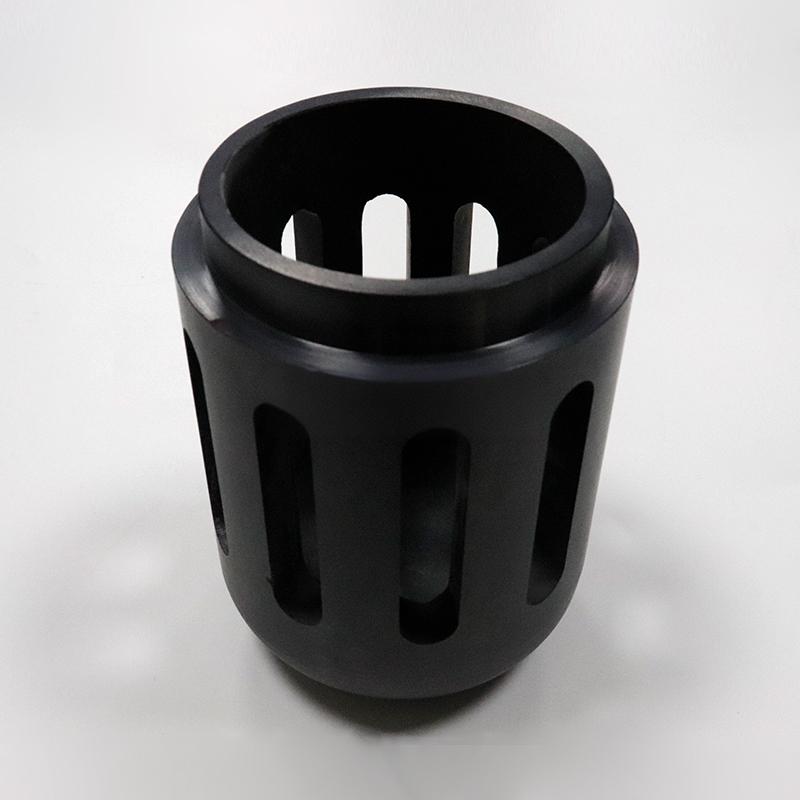
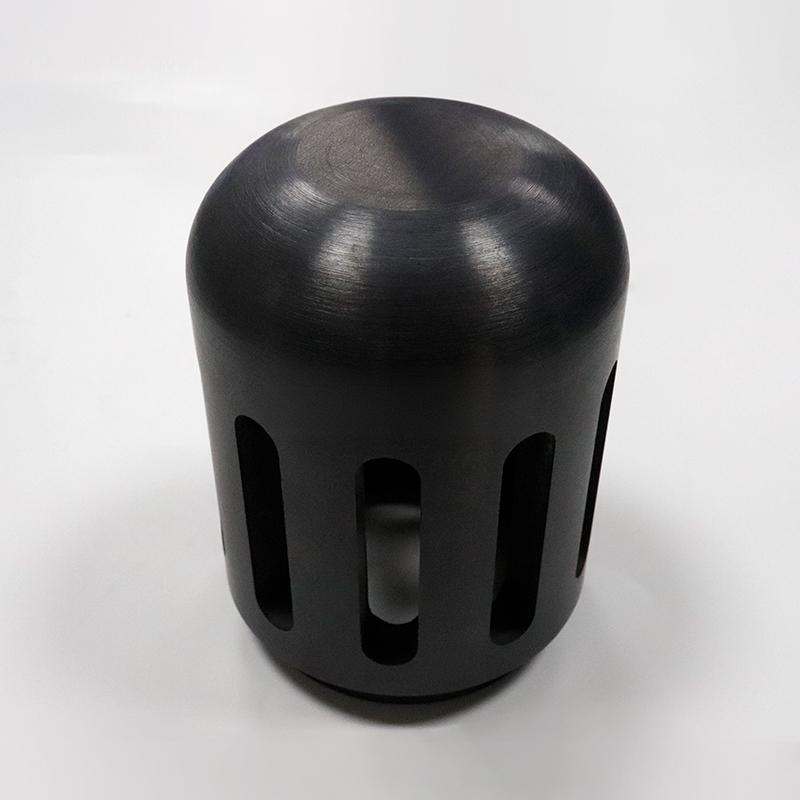
Silicon Nitride Ceramic Exhaust Hood
What Is a Silicon Nitride Ceramic Exhaust Hood?
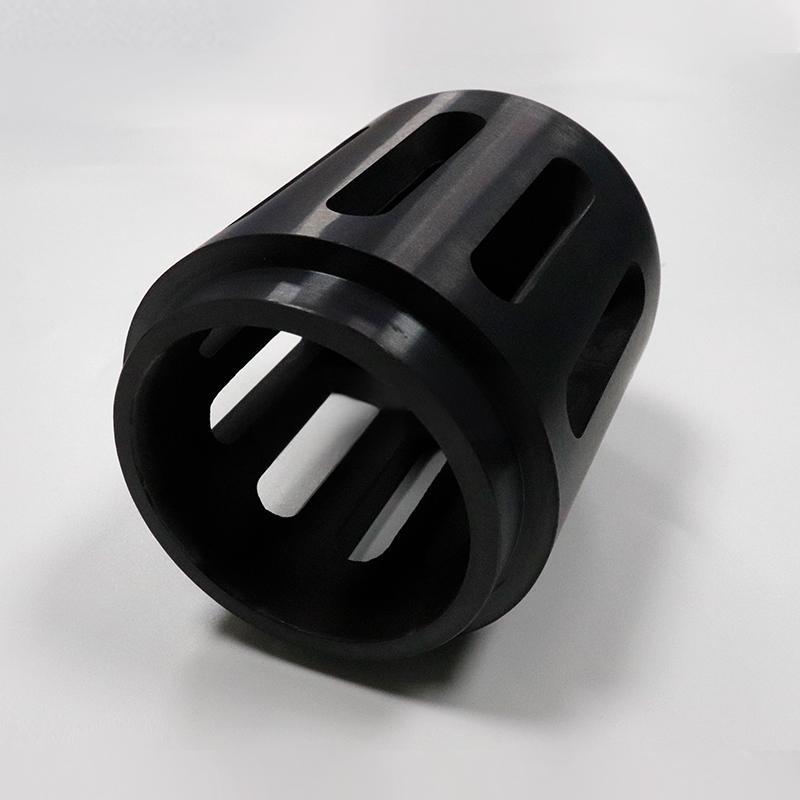
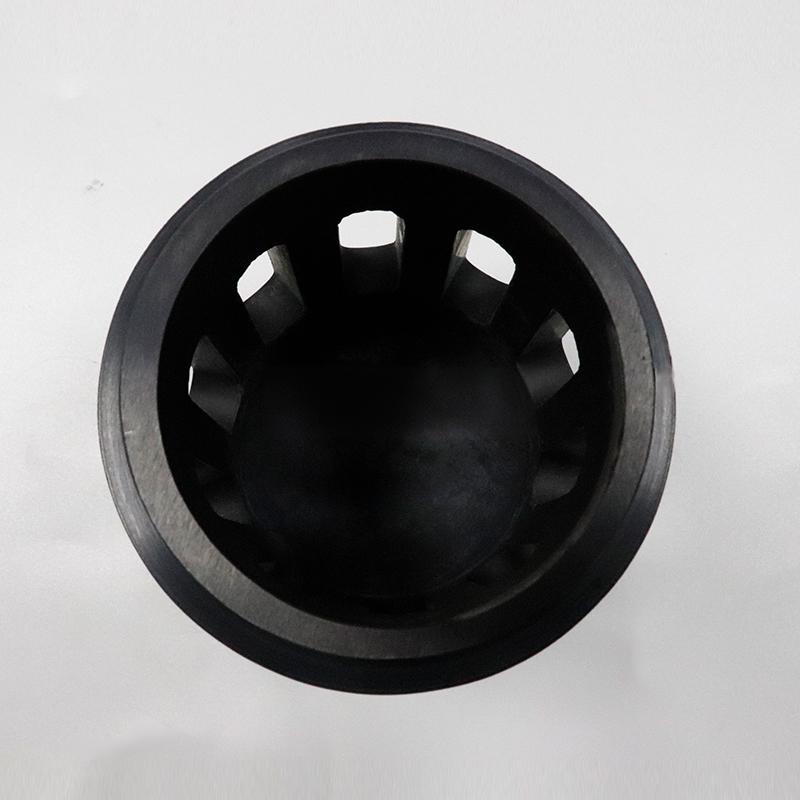
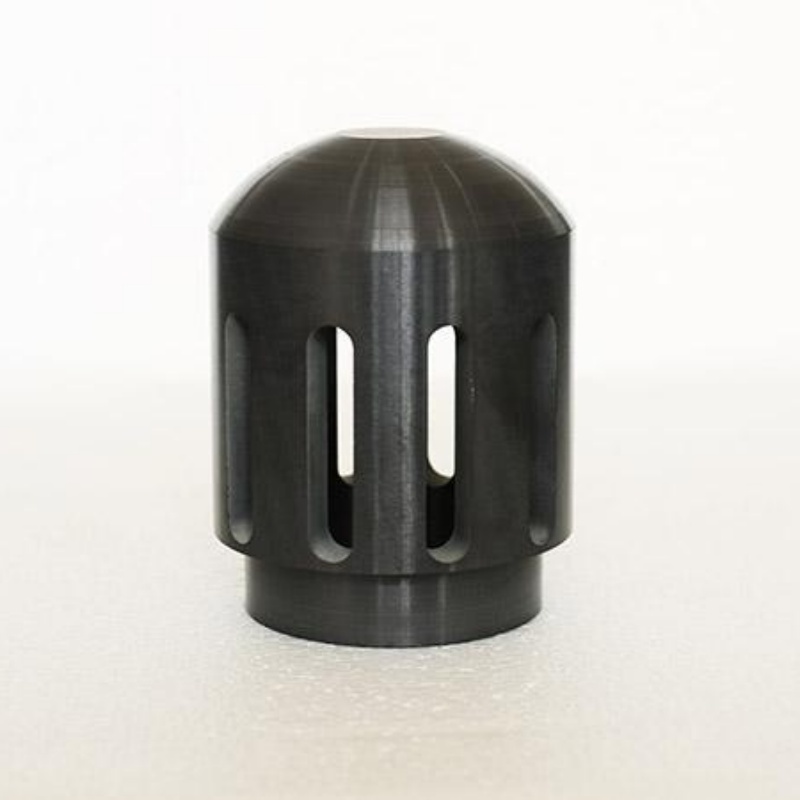
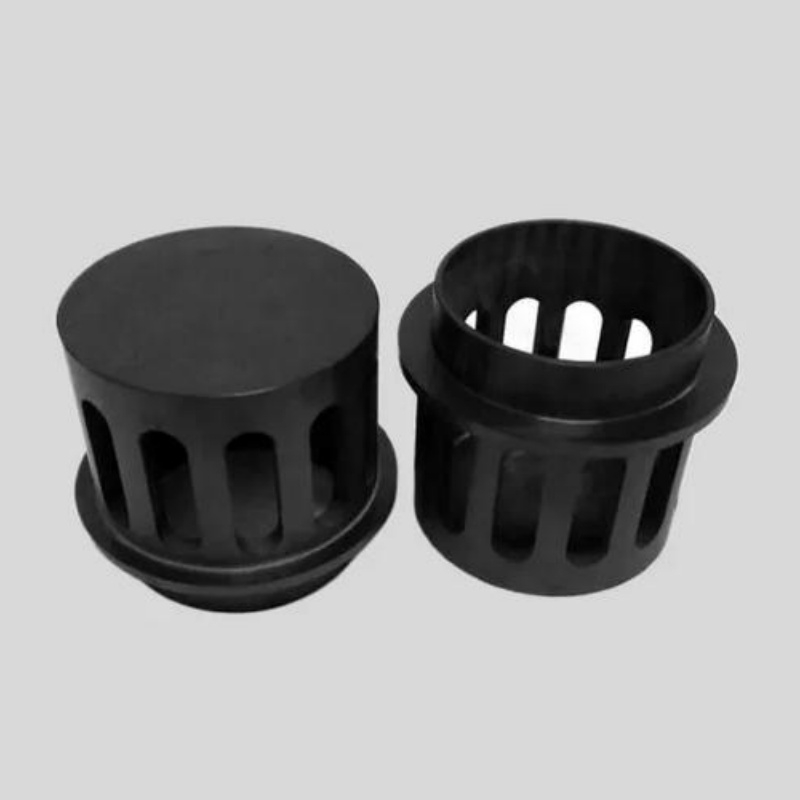
Silicon nitride ceramic exhaust hood is a high-temperature structural component used in demanding thermal processing environments. It functions as a protective cover, shield, or gas-flow management element positioned above or around a heat source, a reaction zone, or a sensitive component within an industrial furnace or kiln.
Unlike conventional metal exhaust covers, a silicon nitride (Si₃N₄) exhaust hood is designed to operate in conditions where thermal shock, oxidation, mechanical vibration, and long-term creep resistance are critical. In advanced ceramics terminology, the word “hood” is often used interchangeably with “cover,” “shield,” or “enclosure” depending on the furnace design.
This article explains the material properties, engineering advantages, design limitations, and typical applications of silicon nitride ceramic exhaust hoods in industrial thermal systems.
Key Properties of Silicon Nitride for High-Temperature Hoods
Silicon nitride is a covalently bonded engineering ceramic. Its performance in exhaust hood applications comes from a combination of mechanical strength, thermal stability, and oxidation resistance.
Key material characteristics include:
High flexural strength at elevated temperatures
Low thermal expansion coefficient
Excellent thermal shock resistance
Good oxidation resistance in air up to approximately 1300–1400°C
High hardness and wear resistance
Low density compared with many structural metals and oxide ceramics
Good resistance to thermal cycling in furnace environments
For an exhaust hood, the most important property is often not maximum hardness, but the ability to survive repeated heating and cooling without cracking. Silicon nitride performs well here because its relatively low thermal expansion reduces internal stress during temperature changes.
Why Silicon Nitride Is Used in Exhaust Hood Applications
In thermal processing equipment, an exhaust hood may be exposed to hot gas flow, radiant heat, combustion byproducts, mechanical vibration, and uneven temperature distribution. Metals can oxidize, soften, warp, or suffer from thermal fatigue. Conventional oxide ceramics such as alumina may resist heat well but can be vulnerable to sudden temperature changes.
Silicon nitride offers a practical balance. It maintains structural integrity at high temperatures and resists crack propagation better than many brittle ceramics. This makes it suitable for applications where the hood must remain dimensionally stable and mechanically reliable over long service periods.
Main Advantages of a Silicon Nitride Ceramic Exhaust Hood
Thermal shock resistance
Silicon nitride can tolerate rapid temperature changes better than many dense oxide ceramics. This is valuable in batch furnaces, rapid thermal systems, or processes where the exhaust zone heats and cools repeatedly.
High-temperature strength retention
Unlike some metals that lose strength at elevated temperatures, silicon nitride retains useful mechanical strength well above 1000°C.
Oxidation stability
In oxidizing atmospheres, silicon nitride forms a protective silica-rich surface layer. This layer helps slow further degradation, which is important for components exposed to hot air or combustion gases.
Lightweight structural performance
Silicon nitride has lower density than many metals and refractory metals. In rotating, suspended, or cantilevered furnace components, reduced weight can reduce mechanical loading on supports.
Wear and erosion resistance
If the exhaust hood is exposed to flowing gas carrying fine particulates, silicon nitride resists surface wear better than many metals and polymer-based materials.
Limitations and Design Constraints
Silicon nitride is not a universal replacement for metal or refractory components. Its limitations must be considered during design.
Brittleness
Like most advanced ceramics, silicon nitride is brittle. It is strong under compression and controlled loading, but vulnerable to impact, edge damage, and improper mechanical clamping.
Thermal expansion mismatch
If the exhaust hood is joined to metal frames, bolts, or sealing components, differences in thermal expansion can create stress. Proper clearance, compliant interfaces, or ceramic-to-metal design strategies are usually required.
Processing complexity
Silicon nitride components are typically formed by pressing, slip casting, injection molding, or near-net-shape forming, followed by sintering. Complex hood geometries may require specialized tooling.
Machining limitations
Finished silicon nitride is very hard. Most final dimensions, holes, slots, and sealing surfaces are achieved by diamond grinding rather than conventional machining.
Cost sensitivity
For simple low-temperature covers, silicon nitride may be over-engineered. It is most justified when thermal shock, oxidation, weight, or long service life are critical.
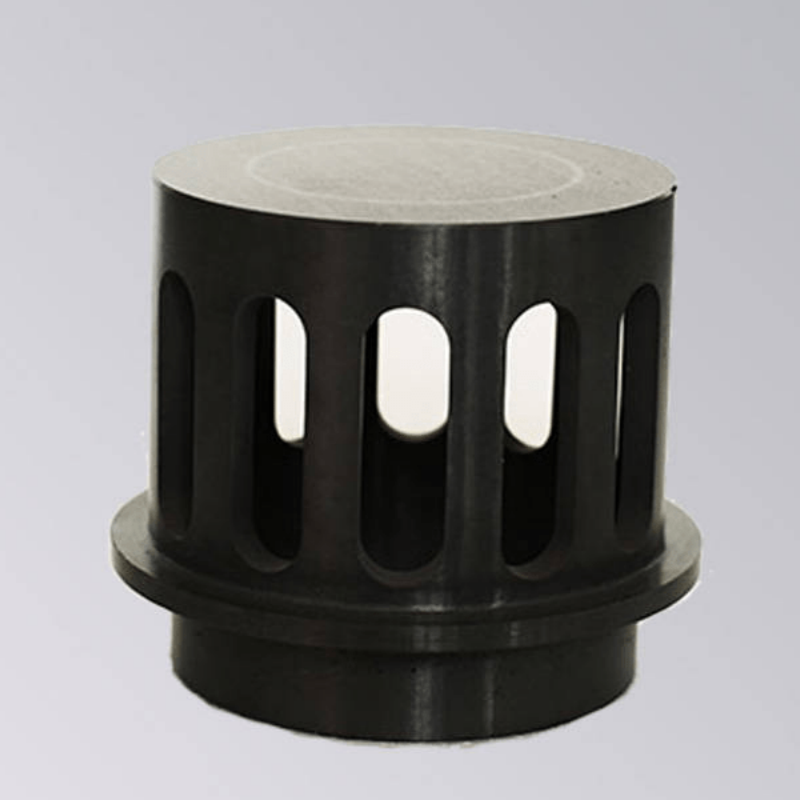
Typical Applications
Silicon nitride ceramic exhaust hoods and similar protective ceramic covers are used in environments where reliability under thermal stress is more important than low cost.
Industrial furnaces and kilns
In high-temperature furnaces, a ceramic hood may protect sensors, support structures, or product zones from direct radiant heat or turbulent exhaust flow.
Heat treatment equipment
Batch heat treatment systems often involve repeated heating and cooling. A silicon nitride hood can resist thermal cycling better than many conventional ceramic or metal covers.
Combustion and burner zones
Where exhaust hoods are exposed to flame, hot gas flow, or combustion byproducts, silicon nitride offers oxidation resistance and structural stability.
Semiconductor and advanced thermal processing
In environments requiring low contamination and high thermal stability, silicon nitride components may be used where metallic exhaust covers would introduce oxidation products or particulate risk.
Laboratory and research furnaces
For R&D thermal systems, silicon nitride hoods are sometimes used when experimental conditions involve rapid temperature changes or aggressive thermal gradients.
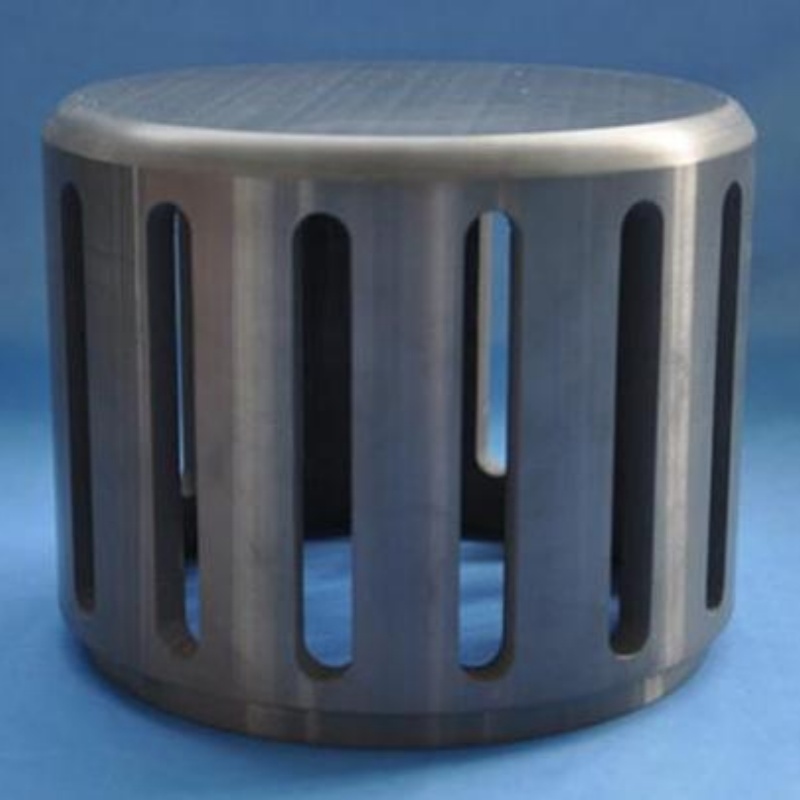
Silicon Nitride vs Alumina vs Silicon Carbide
Material selection for a high-temperature exhaust hood usually depends on thermal shock resistance, strength, oxidation behavior, and cost.
Silicon nitride is often preferred when thermal shock resistance, moderate weight, and high-temperature strength are important. It is well suited to cyclic heating environments.
Alumina is widely available and often less expensive. It has good hardness and oxidation resistance, but lower thermal shock resistance than silicon nitride in many dense forms.
Silicon carbide offers very high thermal conductivity and excellent high-temperature strength. It is useful when rapid heat transfer or extreme thermal loading is involved, but its thermal expansion behavior and oxidation response differ from silicon nitride.
The best choice depends on the specific furnace atmosphere, temperature profile, mechanical loading, and service life requirement.
Design Considerations for Engineers
When specifying a silicon nitride ceramic exhaust hood, engineers should focus on more than just maximum operating temperature.
Avoid sharp internal corners
Sharp corners concentrate stress. Generous radii improve reliability during thermal cycling.
Control wall thickness
Very thick sections increase thermal gradient stress. Uniform or carefully graded wall thickness is usually preferable.
Plan for thermal expansion
Even though silicon nitride has low thermal expansion, the surrounding metal structure may expand differently. Mounting design should avoid rigid over-constraint.
Protect edges during installation
Edge chips can become crack initiation sites. Handling, storage, and installation procedures should treat silicon nitride as a precision ceramic component.
Consider atmosphere compatibility
Silicon nitride performs well in air and oxidizing environments. In strongly reducing atmospheres, high vacuum, or chemically aggressive gas flows, material compatibility should be verified before use.
Manufacturing and Machining Overview
Silicon nitride exhaust hood is not typically produced by conventional metal fabrication methods.
Forming methods may include dry pressing, isostatic pressing, slip casting, or ceramic injection molding, depending on size, geometry, and production volume.
Sintering densifies the ceramic and develops its final mechanical properties. The sintering process and additive system influence density, strength, and thermal performance.
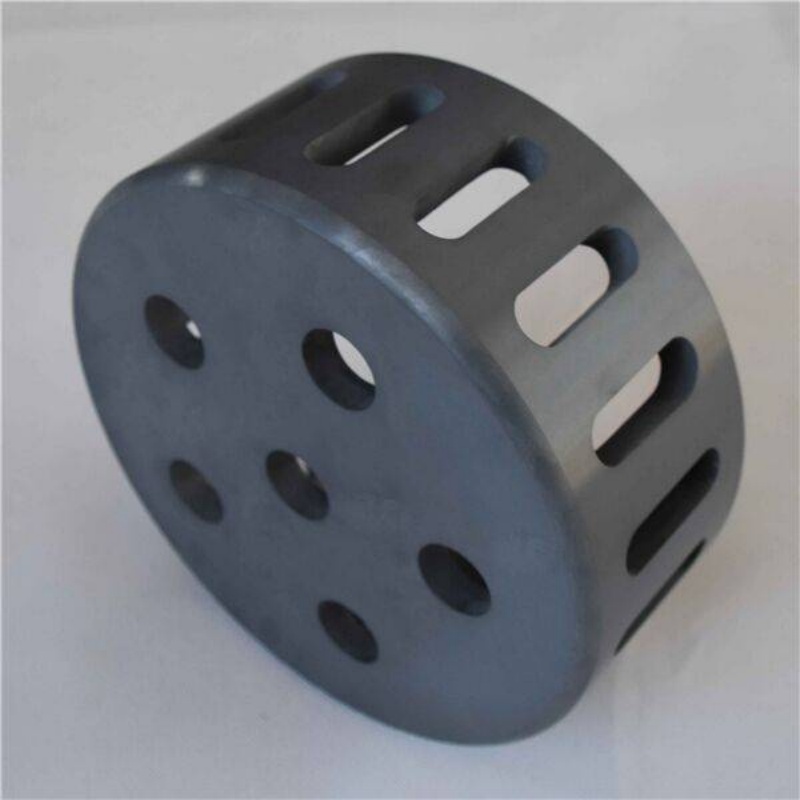
Finish machining is usually performed with diamond tooling. Holes, sealing faces, mounting features, and tight-tolerance surfaces are commonly ground after sintering.
Inspection may include dimensional checks, visual inspection for surface defects, and application-specific testing. For critical furnace components, non-destructive evaluation can help identify surface flaws that may affect service life.
Material Selection Guidance
Silicon nitride ceramic exhaust hood is most appropriate when the application requires:
Repeated thermal cycling
High-temperature mechanical stability
Oxidation resistance in air
Resistance to hot gas flow or particulate erosion
Lower weight than dense metal or refractory alternatives
Long service life in aggressive thermal environments
It may not be the most economical choice for simple static covers operating at low temperatures, or for applications where impact resistance and low-cost replacement are the primary concerns.
Frequently Asked Questions
What is the main advantage of silicon nitride in an exhaust hood?
The main advantage is its combination of high-temperature strength, oxidation resistance, and thermal shock resistance. In furnace exhaust zones, components often experience uneven heating, hot gas flow, and repeated temperature changes. Silicon nitride is valued because it can maintain structural integrity under these conditions better than many metals and conventional oxide ceramics.
Can silicon nitride exhaust hoods be used in vacuum furnaces?
Silicon nitride can be used in some high-temperature environments, but vacuum service requires careful evaluation. In oxidizing atmospheres, silicon nitride benefits from a protective silica layer. In high vacuum or strongly reducing conditions, material stability should be confirmed with the furnace design data and operating atmosphere before selection.
Is silicon nitride better than alumina for thermal shock?
In many engineering applications, silicon nitride offers better thermal shock resistance than dense alumina because of its lower thermal expansion and favorable fracture behavior. However, alumina may still be suitable for applications with slower heating rates, lower thermal gradients, or less demanding mechanical loading.
What temperature can a silicon nitride exhaust hood withstand?
Silicon nitride is commonly used in high-temperature air environments up to approximately 1300–1400°C, depending on grade, atmosphere, mechanical loading, and service conditions. The usable temperature is not determined by melting point alone; oxidation, stress, thermal cycling, and component geometry all affect practical performance.
Can silicon nitride hoods be machined to custom dimensions?
Yes, but not by conventional metal machining. After sintering, silicon nitride is extremely hard and is usually machined by diamond grinding. Features such as holes, slots, sealing surfaces, and mounting interfaces can be produced to precise tolerances, but complex geometries should be considered early in the design stage.
How should a silicon nitride exhaust hood be installed?
It should be handled carefully to avoid edge impact, and mounted with allowance for thermal expansion. Rigid metal clamping without compliance can create stress during heating. Installation should avoid point loading, sharp contact edges, and excessive mechanical constraint.
What industries commonly use silicon nitride exhaust hoods?
Typical industries include industrial furnace manufacturing, heat treatment, advanced thermal processing, semiconductor-related thermal equipment, laboratory furnace development, and research environments requiring high-temperature ceramic components.
How do engineers select between silicon nitride, alumina, and silicon carbide?
Choose silicon nitride when thermal shock resistance, moderate weight, and high-temperature strength are priorities. Choose alumina when cost, availability, and oxidation resistance are more important than thermal shock performance. Choose silicon carbide when high thermal conductivity, extreme temperature capability, or high thermal loading resistance is required.
Silicon nitride ceramic exhaust hood is a specialized high-temperature component used where thermal shock, oxidation resistance, mechanical stability, and long service life are critical. It is not simply a ceramic cover; it is an engineered solution for demanding furnace, kiln, heat treatment, and advanced thermal processing environments.
For material engineers and equipment designers, silicon nitride offers a strong balance of strength, thermal stability, and resistance to cyclic heating. However, successful application depends on proper geometry, compatible mounting design, controlled handling, and correct atmosphere selection. When these factors are addressed, silicon nitride exhaust hoods can provide reliable performance in conditions where metals and conventional ceramics may fail.