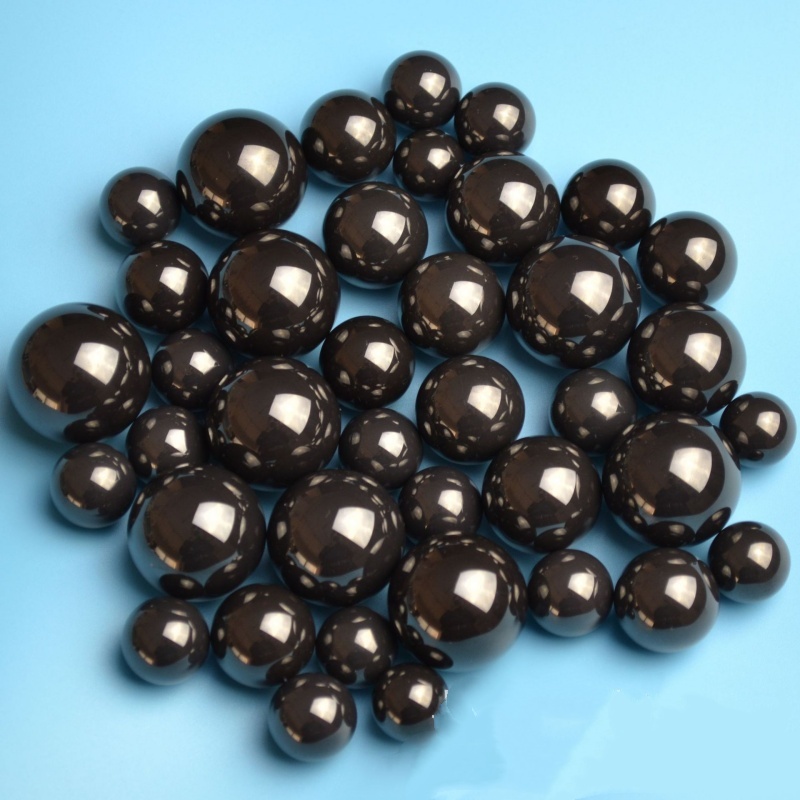
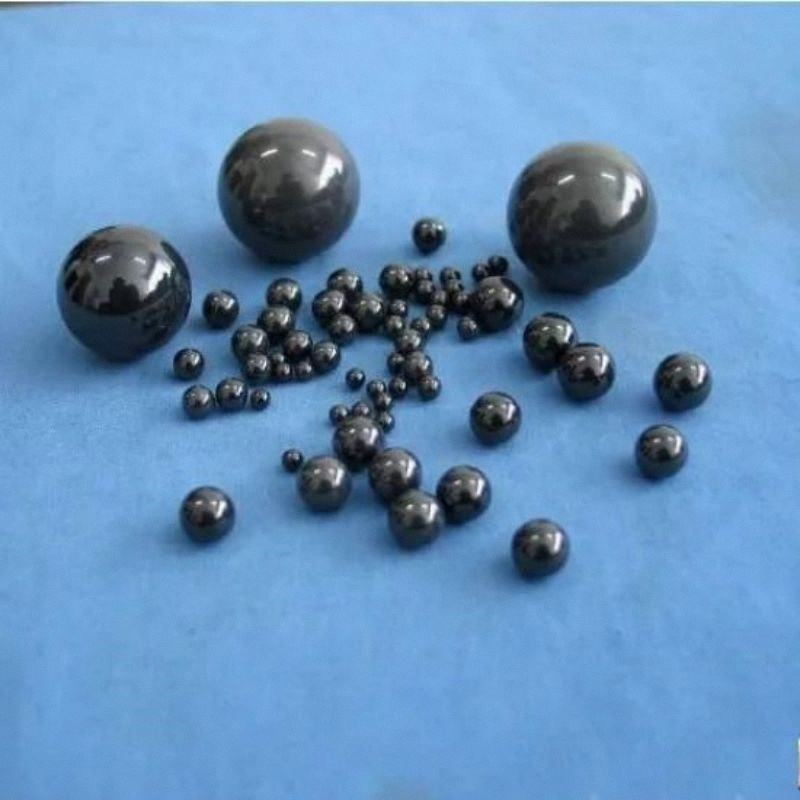
Silicon Nitride Ceramic Ball
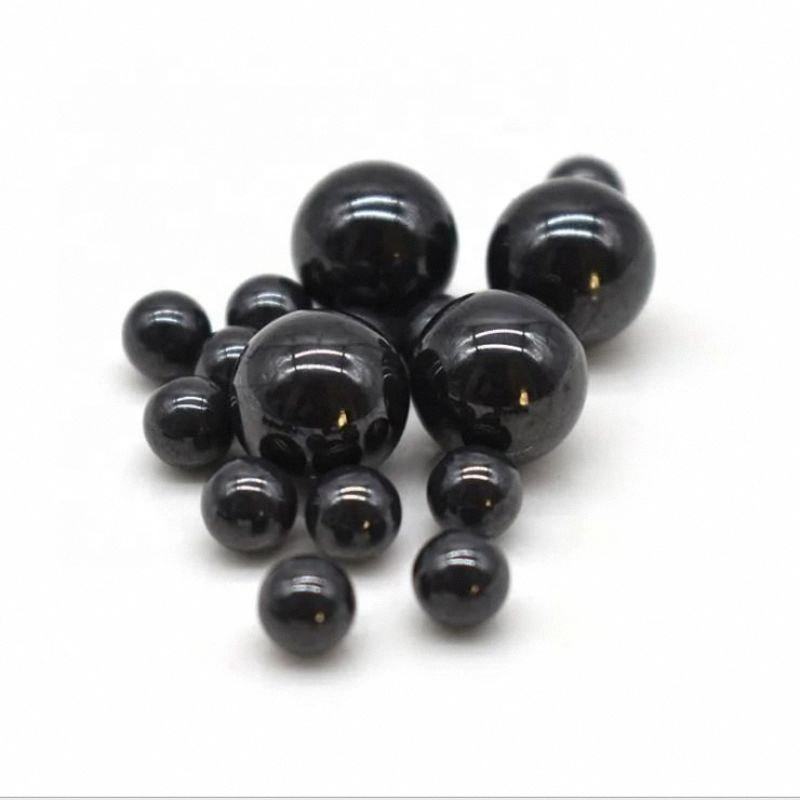
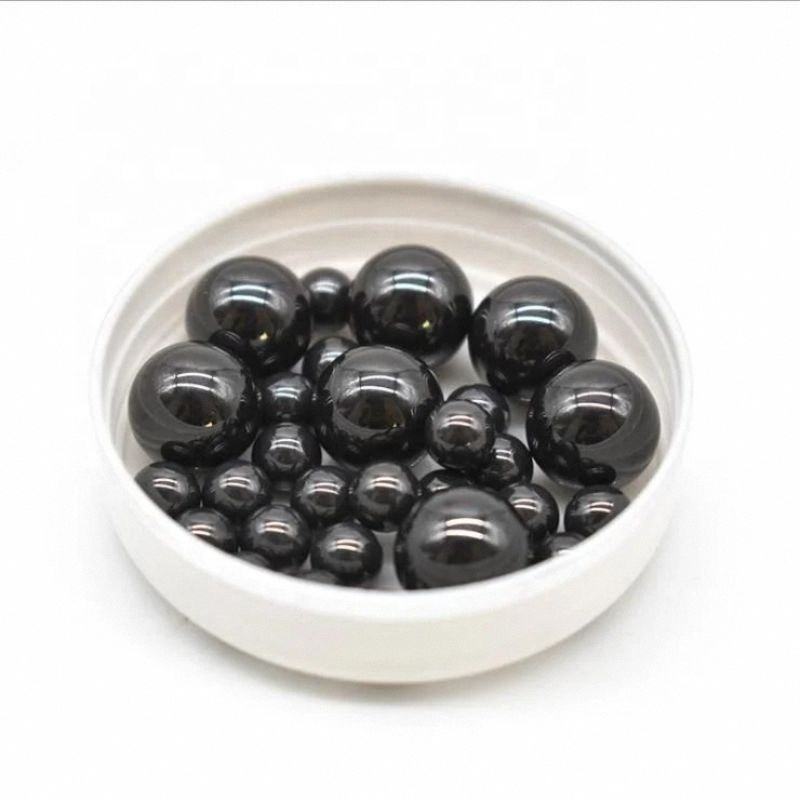
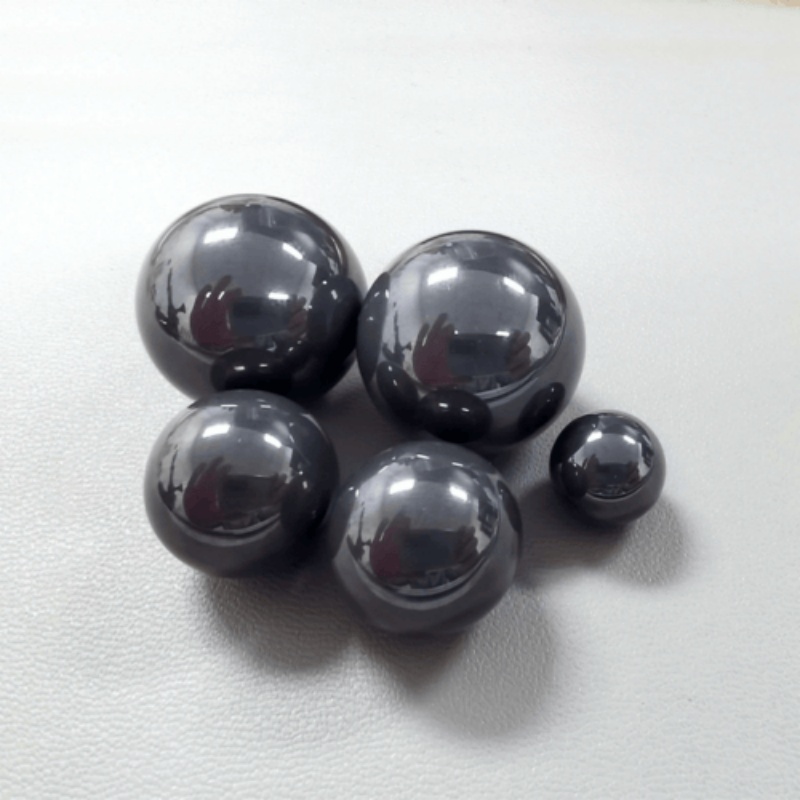
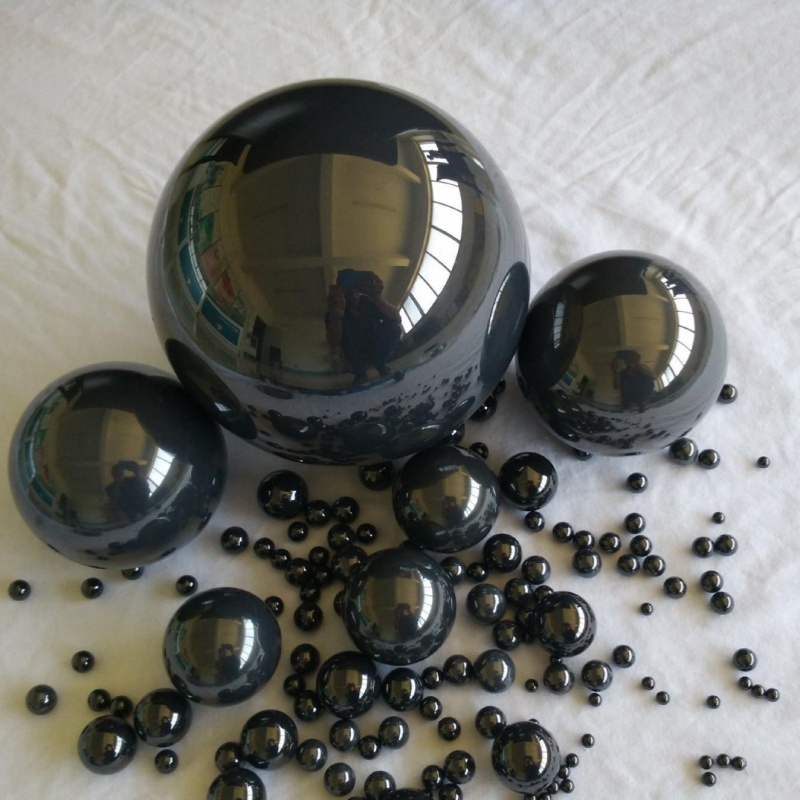
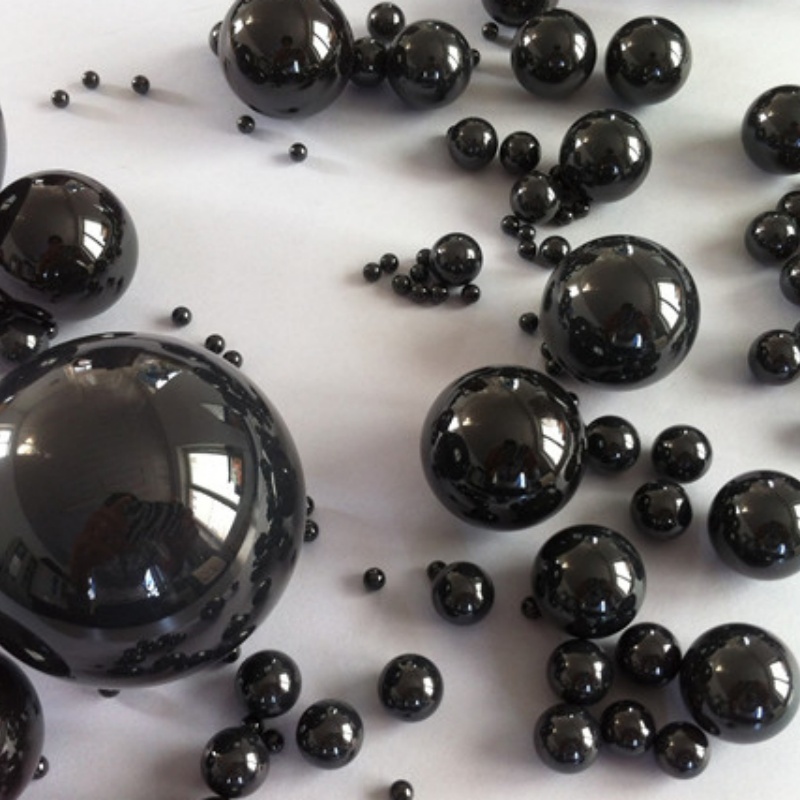
Silicon nitride ceramic ball is a precision rolling element manufactured from silicon nitride (Si₃N₄), a high-performance engineering ceramic. These balls are characterized by their low density (approximately 40% lighter than steel), exceptional hardness, high-temperature stability, and electrical insulation properties. They are widely used in high-speed bearings, hybrid bearing configurations, aerospace mechanisms, and corrosive environments where conventional steel balls fail.
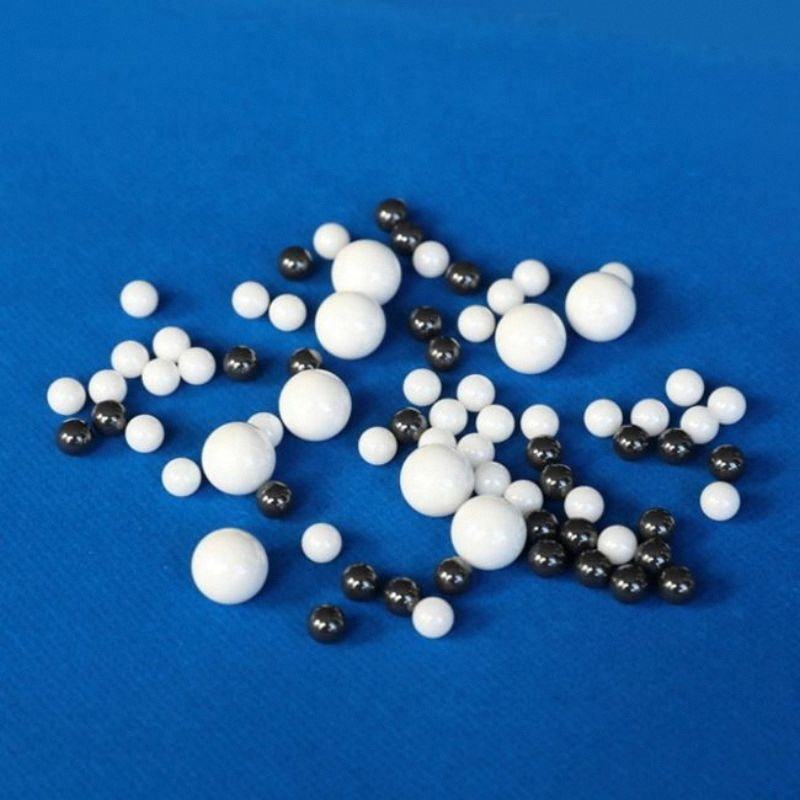
In modern mechanical engineering, the demand for components that can operate under extreme conditions—high rotational speeds, elevated temperatures, and aggressive chemical environments—has driven the adoption of advanced ceramics. Among these materials, silicon nitride (Si₃N₄) has emerged as one of the most reliable structural ceramics for rolling element applications.
Silicon nitride ceramic balls are not simply a substitute for steel balls. They represent a fundamentally different approach to bearing and mechanical design. Their unique combination of low mass, high stiffness, and thermal stability allows engineers to push the performance boundaries of rotating machinery far beyond what conventional steel components can achieve.
What Is a Silicon Nitride Ceramic Ball?
Silicon nitride ceramic ball is a spherical component produced from silicon nitride powder through a process of pressing, sintering, and precision grinding. Unlike metals, which are formed through casting or forging, silicon nitride is a covalently bonded ceramic that requires high-temperature sintering to achieve full density.
The two most common forms of silicon nitride used in ball manufacturing are:
Silicon Nitride with Sintering Aids (SN): This is the most widely used form. Small amounts of oxide additives (such as Y₂O₃ and Al₂O₃) are introduced to facilitate liquid-phase sintering, which enables the material to reach near-theoretical density. The resulting microstructure typically contains a controlled amount of intergranular glassy phase.
Hot Isostatically Pressed Silicon Nitride (HIP Si₃N₄): In this process, sintered components are subjected to high gas pressure at elevated temperatures. This significantly reduces internal porosity and critical flaws, resulting in superior mechanical reliability and fatigue resistance.
The choice between these processing routes directly affects the mechanical performance, particularly in demanding applications such as high-speed spindle bearings or aerospace turbomachinery.
Key Material Properties
Understanding the material properties of silicon nitride is essential for proper component selection. The following values represent typical ranges for bearing-grade silicon nitride and may vary depending on the specific grade and processing method.
Density: 3.20 to 3.30 g/cm³ (approximately 40% of bearing steel)
Vickers Hardness: 1,500 to 1,700 HV10
Flexural Strength: 700 to 1,000 MPa
Elastic Modulus: 300 to 320 GPa
Poisson’s Ratio: 0.26 to 0.28
Thermal Expansion Coefficient: 3.0 to 3.3 × 10⁻⁶ /K
Thermal Conductivity: 20 to 35 W/(m·K)
Maximum Service Temperature: Up to 1,200°C in inert atmosphere; practical bearing use typically below 800°C
Fracture Toughness (K_IC): 5.0 to 7.0 MPa·m^0.5
Electrical Resistivity: >10¹² Ω·cm (electrically insulating)
These properties make silicon nitride one of the few engineering ceramics that can reliably function as a load-bearing rolling element.
Advantages of Silicon Nitride Ceramic Balls
Low Density and High-Speed Capability
The most immediate advantage of silicon nitride balls is their low density. At approximately 3.2 g/cm³, silicon nitride is roughly 40% the density of AISI 52100 bearing steel. In high-speed rotating applications, this mass reduction translates directly into lower centrifugal forces acting on the rolling elements.
In a ball bearing operating at high DN values (bore diameter in mm × rotational speed in rpm), the centrifugal loading on steel balls can cause significant contact stress on the outer raceway. Silicon nitride balls reduce this effect substantially, enabling higher rotational speeds without premature fatigue failure. This is the primary reason hybrid bearings—those with ceramic balls and steel races—are widely used in machine tool spindles, turbochargers, and electric motors.
High Hardness and Wear Resistance
With a Vickers hardness exceeding 1,500 HV, silicon nitride is significantly harder than hardened bearing steels. This hardness provides excellent resistance to abrasive wear, making silicon nitride balls suitable for applications involving contaminated lubricants, dry running conditions, or particulate-laden environments.
Thermal Stability and Low Thermal Expansion
Silicon nitride maintains its mechanical properties at temperatures where steel begins to soften. Its low coefficient of thermal expansion (approximately 3.2 × 10⁻⁶ /K) means that dimensional changes under thermal cycling are minimal. This is particularly valuable in precision applications such as coordinate measuring machines, optical positioning systems, and semiconductor manufacturing equipment.
Electrical Insulation
Unlike metallic rolling elements, silicon nitride is an electrical insulator. This property prevents electrical discharge machining (EDM) damage in electric motors and generators, where stray currents can pass through bearing assemblies and cause pitting, fluting, and premature failure.
Corrosion Resistance
Silicon nitride exhibits excellent resistance to most acids, alkalis, molten salts, and oxidizing environments. In chemical processing, marine, and semiconductor applications, silicon nitride balls can operate reliably where steel balls would corrode rapidly.
Limitations and Design Considerations
While silicon nitride offers significant advantages, it is not a universal replacement for steel. Engineers must account for several important limitations.
Brittleness and Low Fracture Toughness
Silicon nitride is a brittle ceramic with limited tolerance for impact loading and shock. Unlike steel, which deforms plastically before failure, silicon nitride fails in a sudden, catastrophic manner when its fracture toughness is exceeded. Applications involving heavy shock loads or misalignment require careful analysis.
Sensitivity to Surface Defects
The strength of silicon nitride is governed by the size and distribution of surface and subsurface flaws. Manufacturing quality control—including grinding, lapping, and inspection—is critical. High-reliability applications typically specify HIP-treated grades to minimize internal porosity.
Cost
Silicon nitride balls are significantly more expensive than steel balls due to the complexity of powder processing, sintering, and precision finishing. The cost must be justified by performance requirements such as extended service life, higher operating speeds, or operation in hostile environments.
Differential Thermal Expansion in Hybrid Bearings
In hybrid bearing configurations (ceramic balls with steel races), the difference in thermal expansion coefficients between silicon nitride and steel must be accounted for in the internal clearance design. At elevated temperatures, the steel races expand more than the ceramic balls, which can alter the contact angle and preload.
Typical Grades and Material Options
The performance of silicon nitride ceramic balls depends heavily on the specific grade and processing method. While exact designations vary by material producer, the industry generally recognizes the following categories:
Standard Bearing-Grade Si₃N₄: Pressureless-sintered or gas-pressure-sintered silicon nitride with controlled grain structure. Suitable for most industrial bearing and mechanical applications.
HIP Silicon Nitride: Hot isostatically pressed for reduced porosity and improved fatigue life. Preferred for aerospace, high-speed spindle, and safety-critical applications.
High-Purity Si₃N₄: Grades with minimal sintering aid content, offering improved high-temperature performance and chemical inertness. Often used in semiconductor and corrosive environments.
Available Shapes and Common Dimensions
Silicon nitride balls are manufactured in a range of standard and custom sizes. Common specifications encountered in industrial applications include:
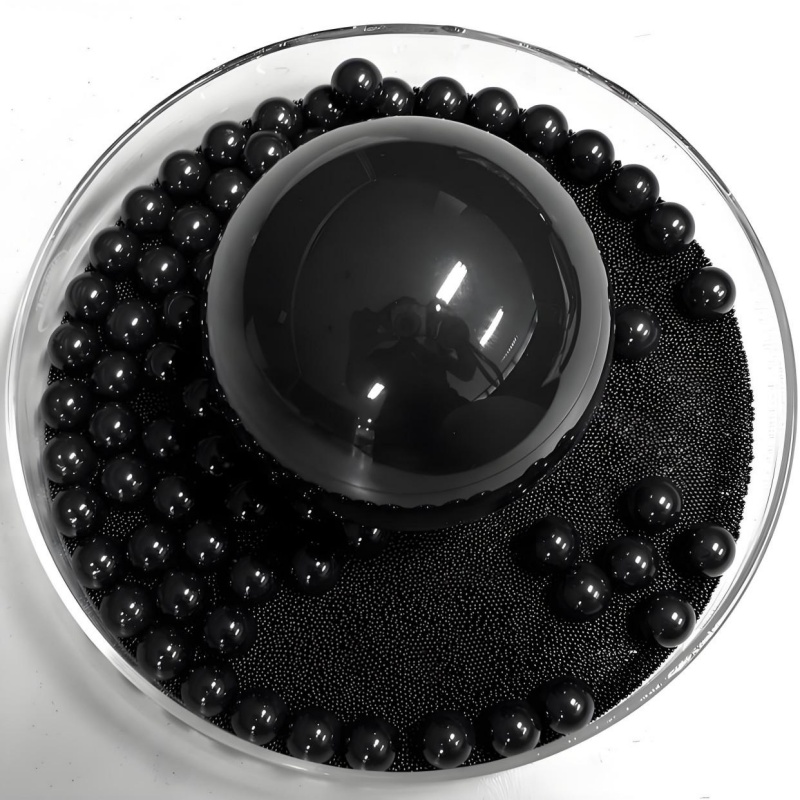
Diameter range: From sub-millimeter precision balls (approximately 0.5 mm) to large-diameter balls exceeding 100 mm, depending on application requirements.
Standard inch sizes: 1/16″, 1/8″, 3/16″, 1/4″, 5/16″, 3/8″, 1/2″, and larger.
Standard metric sizes: 1 mm, 2 mm, 3 mm, 4 mm, 5 mm, 6 mm, 8 mm, 10 mm, 12.7 mm, and larger.
Tolerance grades: Precision balls are typically manufactured to ABMA/ISO ball grade standards, with common grades ranging from Grade 10 (high precision) to Grade 100 (general purpose).
Surface finish: Typical surface roughness values range from Ra 0.01 μm to Ra 0.05 μm for precision bearing applications.
Custom diameters, special tolerances, and non-standard finishes are available for specialized engineering applications.
Real-World Engineering Applications
Machine Tool Spindles
High-speed machining centers routinely use hybrid bearings with silicon nitride balls. The reduced ball mass allows spindle speeds exceeding 30,000 rpm while maintaining acceptable bearing life and thermal stability. The lower frictional heat generation also reduces the need for complex cooling systems.
Electric Vehicles and Traction Motors
In electric vehicle drivetrains, silicon nitride balls are increasingly used in motor bearings to prevent electrical erosion caused by shaft currents. The insulating property of silicon nitride breaks the current path, protecting the bearing raceways from electrical discharge damage.
Turbochargers and Turbomachinery
The high-temperature capability and low density of silicon nitride make it suitable for turbocharger ball bearings, where rotational speeds can exceed 200,000 rpm and exhaust gas temperatures are significant.
Semiconductor Manufacturing Equipment
In wafer handling systems and vacuum environments, silicon nitride balls provide clean, non-contaminating, and corrosion-resistant operation. Their low outgassing characteristics and chemical inertness are critical in these environments.
Aerospace and Defense
Silicon nitride balls are used in gyroscopes, flight control actuators, and auxiliary power units where reliability under extreme conditions is essential.
Comparison: Silicon Nitride vs. Bearing Steel
To understand when silicon nitride is the appropriate choice, it is helpful to compare its key properties directly with those of conventional AISI 52100 bearing steel.
Density: Silicon nitride has a density of approximately 3.2 g/cm³, while AISI 52100 steel is approximately 7.8 g/cm³. The ceramic is less than half the weight of steel, which is the primary driver for high-speed performance.
Hardness: Silicon nitride typically measures around 1,600 HV, compared to approximately 800 HV for hardened bearing steel. This gives the ceramic a significant advantage in wear resistance.
Elastic Modulus: At approximately 310 GPa, silicon nitride is roughly 50% stiffer than steel (210 GPa). This higher stiffness reduces elastic deformation under load but also means that contact stress calculations must account for the different material compliance.
Maximum Service Temperature: Silicon nitride can operate practically at temperatures above 800°C, while AISI 52100 steel is typically limited to 150–200°C before significant hardness loss occurs.
Corrosion Resistance: Silicon nitride offers excellent corrosion resistance in most chemical environments. AISI 52100 steel has poor corrosion resistance and requires continuous lubrication or protective coatings.
Electrical Conductivity: Silicon nitride is an electrical insulator, whereas steel is a conductor. This distinction is critical in electric motor and generator applications.
Impact Resistance: Steel is ductile and can absorb significant impact energy through plastic deformation. Silicon nitride is brittle and has low impact resistance, making it unsuitable for applications with heavy shock loading.
Relative Cost: Silicon nitride balls carry a significant cost premium over steel balls due to the complexity of ceramic processing. This cost must be justified by the performance benefits in the specific application.
This comparison highlights that silicon nitride is not inherently “better” than steel—it is better suited for specific operating conditions. Material selection should always be based on the actual application requirements.
Material Selection Guidance
When evaluating silicon nitride ceramic balls for a specific application, consider the following factors:
Operating speed: If the application involves high DN values, the mass reduction of silicon nitride will provide a clear advantage.
Temperature: For sustained operation above 200°C, silicon nitride offers a significant performance margin over steel.
Environment: Corrosive, chemically aggressive, or electrically charged environments strongly favor ceramic balls.
Load type: Avoid silicon nitride in applications with heavy shock or impact loading unless the design has been validated through testing.
Bearing configuration: Hybrid bearings (ceramic balls, steel races) are often the most cost-effective approach, providing most of the performance benefits without the cost of full-ceramic bearings.
Grade selection: For high-reliability applications, specify HIP-treated grades to ensure optimal fatigue performance.
Frequently Asked Questions
What is a silicon nitride ceramic ball?
Silicon nitride ceramic ball is a precision spherical component made from Si₃N₄, a high-strength engineering ceramic. It is used primarily as a rolling element in bearings and mechanical systems that require high speed, high temperature resistance, corrosion resistance, or electrical insulation. Its low density and high hardness make it a preferred choice in demanding engineering applications.
Why are silicon nitride balls used in hybrid bearings?
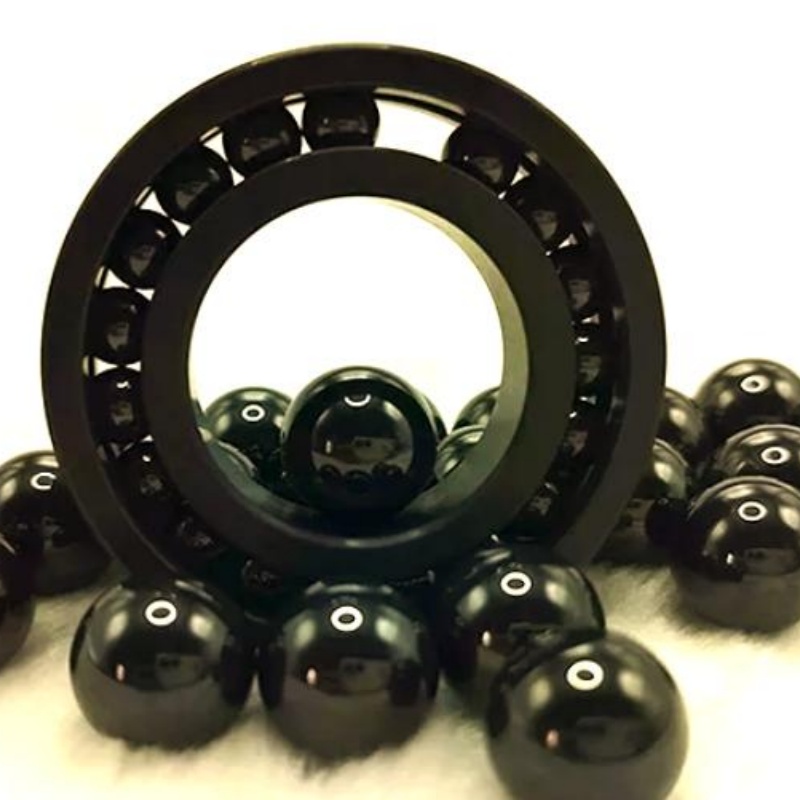
Hybrid bearings combine silicon nitride balls with steel inner and outer races. The ceramic balls reduce centrifugal forces at high speeds, lower frictional heat generation, and provide electrical insulation. This combination allows hybrid bearings to operate at higher speeds and temperatures than all-steel bearings while remaining more cost-effective than full-ceramic bearings.
Can silicon nitride balls operate without lubrication?
Silicon nitride has relatively low friction against itself and against steel, and it can operate in dry or marginally lubricated conditions better than steel. However, complete dry running at high loads and speeds will still cause wear. Proper lubrication, even if minimal, is recommended for long service life.
What is the temperature limit for silicon nitride ceramic balls?
Silicon nitride retains its mechanical strength at temperatures well above 800°C in inert atmospheres. In practical bearing applications, the limiting factor is usually the cage material, seal material, or lubricant rather than the ceramic ball itself. In air, oxidation effects become relevant at very high temperatures over extended periods.
Are silicon nitride balls electrically conductive?
No. Silicon nitride is an electrical insulator with resistivity typically exceeding 10¹² Ω·cm. This property is one of the main reasons it is used in electric motor bearings, where it prevents electrical current from passing through the bearing and causing discharge damage to the raceways.
How does the cost of silicon nitride balls compare to steel balls?
Silicon nitride balls are significantly more expensive than steel balls due to the complexity of ceramic powder processing, high-temperature sintering, and precision grinding. The cost premium is justified in applications where performance requirements—such as high speed, high temperature, corrosion resistance, or extended service life—cannot be met by steel.
What is the difference between sintered and HIP silicon nitride?
Standard sintered silicon nitride is produced by pressing and sintering ceramic powder with sintering aids. HIP (Hot Isostatically Pressed) silicon nitride undergoes an additional high-pressure, high-temperature treatment that reduces internal porosity and critical flaws. HIP grades offer higher fatigue strength and reliability, making them suitable for aerospace and high-speed bearing applications.
Can silicon nitride balls be used in corrosive environments?
Yes. Silicon nitride exhibits excellent chemical resistance to most acids, alkalis, molten salts, and oxidizing environments. It is commonly used in chemical processing equipment, marine applications, and semiconductor manufacturing where corrosion resistance is essential.
Silicon nitride ceramic balls represent one of the most versatile and reliable ceramic components in modern mechanical engineering. Their unique combination of low density, high hardness, thermal stability, electrical insulation, and corrosion resistance makes them indispensable in high-performance applications ranging from machine tool spindles to electric vehicle motors and aerospace systems.
However, silicon nitride is not a universal replacement for steel. Its brittleness, sensitivity to impact loading, and higher cost require careful engineering evaluation. Successful application depends on matching the material properties to the actual operating conditions and selecting the appropriate grade, tolerance, and bearing configuration.
For engineers and designers, silicon nitride ceramic balls should be viewed as a high-performance material option—one that, when applied correctly, can significantly extend component life, increase operating speed, and enable reliable operation in environments where conventional materials fail.