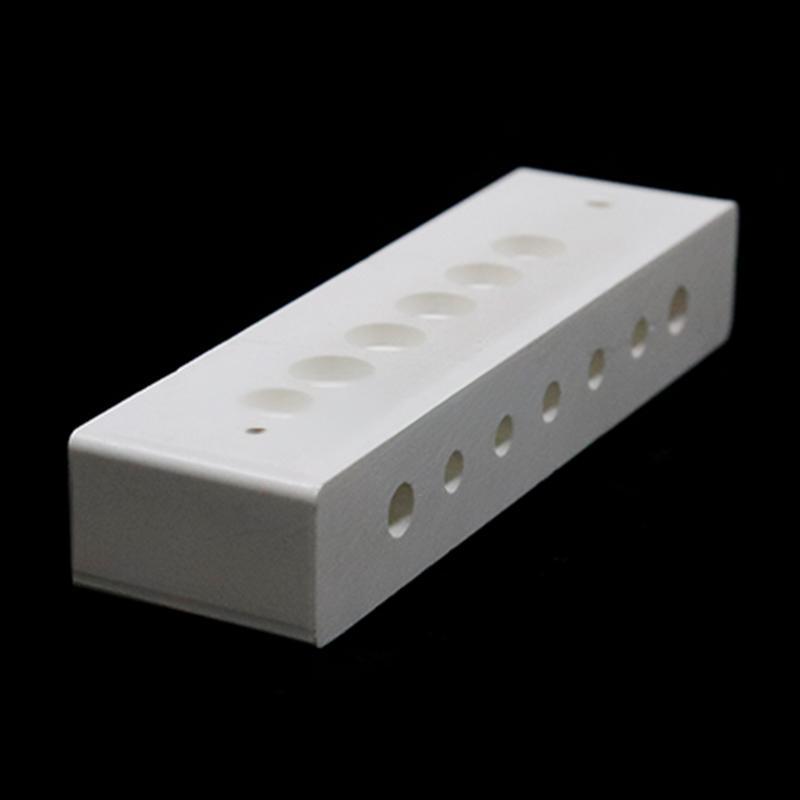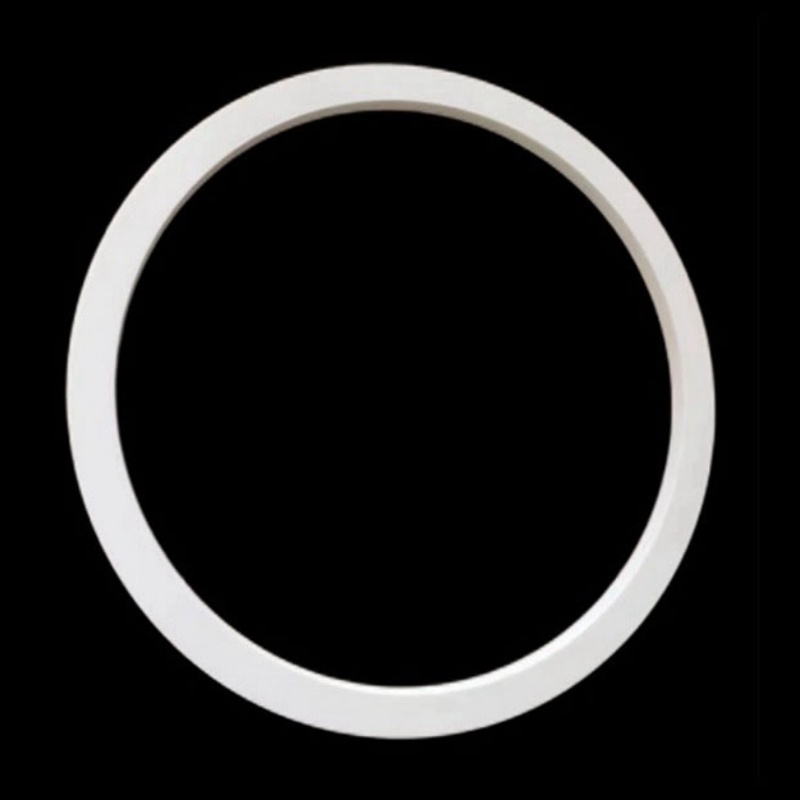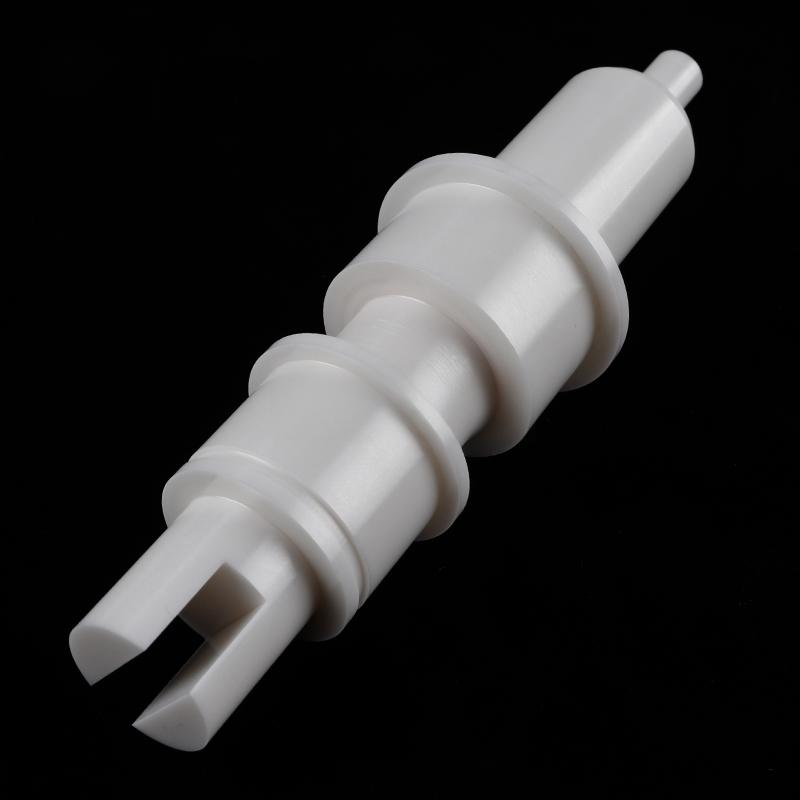
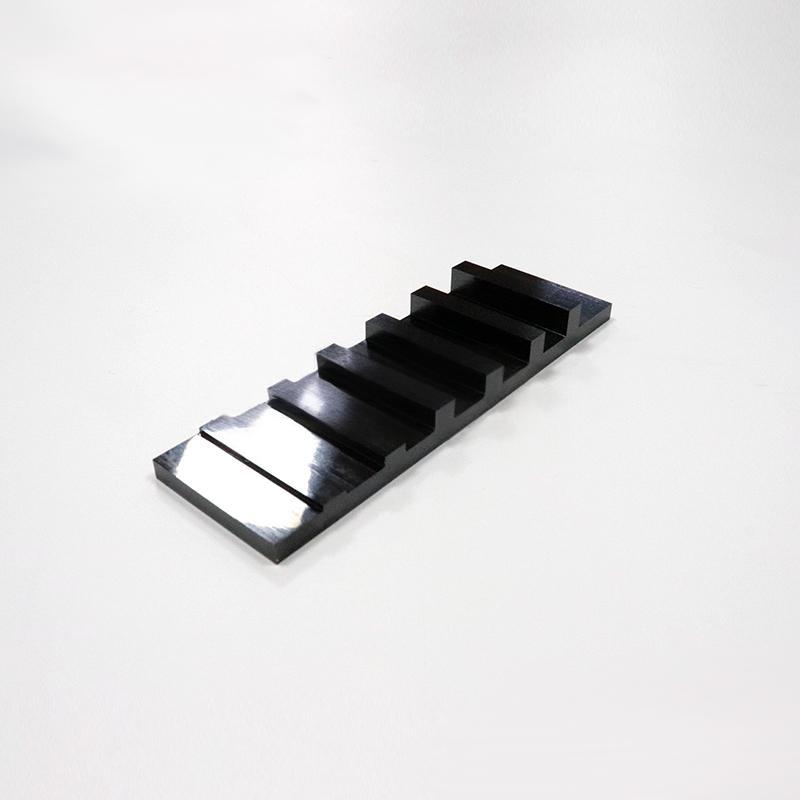
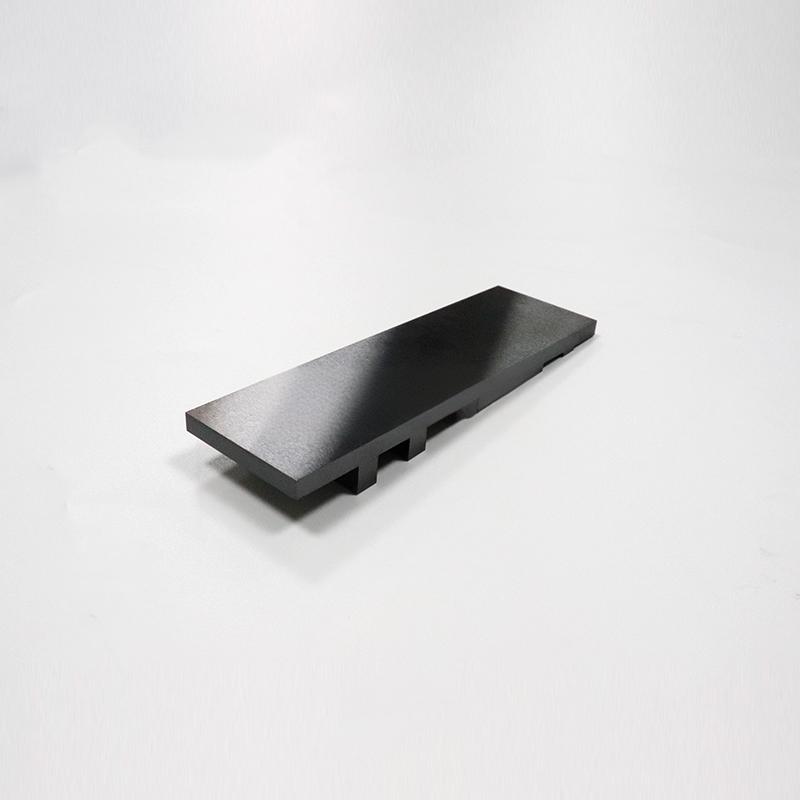
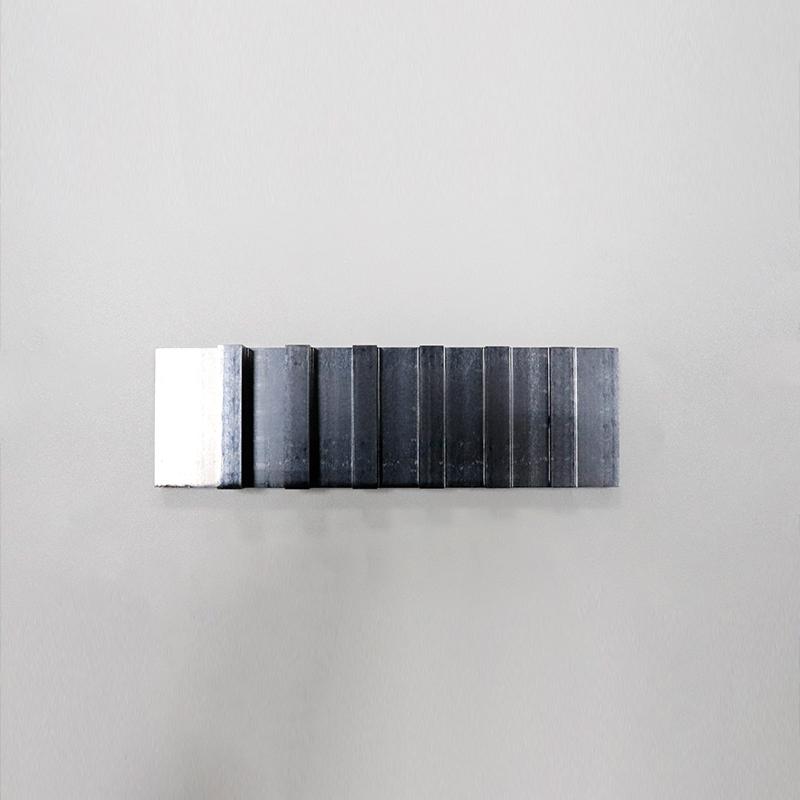
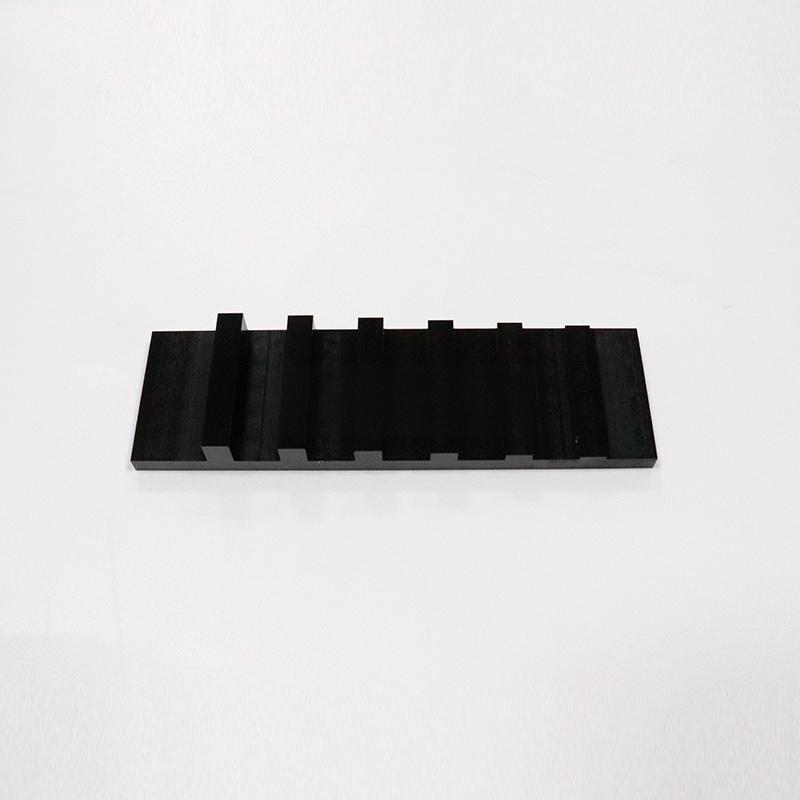
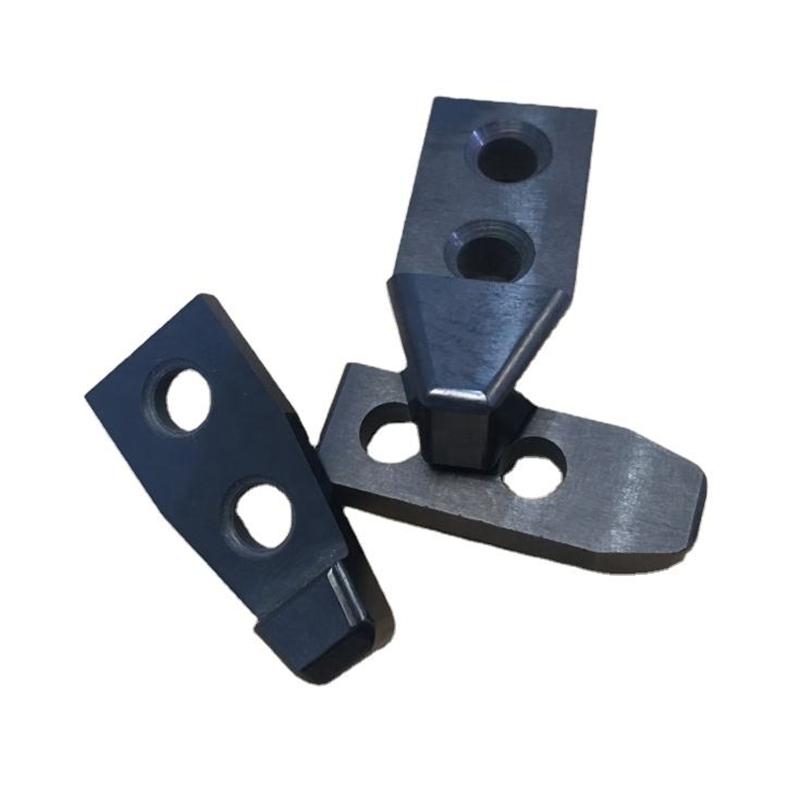
Silicon Carbide Ceramic Positioning Blocks
In high-precision industrial environments, maintaining dimensional stability under extreme thermal and mechanical loads is a persistent engineering challenge. A silicon carbide ceramic positioning block is an advanced structural component designed specifically to address these challenges. Unlike standard metal fixtures, which may soften, oxidize, or deform at elevated temperatures, silicon carbide (SiC) offers a unique combination of high thermal conductivity, exceptional hardness, and low thermal expansion. These positioning blocks are frequently employed in semiconductor processing, vacuum furnaces, and precision optical assembly, where even microscopic shifts in alignment can compromise product quality.
Material Composition and Microstructure
Silicon carbide is a covalently bonded ceramic composed of silicon and carbon. The performance of a positioning block is heavily dependent on its specific grade and sintering method. The two most common forms used for precision fixtures are Reaction-Bonded Silicon Carbide (RBSC) and Sintered Alpha Silicon Carbide.
RBSC, often referred to as SiSiC, is created by infiltrating a porous carbon preform with molten silicon. This results in a composite material containing SiC grains bonded by a silicon metal phase. While RBSC is cost-effective and can be net-shape formed, the presence of free silicon limits its maximum continuous use temperature to approximately 1380°C, as the silicon phase will melt at higher temperatures. Conversely, direct-sintered or recrystallized grades contain no free silicon, allowing them to withstand temperatures exceeding 1600°C, making them superior for high-temperature vacuum or inert atmosphere applications.
Key Engineering Properties
The suitability of silicon carbide for positioning tasks stems from several intrinsic physical properties:
High Thermal Conductivity: SiC possesses thermal conductivity comparable to some metals (ranging from 80 to over 120 W/m·K depending on the grade). This ensures that a positioning block heats up or cools down uniformly, preventing thermal gradients that could induce warping or stress fractures.
Low Coefficient of Thermal Expansion (CTE): With a CTE roughly one-third that of steel, SiC components exhibit minimal dimensional change during temperature cycling. This is critical for maintaining tight tolerances in dynamic thermal environments.
High Modulus of Elasticity: SiC is extremely stiff (Young’s Modulus ~400–450 GPa). A positioning block made from this material will resist deflection under heavy loads, ensuring that the alignment of the supported component remains constant.
Wear and Corrosion Resistance: The extreme hardness of SiC (comparable to tungsten carbide) makes these blocks highly resistant to abrasive wear from sliding parts. Furthermore, SiC is chemically inert to most acids, alkalis, and molten metals, preventing degradation in harsh chemical processing environments.
Typical Applications
The application of silicon carbide positioning blocks is dictated by their ability to perform where metals and polymers fail.
Semiconductor Manufacturing: In wafer processing, positioning blocks are used to hold wafers during diffusion, oxidation, and CVD processes. The material’s low particle generation and high purity prevent contamination of the silicon wafers.
Vacuum Furnace Fixturing: In sintering and brazing operations, fixtures must support heavy parts at temperatures above 1400°C. SiC blocks provide the necessary creep resistance and structural integrity without outgassing contaminants into the vacuum chamber.
Optical and Metrology Frames: Due to its high specific stiffness and thermal stability, SiC is increasingly used for positioning components in high-precision optical systems and coordinate measuring machines (CMM), where temperature fluctuations must not alter the geometric reference frame.

Advantages and Limitations
When selecting a positioning block, engineers must weigh the distinct advantages of SiC against its limitations.
Advantages:
Superior performance at high temperatures compared to alumina or steel.
Excellent thermal shock resistance (particularly recrystallized grades), allowing for rapid heating and cooling cycles.
Lightweight, with a density roughly 30% lower than steel or alumina.
Limitations:
Brittleness: Like all advanced ceramics, SiC is brittle and lacks the ductility of metals. It is susceptible to fracture from impact or point loading. Design must avoid stress concentrators.
Machining Difficulty: SiC is extremely hard and can only be machined using diamond grinding or EDM (for RBSC). This makes complex geometries expensive to produce post-sintering.
Cost: The raw material and processing costs are significantly higher than alumina or stainless steel.
Material Selection Considerations
Choosing between silicon carbide and other ceramics depends on the operating environment. If the application involves temperatures below 1000°C and extreme corrosion resistance is not required, Alumina (Al2O3) may be a more economical choice due to its lower cost and ease of fabrication. However, for applications demanding high thermal shock resistance or operation above 1400°C, silicon carbide is generally superior to alumina.
If electrical insulation is a strict requirement, standard silicon carbide is not suitable as it is semi-conductive (and conductive in RBSC forms). In such cases, engineers might consider Aluminum Nitride (AlN) or high-purity Alumina, which offer high thermal conductivity combined with electrical insulation.
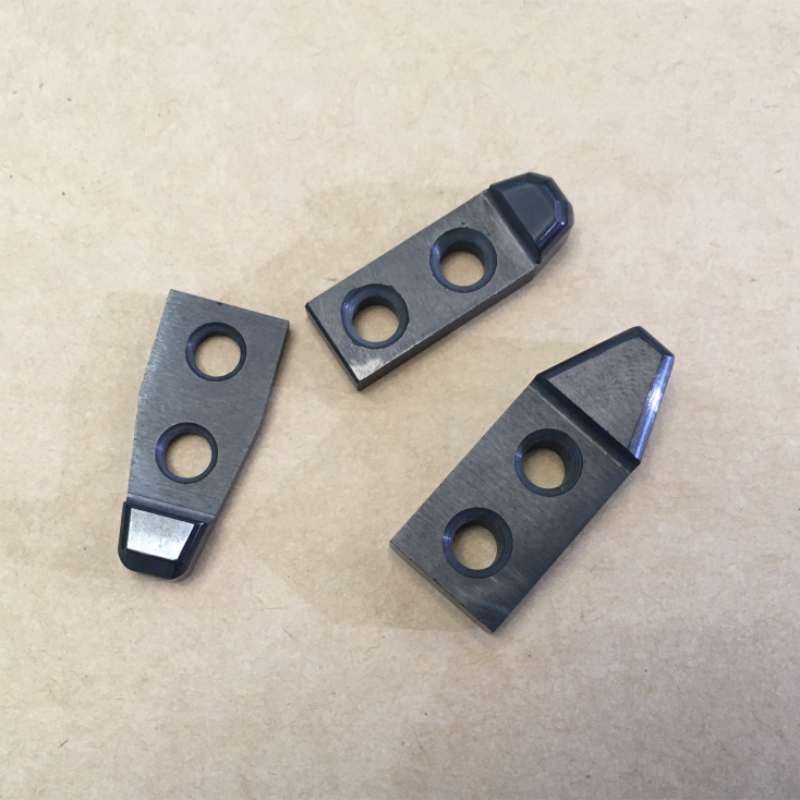
Silicon carbide ceramic positioning block is a high-performance solution for precision engineering in extreme environments. Its selection is justified when thermal stability, stiffness, and wear resistance are paramount. By understanding the differences between RBSC and sintered grades, engineers can optimize the balance between performance requirements and manufacturing costs.
FAQ
What is the maximum operating temperature for a silicon carbide positioning block?
The maximum temperature depends on the grade. Reaction-Bonded Silicon Carbide (RBSC) is typically limited to 1380°C due to the melting point of the free silicon binder. Sintered or Recrystallized Silicon Carbide can operate continuously above 1600°C in inert or vacuum atmospheres.
Is silicon carbide electrically conductive?
Yes, generally. Reaction-Bonded Silicon Carbide is electrically conductive due to the free silicon phase. Sintered Alpha Silicon Carbide is semi-conductive. If electrical insulation is required, alumina or aluminum nitride should be considered instead.
Can silicon carbide blocks be machined to tight tolerances?
Yes, but only with diamond tooling. Because SiC is extremely hard, standard carbide tools cannot machine it. Tight tolerances are often achieved by grinding after sintering, or by designing the part to be “net shape” during the molding process to minimize expensive post-processing.
How does silicon carbide compare to alumina for positioning fixtures?
Silicon carbide has significantly higher thermal conductivity (approx. 5-10x that of alumina) and better thermal shock resistance. It is also lighter and stiffer. However, alumina is generally cheaper and offers better electrical insulation.
Is silicon carbide suitable for use in corrosive chemical environments?
Yes, high-purity silicon carbide exhibits excellent resistance to most acids, alkalis, and salts, even at elevated temperatures. It is widely used in chemical processing equipment for this reason.