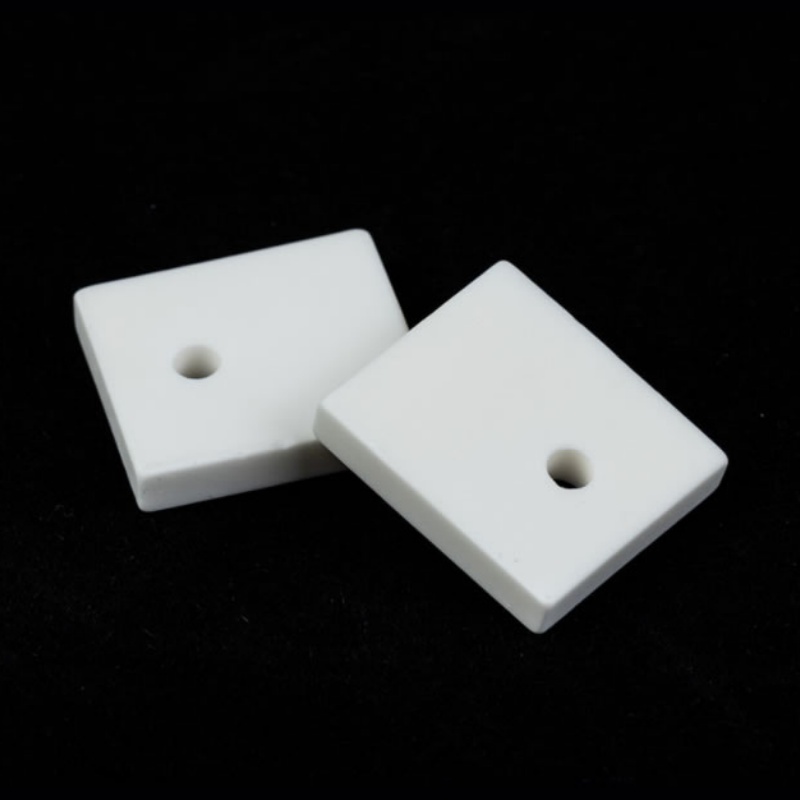
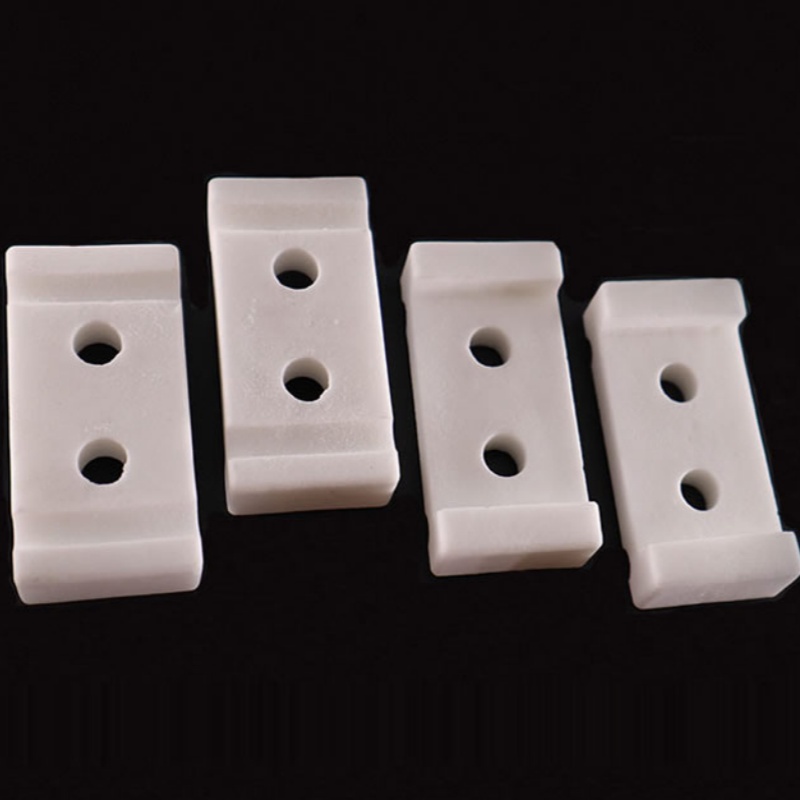
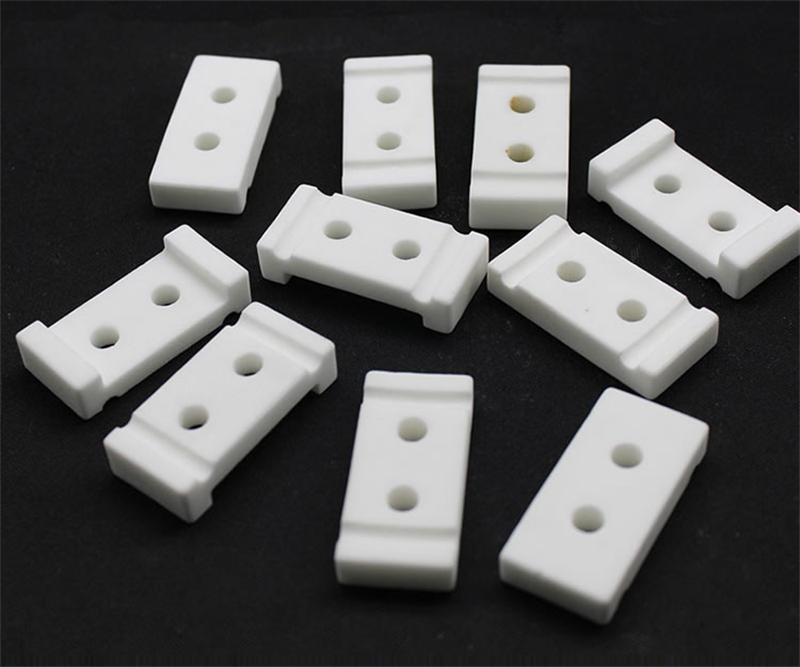
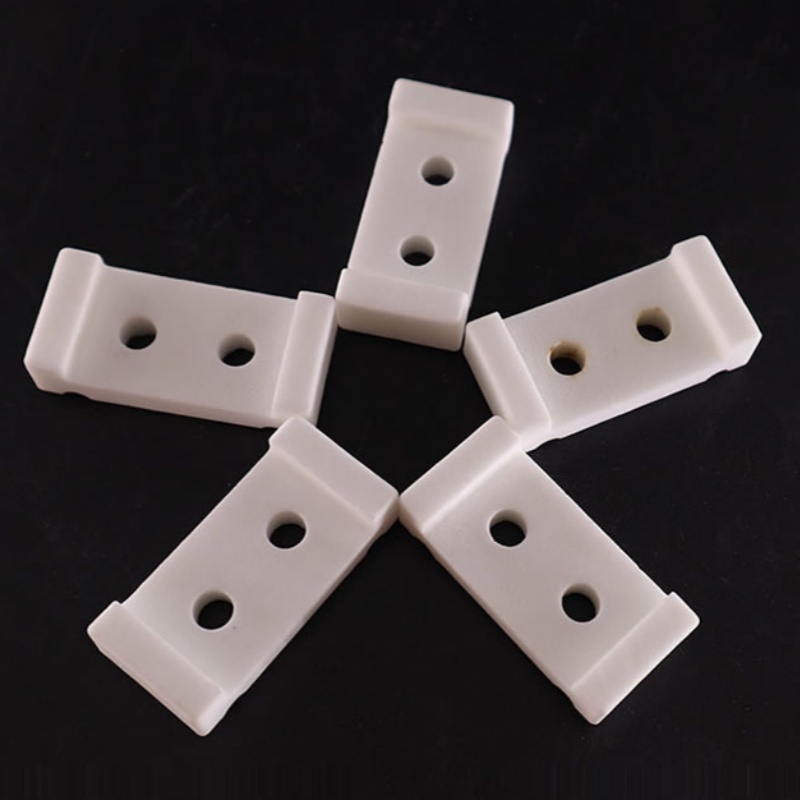
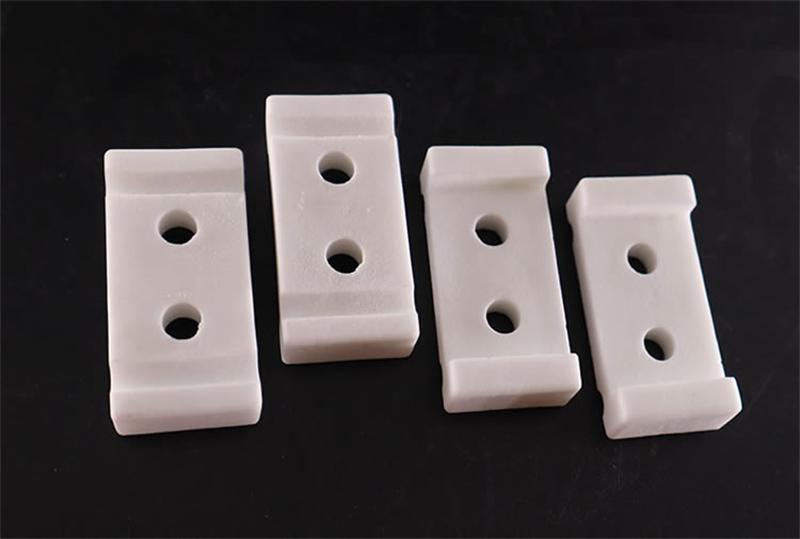
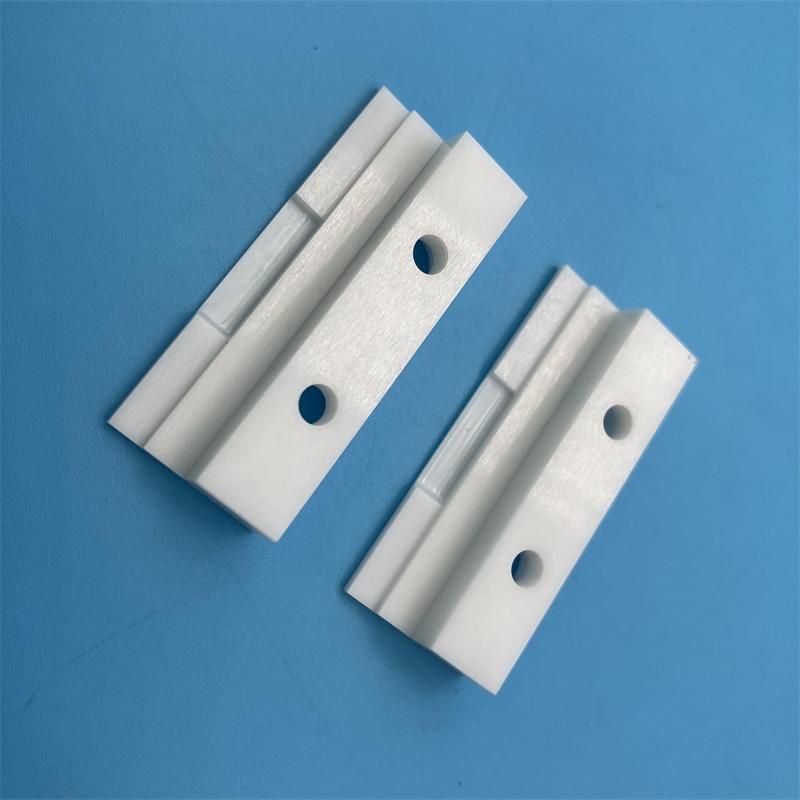
Rectangular Alumina Ceramic Insulating Fixing Blocks
Rectangular alumina ceramic insulating fixing blocks are precision-engineered components used to support, position, isolate, or secure parts in demanding electrical, thermal, and mechanical environments. Their value in industrial and research applications comes from the combination of high electrical insulation, good thermal stability, moderate mechanical strength, and strong chemical resistance. Unlike metal or polymer fixtures, alumina ceramic blocks can maintain dimensional stability and insulating performance at elevated temperatures and in corrosive atmospheres, making them a preferred choice when reliability under stress is required.
Alumina, or aluminum oxide (Al₂O₃), is a polycrystalline oxide ceramic with a dense, tightly bonded microstructure after sintering. The rectangular fixing block form is typically produced by dry pressing, isostatic pressing, or machining from sintered blanks, followed by grinding or lapping to achieve tight tolerances. Because alumina is brittle and difficult to machine after full densification, critical dimensions, hole positions, slots, and chamfers should be defined early in the design stage.
The most important characteristic of these blocks is electrical insulation. Alumina exhibits high volume resistivity and low dielectric loss, which allows it to isolate conductive components while withstanding high electric fields. This makes rectangular alumina blocks suitable for use as insulating supports, spacers, mounting bases, and fixation elements in electrical test fixtures, heating assemblies, vacuum devices, and power equipment. The rectangular geometry is particularly useful when a stable mounting surface, defined contact area, or predictable load path is needed.
Thermal performance is another key consideration. Alumina retains useful mechanical properties at high temperatures and generally offers better thermal stability than most engineering plastics. Depending on purity and microstructure, alumina can operate continuously at several hundred degrees Celsius and can withstand short-term exposure to higher temperatures. However, alumina is sensitive to rapid temperature changes compared with some non-oxide ceramics. Sharp thermal gradients, uneven heating, or constrained mounting can induce cracking. Rectangular blocks with thick cross-sections or sharp internal corners are more vulnerable to thermal stress, so rounded edges and uniform support are recommended in high-temperature service.
Mechanically, alumina provides high hardness and good compressive strength, which helps fixing blocks resist wear, deformation, and surface damage. It is much harder than stainless steel and many tool steels, so alumina blocks can perform well in abrasive or sliding environments. The limitation is fracture toughness. Alumina does not yield like metal; it fails in a brittle manner when local tensile stress exceeds its strength. For fixing blocks, this means that point loading, uneven clamping force, impact, or over-tightened fasteners can cause chipping or fracture. Designers should avoid concentrating load on small contact areas and should use compliant interfaces or controlled torque when necessary.
Chemical resistance is one of alumina’s strongest advantages. It is generally resistant to many acids, alkalis, organic solvents, and high-temperature oxidation environments. This makes rectangular alumina fixing blocks suitable for use in chemical processing equipment, semiconductor-related fixtures, furnace components, and analytical instruments. However, alumina is not universally inert. Strong hydrofluoric acid, hot concentrated phosphoric acid, and certain molten salts or reactive metals can attack alumina. The actual chemical compatibility depends on concentration, temperature, exposure time, and mechanical stress.
Alumina fixing blocks are available in different purity grades, commonly ranging from about 95% to 99.9% Al₂O₃. Higher-purity alumina usually provides better electrical insulation, higher temperature capability, improved chemical stability, and finer microstructure, but it may also increase cost and machining difficulty. Lower-purity grades may contain glassy or secondary phases that can reduce insulation performance and high-temperature strength, although they can still be adequate for less demanding mechanical or structural roles.
Typical applications include electrical insulating supports, heater mounting blocks, sensor isolation fixtures, vacuum chamber spacers, semiconductor test components, laser equipment mounts, furnace fixturing, and precision alignment blocks. In these applications, alumina is selected not only for insulation but also for its ability to maintain shape and surface integrity under heat, electrical stress, or chemical exposure.
Compared with zirconia ceramic, alumina generally offers better electrical insulation and lower cost, while zirconia provides higher fracture toughness and impact resistance. Zirconia may be preferable when mechanical shock resistance is critical, but it is not always the best choice for high-voltage insulation. Compared with silicon nitride, alumina is easier to produce in complex rectangular forms and offers excellent dielectric properties, while silicon nitride typically has superior thermal shock resistance and toughness. Compared with steatite or macor-like machinable ceramics, alumina usually provides higher hardness, better wear resistance, and higher temperature performance, though machinable ceramics may be more suitable for rapid prototyping or very complex geometries.
When selecting a rectangular alumina ceramic insulating fixing block, engineers should consider operating temperature, thermal cycling frequency, electrical voltage requirements, mechanical load type, surface flatness, dimensional tolerance, chemical environment, and mounting method. For static electrical insulation with moderate mechanical load, standard high-purity alumina is often sufficient. For high-impact or severe thermal shock conditions, alternative ceramics or design modifications should be evaluated.
FAQ
What is a rectangular alumina ceramic insulating fixing block used for?
It is used to electrically isolate, mechanically support, and precisely position components in high-temperature, corrosive, or high-voltage environments where metal or polymer fixtures may fail.
Is alumina ceramic suitable for high-temperature applications?
Yes, alumina maintains good mechanical and insulating properties at elevated temperatures. However, it should be protected from severe thermal shock and uneven heating.
Does alumina ceramic conduct electricity?
No, alumina is an electrical insulator with high volume resistivity and low dielectric loss, making it suitable for insulating supports and mounting fixtures.
What are the main limitations of alumina fixing blocks?
Alumina is brittle, sensitive to impact and point loading, and can crack under rapid thermal cycling or uneven mechanical constraint.
How does alumina compare with zirconia for fixing blocks?
Alumina offers better electrical insulation and lower cost, while zirconia provides higher toughness and impact resistance. The choice depends on whether insulation or mechanical shock resistance is more critical.
Can alumina ceramic blocks be customized in size?
Yes, rectangular alumina blocks can be produced in various dimensions and tolerances, but complex features should be considered early because alumina is difficult and costly to machine after sintering.