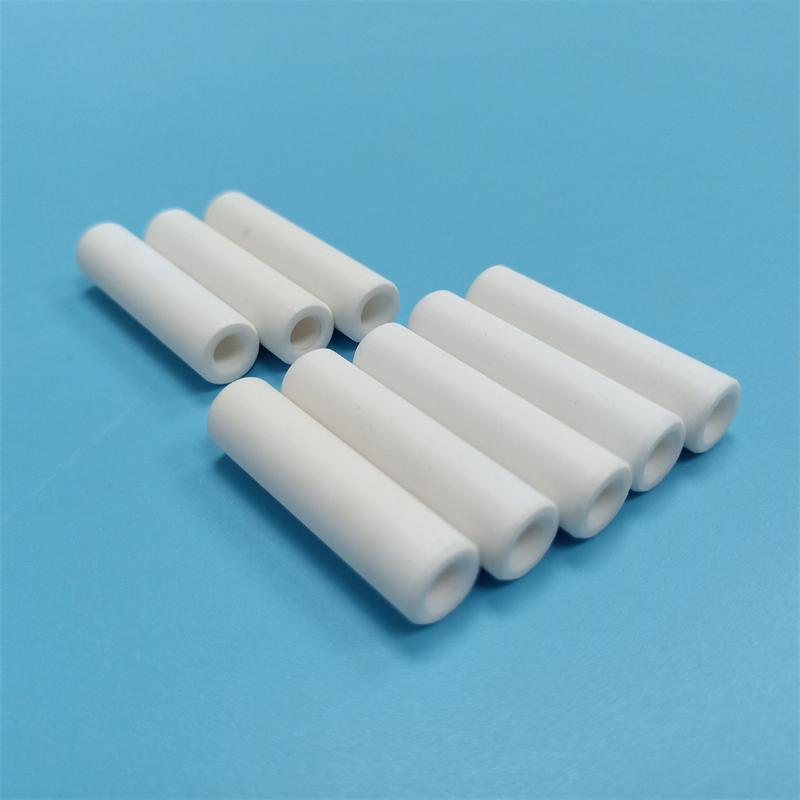
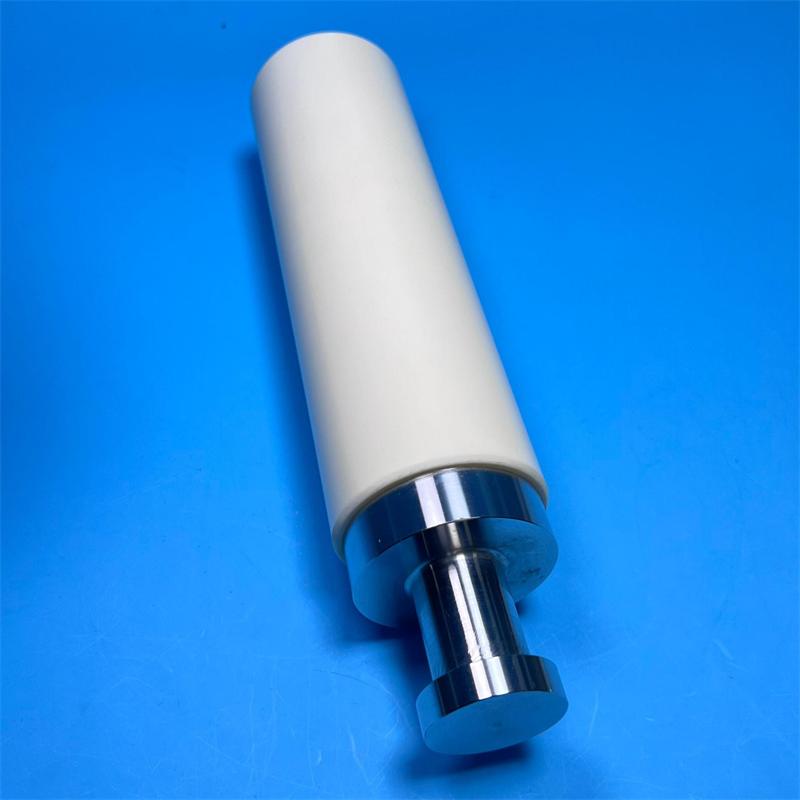
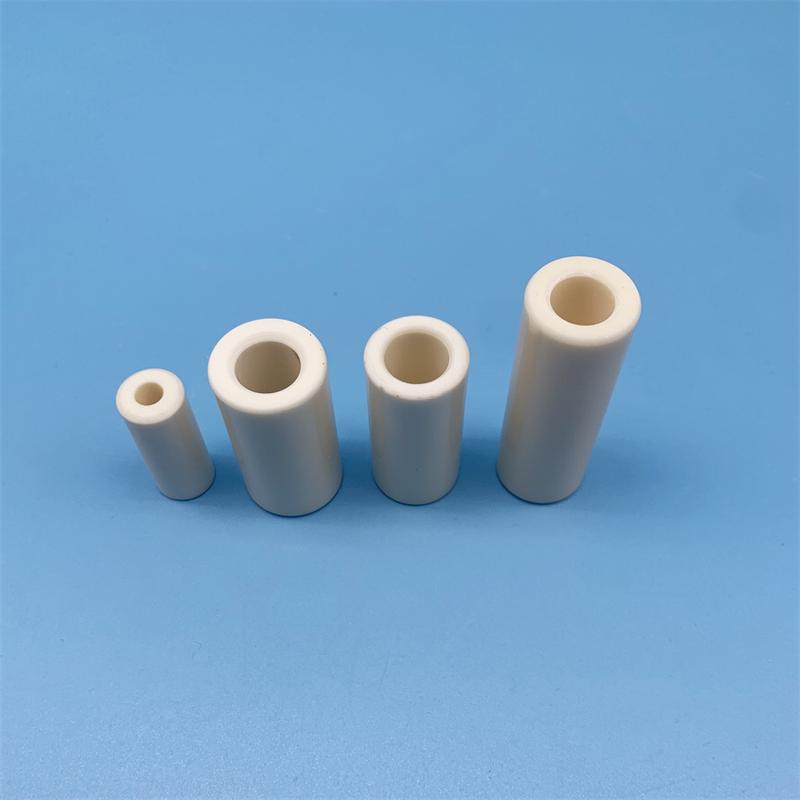
Precision Alumina Ceramic Bearing Piston Tube
In high-performance fluid power systems, the interface between a piston and its bearing surface represents one of the most critical failure points. Traditional metallic piston tubes—typically hardened steel or chrome-plated rods—encounter fundamental limitations when exposed to abrasive media, corrosive chemicals, or elevated temperatures. Surface degradation leads to seal damage, fluid contamination, and ultimately, system failure.
The precision alumina ceramic bearing piston tube has emerged as an engineered solution to these challenges. By replacing the metallic sliding surface with a high-purity aluminum oxide (Al₂O₃) component, engineers can achieve orders-of-magnitude improvements in wear life, eliminate corrosion concerns, and maintain dimensional stability under thermal stress.
What Is a Precision Alumina Ceramic Bearing Piston Tube?
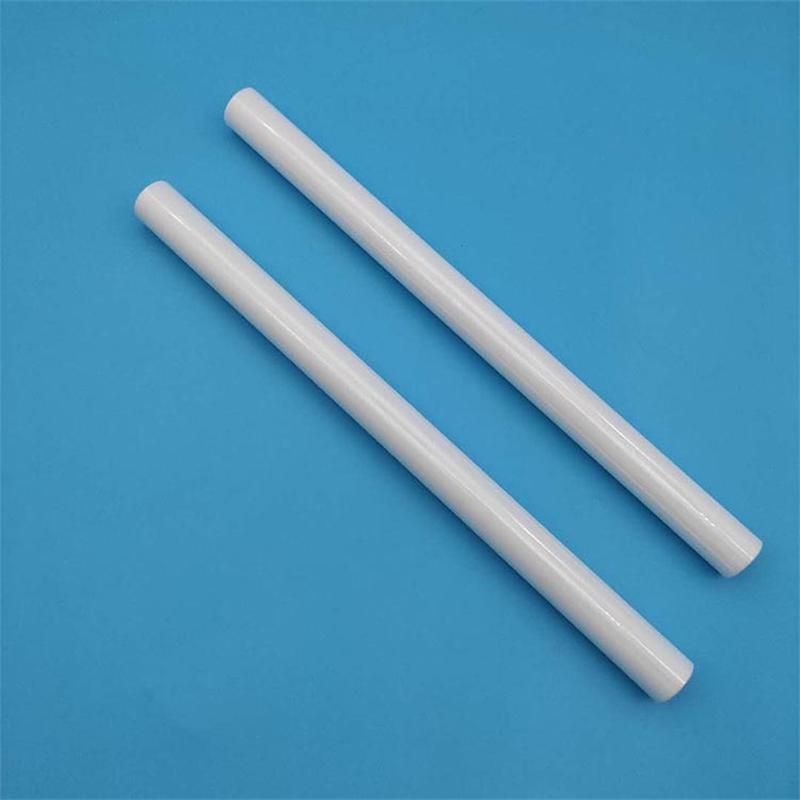
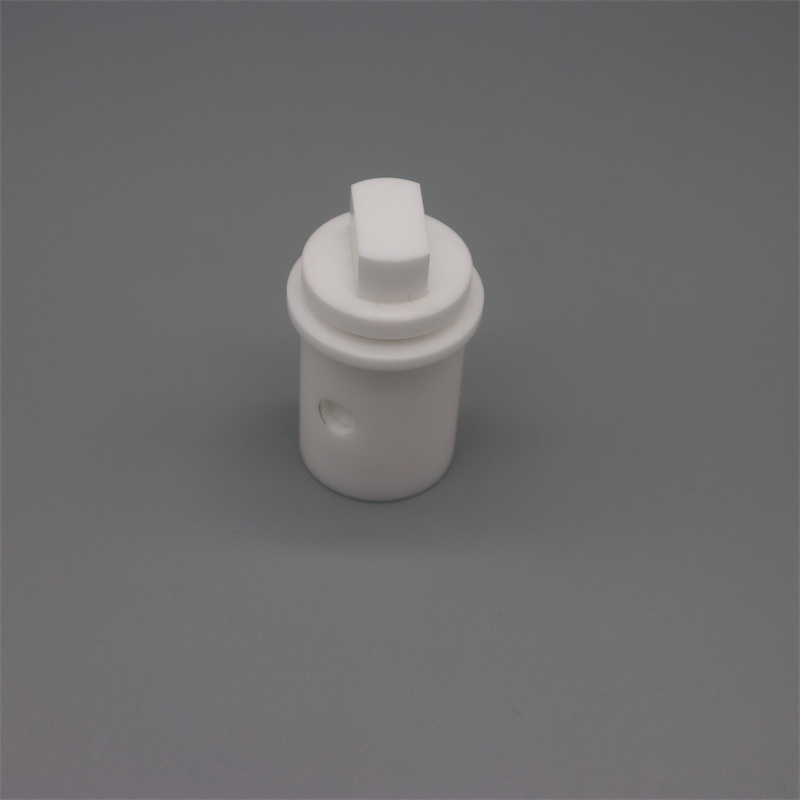
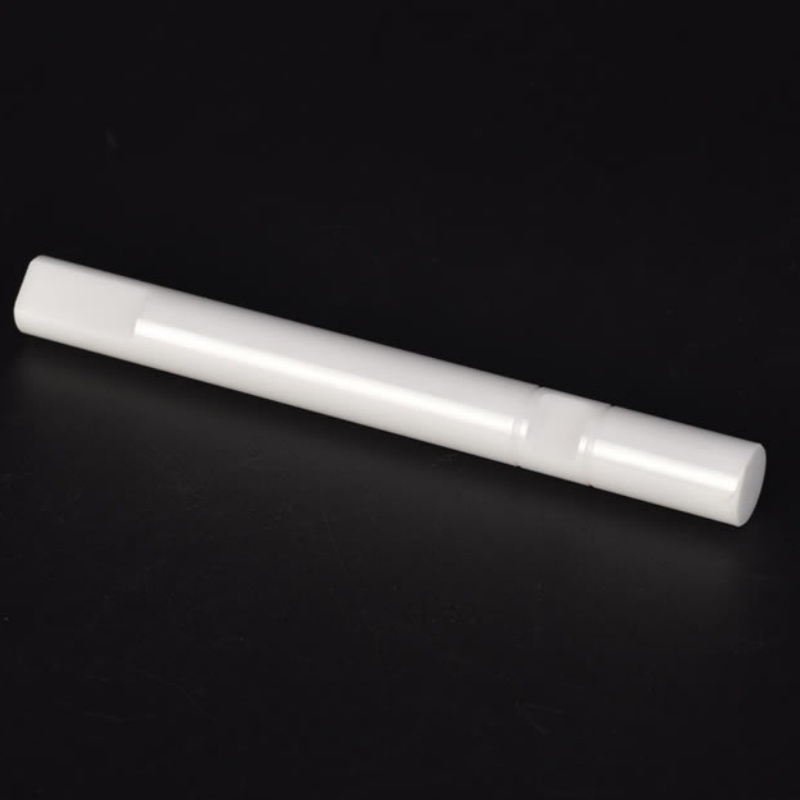
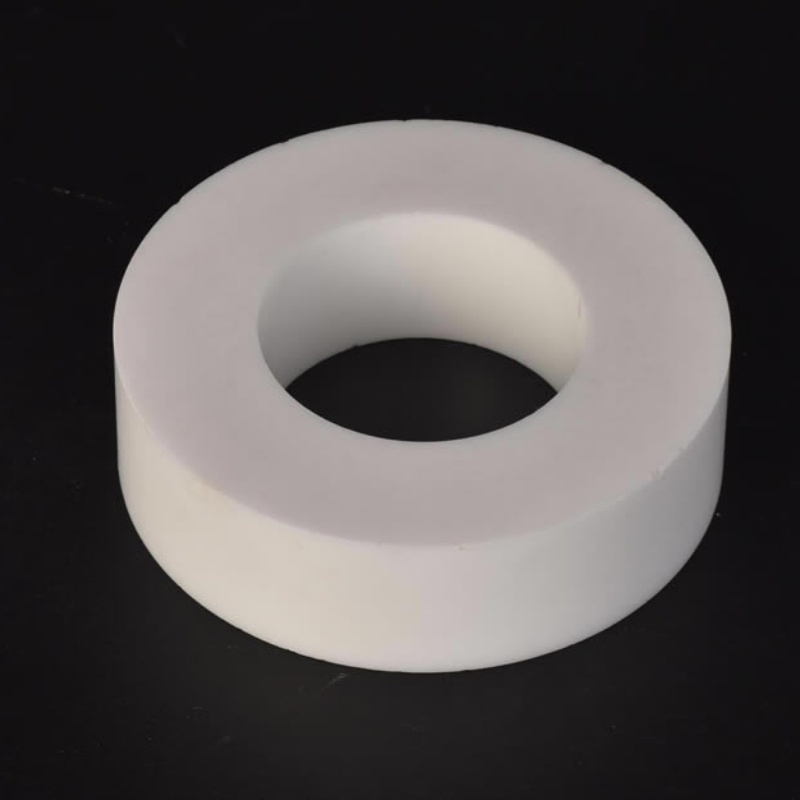
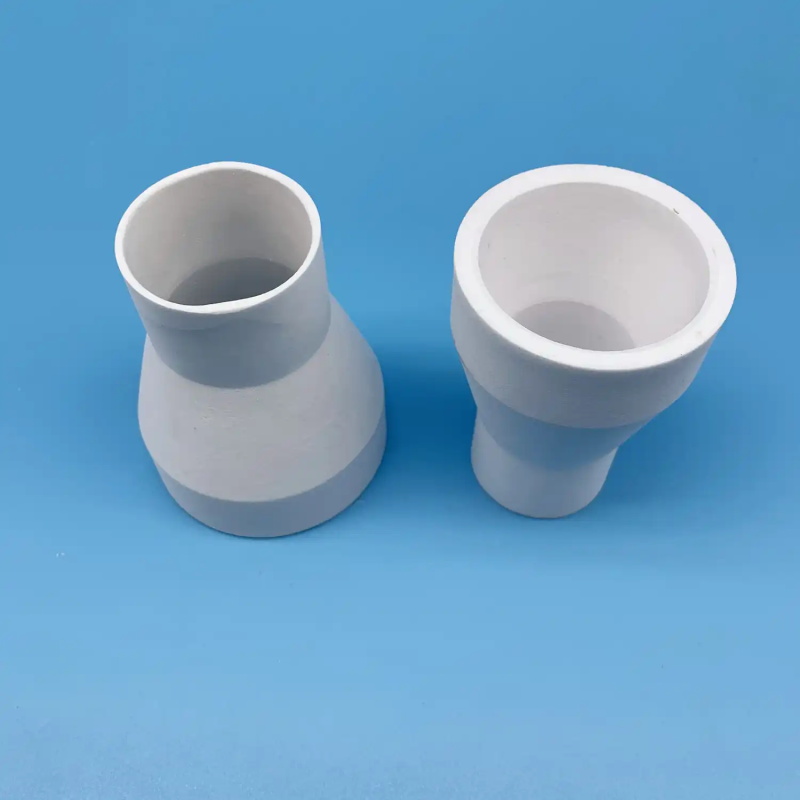
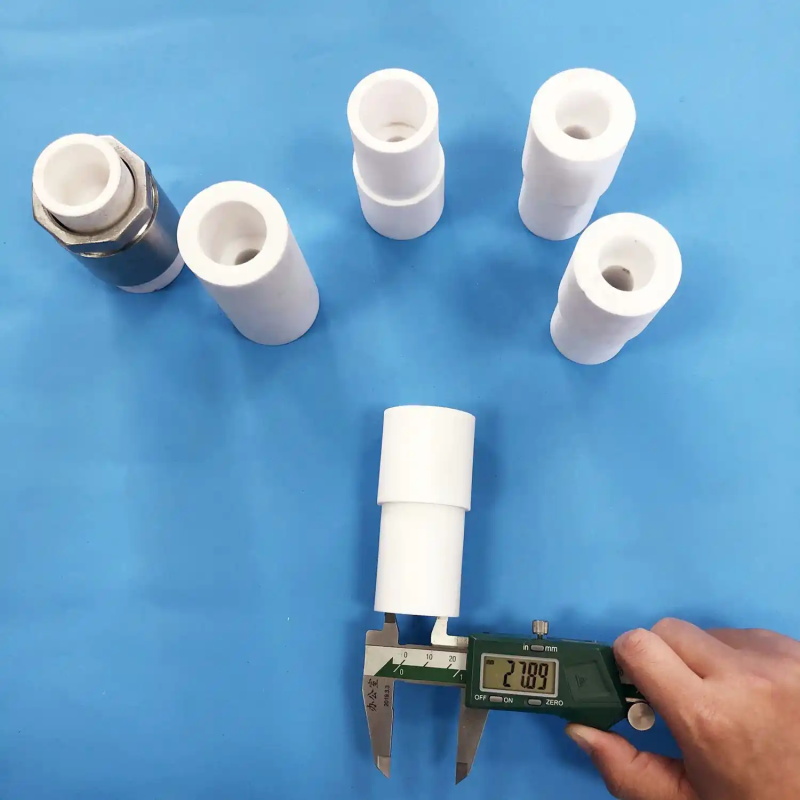
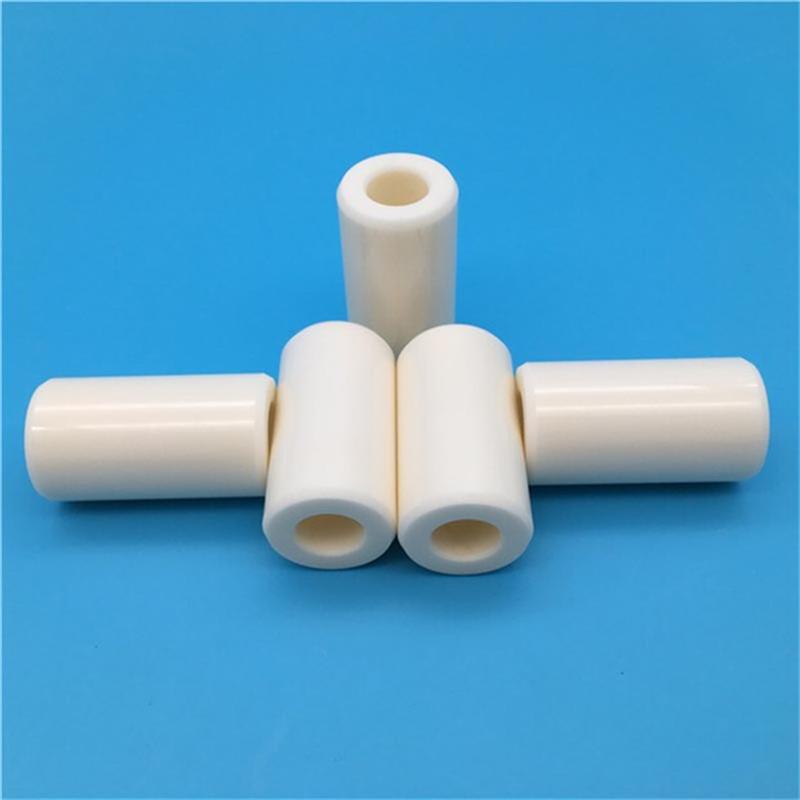
Precision alumina ceramic bearing piston tube is a cylindrical component manufactured from high-purity aluminum oxide ceramic, designed to serve as the sliding surface for a piston within a cylinder or as the piston rod itself in hydraulic, pneumatic, and fluid handling systems.
Unlike metal piston rods that rely on surface coatings (e.g., hard chrome plating) for wear resistance, the alumina ceramic component derives its performance from the intrinsic properties of the bulk material. The term “bearing” in this context refers to the tube’s function as a load-bearing sliding surface that guides the piston while maintaining a sealing interface with dynamic seals.
These components are produced through advanced ceramic processing routes—typically isostatic pressing or extrusion followed by high-temperature sintering—and subsequently finished with precision grinding and lapping to achieve the surface finish and dimensional accuracy required for fluid sealing applications.
Key Material Properties
Understanding the property profile of alumina ceramic is essential for evaluating its suitability in bearing piston applications. The following technical parameters define the performance envelope for both 95% and 99% alumina grades:
For 95% alumina, typical density values fall in the range of 3.65 to 3.70 g/cm³, while 99% alumina achieves densities between 3.85 and 3.95 g/cm³. This purity difference also influences hardness: 95% grades exhibit Vickers hardness values from 1400 to 1600 MPa, whereas 99% material reaches 1700 to 2000 MPa. In Rockwell A scale terms, these correspond to 85–88 and 88–92, respectively.
Compressive strength for both grades is substantial, typically 2000 MPa or higher. Flexural strength, however, increases with purity—from 280–320 MPa at 95% to 320–360 MPa at 99%. Young’s modulus also rises, from 280–320 GPa for the lower-purity grade to 350–400 GPa for the 99% material.
Fracture toughness, a critical parameter for brittle materials, ranges from 3.8 to 4.0 MPa·m^1/2 for 95% alumina and improves slightly to 4.0–4.5 MPa·m^1/2 for the 99% variant.
Thermal performance is equally purity-dependent. Maximum continuous operating temperatures extend from 1500°C (95%) to 1650–1700°C (99%). Thermal conductivity increases with purity, ranging from 18–25 W/(m·K) for lower grades to 26–35 W/(m·K) for high-purity formulations. The coefficient of thermal expansion falls between 7.1 and 8.5×10⁻⁶/K across both grades.
Electrical insulation capability remains excellent regardless of purity, with volume resistivity exceeding 10¹⁴ Ω·cm. Finally, surface finish achievable after grinding and lapping ranges from 0.1 to 0.2 µm Ra for 95% material down to 0.03–0.1 µm Ra for 99% alumina.
Material Characteristics
Crystalline Structure and Purity
The performance of alumina ceramic bearing tubes is directly linked to their microstructure. High-purity alumina (≥99%) consists primarily of alpha-alumina crystals—the thermodynamically stable hexagonal phase of aluminum oxide. The crystals are tightly bonded through a glassy grain boundary phase, typically comprising silica, alumina, and magnesia.
Patent literature for ceramic gas bearings specifies that for optimal bearing performance, the bodies should contain at least 94% alpha alumina crystals, with at least 98% of crystals within the 0.5–40 micron size range. This microstructure provides the hardness and wear resistance characteristic of the material.
Key Advantages
Exceptional Wear Resistance: In abrasive environments—such as mud pumps handling sand-laden slurries—the wear resistance of alumina ceramic tubes exceeds that of chrome-plated steel by more than a factor of ten. Field data indicates replacement cycles extending from 2 weeks to over 8 months in severe conditions.
Corrosion and Chemical Inertness: Alumina ceramic is insoluble in water and exhibits high resistance to most acids and alkalis, with the exceptions of hydrofluoric acid and hot concentrated alkali solutions. This property eliminates rust and pitting concerns that plague metallic components in chemical, marine, and washdown environments.
High-Temperature Stability: While seals and elastomers typically limit maximum system temperatures, the ceramic itself maintains structural integrity from -50°C to over 1000°C for continuous operation. The thermal stability prevents softening or dimensional change at elevated temperatures.
Reduced Friction: Mirror-like surface finishes (Ra 0.03–0.1 µm) produce coefficients of friction as low as 0.1, reducing breakout friction and energy consumption.
Weight Reduction: At 3.85–3.95 g/cm³, alumina ceramic is approximately 50% lighter than steel, offering advantages in high-speed reciprocating applications.
Limitations
Brittle Fracture Risk: As a ceramic material, alumina exhibits low fracture toughness compared to metals. Impact loads or point loading can cause catastrophic failure. Design solutions include metallic sleeving, interference-fit nesting, or composite structures that protect the ceramic from tensile stresses.
Cost: Precision alumina components require diamond grinding and lapping, increasing manufacturing costs relative to turned steel parts.
Limited Tensile Strength: While compressive strength exceeds 2000 MPa, tensile strength is significantly lower (approximately 200–250 MPa). Components should be designed to place the ceramic in compression.
Engineering Applications
Hydraulic and Pneumatic Cylinders
In heavy machinery and mobile equipment, cylinders operate in dusty, abrasive environments. Traditional chrome-plated steel rods suffer from surface scoring and seal damage. Alumina ceramic piston tubes maintain their surface finish even when hard particles are entrained in the seals—particles that would embed in softer metal surfaces. A relevant case: in a hydraulic cylinder powering earthmoving equipment, ceramic rods extended service life from the standard maintenance interval (3 months) to over 2 years.
Chemical and Metering Pumps
High-precision metering pumps in chemical processing, pharmaceutical manufacturing, and food production demand both accuracy and chemical compatibility. The ceramic piston tube’s dimensional stability ensures consistent metering accuracy (up to ±0.25% in some systems), while chemical inertness prevents contamination of process fluids.
High-Pressure Washers
Pressure washer pumps operating at 1000–3000 psi experience significant wear from the combination of high pressure and water containing dissolved minerals. Many commercial pressure washer pumps now incorporate ceramic pistons or plungers as standard equipment. A specific field example: ceramic pistons in pressure washers used for concrete surface preparation typically outlast steel pistons by 4:1, as water and abrasive particles do not score the ceramic.
Semiconductor and Electronic Equipment
The combination of electrical insulation (volume resistivity >10¹⁴ Ω·cm), chemical inertness, and thermal stability makes alumina ceramic bearing tubes suitable for semiconductor wet processing equipment, where both chemical corrosion and stray currents from electrolytic effects can damage metal components.
Air-Conditioning Compressors
Ceramic pistons for hermetic compressors have demonstrated reduced wear and power loss compared to metal counterparts. The lower density reduces reciprocating mass, while the dimensional stability maintains efficient sealing. High-alumina ceramic pistons prepared from formulations containing 45–70% active Al₂O₃ have shown particular promise in compressor applications.
Design Considerations
Surface Finish Requirements
For dynamic sealing applications, surface finish is paramount. Practical guidelines based on industry experience:
– Standard dynamic sealing: Ra ≤ 0.2 µm
– High-pressure or low-friction applications: Ra ≤ 0.1 µm
– Critical applications (aerospace, precision metering): Ra ≤ 0.05 µm
The surface roughness should be measured using diamond stylus profilometry with appropriate cutoff filters (typically 0.8 mm for Ra values in this range).
Diametral Clearances and Tolerances
For hydraulic and pneumatic applications, the diametral clearance between piston tube and cylinder bore is typically calculated based on:
– Operating pressure
– Seal type and material
– Thermal expansion of mating materials
– Required leakage rate
Practical tolerances achievable with precision grinding: ±0.01 mm on diameter, with roundness ≤0.002 mm.
Composite Structures
Recognizing the brittle nature of ceramics, many designs employ composite construction:
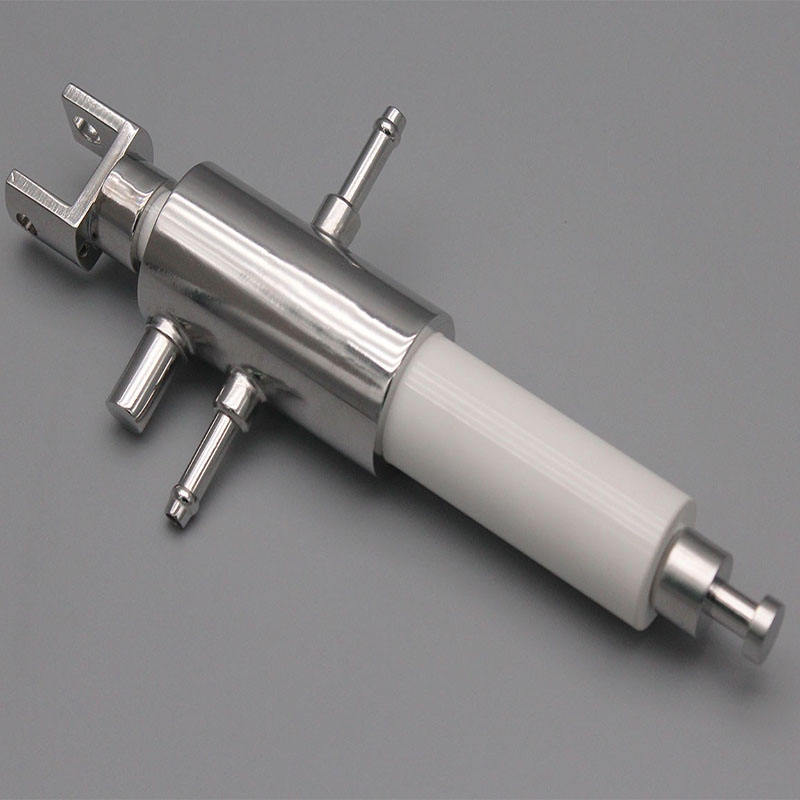
Ceramic-in-metal sleeving: The ceramic tube forms the functional inner or outer surface, with a metallic outer shell providing protection against impact. The metal shell is typically attached via interference fit or high-temperature adhesive, with the assembly qualified through thermal shock testing.
Ceramic coating approach: In less demanding applications, thermal spray or vapor deposition coatings may provide similar surface benefits with reduced cost.
Joining Considerations
When connecting ceramic piston tubes to metallic end fittings, design should address:
– Thermal expansion mismatch: Alumina (CTE 7–8.5×10⁻⁶/K) vs. steel (~12×10⁻⁶/K)
– Stress concentrations: Fillets and smooth transitions reduce tensile stresses
– Interference fits: May require heating of metal or cooling of ceramic
Manufacturing Process Overview
The manufacturing of precision alumina ceramic bearing tubes follows a multi-step process:
Powder Processing and Forming
High-purity alumina powder is milled with appropriate binders and plasticizers, then formed into a near-net shape. Common forming methods include:
– Isostatic pressing: The preferred method for long tubes, providing uniform density
– Extrusion: Cost-effective for high-volume production of constant cross-sections
– Injection molding: Suitable for complex geometries
Sintering
The formed “green” part is fired at temperatures typically between 1300°C and 1650°C, causing particle bonding and densification. Sintering shrinkage is predictable (typically 15–25% linear), enabling reasonable dimensional control in the green state.
Precision Finishing
After sintering, the component undergoes:
– Rough grinding: Using diamond wheels to establish geometry
– Fine grinding: Achieving 0.01 mm tolerances
– Lapping/honing: Achieving final surface finish and roundness specifications
This finishing step accounts for a significant portion of the component’s cost. The use of diamond tooling is essential, as alumina hardness approaches that of sapphire (Mohs 9).
Design and Selection Factors
For engineers specifying precision alumina ceramic bearing piston tubes, the following selection criteria should be evaluated:
Grade Selection (95% vs. 99% vs. Others)
– 95% Al₂O₃: Recommended for general industrial hydraulics, moderate wear and corrosion demands.
– 99% Al₂O₃: Preferred for high-wear chemical service, elevated temperatures exceeding 1500°C.
– Zirconia-Toughened Alumina (ZTA): Indicated for applications requiring improved fracture toughness.
– High-Alumina Zirconium-Bearing formulations: Suitable for compressor applications requiring reduced wear.
Geometry Specifications
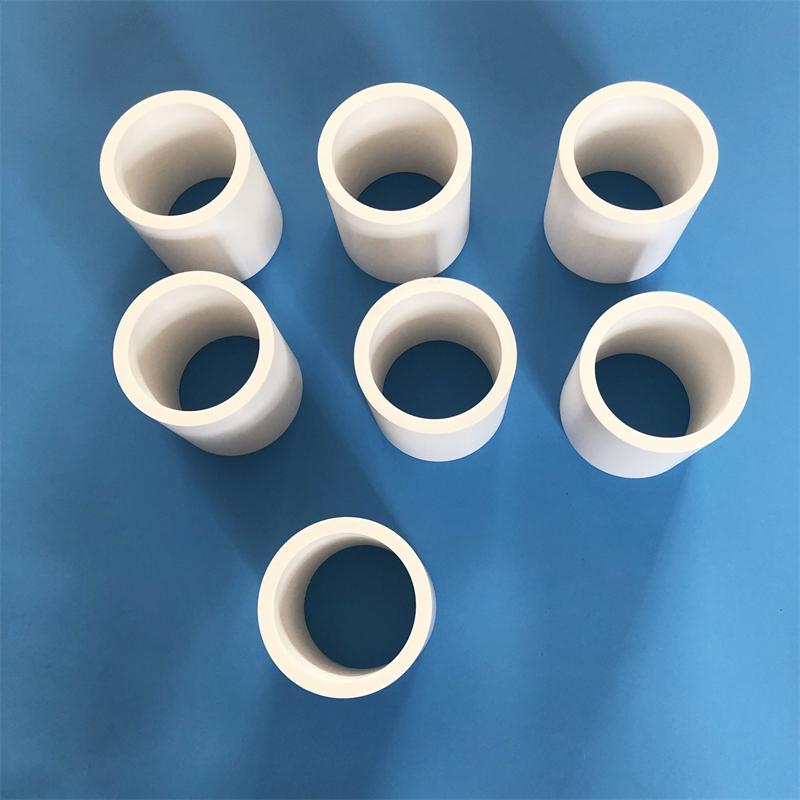
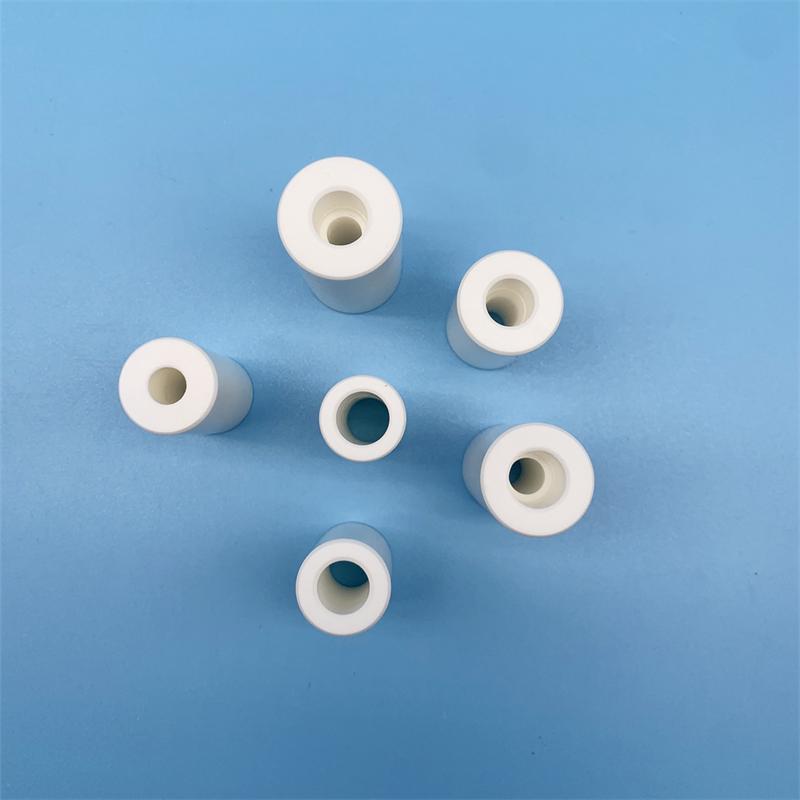
Typical dimensions available include outer diameters from 5 mm to 200 mm, inner diameters from 3 mm to 180 mm, and maximum lengths up to 800 mm. Wall thickness is application-dependent, based on pressure and stress calculations.
Environmental Factors
– Operating temperature: Consider both continuous and transient conditions. The ceramic can tolerate extremes, but seal compatibility may limit system temperature.
– Chemical exposure: Verify compatibility with specific process fluids. Alumina is generally resistant to most acids, alkalis, and solvents, but hydrofluoric acid and hot concentrated alkali are notable exceptions.
– Particle loads: Higher particle concentrations justify moving to higher purity grades or composite designs.
Reliability Requirements
For critical applications, establish:
– Acceptance criteria for dimensional tolerances
– Surface finish verification methods
– Proof testing or NDT requirements
– Failure mode analysis and containment strategies
Frequently Asked Questions
What is the difference between a ceramic piston and a ceramic piston tube?
Ceramic piston refers to the complete component—including the sealing element—while a ceramic piston tube specifically describes the cylindrical sliding surface. In many designs, the ceramic tube serves as the rod or plunger that reciprocates through seals.
How does alumina ceramic compare to chrome-plated steel for piston applications?
In abrasive environments, alumina ceramic demonstrates 10× or greater wear resistance than chrome-plated steel. It also provides corrosion resistance and thermal stability that plated steel cannot match. However, steel offers higher fracture toughness and significantly lower material cost.
What is the maximum operating temperature for these components?
The ceramic itself can operate continuously at 1500°C (95% grade) to 1700°C (99% grade). However, in practical piston applications, the system temperature is usually limited by seal materials (typically <200°C for standard elastomers, up to 300°C for PTFE-based seals).
What surface finish is required for a ceramic bearing piston tube?
For dynamic sealing applications, Ra ≤ 0.2 µm is standard. High-pressure or low-friction applications may require Ra ≤ 0.1 µm. The surface should be free of scratches or imperfections deeper than 0.003 inches.
Can alumina ceramic piston tubes be custom manufactured?
Yes. Components can be produced to custom dimensions, with typical capabilities including outer diameters from 5 to 200 mm, lengths up to 800 mm, and tolerances to ±0.01 mm. Minimum order quantities of a single piece are practical for prototype work.
Are ceramic piston tubes brittle?
Alumina ceramic has limited fracture toughness compared to metals. However, when properly installed (with appropriate supports and load paths) and protected from impact loads, they provide reliable long-term service. Composite structures or zirconia-toughened grades can improve resistance to brittle failure.
What industries use precision alumina ceramic bearing piston tubes?
Primary industries include: chemical processing (pumps, metering equipment), semiconductor manufacturing (processing equipment), automotive (air conditioning compressors), construction/mining (hydraulic equipment), food and beverage processing (sanitary pumps), and pressure washing equipment.
Is the ceramic piston tube suitable for high-pressure applications?
Yes. With compressive strength exceeding 2000 MPa, alumina ceramic is suitable for high-pressure hydraulic and pump applications. The limiting factor is generally the sealing system rather than the ceramic itself.
The precision alumina ceramic bearing piston tube represents a significant engineering advancement over traditional metal components in demanding fluid power and fluid handling applications. The ceramic’s combination of extreme hardness, chemical inertness, thermal stability, and low friction provides order-of-magnitude improvements in service life in abrasive or corrosive environments.
However, the material’s brittle nature requires thoughtful design—particularly in mounting and load transmission—to avoid tensile stresses and impact loads. Engineers are encouraged to consider zirconia-toughened alumina grades or composite designs when fracture toughness is a concern.
For critical applications involving abrasive slurries, chemical media, or high temperatures, the alumina ceramic piston tube should be evaluated as a long-term reliability solution rather than a commodity component. The higher initial cost of ceramic components is typically offset by reduced downtime, lower maintenance costs, and improved process consistency.