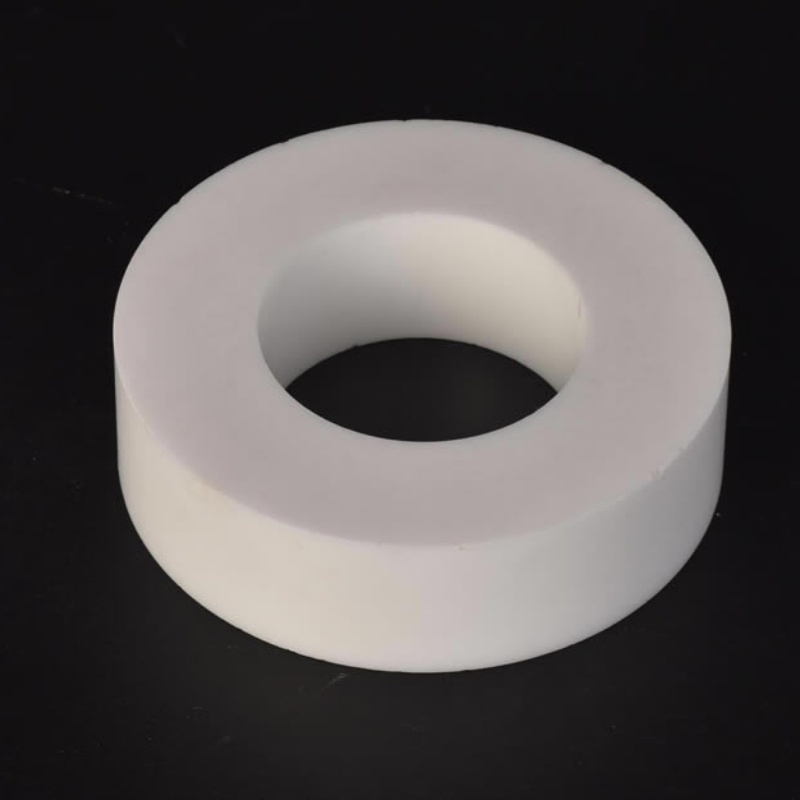
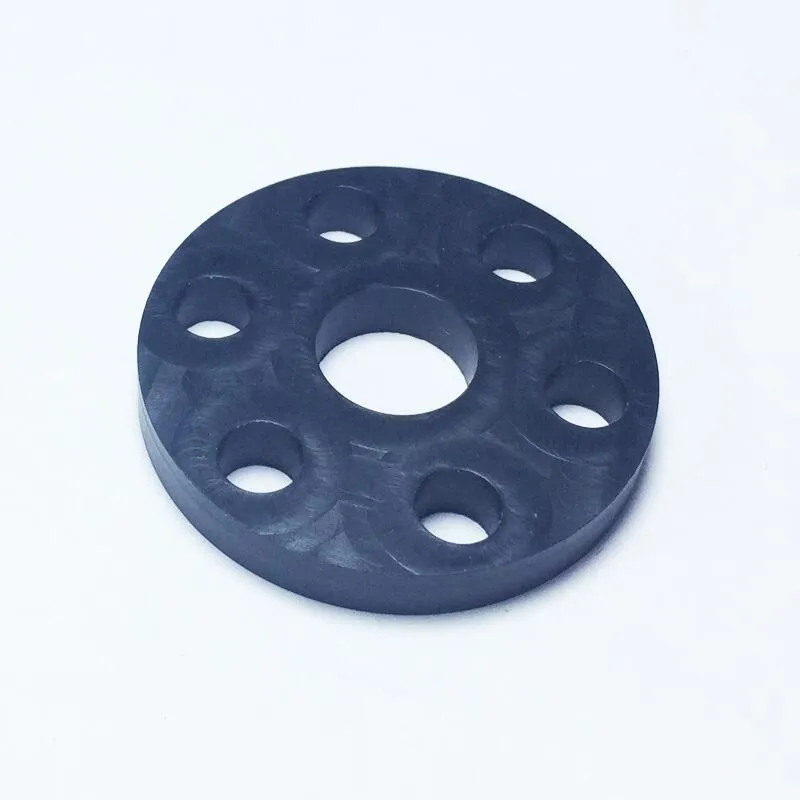
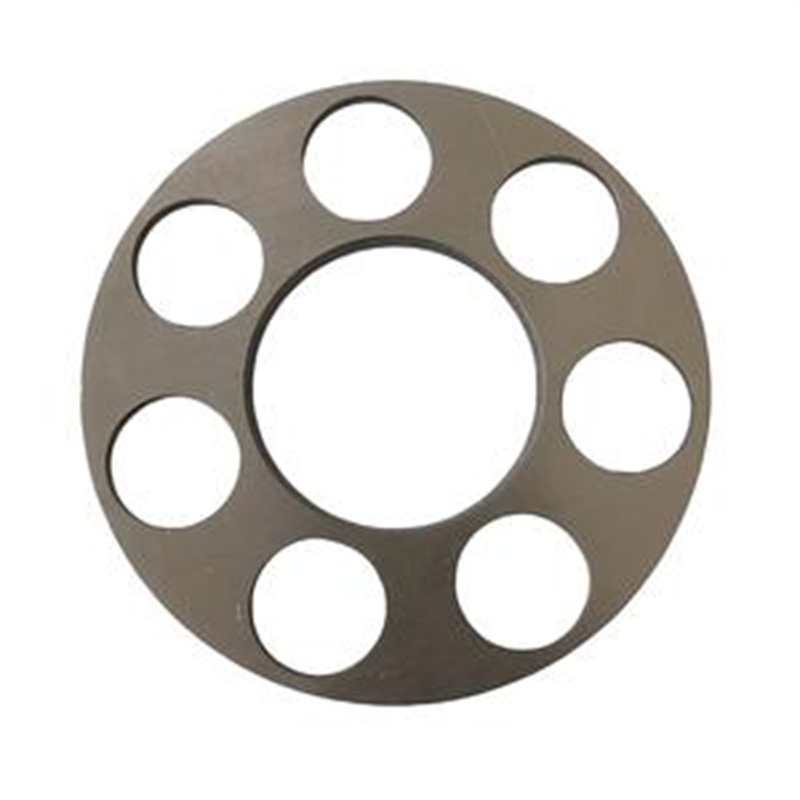
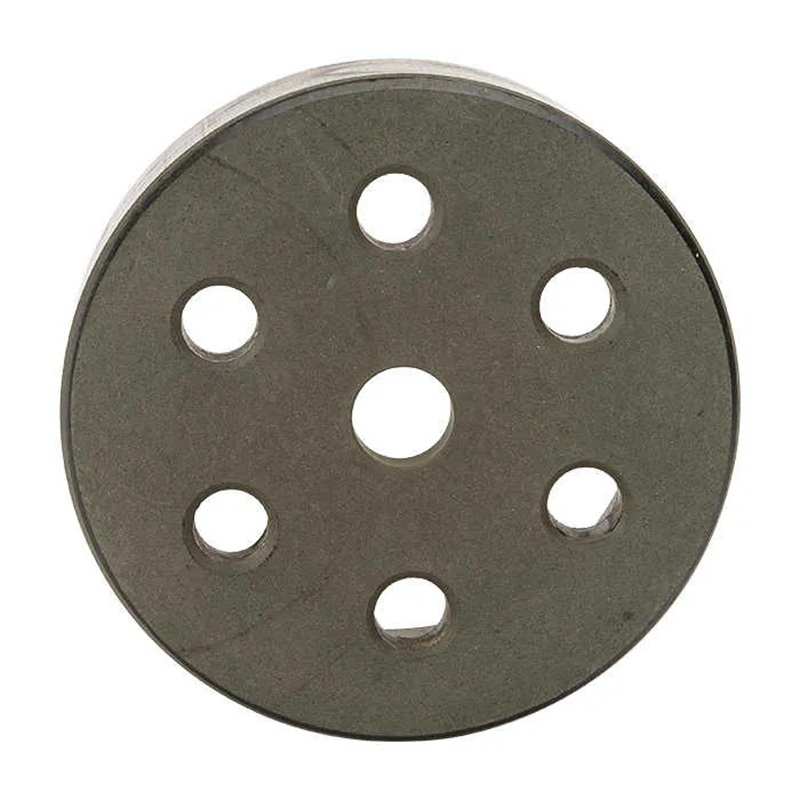
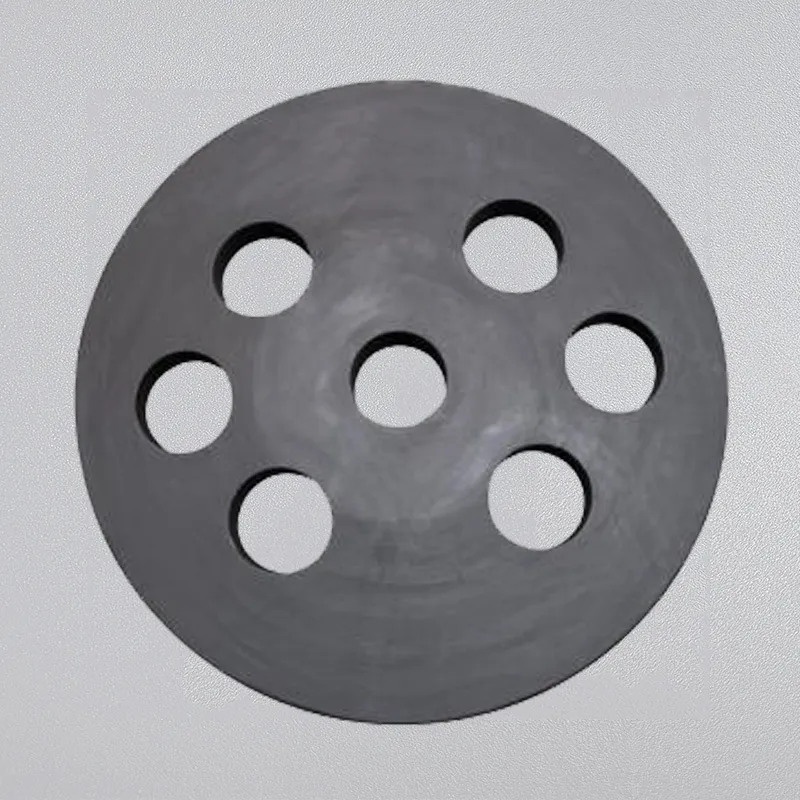
Porous Silicon Nitride Ceramic Plate
Porous silicon nitride ceramic plates represent a sophisticated class of engineering ceramics where controlled porosity is intentionally engineered into the material structure to achieve specific performance characteristics. Unlike dense silicon nitride, which is valued for its exceptional strength and toughness, the porous variant offers a compelling combination of mechanical integrity and functionality derived from its interconnected or closed pore networks.
In my years working with advanced ceramics for demanding industrial applications, porous silicon nitride plates have consistently proven themselves as problem-solvers where traditional materials fall short. They bridge the gap between structural ceramics and functional materials, offering engineers a unique set of properties that can be tailored through processing control.
This guide explores the material characteristics, manufacturing approaches, application domains, and selection considerations for porous silicon nitride ceramic plates, providing practical insights for engineers and researchers evaluating this material for their specific requirements.
What Is a Porous Silicon Nitride Ceramic Plate?
Porous silicon nitride ceramic plate is a flat, shaped component fabricated from silicon nitride (Si₃N₄) that contains a controlled volume fraction of pores—either closed (isolated) or open (interconnected). These pores are not defects but deliberately engineered features that modify the material’s properties.
The base material, silicon nitride, is a non-oxide ceramic renowned for its high strength, fracture toughness, thermal shock resistance, and chemical stability. By introducing porosity, engineers can reduce the material’s dielectric constant and thermal conductivity, lower its density, and create pathways for fluid flow or gas permeation, all while retaining a significant portion of the base material’s mechanical strength.
Key Takeaway: Porous silicon nitride ceramic plates combine the inherent strength and thermal stability of silicon nitride with property modifications enabled by controlled porosity, making them suitable for applications requiring both mechanical integrity and functional performance such as wave transmission, thermal insulation, or filtration.
Material Characteristics and Key Properties
Porosity and Pore Structure
The defining feature of porous silicon nitride ceramic plates is their porosity, typically ranging from approximately 20% to over 57% depending on the fabrication method and intended application . This porosity can be classified as:
– Closed Porosity: Pores are isolated within the ceramic matrix. This structure is particularly advantageous for applications requiring low dielectric constants and minimal moisture absorption .
– Open Porosity: Pores are interconnected, enabling fluid or gas permeation. This structure is essential for filtration or wicking applications.
The pore size and distribution are critical parameters that can be controlled through the starting powder characteristics, sintering conditions, and processing technique. Some advanced fabrication methods achieve a structure in which the pores are formed by hollowing individual silicon nitride particles, producing a network of dense ceramic with uniformly distributed fine pores .
Mechanical Strength
Despite the presence of porosity, silicon nitride ceramic plates maintain impressive mechanical properties. The flexural strength of porous silicon nitride typically ranges from 108 to 235 MPa, with specific values depending on the porosity level and microstructure . The key to maintaining strength with high porosity lies in the unique interlocking microstructure of elongated β-phase silicon nitride grains, which form a three-dimensional network that effectively transfers load .
From my experience evaluating these materials for structural applications, it’s important to note that the strength-porosity trade-off is not linear. Porous silicon nitride with optimized microstructure can achieve strengths exceeding 450 MPa at lower porosity levels .
Dielectric Properties
One of the most significant advantages of porous silicon nitride ceramic plates is their low dielectric constant and low dielectric loss. Dense silicon nitride has a dielectric constant of approximately 5.6 at 8–10 GHz. By introducing porosity, this value can be reduced significantly—reported values range from 2.63 to 3.68 at 10 GHz for porosities between 36% and 57% .
This reduction occurs because air, with a dielectric constant of approximately 1 and dielectric loss of 0, replaces a portion of the ceramic material. This property makes porous silicon nitride plates highly attractive for applications in microwave and high-frequency electronics, such as antenna windows and radomes .
Thermal Properties and Thermal Shock Resistance
Silicon nitride inherently possesses a low coefficient of thermal expansion and good thermal conductivity. The introduction of porosity can further enhance thermal shock resistance, with critical temperature differences (ΔTc) reaching up to 1300°C in some compositions . This exceptional thermal shock resistance makes porous silicon nitride plates suitable for applications involving rapid temperature fluctuations or extreme thermal gradients.
The presence of a porous structure also reduces the material’s thermal conductivity, which can be advantageous for thermal insulation applications.
Chemical and Oxidation Resistance
Porous silicon nitride plates retain the excellent chemical stability of dense silicon nitride. They exhibit good resistance to oxidation at high temperatures, although the increased surface area associated with porosity means that oxidation behavior must be carefully evaluated for long-term high-temperature applications. The material also resists attack from many acids and alkalis, making it suitable for corrosive environments .
Applications of Porous Silicon Nitride Ceramic Plates
Aerospace and Defense
Porous silicon nitride plates are extensively used in aerospace and defense applications, particularly where radar-transparent materials are required. Their combination of mechanical strength, low dielectric constant, and thermal shock resistance makes them suitable for:
– Radomes for high-speed missiles and aircraft, where the material must withstand aerodynamic heating and aerodynamic loads while maintaining radar transparency
– Antenna windows requiring low signal attenuation and structural integrity
– Thermal protection systems where lightweight insulation is required
Electronics and Semiconductor
In the electronics industry, porous silicon nitride plates serve various functions:
– Substrates for high-frequency circuit boards where low dielectric constant and loss tangent are essential
– Insulating layers in ceramic circuit boards for power electronics, taking advantage of both electrical insulation and thermal management properties
– Semiconductor manufacturing components requiring chemical purity and thermal stability
Chemical Processing and Filtration
Open porosity versions of silicon nitride plates serve in challenging filtration and separation applications:
– Filtration media for hot gases and corrosive liquids, where the chemical stability of silicon nitride is advantageous
– Membrane supports for separation processes requiring high-temperature operation
– Catalyst supports for high-temperature chemical reactions
Research and Laboratory Equipment
Porous silicon nitride plates find use in various research and laboratory applications:
– Sample holders and supports for high-temperature experiments, requiring thermal stability and chemical inertness
– Components for specialized analytical equipment
– Experimental platforms for materials research
Manufacturing Processes and Design Considerations
Fabrication Methods
Several processing routes are used to produce porous silicon nitride ceramic plates. The choice of method significantly influences the final properties.
Reaction-Bonded Silicon Nitride (RBSN) involves nitriding a compacted silicon powder preform. The nitriding reaction causes a volume expansion that can help fill pores, resulting in a relatively low-porosity material. However, the process can be controlled to produce porous plates with specific characteristics.
Sintering with Fugitive Pore Formers involves mixing silicon nitride powder with sacrificial materials that burn out or decompose during sintering, leaving behind pores. This method offers good control over pore size and distribution but may not achieve the highest strengths.
Gel-Casting Combined with Gas Pressure Sintering has been shown to effectively produce porous silicon nitride plates with well-controlled microstructures and porosities ranging from 36% to 57% . This approach offers good control over final properties and is scalable for production.
Hollow Particle Formation represents a specialized approach where metal silicon powder is nitrided such that individual particles are hollowed out, creating a structure of dense ceramic with fine, uniformly distributed pores . This method can achieve closed porosity exceeding 90% of total pores, offering exceptional electrical properties.
Typical Grades and Specifications
Porous silicon nitride ceramic plates are available in various grades optimized for different applications:
– High-Strength Grades: Lower porosity (20–35%) with flexural strengths exceeding 400 MPa, suitable for structural applications with some porosity requirement
– Wave-Transparent Grades: Higher porosity (40–57%) optimized for low dielectric constant and loss tangent, used in radome and antenna window applications
– Filtration Grades: Open porosity with controlled pore size and distribution, used for gas or liquid filtration
– Thermal Insulation Grades: Very high porosity for maximum thermal insulation
Available Shapes and Dimensions
Common shapes include:
– Rectangular plates
– Circular discs
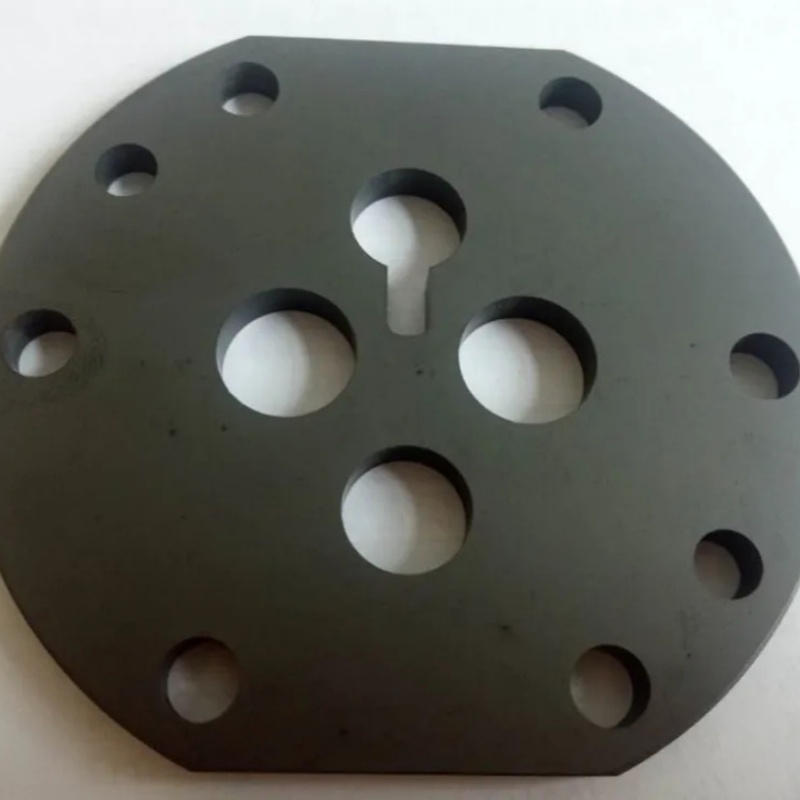
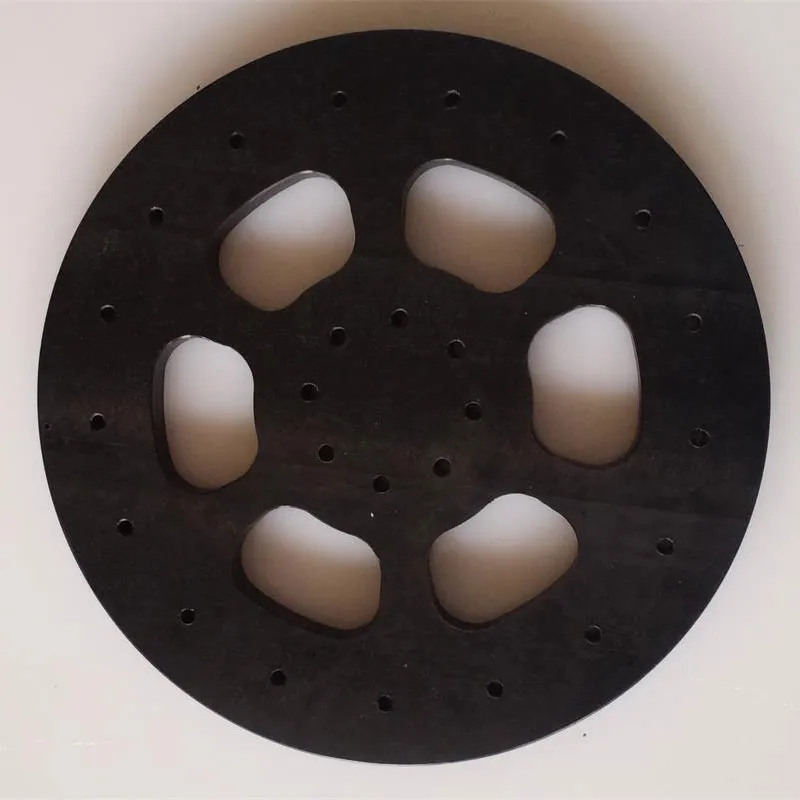
– Custom-shaped components (machined or near-net shaped)
Typical thicknesses range from 0.5 mm to over 50 mm, with length and width dimensions varying from a few millimeters to several hundred millimeters depending on the fabrication method and application requirements.
Important Selection Factors
When evaluating porous silicon nitride ceramic plates for an application, consider:
1. Required Porosity: What level and type (open vs. closed) of porosity does your application need?
2. Strength Requirements: What mechanical loads will the component experience? How much strength can be sacrificed for porosity?
3. Dielectric Requirements: If used in RF or microwave applications, what dielectric constant and loss tangent are acceptable?
4. Thermal Environment: Will the component experience thermal shock or sustained high temperatures?
5. Chemical Exposure: What chemicals will the component encounter?
6. Dimensional Tolerances: How precisely does the component need to be finished? Post-sintering machining adds cost and complexity.
Frequently Asked Questions
What is the difference between porous and dense silicon nitride ceramic?
Dense silicon nitride is a fully densified ceramic with minimal porosity (typically <1%), valued for maximum strength and toughness. Porous silicon nitride contains a controlled volume fraction of intentionally introduced pores (typically 20–57%), which reduces strength to some degree but enables lower dielectric constants, reduced thermal conductivity, and fluid permeability.
What is the typical porosity range for porous silicon nitride plates?
Porous silicon nitride plates typically exhibit porosities ranging from approximately 20% to 57% . Lower porosities (20–35%) are used for applications requiring higher mechanical strength, while higher porosities (35–57%) are used for applications requiring very low dielectric constants or fluid permeability. Some specialized grades may achieve porosities exceeding 60%.
What is the maximum service temperature for porous silicon nitride?
Porous silicon nitride can be used at temperatures up to approximately 1400°C in air and higher in inert or nitrogen atmospheres. The exact maximum temperature depends on the specific composition, porosity level, and application conditions. Oxidation resistance is the primary limitation at high temperatures.
What is the dielectric constant of porous silicon nitride?
The dielectric constant of porous silicon nitride ranges from approximately 2.6 to 3.7 at 10 GHz, compared to about 5.6 for dense silicon nitride . The specific value depends on porosity, with higher porosity yielding lower dielectric constants. This tunable dielectric property is one of the material’s most significant advantages.
How are porous silicon nitride ceramic plates manufactured?
Porous silicon nitride plates are manufactured through several methods, including reaction bonding (nitriding silicon preforms), sintering with fugitive pore formers, gel-casting combined with gas pressure sintering, and specialized hollow particle formation techniques . The choice of method affects the pore structure, porosity range, and final properties.
What are the applications of porous silicon nitride plates?
Porous silicon nitride plates are used in aerospace for radomes and antenna windows, in electronics for high-frequency substrates and insulating layers, in chemical processing for filtration and separation applications, and in research for high-temperature equipment components .
How does porosity affect the mechanical strength of silicon nitride?
Increasing porosity generally decreases mechanical strength. However, porous silicon nitride maintains relatively high strength due to its unique interlocking elongated grain microstructure, which effectively transfers load even at significant porosity levels. Flexural strengths range from approximately 108 to over 450 MPa depending on porosity and processing.
Porous silicon nitride ceramic plates represent a sophisticated class of engineering ceramics that successfully combine the inherent advantages of silicon nitride—high strength, thermal shock resistance, and chemical stability—with functionality provided by controlled porosity. The ability to tailor porosity, pore structure, and microstructure through processing enables the development of materials optimized for specific applications, from radar-transparent aerospace components to high-performance electronic substrates and filtration systems.
When selecting a material for challenging applications involving high temperatures, demanding mechanical requirements, or specialized electrical properties, porous silicon nitride plates offer a compelling combination of characteristics that few other materials can match.