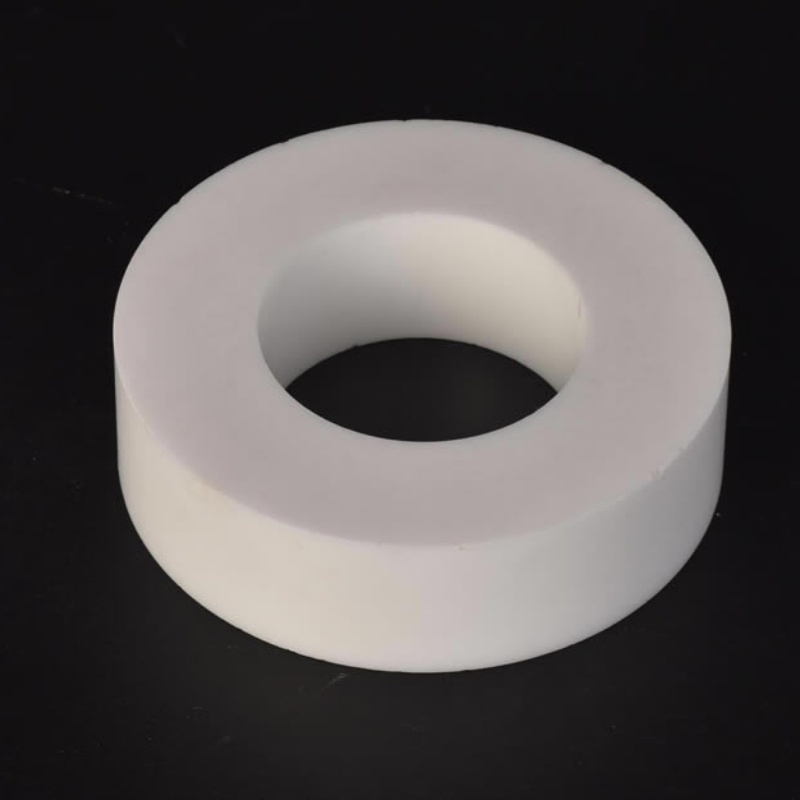
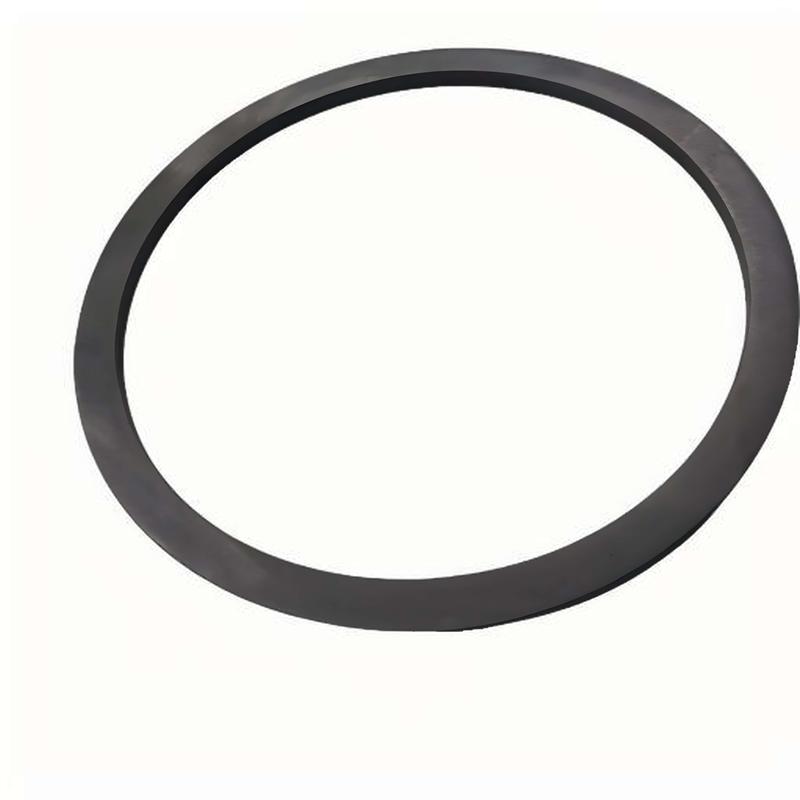
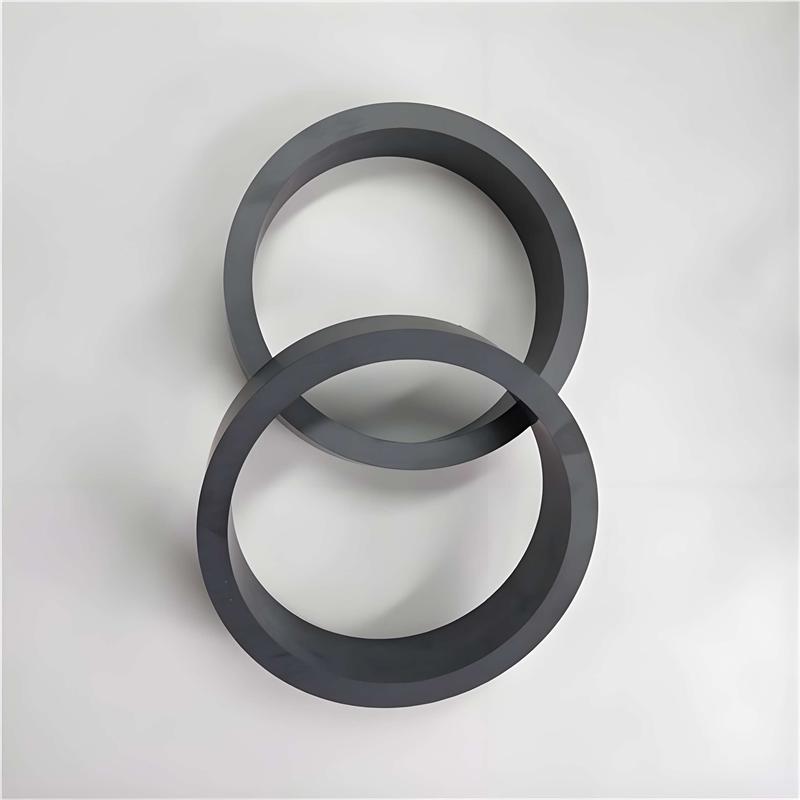
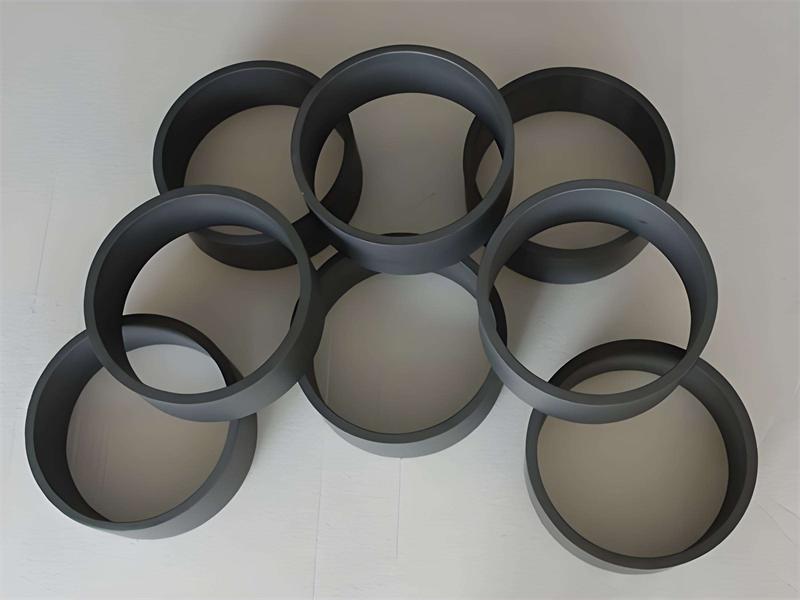
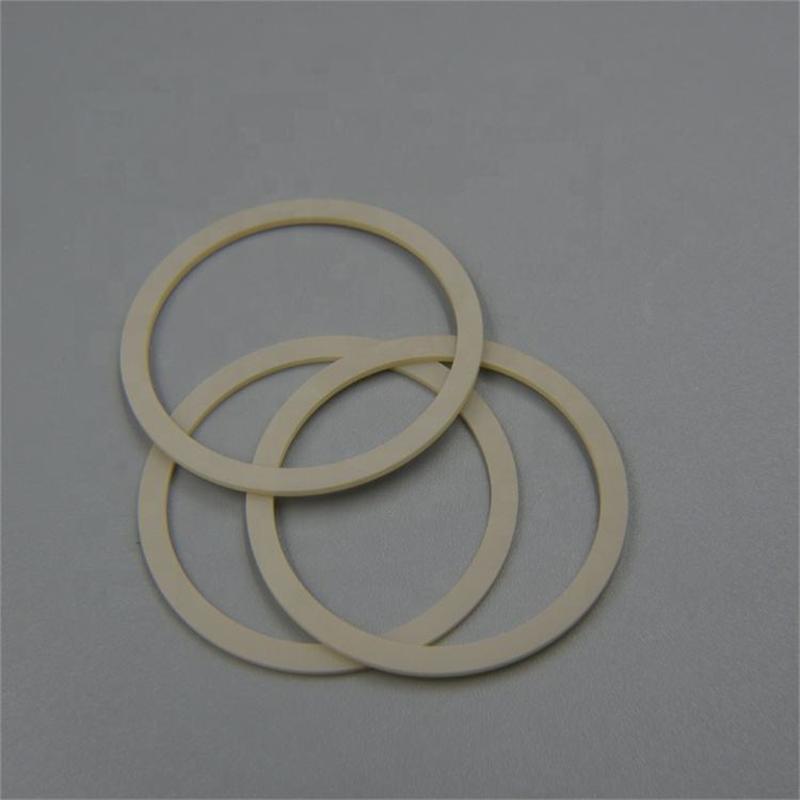
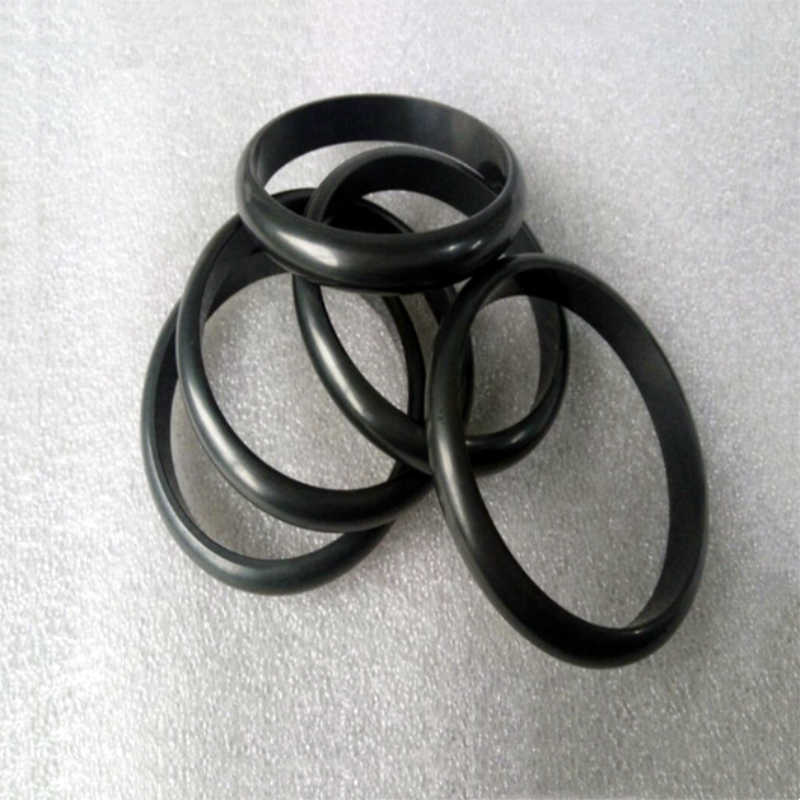
Nitride Ceramic Sealing Rings
In the realm of advanced engineering, the reliability of dynamic and static sealing systems is paramount for preventing fluid leakage, maintaining pressure, and ensuring operational safety. While traditional materials like carbon graphite, tungsten carbide, and silicon carbide have long dominated the sealing industry, nitride ceramic sealing rings have emerged as a superior solution for extreme environments. Specifically, materials such as Silicon Nitride (Si_3N_4) and Aluminum Nitride (AlN) offer a unique combination of mechanical strength, thermal stability, and chemical inertness that addresses the limitations of conventional sealing faces.
Material Composition and Types
When engineers specify a nitride ceramic sealing ring, they are typically referring to components made from Silicon Nitride (Si_3N_4), though Aluminum Nitride (AlN) is occasionally used for specific thermal management applications. Silicon Nitride is a covalently bonded ceramic that is rarely used in its pure sintered form for structural parts due to processing difficulties. Instead, it is processed via two primary methods: Reaction-Bonded Silicon Nitride (RBSN) and Sintered Silicon Nitride (SSN).
For high-performance sealing rings, Sintered Silicon Nitride is the preferred choice. It is produced by sintering silicon nitride powder with oxide additives (such as yttria or alumina) at high temperatures. This process results in a fully dense, isotropic material with superior mechanical properties compared to the porous RBSN variant. The microstructure typically consists of interlocking elongated grains, which contribute to the material’s remarkable fracture toughness.
Core Performance Characteristics
The selection of a nitride ceramic sealing ring is driven by its ability to withstand conditions that would destroy other materials.
High Fracture Toughness and Strength: Unlike oxide ceramics (like Alumina) which can be brittle, silicon nitride possesses high flexural strength (often exceeding 800 MPa) and fracture toughness. This allows the sealing ring to withstand significant mechanical shock and high PV (Pressure-Velocity) values without catastrophic failure.
Low Density: With a density of approximately 3.2 g/cm³, silicon nitride is roughly 60% lighter than Tungsten Carbide and 20% lighter than Silicon Carbide. This low mass reduces centrifugal forces in high-speed rotating equipment, minimizing vibration and wear on the mating ring.
Self-Lubricating Properties: Silicon nitride exhibits a low coefficient of friction against many counter-face materials. In fluid-lubricated seals, this promotes the formation of a stable fluid film, reducing heat generation and wear rates.
Thermal Shock Resistance: The material’s moderate thermal expansion coefficient combined with high thermal conductivity (particularly in high-purity grades) allows it to survive rapid temperature changes. This is critical in sealing applications where dry starts or sudden process temperature fluctuations occur.
Typical Applications
Nitride ceramic sealing rings are engineered for the most demanding sectors. In the automotive industry, they are standard in diesel fuel injection pumps and water pump seals due to their wear resistance against low-lubricity fuels. In the chemical processing industry, they are utilized in pumps handling corrosive acids, alkalis, and solvents where metallic seals would corrode. Additionally, their non-magnetic and electrically insulating properties make them ideal for sealing systems in semiconductor manufacturing equipment and specialized aerospace applications.
Advantages and Limitations
The primary advantage of using a nitride ceramic sealing ring is its operational longevity in abrasive and corrosive environments. It offers a significantly longer service life than carbon or tungsten carbide in clean, non-lubricating fluids. However, there are limitations. While tough for a ceramic, it is still more brittle than metal alloys, requiring careful handling during assembly to prevent chipping. Furthermore, the manufacturing complexity of sintered silicon nitride results in a higher initial cost compared to standard alumina or carbon seals, necessitating a lifecycle cost analysis rather than just a component cost comparison.
Engineering Selection Advice
When selecting a nitride ceramic sealing ring, engineers must consider the counter-face material. Silicon nitride pairs exceptionally well with Carbon Graphite or Silicon Carbide (SiC). Running silicon nitride against itself is generally discouraged due to the risk of adhesive wear and galling. Additionally, while silicon nitride is chemically inert to most acids, it can be susceptible to attack by strong hydrofluoric acid or hot concentrated alkalis. Therefore, a review of the specific chemical compatibility chart is essential before finalizing the design.
Frequently Asked Questions (FAQ)
What is the maximum operating temperature for a silicon nitride sealing ring?
Sintered silicon nitride can typically operate continuously at temperatures up to 1000°C in inert atmospheres. However, in sealing applications involving fluids, the limit is usually dictated by the secondary seals (O-rings/gaskets) and the fluid’s boiling point, rather than the ceramic itself.
Can nitride ceramic sealing rings handle dry running conditions?
Yes, they are among the best ceramic materials for brief periods of dry running due to their high thermal shock resistance and self-lubricating nature. However, prolonged dry running will eventually generate excessive heat that can damage the mating ring or the seal faces.
How does silicon nitride compare to Tungsten Carbide for sealing?
Silicon nitride is lighter, harder, and more corrosion-resistant than Tungsten Carbide. While Tungsten Carbide is tougher and generally cheaper, silicon nitride is preferred for high-speed, highly corrosive, or abrasive applications where weight and chemical stability are critical.
Is Aluminum Nitride (AlN) used for sealing rings?
AlN is primarily valued for its high thermal conductivity and electrical insulation. While it can be used for sealing, it generally lacks the mechanical strength and fracture toughness of Silicon Nitride (Si_3N_4). Therefore, Si_3N_4 is the standard for structural sealing rings, while AlN is reserved for applications requiring extreme heat dissipation.
What surface finish is required for a nitride ceramic sealing ring?
To ensure effective sealing and minimize leakage, the seal face typically requires a lapped surface finish with an Ra value of 0.2 µm or better (often down to 0.05 µm). This smoothness is crucial for maintaining the hydrodynamic fluid film between the seal faces.
Are nitride ceramic sealing rings resistant to hydrofluoric acid?
No. Like most ceramics containing silica or silicon, silicon nitride is attacked by hydrofluoric acid (HF). For HF applications, specialized fluoropolymer-lined seals or specific high-purity carbons are usually recommended instead.