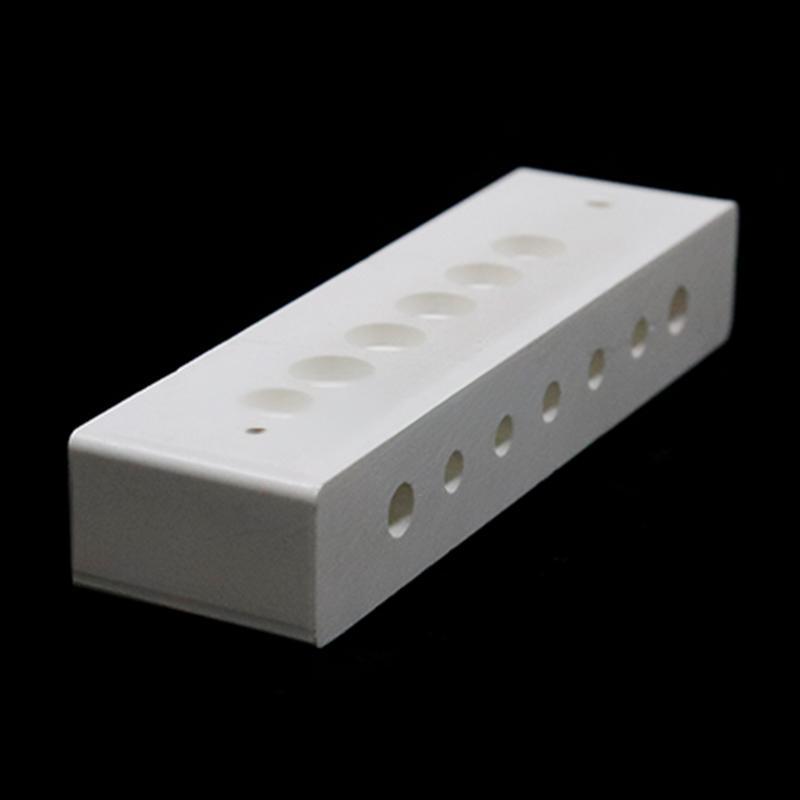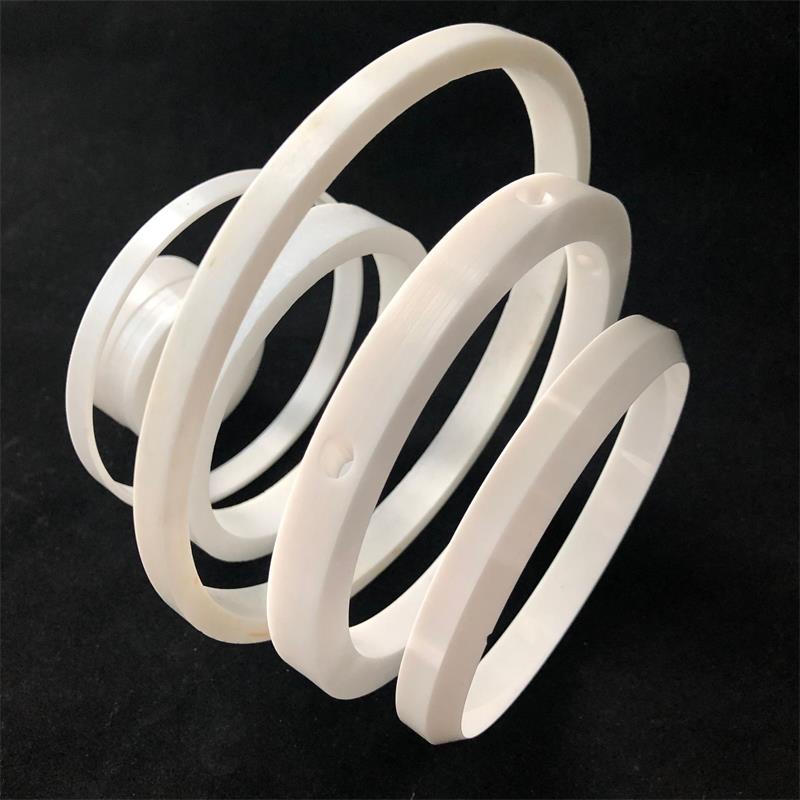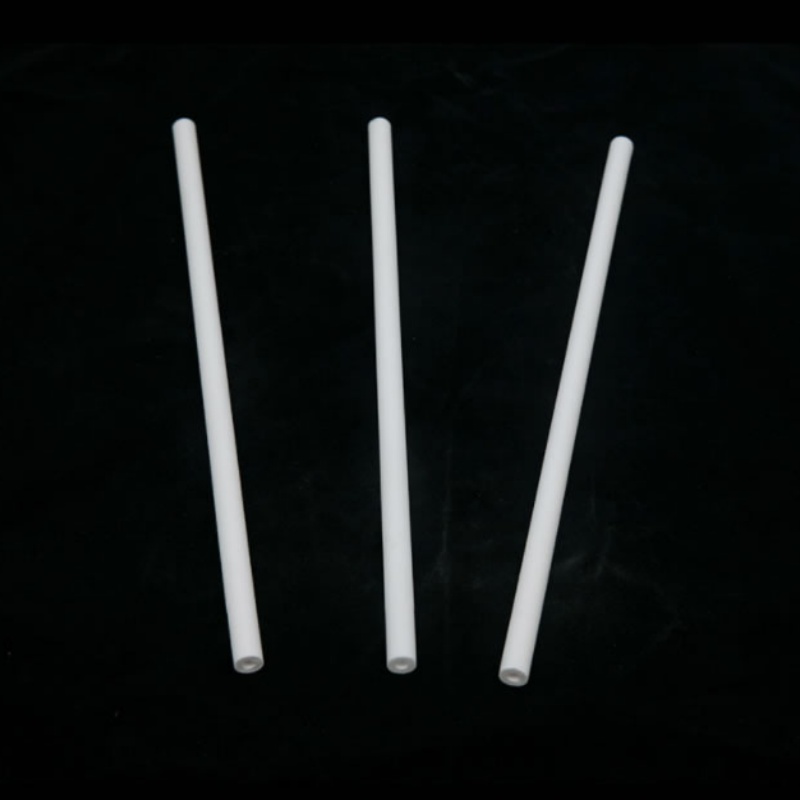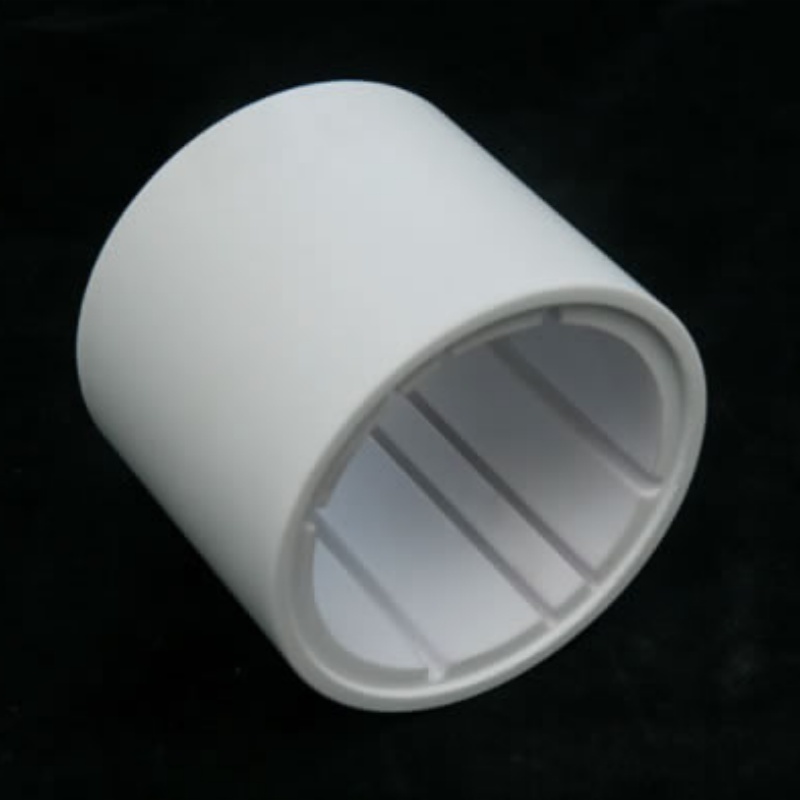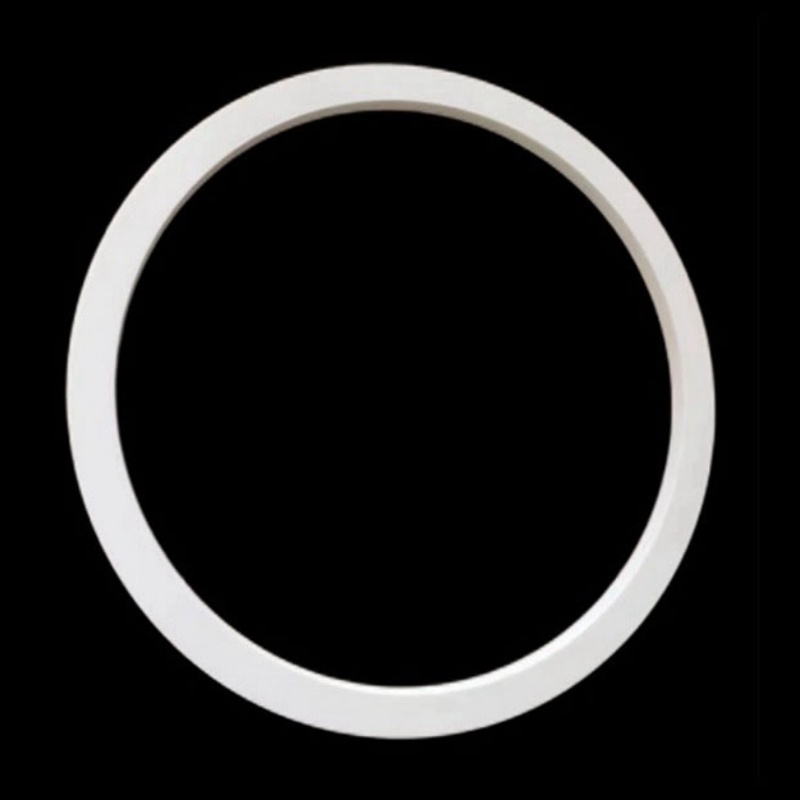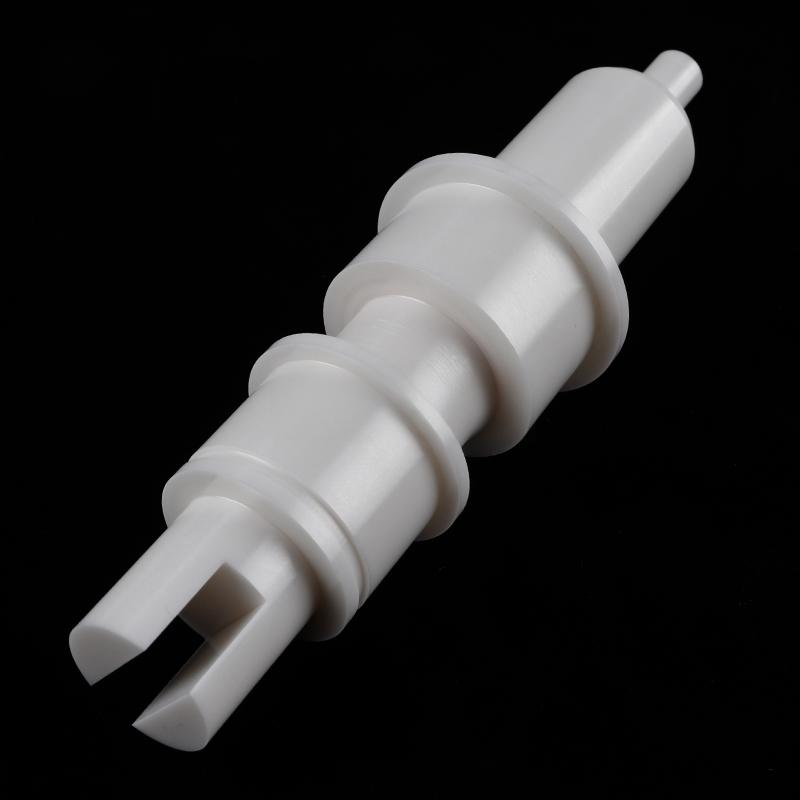
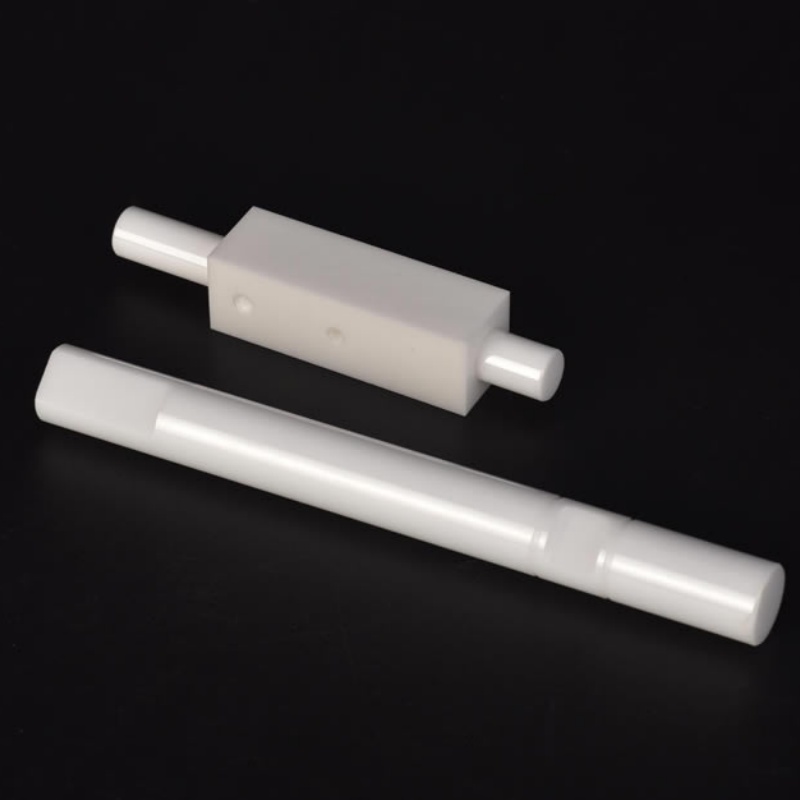
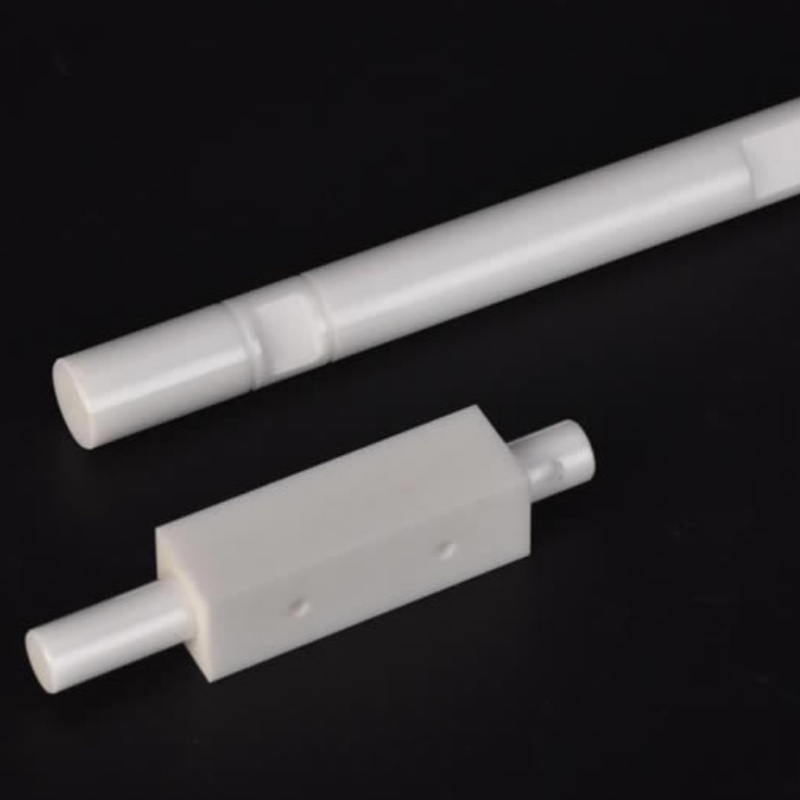
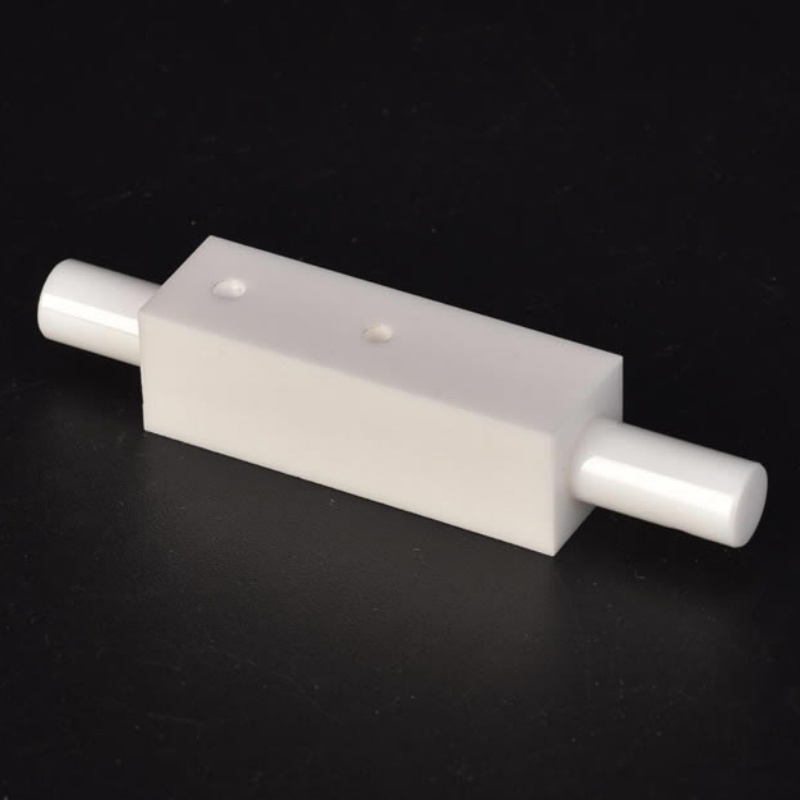
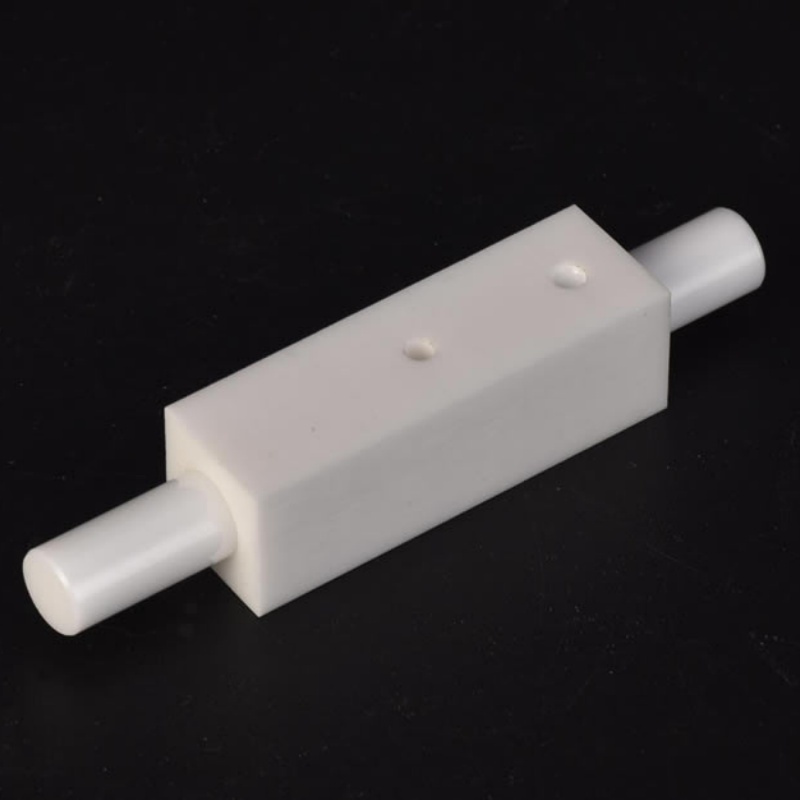
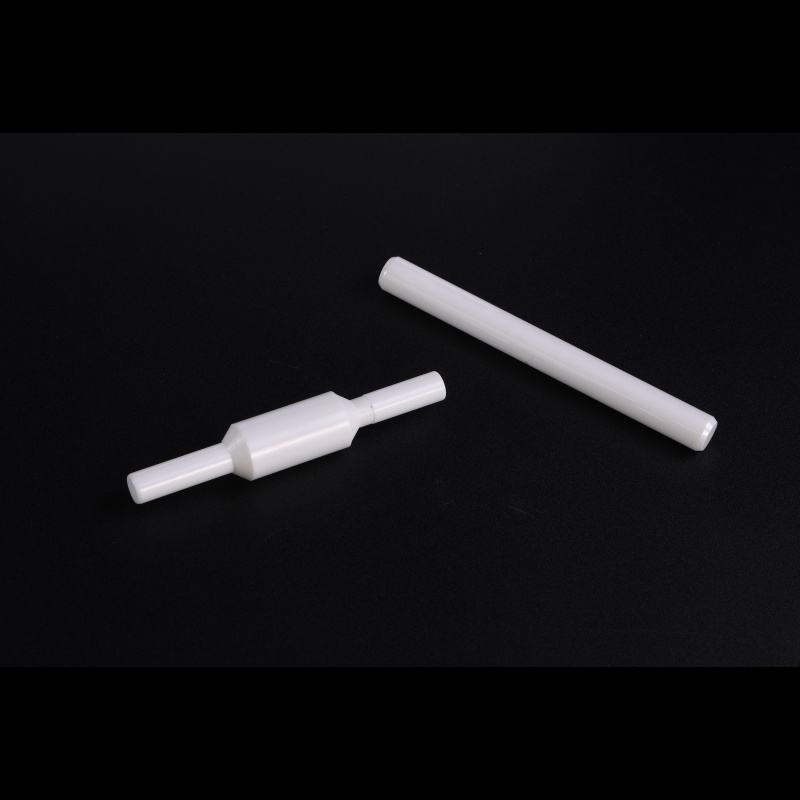
Medical Ceramic Pump Sleeves
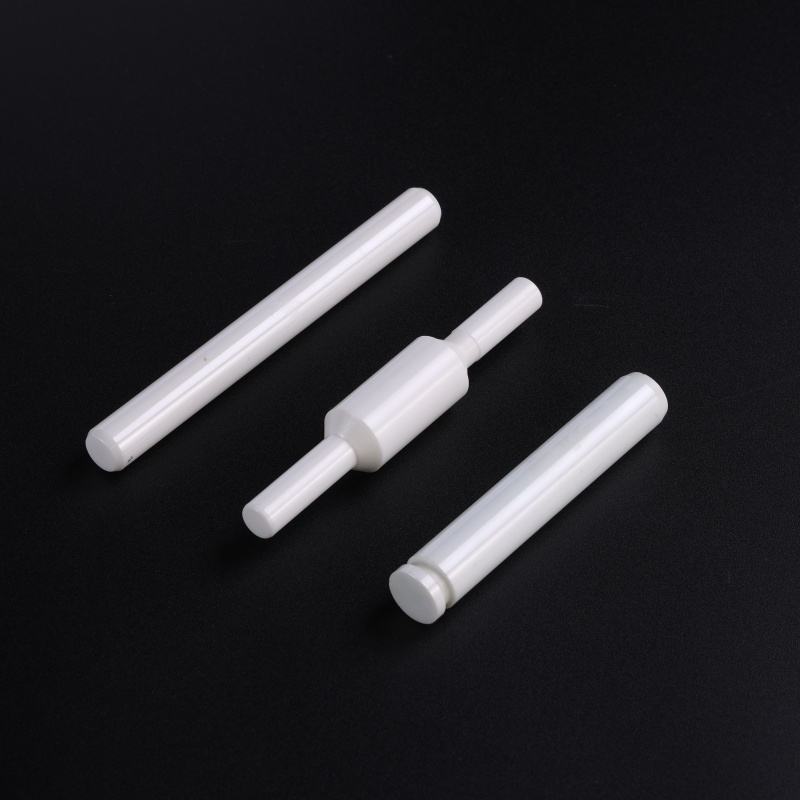
Medical ceramic pump sleeve is a precision wear component that fits around the piston, plunger, or rotor shaft of a pump head, providing a hard, chemically inert, and dimensionally stable running surface. In medical and laboratory pumping systems—syringe pumps, peristaltic pumps, HPLC and infusion devices, dialysis equipment, and analytical instruments—the sleeve is often the part that determines service life, dosing accuracy, and fluid purity. Its performance comes from the ceramic’s combination of extreme hardness, low friction, corrosion resistance, and the ability to hold tolerances in the micron range after finishing.
Why ceramics are used here
Metallic sleeves can corrode, gall, or release ions into the fluid path. Polymers wear too quickly under continuous reciprocating or rotary contact. Technical ceramics solve these problems simultaneously. Alumina (Al₂O₃), zirconia (ZrO₂), and silicon carbide (SiC) are the most common families for pump sleeves, with silicon nitride (Si₃N₄) used in selected high-load or thermal-shock-prone designs.
The reason these materials work is structural. Their strong ionic or covalent bonds produce high hardness and elastic modulus, so the sleeve resists abrasive and adhesive wear. The same bonding gives chemical inertness, so most aqueous solutions, buffers, saline, and many solvents do not attack the surface. Low surface energy and fine-grained polished finishes reduce friction and limit biofilm or deposit formation.
Material types and typical performance
Alumina is the workhorse. At 96–99.8% purity, it offers good hardness (roughly 1400–1700 HV), excellent electrical insulation, and broad chemical resistance at moderate cost. Wear resistance improves with purity and finer grain size. Its main limitations are lower fracture toughness than zirconia and sensitivity to thermal shock.
Zirconia, typically yttria-stabilized tetragonal zirconia (Y-TZP), delivers the highest toughness among common oxide ceramics—often two to three times that of alumina—along with high strength and a low friction coefficient. This makes it well suited to sleeves exposed to impact, misalignment, or high radial loads. However, zirconia is sensitive to low-temperature hydrothermal aging in humid, warm environments, and it loses strength at elevated temperatures.
Silicon carbide provides exceptional hardness, thermal conductivity, and thermal shock resistance, and it performs well in abrasive or high-temperature service. It is chemically resistant but can be attacked by strong alkalis and some molten metals. Its higher stiffness and lower toughness require careful design to avoid edge chipping.
Silicon nitride combines high strength, good toughness, and excellent thermal shock resistance, which suits demanding reciprocating or high-speed rotary pump designs, though it is less common and more costly.
Key engineering properties
Typical property ranges for medical-grade pump sleeves include hardness of 1200–2500 HV depending on material, flexural strength from about 300 MPa for alumina up to 900–1200 MPa for zirconia and silicon nitride, and elastic modulus of 300–410 GPa. Surface finish is critical: Ra values of 0.1–0.4 µm are common, and finer finishes can be specified for low-friction or sealing surfaces. Diametric tolerances of ±2 to ±10 µm and roundness below 1–2 µm are achievable with diamond grinding and lapping.
These properties explain the performance: high hardness resists wear, low friction reduces heat and torque, chemical inertness protects fluid purity, and tight tolerances maintain dosing accuracy over millions of cycles.
Applications and why they fit
Infusion and syringe pumps use ceramic sleeves because they maintain volumetric accuracy without lubricant contamination. HPLC and analytical pumps benefit from corrosion resistance and dimensional stability against aggressive mobile phases. Dialysis and blood-handling systems require hemocompatible, cleanable surfaces with minimal ion release. Laboratory dosing and metering systems use them where repeatability and long service intervals matter. In each case, the sleeve is selected because the fluid path must stay clean, the fit must stay precise, and the wear rate must stay low.

Advantages and limitations
Advantages include high wear resistance, chemical inertness, dimensional stability, electrical insulation, and compatibility with sterilization methods such as autoclaving and some plasma or chemical processes. Limitations are equally important: ceramics are brittle, so they can chip or fracture under point loads, thermal shock, or mishandling. Machining is difficult and costly, especially for internal bores and fine tolerances. Thermal expansion is low but still must be matched to mating components to avoid clearance changes. Zirconia’s hydrothermal aging and alumina’s thermal shock sensitivity are real design constraints.
Selection guidance
Choose alumina for general-purpose, cost-sensitive sleeves with moderate loads and good chemical resistance. Choose zirconia when toughness, impact resistance, and low friction are priorities. Choose silicon carbide for abrasive or high-thermal-conductivity duty. Choose silicon nitride for high-strength, thermal-shock-resistant designs. If the application involves strong alkali at high temperature, or severe thermal cycling, verify the specific ceramic’s limits or consider an alternative material. In all cases, define surface finish, tolerance, and mating material early, because these variables often matter more than the ceramic family itself.
FAQ
What is a medical ceramic pump sleeve used for?
It provides a wear-resistant, chemically inert running surface for pistons, plungers, or shafts in medical and laboratory pumps, helping maintain dosing accuracy and fluid purity.
Which ceramic is best for pump sleeves?
There is no single best choice. Alumina is cost-effective and chemically resistant; zirconia offers higher toughness; silicon carbide and silicon nitride suit more severe wear or thermal conditions.
Are ceramic pump sleeves biocompatible?
High-purity alumina and zirconia are widely used in medical devices and generally well tolerated, but biocompatibility depends on grade, surface finish, and the specific application’s regulatory requirements.
What are the main limitations?
Brittleness, sensitivity to thermal shock, difficulty of machining, and cost. These must be managed through design, handling, and proper material selection.
Can they be used at high temperatures?
Yes, but the allowable temperature depends on the material. Alumina and silicon carbide tolerate higher temperatures than zirconia, which can lose strength and age in humid conditions.
How do they compare with metal sleeves?
Ceramics resist corrosion and wear better and avoid ion release, but metals are tougher and easier to machine. The choice depends on fluid compatibility, load, and precision requirements.